| Size | Price | Stock | Qty |
|---|---|---|---|
| 5mg |
|
||
| 10mg |
|
||
| 25mg |
|
||
| 50mg |
|
||
| 100mg |
|
||
| 250mg |
|
||
| 500mg | |||
| Other Sizes |


Purity: ≥98%
| Targets |
Beta-2 adrenergic receptor ( Kd = 2.9 nM )
β₂-Adrenergic Receptor (β₂-AR) (Ki=0.38 nM in human recombinant β₂-AR binding assay); β₂-Adrenergic Receptor (β₂-AR) (EC₅₀=0.11 nM for cAMP accumulation in human β₂-AR-expressing CHO cells) [1] |
|---|---|
| ln Vitro |
Arformoterol causes the accumulation of cAMP in human bronchial epithelial cells in culture[1].
Arformoterol is the (R,R)-enantiomer of formoterol, a potent, selective, and long-acting β₂-adrenergic receptor agonist with minimal cross-reactivity to β₁-AR and α-adrenergic receptors [1] - High β₂-AR binding selectivity: Binds to human recombinant β₂-AR with Ki=0.38 nM, showing 1200-fold higher affinity than β₁-AR (Ki=456 nM) and 1300-fold higher than α₁-AR (Ki=494 nM) [1] - Potent functional agonist activity: Induces cAMP accumulation in human β₂-AR-expressing CHO cells with EC₅₀=0.11 nM, achieving a maximal response equivalent to 98% of isoproterenol (a non-selective β-agonist) [1] - Relaxes isolated human and guinea pig tracheal smooth muscle: Concentration-dependently inhibits acetylcholine (ACh)-induced contraction with EC₅₀=0.75 nM (human) and 0.82 nM (guinea pig); 10 nM achieves >90% relaxation, and the effect persists for 12–15 hours (longer than the (S,S)-enantiomer of formoterol, t₁/₂=9.2 hours vs 5.8 hours) [1] - Inhibits airway smooth muscle cell (ASMC) proliferation: 0.01–10 nM Arformoterol reduces platelet-derived growth factor (PDGF)-BB-induced ASMC proliferation by 28–62% (BrdU incorporation assay), mediated by cAMP/PKA signaling [3] - Exhibits anti-inflammatory activity in human bronchial epithelial cells (HBECs): 0.1–1 nM Arformoterol dose-dependently decreases TNF-α-induced production of pro-inflammatory chemokines CXCL8 (IL-8) and CCL11 (eotaxin) by 35–58% and 30–52%, respectively [3] - No significant cytotoxicity: HBECs and ASMCs incubated with Arformoterol up to 100 nM for 72 hours show >92% cell viability (MTT assay) [3] |
| ln Vivo |
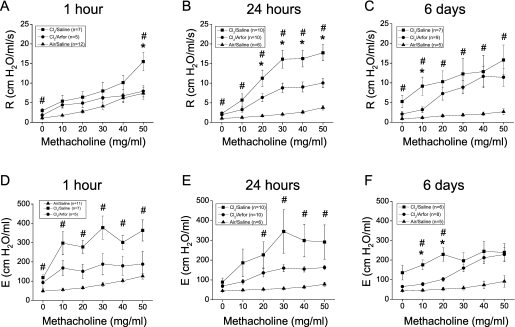
Arformoterol (10 ng in 0.1 ml saline/20 g body weight; intranasal instillation) reduces the respiratory system elastance and resistance that Cl2-induced increases in mice exhibit[3].
Arformoterol reverses the bronchoconstriction caused by ovalbumin and histamine in guinea pigs (ED50s=1 and 40 nmol/kg, respectively)[1]. Reduces chlorine-induced airway hyperreactivity (AHR) in mice: C57BL/6 mice exposed to chlorine gas (400 ppm for 5 minutes) to induce airway injury were treated with Arformoterol (0.1 μg/kg, 0.3 μg/kg, 1 μg/kg) via intraperitoneal injection 1 hour post-exposure. The 1 μg/kg dose decreases AHR to methacholine (PC₂₀=11.8 mg/mL vs 4.5 mg/mL in vehicle control, p<0.001) and reduces lung tissue eosinophil infiltration by 55% [3] - Improves lung function in a rat model of COPD: Rats exposed to cigarette smoke for 6 months to induce COPD were treated with inhaled Arformoterol (0.5 μg/kg, 1 μg/kg) once daily for 4 weeks. The 1 μg/kg dose increases forced expiratory volume in 0.1 seconds (FEV₀.₁) by 18% and reduces airway resistance by 32% compared to vehicle control [2] - Attenuates airway inflammation in ovalbumin (OVA)-sensitized mice: Inhaled Arformoterol (0.3 μg/kg) once daily for 7 days decreases OVA-induced peribronchial inflammation (lymphocyte and macrophage infiltration reduced by 48%) and mucus hypersecretion (MUC5AC mRNA expression reduced by 50%) [3] - No significant cardiovascular side effects at therapeutic doses: Intravenous administration of Arformoterol (1 μg/kg) in rats causes no significant changes in heart rate (Δ<5%) or systolic blood pressure (Δ<8%) compared to vehicle control [1] |
| Enzyme Assay |
Formoterol(Arformoterol) is a brand-new, highly selective β2-adrenergic agonist that shows potential as a β2-agonist with selectively advantageous metabolic effects.
β₂-AR binding assay (radioligand competition): Human recombinant β₂-AR-expressing cell membranes are suspended in binding buffer (50 mM Tris-HCl pH 7.4, 10 mM MgCl₂, 1 mM EDTA, 0.1% BSA). Serial 3-fold dilutions of Arformoterol (0.001–1000 nM) are mixed with membrane suspension and [³H]-dihydroalprenolol ([³H]-DHA, final concentration 0.4 nM). The mixture is incubated at 25°C for 90 minutes, then filtered through glass fiber filters to separate bound and free ligand. Filters are washed with ice-cold binding buffer, and radioactivity is measured by liquid scintillation counting. Ki values are calculated using the Cheng-Prusoff equation [1] - cAMP accumulation assay: Human β₂-AR-expressing CHO cells are seeded in 96-well plates and pre-incubated with Arformoterol (0.001–100 nM) for 30 minutes. IBMX (100 μM) is added to inhibit cAMP phosphodiesterase, and cells are incubated for an additional 30 minutes at 37°C. cAMP is extracted with ethanol, and concentrations are measured by ELISA. EC₅₀ values are derived from nonlinear regression of concentration-response curves [1] |
| Cell Assay |
Tracheal smooth muscle relaxation assay: Isolated human or guinea pig tracheal rings are mounted in organ baths containing Krebs-Henseleit solution (37°C, bubbled with 95% O₂/5% CO₂) under a resting tension of 1 g. After 60 minutes of equilibration, tracheal rings are pre-contracted with ACh (1 μM). Cumulative concentrations of Arformoterol (0.01–100 nM) are added, and relaxation percentage is calculated relative to ACh-induced maximal contraction. The duration of relaxation is monitored for 15 hours [1]
- ASMC proliferation assay: Human ASMCs are seeded in 96-well plates (4×10³ cells/well) and synchronized in serum-free medium for 24 hours. Cells are treated with Arformoterol (0.01–10 nM) plus PDGF-BB (10 ng/mL) and cultured for 48 hours. BrdU is added for the final 12 hours, and incorporated BrdU is detected by ELISA to quantify proliferation [3] - Chemokine expression assay: HBECs are seeded in 6-well plates (2×10⁵ cells/well) and treated with Arformoterol (0.1–1 nM) for 1 hour, then stimulated with TNF-α (10 ng/mL) for 24 hours. Culture supernatants are collected, and CXCL8 and CCL11 levels are measured by ELISA [3] |
| Animal Protocol |
Wild-type and iNOS−/− mice were exposed to Cl2 gas
10 ng in 0.1 ml saline/20 g body weight Intranasal instillation in the external nares at 10 minutes and every 24 hours after exposure Chlorine-induced airway hyperreactivity mouse model: Female C57BL/6 mice (6–8 weeks old) are exposed to chlorine gas (400 ppm) in a sealed chamber for 5 minutes to induce airway injury. One hour post-exposure, mice are randomized into vehicle control and treatment groups (n=8/group). Arformoterol is dissolved in sterile saline and administered via intraperitoneal injection at 0.1 μg/kg, 0.3 μg/kg, or 1 μg/kg. Airway hyperreactivity to methacholine is measured by whole-body plethysmography 24 hours post-exposure. Lungs are harvested for histopathological analysis and eosinophil counting [3] - COPD rat model: Male Sprague-Dawley rats (250–300 g) are exposed to cigarette smoke (10 cigarettes/day, 5 days/week) for 6 months to induce COPD. Rats are treated with Arformoterol (0.5 μg/kg, 1 μg/kg) dissolved in sterile saline via nebulization once daily for 4 weeks. Lung function (FEV₀.₁, airway resistance) is measured using a small animal spirometer. Lung tissues are collected for histopathological examination [2] - OVA-sensitized mouse model: Female BALB/c mice (6–8 weeks old) are sensitized with OVA (10 μg) plus aluminum hydroxide adjuvant intraperitoneally on days 0 and 14, then challenged with aerosolized OVA (1% w/v) for 30 minutes on days 21–23. Mice are treated with inhaled Arformoterol (0.3 μg/kg) once daily for 7 days (days 17–23). Lungs are harvested for mRNA extraction (MUC5AC) and histopathological analysis [3] |
| ADME/Pharmacokinetics |
Absorption, Distribution and Excretion
It is estimated that the pulmonary bioavailability of formoterol is approximately 43% of the administered dose, while the systemic bioavailability is approximately 60% of the administered dose (because systemic bioavailability includes intestinal absorption). Upon inhalation, formoterol is rapidly absorbed into the plasma. In healthy adults, the time to peak concentration (Tmax) of formoterol ranges from 0.167 to 0.5 hours. After a single 10 μg dose, the peak plasma concentration (Cmax) and area under the curve (AUC) are 22 pmol/L and 81 pmol·h/L, respectively. In adult patients with asthma, the time to peak concentration (Tmax) ranges from 0.58 to 1.97 hours. Following a single 10 μg dose, the peak plasma concentration (Cmax) and area under the curve (AUC0-12h) were 22 pmol/L and 125 pmol·h/L, respectively; after multiple 10 μg doses, Cmax and AUC0-12h were 41 pmol/L and 226 pmol·h/L, respectively. Within the standard dose range, absorption appears to be dose-proportional. Drug elimination varies depending on the route of administration and formulation. In two healthy subjects, approximately 59–62% and 32–34% of the administered dose were excreted in the urine and feces, respectively, after oral administration. Another study attempting to simulate inhalation through combined intravenous/oral administration found that approximately 62% of the administered dose was excreted in the urine and 24% in the feces. In asthmatic patients, approximately 10% and 15-18% of the administered dose were excreted in the urine as unchanged form and direct formoterol glucuronide, respectively; the corresponding values for patients with chronic obstructive pulmonary disease (COPD) were 7% and 6-9%, respectively. The renal clearance of inhaled formoterol was approximately 157 mL/min. In COPD patients, after twice-daily administration for 14 days, the mean peak plasma concentration (Cmax) and AUC0-12h were 4.3 pg/mL and 34.5 pg·hr/mL, respectively. The time to peak concentration (Tmax) was approximately 0.5 hours. In 8 healthy subjects, after a single oral dose of formoterol, 63% of the administered dose was excreted in the urine and 11% in the feces within 48 hours. After 14 days, 89% of the total dose was recovered—67% in the urine and 22% in the feces—with approximately 1% excreted unchanged in the urine. In healthy male subjects, the clearance of aformoterol after a single oral dose was 8.9 L/h. Protein binding: moderate, 61-64%. Serum albumin binding was 31% to 38% in the concentration range of 5 to 500 ng/mL. Bioavailability: Lungs: 21-37%; Systemic: 46%. It is unclear whether formoterol is distributed in human milk. However, after oral administration, it is distributed in rat milk. In asthmatic patients, 10% and 15% to 18% of the drug, respectively, were excreted unchanged in the urine after administration of 12 or 24 μg doses. In patients with chronic obstructive pulmonary disease (COPD), 7% and 6% to 9% of the drug, respectively, were excreted unchanged in the urine after administration of 12 or 24 μg doses. For more complete data on the absorption, distribution, and excretion of formoterol (8 metabolites), please visit the HSDB record page. Metabolism/Metabolites Formoterol is primarily metabolized via direct glucuronidation of the parent drug and subsequent glucuronidation following O-demethylation of the parent drug. Secondary metabolic pathways include sulfate conjugation of the parent drug and deformylation followed by sulfate conjugation, but these secondary pathways are not fully elucidated. The primary metabolic pathway of formoterol is the direct glucuronidation of its phenolic hydroxyl group, while the second major pathway involves O-demethylation followed by glucuronidation of the phenolic hydroxyl group. In vitro studies have shown that O-demethylation of formoterol involves multiple cytochrome P450 isoenzymes (CYP2D6, CYP2C19, CYP2C9, and CYP2A6), while glucuronidation involves multiple UDP-glucuronyltransferase isoenzymes (UGT1A1, UGT1A8, UGT1A9, UGT2B7, and UGT2B15), but the specific roles of each enzyme remain unclear. In eight healthy subjects, aformoterol was almost completely metabolized after oral administration of 35 micrograms of radiolabeled aformoterol. Direct glucuronide binding is the primary metabolic pathway for aformoterol. O-demethylation is a secondary pathway catalyzed by CYP enzymes CYP2D6 and CYP2C19. Formoterol is primarily metabolized via direct glucuronidation of phenolic or aliphatic hydroxyl groups, followed by O-demethylation and glucuronide binding to the phenolic hydroxyl group. Secondary pathways include sulfate binding and deformylation-related sulfate binding of formoterol. The most dominant pathway is direct binding to the phenolic hydroxyl group. The second largest pathway is binding to the phenolic 2'-hydroxyl group after O-demethylation. Four cytochrome P450 isoenzymes (CYP2D6, CYP2C19, CYP2C9, and CYP2A6) are involved in the O-demethylation of formoterol. At treatment-related concentrations, formoterol does not inhibit CYP450 enzymes. Some patients may have a deficiency of CYP2D6 or CYP2C19, or both. It is not yet fully understood whether a deficiency of one or both of these isoenzymes leads to increased systemic exposure to formoterol or systemic adverse reactions. Formoterol can bind to an inactive glucuronide and a previously unidentified sulfate. Phenylated formoterol is the major metabolite in urine. Formoterol can also undergo O-demethylation and deformylation. Plasma exposure to these pharmacologically active metabolites is low. O-demethylated formoterol exists primarily as an inactive glucuronide conjugate, while deformylated formoterol exists only as an inactive sulfate conjugate. Intact formoterol and O-demethylated formoterol are the major recoveries in feces. The mean recovery rate of the unidentified metabolite is 7.0% in urine and 2.0% in feces. Biological Half-Life The mean terminal elimination half-life of formoterol after inhalation is 7–10 hours, depending on the formulation used. The estimated plasma half-life after oral formoterol is 3.4 hours, and after inhalation it is 1.7–2.3 hours. In patients receiving COPD treatment, the mean terminal half-life of aformoterol was 26 hours after inhaling 15 micrograms twice daily for 14 days. Mean terminal half-life: 10 hours Inhalation bioavailability: 42-48% in humans (15 μg dose); oral bioavailability is very low (<2%)[2] -Plasma pharmacokinetics: In humans, after inhalation of 15 μg of afortrol, Cmax=0.23 ng/mL, AUC₀–24h=1.7 ng·h/mL, terminal half-life (t₁/₂)=10.2 hours[2] -Tissue distribution: In rats, afortrol is mainly distributed in the lungs, with a lung/plasma concentration ratio of 12.5 1 hour after inhalation; it is minimally distributed in the heart and brain[2] -Metabolism: Mainly metabolized in human liver microsomes via cytochrome P450 2D6 (CYP2D6) and CYP2C19 Metabolism; the main metabolites (4'-hydroxyafortrol, N-dealkylafortrol) do not have β₂-adrenergic receptor agonist activity[2] - Excretion: 72-hour cumulative excretion: 68% excreted in urine (28% as the original drug, 40% as metabolites), 22% excreted in feces[2] - Plasma protein binding: 50-56% in human plasma (equilibrium dialysis, 0.1-10 ng/mL)[2] |
| Toxicity/Toxicokinetics |
Effects During Pregnancy and Lactation
◉ Overview of Drug Use During Lactation While there is currently no published data on the use of inhaled formoterol during lactation, data on the related drug terbutaline suggest that only a very small amount of the drug is expected to be excreted into breast milk. Authors of multiple reviews and expert guidelines agree that the use of such drugs during lactation is acceptable due to the low bioavailability of inhaled bronchodilators and the low maternal serum concentrations after administration. ◉ Effects on Breastfed Infants No published information found as of the revision date. ◉ Effects on Lactation and Breast Milk No published information found as of the revision date. ◉ Overview of Drug Use During Lactation Aformoterol is the R-enantiomer of the long-acting β2-adrenergic agonist formoterol. Although there is currently no publicly available data on the use of inhaled aformoterol during lactation, data on the related drug terbutaline suggest that only a very small amount of the drug is expected to be excreted into breast milk. The authors of several reviews and an expert panel agree that the use of such drugs during lactation is acceptable due to the low bioavailability of inhaled bronchodilators and the low maternal serum concentrations after administration. ◉ Effects on breastfed infants No published information found as of the revision date. ◉ Effects on lactation and breast milk No published information found as of the revision date. ◈ What is formoterol? Formoterol (also known as ivomoterol) is a drug used to treat asthma and chronic obstructive pulmonary disease (COPD). It belongs to the class of long-acting β2-adrenergic agonists (LABAs). LABAs are bronchodilators. Bronchodilators help to dilate the airways in the lungs. Formoterol is administered via inhalation. It is often used in combination with inhaled corticosteroids to treat asthma. For information on inhaled corticosteroids, please see the relevant information sheet on the MotherToBaby website: https://mothertobaby.org/fact-sheets/inhaled-corticosteroids-icss-pregnancy/. Some brand names for formoterol include Foradil®, Perforomist®, and Brovana®. Formoterol is also found in some combination medications, such as Symbicort® and Dulera®. Sometimes, when people find out they are pregnant, they consider changing their medication regimen or even stopping it entirely. However, it is essential to consult your healthcare provider before changing your medication regimen. Your healthcare provider can discuss with you the benefits of treating your condition and the risks of not treating the condition during pregnancy. Poorly controlled asthma increases the risks of pregnancy. For more information, please see our asthma information sheet: https://mothertobaby.org/fact-sheets/asthma-and-pregnancy/. ◈ I am taking formoterol. Will it affect my pregnancy? It is currently unclear whether formoterol affects pregnancy. ◈ Does taking formoterol increase the risk of miscarriage? Miscarriage is common and can occur in any pregnancy for a variety of reasons. There is currently no research indicating that formoterol increases the risk of miscarriage. ◈ Does taking formoterol increase the risk of birth defects? There is a 3-5% risk of birth defects in every pregnancy. This is known as background risk. Data on the use of formoterol during pregnancy is limited. Existing animal studies and human case reports suggest that the use of formoterol during pregnancy does not increase the risk of birth defects. One study on the overall use of long-acting β2-adrenergic receptor agonists (LABAs) reported that use of LABAs in early pregnancy increased the risk of fetal heart defects. However, it is currently unclear whether these birth defects are caused by the drug itself, the disease being treated, or other factors. ◈ Does taking formoterol during pregnancy increase the risk of other pregnancy-related problems? A report of 33 pregnant women who used formoterol during pregnancy described 5 cases of preterm birth (delivery before 37 weeks of gestation). Another study compared 162 pregnancies using formoterol with those using another long-acting β2-agonist (LABA), finding no difference between the two groups in terms of birth weight, gestational age, or risk of preterm birth. Poor asthma control during pregnancy is associated with a higher incidence of pregnancy complications, such as preterm birth, low birth weight, and other complications. ◈ Will taking formoterol during pregnancy affect a child's future behavior or learning abilities? Based on reviewed studies, it is unclear whether formoterol increases the risk of behavioral or learning problems in children. ◈ Breastfeeding while taking formoterol: There are currently no studies on the use of formoterol while breastfeeding. Information about the drug suggests that using a formoterol inhaler is unlikely to result in excessively high blood concentrations that would pass into breast milk. Inhaled bronchodilators are generally considered safe for use during breastfeeding. Always consult your healthcare provider about any breastfeeding-related questions. ◈ If a man takes formoterol, will it affect his fertility (the ability to impregnate his partner) or increase the risk of birth defects? Currently, no studies have explored whether formoterol affects male fertility or increases the risk of birth defects (above background risk). Generally, exposure to formoterol by the father or sperm donor is unlikely to increase the risk of pregnancy. For more information, please refer to MotherToBaby's \"Paternal Exposure\" information sheet at https://mothertobaby.org/fact-sheets/paternal-exposures-pregnancy/. Protein Binding: The binding rate of plasma proteins to serum albumin in vitro is approximately 31%-38%, with plasma concentrations ranging from 5-500 ng/mL. However, it should be noted that these concentrations are higher than those after inhalation. Radiolabeled formoterol in vitro binds to human plasma proteins at concentrations of 52-65%, at concentrations of 0.25, 0.5, and 1.0 ng/mL. Acute toxicity (mice): Inhalation LD₅₀ > 10 μg/kg; no death or serious toxicity was observed at doses up to 10 μg/kg [2] -Subchronic toxicity (rats, 28 days): No significant changes were observed in body weight, food intake, or hematological/biochemical parameters (ALT, AST, BUN, creatinine) at inhalation doses up to 5 μg/kg/day; no histopathological abnormalities were observed in the lungs, heart, or liver [2] -Adverse reactions in humans: The most common treatment-related adverse events were mild to moderate, including headache (6–9%), tremor (4–7%), nausea (2–5%), and palpitations (1–3%); no significant cardiotoxicity or hepatotoxicity was observed at therapeutic doses [2] -Drug interactions: Co-administration with CYP2D6 inhibitors (e.g., fluoxetine) increased plasma afturo AUC by 2.1-fold; no significant interactions were observed with inhaled corticosteroids or anticholinergic drugs [2] |
| References | |
| Additional Infomation |
Arformoterol is an N-[2-hydroxy-5-(1-hydroxy-2-{[1-(4-methoxyphenyl)propyl-2-yl]amino}ethyl)phenyl]formamide with both stereocenters in the R configuration. It is the active enantiomer of formoterol and is usually administered by inhalation as a tartrate salt as a direct-acting sympathomimetic and bronchodilator for the treatment of chronic obstructive pulmonary disease (COPD) (any progressive respiratory disease, such as chronic bronchitis and emphysema, that causes dyspnea). It has bronchodilatory, anti-asthmatic, and β-adrenergic agonist effects. It is the conjugate base of Arformoterol(1+). It is the enantiomer of (S,S)-formoterol. Formoterol is an inhaled β2-receptor agonist used to treat COPD and asthma, and was first approved for marketing in the United States in 2001. It acts on bronchial smooth muscle, dilating and relaxing the airways, and is administered as a racemic mixture of active (R;R)- and inactive (S;S)-enantiomers. Formoterol's main clinical advantage over other inhaled beta-agonists is its rapid onset of action (2-3 minutes), at least as fast as salbutamol, and its long duration of action (12 hours)—therefore, asthma treatment guidelines recommend it for use as a relief and maintenance therapy. It is available as a single-agent formulation, as well as in combination with inhaled corticosteroids and long-acting muscarinic receptor antagonists. Formoterol is a bronchodilator. It improves breathing by relaxing airway muscles. Inhaled formoterol is used to prevent bronchoconstriction in patients with chronic obstructive pulmonary disease (including chronic bronchitis and emphysema). Due to safety concerns, the use of formoterol is being re-evaluated, as it may increase the risk of severe asthma exacerbations, leading to hospitalization and even death in some patients treated for asthma with long-acting beta2 agonists. Formoterol is a β2-adrenergic agonist. Its mechanism of action is as a β2-adrenergic agonist. Arformoterol is a β2-adrenergic agonist. Its mechanism of action is as a β2-adrenergic agonist. Formoterol fumarate is the fumarate form of formoterol, a long-acting selective sympathomimetic β-receptor agonist with bronchodilatory effects. Formoterol fumarate binds to β2-adrenergic receptors in bronchial smooth muscle, stimulating intracellular adenylate cyclase, thereby increasing the production of cyclic adenosine monophosphate (cAMP). Elevated cAMP levels lead to bronchial smooth muscle relaxation, improved mucociliary clearance, and reduced release of mediators from inflammatory cells, especially mast cells. (NCI05) Arformoterol is a long-acting β2-adrenergic agonist, an isomer of formoterol, with bronchodilatory effects. Aformoterol selectively binds to and activates β2-adrenergic receptors in the smooth muscle of bronchioles, thereby stimulating the activity of adenylate cyclase, an enzyme that catalyzes the conversion of adenosine triphosphate (ATP) to cyclic adenosine monophosphate (cAMP). Elevated intracellular cAMP levels lead to bronchial smooth muscle relaxation and reduce the release of inflammatory mediators from mast cells. This may ultimately improve airway function. Formoterol is a long-acting β2-adrenergic receptor agonist with bronchodilatory effects. Formoterol selectively binds to β2-adrenergic receptors in the smooth muscle of bronchioles, thereby activating intracellular adenylate cyclase, an enzyme that catalyzes the conversion of adenosine triphosphate (ATP) to cyclic adenosine monophosphate (cAMP). Elevated cAMP levels lead to bronchial smooth muscle relaxation, relieve bronchospasm, improve mucociliary clearance, and reduce the release of mediators from inflammatory cells, especially mast cells. A long-acting β2-adrenergic receptor agonist. Used to treat asthma and chronic obstructive pulmonary disease. See also: Formoterol (broader range of action); Aformoterol tartrate (salt form).
Drug Indications Formoterol is available in various formulations and is indicated for the treatment of asthma and chronic obstructive pulmonary disease (COPD). When used to treat COPD, formoterol can be used as a single-formulation inhaled solution, or in combination with long-acting muscarinic receptor antagonists (LAMAs) [Aprazole] and [Glycolone], or with the corticosteroid [Budesonide]. Formoterol can be used to treat asthma; in patients 5 years and older, it can be used in combination with mometasone furoate, and in patients 6 years and older, it can be used in combination with budesonide. Formoterol can also be used as needed to prevent exercise-induced bronchospasm. FDA Label Formoterol is indicated for the maintenance of bronchoconstriction in patients with chronic obstructive pulmonary disease (COPD), including chronic bronchitis and emphysema. Mechanism of Action Formoterol is a relatively selective, long-acting β2-adrenergic receptor agonist, although it also has some activity against β1 and β3 receptors. β2 receptors are primarily found in bronchial smooth muscle (with relatively low concentrations in cardiac tissue), while β1 receptors are the main adrenergic receptors in the heart. Therefore, selective action against β2 receptors is crucial in the treatment of lung diseases such as chronic obstructive pulmonary disease (COPD) and asthma. Formoterol's activity against β2 receptors is approximately 200 times higher than its activity against β1 receptors. At the molecular level, agonists like formoterol activate β receptors, stimulating the activity of intracellular adenylate cyclase, an enzyme responsible for converting ATP to cyclic adenosine monophosphate (cAMP). Increased cAMP levels in bronchial smooth muscle tissue lead to muscle relaxation, thereby dilating the airways and inhibiting the release of allergic mediators (such as histamine and leukotrienes) from sensitized cells, particularly mast cells. While β2 receptors are generally considered the primary adrenergic receptors in bronchial smooth muscle, and β1 receptors the primary receptors in the heart, data indicate that β2 receptors also exist in the human heart, accounting for 10% to 50% of total β-adrenergic receptors. The exact functions of these receptors are not yet fully understood, but they suggest that even highly selective β2 receptor agonists may have cardiac effects. The pharmacological effects of β2-adrenergic receptor agonists (including afortrol) are at least partly attributed to their stimulation of intracellular adenylate cyclase, an enzyme that catalyzes the conversion of adenosine triphosphate (ATP) to cyclic adenosine monophosphate (cAMP). Elevated intracellular cAMP levels can lead to bronchial smooth muscle relaxation and inhibit the release of pro-inflammatory mediators from cells, particularly mast cells. In vitro studies have shown that afortrol can inhibit the release of histamine and leukotrienes from mast cells in the human lung. Aformoterol also inhibits histamine-induced extravasation of plasma albumin in anesthetized guinea pigs and allergen-induced eosinophil infiltration in hyperresponsive dogs. Formoterol is a long-acting, selective β2-adrenergic receptor agonist that acts on bronchial smooth muscle. This stimulation leads to relaxation of smooth muscle fibers, resulting in bronchodilatory effects. Formoterol stimulates β2-adrenergic receptors but has little effect on β1- or α-adrenergic receptors. The drug's β-adrenergic effect appears to be mediated by activating adenylate cyclase to stimulate the production of cyclic adenosine monophosphate (cAMP). CAMP mediates various cellular responses, and elevated cAMP concentrations are associated with bronchial smooth muscle relaxation and inhibition of certain aspects of inflammation, such as the inhibition of the release of pro-inflammatory mast cell mediators (such as histamine and leukotrienes). Aformoterol is the active (R,R)-enantiomer of formoterol, a long-acting β₂-adrenergic receptor agonist (LABA) used to treat chronic obstructive pulmonary disease (COPD) [1][2]. - Its mechanism of action involves selectively activating β₂-adrenergic receptors in airway smooth muscle cells, increasing intracellular cAMP levels, thereby inducing smooth muscle relaxation (bronchodilation) and inhibiting smooth muscle proliferation; it can also exert anti-inflammatory effects by reducing the production of pro-inflammatory chemokines in airway epithelial cells [1][3] - Compared with racemic formoterol, aformoterol has higher potency, longer duration of action and lower systemic side effects due to enhanced β₂-adrenergic receptor selectivity [1] - Clinical efficacy: In a phase III trial, inhaled aformoterol (15 μg twice daily) increased the forced expiratory volume in one second (FEV₁) in COPD patients by 13-16% and reduced the frequency of COPD exacerbations by 28% (compared to placebo) [2] - FDA-approved indication: Maintenance treatment of airflow obstruction in patients with COPD (including chronic bronchitis and emphysema) [2] - Formulation: Inhalation solution (15 μg/2 mL); administered twice daily via nebulizer [2] - Contraindications: Patients with known hypersensitivity to aformoterol, formoterol, or any component of the formulation; not suitable for the treatment of acute bronchospasm (rescue treatment) [2] |
| Molecular Formula |
C₁₉H₂₄N₂O₄
|
|---|---|
| Molecular Weight |
344.40
|
| Exact Mass |
344.173
|
| Elemental Analysis |
C, 55.87; H, 6.12; N, 5.67; O, 32.35
|
| CAS # |
67346-49-0
|
| Related CAS # |
Formoterol fumarate; 43229-80-7; Formoterol-1; 73573-87-2; (S,S)-Formoterol; 67346-48-9; Arformoterol tartrate; 200815-49-2; Arformoterol maleate; 1254575-18-2; 67346-49-0(free base)
|
| PubChem CID |
3083544
|
| Appearance |
Solid powder
|
| Density |
1.2±0.1 g/cm3
|
| Boiling Point |
603.2±55.0 °C at 760 mmHg
|
| Flash Point |
318.6±31.5 °C
|
| Vapour Pressure |
0.0±1.8 mmHg at 25°C
|
| Index of Refraction |
1.617
|
| LogP |
1.57
|
| Hydrogen Bond Donor Count |
4
|
| Hydrogen Bond Acceptor Count |
5
|
| Rotatable Bond Count |
8
|
| Heavy Atom Count |
25
|
| Complexity |
388
|
| Defined Atom Stereocenter Count |
2
|
| SMILES |
[C@H](C1C=CC(O)=C(NC=O)C=1)(O)CN[C@H](C)CC1C=CC(OC)=CC=1
|
| InChi Key |
BPZSYCZIITTYBL-YJYMSZOUSA-N
|
| InChi Code |
InChI=1S/C19H24N2O4/c1-13(9-14-3-6-16(25-2)7-4-14)20-11-19(24)15-5-8-18(23)17(10-15)21-12-22/h3-8,10,12-13,19-20,23-24H,9,11H2,1-2H3,(H,21,22)/t13-,19+/m1/s1
|
| Chemical Name |
N-[2-hydroxy-5-[(1R)-1-hydroxy-2-[[(2R)-1-(4-methoxyphenyl)propan-2-yl]amino]ethyl]phenyl]formamide
|
| Synonyms |
(-)-Formoterol; Arformoterol; (R,R)-Formoterol; Formoterol; arformoterol; (R,R)-Formoterol; BD 40A; eformoterol; Foradil; formoterol fumarate; Trade names: Atock, Atimos/Atimos Modulite, Foradil/Foradile, Oxeze/Oxis, and Perforomist
|
| HS Tariff Code |
2934.99.9001
|
| Storage |
Powder -20°C 3 years 4°C 2 years In solvent -80°C 6 months -20°C 1 month |
| Shipping Condition |
Room temperature (This product is stable at ambient temperature for a few days during ordinary shipping and time spent in Customs)
|
| Solubility (In Vitro) |
|
|||
|---|---|---|---|---|
| Solubility (In Vivo) |
Note: Listed below are some common formulations that may be used to formulate products with low water solubility (e.g. < 1 mg/mL), you may test these formulations using a minute amount of products to avoid loss of samples.
Injection Formulations
Injection Formulation 1: DMSO : Tween 80: Saline = 10 : 5 : 85 (i.e. 100 μL DMSO stock solution → 50 μL Tween 80 → 850 μL Saline)(e.g. IP/IV/IM/SC) *Preparation of saline: Dissolve 0.9 g of sodium chloride in 100 mL ddH ₂ O to obtain a clear solution. Injection Formulation 2: DMSO : PEG300 :Tween 80 : Saline = 10 : 40 : 5 : 45 (i.e. 100 μL DMSO → 400 μLPEG300 → 50 μL Tween 80 → 450 μL Saline) Injection Formulation 3: DMSO : Corn oil = 10 : 90 (i.e. 100 μL DMSO → 900 μL Corn oil) Example: Take the Injection Formulation 3 (DMSO : Corn oil = 10 : 90) as an example, if 1 mL of 2.5 mg/mL working solution is to be prepared, you can take 100 μL 25 mg/mL DMSO stock solution and add to 900 μL corn oil, mix well to obtain a clear or suspension solution (2.5 mg/mL, ready for use in animals). View More
Injection Formulation 4: DMSO : 20% SBE-β-CD in saline = 10 : 90 [i.e. 100 μL DMSO → 900 μL (20% SBE-β-CD in saline)] Oral Formulations
Oral Formulation 1: Suspend in 0.5% CMC Na (carboxymethylcellulose sodium) Oral Formulation 2: Suspend in 0.5% Carboxymethyl cellulose Example: Take the Oral Formulation 1 (Suspend in 0.5% CMC Na) as an example, if 100 mL of 2.5 mg/mL working solution is to be prepared, you can first prepare 0.5% CMC Na solution by measuring 0.5 g CMC Na and dissolve it in 100 mL ddH2O to obtain a clear solution; then add 250 mg of the product to 100 mL 0.5% CMC Na solution, to make the suspension solution (2.5 mg/mL, ready for use in animals). View More
Oral Formulation 3: Dissolved in PEG400 (Please use freshly prepared in vivo formulations for optimal results.) |
| Preparing Stock Solutions | 1 mg | 5 mg | 10 mg | |
| 1 mM | 2.9036 mL | 14.5180 mL | 29.0360 mL | |
| 5 mM | 0.5807 mL | 2.9036 mL | 5.8072 mL | |
| 10 mM | 0.2904 mL | 1.4518 mL | 2.9036 mL |
*Note: Please select an appropriate solvent for the preparation of stock solution based on your experiment needs. For most products, DMSO can be used for preparing stock solutions (e.g. 5 mM, 10 mM, or 20 mM concentration); some products with high aqueous solubility may be dissolved in water directly. Solubility information is available at the above Solubility Data section. Once the stock solution is prepared, aliquot it to routine usage volumes and store at -20°C or -80°C. Avoid repeated freeze and thaw cycles.
Calculation results
Working concentration: mg/mL;
Method for preparing DMSO stock solution: mg drug pre-dissolved in μL DMSO (stock solution concentration mg/mL). Please contact us first if the concentration exceeds the DMSO solubility of the batch of drug.
Method for preparing in vivo formulation::Take μL DMSO stock solution, next add μL PEG300, mix and clarify, next addμL Tween 80, mix and clarify, next add μL ddH2O,mix and clarify.
(1) Please be sure that the solution is clear before the addition of next solvent. Dissolution methods like vortex, ultrasound or warming and heat may be used to aid dissolving.
(2) Be sure to add the solvent(s) in order.
| NCT Number | Recruitment | interventions | Conditions | Sponsor/Collaborators | Start Date | Phases |
| NCT00583947 | Completed | Drug: arformoterol Drug: levalbuterol |
Asthma | Sumitomo Pharma America, Inc. | January 2008 | Phase 2 |
| NCT00773786 | Completed | Drug: Arformoterol (Brovana) Drug: Placebo |
COPD | Trinity Health Of New England | October 2008 | Phase 4 |
| NCT00064415 | Completed | Drug: arformoterol Drug: Salmeterol |
Emphysema Chronic Bronchitis |
Sumitomo Pharma America, Inc. | June 2002 | Phase 3 |
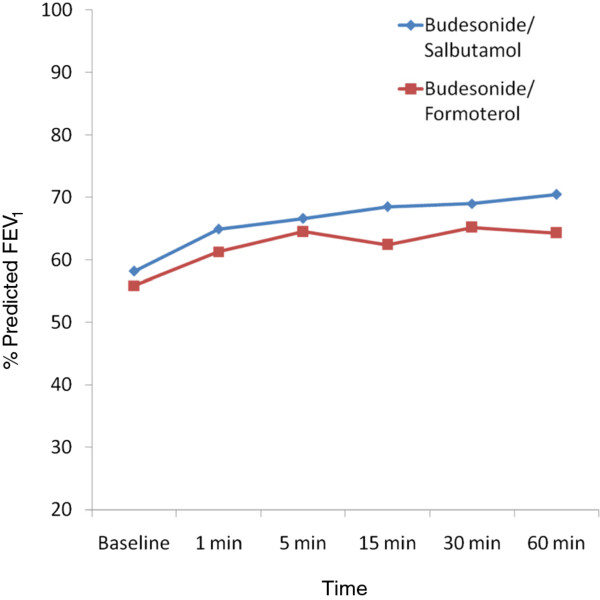
% predicted FEV1at different time points in the 2 groups.BMC Pediatr.2012 Mar 7;12:21. |
|---|
Chlorine (Cl2) exposure increases respiratory resistance and elastance, which are mitigated by arformoterol (Arfor).Am J Respir Cell Mol Biol. 2011 Jul; 45(1): 88–94. |
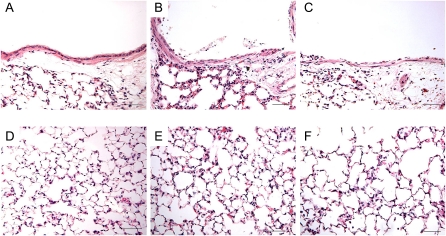
Lung histology after Cl2exposure and treatment of Arfor: Airway cross-sections of mice breathing air (A), or exposed to Cl2treated with saline (B) or Arfor (C),Am J Respir Cell Mol Biol. 2011 Jul; 45(1): 88–94. |
Products are for research use only; We do not sell to patients
Copyright 2020 InvivoChem LLC | All Rights Reserved


 COA
COA