| Size | Price | |
|---|---|---|
| 500mg | ||
| 1g | ||
| Other Sizes |


Palbociclib orotate (PD0332991; PD-0332991; brand name Ibrance) is an orally bioavailable pyridopyrimidine-based CDK4/6 inhibitor approved for cancer treatment. It inhibits CDK4/6 with IC50 of 11 nM and 16 nM in cell-free assays respectively. CDK4 and CDK6 are overexpressed in many tumor cells, and palbociclib, developed by Pfizer, is the first CDK4/6 inhibitor approved by FDA in 2017 as a cancer therapeutic. It shows no activity against CDK1/2/5, EGFR, FGFR, PDGFR, InsR, etc. It is a potent anti-proliferative agent against Rb-positive tumor cells in vitro, subsequently inducing an exclusive G1 arrest. It has been reported to prevent tumor growth in disseminated human myeloma xenografts and induce G1 arrest in primary bone marrow cells.
| Targets |
DYRK1A (IC50 = 2000 nM); MAPK (IC50 = 8000 nM); Cdk4/cyclin D3 (IC50 = 9 nM); Cdk4/cyclin D1 (IC50 = 11 nM); Cdk6/cyclin D2 (IC50 = 16 nM)
|
||
|---|---|---|---|
| ln Vitro |
|
||
| ln Vivo |
|
||
| Enzyme Assay |
Palbociclib is a CDK4/6 inhibitor approved for metastatic estrogen receptor-positive breast cancer. In addition to G1 cell cycle arrest, palbociclib treatment results in cell senescence, a phenotype that is not readily explained by CDK4/6 inhibition. In order to identify a molecular mechanism responsible for palbociclib-induced senescence, we performed thermal proteome profiling of MCF7 breast cancer cells. In addition to affecting known CDK4/6 targets, palbociclib induces a thermal stabilization of the 20S proteasome, despite not directly binding to it. We further show that palbociclib treatment increases proteasome activity independently of the ubiquitin pathway. This leads to cellular senescence, which can be counteracted by proteasome inhibitors. Palbociclib-induced proteasome activation and senescence is mediated by reduced proteasomal association of ECM29. Loss of ECM29 activates the proteasome, blocks cell proliferation, and induces a senescence-like phenotype. Finally, we find that ECM29 mRNA levels are predictive of relapse-free survival in breast cancer patients treated with endocrine therapy. In conclusion, thermal proteome profiling identifies the proteasome and ECM29 protein as mediators of palbociclib activity in breast cancer cells[2].
|
||
| Animal Protocol |
|
||
| ADME/Pharmacokinetics |
Absorption, Distribution and Excretion
Palbociclib exhibits linear pharmacokinetics, reaching peak plasma concentrations 6–12 hours after oral administration. Its reported oral bioavailability is 46%, reaching steady state after 8 days, with a median cumulative ratio of 2.4. Absorption of palbociclib is significantly reduced in the fasting state; therefore, it is recommended to take this medication with food. The primary elimination route of palbociclib is through hepatic metabolism and excretion in feces, while renal clearance is minimal, accounting for only 17.5% of the eliminated dose. The mean apparent volume of distribution of palbociclib is 2583 L, indicating its extensive penetration into peripheral tissues. The mean apparent oral clearance of palbociclib is 63.1 L/h. Metabolism/Metabolites Palbociclib is primarily metabolized in the liver. Its metabolism is mainly catalyzed by cytochrome P450 isoenzyme 3A and sulfotransferase 2A1. Palbociclib is primarily metabolized through oxidation and sulfonation, with acylation and glucuronidation being minor reactions. After metabolism, palbociclib mainly forms inactive glucuronide and aminosulfonic acid conjugates. The main circulating metabolite is the glucuronide conjugate, accounting for 1.5% of the excreted dose. Biological Half-Life The mean plasma elimination half-life of palbociclib is 29 hours. |
||
| Toxicity/Toxicokinetics |
Hepatotoxicity
Adverse events are relatively common in large clinical trials, leading to dose reductions in one-third of patients and discontinuation of treatment in 8%. Literature on the efficacy and safety of palbociclib rarely mentions elevated serum ALT or hepatotoxicity. In a study of women with refractory metastatic breast cancer, 6% of patients receiving palbociclib in combination with fulvestrant experienced elevated serum ALT (2% exceeding 5 times the upper limit of normal), compared to 3% in patients treated with fulvestrant alone (none exceeding 5 times the upper limit of normal). Since palbociclib's approval and widespread use, several reports have shown significant ALT elevations after 2 or 3 cycles of treatment, with improvement upon discontinuation but rapid relapse upon restarting. These patients had normal serum bilirubin and alkaline phosphatase levels and did not report any related symptoms. In addition, rare case reports have shown that patients with refractory metastatic breast cancer developed pseudocirrhosis 2 to 3 months after starting palbociclib, presenting with fatigue, jaundice, and ascites, with only mild elevations in serum transaminase and alkaline phosphatase levels. Imaging revealed severe hepatic nodules, but histological examination showed profibrotic changes in the necrotic metastatic areas without cirrhosis. Vascular changes were also present in the liver, suggesting hepatic sinusoidal obstruction syndrome, which may be due to the combined effects of rapid shrinkage of metastatic tissue and vascular damage. Pseudocirrhosis has also been reported in other highly effective antitumor therapies for liver metastases, but the incidence is very low. Probability Score: C (Possibly a rare cause of clinically significant liver injury, manifesting as pseudocirrhosis due to nodular transformation of the liver following necrosis of liver metastases). Use during pregnancy and lactation ◉ Overview of use during lactation There is currently no information regarding the clinical use of palbociclib during lactation. Because palbociclib binds to plasma proteins at a rate of 85%, its concentration in breast milk may be low. However, its half-life is approximately 29 hours, which may allow it to accumulate in the infant. Furthermore, palbociclib is used in combination with letrozole or fulvestrant, which may increase the risk to the infant. The manufacturer recommends discontinuing breastfeeding during palbociclib treatment and for 3 weeks after the last dose. ◉ Effects on breastfed infants No published information found as of the revision date. ◉ Effects on lactation and breast milk No published information found as of the revision date. Protein binding In vitro studies have shown that palbociclib binds to human plasma proteins at a rate of approximately 85% of the administered dose. |
||
| References |
[1]. Mol Cancer Ther.2004 Nov;3(11):1427-38;
Cell Death Dis.2018 Apr 18;9(5):446; EMBO J.2018 Apr 18. pii: e98359. doi: 10.15252/embj.201798359. |
||
| Additional Infomation |
Palbociclib belongs to the pyridopyrimidine class of compounds, with the chemical name 2-{[5-(piperazin-1-yl)pyridin-2-yl]amino}pyrido[2,3-d]pyrimidin-7-one, containing methyl, acetyl, and cyclopentyl substituents at positions 5, 6, and 8, respectively. It is used in combination with letrozole to treat metastatic breast cancer. Palbociclib is an EC 2.7.11.22 (cyclin-dependent kinase) inhibitor and an antitumor drug. It is a pyridopyrimidine compound, an aminopyrimidine compound, a secondary amino compound, a piperidine compound, an aromatic ketone compound, a cyclopentane compound, and a tertiary amino compound. Palbociclib is a piperazine-pyridopyrimidine compound that acts on cell cycle regulation mechanisms. Palbociclib is a second-generation cyclin-dependent kinase inhibitor, selected from pyridopyrimidine compounds due to its excellent physical and pharmaceutical properties. Palbociclib, developed by Pfizer, stemmed from a discovery that cyclin-dependent kinases (CAKs) are key regulators of cell growth. Initially approved by the U.S. Food and Drug Administration (FDA) in March 2015 for the treatment of hormone receptor-positive, HER2-negative advanced or metastatic breast cancer, its indication was updated in April 2019 to include male patients, based on post-marketing reports and data demonstrating its safety and clinical efficacy in electronic health records. Palbociclib is a kinase inhibitor. Its mechanism of action is as a kinase inhibitor and a cytochrome P450 3A inhibitor. Palbociclib is a unique CAK inhibitor often used in combination with aromatase inhibitors to treat postmenopausal women with metastatic breast cancer. Treatment with palbociclib can cause transient and usually mild elevations in serum transaminases and may lead to a rare form of liver injury called pseudocirrhosis. Pseudocirrhosis is caused by shrinkage of liver tumor metastases accompanied by profibrotic changes and vascular damage; it can be severe, rapidly progressive, and even fatal. Palbociclib is an orally administered cyclin-dependent kinase (CDK) inhibitor with potential antitumor activity. Palbociclib selectively inhibits cyclin-dependent kinases 4 (CDK4) and 6 (CDK6), thereby inhibiting phosphorylation of early G1 phase retinoblastoma (Rb) proteins, leading to cell cycle arrest. This inhibits DNA replication and reduces tumor cell proliferation. CDK4 and CDK6 are serine/threonine kinases that are upregulated in a variety of tumor cell types and play a key role in the regulation of cell cycle progression. See also: Palbociclib isothiocyanate (its active ingredient). Drug Indications Palbociclib, in combination with letrozole, is used as initial endocrine therapy for adult patients with advanced/metastatic breast cancer who have HER2-negative, hormone receptor (HR)-positive tumors. It is also approved in combination with fulvestrant for patients whose disease has progressed after prior endocrine therapy. According to the official instructions, palbociclib should be used in combination with an aromatase inhibitor (not limited to letrozole) as initial endocrine therapy for postmenopausal women or male patients. Breast cancer begins with a cluster of cancer cells that invade and destroy nearby breast tissue. This growth can spread to other parts of the body, a process called metastasis. Depending on the location of the cancer cells, breast cancer can be classified as ductal carcinoma or lobular carcinoma. Other types of breast cancer include inflammatory breast cancer, Paget's disease of the breast, triple-negative breast cancer, non-Hodgkin's lymphoma, and soft tissue sarcoma. Treatment for male breast cancer is generally the same as for breast cancer in postmenopausal women, and almost all cases are ductal carcinoma.
FDA Label Ibrance is indicated for the treatment of hormone receptor (HR)-positive, human epidermal growth factor receptor 2 (HER2)-negative locally advanced or metastatic breast cancer: in combination with an aromatase inhibitor; in combination with fulvestrant for female patients who have previously received endocrine therapy. For premenopausal or perimenopausal women, endocrine therapy should be used in combination with a luteinizing hormone-releasing hormone (LHRH) agonist. Treatment of Ewing's sarcoma Treatment of breast cancer Mechanism of Action Pabociclib is a cyclin-dependent kinase 4/6 (CDK4/6) inhibitor. Its mechanism of action is through binding to the ATP-binding pocket, with an IC50 value in the range of 9-15 nmol/L. Notably, it has very low or almost no activity against other kinases. CDK4/6 kinases, along with their co-regulatory partner cyclin D, are involved in the G1-S phase transition. Therefore, inhibiting this step can prevent the cell cycle progression of cells that function in this pathway. This step involves the retinoblastoma protein phosphorylation pathway and E2F family transcription factors. Synovial sarcoma is a highly aggressive but rare soft tissue malignancy that primarily affects the extremities, and current chemotherapy drugs are not very effective against it. The cyclin-dependent kinase 4/6-retinoblastoma protein (CDK4/6-Rb) pathway, which regulates the cell cycle, is abnormal in a large proportion of cancers. In recent years, CDK4 inhibitors have been successfully used in the preclinical treatment of various human cancers. In 2015, following successful clinical trials, the FDA approved palbociclib, the first selective CDK4/6 inhibitor, for the treatment of endocrine-resistant breast cancer. However, the expression of CDK4 in synovial sarcoma and its potential for targeted therapy remain unclear. This study found that CDK4 is highly expressed in human synovial sarcoma, and high CDK4 expression is associated with poor prognosis in sarcoma patients, as well as clinical stage and TNM grade. Knockdown of CDK4 using specific small interfering RNA inhibited synovial sarcoma cell proliferation and enhanced apoptosis. The CDK4 inhibitor palbociclib inhibited the proliferation and growth of synovial sarcoma cells in a dose- and time-dependent manner. Palbociclib also inhibited the CDK4/6-Rb signaling pathway and promoted apoptosis without altering CDK4/6 protein levels, suggesting that palbociclib only inhibits the overactivation of CDK4/6, rather than its expression. Flow cytometry analysis showed that palbociclib induced G1 phase cell cycle arrest and apoptosis by targeting the CDK4/6-Rb pathway in synovial sarcoma cells. In addition, wound healing assays showed that palbociclib's inhibition of the CDK4/6-Rb pathway significantly reduced the in vitro migration ability of synovial sarcoma cells. Our study highlights the importance of the CDK4/6-Rb pathway in the pathogenesis of human synovial sarcoma and the potential role of the selective CDK4/6 inhibitor palbociclib as a targeted therapy for the treatment of human synovial sarcoma. [1] |
| Exact Mass |
603.2553798
|
|---|---|
| CAS # |
2757498-64-7
|
| Related CAS # |
571190-30-2; 827022-33-3 (isethionate salt); 827022-32-2 (HCl); 1628752-83-9 (Palbociclib D8); 2366269-23-8 (Palbociclib-propargyl) |
| PubChem CID |
164887438
|
| Appearance |
Typically exists as solid at room temperature
|
| Hydrogen Bond Donor Count |
5
|
| Rotatable Bond Count |
6
|
| Heavy Atom Count |
44
|
| Complexity |
1040
|
| Defined Atom Stereocenter Count |
0
|
| SMILES |
CC1=C(C(=O)N(C2=NC(=NC=C12)NC3=NC=C(C=C3)N4CCNCC4)C5CCCC5)C(=O)C.C1=C(NC(=O)NC1=O)C(=O)O
|
| InChi Key |
HOLXHPZTHUPIFD-UHFFFAOYSA-N
|
| InChi Code |
InChI=1S/C24H29N7O2.C5H4N2O4/c1-15-19-14-27-24(28-20-8-7-18(13-26-20)30-11-9-25-10-12-30)29-22(19)31(17-5-3-4-6-17)23(33)21(15)16(2)32;8-3-1-2(4(9)10)6-5(11)7-3/h7-8,13-14,17,25H,3-6,9-12H2,1-2H3,(H,26,27,28,29);1H,(H,9,10)(H2,6,7,8,11)
|
| Chemical Name |
6-acetyl-8-cyclopentyl-5-methyl-2-[(5-piperazin-1-ylpyridin-2-yl)amino]pyrido[2,3-d]pyrimidin-7-one;2,4-dioxo-1H-pyrimidine-6-carboxylic acid
|
| Synonyms |
Palbociclib orotate; Palbociclib (orotate);
|
| HS Tariff Code |
2934.99.9001
|
| Storage |
Powder -20°C 3 years 4°C 2 years In solvent -80°C 6 months -20°C 1 month |
| Shipping Condition |
Room temperature (This product is stable at ambient temperature for a few days during ordinary shipping and time spent in Customs)
|
| Solubility (In Vitro) |
May dissolve in DMSO (in most cases), if not, try other solvents such as H2O, Ethanol, or DMF with a minute amount of products to avoid loss of samples
|
|---|---|
| Solubility (In Vivo) |
Note: Listed below are some common formulations that may be used to formulate products with low water solubility (e.g. < 1 mg/mL), you may test these formulations using a minute amount of products to avoid loss of samples.
Injection Formulations
Injection Formulation 1: DMSO : Tween 80: Saline = 10 : 5 : 85 (i.e. 100 μL DMSO stock solution → 50 μL Tween 80 → 850 μL Saline)(e.g. IP/IV/IM/SC) *Preparation of saline: Dissolve 0.9 g of sodium chloride in 100 mL ddH ₂ O to obtain a clear solution. Injection Formulation 2: DMSO : PEG300 :Tween 80 : Saline = 10 : 40 : 5 : 45 (i.e. 100 μL DMSO → 400 μLPEG300 → 50 μL Tween 80 → 450 μL Saline) Injection Formulation 3: DMSO : Corn oil = 10 : 90 (i.e. 100 μL DMSO → 900 μL Corn oil) Example: Take the Injection Formulation 3 (DMSO : Corn oil = 10 : 90) as an example, if 1 mL of 2.5 mg/mL working solution is to be prepared, you can take 100 μL 25 mg/mL DMSO stock solution and add to 900 μL corn oil, mix well to obtain a clear or suspension solution (2.5 mg/mL, ready for use in animals). View More
Injection Formulation 4: DMSO : 20% SBE-β-CD in saline = 10 : 90 [i.e. 100 μL DMSO → 900 μL (20% SBE-β-CD in saline)] Oral Formulations
Oral Formulation 1: Suspend in 0.5% CMC Na (carboxymethylcellulose sodium) Oral Formulation 2: Suspend in 0.5% Carboxymethyl cellulose Example: Take the Oral Formulation 1 (Suspend in 0.5% CMC Na) as an example, if 100 mL of 2.5 mg/mL working solution is to be prepared, you can first prepare 0.5% CMC Na solution by measuring 0.5 g CMC Na and dissolve it in 100 mL ddH2O to obtain a clear solution; then add 250 mg of the product to 100 mL 0.5% CMC Na solution, to make the suspension solution (2.5 mg/mL, ready for use in animals). View More
Oral Formulation 3: Dissolved in PEG400 (Please use freshly prepared in vivo formulations for optimal results.) |
Calculation results
Working concentration: mg/mL;
Method for preparing DMSO stock solution: mg drug pre-dissolved in μL DMSO (stock solution concentration mg/mL). Please contact us first if the concentration exceeds the DMSO solubility of the batch of drug.
Method for preparing in vivo formulation::Take μL DMSO stock solution, next add μL PEG300, mix and clarify, next addμL Tween 80, mix and clarify, next add μL ddH2O,mix and clarify.
(1) Please be sure that the solution is clear before the addition of next solvent. Dissolution methods like vortex, ultrasound or warming and heat may be used to aid dissolving.
(2) Be sure to add the solvent(s) in order.
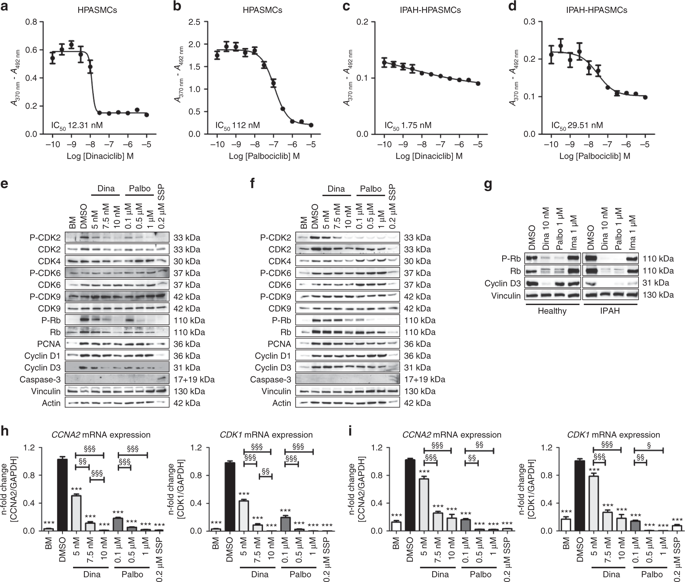
Evaluation of IC50concentrations of the CDK inhibitors dinaciclib and palbociclib on proliferation, and their effects on CDK-Rb-E2F signaling in human HPASMCs from healthy donors and IPAH patients.Nat Commun.2019May 17;10(1):2204. |
|---|
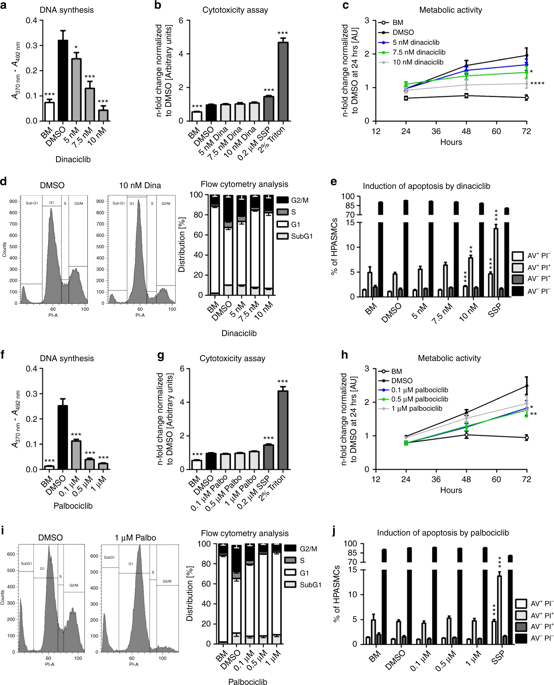
Effects of the CDK inhibitors dinaciclib and palbociclib on proliferation, cell cycle, and apoptosis.Nat Commun.2019May 17;10(1):2204. |
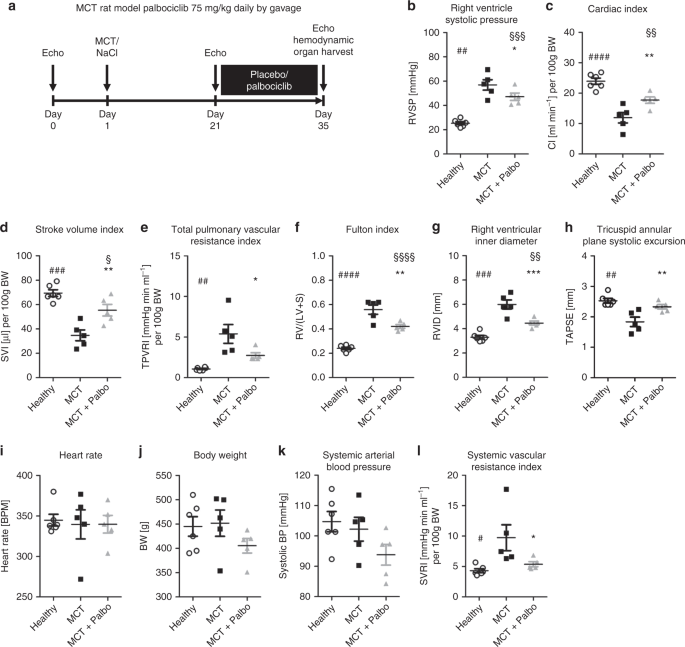 Effects of palbociclib on disease progression in the MCT rat model of pulmonary arterial hypertension.Nat Commun.2019May 17;10(1):2204. |
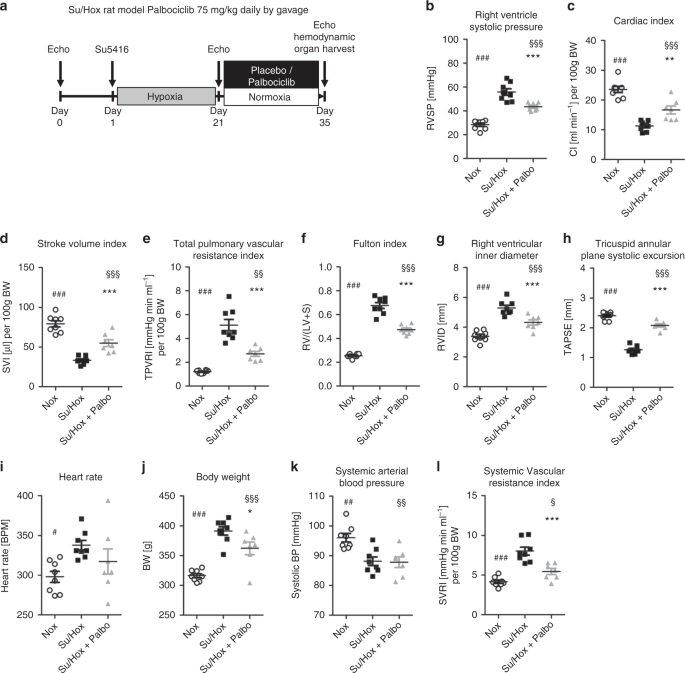 Effects of palbociclib on disease progression in the Su/Hox rat model of pulmonary arterial hypertension.Nat Commun.2019May 17;10(1):2204. |
|---|
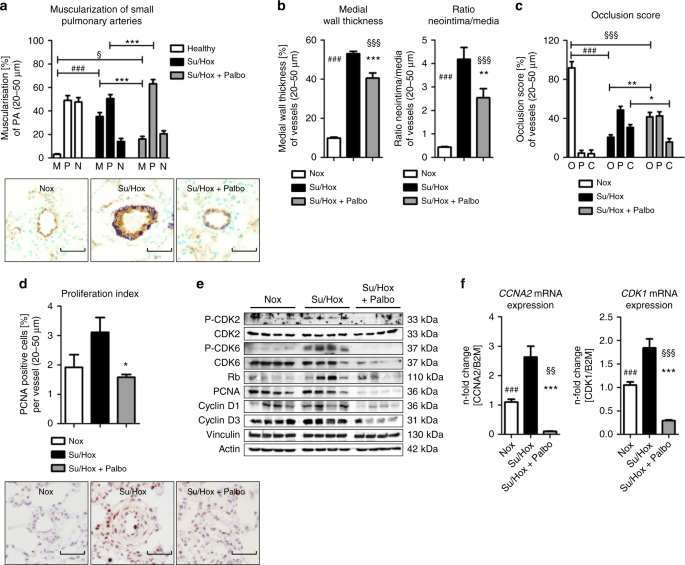 Ex vivo analyses of lung tissue for reversal of remodeling and in vivo drug efficacy in the Su/Hox model.Nat Commun.2019May 17;10(1):2204. |
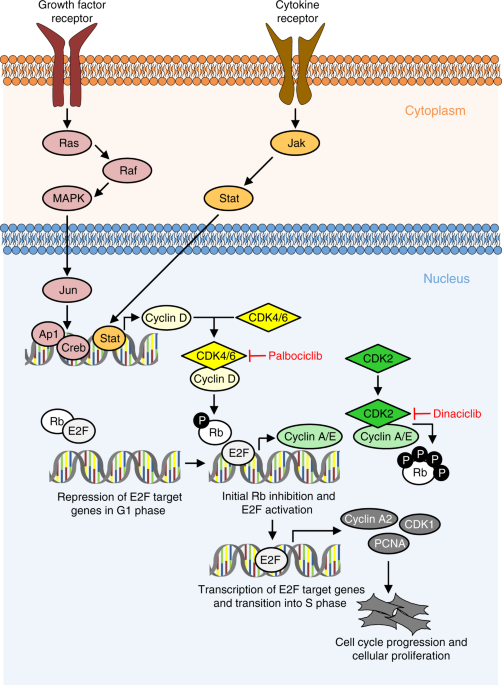 Proposed mechanism of action of palbociclib and dinaciclib in PAH. Multiple growth factors, cytokines, and mitogens induce the activation of cyclin-dependent kinases (CDKs), e.g., by increasing the expression of cyclin D1.Nat Commun.2019May 17;10(1):2204. |
|
|---|
|
 |
|
|---|
|
Products are for research use only; We do not sell to patients
Copyright 2020 InvivoChem LLC | All Rights Reserved