| Size | Price | Stock | Qty |
|---|---|---|---|
| 5mg |
|
||
| 10mg |
|
||
| 25mg |
|
||
| 50mg |
|
||
| 100mg |
|
||
| 250mg |
|
||
| 500mg |
|
||
| Other Sizes |


Purity: ≥98%
| Targets |
HIV-1
MMP-2 Indinavir (0-50 µM; 18 h) inhibits the G0/G1 phase of the lymphocyte cell cycle in PBMCs and reduces the ability of the cells to proliferate [1]. Huh7 and SK-HEP-1 hepatocarcinoma cells' cell invasion and MMPs-2 activation are inhibited in vitro by indinavir (40 µM–40 nM; 5 days) and 40 µM–40 nM (48 h) respectively[2]. |
|---|---|
| ln Vitro |
Indinavir (0-50 µM; 18 h) inhibits the G0/G1 phase of the lymphocyte cell cycle in PBMCs and reduces the ability of the cells to proliferate [1].
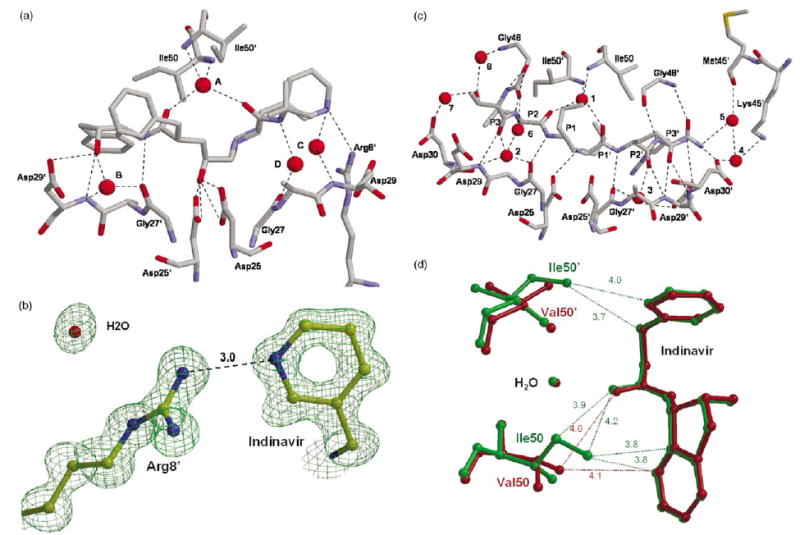
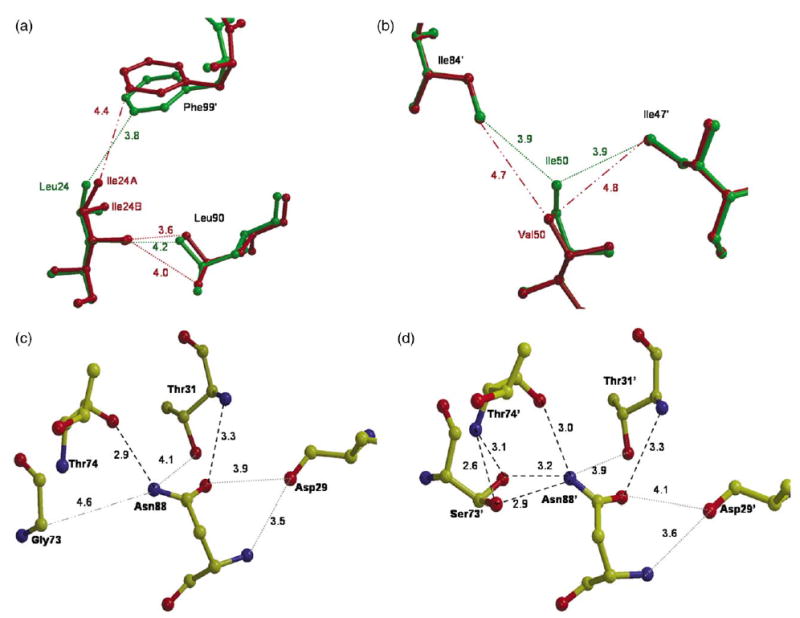
Huh7 and SK-HEP-1 hepatocarcinoma cells' cell invasion and MMPs-2 activation are inhibited in vitro by indinavir (40 µM–40 nM; 5 days) and 40 µM–40 nM (48 h) respectively[2]. Indinavir inhibited the hydrolytic reaction catalyzed by wild-type HIV-1 protease (PR) with an inhibition constant (Ki) of 0.54 nM. For the drug-resistant mutant PRI50V, the Ki of indinavir was 27.0 nM, representing a 50-fold increase compared to wild-type PR. For the mutant PRL24I, the Ki of indinavir was 1.40 nM, a 2.6-fold increase relative to wild-type PR. For the mutant PRG73S, the Ki of indinavir was 0.55 nM, similar to wild-type PR (1.0-fold). The reduced inhibition of PRI50V by indinavir is consistent with structural analysis showing fewer van der Waals contacts between Val50 and the inhibitor compared to Ile50 in wild-type PR. [3] |
| ln Vivo |
Indinavir (70 mg/kg; i.g.; once a day for 3 weeks) inhibits the growth of hepatocarcinoma cells in vivo[2].
In nude mice bearing subcutaneous Huh7 or SK-HEP-1 hepatocarcinoma xenografts, oral administration of indinavir (70 mg/kg/day) significantly delayed tumor growth compared to saline-treated controls. The inhibition was statistically significant from days 6 to 21 (P = 0.004 and P = 0.003, respectively). [2] Treatment with indinavir started at the time of tumor cell inoculation was effective, but treatment initiated after tumors were already established did not show significant growth inhibition. [2] Histopathological and immunohistochemical analyses of explanted tumors revealed that indinavir treatment resulted in smaller, less vascularized tumors with increased apoptotic cells compared to controls. [2] Vessel counts per high-power field were significantly lower in treated tumors (2 ± 1 for Huh7, 3 ± 1 for SK-HEP-1) compared to controls (6 ± 2 for Huh7, 7 ± 2 for SK-HEP-1) (P = 0.003). [2] Apoptotic index was significantly higher in treated tumors (7 ± 2 for Huh7, 9 ± 2 for SK-HEP-1) compared to controls (1 ± 0.5 for both cell lines) (P = 0.002 and P = 0.001, respectively). [2] Western blot analysis showed that VEGF protein expression in tumor tissues was not downregulated by indinavir treatment. [2] |
| Enzyme Assay |
The inhibition constant (Ki) values for indinavir against HIV-1 protease and its mutants were determined using a spectrophotometric assay.
The assay monitored the hydrolysis of the chromogenic substrate K-A-R-V-Nle-p-nitroPhe-E-A-Nle-amide (an analog of the HIV-1 CA/p2 cleavage site) by measuring the decrease in absorbance at 310 nm. Reactions were performed in 50 mM sodium acetate buffer (pH 5.0) containing 0.1 M NaCl, 1 mM EDTA, and 1 mM β-mercaptoethanol. Enzyme (PR) at a final concentration of 70–120 nM was added to various concentrations of substrate (25–400 μM). The Ki values were calculated from IC50 values obtained from inhibitor dose-response curves using the equation: Ki = IC50 / (1 + [S]/Km), where [E] and [S] are the concentrations of PR and substrate, respectively. [3] |
| Cell Assay |
Cell Line: PBMCs (from healthy and HIV-infected volunteers)
Concentration: 0-50 µM Incubation Time: 18 h (pretreatment; stimulation with anti-CD3 for an additional 48 hours) Result: Blocked anti-CD3-induced cell-cycle progression in a dose-dependent manner. Resulted in dose-dependent reduction of lymphoproliferative responses. To assess effects on primary lymphocytes, peripheral blood mononuclear cells (PBMCs) were isolated from healthy volunteers and HIV-infected children using density gradient centrifugation. [1] PBMCs were suspended in culture medium and pre-incubated with different concentrations of Indinavir (dissolved in DMSO) or vehicle control for 18 hours in culture plates. [1] Following pre-incubation, cells were stimulated with activators such as anti-CD3 monoclonal antibody (0.5 µg/mL), PHA (2 µg/mL), Con A (2 µg/mL), or PMA (10 ng/mL) plus ionomycin (1 µM) for an additional 48 hours. [1] For proliferation assays, cultures were pulsed with [14C]-thymidine during the last 18 hours of stimulation, and incorporated radioactivity was measured by scintillation counting. [1] For cell-cycle analysis, cells were harvested, fixed in ethanol, stained with propidium iodide and RNase, and analyzed by flow cytometry using software to determine the DNA content and percentage of cells in different cell-cycle phases (G0/G1, S, G2/M). [1] Apoptosis was assessed in similarly treated cultures by flow cytometric analysis of propidium iodide-stained cells, gating on the lymphocyte population. [1] |
| Animal Protocol |
Animal Model: Nude mice(s.c. into Huh7 and SK-HEP-1 cells)[2].
Dosage: 70 mg/kg Administration: Oral gavage; once a day for 3 weeks. Result: Compared to placebo, delayed the growth of s.c. implanted hepatocarcinoma xenografts in naked mice. Male CD1 nude mice were injected subcutaneously with 5 × 10⁶ Huh7 or SK-HEP-1 cells in a volume of 200 μL. Indinavir was administered daily by intragastric gavage at a dose of 70 mg/kg/day, dissolved in distilled water. Treatment began either on the day of cell inoculation or when tumors were palpable, and continued for 3 weeks. Control mice received saline solution. Tumor volumes were measured three times per week using calipers. Animals were sacrificed one week after the last treatment, and tumors were excised for further analysis. [2] |
| ADME/Pharmacokinetics |
Absorption, Distribution and Excretion
Absorption is rapid. Less than 20% of indinavir is excreted unchanged in the urine. Metabolism/Metabolites Hepatic metabolism. Seven metabolites, one glucuronide conjugate, and six oxidative metabolites have been identified. In vitro studies have shown that cytochrome P-450 3A4 (CYP3A4) is the main enzyme in the formation of oxidative metabolites. Known human metabolites of indinavir include 1-[4-benzyl-2-hydroxy-5-[(2-hydroxy-2,3-dihydro-1H-indino-1-yl)amino]-5-oxopentyl]-N-tert-butyl-4-[(1-pyridin-1-onyl-3-yl)methyl]piperazin-2-carboxamide, N-tert-butyl-1-[2-hydroxy-5-[(2-hydroxy-2,3-dihydro-1H-indino-1-yl)amino]-4-[(4-hydroxyphenyl)methyl]-5-oxopentyl]-4-(pyridin-3-ylmethyl)piperazin-2-carboxamide, 1-[4-benzyl-2-hydroxy-5-[(2-hydroxy-2,3-dihydro-1H-indene-1-yl)amino]-5-oxopentyl]-N-tert-butylpiperazin-2-carboxamide, and 1-[4-benzyl-5-[(2,3-dihydroxy-2,3-dihydro-1H-indene-1-yl)amino]-2-hydroxy-5-oxopentyl]-N-tert-butyl-4-(pyridin-3-ylmethyl)piperazin-2-carboxamide. Biological half-life 1.8 (±0.4) hours |
| Toxicity/Toxicokinetics |
Hepatotoxicity
A significant proportion of patients taking antiretroviral regimens containing indinavir will experience some degree of elevated serum transaminases. Moderate to severe elevations (more than 5 times the upper limit of normal) are observed in 3% to 10% of patients, with a potentially higher incidence in patients co-infected with HIV-HCV. These elevations are usually asymptomatic and resolve spontaneously, returning to normal with continued medication. Indinavir treatment can also lead to elevated unconjugated (indirect) bilirubin and total bilirubin, with up to 10% of patients developing jaundice. These elevations are due to inhibition of UDP-glucuronyltransferase, a liver enzyme responsible for bilirubin binding; patients with Gilbert's syndrome have insufficient UDP-glucuronyltransferase activity. Hyperbilirubinemia is usually mild, averaging 0.3–0.5 mg/dL, but can be more pronounced in patients with Gilbert's syndrome, with bilirubin elevations reaching 1.5 mg/dL or higher, accompanied by clinical jaundice. However, jaundice does not necessarily indicate liver damage. Clinically significant acute liver injury caused by indinavir is rare. The few reported cases have all occurred 1 to 8 weeks after initiation of indinavir, with serum enzyme elevations ranging from hepatocellular to cholestatic. Hypersensitivity reactions (fever, rash, eosinophilia) and autoantibody formation are rare. Indinavir-induced acute liver injury is usually self-limiting, but can be severe, with case reports of acute liver failure. Furthermore, in patients with co-infection, initiation of highly active indinavir-based antiretroviral therapy may lead to exacerbation of underlying chronic hepatitis B or C, typically occurring 2 to 12 months after treatment initiation, accompanied by hepatocellular serum enzyme elevations and elevated serum levels of hepatitis B virus (HBV) DNA or hepatitis C virus (HCV) RNA. There is no clear association between indinavir treatment and lactic acidosis and acute fatty liver, complications that are often associated with several nucleoside analogue reverse transcriptase inhibitors. Probability Score: C (Common cause of elevated serum bilirubin, and a rare cause of clinically significant liver injury). Use during Pregnancy and Lactation ◉ Overview of Use During Lactation Indinavir has been discontinued in the United States. Experience with the use of indinavir during lactation has been published, but some infants may have higher drug concentrations in their breast milk. Use of indinavir during lactation is not recommended. Achieving and maintaining viral suppression through antiretroviral therapy can reduce the risk of breast milk transmission to below 1%, but not zero. Breastfeeding should be supported for HIV-infected individuals receiving antiretroviral therapy with a persistently low viral load if chosen. If viral load is not suppressed, pasteurized donor breast milk or formula is recommended. ◉ Effects on Breastfed Infants No published information found as of the revision date. ◉ Effects on Lactation and Breast Milk Gynecomastia has been reported in men receiving highly active antiretroviral therapy. Gynecomastia initially occurs unilaterally, but approximately half of cases progress to bilateral gynecomastia. No changes in serum prolactin levels have been observed, and it usually resolves spontaneously within one year even with continued medication. Some case reports and in vitro studies suggest that protease inhibitors may cause hyperprolactinemia and galactorrhea in some male patients, but this conclusion remains controversial. The implications of these findings for lactating women are unclear. Prolactin levels in established lactating mothers may not affect their ability to breastfeed. Protein Binding Rate 60% |
| References |
|
| Additional Infomation |
Indinavir is an N-(2-hydroxyethyl)piperazine compound, belonging to the piperazine carboxamide and dicarboxylic acid diamide classes. It is an HIV protease inhibitor. Anhydrous indinavir is a protease inhibitor. Its mechanism of action is as an HIV protease inhibitor and a cytochrome P450 3A4 inhibitor. Indinavir is an antiretroviral protease inhibitor used to treat and prevent human immunodeficiency virus (HIV) infection and acquired immunodeficiency syndrome (AIDS). Indinavir can cause a transient and usually asymptomatic increase in serum transaminase levels and a mild increase in indirect bilirubin concentration. Clinically significant acute liver injury caused by indinavir is rare. In patients co-infected with hepatitis B virus (HBV) or hepatitis C virus (HCV), antiretroviral therapy with indinavir may exacerbate pre-existing chronic hepatitis B or C.
It has been reported that indinavir can infect Streptomyces, and relevant data are available for reference. Indinavir is a synthetic hydroxyaminopentanamide drug that selectively inhibits the proteases of human immunodeficiency virus (HIV) types 1 and 2. Introducing a basic amine into the hydroxyvinyl backbone improves its water solubility and oral bioavailability. Anhydrous indinavir is the anhydrous formulation of indinavir, a synthetic hydroxyaminopentanamide drug that selectively inhibits the proteases of human immunodeficiency virus (HIV) types 1 and 2. Introducing a basic amine into the hydroxyvinyl backbone improves its water solubility and oral bioavailability. A potent and specific HIV protease inhibitor, it appears to have good oral bioavailability. Bioavailability. Drug Indications Indinavir is an antiretroviral drug used to treat HIV infection. FDA Label Crixivan is indicated for use in combination with antiretroviral nucleoside analogues for the treatment of HIV-1 infection in adults. Mechanism of Action Indinavir inhibits the HIV viral protease, thereby preventing the cleavage of the gag-pol polyprotein, leading to the production of non-infectious immature viral particles. Pharmacodynamics Indinavir is a protease inhibitor active against human immunodeficiency virus type 1 (HIV-1). Protease inhibitors block the protease moiety of HIV. The HIV-1 protease is an enzyme that hydrolyzes and cleaves the viral polyprotein precursor protein into the individual functional proteins of infectious HIV-1. Indinavir binds to the active site of the protease, inhibiting the activity of this enzyme. This inhibition prevents the cleavage of the viral polyprotein, leading to the formation of immature, non-infectious viral particles. Protease inhibitors are almost always used in combination with at least two other anti-HIV drugs. Indinavir is one of the earliest HIV-1 protease inhibitors used in the clinical treatment of AIDS. High resistance to indinavir is associated with the substitution of up to 11 protease residues, and the combination of substitutions varies. In the crystal structure, indinavir binds to the active site of the protease through seven direct hydrogen bond interactions with the protease residues, and its binding is also mediated by four different water molecules. In some mutant complexes (e.g., PRI50V and PRG73S), the pyridine group of indinavir can form hydrogen bonds with the side chain of Arg8', an interaction not always observed in the wild-type PR complex. Structural analysis of PRI50V and indinavir showed that the mutation resulted in the loss of van der Waals interaction between the 50th residue and the inhibitor, which was associated with a significant increase in the observed Ki value. [3] |
| Molecular Formula |
C36H47N5O4
|
|---|---|
| Molecular Weight |
613.79
|
| Exact Mass |
613.362
|
| Elemental Analysis |
C, 70.45; H, 7.72; N, 11.41; O, 10.43
|
| CAS # |
150378-17-9
|
| Related CAS # |
Indinavir sulfate;157810-81-6;Indinavir sulfate ethanolate;2563866-80-6;Indinavir-d6;185897-02-3
|
| PubChem CID |
5362440
|
| Appearance |
Solid powder
|
| Density |
1.2±0.1 g/cm3
|
| Boiling Point |
831.6±75.0 °C at 760 mmHg
|
| Melting Point |
150-153ºC
|
| Flash Point |
456.8±37.1 °C
|
| Vapour Pressure |
0.0±3.2 mmHg at 25°C
|
| Index of Refraction |
1.629
|
| LogP |
4.04
|
| Hydrogen Bond Donor Count |
4
|
| Hydrogen Bond Acceptor Count |
7
|
| Rotatable Bond Count |
12
|
| Heavy Atom Count |
45
|
| Complexity |
952
|
| Defined Atom Stereocenter Count |
5
|
| SMILES |
O=C([C@@H](C[C@H](O)CN(CCN(CC1=CN=CC=C1)C2)[C@@H]2C(NC(C)(C)C)=O)CC3=CC=CC=C3)N[C@H]4C(C=CC=C5)=C5C[C@H]4O
|
| InChi Key |
CBVCZFGXHXORBI-PXQQMZJSSA-N
|
| InChi Code |
InChI=1S/C36H47N5O4/c1-36(2,3)39-35(45)31-24-40(22-26-12-9-15-37-21-26)16-17-41(31)23-29(42)19-28(18-25-10-5-4-6-11-25)34(44)38-33-30-14-8-7-13-27(30)20-32(33)43/h4-15,21,28-29,31-33,42-43H,16-20,22-24H2,1-3H3,(H,38,44)(H,39,45)/t28-,29+,31+,32-,33+/m1/s1
|
| Chemical Name |
(2S)-1-[(2S,4R)-4-benzyl-2-hydroxy-5-[[(1S,2R)-2-hydroxy-2,3-dihydro-1H-inden-1-yl]amino]-5-oxopentyl]-N-tert-butyl-4-(pyridin-3-ylmethyl)piperazine-2-carboxamide
|
| Synonyms |
trade name: Crixivan; DRG-0233; L-735 524; DRG0233; MK-639; L 735 524; MK 639; DRG 233; L735 524; MK639;
|
| HS Tariff Code |
2934.99.9001
|
| Storage |
Powder -20°C 3 years 4°C 2 years In solvent -80°C 6 months -20°C 1 month |
| Shipping Condition |
Room temperature (This product is stable at ambient temperature for a few days during ordinary shipping and time spent in Customs)
|
| Solubility (In Vitro) |
|
|||
|---|---|---|---|---|
| Solubility (In Vivo) |
Note: Listed below are some common formulations that may be used to formulate products with low water solubility (e.g. < 1 mg/mL), you may test these formulations using a minute amount of products to avoid loss of samples.
Injection Formulations
Injection Formulation 1: DMSO : Tween 80: Saline = 10 : 5 : 85 (i.e. 100 μL DMSO stock solution → 50 μL Tween 80 → 850 μL Saline)(e.g. IP/IV/IM/SC) *Preparation of saline: Dissolve 0.9 g of sodium chloride in 100 mL ddH ₂ O to obtain a clear solution. Injection Formulation 2: DMSO : PEG300 :Tween 80 : Saline = 10 : 40 : 5 : 45 (i.e. 100 μL DMSO → 400 μLPEG300 → 50 μL Tween 80 → 450 μL Saline) Injection Formulation 3: DMSO : Corn oil = 10 : 90 (i.e. 100 μL DMSO → 900 μL Corn oil) Example: Take the Injection Formulation 3 (DMSO : Corn oil = 10 : 90) as an example, if 1 mL of 2.5 mg/mL working solution is to be prepared, you can take 100 μL 25 mg/mL DMSO stock solution and add to 900 μL corn oil, mix well to obtain a clear or suspension solution (2.5 mg/mL, ready for use in animals). View More
Injection Formulation 4: DMSO : 20% SBE-β-CD in saline = 10 : 90 [i.e. 100 μL DMSO → 900 μL (20% SBE-β-CD in saline)] Oral Formulations
Oral Formulation 1: Suspend in 0.5% CMC Na (carboxymethylcellulose sodium) Oral Formulation 2: Suspend in 0.5% Carboxymethyl cellulose Example: Take the Oral Formulation 1 (Suspend in 0.5% CMC Na) as an example, if 100 mL of 2.5 mg/mL working solution is to be prepared, you can first prepare 0.5% CMC Na solution by measuring 0.5 g CMC Na and dissolve it in 100 mL ddH2O to obtain a clear solution; then add 250 mg of the product to 100 mL 0.5% CMC Na solution, to make the suspension solution (2.5 mg/mL, ready for use in animals). View More
Oral Formulation 3: Dissolved in PEG400 (Please use freshly prepared in vivo formulations for optimal results.) |
| Preparing Stock Solutions | 1 mg | 5 mg | 10 mg | |
| 1 mM | 1.6292 mL | 8.1461 mL | 16.2922 mL | |
| 5 mM | 0.3258 mL | 1.6292 mL | 3.2584 mL | |
| 10 mM | 0.1629 mL | 0.8146 mL | 1.6292 mL |
*Note: Please select an appropriate solvent for the preparation of stock solution based on your experiment needs. For most products, DMSO can be used for preparing stock solutions (e.g. 5 mM, 10 mM, or 20 mM concentration); some products with high aqueous solubility may be dissolved in water directly. Solubility information is available at the above Solubility Data section. Once the stock solution is prepared, aliquot it to routine usage volumes and store at -20°C or -80°C. Avoid repeated freeze and thaw cycles.
Calculation results
Working concentration: mg/mL;
Method for preparing DMSO stock solution: mg drug pre-dissolved in μL DMSO (stock solution concentration mg/mL). Please contact us first if the concentration exceeds the DMSO solubility of the batch of drug.
Method for preparing in vivo formulation::Take μL DMSO stock solution, next add μL PEG300, mix and clarify, next addμL Tween 80, mix and clarify, next add μL ddH2O,mix and clarify.
(1) Please be sure that the solution is clear before the addition of next solvent. Dissolution methods like vortex, ultrasound or warming and heat may be used to aid dissolving.
(2) Be sure to add the solvent(s) in order.
NATIONAL, MULTICENTER, RANDOMISED, OPEN STUDY TO VALUATE THE EFFICACY OF DIFFERENT THERAPEUTIC STRATEGIES TO AVOID THE IMMUNOLOGIC FAILURE IN MULTIRESISTENT HIV-1 INFECTED PATIENTS.
CTID: null
Phase: Phase 3 Status: Prematurely Ended
Date: 2004-09-15
Protease-inhibitor interactions.J Mol Biol.2005 Dec 9;354(4):789-800. |
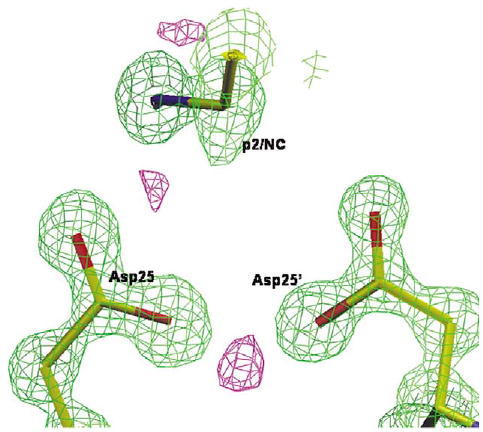
The catalytic site of PRL24I–p2/NC at 1.1 Å resolution.J Mol Biol.2005 Dec 9;354(4):789-800. |
Structural differences at sites of mutation.J Mol Biol.2005 Dec 9;354(4):789-800. |
Products are for research use only; We do not sell to patients
Copyright 2020 InvivoChem LLC | All Rights Reserved


 COA
COA