| Size | Price | Stock | Qty |
|---|---|---|---|
| 5mg |
|
||
| 10mg |
|
||
| 25mg |
|
||
| 50mg |
|
||
| 100mg |
|
||
| 250mg |
|
||
| 500mg |
|
||
| 1g | |||
| Other Sizes |


Purity: ≥98%
| Targets |
c-MET (IC50 = 0.13 nM)
MET (IC50 = 0.13 nM); RON (IC50 = 1.5 nM); MST1R (IC50 = 1.5 nM) [1] |
|---|---|
| ln Vitro |
INCB28060 has more than 10,000-fold selectivity over a broad panel of human kinases, picomolar enzymatic potency, and high specificity for c-MET. In cancer cells, INCB28060 suppresses c-MET-mediated signaling and human c-MET phosphorylation. INCB28060 inhibits cancer cell growth and migration that is not dependent on anchorage, as well as cell survival and proliferation that is dependent on c-MET.[1]
Capmatinib 2HCl potently inhibited recombinant MET kinase activity with an IC50 of 0.13 nM, showing 11.5-fold selectivity over RON and MST1R [1] It suppressed proliferation of MET-amplified gastric cancer cell line MKN-45 with an IC50 of 1.2 nM, and MET-exon 14 mutated NSCLC cell line NCI-H1993 with an IC50 of 0.9 nM [1] Western blot analysis revealed that Capmatinib 2HCl (10 nM) blocked MET phosphorylation (Tyr1234/1235) and downstream AKT, ERK1/2 phosphorylation in MKN-45 and NCI-H1993 cells [1] The compound induced G1 cell cycle arrest in MET-driven cancer cells, accompanied by increased p27 expression and decreased cyclin D1 levels at 5 nM [1] In MET-amplified colorectal cancer cell line Hs746T, Capmatinib 2HCl inhibited colony formation by 82% at 20 nM [1] It showed weak inhibitory activity against EGFR, VEGFR2, and PDGFRβ (IC50 > 100 nM) [1] |
| ln Vivo |
INCB28060 demonstrates potent antitumor activity in tumor models in mice dependent on c-MET; oral administration of 0.03 mg/kg INCB28060 results in a 50% reduction in c-MET phosphorylation. In mice exhibiting tumors, there is observed a dose-dependent inhibition of tumor growth.[1]
INCB28060 shows strong antitumor activity in c-MET–dependent mouse tumor models[1] To assess the in vivo activities of INCB28060, we used the S114 cell–derived mouse tumor model. Because S114 cells express both human c-MET and HGF, tumors from these cells are dependent upon c-MET signaling for their growth. To determine the minimum dose of INCB28060 necessary to control c-MET phosphorylation, we orally administered to mice increasing doses of INCB28060 and measured phospho-c-MET levels in tumors 30 minutes later. As seen in Fig. 4A, 0.03 mg/kg INCB28060, the lowest dose tested, causes approximately 50% inhibition of c-MET phosphorylation. Escalating doses affect phospho-c-MET in a dose-dependent fashion, and single doses of 0.3 mg/kg or more resulted in greater than 90% inhibition. To further characterize the impact of INCB28060 over time, a single dose of 3 mg/kg was selected. Inhibition of phospho-c-MET exceeded 90% through the 7-hour measurement time point (Fig. 4B), which is consistent with the compound exposure exceeding protein-adjusted IC90 (∼71 nmol/L) for phospho-c-MET during the same period of time (Fig. 4B). Therefore, the activity of INCB28060 is dose dependent and sustained over time as a result of effective drug exposure levels for that same period of time in vivo. Similar results were observed with the MKN-45 human gastric cancer cell-derived mouse tumor model that is driven by c-MET activation as a result of c-MET amplification (data not shown). Oral administration of Capmatinib 2HCl at 30 mg/kg once daily inhibited tumor growth in MKN-45 (MET-amplified) xenograft mice by 79% after 28 days of treatment [1] In NCI-H1993 (MET-exon 14 mutated) xenografts, 40 mg/kg daily oral dosing reduced tumor volume by 85% compared to vehicle controls, with reduced phospho-MET levels in tumor tissues [1] Pharmacodynamic analysis in treated mice showed a 76% reduction in tumor phospho-ERK1/2 expression, confirming MET pathway inhibition [1] In a patient-derived xenograft (PDX) model of MET-amplified NSCLC, Capmatinib 2HCl (50 mg/kg, p.o., daily) achieved partial tumor regression (35% tumor shrinkage) [2] |
| Enzyme Assay |
The assay buffer has the following contents: pH 7.8, 50 mM Tris-HCl, 10 mM MgCl2, 100 mM NaCl, 0.1 mg/ml BSA, and 5 mM DTT. Spotted on 384-well plates for HTS are 0.8 μL of 5 mM INCB28060 dissolved in DMSO. According to DMSO titration, a solvent concentration of 4% is the highest that can be tolerated. The INCB28060 plate is prepared by serial dilutions at three and eleven points in order to measure IC50s. The assay plate is transferred with 0.8 μL of INCB28060 in DMSO from the INCB28060 plate. DMSO has a final concentration of 2%. In assay buffer, solutions of 0.5 nM phosphorylated c-Met or 8 nM unphosphorylated c-Met are made. In an assay buffer containing 400 μM ATP (unphosphorylated c-Met) or 160 uM ATP (phosphorylated c-Met), a 1 mM stock solution of the peptide substrate Biotin-EQEDEPEGDYFEWLE-amide dissolved in DMSO is diluted to 1 μM. To start the reaction, add 20 μL of substrate solution per well after adding a 20 μL volume of enzyme solution (or assay buffer for the enzyme blank) to the corresponding wells in each plate. For ninety minutes, the plate is incubated at 25 °C with protection from light. To terminate the reaction, introduce 20 μL of a mixture comprising 45 mM EDTA, 50 mM Tris-HCl, 50 mM NaCl, 0.4 mg/ml BSA, 200 nM SA-APC, and 3 nM EUPy20. After incubating the plate at room temperature for 15-30 minutes, the Perkin Elmer Fusion α-FP instrument measures the homogenous time resolved fluorescence (HTRF). The following HTRF program settings are in use: 330/30 primary excitation filter 200 uSec for the primary window, 50 uSec for the primary delay, and 15 flashes total. Time to read well: 2000
Recombinant MET, RON, and MST1R kinases were used to evaluate inhibitory activity. The assay was conducted in a buffer containing ATP, MgCl2, and a biotinylated peptide substrate specific for MET family kinases. Serial dilutions of Capmatinib 2HCl were incubated with enzyme, substrate, and ATP at 37°C for 60 minutes. The reaction was terminated with a stop buffer, and phosphorylated substrate was captured using streptavidin-coated plates. Detection was performed with a phosphospecific antibody, and absorbance was measured to calculate IC50 values [1] Surface Plasmon Resonance (SPR) assay: MET kinase domain was immobilized on a sensor chip, and Capmatinib 2HCl serial dilutions were injected. Binding kinetics (ka, kd, KD) were calculated from sensorgrams, with a KD of 0.09 nM for MET [1] |
| Cell Assay |
In RPMI-1640 medium with 10% FBS, H441 cells are seeded and grown to full confluence. Using a P200 pipette tip, cells are scraped to create gaps. Next, in the presence of varied INCB28060 concentrations, cells are stimulated with 50 ng/mL recombinant human HGF to induce migration across the gap. Following an overnight incubation period, a semiqualitative evaluation of the inhibition of cell migration is carried out and representative photos are taken.
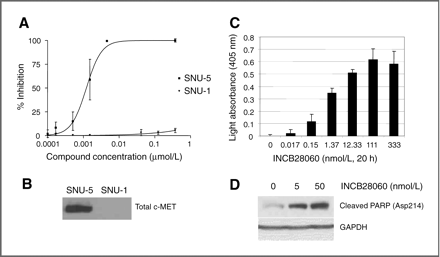
Cell viability assay[1] Optimal cell density used in the viability assay was predetermined for individual cell lines. To determine compound potency, cells were seeded into 96-well microplates at the appropriate density in media containing 1% to 2% FBS and supplemented with serial dilutions of INCB28060 in a final volume of 100 μL per well. After 72-hour incubation, 24 μL of CellTiter 96 AQueous One Solution was added to each well, and the plates were incubated for 2 hours in a 37°C incubator. The optical density was measured in the linear range using a microplate reader at 490 nm with wavelength correction at 650 nm. IC50 values were calculated using the GraphPad Prism Software. Soft agar colony formation assay[1] U-87MG or H441 cells were prepared at adequate densities in 6-well plates mixed with 0.5 mL top layer agar containing 0.3% agarose in appropriate culture medium and supplemented with 1% or 10% FBS, in the presence or absence of 50 ng/mL recombinant human HGF and INCB28060 at various concentrations. Cells were evenly laid over 1 mL solidified base layer agar containing 0.6% agarose in culture medium. The plates were incubated at 37°C in a humidified incubator supplied with 5% CO2. Cells were fed once a week with top agar containing appropriate concentrations of human HGF and INCB28060. The number and size of colonies were evaluated 2 to 3 weeks later when representative photographs were taken. Cell migration assay[1] H441 cells were seeded in RPMI-1640 medium containing 10% FBS and grown to complete confluence. Gaps were introduced by scraping cells with a P200 pipette tip. Cells were then stimulated with 50 ng/mL recombinant human HGF to induce migration across the gap in the presence of various concentrations of INCB28060. After an overnight incubation, representative photographs were taken and a semiqualitative assessment of inhibition of cell migration was conducted. Apoptosis assay[1] Cells were seeded in a 96-well plate and grown overnight in culture medium containing 0.5% FBS. Cells were then treated with INCB28060 at various concentrations for 24 hours. Apoptosis was measured using a DNA fragmentation–based Cell Death Detection ELISAplus kit according to the manufacturer's instructions. To measure PARP cleavage, cells were grown in 10 cm dishes and treated similarly with INCB28060 as described above. Protein extracts were then prepared and subjected to Western blot analysis using a rabbit anti-cleaved PARP (Asp214) antibody. MET-driven cancer cells (MKN-45, NCI-H1993, Hs746T) were seeded in 96-well plates at 3×10³ cells/well and allowed to adhere overnight. Serial dilutions of Capmatinib 2HCl were added, and cells were incubated for 72 hours at 37°C in 5% CO2. Cell viability was measured using a colorimetric assay to determine antiproliferative IC50 [1] MET signaling inhibition assay: Cells were pretreated with Capmatinib 2HCl (0.01–50 nM) for 1 hour, then lysed. Cell lysates were analyzed by Western blot using anti-phospho-MET, anti-phospho-AKT, anti-phospho-ERK1/2, and total protein antibodies [1] Cell cycle analysis: MKN-45 cells were treated with Capmatinib 2HCl (0–20 nM) for 24 hours, fixed with ethanol, stained with propidium iodide, and analyzed by flow cytometry to determine cell cycle distribution [1] Colony formation assay: Hs746T cells were seeded in 6-well plates at 500 cells/well, treated with Capmatinib 2HCl (0–50 nM), and incubated for 14 days. Colonies were stained with crystal violet and counted [1] |
| Animal Protocol |
Eight-week-old female Balb/c nu/nu mice (Charles River) are inoculated subcutaneously with 4 × 10⁶ tumor cells (S114 model) or with 5 × 10⁶ tumor cells (U-87MG glioblastoma model).
3, 10, 30 mg/kg INCB28060 is orally dosed, twice each day. Efficacy studies[1] Tumor-bearing mice were dosed orally, twice each day with 1, 3, 10, or 30 mg/kg of free base INCB28060 reconstituted in 5% DMAC in 0.5% methylcellulose for up to 2 weeks. Body weights were monitored throughout the study as a gross measure of toxicity/morbidity. Tumor growth inhibition, expressed in percent, was calculated using the formula: (1 − [(volume (treated)/volume (vehicle)]) × 100. Pharmacodynamic analysis[1] For pharmacodynamic analysis, S114 tumor–bearing mice were monitored for tumor growth and then randomized into groups of 3 with average tumor sizes of approximately 300 to 500 mm3. For time course studies, mice were given a single oral dose of 3 mg/kg INCB28060 reconstituted in 5% DMAC in 0.5% methylcellulose and tumors were harvested at the indicated time points. For dose escalation studies, mice were given a single oral dose of INCB28060 at 0.03, 0.1, 0.3, 1, 3, or 10 mg/kg reconstituted in 5% DMAC in 0.5% methylcellulose and tumors were harvested 30 minutes after dosing. All tumors were processed for the determination of phospho-c-Met levels using the Human Phospho-HGFR/c-Met kit. The plasma concentration of INCB28060 was determined by LC/MS/MS analysis following retro-orbital or cardiac puncture blood collection. MKN-45 xenograft model: Female nude mice were subcutaneously implanted with 5×10⁶ MKN-45 cells. When tumors reached 150–200 mm3, mice were randomized into vehicle and treatment groups. Capmatinib 2HCl was formulated in 0.5% hydroxypropyl cellulose + 0.1% Tween 80 and administered orally at 30 mg/kg once daily for 28 days. Tumor volume and body weight were measured twice weekly [1] NCI-H1993 xenograft model: Male nude mice were inoculated subcutaneously with 1×10⁷ NCI-H1993 cells. Treatment was initiated at tumor volume 200 mm3, with 40 mg/kg daily oral dosing of Capmatinib 2HCl for 30 days. Tumor samples were collected at study end for phospho-MET immunohistochemical analysis [1] MET-amplified NSCLC PDX model: Female NOD/SCID mice were implanted with patient-derived tumor fragments. When tumors reached 250 mm3, Capmatinib 2HCl (50 mg/kg) was administered orally once daily for 21 days. Tumor growth was monitored by caliper measurement [2] |
| ADME/Pharmacokinetics |
Absorption
The oral bioavailability of carmatinib is estimated to be >70%. After oral administration, peak plasma drug concentration (Tmax) is reached within 1 to 2 hours. Co-administration with a high-fat meal increases the AUC of carmatinib by 46%, while Cmax remains unchanged (compared to fasting); co-administration with a low-fat meal has no clinically significant effect on drug exposure. Elimination Pathway After oral administration of radiolabeled carmatinib, approximately 78% of the radioactive material is excreted in feces, of which approximately 42% is unmetabolized parent drug; 22% is excreted in urine, of which very little is unmetabolized parent drug. Volume of Distribution The steady-state apparent volume of distribution is 164 L. Clearance The steady-state mean apparent clearance of carmatinib is 24 L/h. Metabolism/Metabolites Carmatinib is primarily metabolized via CYP3A4 and aldehyde oxidase. Specific biotransformation pathways and metabolites have not been elucidated. Biological half-life Elimination half-life is 6.5 hours. Bioavailability of 20 mg/kg carmatinib 2HCl in mice after a single oral dose is 68%[1] Plasma half-life (t1/2) after intravenous injection of 10 mg/kg carmatinib in mice is 5.2 hours[1] Bioavailability of 20 mg/kg carmatinib in rats after oral administration is 61%, and plasma t1/2 is 6.8 hours[1] The drug has good tumor penetration. Four hours after oral administration, the tumor/plasma concentration ratio in MKN-45 xenograft mice is 4.3[1] It has high metabolic stability in human liver microsomes with a half-life of 240 minutes[1] |
| Toxicity/Toxicokinetics |
Hepatotoxicity
In pre-marketing clinical trials of carmatinib in patients with solid tumors harboring MET mutations, liver function abnormalities were common, but usually self-limiting and mild. 39% of patients treated with carmatinib experienced varying degrees of ALT elevation, with 7% experiencing ALT elevations exceeding 5 times the upper limit of normal (ULN). In these trials involving 373 patients, only 1% discontinued carmatinib prematurely due to elevated AST or ALT. The median time to onset of liver function abnormalities was 2 months after treatment initiation. Although serum transaminases occasionally rose to higher levels (5 to 20 times the ULN), this was not accompanied by elevated serum bilirubin, and no patients developed clinically significant liver injury with jaundice. The carmatinib product information recommends routine liver function tests before treatment, every 2 weeks for the first 3 months of treatment, and monthly as needed thereafter. Probability Score: E (Unproven but suspected rare cause of clinically significant liver injury). Effects during pregnancy and lactation ◉ Overview of use during lactation There is currently no information on the clinical use of carmatinib during lactation. Because carmatinib binds to plasma proteins at a rate of 96%, its concentration in breast milk may be very low. The manufacturer recommends discontinuing breastfeeding during carmatinib treatment and for one week after the last dose. ◉ Effects on breastfed infants As of the revision date, no relevant published information was found. ◉ Effects on lactation and breast milk As of the revision date, no relevant published information was found. In a 28-day repeated-dose toxicity study in rats, oral doses of up to 100 mg/kg/day of carmatinib 2HCl did not cause significant weight loss or abnormal hematological parameters [1]. Carmatinib 2HCl has a protein binding rate of 94% in human plasma, 92% in mouse plasma, and 90% in rat plasma[1]. A mild and reversible increase in serum ALT levels was observed at a dose of 100 mg/kg/day, but no histopathological changes in liver tissue were detected[1]. No significant cardiotoxicity was observed in hERG channel assays (IC50 > 10 μM)[1]. |
| References | |
| Additional Infomation |
Carmatinib is a small molecule kinase inhibitor targeting c-Met (also known as hepatocyte growth factor receptor [HGFR]). c-Met is a receptor tyrosine kinase that activates signaling cascades involved in organ regeneration and tissue repair in healthy individuals. Abnormal activation of c-Met (through mutation, amplification, and/or overexpression) is known to occur in various cancers, leading to overactivation of multiple downstream signaling pathways such as STAT3, PI3K/ATK, and RAS/MAPK. MET mutations have been detected in non-small cell lung cancer (NSCLC), and the incidence of MET amplification has been reported in 1.4% to 21% of NSCLC patients who have not received prior epidermal growth factor receptor tyrosine kinase inhibitor (EGFR-TKI) therapy. This co-occurrence makes c-Met an ideal target for NSCLC treatment. Carmatinib, manufactured by Novartis under the brand name Tabrecta, received accelerated approval from the U.S. Food and Drug Administration (FDA) on May 6, 2020, for the treatment of non-small cell lung cancer (NSCLC) patients whose tumors contain mutations that cause mesenchymal-epithelial transition (MET) exon 14 skipping. The presence of this mutation must be confirmed by an FDA-approved assay, such as the FoundationOne CDx assay (manufactured by Foundation Medicine), which was also approved by the FDA on the same day. Because this indication was granted accelerated approval, its continued approval depends on demonstrating the efficacy of carmatinib in confirmatory trials. Carmatinib was approved by Health Canada on June 8, 2022.
Carmatinib is a kinase inhibitor. Carmatinib's mechanism of action is as a mesenchymal-epithelial transition (MET) factor tyrosine kinase receptor inhibitor, a cytochrome P450 1A2 inhibitor, a P-glycoprotein inhibitor, a breast cancer resistance protein inhibitor, a multidrug and toxin efflux transporter 1 inhibitor, and a multidrug and toxin efflux transporter 2K inhibitor. Carmatinib is an oral, small-molecule MET factor tyrosine kinase receptor inhibitor used to treat certain patients with non-small cell lung cancer (NSCLC). Elevated serum transaminases are common during carmatinib treatment, but have not been found to be associated with clinically significant liver injury or jaundice. Drug Indications: In the United States, carmatinib is indicated for the treatment of adult patients with metastatic non-small cell lung cancer (NSCLC) whose tumors contain mutations that cause MET exon 14 skipping, detectable by FDA-approved assays. Carmatinib is approved for the treatment of adult patients in Canada with locally advanced, unresectable, or metastatic non-small cell lung cancer (NSCLC) with a MET exon 14 skipping mutation. Tabrecta monotherapy is indicated for the treatment of adult patients with advanced NSCLC carrying a skipping mutation in the mesenchymal-epithelial transforming factor gene exon 14 (METex14) that requires systemic therapy after prior immunotherapy and/or platinum-based chemotherapy. Pharmacodynamics Carmatinib inhibits excessive activity of c-Met (a receptor tyrosine). c-Met is a kinase encoded by the MET proto-oncogene. MET gene mutations are associated with the proliferation of various cancers, including non-small cell lung cancer (NSCLC). Carmatinib may cause photosensitivity reactions in patients after ultraviolet (UV) exposure—patients receiving carmatinib should be advised to use sunscreen and protective clothing to limit UV exposure. Interstitial lung disease/pneumonia has been a common and potentially fatal condition among patients receiving carmatinib. Carmatinib should be discontinued immediately in patients who develop signs or symptoms of lung disease (e.g., cough, dyspnea, fever), and permanently if no other possible cause of lung-related symptoms is identified. Mechanism of Action Aberrant activation of c-Met has been observed in various cancers, including non-small cell lung cancer (NSCLC). Mutations leading to skipping of exon 14 of the MET gene result in mutant c-Met proteins lacking regulatory domains—these mutant proteins have reduced negative regulatory capacity, leading to pathologically enhanced downstream activity. Carmatinib inhibits phosphorylation of c-Met wild-type and mutant proteins upon binding to their endogenous ligand, hepatocyte growth factor—thereby preventing c-Met-mediated phosphorylation of downstream signaling proteins and the proliferation and survival of c-Met-dependent tumor cells. Objective: c-MET receptor tyrosine kinases play a crucial role in the occurrence, development, and spread of human cancers and are a highly attractive therapeutic target. This study describes the preclinical characteristics of a novel c-MET kinase inhibitor, INCB28060. Experimental Design: A series of in vitro and in vivo biochemical and biological experiments were conducted. Results: INCB28060 exhibits picomolar-level enzyme activity and high specificity for c-MET, with selectivity exceeding 10,000-fold for multiple human kinases. This inhibitor effectively blocks the phosphorylation of c-MET and the activation of its key downstream effector molecules in c-MET-dependent tumor cell lines. Therefore, INCB28060 effectively inhibits the proliferation and migration of c-MET-dependent tumor cells and effectively induces apoptosis in vitro. Oral administration of INCB28060 resulted in time- and dose-dependent inhibition of c-MET phosphorylation and tumor growth in a c-MET-driven mouse tumor model, and the inhibitor was well-tolerated at doses that achieved complete tumor inhibition. To further explore the potential interactions between c-MET and other signaling pathways, we found that activated c-MET positively regulates the activity of epidermal growth factor receptor (EGFR) and HER-3 and the expression of their ligands. INCB28060 treatment reversed these effects. Finally, we demonstrated that circulating hepatocyte growth factor levels were significantly elevated in patients with various cancers. Conclusion: Activated c-MET has pleiotropic effects on multiple pro-cancer signaling pathways and may play a key role in driving tumor cell growth and survival. INCB28060 is a potent and selective c-MET kinase inhibitor with potential for cancer treatment. [1] Objective: Gastric cancer is closely related to genetic susceptibility. In our RNA sequencing study of gastric cancer patients, we found that Runt-associated transcription factor 3 (RUNX3) was significantly downregulated in gastric cancer. We found that decreased RUNX3 levels were significantly associated with c-MET (r = -0.4216, P = 0.0130). Furthermore, c-MET expression is a candidate target for targeted therapy in gastric cancer. Therefore, this study evaluated the anticancer effects of c-MET inhibitors on c-MET amplification-positive or c-MET-negative gastric cancer cells. Results: INC280 treatment inhibited the growth of c-MET-amplified MKN45 (RUNX3-positive) and SNU620 (RUNX3-negative) diffuse cells. INC280 showed the highest inhibition rate and apoptosis rate in MKN45 cells, with the lowest IC50 value, but this was not observed in MKN28 (enteric-type) cells with decreased c-MET expression. We also found that INC280 inhibited the WNT signaling pathway and SNAIL expression in MKN45 cells. These data suggest that INC280 may be a potential therapeutic agent for the prevention or treatment of c-MET amplification-positive diffuse gastric cancer. [2] Camatinib 2HCl is a potent and selective MET kinase inhibitor developed specifically for the treatment of MET-driven solid tumors. [1][2] Its mechanism of action involves binding to the ATP-binding pocket of MET, inhibiting its catalytic activity and downstream PI3K-AKT and RAS-ERK signaling pathways. [1] This compound targets MET amplification, MET exon 14 skipping mutations, and MET overexpression, showing therapeutic potential in non-small cell lung cancer (NSCLC), gastric cancer, and colorectal cancer. [1][2] It has entered clinical trials for the treatment of MET-altered NSCLC. [1] |
| Molecular Formula |
C23H19CL2FN6O
|
|---|---|
| Molecular Weight |
485.34
|
| Exact Mass |
484.098
|
| Elemental Analysis |
C, 66.98; H, 4.15; F, 4.61; N, 20.38; O, 3.88
|
| CAS # |
1197376-85-4
|
| Related CAS # |
Capmatinib;1029712-80-8;Capmatinib dihydrochloride hydrate;1865733-40-9;Capmatinib hydrochloride;1029714-89-3; 1197376-85-4 (2HCl); 1197376-90-1 (besylate); 1450883-33-6 (fumarate)
|
| PubChem CID |
44513225
|
| Appearance |
Solid
|
| Hydrogen Bond Donor Count |
3
|
| Hydrogen Bond Acceptor Count |
6
|
| Rotatable Bond Count |
4
|
| Heavy Atom Count |
33
|
| Complexity |
637
|
| Defined Atom Stereocenter Count |
0
|
| SMILES |
Cl.Cl.FC1=C(C(NC)=O)C=CC(=C1)C1C=NC2=NC=C(CC3C=CC4C(=CC=CN=4)C=3)N2N=1
|
| InChi Key |
ZTNPHABKLIJXTL-UHFFFAOYSA-N
|
| InChi Code |
InChI=1S/C23H17FN6O.2ClH/c1-25-22(31)18-6-5-16(11-19(18)24)21-13-28-23-27-12-17(30(23)29-21)10-14-4-7-20-15(9-14)3-2-8-26-20;;/h2-9,11-13H,10H2,1H3,(H,25,31);2*1H
|
| Chemical Name |
2-fluoro-N-methyl-4-[7-(quinolin-6-ylmethyl)imidazo[1,2-b][1,2,4]triazin-2-yl]benzamide;dihydrochloride
|
| Synonyms |
INCB28060; 2HClINC-280; 2HClCapmatinib; 2HClINCB28060; 2HClINC-280; 2HClNVP; Capmatinib dihydrochloride; 1197376-85-4; Capmatinib (dihydrochloride); Z0V2EW20JR; Benzamide, 2-fluoro-N-methyl-4-[7-(6-quinolinylmethyl)imidazo[1,2-b][1,2,4]triazin-2-yl]-, hydrochloride (1:2); 2-fluoro-N-methyl-4-[7-(quinolin-6-ylmethyl)imidazo[1,2-b][1,2,4]triazin-2-yl]benzamide;dihydrochloride; 2-fluoro-n-methyl-4-(7-(quinolin-6-ylmethyl)imidazo[1,2-b][1,2,4]triazin-2-yl)benzamide dihydrochloride; Capmatinib 2HCl; INC280; 2HClNVP; INC-2802HCl
|
| HS Tariff Code |
2934.99.9001
|
| Storage |
Powder -20°C 3 years 4°C 2 years In solvent -80°C 6 months -20°C 1 month Note: Please store this product in a sealed and protected environment, avoid exposure to moisture. |
| Shipping Condition |
Room temperature (This product is stable at ambient temperature for a few days during ordinary shipping and time spent in Customs)
|
| Solubility (In Vitro) |
DMSO: > 10 mM
|
|---|---|
| Solubility (In Vivo) |
Note: Listed below are some common formulations that may be used to formulate products with low water solubility (e.g. < 1 mg/mL), you may test these formulations using a minute amount of products to avoid loss of samples.
Injection Formulations
Injection Formulation 1: DMSO : Tween 80: Saline = 10 : 5 : 85 (i.e. 100 μL DMSO stock solution → 50 μL Tween 80 → 850 μL Saline)(e.g. IP/IV/IM/SC) *Preparation of saline: Dissolve 0.9 g of sodium chloride in 100 mL ddH ₂ O to obtain a clear solution. Injection Formulation 2: DMSO : PEG300 :Tween 80 : Saline = 10 : 40 : 5 : 45 (i.e. 100 μL DMSO → 400 μLPEG300 → 50 μL Tween 80 → 450 μL Saline) Injection Formulation 3: DMSO : Corn oil = 10 : 90 (i.e. 100 μL DMSO → 900 μL Corn oil) Example: Take the Injection Formulation 3 (DMSO : Corn oil = 10 : 90) as an example, if 1 mL of 2.5 mg/mL working solution is to be prepared, you can take 100 μL 25 mg/mL DMSO stock solution and add to 900 μL corn oil, mix well to obtain a clear or suspension solution (2.5 mg/mL, ready for use in animals). View More
Injection Formulation 4: DMSO : 20% SBE-β-CD in saline = 10 : 90 [i.e. 100 μL DMSO → 900 μL (20% SBE-β-CD in saline)] Oral Formulations
Oral Formulation 1: Suspend in 0.5% CMC Na (carboxymethylcellulose sodium) Oral Formulation 2: Suspend in 0.5% Carboxymethyl cellulose Example: Take the Oral Formulation 1 (Suspend in 0.5% CMC Na) as an example, if 100 mL of 2.5 mg/mL working solution is to be prepared, you can first prepare 0.5% CMC Na solution by measuring 0.5 g CMC Na and dissolve it in 100 mL ddH2O to obtain a clear solution; then add 250 mg of the product to 100 mL 0.5% CMC Na solution, to make the suspension solution (2.5 mg/mL, ready for use in animals). View More
Oral Formulation 3: Dissolved in PEG400 (Please use freshly prepared in vivo formulations for optimal results.) |
| Preparing Stock Solutions | 1 mg | 5 mg | 10 mg | |
| 1 mM | 2.0604 mL | 10.3021 mL | 20.6041 mL | |
| 5 mM | 0.4121 mL | 2.0604 mL | 4.1208 mL | |
| 10 mM | 0.2060 mL | 1.0302 mL | 2.0604 mL |
*Note: Please select an appropriate solvent for the preparation of stock solution based on your experiment needs. For most products, DMSO can be used for preparing stock solutions (e.g. 5 mM, 10 mM, or 20 mM concentration); some products with high aqueous solubility may be dissolved in water directly. Solubility information is available at the above Solubility Data section. Once the stock solution is prepared, aliquot it to routine usage volumes and store at -20°C or -80°C. Avoid repeated freeze and thaw cycles.
Calculation results
Working concentration: mg/mL;
Method for preparing DMSO stock solution: mg drug pre-dissolved in μL DMSO (stock solution concentration mg/mL). Please contact us first if the concentration exceeds the DMSO solubility of the batch of drug.
Method for preparing in vivo formulation::Take μL DMSO stock solution, next add μL PEG300, mix and clarify, next addμL Tween 80, mix and clarify, next add μL ddH2O,mix and clarify.
(1) Please be sure that the solution is clear before the addition of next solvent. Dissolution methods like vortex, ultrasound or warming and heat may be used to aid dissolving.
(2) Be sure to add the solvent(s) in order.
| NCT Number | Recruitment | interventions | Conditions | Sponsor/Collaborators | Start Date | Phases |
| NCT04427072 | Active Recruiting |
Drug: Capmatinib Drug: Docetaxel |
Carcinoma, Non-Small-Cell Lung | Novartis Pharmaceuticals | September 25, 2020 | Phase 3 |
| NCT04926831 | Active Recruiting |
Drug: capmatinib | Non-small Cell Lung Cancer | Novartis Pharmaceuticals | August 10, 2022 | Phase 2 |
| NCT02414139 | Active Recruiting |
Drug: INC280 (capmatinib) |
Carcinoma, Non-Small-Cell Lung | Novartis Pharmaceuticals | June 11, 2015 | Phase 2 |
| NCT03333343 | Active Recruiting |
Drug: INC280 Drug: gefitinib |
EGFR-mutant Non-small Cell Lung Cancer |
Novartis Pharmaceuticals | January 29, 2018 | Phase 1 |
| NCT05703516 | Recruiting | Other: Capmatinib | Non-Small-Cell Lung Carcinoma | Novartis Pharmaceuticals | June 12, 2023 |
INCB28060 inhibits c-MET–dependent cell proliferation and survival. Clin Cancer Res. 2011 Nov 15;17(22):7127-38. |
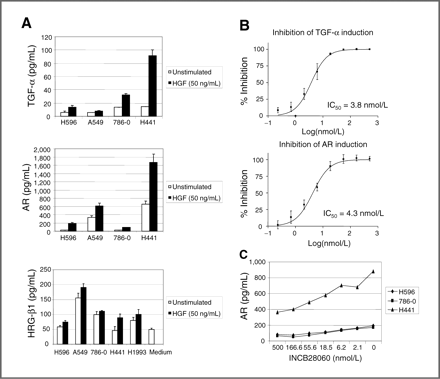
HGF induces production of TGF-α, AR, and HRG-β1 in cancer cells and INCB28060 effectively blocks the induction. |
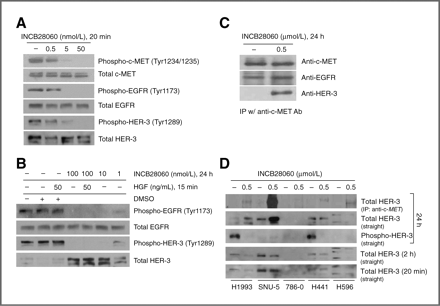
Cross-talk between c-MET and EGFR or HER-3 in cancer cells. |
Products are for research use only; We do not sell to patients
Copyright 2020 InvivoChem LLC | All Rights Reserved


 COA
COA