| Size | Price | Stock | Qty |
|---|---|---|---|
| 10mg |
|
||
| 25mg |
|
||
| 50mg |
|
||
| 100mg |
|
||
| 250mg |
|
||
| 500mg |
|
||
| 1g |
|
||
| Other Sizes |


Purity: ≥98%
| Targets |
murine hepatitis virus, delayed brain tumor cell ( EC50 = 30 nM ); SARS-CoV, HAE cell ( EC50 = 74 nM ); MERS-CoV, HAE cell ( EC50 = 74 nM ); SARS-CoV-2 ( IC50 = 3.3 μM ); SARS-CoV-2 alpha ( IC50 = 4.7 μM ); SARS-CoV-2 beta ( IC50 = 32 μM ); SARS-CoV-2 gamma ( IC50 = 3.7 μM ); SARS-CoV-2 delta ( IC50 = 9.2 μM )
GS-5734 demonstrates broad-spectrum antiviral activity against other pathogenic RNA viruses in vitro and antiviral activity against multiple EBOV variants in cell-based assays (EC50=0.06-0.14 μM).[1] With an EC50 of 0.03 μM for the murine hepatitis virus in delayed brain tumor cells and 0.074 μM for SARS-CoV and MERS-CoV in HAE cells, GS-5734 functions as a broad-spectrum therapeutic to protect against CoVs.[2] • Antiviral activity against coronaviruses: Inhibited SARS-CoV replication in primary human airway epithelial (HAE) cells with EC₅₀ = 0.069 μM; reduced viral titers by >4 log₁₀ units at 1 μM after 48 hours. Similarly inhibited MERS-CoV in HAE cells (EC₅₀ = 0.074 μM) [1]. • Activity against Ebola virus: Suppressed Ebola virus (EBOV) replication in HeLa cells (EC₅₀ = 0.086 μM) and primary human macrophages (EC₅₀ = 0.17 μM) [1]. • Mechanism of action: Remdesivir triphosphate (active metabolite) acts as an adenosine triphosphate (ATP) analog, causing delayed chain termination during viral RNA synthesis. Incorporation into nascent RNA strands inhibited subsequent nucleotide additions after 3-5 bases, terminating replication [1]. • Activity against Nipah virus: Inhibited Nipah virus replication in primary human lung microvascular endothelial cells (EC₅₀ = 0.03 μM) [2]. • Cytotoxicity: CC₅₀ > 10 μM in Vero E6 cells and >20 μM in Huh7 cells, indicating high selectivity index [1] |
|---|---|
| ln Vitro |
GS-5734 demonstrates broad-spectrum antiviral activity against other pathogenic RNA viruses in vitro and antiviral activity against multiple EBOV variants in cell-based assays (EC50=0.06-0.14 μM).[1] With an EC50 of 0.03 μM for the murine hepatitis virus in delayed brain tumor cells and 0.074 μM for SARS-CoV and MERS-CoV in HAE cells, GS-5734 functions as a broad-spectrum therapeutic to protect against CoVs.[2]
• Antiviral activity against coronaviruses: Inhibited SARS-CoV replication in primary human airway epithelial (HAE) cells with EC₅₀ = 0.069 μM; reduced viral titers by >4 log₁₀ units at 1 μM after 48 hours. Similarly inhibited MERS-CoV in HAE cells (EC₅₀ = 0.074 μM) [1]. • Activity against Ebola virus: Suppressed Ebola virus (EBOV) replication in HeLa cells (EC₅₀ = 0.086 μM) and primary human macrophages (EC₅₀ = 0.17 μM) [1]. • Mechanism of action: Remdesivir triphosphate (active metabolite) acts as an adenosine triphosphate (ATP) analog, causing delayed chain termination during viral RNA synthesis. Incorporation into nascent RNA strands inhibited subsequent nucleotide additions after 3-5 bases, terminating replication [1]. • Activity against Nipah virus: Inhibited Nipah virus replication in primary human lung microvascular endothelial cells (EC₅₀ = 0.03 μM) [2]. • Cytotoxicity: CC₅₀ > 10 μM in Vero E6 cells and >20 μM in Huh7 cells, indicating high selectivity index [1] Remdesivir (GS-5734) exhibited broad-spectrum antiviral activity against multiple filoviruses (EBOV Makona, EBOV Kikwit, Marburg, Bundibugyo, Sudan) in HeLa cells with EC₅₀ values ranging from low nanomolar to sub-micromolar levels. [1] It also inhibited respiratory syncytial virus (RSV) with EC₅₀ = 0.019 μM and CC₅₀ = 6.0 μM in HEP-2 cells. [1] Activity was observed against Junín virus (EC₅₀ = 0.47 μM), Lassa fever virus (EC₅₀ = 1.48 μM), and Middle East respiratory syndrome coronavirus (MERS-CoV, EC₅₀ = 0.34 μM), but not against Chikungunya virus, Venezuelan equine encephalitis virus, or HIV-1 (EC₅₀ > 20 μM). [1] In human monocyte-derived macrophages, incubation with 1 μM GS-5734 led to rapid formation and persistence of intracellular NTP with a half-life of 16 ± 1 hours. [1] |
| ln Vivo |
The administration of 3 mg/kg GS-5734 results in improved survival regardless of the time at which the treatment is started. Following three days of viral exposure, all animals receiving 10 mg/kg GS-5734 treatments reach the end of their in-life phase. Animals given repeated doses of 10 mg/kg GS-5734, however, consistently exhibit stronger antiviral effects. Clinical disease signs and markers of coagulopathy and end organ pathophysiology related to EVD are associated with improvement when treated with the 10 mg/kg D3 regimen (starting 3 days after virus exposure).[1]
• Antiviral activity against coronaviruses: Inhibited SARS-CoV replication in primary human airway epithelial (HAE) cells with EC₅₀ = 0.069 μM; reduced viral titers by >4 log₁₀ units at 1 μM after 48 hours. Similarly inhibited MERS-CoV in HAE cells (EC₅₀ = 0.074 μM) [1]. • Activity against Ebola virus: Suppressed Ebola virus (EBOV) replication in HeLa cells (EC₅₀ = 0.086 μM) and primary human macrophages (EC₅₀ = 0.17 μM) [1]. • Mechanism of action: Remdesivir triphosphate (active metabolite) acts as an adenosine triphosphate (ATP) analog, causing delayed chain termination during viral RNA synthesis. Incorporation into nascent RNA strands inhibited subsequent nucleotide additions after 3-5 bases, terminating replication [1]. • Activity against Nipah virus: Inhibited Nipah virus replication in primary human lung microvascular endothelial cells (EC₅₀ = 0.03 μM) [2]. • Cytotoxicity: CC₅₀ > 10 μM in Vero E6 cells and >20 μM in Huh7 cells, indicating high selectivity index [1] In a rhesus monkey model of Ebola virus disease (EVD), once-daily intravenous administration of 10 mg/kg Remdesivir (GS-5734) for 12 days, initiated 3 days post-exposure, resulted in 100% survival, profound suppression of viral replication, and amelioration of clinical disease signs and pathophysiological markers. [1] Lower doses (3 mg/kg) initiated earlier (day 0 or day 2) provided partial protection (33–66% survival). [1] |
| Enzyme Assay |
In vitro RSV RNA synthesis assay[1]
\RNA synthesis by the RSV polymerase was reconstituted in vitro using purified RSV L/P complexes and an RNA oligonucleotide template (Dharmacon), representing nucleotides 1–14 of the RSV leader promoter31,32,33 (3′-UGCGCUUUUUUACG-5′). RNA synthesis reactions were performed as described previously, except that the reaction mixture contained 250 μM guanosine triphosphate (GTP), 10 μM uridine triphosphate (UTP), 10 μM cytidine triphosphate (CTP), supplemented with 10 μCi [α-32P]CTP, and either included 10 μM adenosine triphosphate (ATP) or no ATP. Under these conditions, the polymerase is able to initiate synthesis from the position 3 site of the promoter, but not the position 1 site. The NTP metabolite of GS-5734 was serially diluted in DMSO and included in each reaction mixture at concentrations of 10, 30, or 100 μM as specified in Fig. 1f. RNA products were analysed by electrophoresis on a 25% polyacrylamide gel, containing 7 M urea, in Tris–taurine–EDTA buffer, and radiolabelled RNA products were detected by autoradiography. RSV A2 polymerase inhibition assay[1] \Transcription reactions contained 25 μg of crude RSV RNP complexes in 30 μL of reaction buffer (50 mM Tris-acetate (pH 8.0), 120 mM potassium acetate, 5% glycerol, 4.5 mM MgCl2, 3 mM DTT, 2 mM EGTA, 50 μg ml−1 BSA, 2.5 U RNasin, 20 μM ATP, 100 μM GTP, 100 μM UTP, 100 μM CTP, and 1.5 μCi [α-32P]ATP (3,000 Ci mmol−1)). The radiolabelled nucleotide used in the transcription assay was selected to match the nucleotide analogue being evaluated for inhibition of RSV RNP transcription. \\To determine whether nucleotide analogues inhibited RSV RNP transcription, compounds were added using a six-step serial dilution in fivefold increments. After a 90-min incubation at 30 °C, the RNP reactions were stopped with 350 μl of Qiagen RLT lysis buffer, and the RNA was purified using a Qiagen RNeasy 96 kit. Purified RNA was denatured in RNA sample loading buffer at 65 °C for 10 min and run on a 1.2% agarose/MOPS gel containing 2 M formaldehyde. The agarose gel was dried, exposed to a Storm phosphorimaging screen, and developed using a Storm phosphorimager. Inhibition of human RNA polymerase II[1] \For a 25 μl reaction mixture, 7.5 μl 1 × transcription buffer (20 mM HEPES (pH 7.2–7.5), 100 mM KCl, 0.2 mM EDTA, 0.5 mM DTT, 20% glycerol), 3 mM MgCl2, 100 ng CMV positive or negative control DNA, and a mixture of ATP, GTP, CTP and UTP was pre-incubated with various concentrations (0–500 μM) of the inhibitor at 30 °C for 5 min. The mixture contained 5–25 μM (equal to Km) of the competing 33P-labelled ATP and 400 μM of GTP, UTP, and CTP. The reaction was started by addition of 3.5 μl of HeLa and extract. After 1 h of incubation at 30 °C, the polymerase reaction was stopped by addition of 10.6 μl proteinase K mixture that contained final concentrations of 2.5 μg μl−1 proteinase K, 5% SDS, and 25 mM EDTA. After incubation at 37 °C for 3–12 h, 10 μl of the reaction mixture was mixed with 10 μl of the loading dye (98% formamide, 0.1% xylene cyanol and 0.1% bromophenol blue), heated at 75 °C for 5 min, and loaded onto a 6% polyacrylamide gel (8 M urea). The gel was dried for 45 min at 70 °C and exposed to a phosphorimager screen. The full length product, 363 nucleotide runoff RNA, was quantified using a Typhoon Trio Imager and Image Quant TL Software. Inhibition of human mitochondrial RNA polymerase[1] \Twenty nanomolar POLRMT was incubated with 20 nM template plasmid (pUC18-LSP) containing POLRMT light-strand promoter region and mitochondrial (mt) transcription factors TFA (100 nM) and mtTFB2 (20 nM) in buffer containing 10 mM HEPES (pH 7.5), 20 mM NaCl, 10 mM DTT, 0.1 mg ml−1 BSA, and 10 mM MgCl234. The reaction mixture was pre-incubated to 32 °C, and the reactions were initiated by addition of 2.5 μM of each of the natural NTPs and 1.5 μCi of [32P]GTP. After incubation for 30 min at 32 °C, reactions were spotted on DE81 paper and quantified.\ • RdRp inhibition assay: Recombinant SARS-CoV RdRp complex (nsp7/nsp8/nsp12) incubated with RNA template/primer and nucleotide triphosphates (NTPs). Remdesivir triphosphate (RTP) was added at varying concentrations. RNA synthesis quantified by incorporation of radiolabeled nucleotides. RTP competitively inhibited ATP incorporation with IC₅₀ = 3.65 μM [1]. • RNA chain termination assay: Primer extension reactions with purified RdRp complexes. RTP incorporation into RNA templates was analyzed by gel electrophoresis. Results showed RTP caused termination 3-5 nucleotides downstream of incorporation sites [1] The inhibitory effect of the active metabolite NTP on RSV RNA polymerase was evaluated in an in vitro RNA synthesis assay using purified RSV ribonucleoprotein complexes and an RNA oligonucleotide template. NTP was serially diluted and included in reactions containing radiolabeled CTP. RNA products were analyzed by urea-polyacrylamide gel electrophoresis and autoradiography. NTP inhibited RSV polymerase-catalyzed RNA synthesis by causing premature chain termination. [1] Inhibition of human RNA polymerase II and mitochondrial RNA polymerase was also tested in transcription assays using HeLa nuclear extract or recombinant POLRMT with transcription factors. NTP did not inhibit human polymerases at concentrations up to 500 μM. [1] |
| Cell Assay |
EBOV assay in HeLa and HFF-1 cells[1]
Antiviral assays were conducted in BSL-4 at USAMRIID. HeLa or HFF-1 cells were seeded at 2,000 cells per well in 384-well plates. Ten serial dilutions of compound in triplicate were added directly to the cell cultures using the HP D300 digital dispenser in twofold dilution increments starting at 10 μM at 2 h before infection. The DMSO concentration in each well was normalized to 1% using an HP D300 digital dispenser. The assay plates were transferred to the BSL-4 suite and infected with EBOV Kikwit at a multiplicity of infection of 0.5 PFU per cell for HeLa cells and with EBOV Makona at a multiplicity of infection of 5 PFU per cell for HFF-1 cells. The assay plates were incubated in a tissue culture incubator for 48 h. Infection was terminated by fixing the samples in 10% formalin solution for an additional 48 h before immune-staining, as described in Supplementary Table 1.[1] EBOV human macrophage infection assay[1] Antiviral assays were conducted in BSL-4 at USAMRIID. Primary human macrophage cells were seeded in a 96-well plate at 40,000 cells per well. Eight to ten serial dilutions of compound in triplicate were added directly to the cell cultures using an HP D300 digital dispenser in threefold dilution increments 2 h before infection. The concentration of DMSO was normalized to 1% in all wells. The plates were transferred into the BSL-4 suite, and the cells were infected with 1 PFU per cell of EBOV in 100 μl of media and incubated for 1 h. The inoculum was removed, and the media was replaced with fresh media containing diluted compounds. At 48 h post-infection, virus replication was quantified by immuno-staining as described in Supplementary Table 1.[1] RSV A2 antiviral assay[1] For antiviral tests, compounds were threefold serially diluted in source plates from which 100 nl of diluted compound was transferred to a 384-well cell culture plate using an Echo acoustic transfer apparatus. HEp-2 cells were added at a density of 5 × 10⁵ cells per ml, then infected by adding RSV A2 at a titer of 1 × 104.5 tissue culture infectious doses (TCID50) per ml. Immediately following virus addition, 20 μl of the virus and cells mixture was added to the 384-well cell culture plates using a μFlow liquid dispenser and cultured for 4 days at 37 °C. After incubation, the cells were allowed to equilibrate to 25 °C for 30 min. The RSV-induced cytopathic effect was determined by adding 20 μl of CellTiter-Glo Viability Reagent. After a 10-min incubation at 25 °C, cell viability was determined by measuring luminescence using an Envision plate reader. • Virus replication inhibition: Cells (e.g., Vero E6, HAE, Huh7) infected with viruses (SARS-CoV, MERS-CoV, EBOV) at low MOI. Treated with serially diluted Remdesivir for 48-72 hours. Viral titers quantified by plaque assay or TCID₅₀; EC₅₀ calculated from dose-response curves [1]. • Cytotoxicity assay: Cells treated with Remdesivir for 72 hours. Cell viability measured using ATP-based luminescence or resazurin reduction assays. CC₅₀ values determined [1] Antiviral activity against EBOV was assessed in multiple human cell types including primary macrophages, HeLa, HFF-1, HMVEC-TERT, and Huh-7 cells infected with EBOV (Makona or reporter viruses). Cells were incubated with serial dilutions of GS-5734 for 3–5 days. Viral replication was quantified by immunofluorescence, plaque assay, or qRT-PCR. EC₅₀ values ranged from 0.06 to 0.14 μM. [1] Cytotoxicity was evaluated in various human cell lines and primary cells using CellTiter-Glo viability assays after 4–5 days of incubation with compound. CC₅₀ values for GS-5734 were >20 μM in most cell types, indicating low cytotoxicity. [1] |
| Animal Protocol |
Rhesus monkeys (Macaca mulatta)
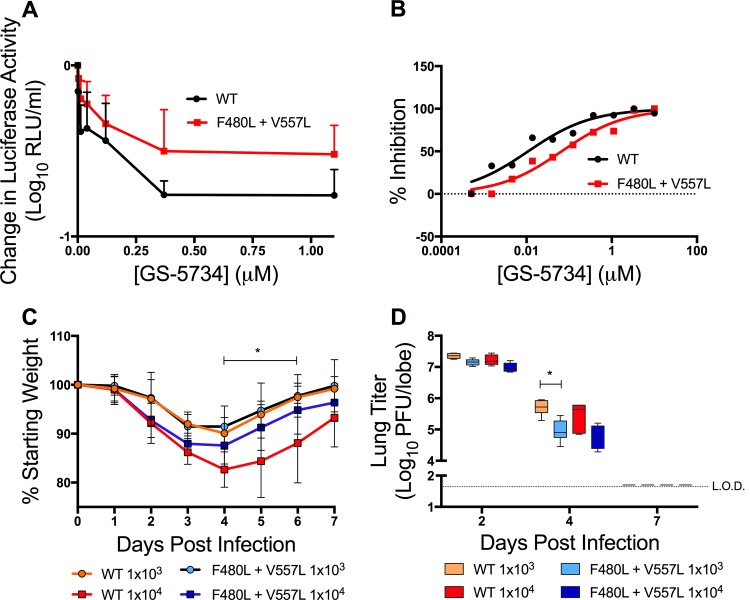
3 mg/kg, 10 mg/kg IV In vivo efficacy[1] Rhesus monkeys (Macaca mulatta) were challenged on day 0 by intramuscular injection with a target dose of 1,000 PFU of EBOV Kikwit (Ebola virus H. sapiens-tc/COD/1995/Kikwit), which was derived from a clinical specimen obtained during an outbreak occurring in the Democratic Republic of the Congo (formerly Zaire) in 1995. Challenge virus was propagated from the clinical specimen using cultured cells (Vero or Vero E6) for a total of four passages. Animals (3–6 years old) were randomly assigned to experimental treatment groups, stratified by sex (with equal number of males and females per group) and balanced by body weight, using SAS statistical software. Study personnel responsible for assessing animal health (including euthanasia assessment) and administering treatments were experimentally blinded to group assignment of animals. The primary endpoint for efficacy studies was survival to day 28 following virus challenge. GS-5734 was formulated at Gilead Sciences in water with 12% sulfobutylether-β-cyclodextrin (SBE- β-CD), pH adjusted to 3.0 using HCl. Formulations were administered to anaesthetized animals by bolus intravenous injection at a rate of approximately 1 min per dose in the right or left saphenous vein. The volume of all vehicle or GS-5734 injections was 2.0 ml kg−1 body weight. Animals were anaesthetized using intramuscular injection of a solution containing ketamine (100 mg ml−1) and acepromazine (10 mg ml−1) at 0.1 ml kg−1 body weight.[1] Animals were observed at least twice daily to monitor for disease signs, and animals that survived to day 28 were deemed to be protected. Study personnel alleviated unnecessary suffering of infected animals by euthanizing clinically moribund animals. The criteria used as the basis for euthanasia of moribund animals were defined before study initiation and included magnitude of responsiveness, reduced body temperature, and/or specified alterations to serum chemistry parameters35. Serum chemistry was analysed using a Vitros 350 Chemistry System, and coagulation parameters were evaluated using a Sysmex CA-1500 coagulation analyser. Haematology analysis was conducted using a Siemens Advia 120 Hematology System with multispecies software. On days in which GS-5734 or vehicle dosing were scheduled with blood sample collection for clinical pathology or viraemia analysis, blood samples were collected immediately before dose administration.[1] • Mouse EBOV model: BALB/c mice infected with maEBOV. Treated via IP injection with Remdesivir (25 mg/kg in 10% sulfobutylether-β-cyclodextrin) daily for 6 days starting 1 hpi. Survival and viral load monitored [1]. • Mouse SARS-CoV model: C57BL/6 mice infected with SARS-CoV. Remdesivir delivered via SC osmotic pump (loading dose 50 mg/kg, maintenance 25 mg/kg/day in 10% sulfobutylether-β-cyclodextrin) for 12 days starting 24 hpi. Lung viral titers and histopathology assessed [1]. • Ferret Nipah model: Ferrets infected with Nipah virus. Prophylactic treatment: Remdesivir (10 mg/kg in 10% sulfobutylether-β-cyclodextrin) administered IM daily for 3 days starting 1 day pre-infection. Clinical signs, weight, and viral shedding monitored [2] Pharmacokinetic evaluations[1] Three uninfected male rhesus monkeys were used for the pharmacokinetic study. GS-5734 was formulated in solution at 5 mg ml−1 with 12% sulfobutylether-β-cyclodextrin in water, pH 3.5–4.0, and 2 ml kg−1 was administered by slow bolus (approximately 1 min) for a final dose of 10 mg kg−1. Blood samples for plasma and PBMCs were collected from a femoral veirtery and were taken from each monkey over a 24-h period. Plasma samples were obtained at predose and at 0.083, 0.25, 0.5, 1, 2, 4, 8, and 24 h postdose. PBMC samples were obtained at 2, 4, 8, and 24 h. Blood samples for plasma were collected into chilled collection tubes containing sodium fluoride/potassium oxalate as the anticoagulant and were immediately placed on wet ice, followed by centrifugation to obtain plasma. Blood samples for PBMC isolation were collected at room temperature into CPT vacutainer tubes containing sodium heparin for isolation. Plasma and isolated PBMC samples were frozen immediately and stored at ≤60 °C until analysed.[1] For plasma analysis, an aliquot of 25 μl of each plasma sample was treated with 100 μl of 90% methanol and acetonitrile mixture (1:1, v:v) and 10% water with 20 nM 5-(2-aminopropyl)indole as an internal standard. Then, 100 μl of samples were filtered through an Agilent Captiva 96 well 0.2 μm filter plate. Filtered samples were dried down completely for approximately 20 min and reconstituted with 1% acetonitrile and 99% water with 0.01% formic acid. An aliquot of 10 μl was injected for LC-MS/MS using a HTC Pal autosampler. Analytes were separated on a Phenomenex Synergi Hydro-RP 30A column (75 × 2.0 mM, 4.0 μm) using a Waters Acquity ultra performance LC, a flow rate of 0.26 ml min−1, and a gradient from Mobile phase A containing 0.2% formic acid in 99% water and 1% acetonitrile to mobile phase B containing 0.2% formic acid in 95% acetonitrile and 5% water over 4.5 min. For MS/MS analysis, we used a Waters Xevo TQ-S in positive multiple reaction monitoring mode using an electrospray probe. Plasma concentrations of GS-734, alanine metabolite and Nuc were determined using an 8-point calibration curve spanning a concentration range of over three orders of magnitude. Quality control samples were run at the beginning and end of the run to ensure accuracy and precision within 20%. Intracellular metabolites in PBMCs were quantified by LC-MS/MS as described above for in vitro activation studies.[1] Radiolabelled tissue distribution[1] Six cynomolgus monkeys were administered a single dose of [14C]GS-5734 at 10 mg kg−1 (25 μCi kg−1) by intravenous administration (slow bolus). Tissues were collected from three animals at 4 and 168 h postdose. The tissues were excised, rinsed with saline, blotted dry, weighed, and placed on wet ice. Tissues (testes, epididymis, eyes and brain; following homogenization) and plasma were analysed by liquid scintillation counting. Concentrations were converted to ng equivalents of GS-5734 per gram of sample. Assessment of resistant virus virulence in vivo. [2] Groups of 10 to 12 10-week old female BALB/c (Charles River, Inc.) mice were anesthetized with ketamine-xylazine and intranasally infected with either 104 or 103 PFU/50 µl wild-type mouse-adapted SARS-CoV expressing nanoluciferase (WT SARS-CoV) or SARS-MA15 NanoLuc engineered to harbor resistance mutations in nsp12 (F480L + V557L SARS-CoV). Animals were weighed daily to monitor virus-associated weight loss. On days 2 and 4 postinfection, 5 to 6 animals per group were sacrificed by isoflurane overdose and the inferior right lobe was harvested and frozen at −80°C until the titer was determined by plaque assay as described previously (38). A 5- to 6-animal cohort was monitored out to 7 days postinfection in order to compare the kinetics of recovery, after which lung samples were harvested and the titer determined as described for previous samples. Rhesus monkeys were challenged intramuscularly with 1,000 PFU of EBOV Kikwit. Remdesivir (GS-5734) was formulated in 12% sulfobutylether-β-cyclodextrin in water (pH 3.0–4.0) and administered intravenously once daily for 12 days at doses of 3 mg/kg or 10 mg/kg, starting on day 0, 2, or 3 post-infection. Animals were monitored for survival, clinical scores, viremia, and clinical pathology. [1] Pharmacokinetic studies in healthy rhesus monkeys involved intravenous administration of 10 mg/kg GS-5734, with serial blood sampling for plasma and PBMC analysis over 24 hours. [1] Tissue distribution was assessed in cynomolgus monkeys using [¹⁴C]GS-5734, with tissues collected at 4 and 168 hours post-dose. [1] |
| ADME/Pharmacokinetics |
Absorption, Distribution and Excretion
Remdesivir is rapidly absorbed; after a single 30-minute intravenous infusion, peak plasma concentrations (Tmax) are reached within 0.67–0.68 hours. Following repeated administration, Cmax (coefficient of variation expressed as a percentage) was 2229 (19.2) ng/mL, and AUCtau was 1585 (16.6) ngh/mL. Measurements of the remdesivir metabolite [GS-441524] were: Tmax 1.51–2.00 hours, Cmax 145 (19.3) ng/mL, AUCtau 2229 (18.4) ngh/mL, and Ctrough 69.2 (18.2) ng/mL. The other metabolite, GS-704277, was measured as follows: Tmax 0.75 h, Cmax 246 (33.9) ng/mL, AUCtau 462 (31.4) ngh/mL, and trough concentration (Ctrough) not determined. Following intravenous administration of a 10 mg/kg dose to cynomolgus monkeys, the drug was distributed to the testes, epididymis, eyes, and brain within 4 hours. 74% of remdesivir was excreted in the urine and 18% in the feces. Of the recovered drug, 49% was the metabolite [GS-441524] and 10% was the unmetabolized parent compound. A small amount (0.5%) of the [GS-441524] metabolite was detected in the feces. Data regarding the volume of distribution of remdesivir are not available. Data regarding the clearance rate of remdesivir are not available. Metabolism/Metabolites Remdesivir is a phosphoramide prodrug that must be metabolized into a triphosphate metabolite within host cells to exert its therapeutic activity. It is presumed that after entering cells, remdesivir is first hydrolyzed by esterases to its carboxylate form, then cyclized to remove the phenoxy group, and finally hydrolyzed to generate a detectable alanine metabolite (GS-704277). The alanine metabolite is subsequently hydrolyzed to remdesivir's monophosphate form, which can be further hydrolyzed to generate the naked nucleoside metabolite [GS-441524], or phosphorylated by cellular kinases to generate the active triphosphate form. Biological Half-Life After a single 30-minute intravenous infusion of remdesivir, its elimination half-life is 1 hour. Under the same conditions, the elimination half-lives of remdesivir metabolites [GS-441524] and GS-704277 are 27 hours and 1.3 hours, respectively. In non-human primates, the plasma half-life of remdesivir at an intravenous dose of 10 mg/kg is 0.39 hours. The half-life of the nucleoside triphosphate metabolite in non-human primates is 14 hours. The half-life of the nucleoside triphosphate metabolite in humans is approximately 20 hours. • Mouse Ebola virus model: BALB/c mice were infected with maEBOV. Remdesivir (25 mg/kg, dissolved in 10% sulfobutyl ether-β-cyclodextrin solution) was administered intraperitoneally daily for 6 days, starting 1 hour after infection. Survival rate and viral load were monitored [1]. • Mouse SARS-CoV model: C57BL/6 mice were infected with SARS-CoV. Remdesivir (50 mg/kg loading dose, 25 mg/kg/day maintenance dose, dissolved in 10% sulfobutyl ether-β-cyclodextrin solution) was administered via subcutaneous osmotic pump for 12 days, starting 24 hours after infection. Assess pulmonary viral titers and histopathology [1]. • Ferret Nipah virus model: Ferrets infected with Nipah virus. Prophylactic treatment: Remdesivir (10 mg/kg, dissolved in 10% sulfobutyl ether-β-cyclodextrin solution) was administered intramuscularly daily for 3 days, starting 1 day before infection. Clinical symptoms, body weight, and viral shedding were monitored [2]. The plasma half-life of 10 mg/kg GS-5734 administered intravenously to rhesus monkeys was 0.39 hours. The prodrug was rapidly metabolized to an alanine intermediate and a parent nucleoside (Nuc). [1] The intracellular NTP half-life in peripheral blood mononuclear cells (PBMCs) was 14 hours and remained above the level required to inhibit more than 50% of the virus for 24 hours. [1] [¹⁴C]GS-5734 was distributed to radioactive sites such as the testes, epididymis, eyes, and brain within 4 hours, and remained detectable in the brain after 168 hours. [1] |
| Toxicity/Toxicokinetics |
Hepatotoxicity
In human volunteer studies, serum transaminase levels showed a slight increase (less than 5 times the upper limit of normal) 7 to 14 days after remdesivir treatment, but no other evidence of liver injury was observed. In controlled trials of remdesivir in hospitalized COVID-19 patients, the rate of serum ALT elevation in patients treated with remdesivir was similar to or lower than in the placebo group. However, in most uncontrolled studies and case series, 10% to 50% of patients treated with remdesivir experienced transient, mild to moderate elevations in serum ALT and AST within 1 to 5 days after treatment initiation, while serum bilirubin or alkaline phosphatase levels remained unchanged. In some clinical trials, up to 9% of patients reported ALT and AST elevations exceeding 5 times the upper limit of normal, but these abnormalities returned to normal upon discontinuation of treatment without clinically significant liver injury. With the widespread use of remdesivir in the treatment of COVID-19, although there have been occasional reports of significantly elevated ALT levels accompanied by jaundice, these cases mostly occurred in critically ill patients with multiple organ failure or sepsis, or in patients who had received other potentially hepatotoxic drugs (such as intravenous amiodarone) (Case 2). Complicating matters further, elevated serum transaminases are common in symptomatic SARS-CoV-2 infection (Case 1), occurring in up to 60% of patients, and are more common in severely ill patients and those with known risk factors for severe COVID-19 (such as male sex, advanced age, high body mass index, and diabetes). Therefore, elevated serum transaminases are common during remdesivir treatment, but are usually asymptomatic, completely reversible, and unrelated to jaundice. With the widespread use of this antiviral drug in non-severe or critically ill patients and the extension of treatment duration, hepatotoxic features may become more pronounced. Probability Score: D (Possibly a rare cause of clinically significant liver injury). Impact of Pregnancy and Lactation ◉ Overview of Use During Lactation Information from 5 patients indicates that the concentrations of remdesivir and its active metabolites in breast milk are very low. Furthermore, remdesivir is poorly absorbed orally, and its metabolites are only partially absorbed orally; therefore, it is unlikely that infants will absorb a clinically significant dose of the drug from breast milk. No serious adverse reactions have been reported in neonates who received intravenous remdesivir for Ebola virus and COVID-19, and the drug is FDA-approved for use in infants at least 28 days old and weighing 3 kg. No adverse reactions have been reported in infants exposed to the drug through breast milk. Based on this information, mothers receiving remdesivir do not need to discontinue breastfeeding, but infants should be closely monitored during breastfeeding until more data are available. The most common adverse reactions following intravenous infusion include elevated transaminase and bilirubin levels, as well as other elevated liver enzymes, diarrhea, rash, renal impairment, and hypotension. ◉ Effects on Breastfed Infants According to a pharmacovigilance report, the manufacturer reported that 11 breastfed infants were exposed to remdesivir through breast milk. The report indicated that breastfed infants did not suffer adverse effects from exposure to remdesivir and its metabolites. ◉ Effects on Breastfeeding and Breast Milk As of the revision date, no relevant published information was found. ◈ What is Remdesivir? Remdesivir is an antiviral drug approved for the treatment of the SARS-CoV-2 virus that causes COVID-19. Remdesivir is also used to treat Ebola virus infection. Remdesivir is marketed under the brand name Veklury®. For more information on COVID-19, please see the MotherToBaby case sheet: https://mothertobaby.org/fact-sheets/covid-19/. Sometimes, when people find out they are pregnant, they consider changing how they take the medication or even stopping it entirely. However, always consult your healthcare provider before changing your medication regimen. Your healthcare professional can discuss the benefits of treating your condition and the risks of not treating it during pregnancy. ◈ I am taking Remdesivir. Will it make it harder for me to get pregnant? There is currently no research indicating whether Remdesivir makes it harder to get pregnant. ◈ Does taking Remdesivir increase the risk of miscarriage? Miscarriage can occur in any pregnancy. There is currently no research indicating that Remdesivir increases the risk of miscarriage. ◈ Does taking Remdesivir increase the risk of birth defects? There is a 3-5% risk of birth defects in each pregnancy. This is called background risk. Based on the reviewed studies, it is unclear whether Remdesivir increases the risk of birth defects on top of the background risk. Animal studies have not shown an increased risk of birth defects. There are currently no human studies on the risk of birth defects caused by Remdesivir use during pregnancy. ◈ Does taking Remdesivir during pregnancy increase the risk of other pregnancy-related problems? According to reports of 70 women with COVID-19 who received remdesivir treatment during the second and third trimesters, the risk of preterm birth (delivery before 37 weeks of gestation), low birth weight (birth weight less than 5 pounds 8 ounces [2500 grams]), and cesarean section was higher. However, these patients also had severe COVID-19 infections. Pregnancy-related problems, including preterm birth, have also been associated with COVID-19 infection during pregnancy. Based on these reports, it is unclear whether these results are due to COVID-19 itself, the drug treatment, or a combination of both. One study investigated 39 pregnant women who received remdesivir treatment for COVID-19 and compared them with 56 pregnant women who did not receive remdesivir treatment for COVID-19. The study showed that the preterm birth rate was similar in both groups. This suggests that the increased risk of preterm birth may be due to COVID-19 itself, rather than the drug. ◈ Will taking remdesivir during pregnancy affect a child's future behavior or learning abilities? Currently, no studies have explored whether remdesivir causes long-term behavioral or learning problems. There are reports of some newborns receiving remdesivir treatment directly after being diagnosed with Ebola and COVID-19. No serious adverse reactions to remdesivir were reported in these infants. One child who received remdesivir for Ebola was reported to have normal weight and development at one year old. ◈ Breastfeeding while taking remdesivir: According to one case report, the concentration of remdesivir in breast milk appears to be very low. The absorption rate of oral remdesivir is also low. This means that breastfed infants are unlikely to absorb large amounts of the drug from breast milk. There are reports of two newborns receiving remdesivir after birth for Ebola and COVID-19 infection without experiencing any drug reactions. Because information on the use of remdesivir during breastfeeding is very limited, if remdesivir is used while breastfeeding, healthcare professionals will likely closely monitor the infant's liver and kidney function, blood pressure, and for conditions such as diarrhea or rashes. If you suspect any reaction or symptoms in your infant, contact your child's healthcare professional. If someone wants to breastfeed but is unable to due to illness after contracting COVID-19, they can work with a healthcare professional or lactation consultant to help establish or maintain a milk supply so that breastfeeding can resume after recovery. Please consult your healthcare professional about all questions regarding breastfeeding. ◈ Will male exposure to remdesivir affect fertility (the ability to impregnate a partner) or increase the risk of birth defects? Currently, no studies have explored whether remdesivir affects fertility. Generally, exposure to remdesivir by the father or sperm donor is unlikely to increase the risk of pregnancy. For more information, please refer to the “Paternal Exposure” information sheet on the MotherToBaby website at https://mothertobaby.org/fact-sheets/paternal-exposures-pregnancy/. Protein Binding Remdesivir binds to human plasma proteins at a rate of 88-93.6%, while its metabolites [GS-441524] and GS-704277 bind at rates of 2% and 1%, respectively. • Mouse toxicity studies: Daily subcutaneous injection (50 mg/kg for 12 days) resulted in transient weight loss (approximately 10%), but no death. Biochemical indicators (ALT, AST, BUN) were all within the normal range [1]. • Cynomolgus monkey study: Intravenous injection (10 mg/kg) caused a slight increase in liver enzymes (ALT), but no histopathological changes were observed [1]. Remdesivir (GS-5734) showed low in vitro cytotoxicity, with CC₅₀ values >20 μM in most primary human cells and cell lines. [1] In the rhesus monkey efficacy study, no significant drug-related toxicity was reported; clinicopathological parameters of the treated animals were improved compared to the vector control group. [1] |
| References | |
| Additional Infomation |
Pharmacodynamics
Remdesivir is a nucleoside analog used to inhibit the activity of RNA polymerases. Its duration of action is moderate due to the need for only once-daily dosing. Mammalian DNA and RNA polymerases, including human mitochondrial RNA polymerase, are far more selective for ATP than remdesivir triphosphate, so remdesivir is not a significant inhibitor of these enzymes, which contributes to its overall tolerability and safety. Nevertheless, there is a risk of hypersensitivity reactions (including anaphylactic shock and other infusion-related reactions), elevated transaminase levels, and potential reduced efficacy when used in combination with hydroxychloroquine or chloroquine. • Remdesivir is a monophosphoramide prodrug designed to deliver the nucleoside analog GS-441524 into cells, where it is subsequently metabolized to its active triphosphate form [1]. • It has broad-spectrum activity against a variety of RNA virus families (coronaviruses, filoviridae, paramyxoviridae) [2]. Its mechanism of action differs from ribavirin; it acts as a delayed chain terminator rather than a mutagen.[1] Remdesivir (GS-5734) is the first small molecule antiviral compound to demonstrate substantial protection against Ebola virus exposure in non-human primates.[1] Its broad-spectrum activity against filoviruses, arenaviruses, and coronaviruses suggests its potential to treat other viral infections.[1] At the time of publication, clinical studies in healthy volunteers are underway to evaluate its safety and pharmacokinetics.[1] |
| Molecular Formula |
C27H35N6O8P
|
|---|---|
| Molecular Weight |
602.5760
|
| Exact Mass |
602.225
|
| Elemental Analysis |
C, 53.82; H, 5.85; N, 13.95; O, 21.24; P, 5.14
|
| CAS # |
1809249-37-3
|
| Related CAS # |
1355149-45-9 [GS443902 (GS-441524 triphosphate)]; 1809249-37-3 (Remdesivir); 1191237-69-0 (GS-441524, an active metabolite of Remdesivir); 1191237-80-5 (Remdesivir O-desphosphate acetonide impurity); 1911578-74-9 (Remdesivir nucleoside monophosphate); 2250110-53-1;1911579-04-8 (GS-704277)
|
| PubChem CID |
121304016
|
| Appearance |
Off-white to yellow solid powder
|
| Density |
1.5±0.1 g/cm3
|
| Index of Refraction |
1.652
|
| LogP |
2.1
|
| Hydrogen Bond Donor Count |
4
|
| Hydrogen Bond Acceptor Count |
13
|
| Rotatable Bond Count |
14
|
| Heavy Atom Count |
42
|
| Complexity |
1010
|
| Defined Atom Stereocenter Count |
6
|
| SMILES |
[P@@](N([H])[C@@]([H])(C([H])([H])[H])C(=O)OC([H])([H])C([H])(C([H])([H])C([H])([H])[H])C([H])([H])C([H])([H])[H])(=O)(OC1C([H])=C([H])C([H])=C([H])C=1[H])OC([H])([H])[C@]1([H])[C@]([H])([C@]([H])([C@](C#N)(C2=C([H])C([H])=C3C(N([H])[H])=NC([H])=NN23)O1)O[H])O[H]
|
| InChi Key |
RWWYLEGWBNMMLJ-YSOARWBDSA-N
|
| InChi Code |
InChI=1S/C27H35N6O8P/c1-4-18(5-2)13-38-26(36)17(3)32-42(37,41-19-9-7-6-8-10-19)39-14-21-23(34)24(35)27(15-28,40-21)22-12-11-20-25(29)30-16-31-33(20)22/h6-12,16-18,21,23-24,34-35H,4-5,13-14H2,1-3H3,(H,32,37)(H2,29,30,31)/t17-,21+,23+,24+,27-,42-/m0/s1
|
| Chemical Name |
2-ethylbutyl (2S)-2-[[[(2R,3S,4R,5R)-5-(4-aminopyrrolo[2,1-f][1,2,4]triazin-7-yl)-5-cyano-3,4-dihydroxyoxolan-2-yl]methoxy-phenoxyphosphoryl]amino]propanoate
|
| Synonyms |
GS-5734; GS 5734; Prodrug of GS441524; Prodrug of GS441524; Remdesivir; GS5734; Prodrug of GS-441524; 3QKI37EEHE; GS 5734; GS 5734 [WHO-DD]; GS-5734; GS5734; Remdesivir; REMDESIVIR [INN];
|
| HS Tariff Code |
2934.99.9001
|
| Storage |
Powder -20°C 3 years 4°C 2 years In solvent -80°C 6 months -20°C 1 month |
| Shipping Condition |
Room temperature (This product is stable at ambient temperature for a few days during ordinary shipping and time spent in Customs)
|
| Solubility (In Vitro) |
DMSO: ~100 mg/mL (~166 mM)
Ethanol: ~100 mg/mL |
|---|---|
| Solubility (In Vivo) |
Solubility in Formulation 1: ≥ 2.5 mg/mL (4.15 mM) (saturation unknown) in 10% DMSO + 90% (20% SBE-β-CD in Saline) (add these co-solvents sequentially from left to right, and one by one), clear solution.
For example, if 1 mL of working solution is to be prepared, you can add 100 μL of 25.0 mg/mL clear DMSO stock solution to 900 μL of 20% SBE-β-CD physiological saline solution and mix evenly. Preparation of 20% SBE-β-CD in Saline (4°C,1 week): Dissolve 2 g SBE-β-CD in 10 mL saline to obtain a clear solution. Solubility in Formulation 2: ≥ 2.17 mg/mL (3.60 mM) (saturation unknown) in 10% DMSO + 40% PEG300 + 5% Tween80 + 45% Saline (add these co-solvents sequentially from left to right, and one by one), clear solution. For example, if 1 mL of working solution is to be prepared, you can add 100 μL of 21.7 mg/mL clear DMSO stock solution to 400 μL PEG300 and mix evenly; then add 50 μL Tween-80 to the above solution and mix evenly; then add 450 μL normal saline to adjust the volume to 1 mL. Preparation of saline: Dissolve 0.9 g of sodium chloride in 100 mL ddH₂ O to obtain a clear solution. View More
Solubility in Formulation 3: ≥ 2.17 mg/mL (3.60 mM) (saturation unknown) in 10% DMSO + 90% Corn Oil (add these co-solvents sequentially from left to right, and one by one), clear solution. Solubility in Formulation 4: 5%DMSO+ 40%PEG300+ 5%Tween 80+ 50%ddH2O: 5.0mg/ml (8.30mM) |
| Preparing Stock Solutions | 1 mg | 5 mg | 10 mg | |
| 1 mM | 1.6595 mL | 8.2977 mL | 16.5953 mL | |
| 5 mM | 0.3319 mL | 1.6595 mL | 3.3191 mL | |
| 10 mM | 0.1660 mL | 0.8298 mL | 1.6595 mL |
*Note: Please select an appropriate solvent for the preparation of stock solution based on your experiment needs. For most products, DMSO can be used for preparing stock solutions (e.g. 5 mM, 10 mM, or 20 mM concentration); some products with high aqueous solubility may be dissolved in water directly. Solubility information is available at the above Solubility Data section. Once the stock solution is prepared, aliquot it to routine usage volumes and store at -20°C or -80°C. Avoid repeated freeze and thaw cycles.
Calculation results
Working concentration: mg/mL;
Method for preparing DMSO stock solution: mg drug pre-dissolved in μL DMSO (stock solution concentration mg/mL). Please contact us first if the concentration exceeds the DMSO solubility of the batch of drug.
Method for preparing in vivo formulation::Take μL DMSO stock solution, next add μL PEG300, mix and clarify, next addμL Tween 80, mix and clarify, next add μL ddH2O,mix and clarify.
(1) Please be sure that the solution is clear before the addition of next solvent. Dissolution methods like vortex, ultrasound or warming and heat may be used to aid dissolving.
(2) Be sure to add the solvent(s) in order.
AZD7442 for Inpatients With COVID-19 (An ACTIV-3/TICO Treatment Trial)
CTID: NCT05780437
Phase: Phase 3 Status: Completed
Date: 2024-07-30
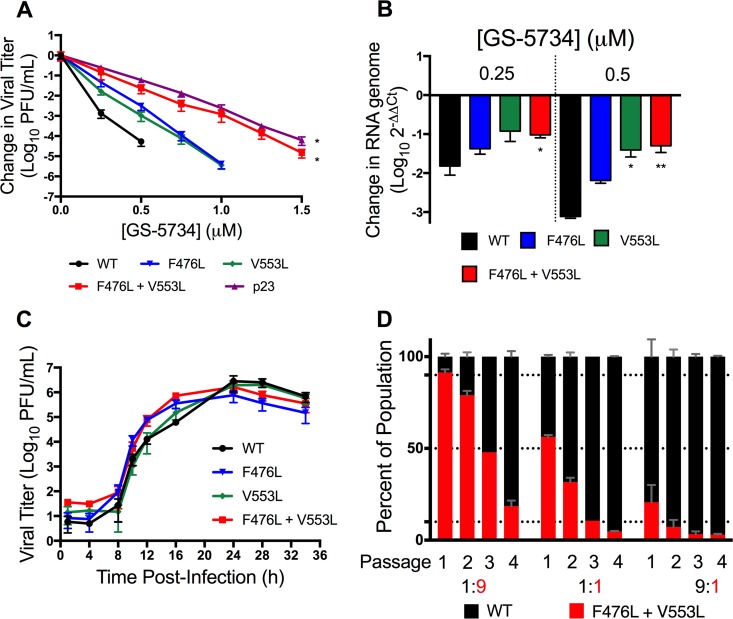
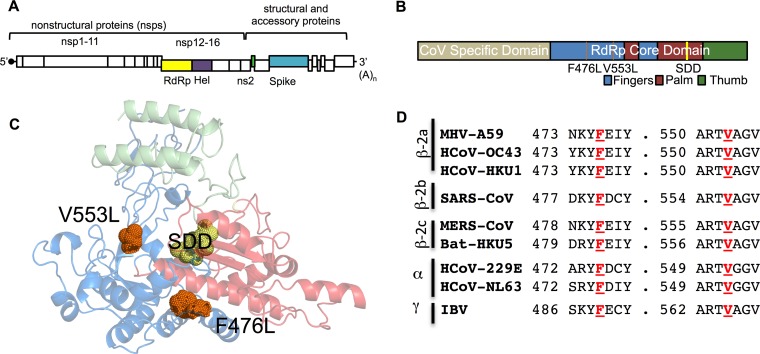
The F476L and V553L mutations mediate resistance to GS-5734 and are associated with a fitness defect.MBio.2018 Mar 6;9(2). pii: e00221-18. |
MHV resistance mutations confer resistance and are attenuated in SARS-CoV.MBio.2018 Mar 6;9(2). pii: e00221-18. |
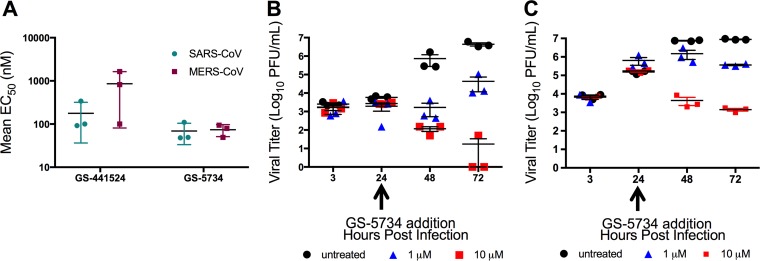
Antiviral activity of GS-441524 and GS-5734 and modeled therapeutic efficacy of GS-5734 against SARS-CoV and MERS-CoV in HAE cultures.
GS-5734 acts at early times postinfection to decrease viral RNA levels. |
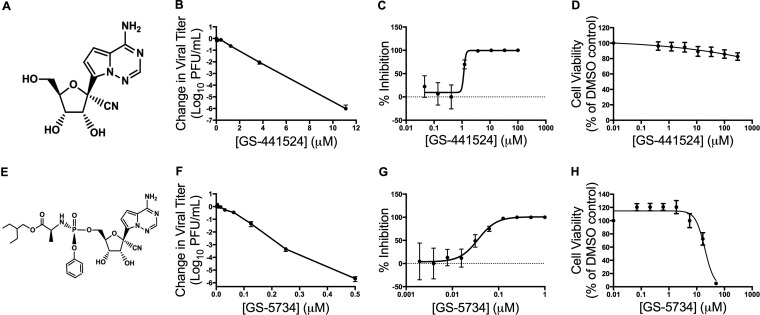
GS-441524 and GS-5734 inhibit MHV with minimal cytotoxicity.MBio.2018 Mar 6;9(2). pii: e00221-18. |
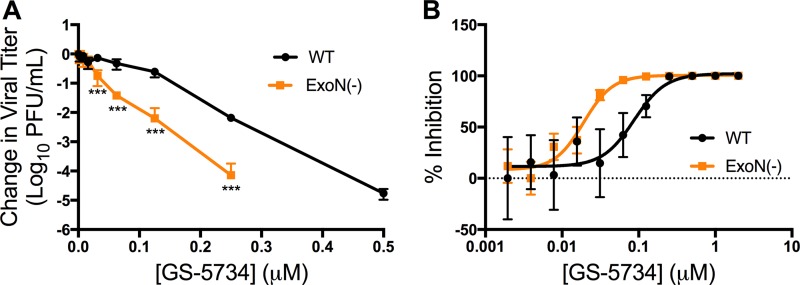
Viruses lacking ExoN-mediated proofreading are more sensitive to GS-5734 inhibition.MBio.2018 Mar 6;9(2). pii: e00221-18. |
Two mutations in the predicted fingers domain of the nsp12 RdRp, F476L and V553L, arose after 23 passages in the presence of GS-441524, and these residues are completely conserved across CoVs.MBio.2018 Mar 6;9(2). pii: e00221-18. |
Products are for research use only; We do not sell to patients
Copyright 2020 InvivoChem LLC | All Rights Reserved


 COA
COA