| Size | Price | Stock | Qty |
|---|---|---|---|
| 250mg |
|
||
| 500mg |
|
||
| 1g |
|
||
| 2g |
|
||
| 5g |
|
||
| Other Sizes |
Purity: ≥98%
| Targets |
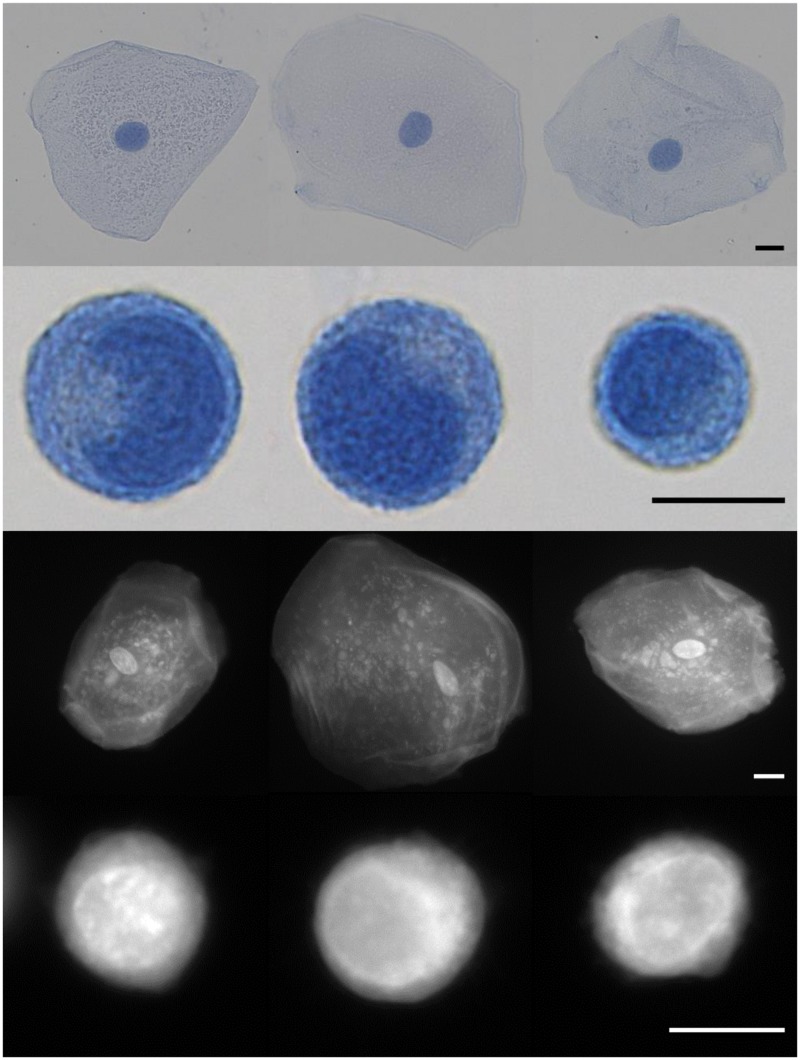
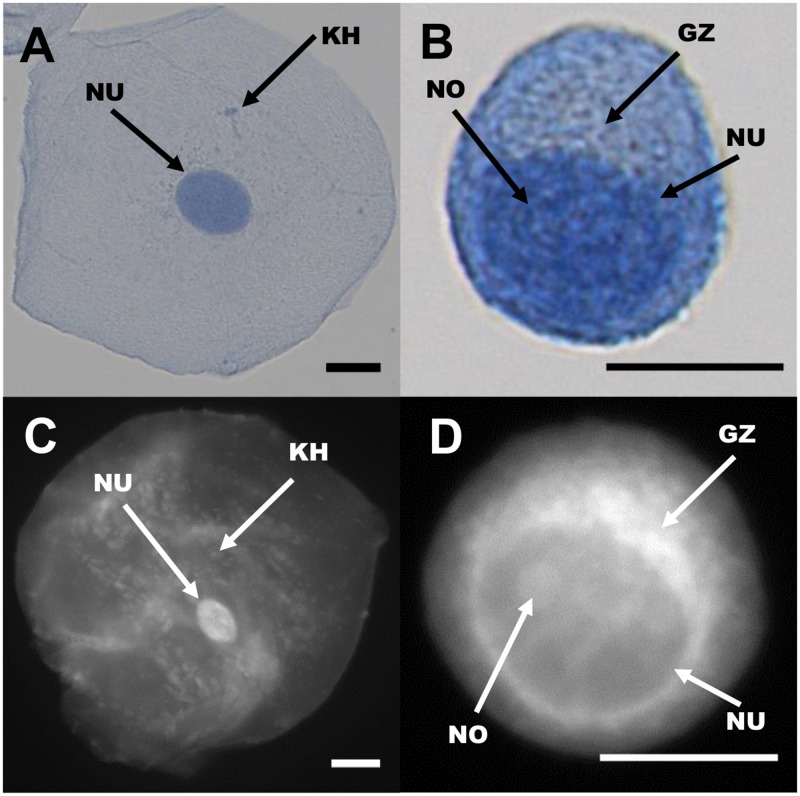
proflavine can be used to rapidly stain fresh cells for cytologic analysis. Proflavine is an effective fluorescent contrast agent for exfoliated oral squamous cells, highlighting nuclear and cytoplasmic structures, including keratohyalin granules in mature cells. Structural definition in proflavine-stained cells is comparable to Giemsa or Papanicolaou staining. As opposed to the multi-step procedure of Papanicolaou staining, proflavine staining requires only the addition of the dye to the cell medium before mounting on a slide, eschewing the need for fixation. Compared to traditional pathology stains, proflavine is cost-effective, requires little setup and materials, and does not require lengthy staining time . Additionally, proflavine can rapidly stain freshly collected leukocytes, clearly showing the multilobar structure of granulocytes in contrast to other cellular components. Finally, fluorescence images of proflavine stained cells can be analyzed quantitatively to highlight statistically significant differences in cell types based on morphologic features.[4]
|
|---|---|
| ln Vitro |
proflavine can be used to rapidly stain fresh cells for cytologic analysis. Proflavine is an effective fluorescent contrast agent for exfoliated oral squamous cells, highlighting nuclear and cytoplasmic structures, including keratohyalin granules in mature cells. Structural definition in proflavine-stained cells is comparable to Giemsa or Papanicolaou staining. As opposed to the multi-step procedure of Papanicolaou staining, proflavine staining requires only the addition of the dye to the cell medium before mounting on a slide, eschewing the need for fixation. Compared to traditional pathology stains, proflavine is cost-effective, requires little setup and materials, and does not require lengthy staining time . Additionally, proflavine can rapidly stain freshly collected leukocytes, clearly showing the multilobar structure of granulocytes in contrast to other cellular components. Finally, fluorescence images of proflavine stained cells can be analyzed quantitatively to highlight statistically significant differences in cell types based on morphologic features.[4]
Proflavine inhibited the growth of a potassium transporter-deficient yeast strain expressing a constitutively active Kir3.2 mutant (Kir3.2) in a concentration-dependent manner, with minimal effect on control yeast cells. [2] In Xenopus oocytes expressing the constitutively active Kir3.2/M313G mutant, proflavine (300 µM) progressively reduced the potassium current amplitude to 27.7 ± 4.3% of the control. The inhibition developed with a time constant (τ) of 77.4 ± 6.8 s and was partially reversible upon washout. [2] The inhibitory effect of proflavine on Kir3.2 was concentration-dependent, with an IC50 of 84.7 ± 9.0 µM (Hill coefficient 0.98 ± 0.07) for the inward current measured at -120 mV, and an IC50 of 38.8 ± 5.7 µM (Hill coefficient 1.04 ± 0.05) for the outward current measured at +10 mV. [2] The blockage of Kir3.2 by proflavine was voltage-dependent. When the membrane potential (Vm) was above the potassium equilibrium potential (EK), the current was inhibited by about 80%. When Vm was below EK, the blockage decreased with hyperpolarization and was also weakened by increasing extracellular K+ concentration, suggesting proflavine acts as a pore blocker within the ion conduction pathway. [2] Proflavine (300 µM) also inhibited acetylcholine-induced Kir3.2 wild-type (WT) current activated via co-expressed m2 muscarinic receptor by 82.8 ± 0.2%, likely involving both channel block and potential receptor antagonism. [2] Structurally, the acridine nucleus with amine groups (as in proflavine and 9-aminoacridine) was crucial for Kir3.2 blockade, while acridine alone had minimal effect. [2] |
| Enzyme Assay |
The inhibitory activity of proflavine on Kir channels was assessed using two-electrode voltage clamp electrophysiology in Xenopus laevis oocytes.
Oocytes were surgically removed from anaesthetized frogs, defolliculated with collagenase, and injected with cRNA encoding the Kir channel of interest (e.g., Kir3.2/M313G). After incubation for 24-48 hours, oocytes were placed in a recording chamber and impaled with two microelectrodes filled with 3 M KCl. Currents were recorded using a voltage clamp amplifier. The standard bath solution contained 40 mM KCl, 50 mM NaCl, 3 mM MgCl2, 0.15 mM niflumic acid, and 5 mM HEPES (pH 7.4). To measure drug effects, a voltage step protocol was applied (e.g., a test pulse to -120 mV for 0.2 s followed by a step to +10 mV for 0.2 s, from a holding potential of -20 mV, repeated every 3 s). Proflavine, dissolved in DMSO and diluted in bath solution, was perfused into the chamber. The current amplitude at the end of the test pulse was measured before, during, and after drug application. At the end of recordings, 3 mM Ba2+ was applied to measure the endogenous leak current and to isolate the Ba2+-sensitive Kir current. [2] |
| Cell Assay |
The samples of exfoliated cells were washed in PBS three times and incubated in 1% albumin from bovine serum for 5 min. The BSA was removed and the cells were stained with a solution of 0.01% (w/v) proflavine in PBS. Additionally, to collect immature oral epithelial cells, a cotton swab was used to collect normal oral cells from a volunteer. The swab was mixed in a 0.01% (w/v) proflavine solution to suspend and stain the cells. [4]
Passaged CAL 27 cells (up to passage number four) were centrifuged at 200g for 5 min and the media removed. The cells were washed once with PBS by centrifuging at 200g for 5 min, decanting the supernatant, and resuspending in 1% BSA for 5 min. The BSA was removed and the cells were stained with the 0.01% (w/v) proflavine solution.[4] The samples of whole blood were stained at a final concentration of 0.01% (w/v) proflavine solution.[4] Proflavine Staining of Oral Epithelial Cells: Exfoliated oral epithelial cells were washed in phosphate-buffered saline (PBS) and incubated in 1% bovine serum albumin (BSA) for 5 minutes. After removing BSA, cells were stained with a solution of 0.01% (w/v) Proflavine in PBS. Alternatively, cells collected via cotton swab were directly mixed into the 0.01% Proflavine solution. A 10 µL sample of stained cells was placed on a slide and coverslipped for imaging.[4] Proflavine Staining of CAL 27 Cells: CAL 27 oral squamous carcinoma cells were centrifuged, washed with PBS, and incubated in 1% BSA for 5 minutes. After BSA removal, cells were stained with the 0.01% (w/v) Proflavine solution. Slide preparation and imaging followed the same protocol.[4] Proflavine Staining of Leukocytes: Whole blood samples were stained with Proflavine at a final concentration of 0.01% (w/v). Slide preparation and imaging followed the same protocol.[4] |
| ADME/Pharmacokinetics |
Absorption, Distribution and Excretion
Flow cytometry was used to determine the uptake of the fluorescent drug propofol in hepatocyte suspensions from normal rats and rats fed with a carcinogen (2-acetaminofluorouracil, AAF). Drug uptake by hepatocytes from carcinogen-fed rats was consistently lower than that from normal rats. Cell nuclei isolated from the livers of normal and AAF-fed rats showed similar propofol uptake. However, prior administration of a metabolic inhibitor increased drug uptake in AAF-fed rat hepatocytes. Therefore, the difference in drug uptake may reflect changes in the cell membrane and alterations in cellular metabolic integrity. Drug uptake was lower in AAF-fed rat hepatocytes in each cell preparation. However, differences in drug uptake were observed not only between tumors occurring in the livers of these animals but also within the same tumor cell preparation. This study demonstrates that flow cytometry can provide an effective method for analyzing drug uptake by cell populations during hepatocellular carcinoma development. 1. This study investigated the distribution of proxoflavone (PRO) and acridine fibrin (ACR) in channel catfish after intravenous injection (1 mg/kg) or water exposure (10 mg/L, lasting 4 hours). 2. Following intravenous injection, the plasma concentration-time curves of the parent drugs PRO and ACR best conformed to two-compartment and three-compartment pharmacokinetic models, respectively. The terminal elimination half-lives of PRO and ACR in plasma were 8.7 hours and 11.4 hours, respectively. 3. In animals administered 14C-PRO or 14C-ACR, the total drug equivalent concentrations were highest in excretory organs and lowest in muscle, fat, and plasma. In animals administered PRO, residual drug in the liver and trunk kidneys consisted primarily of PRO glucuronide and acetyl conjugates; residual drug in muscle consisted primarily of the parent drug (>95%). In animals treated with ACR, the parent compound accounted for over 90% of the total residues in all tested tissues. 4. During aquatic exposure, the absorption rates of PRO and ACR in catfish were very low. Four hours after exposure, the concentrations of parent PRO and ACR in muscle were 0.064 and 0.020 μg/g, respectively. The concentrations in muscle decreased to below the detection limit (0.005 μg/g) within 1–2 weeks. Metabolites/Metabolites Probetazone (3,6-diaminoacridine) has potential as an anti-infective agent in fish, therefore its metabolism in rainbow trout was investigated. Fourteen hours after intra-arterial injection of 10 mg/kg propofol, three metabolites were detected in liver and bile, and one metabolite was detected in plasma by reversed-phase high-performance liquid chromatography (HPLC) at 262 nm UV detection. Hydrochloric acid treatment converted these three metabolites into propylene glycol, suggesting that these metabolites are propylene glycol conjugates. Treatment with β-glucuronidase and the specific β-glucuronidase inhibitor, gluconic acid 1,4-lactone, indicated that two of the metabolites were propylene glycol glucuronide. To determine UV-Vis absorption spectroscopy and mass spectrometry, the metabolites purified by HPLC were isolated from the liver. Experimental data showed that the propylene glycol metabolites were 3-N-glucuronylpropylene glycol (PG), 3-N-glucuronyl-6-N-acetylpropylene glycol (APG), and 3-N-acetylpropylene glycol (AP). The identity of the metabolites was verified by chemical synthesis. Comparison of the synthesized PG and AP with two metabolites isolated from trout revealed that they had the same molecular weight (determined by matrix-assisted laser desorption/ionization time-of-flight mass spectrometry). Furthermore, they were co-eluted by high-performance liquid chromatography (HPLC) under different mobile phase conditions. Finally, in vitro incubation with liver subcellular preparations confirmed this property and provided evidence that APG can be formed via glucuronidation of AP or acetylation of PG. A liquid chromatography (LC) method was established for the determination of acridine yellow (ACR) and profenoflavin (PRO) residues in channel catfish muscle. Residues were extracted with acidified methanol solution, and the extract was purified using a C18 solid-phase extraction column. Residue concentrations were determined on an LC cyano column and detected spectrophotometrically at 454 nm. Catfish muscle was supplemented with ACR (purified from a commercially available product) and PRO at concentrations of 5, 10, 20, 40, and 80 ppb (each concentration level was repeated 5 times). At each concentration level, the mean recoveries of the fortified muscle ranged from 86% to 95%, with relative standard deviations (RSDs) ranging from 2.5% to 5.7%. This method was also used to determine the residual amounts of ACR and PRO in the muscle of catfish after exposure to commercially available acridine yellow (total dye concentration 10 ppm, exposure time 4 hours). The RSD of ACR and PRO residues in the muscle after exposure was in the same range as that of fortified muscle. Low residue concentrations (< 1% of the concentration in the exposed water) indicate that the catfish have a low absorption rate of ACR and PRO. |
| Toxicity/Toxicokinetics |
Non-human toxicity values
Intraperitoneal injection LD50 in mice: 50 mg/kg Subcutaneous injection LD50 in mice: 140 mg/kg Propylene xanthocyanin and its analogues are described as carcinogens, therefore their clinical use is limited to local disinfectants. [2] |
| References |
|
| Additional Infomation |
3,6-Diaminoacrimidine is an aminoacrimidine with amino groups substituted at the 3 and 6 positions. It is a slow-acting antibacterial agent effective against a variety of Gram-positive bacteria (but ineffective against spores), and its salts have been used to treat burns and infected wounds. It has various uses, including as a disinfectant, carcinogen, antibacterial agent, chromophore, and intercalating agent. It is the conjugate base of 3,6-diaminoacrimidine (1+). 3,6-Diaminoacrimidine is primarily used as a topical disinfectant in wound dressings. Propylene hemisulfate is the hemisulfate form of propylene, an acrylidine fluorescent contrast agent and disinfectant with potential applications in cell imaging and disinfection. After topical application of propylene hemisulfate, the propylene diffuses into cells and intercalates into DNA, accumulating and staining the cell nucleus. During fluorescence imaging, the cell nucleus can be observed. This enables the measurement of nuclear morphology and the identification of cancer cells. Furthermore, propofol exerts its antibacterial effect by binding to bacterial DNA, thereby disrupting DNA synthesis and inhibiting bacterial cell growth. It is primarily used as a topical disinfectant in wound dressings. Drug Indications Propofol works by chelating (intercalating) DNA, thereby disrupting DNA synthesis and leading to high-level mutations in the replicating DNA strand. This can prevent bacterial reproduction. The ability of propofol (3,6-diaminoacridine) and its 2,7-dimethyl, 2,7-diethyl, 2,7-diisopropyl, and 2,7-di-tert-butyl derivatives to induce mutations in Saccharomyces cerevisiae \"petite\" has been studied, and the DNA-binding properties of these compounds have been investigated. Their binding properties were studied using nuclear magnetic resonance (NMR), and the results support and clarify previous findings that the first three members of this series can intercalate into DNA, while the diisopropyl and di-tert-butyl compounds cannot. The toxicity of the drug is primarily related to its DNA-binding mode, but lipophilicity also has an important secondary effect. The toxicity of the more lipophilic DNA intercalators in this series of compounds may mask their potential \"minor\" mutagenic effects. We determined the toxicity of several aminoacridine compounds to pathogenic strains of Gram-positive bacteria (Staphylococcus aureus, Enterococcus faecalis, Bacillus cereus) and Gram-negative bacteria (Escherichia coli, Pseudomonas aeruginosa). In several cases, the minimum lethal concentration required was significantly reduced at a light dose of 6.3 J/cm², with bactericidal activity increasing by up to 50-fold. 9-Aminoacridine (aminoacridine) derivatives exhibited phototoxicity against one or more test strains, but the known photosensitizing acrylidine drugs, propyraclostrobin and acrylidine orange, are photobactericidal against all strains.
Therapeutic Use /Experiment/ In a preliminary study of patients with idoxuridine toxicity or resistance, we used propyraclostrobin as a photosensitizing dye for photodynamic inactivation to treat herpetic epithelial keratitis. A comparative study of propofol with idoxuridine for treating corneal dendritic ulcers showed good therapeutic efficacy. However, the study was discontinued due to adverse reactions in a small number of treated patients, including systemic epithelial keratitis and anterior uveitis (possibly caused by phototoxicity). Ulcers treated with photodynamic inactivation appeared to heal through a “debridement” process, followed by epithelial regeneration. …Many surgeons in the UK use propofol wool as dressings, which can be shaped to fit the corrected protruding ear contour. … Drug Warning Proofol allergy is uncommon, accounting for approximately 6% of patients presenting to contact dermatitis clinics. Many surgeons in the UK use propofol wool as dressings, which can be shaped to fit the corrected protruding ear contour. It may have antibacterial properties. We report a case of contact dermatitis caused by propofol after auricle reconstruction surgery. This led to diagnostic confusion, prolonged hospitalization, and unsightly hypertrophic scarring. Pharmacodynamics Probexanthin is a derivative of acridine fibrin and is a disinfectant that inhibits the growth of a variety of Gram-positive bacteria. Probexanthin is toxic and carcinogenic to mammals and is therefore used only as a surface disinfectant or for treating superficial wounds. Probexanthin hemisulfate is an acridine fluorescent dye used as a rapid, non-specific contrast agent for cytological examination. [4] It is a small amphiphilic molecule that can easily cross the cell membrane and nuclear membrane. It preferentially stains the cell nucleus by intercalating into double-stranded DNA, but also stains cytoplasmic structures, thereby enhancing the contrast of cell morphology. [4] Its excitation peak is about 460 nm and its emission peak is about 515 nm. [4] Probexanthin staining is rapid and does not require incubation after adding the dye to the cells or fixed steps, simplifying the procedure compared to traditional Papanicolaou or Giemsa staining. [4] Studies have shown that proxoflavone can be used to stain a variety of cell types, including normal oral squamous cells, oral squamous cell carcinoma (CAL 27), and human leukocytes, clearly showing the characteristics of the nucleus and cytoplasm. [4] Quantitative image analysis (e.g., nucleocytoplasmic ratio, image texture features such as entropy and standard deviation) can be performed on proxoflavone-stained cell images to distinguish different cell types. Differences between different cell types (e.g., normal oral cells versus cancerous oral cells). [4] Proxoflavonehas been used clinically since 1917 and has been used as an antibacterial, antiviral, and anticancer agent, but this study focuses on its diagnostic staining applications. [4] This dye is known for its physical and chemical stability in solution, maintaining its properties for at least 12 months under refrigeration, making it suitable for point-of-care diagnosis. [4] |
| Molecular Formula |
C13H11N3
|
|---|---|
| Molecular Weight |
209.25
|
| Exact Mass |
209.095
|
| Elemental Analysis |
C, 74.62; H, 5.30; N, 20.08
|
| CAS # |
92-62-6
|
| Related CAS # |
Proflavine hemisulfate;1811-28-5
|
| PubChem CID |
7099
|
| Appearance |
Yellow needles from alcohol. Solutions are brownish and when diluted are fluorescent.
|
| Density |
1.346 g/cm3
|
| Boiling Point |
506.9ºC at 760 mmHg
|
| Melting Point |
260ºC
|
| Flash Point |
292.9ºC
|
| Index of Refraction |
1.833
|
| LogP |
3.714
|
| Hydrogen Bond Donor Count |
2
|
| Hydrogen Bond Acceptor Count |
3
|
| Rotatable Bond Count |
0
|
| Heavy Atom Count |
16
|
| Complexity |
232
|
| Defined Atom Stereocenter Count |
0
|
| SMILES |
N1C2C(=CC=C(C=2)N)C=C2C=1C=C(C=C2)N
|
| InChi Key |
WDVSHHCDHLJJJR-UHFFFAOYSA-N
|
| InChi Code |
InChI=1S/C13H11N3/c14-10-3-1-8-5-9-2-4-11(15)7-13(9)16-12(8)6-10/h1-7H,14-15H2
|
| Chemical Name |
Acridine, 3,6-diamino-
|
| Synonyms |
acridine-3,6-diamine; 3,6-ACRIDINEDIAMINE; Isoflav base;
|
| HS Tariff Code |
2934.99.03.00
|
| Storage |
Powder -20°C 3 years 4°C 2 years In solvent -80°C 6 months -20°C 1 month Note: This product requires protection from light (avoid light exposure) during transportation and storage. |
| Shipping Condition |
Room temperature (This product is stable at ambient temperature for a few days during ordinary shipping and time spent in Customs)
|
| Solubility (In Vitro) |
DMSO : ~23 mg/mL ( ~109.91 mM )
Ethanol : ~2 mg/mL |
|---|---|
| Solubility (In Vivo) |
Note: Listed below are some common formulations that may be used to formulate products with low water solubility (e.g. < 1 mg/mL), you may test these formulations using a minute amount of products to avoid loss of samples.
Injection Formulations
Injection Formulation 1: DMSO : Tween 80: Saline = 10 : 5 : 85 (i.e. 100 μL DMSO stock solution → 50 μL Tween 80 → 850 μL Saline)(e.g. IP/IV/IM/SC) *Preparation of saline: Dissolve 0.9 g of sodium chloride in 100 mL ddH ₂ O to obtain a clear solution. Injection Formulation 2: DMSO : PEG300 :Tween 80 : Saline = 10 : 40 : 5 : 45 (i.e. 100 μL DMSO → 400 μLPEG300 → 50 μL Tween 80 → 450 μL Saline) Injection Formulation 3: DMSO : Corn oil = 10 : 90 (i.e. 100 μL DMSO → 900 μL Corn oil) Example: Take the Injection Formulation 3 (DMSO : Corn oil = 10 : 90) as an example, if 1 mL of 2.5 mg/mL working solution is to be prepared, you can take 100 μL 25 mg/mL DMSO stock solution and add to 900 μL corn oil, mix well to obtain a clear or suspension solution (2.5 mg/mL, ready for use in animals). View More
Injection Formulation 4: DMSO : 20% SBE-β-CD in saline = 10 : 90 [i.e. 100 μL DMSO → 900 μL (20% SBE-β-CD in saline)] Oral Formulations
Oral Formulation 1: Suspend in 0.5% CMC Na (carboxymethylcellulose sodium) Oral Formulation 2: Suspend in 0.5% Carboxymethyl cellulose Example: Take the Oral Formulation 1 (Suspend in 0.5% CMC Na) as an example, if 100 mL of 2.5 mg/mL working solution is to be prepared, you can first prepare 0.5% CMC Na solution by measuring 0.5 g CMC Na and dissolve it in 100 mL ddH2O to obtain a clear solution; then add 250 mg of the product to 100 mL 0.5% CMC Na solution, to make the suspension solution (2.5 mg/mL, ready for use in animals). View More
Oral Formulation 3: Dissolved in PEG400 (Please use freshly prepared in vivo formulations for optimal results.) |
| Preparing Stock Solutions | 1 mg | 5 mg | 10 mg | |
| 1 mM | 4.7790 mL | 23.8949 mL | 47.7897 mL | |
| 5 mM | 0.9558 mL | 4.7790 mL | 9.5579 mL | |
| 10 mM | 0.4779 mL | 2.3895 mL | 4.7790 mL |
*Note: Please select an appropriate solvent for the preparation of stock solution based on your experiment needs. For most products, DMSO can be used for preparing stock solutions (e.g. 5 mM, 10 mM, or 20 mM concentration); some products with high aqueous solubility may be dissolved in water directly. Solubility information is available at the above Solubility Data section. Once the stock solution is prepared, aliquot it to routine usage volumes and store at -20°C or -80°C. Avoid repeated freeze and thaw cycles.
Calculation results
Working concentration: mg/mL;
Method for preparing DMSO stock solution: mg drug pre-dissolved in μL DMSO (stock solution concentration mg/mL). Please contact us first if the concentration exceeds the DMSO solubility of the batch of drug.
Method for preparing in vivo formulation::Take μL DMSO stock solution, next add μL PEG300, mix and clarify, next addμL Tween 80, mix and clarify, next add μL ddH2O,mix and clarify.
(1) Please be sure that the solution is clear before the addition of next solvent. Dissolution methods like vortex, ultrasound or warming and heat may be used to aid dissolving.
(2) Be sure to add the solvent(s) in order.
Visual diagnosis comparison of Papanicolaou and proflavine-stained normal oral cells and CAL 27 cell line.PLoS One.2015 May 11;10(5):e0125598. |
Comparison of cellular features seen in Papanicolaou (top row) and proflavine (bottom row) stained cells.PLoS One.2015 May 11;10(5):e0125598. |
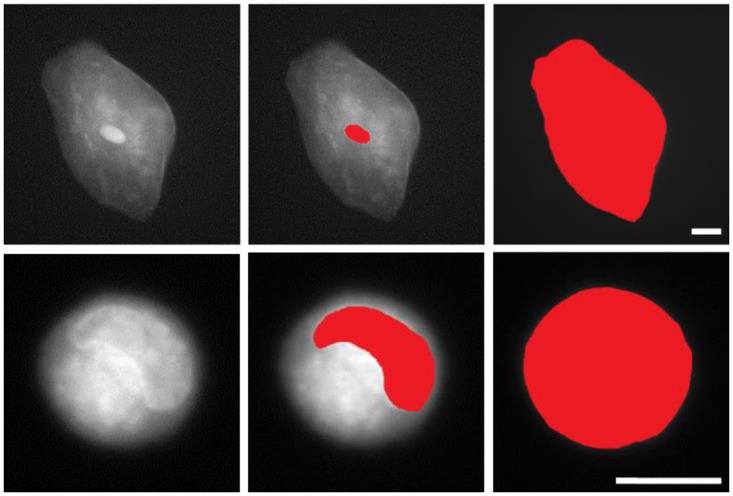
llustration of manually-segmented oral epithelial cells stained with proflavine.PLoS One.2015 May 11;10(5):e0125598. |
Products are for research use only; We do not sell to patients
Copyright 2020 InvivoChem LLC | All Rights Reserved


 COA
COA