
| Size | Price | Stock | Qty |
|---|---|---|---|
| 25mg |
|
||
| 50mg |
|
||
| 100mg |
|
||
| 500mg |
|
||
| 1g |
|
||
| Other Sizes |
Purity: ≥ 98%
| Targets |
EGFR; c-Met
The primary molecular targets of (±)-Norcantharidin are c-Met (also known as HGFR, hepatocyte growth factor receptor) and EGFR (epidermal growth factor receptor). These are receptor tyrosine kinases that play critical roles in cell proliferation, survival, migration, and angiogenesis. By inhibiting both c-Met and EGFR, (±)-norcantharidin can disrupt multiple signaling pathways involved in cancer progression, including the PI3K/AKT and MAPK/ERK pathways. The dual inhibition of these receptors makes it a promising therapeutic agent for cancers that are driven by or dependent on these pathways. |
|---|---|
| ln Vitro |
NCTD induced cell cycle arrest at G2/M phase in both cell lines. The early and late apoptosis was also observed. Further investigation indicated that NCTD suppressed not only the expression of the total EGFR and the phosphorylated EGFR but also the expression of the total c-Met and the phosphorylated c-Met in colon cancer cells. Moreover, EGFR expression could be mostly restored by co-treatment with MG132, a proteasome inhibitor. In addition, NCTD-induced cell death was comparable to that of the anti-cancer drug gefitinib, a tyrosine kinase inhibitor for EGFR, based on the immunoblot analysis of the expressed proteins after the drug treatment [1].
NCTD dose and time dependently inhibits HMC proliferation significantly (p < .05). Apoptosis dose and time dependently increased after NCTD treatment. Cell-cycle analysis revealed that the number of cells in the G2 phase increased significantly, whereas the fraction of cells in the S phase decreased, especially 24 h after 5 μg/ml NCTD treatment [3]. In vitro studies have demonstrated that (±)-Norcantharidin exhibits potent anticancer activity against various cancer cell lines. The compound inhibits cell growth by suppressing the expression and phosphorylation of both EGFR and c-Met. It has been shown to induce apoptosis and cell cycle arrest in cancer cells. In human colon cancer cells, (±)-norcantharidin effectively inhibits cell proliferation and induces cell death through the modulation of multiple signaling pathways. The compound also exhibits anti-angiogenic effects in vitro by inhibiting endothelial cell proliferation and tube formation. |
| ln Vivo |
To help treat cancer patients, NCTD may be a practical and affordable medication candidate to replace gefitinib[1].In nude mice, NCTD prevents the growth of human gallbladder carcinoma xenografted tumors by causing apoptosis and interrupting the cell cycle in vivo[2].
In vivo studies of (±)-Norcantharidin have been conducted in various animal models to evaluate its anticancer efficacy. The compound has been shown to inhibit tumor growth in xenograft models of human cancers. Typical protocols involve administration of (±)-norcantharidin to tumor-bearing mice via oral, intraperitoneal, or intravenous routes, followed by assessment of tumor growth inhibition, survival, and biomarker analysis. The compound has demonstrated anti-angiogenetic activity in vivo, as evidenced by reduced tumor vascularization. |
| Enzyme Assay |
Western blot analysis [1]
HCT116 and HT29 cells were cultured in 10-cm dishes for 24 h before treated with different concentrations of NCTD or NCTD plus MG132. After being incubated with another 72 h, the cells were collected with cell-scrapers into 1.5 mL tube and put on ice for 30 min in whole cell lysis buffer containing protease inhibitors. Proteins were quantified by BCA protein assay kit. Equal amount of proteins from different sample (50 μg) were resolved over 8 or 12% SDS-polyacrylamide gel by electrophoresis and then transferred to nitrocellulose membrane. The membranes were put in blocking buffer at room temperature for 2 h before appropriate primary antibody was added. The membrane was incubated in the presence of primary antibody at 4 °C overnight before the corresponding secondary antibodies were added. The membranes were then visualized by using Western Lightning. In vitro enzyme/receptor binding assays for (±)-Norcantharidin typically involve studying its interactions with c-Met and EGFR. Kinase activity assays can be performed to measure the inhibitory activity of the compound against c-Met and EGFR kinases. Binding studies using techniques such as surface plasmon resonance (SPR) or isothermal titration calorimetry (ITC) can be used to assess the affinity of (±)-norcantharidin for its molecular targets. Cellular assays such as Western blotting can be used to evaluate the effects of the compound on the phosphorylation of c-Met and EGFR and downstream signaling proteins. |
| Cell Assay |
HCT116 and HT29, two human colon cancer cell lines, were employed as model systems to study the anti-cancer molecular mechanism of NCTD. Using flow cytometry, cell cycle arrest and early/late apoptosis were examined. Western blot analysis was used to measure the amounts of EGFR, phospho-EGFR, c-Met, phospho-c-Met, and other related proteins[1].
HMC cells were divided into a normal control group, and various concentrations of NCTD group (2.5, 5, 10, 20, or 40 μg/mL). Cell proliferation was determined by 3-(4,5-dimethylthiazol-2-yl)-2,5-diphenyltetrazolium bromide (MTT) assay, apoptosis was detected by Annexin V/propidium iodide (PI) assays, and morphological analysis was performed by Hoechest 33258 staining. Finally, cell cycle was analyzed by flow cytometry [3]. In vitro cell-based assays for (±)-Norcantharidin typically involve treatment of cultured cancer cells with the compound followed by assessment of various cellular responses. Cell viability and proliferation assays (e.g., MTT, CCK-8) are commonly used to evaluate the cytotoxic or antiproliferative effects of the compound. Apoptosis assays (e.g., Annexin V staining, caspase activity) can be performed to assess the induction of programmed cell death. Cell cycle analysis via flow cytometry can be used to evaluate cell cycle arrest. Additionally, angiogenesis assays, such as tube formation assays using endothelial cells, can be performed to evaluate anti-angiogenic activity. |
| Animal Protocol |
Subcutaneous GBC-SD cells were used to create the tumor xenograft model of human gallbladder carcinoma in nude mice in vivo. The 5-FU, NCTD, control, and NCTD+5-FU groups of experimental mice were randomly assigned to receive various treatments. The size, growth curve, and inhibitory rate of the tumor were assessed. Light/electron microscopy and flow cytometry were used to evaluate the xenografted tumors' morphological changes, apoptosis, and cell cycle. RT-PCR and the streptavidin-biotin complex (SABC) method were used to determine the expression of the proteins related to apoptosis, Bcl-2, Bax, and survivin, as well as the cell cycle-related proteins cyclin-D1 and p27[2].
In vivo animal studies for (±)-Norcantharidin typically involve administration to tumor-bearing mouse models to evaluate its anticancer efficacy. Xenograft models using human cancer cell lines are commonly used. Typical endpoints include tumor volume measurement, tumor weight, survival analysis, and histopathological examination of tumors. Immunohistochemistry and Western blotting of tumor tissues can be performed to evaluate the effects of the compound on c-Met and EGFR phosphorylation and downstream signaling. Dosing regimens are optimized based on the pharmacokinetic properties of the compound. |
| ADME/Pharmacokinetics |
The pharmacokinetic properties of (±)-Norcantharidin include its absorption, distribution, metabolism, and excretion characteristics. The compound has a molecular formula of C8H8O4 and a molecular weight of 168.15. It is typically administered orally or parenterally. The compound is metabolized in the liver and excreted primarily through the kidneys. Pharmacokinetic studies have been conducted to characterize the half-life, bioavailability, and clearance of the compound.
|
| Toxicity/Toxicokinetics |
The toxicity profile of (±)-Norcantharidin has been evaluated in preclinical studies. As a Chinese FDA-approved drug, it has undergone safety evaluation for clinical use. Common adverse effects may include gastrointestinal symptoms and potential hepatotoxicity. The compound is contraindicated in patients with certain medical conditions. Standard laboratory safety practices, including the use of personal protective equipment and handling in a well-ventilated area, are recommended.
|
| References |
[1]. Norcantharidin Inhibits cell growth by suppressing the expression and phosphorylation of both EGFR and c-Met in human colon cancer cells[J]. BMC Cancer, 2017, 17(1):55.
[2]. Norcantharidin Inhibits Growth of Human Gallbladder Carcinoma Xenografted Tumors in Nude Mice by Inducing Apoptosis and Blocking the Cell Cycle in vivo[J]. Hepatobiliary & Pancreatic Diseases International, 2010, 9(4):414-422. [3]. Effect of norcantharidin on the proliferation, apoptosis, and cell cycle of human mesangial cells. Ren Fail. 2017 Nov;39(1):458-464 |
| Additional Infomation |
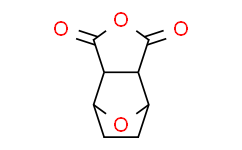
Norcantharidin is a furan compound.
(±)-Norcantharidin (CAS 29745-04-8) is a synthetic anticancer compound that functions as a dual inhibitor of c-Met and EGFR. It is a Chinese FDA-approved chemosynthetic drug used for cancer treatment. The compound possesses anti-angiogenetic activity and can prevent tumorigenesis by inhibiting cell proliferation, inducing apoptosis and cell cycle arrest, and exerting anti-angiogenic effects. It has a molecular formula of C8H8O4 and a molecular weight of 168.15. The compound is used in cancer research and has potential therapeutic applications. |
| Molecular Formula |
C8H8O4
|
|---|---|
| Molecular Weight |
168.15
|
| Exact Mass |
168.042
|
| Elemental Analysis |
C, 57.14; H, 4.80; O, 38.06
|
| CAS # |
29745-04-8
|
| Related CAS # |
129-67-9 (disodium); 17439-94-0 (diammonium); 29745-04-8
|
| PubChem CID |
93004
|
| Appearance |
Solid powder
|
| Density |
1.5±0.1 g/cm3
|
| Boiling Point |
362.5±35.0 °C at 760 mmHg
|
| Melting Point |
114-116ºC
|
| Flash Point |
167.0±26.0 °C
|
| Vapour Pressure |
0.0±0.8 mmHg at 25°C
|
| Index of Refraction |
1.550
|
| LogP |
-0.85
|
| Hydrogen Bond Donor Count |
0
|
| Hydrogen Bond Acceptor Count |
4
|
| Rotatable Bond Count |
0
|
| Heavy Atom Count |
12
|
| Complexity |
246
|
| Defined Atom Stereocenter Count |
0
|
| SMILES |
O1C2([H])C([H])([H])C([H])([H])C1([H])C1([H])C(=O)OC(C12[H])=O
|
| InChi Key |
JAABVEXCGCXWRR-FBXFSONDSA-N
|
| InChi Code |
InChI=1S/C8H8O4/c9-7-5-3-1-2-4(11-3)6(5)8(10)12-7/h3-6H,1-2H2/t3-,4+,5-,6+
|
| Chemical Name |
(1R,2S,6R,7S)-4,10-dioxatricyclo[5.2.1.02,6]decane-3,5-dione
|
| Synonyms |
Endothall anhydride;Norcantharidin
|
| HS Tariff Code |
2934.99.9001
|
| Storage |
Powder -20°C 3 years 4°C 2 years In solvent -80°C 6 months -20°C 1 month |
| Shipping Condition |
Room temperature (This product is stable at ambient temperature for a few days during ordinary shipping and time spent in Customs)
|
| Solubility (In Vitro) |
DMSO: ~33 mg/mL (~196.25 mM)
|
|---|---|
| Solubility (In Vivo) |
Note: Listed below are some common formulations that may be used to formulate products with low water solubility (e.g. < 1 mg/mL), you may test these formulations using a minute amount of products to avoid loss of samples.
Injection Formulations
Injection Formulation 1: DMSO : Tween 80: Saline = 10 : 5 : 85 (i.e. 100 μL DMSO stock solution → 50 μL Tween 80 → 850 μL Saline)(e.g. IP/IV/IM/SC) *Preparation of saline: Dissolve 0.9 g of sodium chloride in 100 mL ddH ₂ O to obtain a clear solution. Injection Formulation 2: DMSO : PEG300 :Tween 80 : Saline = 10 : 40 : 5 : 45 (i.e. 100 μL DMSO → 400 μLPEG300 → 50 μL Tween 80 → 450 μL Saline) Injection Formulation 3: DMSO : Corn oil = 10 : 90 (i.e. 100 μL DMSO → 900 μL Corn oil) Example: Take the Injection Formulation 3 (DMSO : Corn oil = 10 : 90) as an example, if 1 mL of 2.5 mg/mL working solution is to be prepared, you can take 100 μL 25 mg/mL DMSO stock solution and add to 900 μL corn oil, mix well to obtain a clear or suspension solution (2.5 mg/mL, ready for use in animals). View More
Injection Formulation 4: DMSO : 20% SBE-β-CD in saline = 10 : 90 [i.e. 100 μL DMSO → 900 μL (20% SBE-β-CD in saline)] Oral Formulations
Oral Formulation 1: Suspend in 0.5% CMC Na (carboxymethylcellulose sodium) Oral Formulation 2: Suspend in 0.5% Carboxymethyl cellulose Example: Take the Oral Formulation 1 (Suspend in 0.5% CMC Na) as an example, if 100 mL of 2.5 mg/mL working solution is to be prepared, you can first prepare 0.5% CMC Na solution by measuring 0.5 g CMC Na and dissolve it in 100 mL ddH2O to obtain a clear solution; then add 250 mg of the product to 100 mL 0.5% CMC Na solution, to make the suspension solution (2.5 mg/mL, ready for use in animals). View More
Oral Formulation 3: Dissolved in PEG400 (Please use freshly prepared in vivo formulations for optimal results.) |
| Preparing Stock Solutions | 1 mg | 5 mg | 10 mg | |
| 1 mM | 5.9471 mL | 29.7354 mL | 59.4707 mL | |
| 5 mM | 1.1894 mL | 5.9471 mL | 11.8941 mL | |
| 10 mM | 0.5947 mL | 2.9735 mL | 5.9471 mL |
*Note: Please select an appropriate solvent for the preparation of stock solution based on your experiment needs. For most products, DMSO can be used for preparing stock solutions (e.g. 5 mM, 10 mM, or 20 mM concentration); some products with high aqueous solubility may be dissolved in water directly. Solubility information is available at the above Solubility Data section. Once the stock solution is prepared, aliquot it to routine usage volumes and store at -20°C or -80°C. Avoid repeated freeze and thaw cycles.
Calculation results
Working concentration: mg/mL;
Method for preparing DMSO stock solution: mg drug pre-dissolved in μL DMSO (stock solution concentration mg/mL). Please contact us first if the concentration exceeds the DMSO solubility of the batch of drug.
Method for preparing in vivo formulation::Take μL DMSO stock solution, next add μL PEG300, mix and clarify, next addμL Tween 80, mix and clarify, next add μL ddH2O,mix and clarify.
(1) Please be sure that the solution is clear before the addition of next solvent. Dissolution methods like vortex, ultrasound or warming and heat may be used to aid dissolving.
(2) Be sure to add the solvent(s) in order.
Products are for research use only; We do not sell to patients
Copyright 2020 InvivoChem LLC | All Rights Reserved


 COA
COA