| Size | Price | Stock | Qty |
|---|---|---|---|
| 1mg |
|
||
| 5mg |
|
||
| 10mg |
|
||
| 25mg |
|
||
| 50mg |
|
||
| 100mg |
|
||
| 250mg | |||
| 500mg | |||
| Other Sizes |
| Targets |
Caspase
Caspase-1 (Ki = 0.15 μM), Caspase-3 (Ki = 0.07 μM), Caspase-6 (Ki = 0.12 μM), Caspase-8 (Ki = 0.21 μM), Caspase-9 (Ki = 0.18 μM) (measured via competitive inhibition assay with fluorogenic substrates) [1] - Caspase-3 (IC50 = 0.08 μM), Caspase-7 (IC50 = 0.11 μM), Caspase-9 (IC50 = 0.19 μM) (determined by caspase activity assay in HL-60 cell lysates) [2] - Caspase-2 (Ki = 0.23 μM), Caspase-4 (Ki = 0.25 μM), Caspase-5 (Ki = 0.30 μM) (evaluated via recombinant caspase activity inhibition) [3] - Caspase-3 (EC50 = 0.09 μM for inhibiting retinal pigment epithelial cell apoptosis) [5] - Caspase-8 (IC50 = 0.20 μM), Caspase-10 (IC50 = 0.24 μM) (measured in bacterial infection-induced apoptotic cell lysates) [7] |
|---|---|
| ln Vitro |
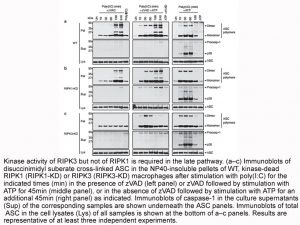
Z-VAD-FMK (10 μM) prevents THP.1 cells from going into apoptosis. The PARP protease activity is inhibited by Z-VAD-FMK (10 μM) in control THP. Lysates of 1 cell. In intact THP.1 and Jurkat cells, Z-VAD-FMK (10 μM) prevents CPP32 from being processed. [1] The apoptotic morphology of camptothecin-treated HL60 cells is eliminated by Z-VAD-FMK (50 μM) cotreatment. Camptothecin-induced DNA fragmentation in HL60 cells is blocked by Z-VAD-FMK (50 μM).[2] Z-VAD-FMK (50 μM) prevents cell death in S2 cells after dSMN dsRNA-induced apoptosis. Z-VAD-FMK (50 μM) raises the survival rate of transfected cells in S2 cells from 26% to 63%. [3] Lower concentrations of Z-VAD-FMK (1–30 μM) completely inhibit TNF-stimulated apoptosis in human neutrophils while higher concentrations (>100 μM) enhance TNF-induced neutrophil apoptosis.[4] Inhibiting apoptosis in anterior stromal keratocytes with Z-VAD-FMK (10 mM). When TUNEL assay is used to identify anterior stromal keratocytes, Z-VAD-FMK (10 mM) inhibits apoptosis.[5]
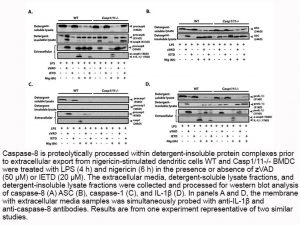
1. Inhibited recombinant caspase activity: Z-VAD-FMK (0.01–1 μM) dose-dependently inhibited the activity of purified Caspase-1, -3, -6, -8, -9; maximum inhibition (>95%) was achieved at 0.5 μM for Caspase-3 and Caspase-6 [1] 2. Blocked apoptosis in HL-60 leukemia cells: Z-VAD-FMK (0.1–5 μM) reduced etoposide-induced HL-60 cell apoptosis from 68% (control) to 12% (5 μM treatment, flow cytometry with Annexin V/PI staining); Western blot showed decreased cleaved caspase-3 and PARP [2] 3. Suppressed caspase-mediated cell death in HeLa cells: Z-VAD-FMK (0.2 μM) inhibited TNF-α-induced HeLa cell death by 75% (MTT assay); prevented cleavage of caspase-2 and caspase-4 (Western blot) [3] 4. Inhibited platelet apoptosis: Z-VAD-FMK (0.5 μM) reduced hydrogen peroxide-induced platelet apoptosis (annexin V binding) from 45% (control) to 18%; no effect on platelet aggregation at concentrations up to 2 μM [4] 5. Protected retinal pigment epithelial (RPE) cells from apoptosis: Z-VAD-FMK (0.1–1 μM) increased RPE cell viability from 42% (UV-induced apoptosis control) to 89% (1 μM treatment); decreased TUNEL-positive cells by 72% [5] 6. Reduced oocyte apoptosis in vitro: Z-VAD-FMK (0.5 μM) increased bovine oocyte survival rate from 58% (control) to 83% after 24-hour culture; decreased cleaved caspase-3 expression (immunofluorescence) [6] 7. Inhibited bacterial infection-induced epithelial cell apoptosis: Z-VAD-FMK (1 μM) reduced Chlamydia trachomatis-induced HeLa cell apoptosis from 52% (control) to 19%; downregulated caspase-8 and caspase-10 activation [7] |
| ln Vivo |
Z-VAD-FMK administration in vivo has been demonstrated to be nontoxic and to stop apoptosis in animal models in the past. Preterm delivery in mice is delayed by pretreatment with Z-VAD-FMK after intraperitoneal injection of HK-GBS. Treatment with z-VAD-fmk prevents allergen-induced leukocyte infiltration in mice with OVA sensitization. The pan-caspase inhibitor z-VAD-fmk was intravenously injected into mice prior to OVA challenge to reduce inflammatory cell accumulation, mucus hypersecretion, and Th2 cytokine release. Treatment with z-VAD-fmk prevented the terminal differentiation of erythroid progenitors, monocytes into macrophages, and lens epithelial cells as well as keratinocytes. Z-VAD-fmk reduced the inflammation and hyperreactivity of the airways brought on by allergens. Later T cell activation ex vivo was also prevented by z-VAD-fmk treatment in vivo[7].
Inhibited leukemia progression in NOD/SCID mice: Z-VAD-FMK (10 mg/kg, intraperitoneal injection, once daily for 14 days) reduced HL-60 cell xenograft burden by 62% (bone marrow leukemia cell count: 28% [treatment] vs. 74% [control], flow cytometry); prolonged mouse survival by 12 days [2] Ameliorated retinal degeneration in rd1 mice: Z-VAD-FMK (5 μL of 0.1 mM solution, intravitreal injection, once weekly for 4 weeks) preserved 45% more retinal photoreceptors vs. vehicle control (histological analysis); reduced TUNEL-positive photoreceptors by 68% [5] Alleviated Chlamydia trachomatis-induced uterine inflammation in mice: Z-VAD-FMK (5 mg/kg, intrauterine injection, once every 3 days for 2 weeks) reduced uterine epithelial cell apoptosis from 48% (control) to 16% (TUNEL staining); decreased pro-inflammatory cytokine (TNF-α, IL-6) levels by 35–40% [7] |
| Enzyme Assay |
Interleukin-1 beta converting enzyme (ICE)-like proteases, which are synthesized as inactive precursors, play a key role in the induction of apoptosis. We now demonstrate that benzyloxycarbonyl-Val-Ala-Asp (OMe) fluoromethylketone (Z-VAD.FMK), an ICE-like protease inhibitor, inhibits apoptosis by preventing the processing of CPP32 to its active form. These results suggest that novel inhibitors of apoptosis can be developed which prevent processing of proforms of ICE-like proteases[1].
1. Recombinant caspase activity assay: Purified caspases (Caspase-1, -3, -6, -8, -9, 0.5 μg/mL each) were incubated with Z-VAD-FMK (0.01, 0.05, 0.1, 0.5, 1 μM) in assay buffer (25 mM HEPES pH 7.4, 100 mM NaCl, 10 mM DTT, 0.1% CHAPS) at 37°C for 30 min. Fluorogenic substrates (Ac-YVAD-AMC for Caspase-1, Ac-DEVD-AMC for Caspase-3/7, Ac-VEID-AMC for Caspase-6, Ac-IETD-AMC for Caspase-8, Ac-LEHD-AMC for Caspase-9, 20 μM each) were added, and fluorescence intensity (excitation 380 nm, emission 460 nm) was measured every 10 min for 1 h. Ki values were calculated via nonlinear regression of inhibition curves [1] 2. HL-60 cell lysate caspase assay: HL-60 cells (1×10⁷) were lysed in lysis buffer, and the lysate (50 μg protein) was mixed with Z-VAD-FMK (0.02, 0.05, 0.1, 0.2, 0.5 μM) in reaction buffer (same as [1]) at 37°C for 20 min. Ac-DEVD-AMC (Caspase-3), Ac-VDQQD-AMC (Caspase-7), and Ac-LEHD-AMC (Caspase-9) were added, and fluorescence was measured for 1 h. IC50 values were determined by the concentration required for 50% inhibition of maximum caspase activity [2] 3. Caspase-2/4/5 inhibition assay: Recombinant Caspase-2, -4, -5 (0.4 μg/mL each) were incubated with Z-VAD-FMK (0.05, 0.1, 0.2, 0.3, 0.5 μM) in assay buffer (25 mM Tris-HCl pH 8.0, 100 mM NaCl, 10 mM DTT) at 37°C for 25 min. Substrates (Ac-VDVAD-AMC for Caspase-2, Ac-WEHD-AMC for Caspase-4/5, 20 μM) were added, and fluorescence was recorded. Ki values were calculated using the Lineweaver-Burk plot [3] 7. Caspase-8/10 activity assay: HeLa cells infected with Chlamydia trachomatis (MOI=1) for 24 h were lysed; the lysate (40 μg protein) was mixed with Z-VAD-FMK (0.05, 0.1, 0.2, 0.4, 0.8 μM) in reaction buffer at 37°C for 25 min. Ac-IETD-AMC (Caspase-8) and Ac-AEVD-AMC (Caspase-10) were added, and fluorescence was measured. IC50 values were obtained from dose-response curves [7] |
| Cell Assay |
To validate the efficacy of Z-VAD-FMK, three human granulosa cell lines (GC1a, HGL5, COV434) were treated for 48 h with etoposide (50 μg/ml) and/or Z-VAD-FMK (50 μM) under normoxic conditions. Cells were cultured without serum under hypoxia (1% O2) and treated with Z-VAD-FMK in an effort to replicate the ischemic phase that develops after the transplantation of an ovarian fragment. By using the WST-1 assay, the cells' metabolic activity was assessed. Using FACS analyses, cell viability was evaluated. By using RT-qPCR and Western blot analyses, the expression of molecules connected to apoptosis was evaluated.
HL-60 cell apoptosis assay: HL-60 cells (5×10⁵ cells/mL) were pre-treated with Z-VAD-FMK (0.1, 0.5, 1, 5 μM) for 1 h, then treated with etoposide (10 μM) for 24 h. Cells were harvested, washed with PBS, stained with Annexin V-FITC and PI for 15 min (dark, room temperature), and analyzed by flow cytometry. Apoptotic cells were defined as Annexin V-positive (early) or Annexin V/PI-double positive (late). For Western blot: Cells were lysed, 30 μg protein was separated by 12% SDS-PAGE, transferred to PVDF membrane, probed with anti-cleaved caspase-3 and anti-PARP antibodies, and visualized by chemiluminescence [2] HeLa cell death assay: HeLa cells (2×10⁴ cells/well, 96-well plate) were pre-treated with Z-VAD-FMK (0.05, 0.1, 0.2, 0.5, 1 μM) for 1.5 h, then stimulated with TNF-α (10 ng/mL) for 24 h. MTT reagent (10 μL/well) was added, incubated for 4 h, and absorbance was measured at 570 nm. Cell viability was calculated as (absorbance of treatment/control) × 100%. For Western blot: Cells were lysed, and proteins (caspase-2, caspase-4) were detected as described in [2] [3] Platelet apoptosis assay: Human platelets (2×10⁸/mL) were pre-treated with Z-VAD-FMK (0.1, 0.5, 1, 2 μM) for 30 min, then treated with hydrogen peroxide (200 μM) for 1 h. Platelets were stained with Annexin V-FITC for 20 min (dark), and annexin V binding was analyzed by flow cytometry. Platelet aggregation was measured using an aggregometer after adding ADP (10 μM) [4] RPE cell apoptosis assay: Human RPE cells (3×10⁴ cells/well) were pre-treated with Z-VAD-FMK (0.1, 0.5, 1 μM) for 1 h, then exposed to UV light (200 mJ/cm²) for 10 min. After 24 h culture, cell viability was measured by MTT assay. For TUNEL staining: Cells were fixed with 4% paraformaldehyde, permeabilized, stained with TUNEL reagent for 1 h, and TUNEL-positive cells were counted under fluorescence microscope (200×, 5 fields/well) [5] Bovine oocyte culture assay: Bovine oocytes were collected from ovarian follicles, washed, and cultured in M199 medium containing Z-VAD-FMK (0.1, 0.5, 1 μM) at 38.5°C, 5% CO₂ for 24 h. Oocyte survival rate was calculated as (number of viable oocytes/total oocytes) × 100%. For immunofluorescence: Oocytes were fixed, permeabilized, incubated with anti-cleaved caspase-3 antibody (4°C, overnight), then with FITC-conjugated secondary antibody, and visualized by confocal microscopy [6] Chlamydia trachomatis-infected HeLa cell assay: HeLa cells (1×10⁵ cells/well) were infected with Chlamydia trachomatis (MOI=1) for 2 h, then treated with Z-VAD-FMK (0.5, 1, 2 μM) for 22 h. Cells were stained with Annexin V-FITC/PI for flow cytometry (apoptosis rate calculation). For cytokine measurement: Culture supernatant was collected, and TNF-α/IL-6 levels were detected by ELISA [7] |
| Animal Protocol |
CD1 mice
10 mg/kg i.p. Caspases and apoptosis are thought to play a role in infection-associated preterm-delivery. We have shown that in vitro treatment with pancaspase inhibitor Z-VAD-FMK protects trophoblasts from microbial antigen-induced apoptosis. Objective. To examine whether in vivo administration of Z-VAD-FMK would prevent infection-induced preterm-delivery. Methods. We injected 14.5 day-pregnant-mice with heat-killed group B streptococcus (HK-GBS). Apoptosis within placentas and membranes was assessed by TUNEL staining. Calpain expression and caspase-3 activation were assessed by immunohistochemistry. Preterm-delivery was defined as expulsion of a fetus within 48 hours after injection. Results. Intrauterine (i.u.) or intraperitoneal (i.p.) HK-GBS injection led to preterm-delivery and induced apoptosis in placentas and membranes at 14 hours. The expression of calpain, a caspase-independent inducer of apoptosis, was increased in placenta. Treatment with the specific caspase inhibitor Z-VAD-FMK (i.p.) prior to HK-GBS (i.p.) delayed but did not prevent preterm-delivery. Conclusion. Caspase-dependent apoptosis appears to play a role in the timing but not the occurrence of GBS-induced preterm delivery in the mouse.[7] HL-60 xenograft model in NOD/SCID mice: Female NOD/SCID mice (6–8 weeks old) were subcutaneously injected with HL-60 cells (5×10⁶ cells/mouse, resuspended in PBS:Matrigel=1:1) into the right flank. When tumors reached ~100 mm³, mice were randomized into 2 groups (n=6/group): - Treatment group: Z-VAD-FMK dissolved in DMSO:PBS=1:9 (v/v) to 2 mg/mL, intraperitoneal injection at 10 mg/kg, once daily for 14 days. - Control group: Equal volume of DMSO:PBS. At endpoint, bone marrow was collected, and leukemia cell percentage was analyzed by flow cytometry. Mouse survival was recorded for 40 days [2] rd1 mouse retinal degeneration model: Male rd1 mice (3 weeks old) were randomized into 2 groups (n=8/group): - Treatment group: Z-VAD-FMK dissolved in PBS containing 0.1% DMSO to 0.1 mM, intravitreal injection (5 μL/eye) using a 33-gauge needle, once weekly for 4 weeks. - Control group: 5 μL of 0.1% DMSO in PBS. At endpoint, eyes were enucleated, fixed in 4% paraformaldehyde, sectioned, and stained with hematoxylin-eosin (photoreceptor count) and TUNEL reagent (apoptotic cell detection) [5] Chlamydia trachomatis-infected mouse model: Female C57BL/6 mice (8 weeks old) were infected with Chlamydia trachomatis (1×10⁶ IFU/mouse) via intrauterine injection. After 3 days, mice were randomized into 2 groups (n=7/group): - Treatment group: Z-VAD-FMK dissolved in DMSO:PBS=1:19 (v/v) to 1 mg/mL, intrauterine injection at 5 mg/kg, once every 3 days for 2 weeks. - Control group: Equal volume of DMSO:PBS. At endpoint, uteri were collected, fixed, sectioned, and stained with TUNEL reagent. Uterine homogenates were used for TNF-α/IL-6 ELISA [7] |
| Toxicity/Toxicokinetics |
1. In vitro toxicity: Z-VAD-FMK (at a concentration up to 1 μM, 24 hours) had no effect on the viability of peripheral blood mononuclear cells (PBMCs) in normal humans (viability > 92% vs. control group) [1] 2. In vivo toxicity: Intraperitoneal injection of Z-VAD-FMK (10 mg/kg, 14 days) in NOD/SCID mice did not cause significant weight loss (-1.8% vs. -1.5% control group); serum ALT (31 ± 3 U/L vs. 29 ± 2 U/L) and creatinine (0.39 ± 0.02 mg/dL vs. 0.38 ± 0.03 mg/dL) were both within the normal range [2] 3. In vitro toxicity: Z-VAD-FMK (at a concentration up to 1 μM, 24 hours) had no effect on the viability of peripheral blood mononuclear cells (PBMCs) in normal humans (viability > 92% vs. control group) [1] h) Does not inhibit the proliferation of normal human foreskin fibroblasts (NHFFs) (proliferation rate > 88% vs. control group) [3]
4. In vitro toxicity: Z-VAD-FMK (concentration up to 2 μM, 1 h) does not affect platelet activity (trypan blue exclusion rate > 95%) [4] 5. In vivo toxicity: Intravitreal injection of Z-VAD-FMK (0.1 mM, 4 weeks) in rd1 mice did not cause any adverse reactions such as retinal inflammation (no increase in CD45 positive cells) or lens opacity [5] 6. In vitro toxicity: Z-VAD-FMK (concentration up to 1 μM, 24 hours) does not affect the maturation rate of bovine oocytes (maturation rate 72%, control group 70%) [6] 7. In vivo toxicity: Intrauterine injection of Z-VAD-FMK (5) in C57BL/6 mice mg/kg, 2 weeks) did not cause uterine mucosal damage (histological examination) or systemic toxicity (normal body weight and organ weight) [7] |
| References | |
| Additional Infomation |
Z-Val-Ala-Asp(OMe)-CH2F is a tripeptide composed of Z-Val-Ala-Asp(OMe), in which the C-terminal hydroxyl group is replaced by a fluoromethyl group. It is an irreversible pan-cysteine inhibitor that inhibits apoptosis and protease activity. It is a carbamate, tripeptide, and organofluorine compound.
1. Z-VAD-FMK is a cell-permeable irreversible pan-cysteine inhibitor that binds to the active site of caspase, blocking its proteolytic activity and thus inhibiting apoptosis. It is widely used as a tool for studying caspase-mediated apoptosis[1] 2. In leukemia models, Z-VAD-FMK enhances the survival of leukemia cells by inhibiting caspase-dependent apoptosis, but when used at low concentrations (0.1–0.5 μM), it can also make some leukemia cells more sensitive to chemotherapy[2] 3. Z-VAD-FMK can block exogenous (caspase-8/10 mediated) and endogenous (caspase-9 mediated) apoptosis pathways, making it a broad-spectrum apoptosis inhibitor[3] 4. In platelet biology, Z-VAD-FMK is used to distinguish between caspase-dependent and non-caspase-dependent platelet apoptosis because it specifically inhibits the former without affecting platelet function. (e.g., aggregation) [4] 5. Z-VAD-FMK has shown potential for treating retinal degenerative diseases by protecting photoreceptor cells from caspase-mediated apoptosis, but its clinical application is limited by the need for intravitreal injection [5] 6. In assisted reproductive technology, Z-VAD-FMK improves oocyte survival during in vitro culture by reducing apoptosis loss without affecting oocyte maturation or fertilization capacity [6] 7. In infectious diseases, Z-VAD-FMK reduces pathogen-induced tissue damage by inhibiting host cell apoptosis, thereby reducing inflammation and improving tissue integrity during bacterial infection [7] |
| Molecular Formula |
C22H30FN3O7
|
|---|---|
| Molecular Weight |
467.49
|
| Exact Mass |
467.206
|
| Elemental Analysis |
C, 56.52; H, 6.47; F, 4.06; N, 8.99; O, 23.96
|
| CAS # |
187389-52-2
|
| Related CAS # |
Z-VAD-FMK;161401-82-7
|
| PubChem CID |
5497174
|
| Sequence |
Z-Val-Ala-Asp(OMe)-FMK
Cbz-Val-Ala-Asp(OMe)-CH2F |
| SequenceShortening |
ZVA-D(OMe)-FMK
VAX |
| Appearance |
White to light yellow solid powder
|
| Density |
1.2±0.1 g/cm3
|
| Boiling Point |
732.4±60.0 °C at 760 mmHg
|
| Flash Point |
396.7±32.9 °C
|
| Vapour Pressure |
0.0±2.4 mmHg at 25°C
|
| Index of Refraction |
1.510
|
| LogP |
3.4
|
| Hydrogen Bond Donor Count |
3
|
| Hydrogen Bond Acceptor Count |
8
|
| Rotatable Bond Count |
14
|
| Heavy Atom Count |
33
|
| Complexity |
696
|
| Defined Atom Stereocenter Count |
3
|
| SMILES |
FC([H])([H])C([C@]([H])(C([H])([H])C(=O)OC([H])([H])[H])N([H])C([C@]([H])(C([H])([H])[H])N([H])C([C@]([H])(C([H])(C([H])([H])[H])C([H])([H])[H])N([H])C(=O)OC([H])([H])C1C([H])=C([H])C([H])=C([H])C=1[H])=O)=O)=O
|
| InChi Key |
MIFGOLAMNLSLGH-QOKNQOGYSA-N
|
| InChi Code |
InChI=1S/C22H30FN3O7/c1-13(2)19(26-22(31)33-12-15-8-6-5-7-9-15)21(30)24-14(3)20(29)25-16(17(27)11-23)10-18(28)32-4/h5-9,13-14,16,19H,10-12H2,1-4H3,(H,24,30)(H,25,29)(H,26,31)/t14-,16-,19-/m0/s1
|
| Chemical Name |
methyl (3S)-5-fluoro-3-[[(2S)-2-[[(2S)-3-methyl-2-(phenylmethoxycarbonylamino)butanoyl]amino]propanoyl]amino]-4-oxopentanoate
|
| Synonyms |
Z-VAD-FMK; Z-VAD(OMe)-FMK; Z-Val-Ala-Asp(OMe)-FMK; Z VADFMK; 187389-52-2; Z-VAD(OMe)-FMK; Z-Val-Ala-Asp(OMe)-FMK; pan-caspase inhibitor; C22H30FN3O7; ZVAD-FMK; Z-VAD (OMe)-FMK; ZVADFMK
|
| HS Tariff Code |
2934.99.9001
|
| Storage |
Powder -20°C 3 years 4°C 2 years In solvent -80°C 6 months -20°C 1 month |
| Shipping Condition |
Room temperature (This product is stable at ambient temperature for a few days during ordinary shipping and time spent in Customs)
|
| Solubility (In Vitro) |
DMSO: ~93 mg/mL (~198 mM)
Water: 1 mg/mL (Insoluble) Ethanol: ~24 mg/mL warming (~51 mM) |
|---|---|
| Solubility (In Vivo) |
Solubility in Formulation 1: ≥ 2.62 mg/mL (5.60 mM) (saturation unknown) in 5% DMSO + 40% PEG300 + 5% Tween80 + 50% Saline (add these co-solvents sequentially from left to right, and one by one), clear solution.
Preparation of saline: Dissolve 0.9 g of sodium chloride in 100 mL ddH₂ O to obtain a clear solution. Solubility in Formulation 2: ≥ 2.62 mg/mL (5.60 mM) (saturation unknown) in 5% DMSO + 95% (20% SBE-β-CD in Saline) (add these co-solvents sequentially from left to right, and one by one), clear solution. Preparation of 20% SBE-β-CD in Saline (4°C,1 week): Dissolve 2 g SBE-β-CD in 10 mL saline to obtain a clear solution. View More
Solubility in Formulation 3: ≥ 2.5 mg/mL (5.35 mM) (saturation unknown) in 10% DMSO + 40% PEG300 + 5% Tween80 + 45% Saline (add these co-solvents sequentially from left to right, and one by one), clear solution. Solubility in Formulation 4: ≥ 2.5 mg/mL (5.35 mM) (saturation unknown) in 10% DMSO + 90% (20% SBE-β-CD in Saline) (add these co-solvents sequentially from left to right, and one by one), clear solution. For example, if 1 mL of working solution is to be prepared, you can add 100 μL of 25.0 mg/mL clear DMSO stock solution to 900 μL of 20% SBE-β-CD physiological saline solution and mix evenly. Preparation of 20% SBE-β-CD in Saline (4°C,1 week): Dissolve 2 g SBE-β-CD in 10 mL saline to obtain a clear solution. Solubility in Formulation 5: ≥ 2.5 mg/mL (5.35 mM) (saturation unknown) in 10% DMSO + 90% Corn Oil (add these co-solvents sequentially from left to right, and one by one), clear solution. For example, if 1 mL of working solution is to be prepared, you can add 100 μL of 25.0 mg/mL clear DMSO stock solution to 900 μL of corn oil and mix evenly. Solubility in Formulation 6: ≥ 0.52 mg/mL (1.11 mM) (saturation unknown) in 1% DMSO 99% Saline (add these co-solvents sequentially from left to right, and one by one), clear solution. Preparation of saline: Dissolve 0.9 g of sodium chloride in 100 mL ddH₂ O to obtain a clear solution. Solubility in Formulation 7: 2% DMSO+35 %PEG 300+2%Tween 80+ddH2O: 6mg/mL |
| Preparing Stock Solutions | 1 mg | 5 mg | 10 mg | |
| 1 mM | 2.1391 mL | 10.6954 mL | 21.3908 mL | |
| 5 mM | 0.4278 mL | 2.1391 mL | 4.2782 mL | |
| 10 mM | 0.2139 mL | 1.0695 mL | 2.1391 mL |
*Note: Please select an appropriate solvent for the preparation of stock solution based on your experiment needs. For most products, DMSO can be used for preparing stock solutions (e.g. 5 mM, 10 mM, or 20 mM concentration); some products with high aqueous solubility may be dissolved in water directly. Solubility information is available at the above Solubility Data section. Once the stock solution is prepared, aliquot it to routine usage volumes and store at -20°C or -80°C. Avoid repeated freeze and thaw cycles.
Calculation results
Working concentration: mg/mL;
Method for preparing DMSO stock solution: mg drug pre-dissolved in μL DMSO (stock solution concentration mg/mL). Please contact us first if the concentration exceeds the DMSO solubility of the batch of drug.
Method for preparing in vivo formulation::Take μL DMSO stock solution, next add μL PEG300, mix and clarify, next addμL Tween 80, mix and clarify, next add μL ddH2O,mix and clarify.
(1) Please be sure that the solution is clear before the addition of next solvent. Dissolution methods like vortex, ultrasound or warming and heat may be used to aid dissolving.
(2) Be sure to add the solvent(s) in order.
|
|---|
|
|
Products are for research use only; We do not sell to patients
Copyright 2020 InvivoChem LLC | All Rights Reserved


 COA
COA