| Size | Price | Stock | Qty |
|---|---|---|---|
| 250mg |
|
||
| 500mg |
|
||
| 1g |
|
||
| 5g | |||
| Other Sizes |
Purity: =99.88%
Nintedanib esylate (formerly also known as BIBF 1120 esylate; BIBF-1120 esylate; Vargatef), the esylate salt of nintedanib, is a novel, orally bioavailable, potent triple angiokinase inhibitor that has gained FDA approval in 2014 for the treatment of idiopathic pulmonary fibrosis (IPF). In cell-free experiments, it inhibits several kinases, including VEGFR1/2/3, FGFR1/2/3, and PDGFRα/β, with IC50 values of 34 nM/13 nM/13 nM, 69 nM/37 nM/108 nM, and 59 nM/65 nM. With its specific binding to and inhibition of VEGFR, FGFR, and PDGFR tyrosine kinases, intedanib has the potential to cause endothelial cell apoptosis, decrease tumor vasculature, and inhibit tumor cell migration and proliferation. On November 15, 2014, the FDA approved netedanib to treat idiopathic pulmonary fibrosis (IPF).
| Targets |
VEGFR1 (IC50 = 34 nM); VEGFR2 (IC50 = 13 nM); VEGFR3 (IC50 = 13 nM); FGFR1 (IC50 = 69 nM); FGFR2 (IC50 = 37 nM); FGFR3 (IC50 = 108 nM); PDGFRα (IC50 = 59 nM); VEGFR1 (IC50 = 34 nM); PDGFRβ (IC50 = 65 nM)
|
|---|---|
| ln Vitro |
Nintedanib (BIBF 1120) attaches itself to the ATP-binding site of the kinase domain, which is located in the cleft between the amino and carboxy terminal lobes. With an EC50 of 79 nM in cell assays, neintedanib (BIBF 1120) inhibits the proliferation of PDGF-BB stimulated BRPs. After stimulation with 5% serum plus PDGF-BB, neintedanib (BIBF 1120) (100 nM) inhibits MAPK activation. In cultures of human vascular smooth muscle cells (HUASMC), neintedanib (BIBF 1120) inhibits PDGF-BB stimulated proliferation with an EC50 of 69 nM[1].
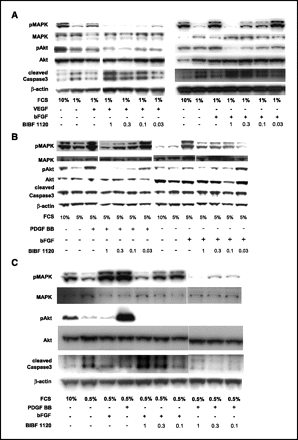
Kinase selectivity profile. [1] Extensive biochemical testing revealed a distinctive, narrow range of kinases that are inhibited by Nintedanib/BIBF 1120 at pharmacologically relevant concentrations. The targeted kinases include all three VEGFR subtypes (IC50, 13–34 nmol/L), PDGFRα and PDGFRβ (IC50, 59 and 65 nmol/L), and FGFR types 1, 2, and 3 (IC50, 69, 37, and 108 nmol/L, respectively; Table 1). Comparable inhibition was seen for the corresponding human and rodent kinases. In addition, BIBF 1120 inhibits FLT3 (inhibition of acute myelogenous leukemia cell proliferation has been shown previously; ref. 29), as well as members of the Src-family (Src, Lyn, and Lck). By contrast, receptor tyrosine kinases, such as EGFR and HER2, InsR, IGF-IR, or the cell cycle kinases CDK1, CDK2, and CDK4 (Table 1) were not inhibited at concentrations below 1,000 nmol/L. Signaling pathways, proliferation, and survival of endothelial cells. Treatment of VEGF-stimulated endothelial cells derived from umbilical veins (HUVEC) and skin microvessels (HSMEC) with NintedanibBIBF 1120 resulted in inhibition of cell proliferation and apoptosis (EC50, <10 nmol/L; Table 2) and was preceded by inhibition of MAPK and Akt phosphorylation (Fig. 2A). Inhibition of bFGF-stimulated HUVEC proliferation required higher drug concentrations (EC50, 290 nmol/L), although activation of both MAPK and Akt was at least partially suppressed at concentrations down to 100 nmol/L. The apoptosis marker cleaved caspase-3 was up-regulated in a concentration-dependent manner in both VEGF-stimulated and bFGF-stimulated HUVEC, and the proportion of apoptotic HUVEC cells as measured by TUNEL stain increased from 2% in control cells to 28% in the presence of 50 nmol/L BIBF 1120 (Supplementary Fig. S1A). Effects on pericytes and smooth muscle cells. [1] Pericytes, important for vessel maturation and stabilization, are known to express PDGFRs (30). Nintedanib/BIBF 1120 inhibited proliferation of PDGF-BB–stimulated BRPs with an EC50 of 79 nmol/L (Table 2), which is in general agreement with the biochemical kinase inhibition data. Signaling pathway analysis showed that activation of MAPK after stimulation with 5% serum plus PDGF-BB could be blocked by BIBF 1120 at concentrations down to 100 nmol/L. Stimulation of BRP with 5% serum plus bFGF blocked MAPK phosphorylation, but not concentration-dependently (Fig. 2B). Activation of Akt was clearly suppressed by BIBF 1120 after stimulation with PDGF-BB or bFGF down to a concentration of 100 nmol/L; interestingly, no increase in cleaved caspase-3 resulted from this pathway inhibition. In cultures of human vascular smooth muscle cells (HUASMC), Nintedanib/BIBF 1120 inhibited PDGF-BB stimulated proliferation with an EC50 of 69 nmol/L (Table 2), and MAPK activation was inhibited at concentrations down to 100 nmol/L. Cell lysates of HUASMC stimulated with bFGF showed inhibition of MAPK activation above concentrations of 300 nmol/L. Phosphorylation of Akt was completely blocked in bFGF or PDGF-BB stimulated HUASMC at BIBF 1120 concentrations as low as 100 nmol/L. Furthermore, the apoptosis marker cleaved caspase-3 was up-regulated in bFGF-stimulated HUASMC treated with BIBF 1120 (Fig. 2C). Sustained VEGFR blockade. [1] To determine the duration of VEGFR-2 inhibition by Nintedanib/BIBF 1120, a pulse-chase experiment with VEGFR-2 transfected NIH3T3 cells (31) was performed. The cells were exposed for 1 hour to 50 nmol/L BIBF 1120, washed thoroughly with PBS, and incubated for 8, 24, or 32 hours in medium followed by stimulation with VEGF for 10 minutes. Western blot analysis of the cell lysates after immunoprecipitation revealed that inhibition of receptor phosphorylation was sustained for at least 32 hours after removal of BIBF 1120 (Supplementary Fig. S1B). Combination effect of trifluridine and Nintedanib on colorectal cancer cell lines in vitro [2] The isobologram plots were drawn using three isoeffect curves (mode I, mode IIa, and mode IIb) based on the 72-h growth inhibition curves for DLD-1, HT-29, and HCT116 cells (Fig. 1A-C) with trifluridine or nintedanib alone. Based on available dose-response curves, we analyzed the combined effect of the two drugs at the points of IC50. The IC50 values for trifluridine in DLD-1, HT-29, and HCT116 cells were 4.3×10⁻⁶, 3.8×10⁻⁶, and 1.8×10⁻⁶ M respectively, whereas the corresponding IC50 values for nintedanib were 3.4×10⁻⁶, 1.4×10⁻⁶ and 2.5×10⁻⁶ M, respectively. In the DLD-1 and HT-29 cells, a 72-h exposure to the combination treatment resulted in an additive effect (Fig. 1A and B). In the HCT116 cells the aforementioned combination treatment resulted in a sub-additive effect (Fig. 1C). |
| ln Vivo |
Nintedanib (BIBF 1120) 25–100 mg/kg daily p.o. is very active in all tumor models, including a syngeneic rat tumor model and human tumor xenografts growing in nude mice. This is demonstrated by the tumor's perfusion on magnetic resonance imaging after three days, its decreased vessel integrity and density after five days, and its significant growth inhibition[1]. Orally administered nitedanib (BIBF 1120) is well tolerated and shows encouraging efficacy in in vivo tumor models[2].
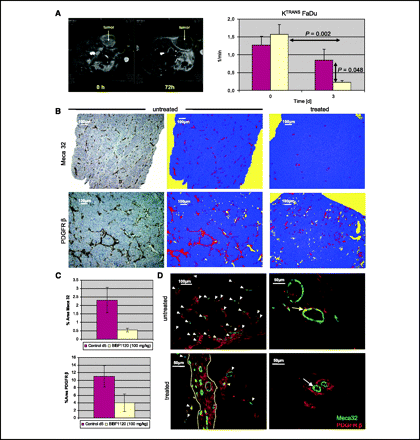
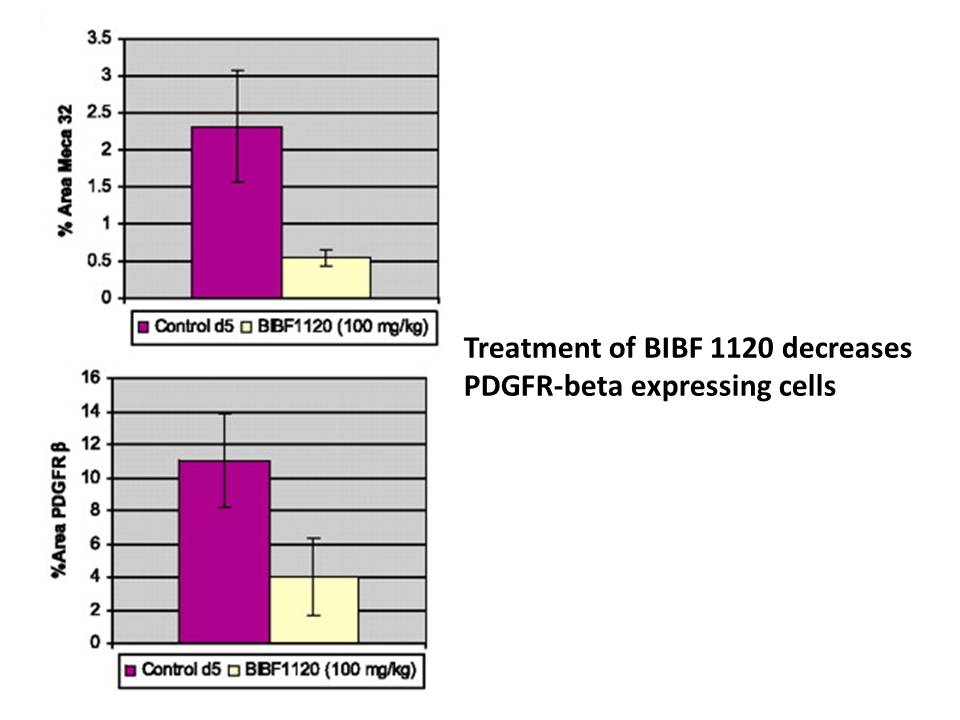
BIBF 1120/Nintedanib affects tumor vessel density and pericytes. [1] To confirm that BIBF 1120 affects the tumor vasculature, mice with established FaDu xenografts were treated for five consecutive days with either the vehicle control or BIBF 1120 at a dose of 100 mg/kg. After the last application, tumors were dissected and analyzed by immunohistochemistry using Meca 32 and PDGFRβ-specific antibodies to stain endothelial cells and pericytes (Fig. 3B). In comparison to control tumors, vessel density in xenografts from mice treated with BIBF 1120 was reduced by 76% (Fig. 3C; P < 0.001). Quantification of PDGFRβ-positive mural cells showed a reduction of 64% after 5 days of treatment with BIBF 1120 (Fig. 3C; P < 0.001). Double immunofluorescence staining with Meca 32 and PDGFRβ in tumor sections from control and BIBF 1120–treated mice show a clear association of Meca 32–positive endothelial cells and PDGFRβ-positive pericytes (Fig. 3D,, top) in the control mice, whereas in the BIBF 1120–treated mice, a marked reduction in both Meca 32–positive and PDGFRβ-positive cells was seen predominantly in the intratumoral compartment compared with the peritumoral tumor stroma separating the tumor nodules (Fig. 3D, area between the two dotted lines in the right bottom). At high magnification, a tight association between Meca 32–positive and PDGFRβ-positive cells can be seen in the tumor sample from a control mouse, but not in the BIBF 1120–treated tumor sample (Fig. 3D , arrow in left top and bottom). These data show not only the reduction of Meca 32–positive and PDGFRβ-positive cells upon BIBF 1120 treatment but also the loss of tight association between both cell types in the majority of the tumor vessels identified after 5 days of treatment. In vivo antitumor activity associated with distinctive pharmacokinetic profile and favorable tolerability in mice. [1] Continuous once daily p.o. treatment of mice with established FaDu tumor xenografts at 50 or 100 mg/kg resulted in a significant inhibition of tumor growth and treated versus control (T/C) values of 27% and 11%, respectively (Fig. 4A). BIBF 1120/Nintedanib was well tolerated even in the high-dose group, with no obvious weight loss over the treatment period. Marked inhibition of tumor growth was also observed in xenograft models of human renal cell carcinoma (Fig. 4B; Caki-1), colorectal (HT-29), ovarian (SKOV-3), non–small cell lung (Calu-6), and prostate carcinoma (PAC-120), as described in Supplementary Table S1. Moreover, in a syngeneic rat glioblastoma model (cell line GS-9L), efficacy was observed at 50, 25, and 10 mg/kg with T/C values of 30%, 45%, and 74%, respectively (Supplementary Table S1). Pharmacokinetic studies after p.o. application to mice (Fig. 4C) revealed a maximal plasma concentration of ∼1,000 nmol/L at 1 hour and trough plasma levels below 8 nmol/L at 24 hours postadministration. This distinctive pharmacokinetic profile can be explained by the rapid metabolization of BIBF 1120 by methyl ester cleavage, resulting in the generation of the main metabolite BIBF 1202 containing a free acid residue (data not shown). Antitumor efficacy of TFTD/Nintedanib combination therapy in vivo [2] The in vivo efficacy of TFTD monotherapy, Nintedanib monotherapy, and TFTD and nintedanib combination in human colorectal cancer xenograft models was evaluated. Nude mice bearing DLD-1 tumors were treated with 150 mg/kg TFTD, 40 mg/kg Nintedanib, or a combination of TFTD and nintedanib for 14 consecutive days. On day 15, TFTD monotherapy and nintedanib monotherapy resulted in a significant reduction in tumor growth in vivo (P<0.01) (Fig. 2A). In addition, the combination therapy exhibited greater antitumor activity than both monotherapies. The efficacy of the aforementioned treatments was evaluated in nude mice bearing tumors that were derived from 5-FU-resistant human colorectal cancer cells, DLD-1/5-FU (Fig. 2C). TFTD monotherapy and nintedanib monotherapy resulted in a significant reduction in tumor growth in vivo (P<0.01). The antitumor efficacy of both monotherapies was similar between the 5-FU-resistant DLD-1 cells and the parent DLD-1 cells. This indicated that no cross-resistance had occurred between DLD-1/5-FU and either of the monotherapies. The TFTD/nintedanib combination therapy exhibited greater antitumor activity against DLD-1/5-FU compared with the antitumor activity exhibited by both monotherapies. Thus, the combination therapy showed a similar antitumor effect against the DLD-1/5-FU (tumor growth inhibition rate 72.8%) and the DLD-1 (tumor growth inhibition rate 61.5%) tumors (data not shown). The efficacy of the above treatments was further evaluated in the HT-29 (Fig. 2E) and HCT116 (Fig. 2G) xenograft models. TFTD and nintedanib monotherapies both significantly suppressed tumor growth when compared with control (P<0.01). The combination therapy significantly suppressed tumor growth when compared to each monotherapy (P<0.01). Fig. 3 summarizes the antitumor effects of the administered therapies as evaluated by the mean RTV at day 15. The antitumor activity of the TFTD/nintedanib combination therapy, for all human colorectal cancer xenografts, was significantly greater than that of either monotherapy (P<0.01). |
| Enzyme Assay |
In vitro kinase activity assays. [1]
The cytoplasmic tyrosine kinase domain of VEGFR-2 (residues 797–1355 according to sequence deposited in databank SWISS-PROT P35968) was cloned into pFastBac fused to GST and extracted as described in supplementary methods. Enzyme activity was assayed using standard conditions using a random polymer (Glu/Tyr 4:1) and in the presence of 100 μmol/L ATP (for details, see supplementary methods). For all other kinase assays, the entire cytoplasmic domains of the receptors (from the end of the transmembrane to the COOH terminus) were cloned into pFastBac vector containing GST and assayed under standard conditions. In Vitro VEGFR-2 Kinase Assay [3] The cytoplasmic kinase domain of VEGFR-2 (residues 797 to 1335 according to sequence deposited in databank SWISS-PROT P35968) was cloned into pFastBac fused to Glutathion-S-transferase (GST). The GST-fusion protein was expressed in SF-9 insect cells and extracted with HEPEX (20 mM HEPES pH 7.4, 100 mM NaCl, 10 mM ss-glycerophosphate, 10 mM para-nitro-phenylphosphate, 30 mM NaF, 5 mM EDTA, 5% glycerol, 1% Triton X-100, 1 mM Na3VO4, 0.1% SDS, 0.5 μg/mL pepstatin A, 2.5 μg/mL 3,4-dichloroisocoumarin, 2.5 μg/mL trans-epoxysuccinyl-l-leucyl-l-amido butane, aprotinin 20 KIU/mL, leupeptin 2 μg/mL, benzamidine 1 mM and 0.002% PMSF). Enzyme activity was assayed in the presence or absence of serial dilutions of the inhibitor performed in 25% DMSO. Each microtiter plate contained internal controls such as blank, maximum reaction, and historical reference compound. All incubations were conducted at room temperature on a rotation shaker. Ten μL of each inhibitor dilution was added to 10 μL of diluted kinase (0.8 μg/mL VEGFR-2, 10 mM Tris pH 7.5, 2 mM EDTA, 2 mg/mL BSA) and preincubated for 1 h. The reaction was started by addition of 30 μL of substrate mix containing 62.4 mM Tris pH 7.5, 2.7 mM DTT, 5.3 mM MnCl2, 13.3 mM Mg-acetate, 0.42 mM ATP, 0.83 mg/mL Poly-Glu-Tyr(4:1), and 1.7 μg/mL Poly-Glu-Tyr(4:1)-biotin and incubated for 1 h. The reaction was stopped by addition of 50 μL of 250 mM EDTA, 20 mM HEPES, pH 7.4. Then 90 μL of stopped solution was transferred to a streptavidin plate and incubated for 1−2 h. After three washes with PBS the EU-labeled antibody, PY20 was added (recommended dilution 1:2000 of 0.5 mg/mL labeled antibody in DELFIA assay buffer). Excessive detection antibody was removed by three washes of DELFIA washing buffer. Then 10 minutes before measurement on the multilabel reader VICTOR, each well was incubated with 100 μL of DELFIA enhancement solution. IC50 values were calculated by using a sigmoidal curve analysis program using the nonlinear regression analysis with variable slope. The pFastBac clone containing the cytoplasmic tyrosine kinase domain of VEGFR2 (residues 797–1355 based on the sequence deposited in databank SWISS-PROT P35968) is fused to GST and extracted. The assay of enzyme activity is conducted in 25% DMSO with or without serial dilutions of Nintedanib/BIBF1120. There are internal controls on every microtiter plate, including blank, maximum reaction, and historical reference compound. On a rotating shaker, all incubations are carried out at room temperature. One hour is spent preincubating 10 μL of diluted kinase (0.8 μg/mL VEGFR2, 10 mM Tris pH 7.5, 2 mM EDTA, and 2 mg/mL BSA) with 10 μL of each BIBF1120 dilution. Addition of 30 μL of substrate mix containing 13.3 mM Mg-acetate, 6.2.4 mM Tris pH 7.5, 2.7 mM DTT, 5.3 mM MnCl2, 0.42 mM ATP, 0.83 mg/mL Poly-Glu-Tyr(4:1), and 1.7 μg/mL Poly-Glu-Tyr(4:1)-biotin initiates the reaction, which is then incubated for one hour. 90 μL of the reaction mix is placed on a streptavidin plate and incubated for one to two hours. The reaction is stopped by adding 50 μL of 250 mM EDTA, 20 mM HEPES, and pH 7.4. PY20 is added (recommended dilution 1:2000 of 0.5 mg/mL labeled antibody in DELFIA assay buffer) following three PBS washes with the EU-labeled antibody. Three DELFIA washing buffer washes are used to get rid of extra detection antibody. The DELFIA enhancement solution (100 μL) is then incubated in each well 10 minutes prior to measurement on the multilabel reader. |
| Cell Assay |
For the assay, the cell lines BRP, HUASMC, and HUVEC are employed. The cultures are supplemented with BIBF1120 two hours prior to the addition of ligands. There are cell lysates produced. Standard SDS-PAGE techniques are used for western blotting, with 50–75 μg of protein loaded per lane. Improved chemiluminescence aids in detection. Monoclonal antibodies M3807 and M8159 are used to analyze total and phosphorylated mitogen-activated protein kinase (MAPK). The monoclonal antibody for phosphorylated Akt (Ser473) is used to analyze it, while the corresponding polyclonal antibody is used to detect total Akt. While a corresponding antibody is used to detect KDR (VEGFR2) protein, monoclonal antibodies are also utilized to detect cleaved caspase-3.
Inhibition of cell signaling cascades in drug-treated cells. [1] HUVEC, HUASMC, and BRP were cultured as described above. Two hours before the addition of ligands, Nintedanib/BIBF 1120 was added to the cultures. Cell lysates were generated according to standard protocols. Western blotting was done using standard SDS-PAGE methods, loading 50 to 75 μg of protein per lane, with detection by enhanced chemiluminescence. Total and phosphorylated mitogen-activated protein kinase (MAPK) was analyzed using monoclonal antibodies. Cytotoxicity assay and evaluation of the combination effect in vitro [2] The drug cytotoxicity was measured with the crystal violet assay. The cells (2,000–4,000) were cultured in a 96-well microplate with 100 µl medium per well for 24 h. Trifluridine and Nintedanib were dissolved at the concentrations of 10 mM in dimethyl sulfoxide and the corresponding solutions were prepared using the culture medium under aseptic conditions. A total of 100 µl of the drug solution (trifluridine: 0.18–10 µM; nintedanib: 0.18–10 µM) were added into the culture medium. Following incubation of the plates for 72 h, the culture medium was removed and the cells were fixed with 4% glutaraldehyde for 30 min. The fixed cells were stained with 0.1% crystal violet for 2 min and washed and dissolved in 0.05 M NaH2PO4/50% ethanol. The absorbance was measured at a wavelength of 540 nm using a microplate reader. The cytotoxic effects of the trifluridine and Nintedanib combination were analyzed using the isobologram method. A total of 3 isoeffect curves (modes I, IIa, and IIb), based on the growth inhibition curves of trifluridine alone and nintedanib alone, were drawn. The total area enclosed by the three curves represented an ‘envelope of additivity’. The combination of drug treatment was considered to show a supra-additive (synergistic) interaction, when the experimentally observed IC50 values were included in the left side of the envelope, whereas when the IC50 values were included in the envelope, the combination was considered as additive. The combination was considered to be sub-additive, when the IC50 values were included on the right side of the envelope and were within the dotted line square. Finally, when the IC50 values fell outside the square, the combination was considered to be protective. |
| Animal Protocol |
For the assay, athymic NMRI-nu/nu female mice weighing between 21 and 33 grams are five to six weeks old. Following their acclimation, mice are injected with 1 to 5×10⁶ (in 100 μL) of SKOV-3, FaDu, Caki-1, H460, HT-29, or PAC-120 cells subcutaneously into their right flank. Following their acclimation, 5×10⁶ (in 100 μL) GS-9L cells are subcutaneously injected into the right flank of F344 Fischer rats. Blood is extracted from the retroorbital plexus of mice at predetermined intervals for pharmacokinetic analysis, and plasma is examined using high performance liquid chromatography-mass spectrometry methodology[1].
In vivo tumor models.[1] Five-week-old to 6-wk-old athymic NMRI-nu/nu female mice (21–31 g) were used. After acclimatization, mice were inoculated with 1 to 5 × 10⁶ (in 100 μL) FaDu, Caki-1, SKOV-3, H460, HT-29, or PAC-120 cells s.c. into the right flank of the animal. F344 Fischer rat were injected with 5 × 10⁶ (in 100 μL) GS-9L cells s.c. into the right flank of the animal. For pharmacokinetic analysis, blood was isolated at indicated time points from the retroorbital plexus of mice and plasma was analyzed using high performance liquid chromatography–mass spectrometry methodology. [1] TFTD was prepared by mixing trifluridine and TPI at a molar ratio of 1:0.5 in 0.5% HPMC solution. The dose of TFTD was expressed on the basis of the trifluridine content. TFTD was administered orally from day 1 to 14, twice a day at 6-h intervals at the reported effective dose (150 mg/kg/day). Nintedanib was administered orally from day 1 to 14, twice a day at 6-h intervals at the reported effective dose (40 mg/kg/day) (14,24). The vehicle solution that consisted of 0.5% HPMC solution was administered at 10 ml/kg to the control mouse group, following the same administration schedules as for the test drugs [2]. |
| ADME/Pharmacokinetics |
Pharmacokinetic studies in mice after oral administration (Figure 4C) showed that the peak plasma concentration was approximately 1000 nmol/L at 1 hour after administration and the trough plasma concentration was less than 8 nmol/L at 24 hours. This unique pharmacokinetic characteristic can be attributed to the rapid metabolism of nintedanib/BIBF 1120 via methyl ester cleavage to generate the major metabolite BIBF 1202 (data not shown) containing free acid residues. [1]
DCE-MRI detected rapid in vivo effects on tumor perfusion and permeability. [1] Dynamic contrast-enhanced magnetic resonance imaging (DCE-MRI) was performed on human FaDu (squamous cell carcinoma of the head and neck) xenografts grown in nude mice before and 72 hours after daily oral administration of nintedanib/BIBF 1120. Tumor perfusion and vascular permeability were clearly visible in the initial MRI scan and significantly decreased after 3 days of treatment (Figure 3A); quantitative analysis of KTRANS values showed that the KTRANS values of tumors in the nintedanib/BIBF 1120 treatment group were significantly reduced compared with baseline values and untreated control group (Figure 3A). Compounds 2 and 3 were chosen for in vivo testing due to their good cellular activity and selectivity. Both compounds reached good plasma concentrations 2 hours after oral administration in mice and were almost completely cleared from plasma 24 hours after administration (Table 3). As the lead compound showed, none of the compounds inhibited the proliferation of VEGF-independent cell lines (EC50 > 1 μM) at concentrations similar to those tested in HUVEC cells, especially the HeLa, Calu-6, and FaDu tumor cell lines. Preclinical pharmacokinetics related to human pharmacokinetics [4] The pharmacokinetics and drug metabolism of nintedanib (administered intravenously or by gavage) were studied in a variety of animals. In the concentration range of 50–2000 ng/mL, nintedanib had a mean plasma protein binding rate of >97% in mice and rats, 91–93% in monkeys, and 98% in humans [13, 17, 31]. Albumin was the major binding protein. In rats, radioactivity was widely distributed in most tissues (except the central nervous system [CNS]) after administration of [14C] radiolabeled nintedanib (30 mg/kg) for 13 consecutive days. Mild accumulation was observed in some tissues, but no similar accumulation was observed in plasma concentrations. Clinical Pharmacokinetics[4] The clinical pharmacokinetics of nintedanib monotherapy were investigated in healthy subjects, volunteers with hepatic impairment, and patients with idiopathic pulmonary fibrosis (IPF) or various advanced cancers. In healthy volunteers, only a single dose was administered. Table 2 lists the key pharmacokinetic parameters of nintedanib after single and steady-state twice-daily administration in patients with advanced cancer. The pharmacokinetic characteristics of nintedanib were further characterized by two consecutive population pharmacokinetic (PopPK) analyses. The first analysis was based on pooled pharmacokinetic data from patients with non-small cell lung cancer (NSCLC, n = 849) and idiopathic pulmonary fibrosis (IPF, n = 342), while the second analysis focused solely on IPF patients (n = 933) who participated in phase II and III clinical trials. For ease of comparison, Table 3 lists the key pharmacokinetic parameters of nintedanib after multiple doses in typical IPF or NSCLC patients based on the PopPK analysis. The results indicate that the key pharmacokinetic parameters were consistent between the two groups of patients. |
| Toxicity/Toxicokinetics |
Effects During Pregnancy and Lactation
◉ Overview of use during lactation There is currently no information on the clinical use of nintedanib during lactation. Because nintedanib binds to plasma proteins at a rate exceeding 97%, its concentration in breast milk may be low. However, its half-life is approximately 9.7 hours, which may lead to accumulation in the infant. The manufacturer recommends discontinuing breastfeeding during nintedanib treatment. ◉ Effects on breastfed infants No relevant published information was found as of the revision date. ◉ Effects on lactation and breast milk No relevant published information was found as of the revision date. ◉ Victim and perpetrator characteristics of in vitro drug interactions [4] Several in vitro metabolism, transport, and drug interaction studies have been conducted to quantitatively assess the drug interaction potential of nintedanib. In vitro studies using human hepatocytes and/or human liver microsomes have shown that nintedanib is a minor substrate of the cytochrome P450 (CYP) 3A4 isoenzyme and (and its two major metabolites [BIBF 1202 and BIBF 1202 glucuronide]) has extremely low potential to inhibit or induce CYP isoenzymes, including those most relevant to human drug metabolism or those with genetic polymorphism (CYP1A2, CYP2B6, CYP2C8, CYP2C9, CYP2C19, and CYP3A4). In human liver microsomes, nintedanib is primarily metabolized to the metabolites BIBF 1202 and BIBF 1053 via esterase hydrolysis (major mechanism) and CYP3A4 demethylation (minor mechanism). CYP-dependent metabolism accounts for approximately 5%, while ester cleavage accounts for approximately 25%. Therefore, the likelihood of nintedanib interacting with CYP enzyme modulators (e.g., when used in combination with CYP inhibitors or inducers) is extremely low. Furthermore, the likelihood of nintedanib interacting with CYP enzyme activators (e.g., as a CYP enzyme inhibitor or inducer) is also extremely low. Further in vitro data indicate that, at clinically relevant concentrations, nintedanib does not inhibit the glucuronidation of uridine diphosphate glucuronyltransferase (UDP-glucuronyltransferase, UGT) 1A1 (UGT1A1) in human liver microsomes. UGT1A1 is responsible for glucuronidating the metabolite BIBF 1202 to BIBF 1202 glucuronide in human liver microsomes. In addition, BIBF 1202 can also be glucuronidated by various intestinal UGTs (UGT1A7, UGT1A8, and UGT1A10). Because all half-maximal inhibitory concentrations (IC50) were significantly higher than therapeutic plasma concentrations, the likelihood of clinically relevant drug interactions based on UGT inhibition after oral administration of nintedanib is low. In vitro experiments using transfected MDCK cells showed that nintedanib is a substrate of the efflux transporter P-gp and weakly inhibits P-gp (Table 1). Studies using cell lines expressing different drug transporters showed that nintedanib is not a substrate of organic anion transport peptide (OATP) 1B1, OATP1B3, OATP2B1, organic cation transporter (OCT) 2, multidrug resistance-associated protein 2 (MRP-2), or efflux breast cancer resistance protein (BCRP), but it is a weak substrate of OCT1. At clinically relevant concentrations, nintedanib does not inhibit OATP1B1, OATP1B3, OATP2B1, OCT1, OCT2, P-gp, or BRCP-mediated transport. |
| References |
|
| Additional Infomation |
Nintedanib isosulfonate is an organic sulfonate prepared by reacting nintedanib with an equimolar amount of ethanesulfonic acid. It is a kinase inhibitor used to treat idiopathic pulmonary fibrosis and cancer. It has angiogenesis-inhibiting, antitumor, antagonistic effects against fibroblast growth factor receptor, tyrosine kinase, and vascular endothelial growth factor receptor. It contains a nintedanib (1+) ligand.
See also: nintedanib (note moved to); nintedanib isosulfonate (note moved to). Nintedanib belongs to the indole ketone class of compounds and is a kinase inhibitor used in the form of isosulfonate to treat idiopathic pulmonary fibrosis and cancer. It has antitumor, tyrosine kinase-inhibiting, vascular endothelial growth factor receptor antagonistic, fibroblast growth factor receptor antagonistic, and angiogenesis-inhibiting effects. It is an aromatic ester, methyl ester, indole ketone compound, enamine, aromatic amine, aromatic amide, and N-alkylpiperazine. It is the conjugate base of nintedanib (1+). Nintedanib is a kinase inhibitor. The mechanism of action of nintedanib is as a protein kinase inhibitor. See also: nintedanib (note moved to). Drug Indications Ofev is indicated for the treatment of idiopathic pulmonary fibrosis (IPF) in adults. Inhibiting tumor angiogenesis by blocking the vascular endothelial growth factor (VEGF) signaling pathway is a novel therapeutic approach in oncology. Preclinical studies have shown that blocking other pro-angiogenic receptor tyrosine kinases, such as platelet-derived growth factor receptor (PDGFR) and fibroblast growth factor receptor (FGFR), may improve long-term clinical efficacy. BIBF 1120 is an indolinone derivative that effectively blocks the kinase activity of VEGF receptor (VEGFR), PDGFR, and FGFR in enzymatic assays (IC50 20-100 nmol/L). BIBF 1120 inhibits mitogen-activated protein kinase and the Akt signaling pathway in three cell types involved in angiogenesis (endothelial cells, pericytes, and smooth muscle cells), thereby suppressing cell proliferation (EC50 of 10-80 nmol/L) and inducing apoptosis. In all tumor models tested to date, including human xenograft models in nude mice and homologous rat tumor models, BIBF 1120 demonstrated high activity at well-tolerated doses (25-100 mg/kg, orally daily). Magnetic resonance imaging assessment of tumor perfusion after 3 days showed that BIBF 1120 reduced vascular density and integrity after 5 days and significantly inhibited tumor growth. A significant pharmacodynamic feature of BIBF 1120 in cell culture is the persistence of its pathway inhibition (lasting up to 32 hours after 1 hour of administration), suggesting slow receptor dissociation kinetics. Although BIBF 1120 is rapidly metabolized in vivo via methyl ester cleavage, resulting in a short mean residence time, once-daily oral administration still achieved complete efficacy in xenograft models. These unique pharmacokinetic and pharmacodynamic properties may help explain the clinical observations of BIBF 1120, which is currently in Phase III clinical development. [1] Trifluorouridine/tipiracil (TFTD) is a combination drug used to treat metastatic colorectal cancer, formerly known as TAS-102. It consists of two active pharmaceutical ingredients: trifluorouridine, an antitumor thymidine nucleoside analog; and tipiracil, which enhances the bioavailability of trifluorouridine in vivo. TFTD is used to treat patients with unresectable advanced or recurrent colorectal cancer resistant to standard therapy. This study investigated the anticancer effects of trifluorouridine in combination with the oral triple angiokinase inhibitor nintedanib on human colorectal cancer cell lines. The cytotoxicity of trifluorouridine combined with nintedanib against DLD-1, HT-29, and HCT116 cell lines was determined using crystal violet staining. Isophorometric analysis showed that trifluorouridine combined with nintedanib had an additive effect on the growth inhibition of DLD-1 and HT-29 cells, while exhibiting a sub-additive effect on the growth inhibition of HCT116 cells. Subsequently, human colorectal cancer cell lines were subcutaneously implanted into nude mice to evaluate the in vivo tumor growth inhibition effect of trifluorouridine combined with nintedanib treatment. From day 1 to day 14, mice were orally administered TFTD (150 mg/kg/day) and/or nintedanib (40 mg/kg/day) twice daily. The tumor growth inhibition rates of the combination treatment against DLD-1, DLD-1/5-FU, HT-29, and HCT116 xenograft tumors were 61.5%, 72.8%, 67.6%, and 67.5%, respectively. This inhibition rate was significantly higher than that of TFTD or nintedanib monotherapy (P<0.05). These results indicate the effectiveness of TFTD and nintedanib in combination therapy for colorectal cancer xenografts. The concentration of DNA-incorporated trifluorouridine in HT-29 and HCT116 tumors was determined by liquid chromatography-tandem mass spectrometry. After 14 days of treatment with TFTD and nintedanib, the uptake level of tumor cells was higher than that of TFTD alone. Preclinical results suggest that TFTD combined with nintedanib is a promising treatment option for colorectal cancer. [2] Inhibiting tumor angiogenesis by blocking the vascular endothelial growth factor (VEGF) signaling pathway is a novel approach in the field of cancer therapy. Preclinical studies suggest that blocking other pro-angiogenic kinases, such as fibroblast and platelet-derived growth factor receptors (FGFR and PDGFR), may improve the efficacy of drug therapy for cancer. 6-substituted indololinones have been identified as selective inhibitors of VEGF, PDGF and FGF receptor kinases. In particular, 6-methoxycarbonyl-substituted indololinones exhibit excellent selectivity. Compounds with potent inhibitory effects on VEGF-associated endothelial cell proliferation were selected through optimized screening. These compounds also showed additional efficacy against pericytes and smooth muscle cells. In contrast, no direct inhibitory effect on tumor cell proliferation was observed. Compounds 2 (BIBF 1000) and 3 (BIBF 1120) are both oral drugs that showed encouraging efficacy and good tolerability in in vivo tumor models. Triple angiokinase inhibitor 3 is currently undergoing a phase III clinical trial for the treatment of non-small cell lung cancer. [3] Nintedanib is an oral small molecule tyrosine kinase inhibitor that has been approved for the treatment of idiopathic pulmonary fibrosis and advanced non-small cell lung cancer (adenocarcinoma histological type). Nintedanib competitively binds to the kinase domains of vascular endothelial growth factor (VEGF), platelet-derived growth factor (PDGF), and fibroblast growth factor (FGF). In studies of healthy volunteers and patients with advanced cancer, the pharmacokinetic characteristics of nintedanib were time-independent. Peak plasma concentrations of nintedanib were reached approximately 2–4 hours after oral administration, followed by at least a double exponential decline. Within the studied dose range (50-450 mg once daily, 150-300 mg twice daily), nintedanib exposure is dose-dependent. Nintedanib is metabolized via ester hydrolysis to a free acid moiety, which is then glucuronidated and excreted in feces. Less than 1% of drug-related radioactive material is excreted in urine. The terminal elimination half-life of nintedanib is approximately 10-15 hours. Drug accumulation is negligible after repeated dosing twice daily. Sex and renal function have no effect on the pharmacokinetics of nintedanib, while the effects of race, low body weight, advanced age, and smoking are within the inter-patient variability of nintedanib exposure, requiring no dose adjustment. Nintedanib is not recommended for patients with moderate or severe hepatic impairment; patients with mild hepatic impairment should be closely monitored and have their dose adjusted accordingly. The likelihood of interactions with other drugs, especially those metabolized by cytochrome P450 enzymes, is low. Concomitant use of potent P-glycoprotein transporter inhibitors or inducers may affect the pharmacokinetics of nintedanib. Nintedanib does not have arrhythmic effects at a dose of 200 mg twice daily. [4] |
| Molecular Formula |
C33H39N5O7S
|
|---|---|
| Molecular Weight |
649.763
|
| Exact Mass |
649.257
|
| Elemental Analysis |
C, 61.00; H, 6.05; N, 10.78; O, 17.24; S, 4.93
|
| CAS # |
656247-18-6
|
| Related CAS # |
Nintedanib;656247-17-5
|
| PubChem CID |
135476717
|
| Appearance |
Yellow solid powder
|
| LogP |
4.624
|
| Hydrogen Bond Donor Count |
3
|
| Hydrogen Bond Acceptor Count |
10
|
| Rotatable Bond Count |
9
|
| Heavy Atom Count |
46
|
| Complexity |
997
|
| Defined Atom Stereocenter Count |
0
|
| SMILES |
S(C([H])([H])C([H])([H])[H])(=O)(=O)O[H].O=C(C([H])([H])N1C([H])([H])C([H])([H])N(C([H])([H])[H])C([H])([H])C1([H])[H])N(C([H])([H])[H])C1C([H])=C([H])C(=C([H])C=1[H])/N=C(\C1C([H])=C([H])C([H])=C([H])C=1[H])/C1=C(N([H])C2C([H])=C(C(=O)OC([H])([H])[H])C([H])=C([H])C1=2)O[H]
|
| InChi Key |
ZNMRDZZRAFJOKY-UHFFFAOYSA-N
|
| InChi Code |
InChI=1S/C31H33N5O4.C2H6O3S/c1-34-15-17-36(18-16-34)20-27(37)35(2)24-12-10-23(11-13-24)32-29(21-7-5-4-6-8-21)28-25-14-9-22(31(39)40-3)19-26(25)33-30(28)38;1-2-6(3,4)5/h4-14,19,33,38H,15-18,20H2,1-3H3;2H2,1H3,(H,3,4,5)
|
| Chemical Name |
ethanesulfonic acid;methyl 2-hydroxy-3-[N-[4-[methyl-[2-(4-methylpiperazin-1-yl)acetyl]amino]phenyl]-C-phenylcarbonimidoyl]-1H-indole-6-carboxylate
|
| Synonyms |
BIBF1120; BIBF 1120; BIBF-1120; Nintedanib esylate; Nintedanib ethanesulfonate salt; Intedanib; Brand name: OFEV; Vargatef
|
| HS Tariff Code |
2934.99.9001
|
| Storage |
Powder -20°C 3 years 4°C 2 years In solvent -80°C 6 months -20°C 1 month Note: Please store this product in a sealed and protected environment, avoid exposure to moisture. |
| Shipping Condition |
Room temperature (This product is stable at ambient temperature for a few days during ordinary shipping and time spent in Customs)
|
| Solubility (In Vitro) |
DMSO: ~41.7 mg/mL (~64.1 mM)
H2O: ~16.7 mg/mL (~25.7 mM) Ethanol: ~3.1 mg/mL (~4.7 mM) |
|---|---|
| Solubility (In Vivo) |
Solubility in Formulation 1: ≥ 2.5 mg/mL (3.85 mM) (saturation unknown) in 10% DMSO + 90% (20% SBE-β-CD in Saline) (add these co-solvents sequentially from left to right, and one by one), clear solution.
For example, if 1 mL of working solution is to be prepared, you can add 100 μL of 25.0 mg/mL clear DMSO stock solution to 900 μL of 20% SBE-β-CD physiological saline solution and mix evenly. Preparation of 20% SBE-β-CD in Saline (4°C,1 week): Dissolve 2 g SBE-β-CD in 10 mL saline to obtain a clear solution. Solubility in Formulation 2: ≥ 2.5 mg/mL (3.85 mM) (saturation unknown) in 10% DMSO + 90% Corn Oil (add these co-solvents sequentially from left to right, and one by one), clear solution. For example, if 1 mL of working solution is to be prepared, you can add 100 μL of 25.0 mg/mL clear DMSO stock solution to 900 μL of corn oil and mix evenly. View More
Solubility in Formulation 3: ≥ 2.5 mg/mL (3.85 mM) (saturation unknown) in 5% DMSO + 95% (20% SBE-β-CD in Saline) (add these co-solvents sequentially from left to right, and one by one), clear solution. Solubility in Formulation 4: 5% DMSO+40% PEG 300+2% Tween 80+ddH2O: 0.25mg/mL Solubility in Formulation 5: 10 mg/mL (15.39 mM) in 50% PEG300 50% Saline (add these co-solvents sequentially from left to right, and one by one), suspension solution; with ultrasonication. Preparation of saline: Dissolve 0.9 g of sodium chloride in 100 mL ddH₂ O to obtain a clear solution. Solubility in Formulation 6: 20 mg/mL (30.78 mM) in 20% HP-β-CD in Saline (add these co-solvents sequentially from left to right, and one by one), clear solution; with ultrasonication. Preparation of saline: Dissolve 0.9 g of sodium chloride in 100 mL ddH₂ O to obtain a clear solution. |
| Preparing Stock Solutions | 1 mg | 5 mg | 10 mg | |
| 1 mM | 1.5390 mL | 7.6951 mL | 15.3903 mL | |
| 5 mM | 0.3078 mL | 1.5390 mL | 3.0781 mL | |
| 10 mM | 0.1539 mL | 0.7695 mL | 1.5390 mL |
*Note: Please select an appropriate solvent for the preparation of stock solution based on your experiment needs. For most products, DMSO can be used for preparing stock solutions (e.g. 5 mM, 10 mM, or 20 mM concentration); some products with high aqueous solubility may be dissolved in water directly. Solubility information is available at the above Solubility Data section. Once the stock solution is prepared, aliquot it to routine usage volumes and store at -20°C or -80°C. Avoid repeated freeze and thaw cycles.
Calculation results
Working concentration: mg/mL;
Method for preparing DMSO stock solution: mg drug pre-dissolved in μL DMSO (stock solution concentration mg/mL). Please contact us first if the concentration exceeds the DMSO solubility of the batch of drug.
Method for preparing in vivo formulation::Take μL DMSO stock solution, next add μL PEG300, mix and clarify, next addμL Tween 80, mix and clarify, next add μL ddH2O,mix and clarify.
(1) Please be sure that the solution is clear before the addition of next solvent. Dissolution methods like vortex, ultrasound or warming and heat may be used to aid dissolving.
(2) Be sure to add the solvent(s) in order.
| NCT Number | Recruitment | interventions | Conditions | Sponsor/Collaborators | Start Date | Phases |
| NCT02902484 | Active Recruiting |
Drug: Nintedanib | Cancer of Pancreas | University of Texas Southwestern Medical Center |
September 7, 2017 | Phase 1 Phase 2 |
| NCT02009579 | Active Recruiting |
Drug: Nintedanib Drug: Placebo |
Uterine Cervical Neoplasms | Belgian Gynaecological Oncology Group |
March 2014 | Phase 2 |
| NCT04559581 | Active Recruiting |
Drug: Nintedanib | Lung Diseases, Interstitial | Boehringer Ingelheim | September 28, 2020 | |
| NCT02496585 | Active Recruiting |
Drug: Nintedanib Drug: Prednisone |
Lung Cancer Lung Metastases |
Memorial Sloan Kettering Cancer Center |
July 2015 | Phase 2 |
| NCT05065190 | Active Recruiting |
Drug: nintedanib Drug: Placebo |
Lung Diseases, Interstitial | Boehringer Ingelheim | November 25, 2021 | Phase 3 |
Cancer Res. 2008 Jun 15;68(12):4774-82. |
 |
Cancer Res. 2008 Jun 15;68(12):4774-82. |
Products are for research use only; We do not sell to patients
Copyright 2020 InvivoChem LLC | All Rights Reserved


 COA
COA