| Size | Price | Stock | Qty |
|---|---|---|---|
| 5mg |
|
||
| 10mg |
|
||
| 25mg |
|
||
| 50mg |
|
||
| 100mg |
|
||
| 250mg |
|
||
| 500mg |
|
||
| Other Sizes |
Purity: ≥98%
| Targets |
c-Met (Ki = 2 nM); MST1R (IC50 = 11 nM); FLT3 (IC50 = 7 nM); AXL (IC50 = 2 nM); MERTK (IC50 = 10 nM); TEK (IC50 = 63 nM); DDR1/2 (IC50 = 0.1/7 nM); MKNK1/2 (IC50 = 7 nM)
MET (c-MET) kinase (IC50 = 0.4 nM; Ki = 0.15 nM) [1] - MST1R (RON) kinase (IC50 = 1.7 nM; Ki = 0.8 nM) [1] - Other oncogenic kinases (FLT3 IC50 = 2.8 nM; AXL IC50 = 4.5 nM; ROS1 IC50 = 7.9 nM) [1] |
|---|---|
| ln Vitro |
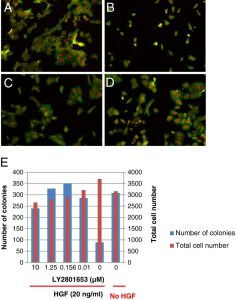
Merestinib (LY2801653) exhibits effects on cell proliferation and scattering that are dependent on the MET pathway. Merestinib (LY2801653) has a mean IC50 value of 35.2±6.9 nM for inhibiting MET auto-phosphorylation in HGF-stimulated H460 cells (n=6 determinations), and a 59.2 nM IC50 for the same in S114 cells. Along with these other inhibitors, merestinib (LY2801653) also inhibits AXL (IC50=2 nM), MERTK (IC50=10 nM), TYRO3 (IC50=28 nM), ROS1, PDGFRA (IC50=41 nM), FLT3 (IC50=7 nM), TEK (IC50=63 nM), DDR1/2 (IC50=0.1/7 nM), and MKNK1/2 (IC50=7 nM)[1].
Treatment with Merestinib (LY2801653) inhibits the growth of these MET variant clones with an IC50 ranging from 3-fold more potent (V1092I) to approximately 6-fold less potent (L1195V) compared with the growth inhibition of cells with the MET wild-type sequence[1]. Transfection with the MET variants confers growth-factor independence. Merestinib (LY2801653) significantly inhibits wound healing for TFK-1 and SZ-1 cell lines and decreases the number of viable TFK-1 and SZ-1 cells in a dose and time dependent manner at 2, 5, and 10 μM. In TFK-1 and SZ-1 cells, merestinib (LY2801653) inhibits cell invasion in a concentration-dependent manner[2]. Merestinib (LY2801653) is an orally bioavailable multi-kinase inhibitor with potent activity against MET, MST1R, and other oncoproteins. It inhibits recombinant MET kinase activity with an IC50 of 0.4 nM and MST1R with an IC50 of 1.7 nM [1] - In MET-amplified human tumor cell lines (H1993 lung adenocarcinoma, U87MG glioblastoma), Merestinib (0.1–10 μM) dose-dependently inhibits cell proliferation. At 1 μM, it reduces H1993 cell viability by 78% after 72 h and U87MG cell viability by 71%, inducing G1 phase cell cycle arrest (G1 cells increased from 45% to 68% in H1993) [1] - In cholangiocarcinoma cell lines (HuCCT1, RBE, TFK-1) with MET overexpression, Merestinib (0.05–5 μM) suppresses cell growth with IC50 values ranging from 0.3 μM to 1.2 μM. It inhibits MET phosphorylation (p-MET Tyr1234/1235 reduced by 82% at 1 μM in HuCCT1) and downstream AKT/ERK signaling (p-AKT Ser473 reduced by 75%, p-ERK1/2 reduced by 69% at 1 μM) [2] - Merestinib (1–5 μM) induces caspase-dependent apoptosis in MET-driven tumor cells. In H1993 cells, 5 μM treatment increases apoptotic rate from 3.2% to 28.5% after 48 h, and reduces colony formation by 85% at 2 μM [1] - It shows minimal activity against non-oncogenic kinases (e.g., EGFR, SRC) with IC50 > 100 nM, confirming preferential targeting of oncogenic kinases [1] |
| ln Vivo |
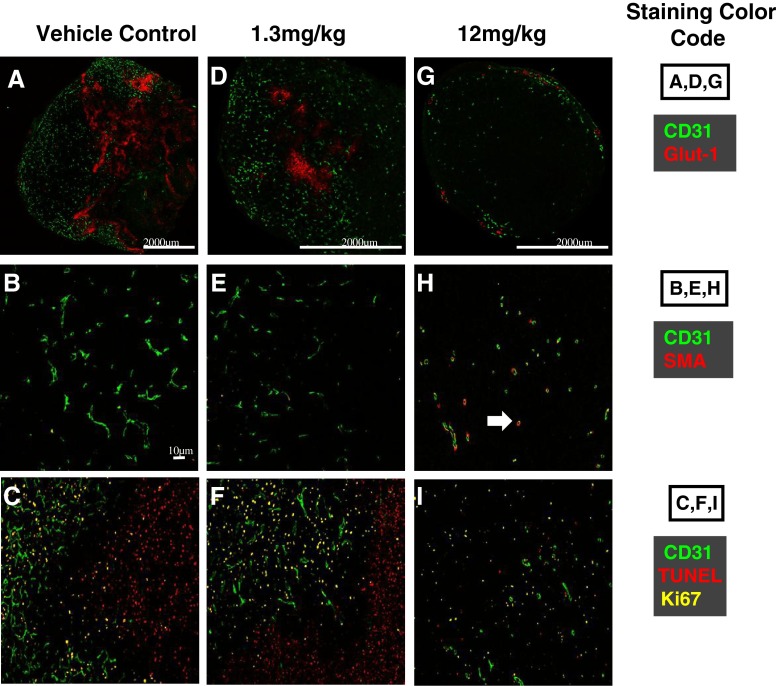
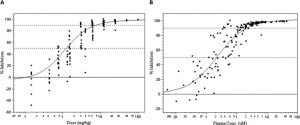
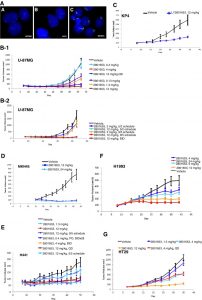
Merestinib (LY2801653) shows in vivo vessel normalization effects and anti-tumor effects in MET amplified (MKN45), MET autocrine (U-87MG and KP4) and MET over-expressed (H441) xenograft models. The MET tyrosine kinase slow-off inhibitor merestinib (LY2801653) has a pharmacodynamic residence time (Koff) of 0.00132 min-1 and a t1/2 of 525 min. It is a type-II ATP competitive inhibitor. With a composite TED50 (50 percent target inhibition dose) of 1.2 mg/kg and a composite TED90 (90 percent target inhibition dose) of 7.4 mg/kg, merestinib (LY2801653) treatment inhibits MET phosphorylation[1]. TFK-1 tumor growth is markedly inhibited by merestinib (LY2801653) (20 mg/kg) when compared to vehicle control. Merestinib (LY2801653) prevents the growth of CCC xenograft tumors that are both intra- and extrahepatic[2].
In nude mice bearing H1993 (MET-amplified) lung cancer xenografts, oral administration of Merestinib (10, 30 mg/kg, once daily for 21 days) dose-dependently inhibits tumor growth. The 30 mg/kg group reduces tumor volume by 83% and tumor weight by 79% compared to vehicle, with no significant weight loss (≤5%) [1] - In nude mice with U87MG (MET-amplified) glioblastoma xenografts, Merestinib (30 mg/kg, p.o., once daily for 28 days) reduces tumor volume by 76% and downregulates p-MET and p-ERK levels in tumor tissues by 72% and 65%, respectively [1] - In a cholangiocarcinoma (HuCCT1) xenograft model, Merestinib (20 mg/kg, p.o., once daily for 24 days) inhibits tumor growth by 71% and improves survival rate (60% vs 20% in vehicle group at day 40). Tumor tissues show reduced p-MET and increased cleaved caspase-3 levels [2] |
| Enzyme Assay |
LY2801653, a type-II ATP competitive, slow-off inhibitor of MET tyrosine kinase, has a pharmacodynamic residence time (K(off)) of 0.00132 min(-1) and a dissociation constant (K(i)) of 2 nM. Its t(1/2) is 525 minutes.
Kinase activity assay: Recombinant human MET, MST1R, FLT3, AXL, and ROS1 kinases were incubated with a fluorescently labeled peptide substrate (specific for each kinase), ATP (10 μM, with [γ-32P]-ATP as tracer), and serial concentrations of Merestinib (0.01–100 nM) at 30°C for 40 minutes. The reaction was terminated with phosphoric acid, and the mixture was spotted onto P81 phosphocellulose paper. Unbound radioactivity was washed away, and bound radioactivity was measured by liquid scintillation counting. IC50 values were calculated from dose-response curves of kinase inhibition [1] - MET binding affinity assay: Surface plasmon resonance (SPR) was used to measure the binding affinity of Merestinib to MET kinase domain. The MET catalytic domain was immobilized on a sensor chip, and serial concentrations of Merestinib (0.1–50 nM) were injected. Binding responses were recorded, and Ki values were derived from kinetic analysis of association and dissociation rates [1] |
| Cell Assay |
H460 cells are cultivated in RPMI media supplemented with 10% FBS, plated at 20,000 cells/well in 96-well plates before they reach 70% confluency, and then incubated at 37°C for the entire night. Before being treated with Merestinib (LY2801653), the cells are cultured with RPMI-1640 in low serum (0.5% FBS) for two hours on the following day. HGF is added thirty minutes after Merestinib (LY2801653), with a final concentration of 100ng/mL. The next step involves preparing cell lysates and quantifying pMET following a 10-minute incubation. With regard to on-plate MIN (unstimulated) and MAX controls, the percentage of inhibition is calculated to obtain the relative IC50 values. The percentage-of-inhibition values and the 10-point dose response data are then fitted to a 4-parameter logistic equation using ActivityBase[1].
Tumor cell proliferation assay: H1993, U87MG, HuCCT1, RBE, and TFK-1 cells were seeded in 96-well plates (3×10³ cells/well) and cultured for 24 hours. Serial concentrations of Merestinib (0.01–50 μM) were added, and cells were cultured for another 72 hours. Cell viability was assessed by MTT assay (absorbance at 570 nm), and IC50 values were calculated [1,2] - Apoptosis assay: H1993 and HuCCT1 cells were treated with Merestinib (1–5 μM) for 48 hours. Cells were stained with Annexin V-FITC and propidium iodide, then analyzed by flow cytometry to quantify apoptotic cells. Cleaved caspase-3/7 activity was measured using a luminescent assay kit [1,2] - Western blot analysis: Tumor cells were treated with Merestinib (0.5–5 μM) for 24 hours, lysed in RIPA buffer containing protease and phosphatase inhibitors. Proteins were separated by SDS-PAGE, transferred to PVDF membranes, and probed with antibodies against p-MET (Tyr1234/1235), MET, p-AKT (Ser473), AKT, p-ERK1/2, ERK1/2, cleaved caspase-3, and β-actin. Band intensity was quantified by densitometry [1,2] - Colony formation assay: H1993 cells were seeded in 6-well plates (5×10² cells/well) and treated with Merestinib (0.5–2 μM) for 14 days. Colonies were fixed with methanol, stained with crystal violet, and counted. Colony formation inhibition rate was calculated relative to vehicle control [1] |
| Animal Protocol |
Mice: Subcutaneous implants of S114 cells are made in female athymic nude mice. On day 8 following implantation, a range of 0.75 mg/kg to 100 mg/kg of merestinib is administered (n = 8 per dose group) for the purpose of evaluating the dose response. Blood samples and tumors are taken and flash frozen two hours after the dose. Merestinib is administered at a dose of 12 mg/kg (n=10 per time point) in the time course study. Blood samples and tumor samples are taken after the animals are sacrificed 2, 8, 16, and 24 hours after the dose. The MSD ELISA assay is used to quantify pMET in the S114 tumor lysates. Pulverized frozen tumor tissue is used to create lysates, which are then homogenized using Lysing Matrix D beads and RIPA lysis buffer that contains protease and phosphatase inhibitors. The DC protein assay kit is used to measure protein concentration. It is done using the pMET MSD ELISA assay.
Lung cancer xenograft model: Female nude mice (6–8 weeks old) were subcutaneously injected with H1993 cells (5×10⁶ cells/mouse) into the right flank. When tumors reached 100–150 mm3, mice were randomly divided into 3 groups (n=8): vehicle (0.5% methylcellulose + 0.1% Tween 80), Merestinib 10 mg/kg, 30 mg/kg. Drugs were administered orally once daily for 21 days. Tumor volume (length × width² / 2) and body weight were measured every 3 days. At the end of the study, tumors were excised, weighed, and processed for Western blot analysis of p-MET and downstream signaling proteins [1] - Glioblastoma xenograft model: Nude mice were implanted with U87MG cells (1×10⁷ cells/mouse) subcutaneously. When tumors reached 120–180 mm3, mice were treated with Merestinib (30 mg/kg, p.o.) or vehicle once daily for 28 days. Tumor growth was monitored, and tumor tissues were collected for immunohistochemical staining of p-MET and p-ERK [1] - Cholangiocarcinoma xenograft model: Female nude mice were injected with HuCCT1 cells (4×10⁶ cells/mouse) subcutaneously. After tumor formation (100–150 mm3), mice were divided into vehicle and Merestinib (20 mg/kg, p.o.) groups (n=10/group), treated once daily for 24 days. Tumor volume and survival were recorded. Tumor tissues were analyzed for p-MET, cleaved caspase-3, and Ki-67 (proliferation marker) by immunohistochemistry [2] |
| ADME/Pharmacokinetics |
Oral absorption: In rats, after oral administration of meritinib (10 mg/kg), the peak plasma concentration (Cmax) was 1250 ng/mL, the time to peak concentration (Tmax) was 2.0 hours, and the oral bioavailability (F) was 68%. In dogs, the oral bioavailability was 82% (Cmax = 1870 ng/mL, Tmax = 1.5 hours) [1]
- Distribution: The apparent volume of distribution (Vd) in rats was 3.2 L/kg and in dogs it was 2.8 L/kg, indicating that it has a wide tissue distribution. In H1993 xenograft tumors, the tumor/plasma ratio was 3.7 2 hours after administration [1] - Half-life: The elimination half-life (t1/2) in rats (oral) was 4.5 hours, in dogs (oral) it was 12.3 hours, and in humans (oral) it was 9.7 hours [1] - Metabolic stability: Merestinib showed good metabolic stability in human liver microsomes, with 78% of the parent compound remaining after 60 minutes of incubation. It is mainly metabolized by CYP3A4 [1] - Excretion: In rats, 62% of the drug was excreted in feces within 72 hours, and 28% was excreted in urine, of which 23% was unmetabolized parent compound [1] |
| Toxicity/Toxicokinetics |
Acute toxicity: Single oral administration of Merestinib up to 200 mg/kg to mice and rats did not cause death or significant clinical toxicity (e.g., somnolence, weight loss) within 14 days [1]
- Repeated-dose toxicity: No significant changes were observed in serum ALT, AST, BUN, or creatinine levels in rats treated with Merestinib (10-30 mg/kg, orally, once daily for 28 days). Histological examination of liver, kidney, heart, and lung tissues revealed no pathological abnormalities [1] - Plasma protein binding rate: The plasma protein binding rate of Merestinib in human plasma was 95%, in rat plasma 93%, and in canine plasma 94%, as determined by balanced dialysis [1] - No significant cardiotoxicity: In vitro hERG channel activity assays showed IC50 > 10 μM, indicating a low risk of QT interval prolongation [1] |
| References | |
| Additional Infomation |
Merestinib has been used in clinical trials for the treatment of various cancers, including solid tumors, advanced cancers, colorectal cancer, and metastatic cancers. Merestinib is an orally administered small molecule inhibitor that inhibits the proto-oncogene c-Met (also known as the hepatocyte growth factor receptor (HGFR)) and possesses potential antitumor activity. Merestinib selectively binds to c-Met, thereby inhibiting c-Met phosphorylation and disrupting the c-Met signaling pathway. This may induce death in tumor cells that overexpress c-Met protein or constitutively activate c-Met protein. The drug has demonstrated potent antitumor efficacy in both monotherapy and combination therapy for various cancers. c-Met is a receptor tyrosine kinase that is overexpressed or mutated in various tumor cell types and plays a crucial role in tumor cell proliferation, survival, invasion, metastasis, and tumor angiogenesis. Merestinib (LY2801653) is a highly bioavailable oral multi-kinase inhibitor developed for the treatment of MET-driven solid tumors [1,2] - Its mechanism of action involves competitive binding to the ATP-binding pockets of target kinases (MET, MST1R, FLT3, AXL, ROS1), inhibiting their kinase activity and blocking downstream signaling pathways (PI3K/AKT, RAS/ERK) that promote tumor cell proliferation, survival, and invasion [1] - It has shown potent antitumor activity in tumor models with MET amplification or overexpression, including lung cancer, glioblastoma, and cholangiocarcinoma, supporting its potential for clinical application in these malignancies [1,2] - The drug has good oral bioavailability, a long half-life, and broad tissue distribution (including tumor penetration), making it suitable for long-term oral administration [1] - The drug has a good safety profile, with no dose-limiting toxicities observed in preclinical studies, and the possibility of drug interactions is low due to its minimal inhibitory effect on major CYP enzymes [1].
|
| Molecular Formula |
C30H22F2N6O3
|
|
|---|---|---|
| Molecular Weight |
552.53
|
|
| Exact Mass |
552.172
|
|
| Elemental Analysis |
C, 65.21; H, 4.01; F, 6.88; N, 15.21; O, 8.69
|
|
| CAS # |
1206799-15-6
|
|
| Related CAS # |
Merestinib dihydrochloride;1206801-37-7
|
|
| PubChem CID |
44603533
|
|
| Appearance |
White to off-white solid powder
|
|
| Density |
1.4±0.1 g/cm3
|
|
| Boiling Point |
795.3±60.0 °C at 760 mmHg
|
|
| Flash Point |
434.8±32.9 °C
|
|
| Vapour Pressure |
0.0±2.8 mmHg at 25°C
|
|
| Index of Refraction |
1.686
|
|
| LogP |
5.21
|
|
| Hydrogen Bond Donor Count |
2
|
|
| Hydrogen Bond Acceptor Count |
7
|
|
| Rotatable Bond Count |
6
|
|
| Heavy Atom Count |
41
|
|
| Complexity |
1050
|
|
| Defined Atom Stereocenter Count |
0
|
|
| SMILES |
FC1C([H])=C(C([H])=C([H])C=1OC1C([H])=C2C([H])=NN(C([H])([H])[H])C2=C([H])C=1C1C([H])=NN([H])C=1[H])N([H])C(C1=C([H])C([H])=C(C([H])([H])[H])N(C2C([H])=C([H])C(=C([H])C=2[H])F)C1=O)=O
|
|
| InChi Key |
QHADVLVFMKEIIP-UHFFFAOYSA-N
|
|
| InChi Code |
InChI=1S/C30H22F2N6O3/c1-17-3-9-23(30(40)38(17)22-7-4-20(31)5-8-22)29(39)36-21-6-10-27(25(32)12-21)41-28-11-18-16-35-37(2)26(18)13-24(28)19-14-33-34-15-19/h3-16H,1-2H3,(H,33,34)(H,36,39)
|
|
| Chemical Name |
N-[3-fluoro-4-[1-methyl-6-(1H-pyrazol-4-yl)indazol-5-yl]oxyphenyl]-1-(4-fluorophenyl)-6-methyl-2-oxopyridine-3-carboxamide
|
|
| Synonyms |
|
|
| HS Tariff Code |
2934.99.9001
|
|
| Storage |
Powder -20°C 3 years 4°C 2 years In solvent -80°C 6 months -20°C 1 month |
|
| Shipping Condition |
Room temperature (This product is stable at ambient temperature for a few days during ordinary shipping and time spent in Customs)
|
| Solubility (In Vitro) |
|
|||
|---|---|---|---|---|
| Solubility (In Vivo) |
Solubility in Formulation 1: ≥ 2.08 mg/mL (3.76 mM) (saturation unknown) in 10% DMSO + 40% PEG300 + 5% Tween80 + 45% Saline (add these co-solvents sequentially from left to right, and one by one), clear solution.
For example, if 1 mL of working solution is to be prepared, you can add 100 μL of 20.8 mg/mL clear DMSO stock solution to 400 μL PEG300 and mix evenly; then add 50 μL Tween-80 to the above solution and mix evenly; then add 450 μL normal saline to adjust the volume to 1 mL. Preparation of saline: Dissolve 0.9 g of sodium chloride in 100 mL ddH₂ O to obtain a clear solution. Solubility in Formulation 2: ≥ 2.08 mg/mL (3.76 mM) (saturation unknown) in 10% DMSO + 90% (20% SBE-β-CD in Saline) (add these co-solvents sequentially from left to right, and one by one), clear solution. For example, if 1 mL of working solution is to be prepared, you can add 100 μL of 20.8 mg/mL clear DMSO stock solution to 900 μL of 20% SBE-β-CD physiological saline solution and mix evenly. Preparation of 20% SBE-β-CD in Saline (4°C,1 week): Dissolve 2 g SBE-β-CD in 10 mL saline to obtain a clear solution. View More
Solubility in Formulation 3: ≥ 2.08 mg/mL (3.76 mM) (saturation unknown) in 10% DMSO + 90% Corn Oil (add these co-solvents sequentially from left to right, and one by one), clear solution. |
| Preparing Stock Solutions | 1 mg | 5 mg | 10 mg | |
| 1 mM | 1.8099 mL | 9.0493 mL | 18.0986 mL | |
| 5 mM | 0.3620 mL | 1.8099 mL | 3.6197 mL | |
| 10 mM | 0.1810 mL | 0.9049 mL | 1.8099 mL |
*Note: Please select an appropriate solvent for the preparation of stock solution based on your experiment needs. For most products, DMSO can be used for preparing stock solutions (e.g. 5 mM, 10 mM, or 20 mM concentration); some products with high aqueous solubility may be dissolved in water directly. Solubility information is available at the above Solubility Data section. Once the stock solution is prepared, aliquot it to routine usage volumes and store at -20°C or -80°C. Avoid repeated freeze and thaw cycles.
Calculation results
Working concentration: mg/mL;
Method for preparing DMSO stock solution: mg drug pre-dissolved in μL DMSO (stock solution concentration mg/mL). Please contact us first if the concentration exceeds the DMSO solubility of the batch of drug.
Method for preparing in vivo formulation::Take μL DMSO stock solution, next add μL PEG300, mix and clarify, next addμL Tween 80, mix and clarify, next add μL ddH2O,mix and clarify.
(1) Please be sure that the solution is clear before the addition of next solvent. Dissolution methods like vortex, ultrasound or warming and heat may be used to aid dissolving.
(2) Be sure to add the solvent(s) in order.
| NCT Number | Recruitment | interventions | Conditions | Sponsor/Collaborators | Start Date | Phases |
| NCT02920996 | Active Recruiting |
Drug: Merestinib | Carcinoma, Non-Small-Cell Lung Solid Tumor |
Dana-Farber Cancer Institute | November 11, 2016 | Phase 2 |
| NCT02711553 | Active Recruiting |
Drug: Merestinib Drug: Cisplatin |
Biliary Tract Cancer Metastatic Cancer |
Eli Lilly and Company | May 19, 2016 | Phase 2 |
| NCT03125239 | Completed | Drug: Merestinib Drug: LY2874455 |
Relapsed Adult Acute Myeloid Leukemia Refractory Adult Acute Myeloid Leukemia |
Jacqueline Garcia, MD | August 10, 2017 | Phase 1 |
| NCT03027284 | Completed | Drug: Merestinib Drug: Cisplatin |
Advanced Cancer Solid Tumor |
Eli Lilly and Company | February 3, 2017 | Phase 1 |
| NCT02779738 | Completed | Drug: Merestinib | Healthy | Eli Lilly and Company | May 2016 | Phase 1 |
|
|---|
|
|
Products are for research use only; We do not sell to patients
Copyright 2020 InvivoChem LLC | All Rights Reserved


 COA
COA