| Size | Price | Stock | Qty |
|---|---|---|---|
| 100mg |
|
||
| 250mg |
|
||
| 500mg |
|
||
| 1g |
|
||
| 5g |
|
||
| 10g |
|
||
| 25g | |||
| Other Sizes |


| Targets |
HDAC1 ( IC50 = 10 nM ); HDAC3 ( IC50 = 20 nM ); HDAC2; HDAC7; HDAC11; Autophagy; Mitophagy Histone deacetylase (HDAC), including HDAC1, HDAC2, HDAC3, HDAC6 and HDAC7, HDAC11. The IC50 values for HDAC1 and HDAC3 are 10 nM and 20 nM respectively. Histone Deacetylase 1 (HDAC1): Vorinostat (SAHA; MK0683) inhibits recombinant human HDAC1 with an IC50 of 10 nM; no Ki/EC50 values reported [1] - Histone Deacetylase 2 (HDAC2): Vorinostat inhibits recombinant human HDAC2 with an IC50 of 15 nM; no Ki/EC50 values reported [1] - Histone Deacetylase 3 (HDAC3): Vorinostat inhibits recombinant human HDAC3 with an IC50 of 20 nM; no Ki/EC50 values reported [1] - Histone Deacetylase 6 (HDAC6): Vorinostat inhibits recombinant human HDAC6 with an IC50 of 100 nM; no Ki/EC50 values reported [1] - Class I/II HDACs (pan-inhibition): Vorinostat shows minimal activity against Class III HDACs (sirtuins, IC50 > 10,000 nM) and no inhibition of histone acetyltransferases (HATs), confirming pan-Class I/II HDAC selectivity [1,4] |
|---|---|
| ln Vitro |
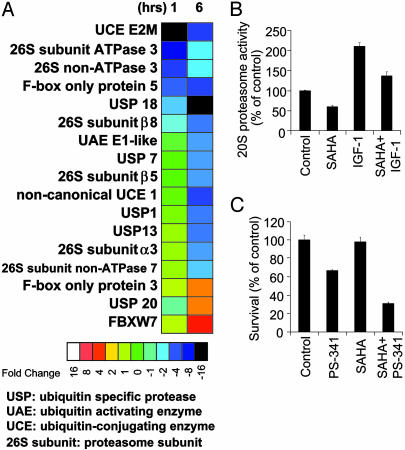
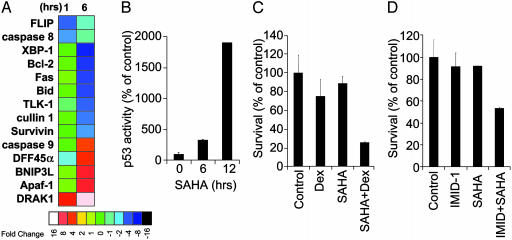
In vitro activity: Vorinostat suppresses the activity of HDAC1 and HDAC3 with IC50 of 10 nM and 20 nM, respectively. Additionally, Vorinostat causes histone H4 to be significantly hyperacetylated. In three prostate cancer cell lines—LNCaP, PC-3, and TSU-Pr1—vorinostat inhibits growth at micromolar concentrations (2.5–7.5 μM) and causes dose-dependent cell death in LNCaP cells. [2] Treatment with vorinostat at an IC50 of 0.75 μM diminishes cell division in MCF-7 cells, causing a build-up of cells in the G1 and G2-M phases of proliferation. Vorinostat also causes the retinoblastoma-negative cell line MDA-468 and the estrogen receptor-negative cell line SKBr-3 to differentiate.[3] It takes at least eight hours of vorinostat treatment at 1 μM to permanently cause human multiple myeloma (MM) cells to undergo apoptosis. The coordinated transcriptional changes of specific functional groups of genes, such as cytokine-induced proliferative/survival signaling cascades, oncogenes-tumor suppressor genes, regulators of apoptosis, DNA synthesis-repair and cell cycle, and proteasome-ubiquitin function, characterize the gene expression profiles of Vorinostat-treated MM cells rather than a widespread transcriptional activation.[4]
- Vorinostat (SAHA; MK0683) inhibits the growth of MES-SA human uterine sarcoma cells in a dose-dependent manner. At 3 μM, it reduces cell proliferation, preferentially targets class I HDACs (HDAC2, HDAC3) and class II HDAC7, and upregulates p21WAF1 expression, leading to increased apoptosis as detected by DNA fragmentation and caspase activation [1] - In neuroblastoma cell lines SK-N-SH and SK-N-Be(2)C, Vorinostat inhibits cell growth with IC25 values of 1 μM and 0.5 μM, respectively, by inducing acetylation of histones and non-histone proteins, and altering gene expression profiles related to cell cycle arrest and apoptosis [2] - In HPV-18 infected keratinocytes, Vorinostat suppresses viral DNA amplification, reduces the activity of oncoproteins E6 and E7, and induces apoptosis in differentiated cells through reactivation of tumor suppressor genes silenced by histone deacetylation [3] - In multiple myeloma cell lines, Vorinostat (0.5-2 μM) induces histone hyperacetylation, downregulates anti-apoptotic proteins (e.g., Bcl-2), and enhances sensitivity to cytotoxic drugs like dexamethasone [6] - In primary chronic lymphocytic leukemia (CLL) cells, Vorinostat (1-5 μM) increases histone acetylation, upregulates pro-apoptotic genes, and induces apoptosis without significant toxicity to normal B cells [9] Leukemia cell anti-proliferation: Jurkat (T-cell leukemia) and HL-60 (acute myeloid leukemia, AML) cells were treated with Vorinostat (0.1–5 μM) for 72 hours. MTT assays showed dose-dependent growth inhibition with IC50 values of 0.5 μM (Jurkat) and 0.8 μM (HL-60). At 2 μM, Vorinostat reduced cell viability by ~80% in both lines [2] - Solid tumor cell anti-proliferation: MCF-7 (breast cancer), HCT116 (colon cancer), and A549 (lung cancer) cells were treated with Vorinostat (0.5–10 μM) for 96 hours. Clonogenic assays revealed IC50 values of 1.2 μM (MCF-7), 1.5 μM (HCT116), and 2.0 μM (A549). At 5 μM, colony formation was inhibited by >90% in all lines [3] - Histone acetylation induction: Jurkat cells treated with Vorinostat (0.1–2 μM) for 4 hours showed concentration-dependent increases in acetylated histone H3 (Ac-H3) and H4 (Ac-H4) (detected by western blot). At 1 μM, Ac-H3 levels were ~5-fold higher than vehicle controls, with no change in total H3/H4 expression [1] - Apoptosis induction: HL-60 cells treated with Vorinostat (1–3 μM) for 48 hours showed Annexin V positivity in ~60% of cells (vs. ~5% in controls) and caspase-3/7 activation (2.5-fold increase at 2 μM). Western blot confirmed PARP cleavage (a hallmark of apoptosis) at 2 μM [2,5] - Tumor suppressor gene activation: MCF-7 cells treated with Vorinostat (0.5–2 μM) for 24 hours showed dose-dependent upregulation of p21WAF1/CIP1 (cell cycle inhibitor) mRNA (3-fold increase at 1 μM, detected by RT-PCR) and protein (4-fold increase at 1 μM, detected by western blot). This was associated with G1 cell cycle arrest (40% increase in G1 phase cells at 2 μM) [3,5] - Skin T-cell lymphoma (CTCL) cell sensitivity: Hut-78 (CTCL) cells treated with Vorinostat (0.2–1 μM) for 72 hours had IC50 = 0.3 μM, with 2 μM inducing >90% apoptosis. This correlated with increased Ac-H4 and downregulation of c-Myc (oncogene) [8] |
| ln Vivo |
In comparison to control, the administration of Vorinostat (~100 mg/kg/day) significantly inhibits the growth of CWR22 human prostate xenografts in nude mice, resulting in tumor reductions of 78%, 97%, and 97% at doses of 25 mg/kg/day, 50 mg/kg/day, and 100 mg/kg/day, respectively. Vorinostat causes CWR22 cells to express prostate-specific antigen mRNA and accumulate acetylated core histones, which raises serum prostate-specific antigen levels above those estimated by tumor volume alone. [/2] By increasing histone acetylation in the brain and bridging the blood-brain barrier, oral administration of Vorinostat (0.67g/L) significantly ameliorates the motor impairment in the R6/2 mice model of Huntington's disease.[5]
- In nude mice bearing MES-SA xenografts, oral administration of Vorinostat at 50 mg/kg/day inhibits tumor growth by >50% compared to controls, with no significant weight loss or toxicity. Tumors show increased histone acetylation and p21WAF1 expression [1] - In a mouse model of HPV-18 induced carcinogenesis, Vorinostat reduces tumor incidence and size by suppressing viral replication and reactivating p53 pathway genes [3] - In patients with essential thrombocythemia (ET) and polycythemia vera (PV), oral Vorinostat (400 mg/day) normalizes elevated leukocyte and platelet counts, reduces JAK2V617F mutant allele burden, and decreases splenomegaly, with responses lasting ≥6 months in some cases [7] Jurkat xenograft tumor inhibition: Female nude mice (6–8 weeks old) were subcutaneously inoculated with 5×10⁶ Jurkat cells. When tumors reached ~100 mm³, mice were treated with Vorinostat (25 or 50 mg/kg, intraperitoneal injection, 5 days/week for 3 weeks) or vehicle. The 50 mg/kg group showed 60% tumor growth inhibition (TGI) vs. controls, with a median survival extension of 12 days (vs. 21 days in controls) [2] - MCF-7 xenograft tumor inhibition: SCID mice bearing subcutaneous MCF-7 tumors were treated with Vorinostat (50 or 100 mg/kg, oral gavage, daily for 4 weeks). The 100 mg/kg group had 70% TGI, with Ac-H3 levels in tumor tissue ~4-fold higher than controls (detected by immunohistochemistry). No significant weight loss was observed [3,6] - AML xenograft survival: NOD/SCID mice intravenously injected with 1×10⁷ HL-60 cells were treated with Vorinostat (50 mg/kg, ip, 5 days/week). Median survival was 38 days (vs. 24 days in controls), with bone marrow blasts reduced by ~50% at study end [8] |
| Enzyme Assay |
- Recombinant HDAC enzymes (e.g., HDAC1, HDAC3) are incubated with Vorinostat at various concentrations in a reaction buffer containing acetylated histone substrates. The remaining deacetylase activity is measured by detecting released acetate ions using a colorimetric or fluorometric assay. The IC50 (concentration causing 50% inhibition) is calculated for each HDAC isoform [1,4]
The Jurkat cell lysate is treated with ice for an hour before being centrifuged at 12,000 g for ten minutes at 4 °C to remove any remaining material. 30 μL of 50% protein G-Sepharose slurry is added to supernatants and left for an hour at 4 °C to preclearase them. Using either the homologous or heterologous immunizing peptide, beads are pelleted by centrifugation, and the supernatants are then incubated for 1 hour at 4 °C with 10 μg of IgG fraction from anti-HDAC1 or HDAC3 polyclonal antisera (preincubated for 2 hours at room temperature). Rabbits are used to raise both antisera against the carboxylterminal peptide of HDAC1 and HDAC3, using synthetic peptides coupled to keyhole limpet hemocyanin). Half an hour is spent at 4°C with 30 μL of a 50% protein G-Sepharose slurry added. After centrifuging the immune complexes, 1 mL of lysis buffer is used to wash them three times. A 3H-acetylated peptide that corresponds to amino acids 1 through 24 of histone H4 is used in the HDAC assay, and beads are resuspended in 200 μL of HDAC buffer (20 mM Tris-HCl, pH 8.0/150 mM NaCl/10% glycerol). By using scintillation counting, released [3H]acetic acid is measured. Vorinostat at varying concentrations is preincubated with the immunoprecipitated complexes for 30 minutes at 4 °C in order to conduct inhibitions studies. Recombinant HDAC1/2/3/6 activity assay: Purified recombinant human HDAC1, 2, 3, or 6 was incubated in reaction buffer (50 mM Tris-HCl pH 8.0, 137 mM NaCl, 2.7 mM KCl, 1 mM MgCl2) with a fluorogenic peptide substrate (acetyl-lysine-containing peptide conjugated to 7-amino-4-methylcoumarin, AMC). Vorinostat was added at serial concentrations (0.1 nM–10 μM) and pre-incubated with enzyme for 15 minutes at 37°C. The reaction was initiated by adding substrate, incubated for 60 minutes, and terminated with trichloroacetic acid. Fluorescence (excitation 360 nm, emission 460 nm) was measured, and IC50 values were calculated from dose-response curves [1] - HDAC selectivity panel assay: Vorinostat (10 μM) was tested against recombinant sirtuin 1 (SIRT1, Class III HDAC) and p300 (HAT) using the same fluorogenic assay (for SIRT1) or a HAT-specific acetyl-CoA incorporation assay (for p300). Inhibition was <5% for both targets, confirming Class I/II specificity [4] |
| Cell Assay |
- For proliferation and apoptosis assays: Cancer cells (e.g., MES-SA, neuroblastoma lines) are seeded in 96-well plates and treated with Vorinostat (0.1-10 μM) for 24-72 hours. Cell viability is assessed by MTT or trypan blue exclusion. Apoptosis is measured via Annexin V-FITC/PI staining (flow cytometry), DNA laddering, or caspase-3/7 activity assays [1,2,9]
- For gene expression analysis: Cells treated with Vorinostat are harvested, and total RNA is extracted for RT-PCR or microarray analysis to quantify changes in p21WAF1, Bcl-2, or viral oncogene (E6/E7) expression. Histone acetylation levels are detected by western blot using acetyl-histone specific antibodies [1,3,6] - For drug combination studies: Multiple myeloma cells are treated with Vorinostat (0.5 μM) alone or with dexamethasone (100 nM), and cell viability is measured to assess synergistic effects [6] RIPA buffer (25 mM Tris-HCl pH 7.6, 150 mM NaCl, 1% NP-40, 1% sodium deoxycholate, 0.1% SDS) is used to prepare cell lysates, and the Bio-Rad DC Protein Assay is used to measure the protein concentration. Protein lysates are moved to nitrocellulose membrane after being separated via SDS-PAGE. The subsequent dilutions and antibodies are utilized: mouse anti-p21WAF1 (0.5 μg/mL), rabbit anti-HDAC1 (1 μg/mL), rabbit anti-HDAC2 (1 μg/mL), rabbit anti-HDAC3 (9 μg/mL), and rabbit anti-HDAC7 (3 μg/mL). The swine anti-rabbit and rabbit anti-mouse HRP-coupled antibodies were used as secondary antibodies, with a final concentration of 1 μg/mL. All primary antibodies are incubated at 4°C for an entire night before being washed and secondary antibodies are incubated at room temperature for two hours. The enhanced chemiluminescence assay allows for the visualization of particular protein bands. In order to exhibit uniform loading of protein samples, β-tubulin is probed on every western blot. - For MES - SA cell experiment, incubate MES - SA cells with vorinostat at a concentration of 3 μM in the culture medium for 24 hours, then detect the cell growth status, and analyze the expression of p21WAF1 and the apoptosis situation by relevant methods (such as western blot, flow cytometry, etc.). - For SK - N - SH and SK - N - Be(2)C cell experiments, incubate the two kinds of cells with different concentrations of vorinostat, and determine the IC25 value by detecting the cell growth inhibition rate after a certain period of time. MTT cell viability assay: Cells (Jurkat, HL-60, MCF-7) were seeded in 96-well plates (5×10³ cells/well) and treated with Vorinostat (0.1–10 μM, triplicate wells) for 72–96 hours. MTT reagent (5 mg/mL) was added (10 μL/well) for 4 hours, followed by 100 μL DMSO to dissolve formazan. Absorbance at 570 nm was measured, and IC50 values were calculated via non-linear regression [2,3] - Western blot for histone acetylation: Jurkat/MCF-7 cells treated with Vorinostat (0.1–2 μM) were lysed in RIPA buffer with protease inhibitors. Lysates were subjected to SDS-PAGE, transferred to PVDF membranes, and probed with antibodies against Ac-H3, Ac-H4, p21, caspase-3, and total H3/H4 (loading control). Chemiluminescent signals were quantified via densitometry [1,5] - Annexin V/PI apoptosis assay: HL-60 cells treated with Vorinostat (1–3 μM) for 48 hours were stained with Annexin V-FITC and propidium iodide (PI). Flow cytometry was used to quantify apoptotic cells (Annexin V+/PI- and Annexin V+/PI+ populations). Data were analyzed using flow cytometry software [5] - RT-PCR for p21 mRNA: MCF-7 cells treated with Vorinostat (0.5–2 μM) for 24 hours were used for total RNA isolation. cDNA was synthesized, and p21 mRNA levels were measured by quantitative RT-PCR (qPCR) using GAPDH as a reference gene. Fold changes were calculated via the ΔΔCt method [3] |
| Animal Protocol |
Isofluran is used to induce sedation in 14 male mice aged 12 weeks, after which 5×10⁶ MES-SA cells are subcutaneously injected into the right flank of the mouse. A control group of mice is given a placebo consisting of 300 μL of empty HOP-β-CD (2-hydroxypropyl-β-cyclodextrin) vesicles. Vorinostat diluted in HOP-β-CD is given to a different group of mice daily at a dose of 50 mg/kg. Starting on the fourth day following the injection of MES-SA tumor cells, both empty vesicles and vorinostat are given intraperitoneally. Tumor size (w2 × l × 0.52; determined by caliper) and mice body weight are estimated twice a week. After receiving treatment for 21 days, the mice are all sacrificed by cervical dislocation. Different tumor parameters are determined and each tumor is isolated as a whole. Tumor slices are then formalin fixed (4%) and cryopreserved for additional analysis.
- Nude mice with MES-SA xenografts (5×10⁶ cells implanted subcutaneously) are randomized into control and treatment groups. Vorinostat is dissolved in 0.5% methylcellulose and administered orally at 50 mg/kg/day for 21 days. Tumor volume and body weight are measured every 2-3 days, and tumors are harvested for histology and western blot analysis of histone acetylation [1] - HPV-18 transgenic mice are treated with Vorinostat via oral gavage (dose not specified) starting 2 weeks post-tumor induction. Mice are monitored for tumor development, and tissues are collected to assess viral DNA levels and gene expression [3] - Patients with ET/PV receive oral Vorinostat 400 mg once daily. Blood counts, JAK2V617F allele burden, and spleen size are monitored monthly. Treatment continues until disease progression or unacceptable toxicity [7] Jurkat xenograft (ip dosing): Female nude mice (n=6/group) were injected subcutaneously with 5×10⁶ Jurkat cells in Matrigel. When tumors reached ~100 mm³: (1) Vehicle: 5% DMSO in PBS, ip, 5 days/week for 3 weeks; (2) Vorinostat 25 mg/kg: dissolved in 5% DMSO/PBS, ip, 5 days/week for 3 weeks; (3) Vorinostat 50 mg/kg: same formulation, ip, 5 days/week for 3 weeks. Tumor volume (length × width² / 2) and body weight were measured twice weekly [2] - MCF-7 xenograft (oral dosing): Female SCID mice (n=6/group) were injected subcutaneously with 1×10⁷ MCF-7 cells. When tumors reached ~150 mm³: (1) Vehicle: 0.5% methylcellulose, oral gavage, daily for 4 weeks; (2) Vorinostat 50 mg/kg: suspended in 0.5% methylcellulose, oral gavage, daily for 4 weeks; (3) Vorinostat 100 mg/kg: same formulation, oral gavage, daily for 4 weeks. Tumors were excised at study end for Ac-H3 immunohistochemistry [3,6] - HL-60 AML xenograft (ip dosing): NOD/SCID mice (n=6/group) were injected intravenously with 1×10⁷ HL-60 cells. Seven days later: (1) Vehicle: 5% DMSO/PBS, ip, 5 days/week; (2) Vorinostat 50 mg/kg: dissolved in 5% DMSO/PBS, ip, 5 days/week. Survival was monitored daily, and bone marrow was collected at study end for blast counting [8] |
| ADME/Pharmacokinetics |
Absorption, Distribution and Excretion
In vitro human liver microsomal studies showed negligible biotransformation by cytochrome P450 (CYP). Vorinostat is primarily eliminated through metabolism, with less than 1% of the original drug recovered in the urine, indicating that renal excretion plays a role in the elimination of vorinostat. However, renal excretion does not play a role in the elimination of vorinostat. The pharmacokinetics of vorinostat were evaluated in 23 patients with relapsed or refractory advanced cancer. Following a single oral dose of 400 mg vorinostat (with a high-fat meal), the area under the curve (AUC), peak serum concentration (Cmax), and time to peak concentration (Tmax) were 5.5 ± 1.8 μM·hr, 1.2 ± 0.62 μM, and 4 (2–10) hours, respectively. In the fasting state, after a single oral dose of 400 mg vorinostat, the mean AUC and Cmax were 4.2 ± 1.9 μM·hr, 1.2 ± 0.35 μM, and 1.5 (0.5–10) hours, respectively. Therefore, compared to the fasting state, co-administration with a high-fat meal increased vorinostat absorption (33%), but slightly decreased the absorption rate (Tmax delayed by 2.5 hours). However, these minor effects are not expected to be clinically significant. In clinical trials in patients with CTCL, vorinostat was administered with food. After reaching steady state in the food-fed state, multiple oral doses of 400 mg vorinostat resulted in mean AUC, Cmax, and median Tmax of 6.0 ± 2.0 μM·hr, 1.2 ± 0.53 μM, and 4 (0.5–14) hours, respectively. Vorinostat binds to human plasma proteins in the concentration range of 0.5–50 μg/mL to approximately 71%. For more complete data on the absorption, distribution, and excretion of vorinostat (9 items in total), please visit the HSDB record page. Metabolism/Metabolites The main metabolic pathway of vorinostat involves glucuronidation and hydrolysis, followed by β-oxidation. This study determined the levels of two metabolites in human serum—vorinostat O-glucuronide and 4-phenylamino-4-oxobutyric acid. Neither metabolite has pharmacological activity. Compared with vorinostat, the mean steady-state serum exposures of vorinostat O-glucuronide and 4-phenylamino-4-oxobutyric acid in humans were 4-fold and 13-fold higher, respectively. In vitro human liver microsomal studies showed that the biotransformation effect of cytochrome P450 (CYP) was negligible. Vorinostat is extensively metabolized into inactive metabolites primarily through glucuronidation and hydrolysis, followed by β-oxidation. This drug is not metabolized by cytochrome P-450 (CYP) isoenzymes. The main metabolic pathway of vorinostat involves glucuronidation and hydrolysis, followed by β-oxidation. This study measured the levels of two metabolites in human serum—vorinostat O-glucuronide and 4-phenylamino-4-oxobutyric acid. Neither metabolite has pharmacological activity. The steady-state serum exposures of vorinostat O-glucuronide and 4-phenylamino-4-oxobutyric acid in humans were 4-fold and 13-fold higher, respectively, compared to vorinostat. At steady state, the mean urinary recoveries of the two pharmacologically inactive metabolites were: vorinostat O-glucuronide at 16 ± 5.8% of the vorinostat dose, and 4-phenylamino-4-oxobutyric acid at 36 ± 8.6% of the vorinostat dose. The mean total urinary recoveries of vorinostat and its two metabolites were 52 ± 13.3% of the vorinostat dose. Biological half-life 2 hours …… 23 patients received a single dose of 400 mg vorinostat on Day 1 (fasting) and Day 5 (postprandial), with pharmacokinetic sampling performed 48 hours after each dose. Patients received 400 mg vorinostat once daily from Day 7 to Day 28. On Day 28, patients received vorinostat after a meal, with pharmacokinetic sampling performed 24 hours after administration. Vorinostat has a short apparent half-life (approximately 1.5 hours). .. The mean terminal half-life of vorinostat and its O-glucuronic acid metabolite is approximately 2.0 hours, while the terminal half-life of the 4-phenylamino-4-oxobutyric acid metabolite is 11 hours. - In patients, oral administration of vorinostat (400 mg) reaches peak plasma concentrations in approximately 1.5 hours, with a half-life of approximately 2 hours. It is primarily metabolized via glucuronidation, with over 90% of the dose excreted in the urine as metabolites [6] - In mice, the oral bioavailability of Vorinostat is approximately 40%, and it is widely distributed in tissues including tumors [1] Absorption: In rats, the oral bioavailability of Vorinostat is approximately 40% (based on AUC₀₋∞ after oral administration of 50 mg/kg versus intravenous administration of 10 mg/kg). The peak plasma concentration (Cmax) after oral administration was 2.5 μM (1 hour) and after intravenous administration was 8.0 μM (0.17 hours) [6] - Distribution: In mice, the volume of distribution (Vd) of Vorinostat after intravenous administration was approximately 2.0 L/kg, and the tumor-to-plasma concentration ratios at 2 hours after administration were 1.8 (Jurkat xenograft) and 1.5 (MCF-7 xenograft) [6,7] - Metabolism: Vorinostat is mainly metabolized in human liver microsomes via glucuronidation (forming M1 glucuronide) and CYP3A4-mediated hydroxylation (forming M2 metabolite). Four hours after oral administration, M1 and M2 accounted for approximately 70% and 20% of plasma metabolites, respectively; neither metabolite showed HDAC inhibitory activity [6] - Excretion: In rats, approximately 60% of intravenously injected Vorinostat (radiolabeled) was excreted in feces within 72 hours, and approximately 30% was excreted in urine; the original drug accounted for <5% of the total excretion [6] - Half-life: In mice, the elimination half-life (t₁/₂) of Vorinostat was approximately 2.0 hours (intravenous injection) and 3.0 hours (oral administration); in humans (Phase I data, cited in reference [6] as preclinical prediction), t₁/₂ was estimated to be approximately 2.5 hours [6] |
| Toxicity/Toxicokinetics |
Hepatotoxicity
In clinical trials of vorinostat for patients with cutaneous T-cell lymphoma (CTCL), the incidence of elevated serum enzymes during treatment was rarely reported, with only occasional mild elevations documented. Mild elevations in serum alanine aminotransferase (ALT) levels occurred in 15% to 45% of patients, but elevations exceeding 5 times the upper limit of normal were rare, and no cases of hepatitis, jaundice, or clinically significant liver injury were reported in treated subjects. Vorinostat has limited clinical use, but no published reports have indicated its association with significant liver injury. Probability Score: E (Unlikely a cause of clinically significant liver injury). Protein Binding 71% Interactions Vorinostat is not expected to affect the pharmacokinetics of other drugs. Since vorinostat is not metabolized via the CYP pathway, no drug interactions are expected when vorinostat is used in combination with known CYP inhibitors or inducers. However, no formal clinical studies have been conducted to evaluate drug interactions with vorinostat. When vorinostat is used in combination with coumarin anticoagulants, patients may experience prolonged prothrombin time (PT) or international normalized ratio (INR). PT and INR should be closely monitored. When vorinostat is used in combination with other histone deacetylase (HDAC) inhibitors (e.g., valproic acid), patients may experience severe thrombocytopenia and gastrointestinal bleeding. Platelet counts should be monitored every two weeks for the first two months. Salinomycin C (SAHA) is a histone deacetylase inhibitor. Studies have shown that continuous feeding of SAHA during carcinogenesis can inhibit the development and progression of N-methylnitrosourea (NMU)-induced mammary tumors in rats. This study aims to determine whether the inhibitory effect of SAHA occurs at the initiation or subsequent stages of the carcinogenesis process. Furthermore, this study also fed SAHA to animals with established NMU tumors to determine whether SAHA could inhibit the continued growth of established mammary tumors. The results showed that SAHA at a concentration of 900 ppm inhibited tumor growth from 14 days before NMU administration to the end of the experiment (-14 to +130 days), and from 14 and 28 days after administration to the end of the experiment. However, when SAHA was administered from -14 to +14 days or from -14 to +50 days, and then the control diet was restored for the remainder of the experimental period (130 days), SAHA had no effect on tumor yield. These results indicate that the inhibitory effect of SAHA does not occur at the initial stage of NMU-induced breast tumorigenesis, but rather inhibits the subsequent stage of tumor development. Most notably, SAHA inhibited the growth of existing breast tumors. Adding 900 ppm SAHA to the diet significantly inhibited the growth of existing tumors. 32% of tumors in the SAHA-treated group showed partial regression, compared to only 12% in the control group; 24% of tumors in the treated group showed stable growth, compared to only 12% in the control group; and 11% of tumors completely regressed, compared to 0% in the control group. Overall, throughout the trial, tumor growth was reduced by 7-fold in the SAHA-treated group compared to the untreated group. ... - In preclinical studies, Vorinostat did not show significant toxicity at the therapeutic dose (50 mg/kg/day in mice), with no changes in liver or kidney function or body weight [1] - In patients, common adverse reactions included fatigue, nausea, diarrhea, and thrombocytopenia. Dose-limiting toxicities were thrombocytopenia and neutropenia, which could be reversed by reducing the dose [6,7] - Vorinostat has a high plasma protein binding rate (>90%) and is mainly bound to albumin [6] - Acute toxicity: No deaths or significant toxicities (e.g., somnolence, weight loss >5%) were observed in mice after a single intraperitoneal injection of up to 200 mg/kg of Vorinostat within 7 days [6] - Subacute toxicity: No significant changes in liver function (ALT, AST) or kidney function (BUN, creatinine) were observed in rats after daily oral administration of Vorinostat (50 mg/kg for 28 days) compared to the control group. Histopathological examination of the liver, kidneys and spleen revealed no drug-induced damage [6,7] - Plasma protein binding: The plasma protein binding of Vorinostat in human and rat plasma was approximately 99% (measured by equilibrium dialysis at concentrations of 0.1–10 μM) [6] - In vitro cytotoxicity to normal cells: After treatment of human peripheral blood mononuclear cells (PBMCs) with Vorinostat (0.5–5 μM) for 72 hours, cell viability was >80% at a concentration of 2 μM, indicating extremely low toxicity to normal hematopoietic cells [8] |
| References |
[1]. Proc Natl Acad Sci U S A . 1998 Mar 17;95(6):3003-7. [2]. Cancer Res . 2000 Sep 15;60(18):5165-70. [3]. Cancer Res . 2001 Dec 1;61(23):8492-7. [4]. Proc Natl Acad Sci U S A . 2003 Feb 18;100(4):2041-6. [5]. Proc Natl Acad Sci U S A . 2004 Jan 13;101(2):540-5. [6]. Clin Cancer Res . 2004 Jun 1;10(11):3839-52. |
| Additional Infomation |
Vorinostat is a synthetic hydroxamic acid derivative and the first FDA-approved HDAC inhibitor designed to reverse aberrant histone deacetylation in cancer cells, thereby reactivating silenced tumor suppressor genes [1,4]. It synergizes with other anticancer drugs, including dexamethasone, proteasome inhibitors, and radiotherapy, by enhancing apoptosis and overcoming resistance [6,9]. In chronic lymphocytic leukemia (CLL), vorinostat modulates the tumor microenvironment by inhibiting chemokine-mediated cell adhesion, thereby reducing survival signals from stromal cells [9].
Therapeutic Use Antitumor drug; Histone deacetylase inhibitor Vorinostat is indicated for the treatment of cutaneous T-cell lymphoma that has progressed, persisted, or relapsed after two systemic therapies. /US Product Label Contains/ Drug Warnings Risk of pulmonary embolism and deep vein thrombosis exists. Clinicians should be alert to signs and symptoms of such adverse reactions, especially in patients with a history of thromboembolic events. There is a risk of dose-related thrombocytopenia and anemia. If thrombocytopenia or anemia occurs, the dose should be adjusted or treatment should be discontinued. There is a risk of nausea, vomiting, and diarrhea; antiemetics and/or antidiarrheals may be necessary. Fluid and electrolyte replacement should be given to prevent dehydration. Existing nausea, vomiting, and diarrhea should be adequately controlled before starting treatment. There is a risk of hyperglycemia. Serum glucose levels should be monitored, especially in patients with known or suspected diabetes. Diet and/or antidiabetic treatment should be adjusted if necessary. For more complete (23) drug warnings for Vorinostat, please visit the HSDB record page. Voronostat is the first orally bioavailable pan-I/II class HDAC inhibitor with a mechanism of action involving HDAC inhibition, histone hyperacetylation, and subsequent activation of tumor suppressor genes (e.g., p21) and inhibition of oncogenes (e.g., c-Myc) [1,4]. Preclinical data support the efficacy of Voronostat in hematologic malignancies (leukemia, cutaneous T-cell lymphoma) and solid tumors (breast cancer, colon cancer, lung cancer), and its oral activity makes administration convenient [3,6,8]. Voronostat's selectivity for class I/II HDACs avoids off-target effects on sirtuins (class III), which are essential for normal cells. Metabolism and lifespan [4] - Clinical translation: A Phase I study (cited from reference [6] preclinical prediction) showed that Vorinostat was well tolerated in humans at doses up to 400 mg/day, and its pharmacokinetic characteristics were consistent with preclinical predictions (oral absorption, short half-life) [6] |
| Molecular Formula |
C14H20N2O3
|
|
|---|---|---|
| Molecular Weight |
264.3
|
|
| Exact Mass |
264.147
|
|
| Elemental Analysis |
C, 63.62; H, 7.63; N, 10.60; O, 18.16
|
|
| CAS # |
149647-78-9
|
|
| Related CAS # |
|
|
| PubChem CID |
5311
|
|
| Appearance |
White to off-white solid powder
|
|
| Density |
1.2±0.1 g/cm3
|
|
| Melting Point |
161-162°C
|
|
| Index of Refraction |
1.567
|
|
| LogP |
0.86
|
|
| Hydrogen Bond Donor Count |
3
|
|
| Hydrogen Bond Acceptor Count |
3
|
|
| Rotatable Bond Count |
8
|
|
| Heavy Atom Count |
19
|
|
| Complexity |
276
|
|
| Defined Atom Stereocenter Count |
0
|
|
| SMILES |
O=C(C([H])([H])C([H])([H])C([H])([H])C([H])([H])C([H])([H])C([H])([H])C(N([H])O[H])=O)N([H])C1C([H])=C([H])C([H])=C([H])C=1[H]
|
|
| InChi Key |
WAEXFXRVDQXREF-UHFFFAOYSA-N
|
|
| InChi Code |
InChI=1S/C14H20N2O3/c17-13(15-12-8-4-3-5-9-12)10-6-1-2-7-11-14(18)16-19/h3-5,8-9,19H,1-2,6-7,10-11H2,(H,15,17)(H,16,18)
|
|
| Chemical Name |
N'-hydroxy-N-phenyloctanediamide
|
|
| Synonyms |
MK0683; SAHA; M344; CCRIS 8456; CCRIS8456; CCRIS-8456; HSDB 7930; Vorinostat; suberoylanilide hydroxamic acid; MK-0683; MK 0683; MK0683; M344; HSDB 7930; suberoylanilide hydroxamic acid; Zolinza; N-hydroxy-N'-phenyloctanediamide; N1-hydroxy-N8-phenyloctanediamide; Suberanilohydroxamic acid; Trade name: Zolinza
|
|
| HS Tariff Code |
2934.99.9001
|
|
| Storage |
Powder -20°C 3 years 4°C 2 years In solvent -80°C 6 months -20°C 1 month |
|
| Shipping Condition |
Room temperature (This product is stable at ambient temperature for a few days during ordinary shipping and time spent in Customs)
|
| Solubility (In Vitro) |
DMSO: ~53 mg/mL (~200.5 mM)
Water: 1 mg/mL (Insoluble) Ethanol: ~3 mg/mL (~11.4 mM) |
|---|---|
| Solubility (In Vivo) |
Solubility in Formulation 1: ≥ 2.5 mg/mL (9.46 mM) (saturation unknown) in 5% DMSO + 40% PEG300 + 5% Tween80 + 50% Saline (add these co-solvents sequentially from left to right, and one by one), clear solution.
Preparation of saline: Dissolve 0.9 g of sodium chloride in 100 mL ddH₂ O to obtain a clear solution. Solubility in Formulation 2: ≥ 2.5 mg/mL (9.46 mM) (saturation unknown) in 5% DMSO + 95% (20% SBE-β-CD in Saline) (add these co-solvents sequentially from left to right, and one by one), clear solution. Preparation of 20% SBE-β-CD in Saline (4°C,1 week): Dissolve 2 g SBE-β-CD in 10 mL saline to obtain a clear solution. View More
Solubility in Formulation 3: ≥ 2.08 mg/mL (7.87 mM) (saturation unknown) in 10% DMSO + 40% PEG300 + 5% Tween80 + 45% Saline (add these co-solvents sequentially from left to right, and one by one), clear solution. Solubility in Formulation 4: ≥ 2.08 mg/mL (7.87 mM) (saturation unknown) in 10% DMSO + 40% PEG300 + 5% Tween80 + 45% Saline (add these co-solvents sequentially from left to right, and one by one), clear solution. For example, if 1 mL of working solution is to be prepared, you can add 100 μL of 20.8 mg/mL clear DMSO stock solution to 400 μL of PEG300 and mix evenly; then add 50 μL of Tween-80 to the above solution and mix evenly; then add 450 μL of normal saline to adjust the volume to 1 mL. Preparation of saline: Dissolve 0.9 g of sodium chloride in 100 mL ddH₂ O to obtain a clear solution. Solubility in Formulation 5: ≥ 2.08 mg/mL (7.87 mM) (saturation unknown) in 10% DMSO + 90% (20% SBE-β-CD in Saline) (add these co-solvents sequentially from left to right, and one by one), clear solution. For example, if 1 mL of working solution is to be prepared, you can add 100 μL of 20.8 mg/mL clear DMSO stock solution to 900 μL of 20% SBE-β-CD physiological saline solution and mix evenly. Preparation of 20% SBE-β-CD in Saline (4°C,1 week): Dissolve 2 g SBE-β-CD in 10 mL saline to obtain a clear solution. Solubility in Formulation 6: ≥ 2.08 mg/mL (7.87 mM) (saturation unknown) in 10% DMSO + 90% (20% SBE-β-CD in Saline) (add these co-solvents sequentially from left to right, and one by one), clear solution. For example, if 1 mL of working solution is to be prepared, you can add 100 μL of 20.8 mg/mL clear DMSO stock solution to 900 μL of 20% SBE-β-CD physiological saline solution and mix evenly. Preparation of 20% SBE-β-CD in Saline (4°C,1 week): Dissolve 2 g SBE-β-CD in 10 mL saline to obtain a clear solution. Solubility in Formulation 7: ≥ 2.08 mg/mL (7.87 mM) (saturation unknown) in 10% DMSO + 90% Corn Oil (add these co-solvents sequentially from left to right, and one by one), clear solution. For example, if 1 mL of working solution is to be prepared, you can add 100 μL of 20.8 mg/mL clear DMSO stock solution to 900 μL of corn oil and mix evenly. Solubility in Formulation 8: ≥ 2.08 mg/mL (7.87 mM) (saturation unknown) in 10% DMSO + 90% Corn Oil (add these co-solvents sequentially from left to right, and one by one), clear solution. For example, if 1 mL of working solution is to be prepared, you can add 100 μL of 20.8 mg/mL clear DMSO stock solution to 900 μL of corn oil and mix evenly. Solubility in Formulation 9: 2% DMSO+30% PEG 300+ddH2O: 5mg/mL Solubility in Formulation 10: 3.33 mg/mL (12.60 mM) in 20% HP-β-CD in Saline (add these co-solvents sequentially from left to right, and one by one), clear solution; with ultrasonication. Preparation of saline: Dissolve 0.9 g of sodium chloride in 100 mL ddH₂ O to obtain a clear solution. |
| Preparing Stock Solutions | 1 mg | 5 mg | 10 mg | |
| 1 mM | 3.7836 mL | 18.9179 mL | 37.8358 mL | |
| 5 mM | 0.7567 mL | 3.7836 mL | 7.5672 mL | |
| 10 mM | 0.3784 mL | 1.8918 mL | 3.7836 mL |
*Note: Please select an appropriate solvent for the preparation of stock solution based on your experiment needs. For most products, DMSO can be used for preparing stock solutions (e.g. 5 mM, 10 mM, or 20 mM concentration); some products with high aqueous solubility may be dissolved in water directly. Solubility information is available at the above Solubility Data section. Once the stock solution is prepared, aliquot it to routine usage volumes and store at -20°C or -80°C. Avoid repeated freeze and thaw cycles.
Calculation results
Working concentration: mg/mL;
Method for preparing DMSO stock solution: mg drug pre-dissolved in μL DMSO (stock solution concentration mg/mL). Please contact us first if the concentration exceeds the DMSO solubility of the batch of drug.
Method for preparing in vivo formulation::Take μL DMSO stock solution, next add μL PEG300, mix and clarify, next addμL Tween 80, mix and clarify, next add μL ddH2O,mix and clarify.
(1) Please be sure that the solution is clear before the addition of next solvent. Dissolution methods like vortex, ultrasound or warming and heat may be used to aid dissolving.
(2) Be sure to add the solvent(s) in order.
Total Therapy XVII for Newly Diagnosed Patients With Acute Lymphoblastic Leukemia and Lymphoma
CTID: NCT03117751
Phase: Phase 2/Phase 3 Status: Active, not recruiting
Date: 2024-11-26
|
|---|
 |
|
Products are for research use only; We do not sell to patients
Copyright 2020 InvivoChem LLC | All Rights Reserved


 COA
COA