| Size | Price | Stock | Qty |
|---|---|---|---|
| 50mg |
|
||
| 100mg |
|
||
| 250mg |
|
||
| 500mg |
|
||
| 1g |
|
||
| Other Sizes |


Purity: ≥98%
| Targets |
14α-sterol demethylase (a cytochrome P450 enzyme involved in ergosterol biosynthesis) [1]
|
|---|---|
| ln Vitro |
Strong action is shown by voriconazole against S. Apiospermum and C. neoformans, with 0.125-0.25 μg/mL and 0.5 μg/mL, respectively, as MICs[1]. The cytochrome P450 (CYP)-dependent enzyme 14-alpha-sterol demethylase is inhibited by voriconazole, which damages cell membranes and stops the growth of fungi [2].
Voriconazole demonstrated broad-spectrum antifungal activity against Aspergillus spp., Candida spp. (including fluconazole-resistant strains), and other pathogenic fungi such as Fusarium and Scedosporium [1] The drug inhibited fungal growth by blocking ergosterol synthesis, leading to cell membrane disruption [1] |
| ln Vivo |
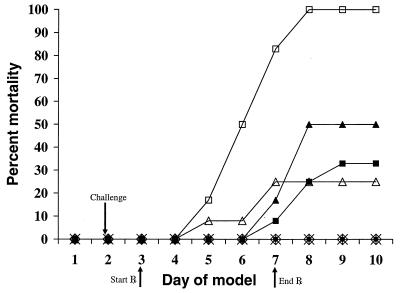
In a dose-dependent manner, voriconazole (5–20 mg/kg; orally for 21 days) extends survival. In the lungs, voriconazole (40 mg/kg/day) reduces the amount of fungal growth [3].
In animal models, Voriconazole effectively treated invasive aspergillosis and candidiasis, reducing fungal burden in target organs [1] Clinical trials in humans showed improved survival rates and resolution of infections in patients with life-threatening fungal diseases [1] |
| Animal Protocol |
Animal/Disease Models: Male specific-pathogen-free BALB/cByJ mice[3]
Doses: 1, 5, 20 mg/kg/day Route of Administration: Po one time/day for 21 days Experimental Results: Improved survival in a dose-response fashion, with median survival times (MSTs) of 21, 28, and 35 days with doses of 1, 5, and 20 mg/kg, respectively. |
| ADME/Pharmacokinetics |
Absorption, Distribution and Excretion
The estimated oral bioavailability in healthy adults is 96%. Population pharmacokinetic studies report reduced bioavailability in pediatric patients, averaging 61.8% (range 44.6%–64.5%), which is attributed to differences in first-pass metabolism or dietary variations. Notably, bioavailability is also reduced in transplant recipients, although it is known to increase over time after transplantation, possibly due to gastrointestinal discomfort caused by surgery and certain transplant medications. The time to peak concentration (Tmax) after oral administration is 1–2 hours. When taken with a high-fat meal, Cmax decreases by 34%, and AUC decreases by 24%. pH has no effect on voriconazole absorption. Differences exist in Cmax and AUC between healthy adult men and women, with Cmax increasing by 83% and 113%, respectively, but this difference has not been observed to significantly affect drug safety. Voriconazole is primarily eliminated via hepatic metabolism, with less than 2% excreted unchanged in the urine. The estimated volume of distribution (VOD) of voriconazole is 4.6 L/kg. Population pharmacokinetic studies estimated the median VOD of voriconazole to be 77.6 L, with a central compartment volume estimated at 1.07 L/kg. Voriconazole is known to reach therapeutic concentrations in a variety of tissues, including the brain, lungs, liver, spleen, kidneys, and heart. In healthy adults, the clearance of voriconazole is estimated to be 5.25–7 L/h (linear pharmacokinetic portion). Metabolism/MetabolitesVoriconazole is extensively metabolized in the liver primarily by cytochrome P450 enzymes CYP2C9, CYP2C19, and CYP3A4. CYP2C19 mediates N-oxidation, with an apparent Km of 14 μM and an apparent Vmax of 0.22 nmol/min/nmol CYP2C19. Voriconazole N-oxide is the major circulating metabolite, accounting for 72% of radiolabeled metabolites. CYP3A4 participates in N-oxidation, with a Km value of 16 μM and a Vmax value of 0.05 nmol/min/nmol CYP3A4; at the same time, CYP3A4 also participates in 4-hydroxylation, with a Km value of 11 μM and a Vmax value of 0.10 nmol/min/nmol CYP3A4. CYP3A5 and CYP3A7 contribute little to N-oxidation and 4-hydroxylation. After glucuronidation, N-oxide and 4-hydroxylation metabolites are excreted in urine along with other small amounts of glucuronidated metabolites. The known metabolites of voriconazole include voriconazole N-oxide and hydroxymethylvoriconazole. Biological half-life The pharmacokinetics of voriconazole are non-linear, and its elimination terminal half-life is dose-dependent. The pharmacokinetics of voriconazole are non-linear and vary significantly between individuals[1]. It is primarily metabolized by hepatic cytochrome P450 enzymes (CYP2C19, CYP2C9 and CYP3A4), and the metabolites are excreted in urine and feces [1]. The oral bioavailability is approximately 90%, and the drug can reach high concentrations in tissues including the central nervous system [1]. |
| Toxicity/Toxicokinetics |
Hepatotoxicity
In patients taking voriconazole, 11% to 19% experience transient increases in serum transaminase levels. These increases are usually asymptomatic and resolve spontaneously, but approximately 1% of patients require discontinuation of voriconazole due to elevated ALT. Clinically significant hepatotoxicity is uncommon but may be more frequent than with fluconazole and itraconazole. Liver injury typically occurs within the first month of treatment, with serum enzyme elevations ranging from cholestatic to hepatocellular. Several cases of acute liver failure due to voriconazole have been reported. Immune allergic reactions and autoantibodies are uncommon. Recovery typically takes 6 to 10 weeks after discontinuation, but in some cases, full recovery may be prolonged. Probability Score: B (May cause clinically significant liver injury). Pregnancy and Lactation Effects ◉ Overview of Use During Lactation There is currently no information regarding the use of voriconazole during lactation. If a mother requires voriconazole, breastfeeding should not be discontinued. Until more data are available, especially during the breastfeeding of newborns or premature infants, alternative medications may be preferred. ◉ Effects on breastfed infants No relevant published information was found as of the revision date. ◉ Effects on lactation and breast milk No relevant published information was found as of the revision date. Protein binding Voriconazole binds to plasma proteins at a rate of 58%. Common adverse reactions include visual disturbances, hepatotoxicity (elevated liver enzymes), and rash [1] Long-term use may cause photosensitivity, and in rare cases, Stevens-Johnson syndrome [1] Drug interactions exist with other CYP450 substrates, therefore dose adjustments are necessary [1] |
| References | |
| Additional Infomation |
Pharmacodynamics
Voriconazole is a bacteriostatic triazole antifungal that treats infections by inhibiting fungal growth. It is known to cause hepatotoxicity and photosensitivity in some patients. Voriconazole is a second-generation triazole antifungal approved for the treatment of invasive aspergillosis and other refractory fungal infections[1]. Its mechanism of action involves the inhibition of 14α-sterol demethylase, a key enzyme in fungal cell membrane synthesis[1]. The efficacy and safety of this drug support its use as a first-line treatment for immunocompromised patients[1]. |
| Molecular Formula |
C16H14F3N5O
|
|---|---|
| Molecular Weight |
349.31
|
| Exact Mass |
349.115
|
| CAS # |
137234-62-9
|
| Related CAS # |
Voriconazole-d3;1217661-14-7;Voriconazole camphorsulfonate;137234-71-0
|
| PubChem CID |
71616
|
| Appearance |
White to off-white solid powder
|
| Density |
1.4±0.1 g/cm3
|
| Boiling Point |
508.6±60.0 °C at 760 mmHg
|
| Melting Point |
127-130°C
|
| Flash Point |
261.4±32.9 °C
|
| Vapour Pressure |
0.0±1.4 mmHg at 25°C
|
| Index of Refraction |
1.617
|
| LogP |
0.93
|
| Hydrogen Bond Donor Count |
1
|
| Hydrogen Bond Acceptor Count |
8
|
| Rotatable Bond Count |
5
|
| Heavy Atom Count |
25
|
| Complexity |
448
|
| Defined Atom Stereocenter Count |
2
|
| SMILES |
C[C@@H](C1=NC=NC=C1F)[C@](CN2C=NC=N2)(C3=C(C=C(C=C3)F)F)O
|
| InChi Key |
BCEHBSKCWLPMDN-MGPLVRAMSA-N
|
| InChi Code |
InChI=1S/C16H14F3N5O/c1-10(15-14(19)5-20-7-22-15)16(25,6-24-9-21-8-23-24)12-3-2-11(17)4-13(12)18/h2-5,7-10,25H,6H2,1H3/t10-,16+/m0/s1
|
| Chemical Name |
(2R,3S)-2-(2,4-Difluorophenyl)-3-(5-fluoropyrimidin-4-yl)-1-(1H-1,2,4-triazol-1-yl)butan-2-ol
|
| Synonyms |
UK-109496; UK 109496; Voriconazole; UK109496; UK109,496; UK-109,496; UK 109,496; Vfend
|
| HS Tariff Code |
2934.99.9001
|
| Storage |
Powder -20°C 3 years 4°C 2 years In solvent -80°C 6 months -20°C 1 month |
| Shipping Condition |
Room temperature (This product is stable at ambient temperature for a few days during ordinary shipping and time spent in Customs)
|
| Solubility (In Vitro) |
DMSO: 70 mg/mL (200.4 mM)
Water: 1 mg/mL (Insoluble) Ethanol: 20 mg/mL (57.3 mM) |
|---|---|
| Solubility (In Vivo) |
Solubility in Formulation 1: ≥ 2.5 mg/mL (7.16 mM) (saturation unknown) in 10% DMSO + 40% PEG300 + 5% Tween80 + 45% Saline (add these co-solvents sequentially from left to right, and one by one), clear solution.
For example, if 1 mL of working solution is to be prepared, you can add 100 μL of 25.0 mg/mL clear DMSO stock solution to 400 μL PEG300 and mix evenly; then add 50 μL Tween-80 to the above solution and mix evenly; then add 450 μL normal saline to adjust the volume to 1 mL. Preparation of saline: Dissolve 0.9 g of sodium chloride in 100 mL ddH₂ O to obtain a clear solution. Solubility in Formulation 2: ≥ 2.5 mg/mL (7.16 mM) (saturation unknown) in 10% DMSO + 90% (20% SBE-β-CD in Saline) (add these co-solvents sequentially from left to right, and one by one), clear solution. For example, if 1 mL of working solution is to be prepared, you can add 100 μL of 25.0 mg/mL clear DMSO stock solution to 900 μL of 20% SBE-β-CD physiological saline solution and mix evenly. Preparation of 20% SBE-β-CD in Saline (4°C,1 week): Dissolve 2 g SBE-β-CD in 10 mL saline to obtain a clear solution. View More
Solubility in Formulation 3: ≥ 2.5 mg/mL (7.16 mM) (saturation unknown) in 10% DMSO + 90% Corn Oil (add these co-solvents sequentially from left to right, and one by one), clear solution. Solubility in Formulation 4: 30% PEG400+0.5% Tween80+5% propylene glycol: 10mg/mL |
| Preparing Stock Solutions | 1 mg | 5 mg | 10 mg | |
| 1 mM | 2.8628 mL | 14.3139 mL | 28.6279 mL | |
| 5 mM | 0.5726 mL | 2.8628 mL | 5.7256 mL | |
| 10 mM | 0.2863 mL | 1.4314 mL | 2.8628 mL |
*Note: Please select an appropriate solvent for the preparation of stock solution based on your experiment needs. For most products, DMSO can be used for preparing stock solutions (e.g. 5 mM, 10 mM, or 20 mM concentration); some products with high aqueous solubility may be dissolved in water directly. Solubility information is available at the above Solubility Data section. Once the stock solution is prepared, aliquot it to routine usage volumes and store at -20°C or -80°C. Avoid repeated freeze and thaw cycles.
Calculation results
Working concentration: mg/mL;
Method for preparing DMSO stock solution: mg drug pre-dissolved in μL DMSO (stock solution concentration mg/mL). Please contact us first if the concentration exceeds the DMSO solubility of the batch of drug.
Method for preparing in vivo formulation::Take μL DMSO stock solution, next add μL PEG300, mix and clarify, next addμL Tween 80, mix and clarify, next add μL ddH2O,mix and clarify.
(1) Please be sure that the solution is clear before the addition of next solvent. Dissolution methods like vortex, ultrasound or warming and heat may be used to aid dissolving.
(2) Be sure to add the solvent(s) in order.
| NCT Number | Recruitment | interventions | Conditions | Sponsor/Collaborators | Start Date | Phases |
| NCT05380245 | Completed | Drug: Voriconazole 200 mg x 2 Tablets Drug: Clarithromycin 500 mg x 1Tablets |
Healthy | Abdul Wali Khan University Mardan | November 1, 2018 | Phase 4 |
| NCT01887457 | Suspended | Drug: VFEND | Aspergillosis Fusarium |
Brynn Chappell | September 2014 | Phase 2 |
| NCT02110316 | Withdrawn | Other: Dosage form of voriconazole | Voriconazole Bioavailability |
University Medical Center Groningen | June 2015 | Phase 4 |
| NCT01151085 | Completed Has Results | Drug: Voriconazole | Systemic Mycosis | Pfizer | April 2006 |
|
|---|
Products are for research use only; We do not sell to patients
Copyright 2020 InvivoChem LLC | All Rights Reserved


 COA
COA