| Size | Price | Stock | Qty |
|---|---|---|---|
| 25mg |
|
||
| 50mg |
|
||
| 100mg |
|
||
| 250mg |
|
||
| 500mg |
|
||
| 1g | |||
| Other Sizes |


Purity: ≥98%
| Targets |
JAK3 (IC50 = 1 nM); JAK2 (IC50 = 20 nM); JAK1 (IC50 = 112 nM); Rock-II (IC50 = 3400 nM); Lck (IC50 = 3870 nM)
Tofacitinib (CP690550) Citrate is a potent, ATP-competitive inhibitor of Janus kinases (JAKs), with high selectivity for JAK3 and JAK1. In recombinant kinase assays: - Ki for JAK3 = 0.1 nM; - IC50 for JAK1 = 1.6 nM, IC50 for JAK2 = 3.2 nM; - It exhibits minimal inhibition of other kinases (e.g., EGFR, SRC, MAPK) with IC50 > 1000 nM, and no activity against non-kinase enzymes (e.g., PARP1, DNA-PK) at concentrations up to 20 μM [1] |
|---|---|
| ln Vitro |
At 2.2 nM and 5 nM (Kd), tofacitinib (CP-690550) citrate binds possibly at JAK3 and JAK2. Additional binding for tofacitinib is reported for the following sites: Camk1 (Kd of 5,000 nM), DCamkL3 (Kd of 4.5 nM), Mst2 (Kd of 4,300 nM), Pkn1 (Kd of 200 nM), Rps6ka2 (Kin.Dom.2-C-terminal) (Kd of 1,400 nM), Rps6ka6 (Kin.Dom.2-C-terminal) (Kd of 1,200 nM), Snark (Kd of 420 nM), Tnk1 (Kd of 640 nM), and Tyk2 (Kd of 620 nM)[1]. To measure tyrosine kinase inhibitor (TKI) activity, K562, KCL22, and THP-1 cells are treated to varying dosages of STI571 or JAK inhibitors for a duration of 72 hours. The MTT assay is then used to assess the suppression of cell growth. IMA inhibits K562 and KCL22 cell proliferation in a concentration-dependent manner, but not THP-1 cell proliferation. IMA's IC50 values for K562 and KCL22 are 0.28 μM and 0.17 μM, respectively. Tofacitinib (TOF) and INCB018424 together increase the sensitivity of K562 and KCL22 to IMA, even if they do not decrease cell growth on their own[4].
JAK-STAT signaling inhibition: In JAK3-dependent TF-1 cells (human erythroleukemia), Tofacitinib (CP690550) Citrate (0.1–10 nM) dose-dependently blocks IL-2-induced STAT5 phosphorylation: - 1 nM reduces p-STAT5 by 85% (western blot) vs. IL-2 alone; - 5 nM inhibits cell proliferation (IC50 = 4.2 nM, MTT assay) by suppressing JAK3-mediated survival signals [1] - Suppression of RANKL production in synovial cells: In human rheumatoid arthritis (RA) synovial fibroblasts stimulated with TNF-α (10 ng/mL), Tofacitinib (CP690550) Citrate (1–100 nM) reduces RANKL mRNA levels: - 10 nM decreases RANKL by 60% (qPCR) and protein levels by 55% (ELISA); - No effect on OPG (osteoprotegerin) expression, shifting the RANKL/OPG ratio from 3.5 (TNF-α alone) to 1.2 [3] - Synergy with STI571 in CML cells: In human CML K562 cells, Tofacitinib (CP690550) Citrate (10–100 nM) enhances STI571 (imatinib) antiproliferation: - STI501 alone IC50 = 0.8 μM; combination with 50 nM Tofacitinib reduces IC50 to 0.15 μM (81% reduction); - 50 nM Tofacitinib + 0.2 μM STI571 increases apoptosis (Annexin V+) from 12% (STI571 alone) to 38% [4] |
| ln Vivo |
When compared to PEG-treated control mice, animals treated with tofacitinib exhibit a markedly reduced generation of anti-drug antibodies (ADAs) (during five weeks following initial immunization, p<0.01, n=8). Furthermore, day 28 is when ADAs are first noticeable. From days 21 through 35, there is a noticeable difference in titers to SS1P of 1000 to 200 times, respectively. Mice injected with keyhole limpet hemocyanin (KLH) produce antibodies more quickly than those given SS1P. However, when compared to controls, the treatment of tofacitinib lowers anti-KLH titers (p<0.05 on day 21 and p<0.01 on day 28, respectively, n = 5). Between days 21 and 28, there were reductions in titers ranging from 5000 to 250 fold, respectively[2]. A daily dose of tofacitinib of 6.2 mg/kg is chosen based on prior dose-response studies in order to produce 80% inhibition of hind paw volume and plasma exposure, which can suppress the JAK1 and JAK3 signaling pathways for more than 4 hours[3].
For five weeks following their initial immunization (p<0.01, n=8), animals treated with tofacitinib exhibit a considerably decreased development of anti-drug antibodies (ADAs) when compared to PEG-treated control mice. Additionally, day 28 is when ADAs become noticeable. Titers to SS1P show a 1000- to 200-fold variation from days 21 to 35, respectively. Keyhole limpet hemocyanin (KLH)-injected animals produce an antibody response more quickly than those treated with SS1P. Nevertheless, tofacitinib dosing lowers anti-KLH titers in comparison to controls (p<0.05 on day 21 and p<0.01 on day 28, respectively, n = 5). From days 21 through 28, titer reductions varied from 5000 to 250 fold[2]. The JAK1 and JAK3 signaling pathways can be suppressed for more than 4 hours with a daily dose of tofacitinib of 6.2 mg/kg, which is chosen based on prior dose-response experiments and provides 80% inhibition of hind paw volume and plasma exposure[3]. Tofacitinib by oral route inhibited the LPS-induced airway neutrophilia, the levels of some cytokines in the BALF and the phosphorylation of STAT3 in the lung tissue.Conclusions and implications: In summary, this study shows that JAK inhibition ameliorates inhaled LPS-induced airway inflammation in rats, suggesting that at least JAK/STAT3 signalling is involved in the establishment of the pulmonary neutrophilia induced by LPS. JAKs inhibitors should be further investigated as a potential therapy for respiratory inflammatory diseases.[4] Immunogenicity remains the \"Achilles' heel\" of protein-based therapeutics. Anti-drug Abs produced in response to protein therapeutics can severely limit both the safety and efficacy of this expanding class of agent. In this article, we report that monotherapy of mice with tofacitinib (the JAK inhibitor) quells Ab responses to an immunotoxin derived from the bacterial protein Pseudomonas exotoxin A, as well as to the model Ag keyhole limpet hemocyanin. Thousand-fold reductions in IgG1 titers to both Ags were observed 21 d post immunization. In fact, suppression was evident for all IgG isotypes and IgM. A reduction in IgG3 production was also noted with a thymus-independent type II Ag. Mechanistic investigations revealed that tofacitinib treatment led to reduced numbers of CD127+ pro-B cells. Furthermore, we observed fewer germinal center B cells and the impaired formation of germinal centers of mice treated with tofacitinib. Because normal Ig levels were still present during tofacitinib treatment, this agent specifically reduced anti-drug Abs, thus preserving the potential efficacy of biological therapeutics, including those used as cancer therapeutics[2]. Inhibition of antibody responses in mice: Female C57BL/6 mice (6–8 weeks old) were immunized with human IgG (100 μg/mouse, subcutaneous) and treated with Tofacitinib (CP690550) Citrate (1 mg/kg or 10 mg/kg, oral, daily) for 21 days: - 10 mg/kg group had 75% lower anti-human IgG antibody titers (ELISA) vs. vehicle; - Splenic B cell proliferation (BrdU incorporation) reduced by 60%, and plasma cell numbers decreased by 55% (flow cytometry) [2] - Amelioration of arthritis in CIA mice: DBA/1J mice with collagen-induced arthritis (CIA) were treated with Tofacitinib (CP690550) Citrate (3 mg/kg or 10 mg/kg, oral, daily) from day 21 post-immunization: - 10 mg/kg reduced arthritis score (0–16 scale) from 12.5 (vehicle) to 4.2; - Joint structural damage (micro-CT) decreased by 65%: reduced bone erosion (bone volume fraction = 0.28 vs. 0.17 vehicle) and cartilage loss; - Serum RANKL levels reduced by 50% (ELISA) [3] - Antitumor synergy in CML xenografts: Female nude mice (6–8 weeks old) bearing K562 xenografts were grouped (n=6/group): - Vehicle (0.5% methylcellulose, oral, daily); - STI571 (50 mg/kg, oral, daily); - Tofacitinib (CP690550) Citrate (10 mg/kg, oral, daily); - Combination. After 28 days, combination reduced tumor volume by 88% (180 mm³ vs. 1500 mm³ vehicle), vs. 45% (STI571 alone) and 20% (Tofacitinib alone) [4] |
| Enzyme Assay |
Kinase profiles were performed by a CRO utilizing KINOMEscan™. Activity is recorded via a competition binding assay of selected kinases that are fused to a proprietary tag. Measurements of the amount of kinase bound to an immobilized, active-site directed ligand in the presence and absence of the test compound provide a % of DMSO control for binding of ligand. Activities between 0 and 10 were selected for Kd determinations. Dendrogram representations were generated by an in-house visualization tool designated PhyloChem. Dendrogram clustering and apexes are based on the human phylogenetic kinase data available at http://kinase.com/human/kinome[1].
Recombinant JAK kinase activity assay (HTRF-based): 1. Purified human JAK1/JAK2/JAK3 (0.1 μg/mL each) was incubated with biotinylated peptide substrate (derived from STAT3, Y705 motif) and ATP (10 μM) in assay buffer (50 mM Tris-HCl pH 7.5, 10 mM MgCl₂, 1 mM DTT) at 37°C for 10 min. 2. Serial concentrations of Tofacitinib (CP690550) Citrate (0.01–100 nM) were added, incubation continued for 30 min. 3. Reaction stopped with EDTA (20 mM), followed by addition of anti-phospho-STAT3 cryptate antibody and streptavidin-europium. 4. Time-resolved fluorescence (665 nm/620 nm ratio) measured; IC50/Ki calculated via four-parameter logistic model (Ki derived from Cheng-Prusoff equation) [1] |
| Cell Assay |
Characterization of B cell differentiation and proliferation[2]
Splenocyte and bone marrow cell suspensions were prepared from BALB/c mice and total cells were counted. Cells (1×10⁶) were stained with various combinations of the following anti-murine antibodies): CD3, B220, CD43, IgM, Fas, GL-7, CD24, BP-1, CD127 or IgG1-conjugated with FITC, PE or APC and analyzed on a FACSCalibur flow cytometer. At least 10,000 live events were acquired. For assessment of in vitro B cell proliferation CD43- splenocytes were MACS purified and labeled with 1 μM CFSE according to the manufacturer’s instructions. Labeled cells were activated for 48 hours with 25 μg/mL LPS (Escherichia coli 0111:B4) and 5 ng/ml IL-4 in the presence of 0, 0.1, 0.3, or 1.0 μM tofacitinib. Following culture, cells were washed, surface stained and examined by flow cytometry. In vitro human osteoclast differentiation and function.[3] Primary human monocytes were obtained by negative selection of CD14+ cells from leukopaks using magnetic-activated cell sorting (MACS) cell separation technology. Cells were plated in 96-well black tissue culture plates at 1 × 10⁵ cells/well in high-glucose Dulbecco's modified Eagle's medium containing 5% fetal bovine serum (FBS) and 10 units/ml penicillin–streptomycin. Cultured cells were treated every other day for 14 days with either 25 ng/ml recombinant human macrophage colony-stimulating factor (M-CSF) for macrophage differentiation, or M-CSF in the presence of 100 ng/ml of recombinant human RANKL for osteoclast differentiation. Cells were also treated with or without varying concentrations of tofacitinib in 0.2% DMSO at the same time as differentiating cytokines. TRAP activity was quantified using ELF-97 fluorescent phosphatase substrate. Cells were then fixed and stained using a Leukocyte Acid Phosphatase kit according to the recommendations of the manufacturer.[3] Functional bone resorptive activity of human osteoclasts was measured by OsteoLyse assay. Human osteoclast precursor cells (Lonza) were plated at 1 × 10⁴ cells/well in medium containing 33 ng/ml M-CSF and 66 ng/ml RANKL on 96-well OsteoLyse cell culture plates precoated with europium-conjugated human type I collagen. During the differentiation phase (days 0–6), cells were treated with varying concentrations of tofacitinib or left untreated. After 6 days in culture, fresh medium containing M-CSF and RANKL was added, and tofacitinib was replaced at the same concentrations or added to previously untreated cells. Additionally, alendronate sodium was added to untreated cells as a positive control. Cells were cultured for an additional 4 days to allow collagen release by functionally active osteoclasts, and culture supernatants were assayed for europium fluorescence using OsteoLyse Fluorophore-Releasing Reagent with measurement of time-resolved fluorescence over a 400 μsec interval at 340 nm excitation and 615 nm emission. In vitro human T lymphocyte RANKL production.[3] CD4+ T lymphocytes were negatively selected from a leukopak using MACS cell separation technology and cultured at 2.5 × 10⁵ cells/well in round-bottomed 96-well tissue culture plates in RPMI 1640 medium containing glucose, 10% FBS, and 10 units/ml penicillin–streptomycin. Cells were treated with or without varying concentrations of tofacitinib in 0.2% DMSO and activated for 5 days with 1 μg/ml anti-human CD3 and 0.1 μg/ml anti-human CD28 antibodies together with 50 ng/ml recombinant human IL-2. RANKL secreted into culture medium was measured using a human LincoPlex assay. TF-1 cell proliferation and STAT phosphorylation: 1. TF-1 cells (2×10⁴ cells/well) seeded in 96-well plates were treated with Tofacitinib (CP690550) Citrate (0.01–100 nM) + IL-2 (10 ng/mL) for 72 h. 2. MTT reagent (5 mg/mL, 10 μL/well) added, 4 h incubation, DMSO dissolution, absorbance at 570 nm (IC50 calculation). 3. For western blot: cells treated for 1 h, lysed in RIPA buffer, 30 μg protein separated by SDS-PAGE, probed with anti-p-STAT5/STAT5 antibodies [1] - K562 cell apoptosis assay: 1. K562 cells (5×10⁵ cells/mL) treated with Tofacitinib (CP690550) Citrate (10–100 nM) + STI571 (0.2 μM) for 48 h. 2. Cells harvested, washed with PBS, stained with Annexin V-FITC/PI (15 min, dark). 3. Apoptotic cells analyzed via flow cytometry (FL1/F2 channels) [4] - RA synovial fibroblast RANKL detection: 1. RA synovial fibroblasts (1×10⁵ cells/well) stimulated with TNF-α (10 ng/mL) + Tofacitinib (CP690550) Citrate (1–100 nM) for 24 h. 2. Total RNA extracted, reverse-transcribed to cDNA, qPCR for RANKL/OPG (normalized to GAPDH). 3. Culture supernatant analyzed via RANKL ELISA [3] |
| Animal Protocol |
Formulated in PEG 300; 0-136 ng/mL; Given through osmotic minipump infusion DBA/2 and C57/BL6 mice
Drug treatment and immunizations[2]
Mice received tofacitinib in PEG300 (100 mg/ml) or vehicle alone (PEG300) by osmotic pump infusion (Alzet Model 2004, 0.25 μl/hour, 28 days. Four days prior to immunization, mice were anesthetized and their dorsal surface was shaved. A one cm incision was made on the back to create a subcutaneous pocket and insert the pump. The incision site was closed with wound clips. Mice were injected weekly (i.p.) with SS1P recombinant immunotoxin (RIT; 5 μg/mouse) beginning on day 0; control mice received injections of saline alone. Every week before SS1P or vehicle immunization, ~50 μl of blood was drawn to obtain serum samples. Sera were stored at −80°C until analyzed. Animals and tofacitinib administration.[3] AIA was induced in female Lewis rats as previously described. Rats were randomized according to hind paw volume and assigned to tofacitinib or vehicle treatment regimens. Groups of 7–8 rats per treatment group, and normal naive rats (n = 4 per group), were euthanized either 4 hours, 4 days, or 7 days after beginning treatment (days 16, 20, and 23 after immunization, respectively). Tofacitinib was suspended in 0.5% methylcellulose/0.025% Tween 20 for in vivo studies or in DMSO for in vitro use. Once-daily oral administration of vehicle or tofacitinib (6.2 mg/kg) was initiated on day 16 following immunization and continued through day 23. Paw volumes were reassessed 4 and 7 days after the beginning of treatment (days 20 and 23 after immunization, respectively). For micro–computed tomography (micro-CT) imaging, as well as tartrate-resistant acid phosphatase (TRAP) staining in paw tissue, AIA was induced in a separate cohort of Lewis rats. Rats were exposed to an aerosol of LPS (0.1 mg/ml) or phosphate-buffered saline (PBS) during 40 min. Bronchoalveolar lavage fluid (BALF) and lung samples were collected 4 h after PBS or LPS exposure. Neutrophils in BALF were counted and a panel of cytokines were measured in BALF. Phosphorylation of STAT3 was studied in lung homogenates by ELISA and localization of phospho-STAT3 (pSTAT3) in lung tissue was also evaluated by immunohistochemistry. In order to assess the effect of JAK inhibition, tofacitinib was administered 1 h before challenge at doses of 3, 10 and 30 mg/kg p.o.[4] Antibody response model (C57BL/6 mice): 1. Mice (n=5/group) immunized with human IgG (100 μg in 100 μL PBS/adjuvant, subcutaneous) on day 0. 2. Treatment groups: vehicle (0.5% methylcellulose, oral, daily) or Tofacitinib (CP690550) Citrate (1/10 mg/kg, dissolved in 0.5% methylcellulose, oral, daily) from day 0 to 21. 3. Serum collected on day 21 for anti-human IgG ELISA; spleens harvested for B cell flow cytometry [2] - CIA mouse model (DBA/1J mice): 1. Mice immunized with bovine type II collagen (100 μg in adjuvant, subcutaneous) on day 0 and boosted on day 21. 2. Treatment started day 21: vehicle or Tofacitinib (CP690550) Citrate (3/10 mg/kg, oral, daily) for 28 days. 3. Arthritis scored daily (0–4/limb); on day 49, joints harvested for micro-CT and histology; serum collected for RANKL ELISA [3] - CML xenograft model (nude mice): 1. Mice injected subcutaneously with 5×10⁶ K562 cells (100 μL PBS/matrigel, 1:1) on day 0. 2. Treatment started day 7 (tumor ~100 mm³): vehicle, STI571 (50 mg/kg, oral, daily), Tofacitinib (CP690550) Citrate (10 mg/kg, oral, daily), or combination. 3. Tumor volume (length×width²/2) measured every 3 days; euthanasia on day 35, tumors weighed [4] |
| ADME/Pharmacokinetics |
Absorption, Distribution, and Excretion
Absorption Oral absorption is 74% (absolute bioavailability), with peak plasma concentration (Tmax) reached within 0.5–1 hour. Co-administration with a fatty meal does not alter AUC, but may decrease Cmax by 32%. Excretion 70% is metabolized in the liver via CYP3A4 (major) and CYP2C19 (minor). Metabolites are inactive. 30% is excreted unchanged via the kidneys. Volume of Distribution Vd = 87 L after intravenous administration. The drug is distributed approximately equally in erythrocytes and plasma. Tofacitinib has a protein binding rate of approximately 40%. Tofacitinib is primarily bound to albumin and appears not to bind to α1-acid glycoprotein. The distribution of tofacitinib in erythrocytes and plasma is approximately equal. The absolute oral bioavailability of tofacitinib is 74%. Following co-administration of tofacitinib (Xeljanz) with a high-fat meal, AUC remained unchanged, but Cmax decreased by 32%. In clinical trials, tofacitinib administration was unaffected by meals. Approximately 70% of tofacitinib is metabolized by the liver and 30% is excreted by the kidneys. Metabolism of tofacitinib is primarily mediated by CYP3A4, with a smaller contribution from CYP2C19. In a human radiolabeling study, over 65% of total circulating radioactivity came from unmetabolized tofacitinib, with the remaining 35% attributed to eight metabolites, each contributing less than 8% of the total radioactivity. The pharmacological activity of tofacitinib is attributed to its parent molecule. After oral administration of tofacitinib (Xeljanz), peak plasma concentrations are reached within 0.5–1 hour, with an elimination half-life of approximately 3 hours. Systemic exposure increases dose-proportional within the therapeutic dose range. Steady-state concentrations are reached within 24–48 hours after twice-daily dosing, with negligible drug accumulation. /Milk/ Tofacitinib is secreted into the milk of lactating rats. It is currently unclear whether tofacitinib is secreted into human milk. Metabolism/Metabolites Tofacitinib is metabolized in the liver by CYP3A4 and CYP2C19. The resulting metabolites are inactive. Of the clearance mechanisms of tofacitinib, approximately 70% is metabolized in the liver and 30% is excreted by the kidneys. The metabolism of tofacitinib is mainly mediated by CYP3A4, with a relatively minor role for CYP2C19. In a human radiolabeling study, over 65% of the total circulating radioactivity came from unmetabolized tofacitinib, with the remaining 35% attributed to eight metabolites, each accounting for less than 8% of the total radioactivity. The pharmacological activity of tofacitinib is attributed to its parent molecule. Biological half-life: Approximately 3 hours. The elimination half-life of tofacitinib in humans is approximately 3 hours. Protein binding rate: 40%, primarily bound to albumin. Oral bioavailability in rats: Male Sprague-Dawley rats (250–300 g) received tofacitinib (CP690550) citrate (10 mg/kg orally or 2 mg/kg intravenously): - Oral bioavailability = 70%; - Oral: Cmax = 3.8 μg/mL (Tmax = 1.2 h), t1/2 = 3.5 h, AUC0-24h = 18.2 μg·h/mL; - Intravenous: Cmax = 9.2 μg/mL, t1/2 = 3.2 h, AUC0-∞ = 26.0 μg·h/mL [1] - Plasma protein binding: Human plasma protein binding was 95% (equilibrium dialysis, 37°C), mainly bound to albumin [1] - Tissue distribution in mice: In CIA In mice, after oral administration of 10 mg/kg tofacitinib (CP690550) citrate, the joint tissue concentration was 2.8 μg/g (2 hours after administration), which was approximately 0.7 times the plasma concentration (4.0 μg/mL) [3] |
| Toxicity/Toxicokinetics |
Toxicity Overview
Identification and Use: Tofacitinib is a yellow foaming agent. Like the drug Xeljanz, it is indicated for the treatment of adult patients with moderate to severe active rheumatoid arthritis (RA) who have an inadequate response to or are intolerant of methotrexate. It can be used as monotherapy or in combination with methotrexate or other non-biologic disease-modifying antirheumatic drugs (DMARDs). Human Exposure and Toxicity: Based on epidemiological studies, the overall risk of infection (including serious infection) and mortality in RA patients treated with tofacitinib appears to be similar to those in RA patients treated with biologics. The incidence of serious infections has remained stable over time. In the global tofacitinib RA development program, tuberculosis is the most frequently reported opportunistic infection, but it is rare in areas with low to moderate tuberculosis incidence. In a genotoxicity study, an increase in chromosomal abnormalities was observed at metabolically activated, high-cytotoxic concentrations in human lymphocytes in vitro; no effect was observed in the absence of metabolic activation. Animal Studies: In cynomolgus monkeys, acute exposure resulted in vomiting and decreased activity. A single oral dose of tofacitinib ≥500 mg/kg can cause death in rats. In repeated-dose toxicity studies in animals, the immune and hematopoietic systems were identified as major target organs. In perinatal/postnatal development studies in rats, an oral dose of 50 mg/kg/day of tofacitinib reduced the number of litters and live births, and decreased pup survival. Oral doses of tofacitinib at 30 mg/kg/day and 100 mg/kg/day, respectively, caused teratogenicity (external, visceral, and skeletal malformations) in rabbits and rats. Xeljanz was not mutagenic in bacterial reverse mutation assays. Xeljanz was also not mutagenic in mammalian cells (in vitro CHO/HGPRT assay) and did not induce primary DNA damage in in vivo/in vitro rat hepatocyte unprogrammed DNA synthesis assays. Xeljanz was also negative in the in vivo rat micronucleus assay. In a 2-year rat carcinogenicity study, oral doses of Xeljanz ≥ 30 mg/kg/day induced benign Leydig cell tumors and malignant hibernation tumors, while doses of 100/75 mg/kg/day induced benign thymomas. In a 39-week repeated-dose toxicity study in adult monkeys, lymphoma was observed in the high-dose group (5 mg/kg twice daily), while no lymphoma was observed in the low-dose group (1 mg/kg twice daily, roughly equivalent to human exposure). Hepatotoxicity In large registration clinical trials, 28% to 34% of subjects in the tofacitinib treatment group experienced elevated serum transaminases, compared to 25% and 10% in the control and placebo groups, respectively. These elevations were usually mild and transient, but 1% to 2% of patients in the tofacitinib group experienced elevations more than 3 times the upper limit of normal (ULN), compared to less than 1% in the placebo group. These elevations sometimes led to premature discontinuation of the drug, but more often resolved spontaneously without dose adjustment. No clinically significant liver injury caused by tofacitinib was found in premarket studies. Since tofacitinib's approval and widespread use, there have been no reports of hepatotoxicity, although some patients have experienced elevated serum transaminases, which in some cases lead to discontinuation of the drug. While other Janus kinase inhibitors (such as ruxolitinib) are associated with hepatitis B virus reactivation, there have been no spontaneous reports of clinically significant hepatitis B virus reactivation during tofacitinib treatment. On the other hand, retrospective studies have shown that HBsAg-positive patients with inactive liver disease receiving tofacitinib treatment may have elevated HBV DNA levels and mildly elevated serum transaminase levels, but without symptoms. In contrast, studies of patients who were anti-HBc-positive but HBsAg-negative in serum did not find evidence of elevated HBV DNA or the presence of HBsAg. Therefore, although hepatitis B virus reactivation may occur during tofacitinib treatment, it is usually mild and self-limiting. It is unclear whether hepatitis B virus reactivation occurs in susceptible patients after receiving tofacitinib for severe COVID-19 pneumonia, but there have been no reports of this to date. Probability Score: E (Suspected but unconfirmed rare cause that can lead to clinically significant liver damage and has the potential to cause hepatitis B virus reactivation). Pregnancy and Lactation Effects ◉ Overview of Use During Lactation Data from two mothers indicate relatively low drug levels in breast milk, and no adverse reactions were observed in infants exclusively breastfed while their mothers were taking tofacitinib. Until more data are available, breastfeeding women should use tofacitinib with caution, especially when breastfeeding newborns or premature infants. The manufacturer and expert panel recommend discontinuing breastfeeding during tofacitinib treatment and within 18 hours of the last dose of the immediate-release formulation or within 36 hours of the last dose of the extended-release formulation. ◉ Effects on Breastfed Infants Two mothers took tofacitinib during pregnancy and exclusively breastfed. One mother took 5 mg twice daily, and her infant was breastfed for 14 weeks. The other mother took 10 mg twice daily, and her infant was breastfed for 6 weeks. Both infants were followed up at 3.5 months and 14 months of age, respectively. At follow-up, their growth and psychomotor development were normal, and no adverse safety signals were observed. Both mothers received mandatory inactivated vaccines without complications. One woman was taking tofacitinib at a dose of 10 mg twice daily for ulcerative colitis. At 23 weeks of gestation, she reduced the dose to 5 mg twice daily and continued taking it until the end of pregnancy and throughout lactation (breastfeeding duration not specified). The infant underwent a comprehensive immunological evaluation at 12 weeks of age, with normal results. The infant received two doses of rotavirus live vaccine (Rotarix, GlaxoSmithKline) at 13 and 20 weeks of age, respectively. No adverse events, including severe vomiting, diarrhea, or intussusception, were reported post-immunization under active and passive surveillance. The infant was in good health at 12 months of age. ◉ Effects on breastfeeding and breast milk ◈ What is Tofacitinib? Tofacitinib is a medication used to treat rheumatoid arthritis, psoriatic arthritis, and ulcerative colitis. You can find more information about these diseases on the MotherToBaby website in the following information sheets: https://mothertobaby.org/fact-sheets/rheumatoid-arthritis/, https://mothertobaby.org/fact-sheets/psoriasis-and-pregnancy/, and https://mothertobaby.org/fact-sheets/inflammatory-bowel-disease-pregnancy/. Tofacitinib is marketed under the brand names Xeljanz® and Xeljanz XR®. Tofacitinib is currently being investigated for the treatment of severe COVID-19. Due to limited information regarding tofacitinib during pregnancy and breastfeeding, its use for COVID-19 treatment in pregnant or breastfeeding women is not currently recommended, provided other recommended treatment options are available. However, the National Institutes of Health (NIH) also states that pregnant or breastfeeding women should not be denied necessary COVID-19 treatment simply because they require it. For more information about COVID-19, please see our case sheet: https://mothertobaby.org/fact-sheets/covid-19/. Sometimes, when people discover they are pregnant, they consider changing their medication regimen or even stopping it entirely. However, it is essential to talk to your healthcare provider before making any changes. Your healthcare provider can discuss with you the benefits of treating your condition and the risks of not treating the condition during pregnancy. ◈ I am taking tofacitinib. Will taking tofacitinib affect my pregnancy? It is currently unclear whether tofacitinib affects pregnancy. ◈ Does taking tofacitinib increase the risk of miscarriage? Miscarriage is common and can occur in any pregnancy for a variety of reasons. There are currently no studies confirming that tofacitinib increases the risk of miscarriage. Patients who took tofacitinib during early pregnancy have reported no increased risk of miscarriage. ◈ Does taking tofacitinib increase the risk of birth defects? There is a 3-5% risk of birth defects in every pregnancy, known as background risk. It is currently unclear whether tofacitinib increases the risk of birth defects. Animal studies have shown that using tofacitinib at doses far higher than human doses increases the risk of birth defects. There are currently no reports showing an increased risk of birth defects in individuals who took tofacitinib in early pregnancy. ◈ Does taking tofacitinib during pregnancy increase the risk of other pregnancy-related problems? Currently, there are no studies indicating whether tofacitinib increases the risk of pregnancy-related problems, such as preterm birth (delivery before 37 weeks of gestation) or low birth weight (birth weight less than 5 pounds 8 ounces [2500 grams]). ◈ Will taking tofacitinib during pregnancy affect a child's future behavior or learning abilities? Currently, there are no studies indicating whether tofacitinib will cause behavioral or learning problems in children. ◈ Breastfeeding while taking tofacitinib: Studies on the use of tofacitinib during breastfeeding are insufficient. The manufacturer and expert panel recommend that breastfeeding should be discontinued during tofacitinib treatment and for 18 hours after the last dose. For the extended-release formulation (Xeljanz® XR), it is recommended to wait 36 hours after the last dose before breastfeeding. Be sure to consult your healthcare provider for any questions regarding breastfeeding. ◈ If men take tofacitinib, will it affect fertility or increase the risk of birth defects? Currently, no studies have assessed whether tofacitinib affects male fertility (the ability to impregnate a partner) or increases the risk of birth defects (above background risk). Generally, exposure to tofacitinib by the father or sperm donor is unlikely to increase pregnancy risk. For more information, please refer to the “Paternal Exposure” information sheet on the MotherToBaby website: https://mothertobaby.org/fact-sheets/paternal-exposures-pregnancy/. Drug Interactions: In healthy individuals, the CYP3A inducer rifampin (600 mg orally once daily for 7 days) reduced the peak plasma concentration and AUC of tofacitinib (30 mg orally once daily) by 74% and 84%, respectively. Concomitant use of rifampin may reduce the efficacy of tofacitinib. There is a risk of exacerbation of immunosuppression when tofacitinib is used concomitantly with potent immunosuppressants such as azathioprine, tacrolimus, and cyclosporine. The combined use of tofacitinib with potent immunosuppressants after multiple doses has not been studied in patients with rheumatoid arthritis. Concomitant use of tofacitinib (Xeljanz) with biologic disease-modifying antirheumatic drugs (DMARDs) or potent immunosuppressants (such as azathioprine and cyclosporine) is not recommended. Concomitant use of tofacitinib with potent immunosuppressants (such as azathioprine, cyclosporine, and tacrolimus) increases the risk of immunosuppression and is therefore discouraged. The use of tofacitinib in combination with these drugs in patients with rheumatoid arthritis has not been studied. In healthy individuals, cyclosporine (200 mg orally every 12 hours for 5 days) reduced the clearance of tofacitinib (10 mg orally once daily), resulting in a 73% increase in the AUC of tofacitinib and a 17% decrease in peak plasma tofacitinib concentration. In healthy individuals, tacrolimus (5 mg orally every 12 hours for 7 days) slightly reduced the clearance of tofacitinib (10 mg orally once), resulting in a 21% increase in the AUC of tofacitinib and a 9% decrease in peak plasma tofacitinib concentration. Tofacitinib exposure was reduced when used concomitantly with potent CYP3A4 inducers (e.g., rifampin). Repeated administration toxicity in rodents: Male/female SD rats (n=4 per sex per group) were treated with tofacitinib (CP690550) citrate (5/25/100 mg/kg, orally, once daily) for 28 days: - No adverse events observed at the dose (NOAEL) = 25 mg/kg; - 100 mg/kg: mild lymphopenia (lymphocyte count decreased by 25% compared to the control group), no histopathological changes in liver and kidney tissues; no change in serum ALT/AST levels [1] -In vitro safety in normal cells: Human peripheral blood mononuclear cells (PBMCs) were treated with tofacitinib (CP690550) citrate (≤1 μM) for 72 hours: cell viability >85% (MTT method), no significant apoptosis [4] -In vivo model safety: In CIA mice (10 mg/kg, 28 days) and CML In the xenograft model (10 mg/kg, 35 days): no weight loss (>5%), no diarrhea/drowsiness; normal serum creatinine/BUN levels [3,4] |
| References |
|
| Additional Infomation |
Tofacitinib citrate is a citrate form of tofacitinib and citric acid in equimolar amounts. It is used to treat moderate to severe active rheumatoid arthritis. It is an EC 2.7.10.2 (nonspecific protein tyrosine kinase) inhibitor and an antirheumatic drug. Its main component is tofacitinib. Tofacitinib citrate is the citrate form of tofacitinib, a highly bioavailable oral Janus kinase (JAK) inhibitor with immunomodulatory and anti-inflammatory activities. After oral administration, tofacitinib binds to JAK, inhibiting the activation of the JAK-signaling and activating transcription factor (STAT) signaling pathway. This can reduce the production of pro-inflammatory cytokines such as interleukins (IL)-6, -7, -15, -21, interferon-α (IFN-α), and -β (IFN-β) and may prevent inflammatory responses and inflammatory damage caused by certain immune diseases. JAK kinases are intracellular enzymes involved in signaling pathways affecting hematopoiesis, immunity, and inflammation. See also: Tofacitinib (with active fraction). Mechanism of action: Tofacitinib (CP690550) citrate competitively binds to the JAK ATP binding pocket, inhibiting JAK1/JAK3-mediated STAT phosphorylation (e.g., STAT3/5), thereby inhibiting cytokine-driven responses (antibody production, RANKL expression, CML cell survival) [1,2,3,4] - Chiral importance: Only the (3R,4R) enantiomer (tofacitinib) is active; the (3S,4S) enantiomer shows a 1000-fold reduction in JAK3 inhibitory activity (Ki = 100 nM vs. 0.1 nM) [1] - Therapeutic focus: Preclinical data support its use in rheumatoid arthritis (prevention of joint damage), chronic myeloid leukemia (synergistic with STI571), and reducing the immunogenicity of protein therapy (inhibition of antibody response) [2,3,4]
|
| Molecular Formula |
C22H28N6O8
|
|---|---|
| Molecular Weight |
504.4931
|
| Exact Mass |
504.196
|
| Elemental Analysis |
C, 52.38; H, 5.59; N, 16.66; O, 25.37
|
| CAS # |
540737-29-9
|
| Related CAS # |
Tofacitinib;477600-75-2;Tofacitinib-d3 citrate;2701680-77-3;(3S,4S)-Tofacitinib;1092578-47-6;(3R,4S)-Tofacitinib;1092578-46-5;(3S,4R)-Tofacitinib;1092578-48-7
|
| PubChem CID |
10174505
|
| Appearance |
White to off-white solid powder
|
| LogP |
0.234
|
| Hydrogen Bond Donor Count |
5
|
| Hydrogen Bond Acceptor Count |
12
|
| Rotatable Bond Count |
8
|
| Heavy Atom Count |
36
|
| Complexity |
716
|
| Defined Atom Stereocenter Count |
2
|
| SMILES |
C[C@@H]1CCN(C[C@@H]1N(C)C2=NC=NC3=C2C=CN3)C(=O)CC#N.C(C(=O)O)C(CC(=O)O)(C(=O)O)O
|
| InChi Key |
SYIKUFDOYJFGBQ-YLAFAASESA-N
|
| InChi Code |
InChI=1S/C16H20N6O.C6H8O7/c1-11-5-8-22(14(23)3-6-17)9-13(11)21(2)16-12-4-7-18-15(12)19-10-20-16;7-3(8)1-6(13,5(11)12)2-4(9)10/h4,7,10-11,13H,3,5,8-9H2,1-2H3,(H,18,19,20);13H,1-2H2,(H,7,8)(H,9,10)(H,11,12)/t11-,13+;/m1./s1
|
| Chemical Name |
2-hydroxypropane-1,2,3-tricarboxylic acid;3-[(3R,4R)-4-methyl-3-[methyl(7H-pyrrolo[2,3-d]pyrimidin-4-yl)amino]piperidin-1-yl]-3-oxopropanenitrile
|
| Synonyms |
CP-690550; CP690550; CP 690550; Tasocitinib; Tofacitinib; Xeljanz (Trade name); CP-690550-10; Tofacitinib citrate; 540737-29-9; Tasocitinib citrate; Xeljanz; CP-690550 citrate; Tofacitinib (CP-690550) Citrate; Tofacitinib (citrate); Xeljanz Xr; CP-690,550-10; CP-690550 citrate;
|
| HS Tariff Code |
2934.99.9001
|
| Storage |
Powder -20°C 3 years 4°C 2 years In solvent -80°C 6 months -20°C 1 month Note: Please store this product in a sealed and protected environment (e.g. under nitrogen), avoid exposure to moisture and light. |
| Shipping Condition |
Room temperature (This product is stable at ambient temperature for a few days during ordinary shipping and time spent in Customs)
|
| Solubility (In Vitro) |
DMSO: 100 mg/mL (198.2 mM)
Water: <1 mg/mL (Insoluble) Ethanol: <1 mg/mL |
|---|---|
| Solubility (In Vivo) |
Solubility in Formulation 1: ≥ 2.5 mg/mL (4.96 mM) (saturation unknown) in 10% DMSO + 40% PEG300 + 5% Tween80 + 45% Saline (add these co-solvents sequentially from left to right, and one by one), clear solution.
For example, if 1 mL of working solution is to be prepared, you can add 100 μL of 25.0 mg/mL clear DMSO stock solution to 400 μL PEG300 and mix evenly; then add 50 μL Tween-80 to the above solution and mix evenly; then add 450 μL normal saline to adjust the volume to 1 mL. Preparation of saline: Dissolve 0.9 g of sodium chloride in 100 mL ddH₂ O to obtain a clear solution. Solubility in Formulation 2: ≥ 2.5 mg/mL (4.96 mM) (saturation unknown) in 10% DMSO + 90% (20% SBE-β-CD in Saline) (add these co-solvents sequentially from left to right, and one by one), clear solution. For example, if 1 mL of working solution is to be prepared, you can add 100 μL of 25.0 mg/mL clear DMSO stock solution to 900 μL of 20% SBE-β-CD physiological saline solution and mix evenly. Preparation of 20% SBE-β-CD in Saline (4°C,1 week): Dissolve 2 g SBE-β-CD in 10 mL saline to obtain a clear solution. View More
Solubility in Formulation 3: ≥ 2.5 mg/mL (4.96 mM) (saturation unknown) in 10% DMSO + 90% Corn Oil (add these co-solvents sequentially from left to right, and one by one), clear solution. Solubility in Formulation 4: ≥ 1.43 mg/mL (2.83 mM) (saturation unknown) in 5% DMSO + 95% (20% SBE-β-CD in Saline) (add these co-solvents sequentially from left to right, and one by one), clear solution. Preparation of 20% SBE-β-CD in Saline (4°C,1 week): Dissolve 2 g SBE-β-CD in 10 mL saline to obtain a clear solution. Solubility in Formulation 5: 0.5% methylcellulose:30mg/mL Solubility in Formulation 6: 2.5 mg/mL (4.96 mM) in 50% PEG300 50% Saline (add these co-solvents sequentially from left to right, and one by one), clear solution; with ultrasonication. Preparation of saline: Dissolve 0.9 g of sodium chloride in 100 mL ddH₂ O to obtain a clear solution. |
| Preparing Stock Solutions | 1 mg | 5 mg | 10 mg | |
| 1 mM | 1.9822 mL | 9.9110 mL | 19.8220 mL | |
| 5 mM | 0.3964 mL | 1.9822 mL | 3.9644 mL | |
| 10 mM | 0.1982 mL | 0.9911 mL | 1.9822 mL |
*Note: Please select an appropriate solvent for the preparation of stock solution based on your experiment needs. For most products, DMSO can be used for preparing stock solutions (e.g. 5 mM, 10 mM, or 20 mM concentration); some products with high aqueous solubility may be dissolved in water directly. Solubility information is available at the above Solubility Data section. Once the stock solution is prepared, aliquot it to routine usage volumes and store at -20°C or -80°C. Avoid repeated freeze and thaw cycles.
Calculation results
Working concentration: mg/mL;
Method for preparing DMSO stock solution: mg drug pre-dissolved in μL DMSO (stock solution concentration mg/mL). Please contact us first if the concentration exceeds the DMSO solubility of the batch of drug.
Method for preparing in vivo formulation::Take μL DMSO stock solution, next add μL PEG300, mix and clarify, next addμL Tween 80, mix and clarify, next add μL ddH2O,mix and clarify.
(1) Please be sure that the solution is clear before the addition of next solvent. Dissolution methods like vortex, ultrasound or warming and heat may be used to aid dissolving.
(2) Be sure to add the solvent(s) in order.
| NCT Number | Recruitment | interventions | Conditions | Sponsor/Collaborators | Start Date | Phases |
| NCT06202560 | Enrolling by invitation | Drug: Tofacitinib 5 MG | Frontal Fibrosing Alopecia Lichen Planopilaris |
Institute of Dermatology, Thailand | November 29, 2023 | Not Applicable |
| NCT06044844 | Recruiting | Drug: Tofacitinib | Efficacy of Tofacitinib in the Systemic Sclerosis |
Bangabandhu Sheikh Mujib Medical University, Dhaka, Bangladesh |
November 2023 | Phase 2 |
| NCT04424303 | Recruiting | Drug: Tofacitinib | Ulcerative Colitis | Pfizer | December 4, 2020 | |
| NCT06278402 | Completed | Drug: Tofacitinib | Alopecia Areata Alopecia Totalis |
Jinnah Hospital | July 1, 2023 | Phase 3 |
|
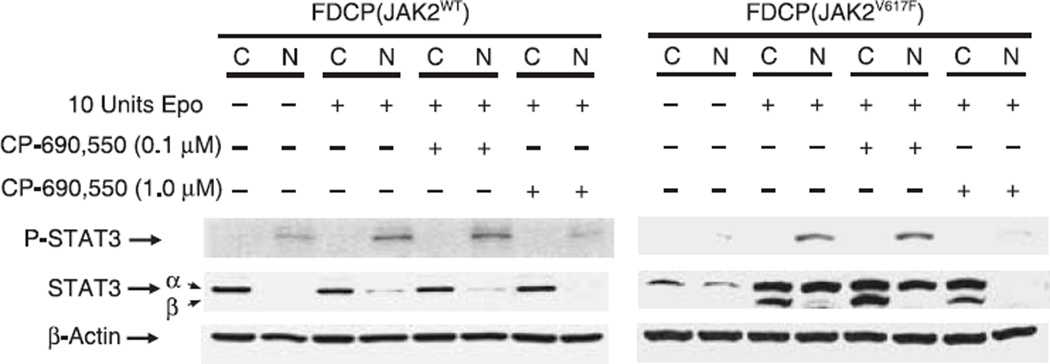
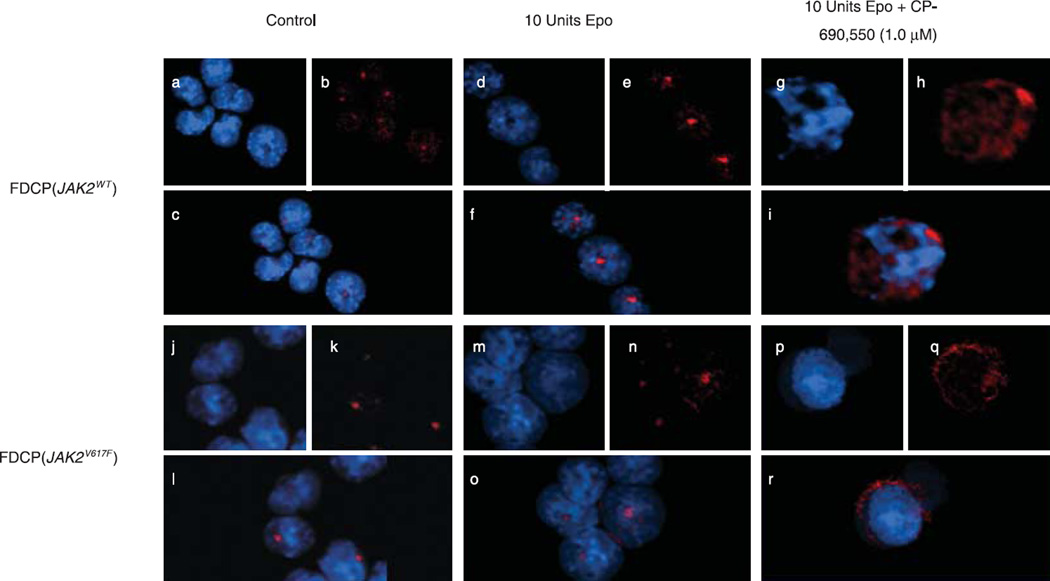
CP-690,550 inhibits signal transducer and activator of transcription (STAT)3 nuclear localization in both murine cell lines.Cancer Sci.2008 Jun;99(6):1265-73. |
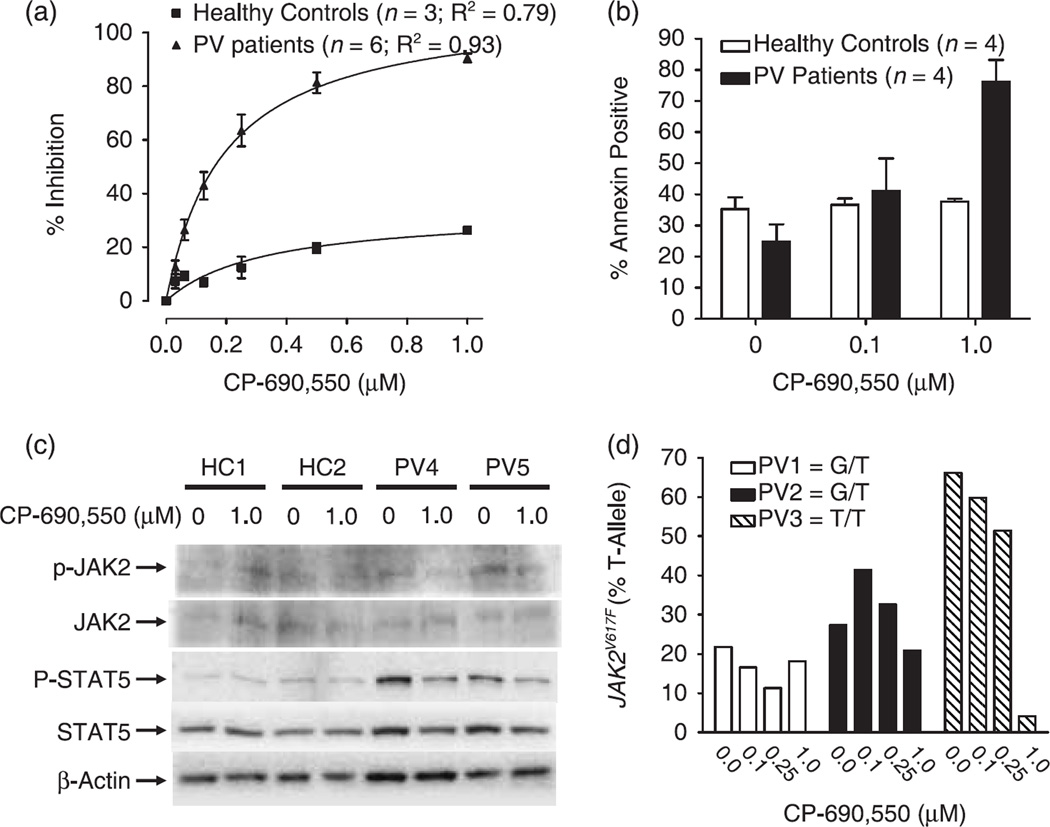
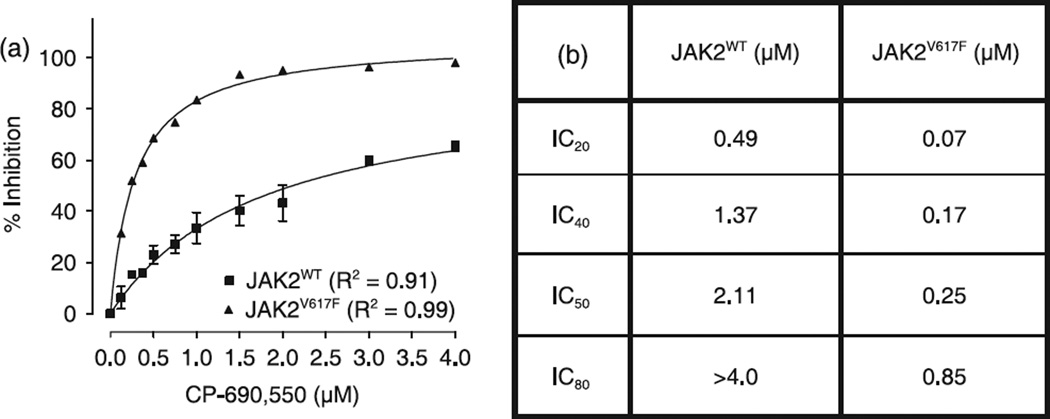
Effect of CP-690,550 on ex vivo expanded erythroid progenitors.Cancer Sci.2008 Jun;99(6):1265-73. |
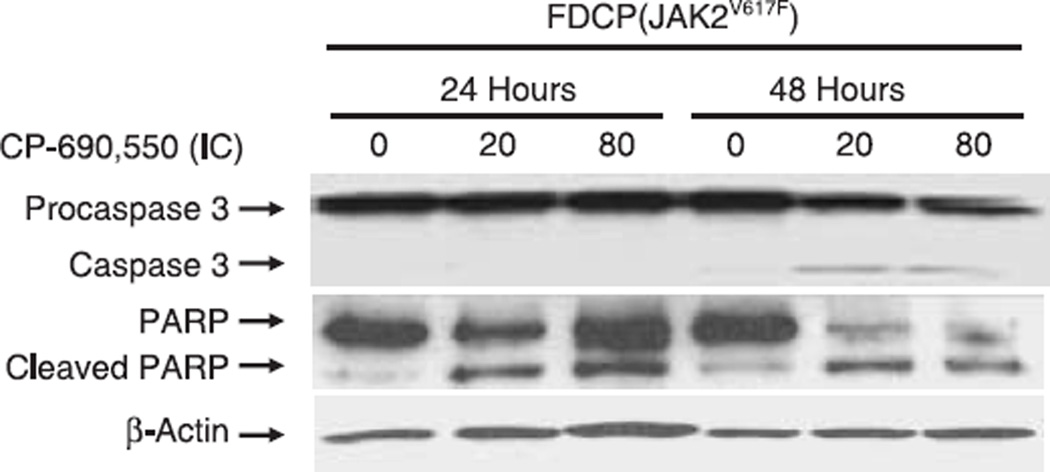
CP-690,550-induced poly (ADP-ribose) polymerase (PARP) and caspase-3 cleavage.Cancer Sci.2008 Jun;99(6):1265-73. |
CP-690,550 modulates immunolocalization of signal transducer and activator of transcription (STAT)3.Cancer Sci.2008 Jun;99(6):1265-73. |
 |
Products are for research use only; We do not sell to patients
Copyright 2020 InvivoChem LLC | All Rights Reserved


 COA
COA