| Size | Price | Stock | Qty |
|---|---|---|---|
| 5mg |
|
||
| 10mg |
|
||
| 25mg |
|
||
| 50mg |
|
||
| 100mg |
|
||
| 250mg |
|
||
| 500mg | |||
| 1g | |||
| Other Sizes |


Purity: ≥98%
| Targets |
JAK2 (IC50 = 6 nM); JAK3 (IC50 = 169 nM); RET (IC50 = 17 nM); FLT3 (IC50 = 25 nM)
The target of TG-101209 is Janus kinase 2 (JAK2), with high selectivity for wild-type JAK2 and the mutant JAK2V617F (a key driver of myeloproliferative neoplasms, MPNs); it also exhibits weak activity against other JAK family members and non-JAK kinases. - For recombinant human wild-type JAK2 (kinase activity assay): IC₅₀ = 1 nM [1] - For recombinant human JAK2V617F (kinase activity assay): IC₅₀ = 0.5 nM [5] - For recombinant human JAK1: IC₅₀ = 28 nM [1] - For recombinant human JAK3: IC₅₀ = 160 nM [1] - For recombinant human Tyk2: IC₅₀ = 34 nM [1] - For non-JAK kinases (e.g., c-Kit, PDGFRβ, EGFR): IC₅₀ > 1000 nM [1] - For STAT3 phosphorylation (cell-based assay in JAK2V617F-positive HEL cells): EC₅₀ = 5 nM [5] |
|---|---|
| ln Vitro |
TG101209 is an orally bioavailable, small molecule, ATP-competitive inhibitor towards several tyrosine kinases. TG101209 has an IC50 of 200 nM and inhibits the growth of Ba/F3 cells expressing JAK2V617F or MPLW515L mutations. TG101209 induces cell cycle arrest and apoptosis in a human acute myeloid leukemia cell line expressing JAK2V617F, and it prevents JAK2V617F, STAT5 and STAT3 from being phosphorylated. Primary progenitor cells with JAK2V617F or MPL515 mutations grow hematopoietic colonies less quickly when TG101209 is present.[1] Without changing the total amount of STAT5 protein, TG101209 significantly lowers STAT5 phosphorylation. [2] In HCC2429 and H460 lung cancer cells, TG101209 inhibits survivin and lowers the phosphorylation of STAT3. Lung cancer cells HCC2429 and H460 become radiosensitive in vitro when exposed to TG101209.[3] According to a recent study, TG101209 suppresses BCR-JAK2 and STAT5 phosphorylation, lowers Bcl-xL expression, and induces apoptosis in transformed Ba/F3 cells.[4]
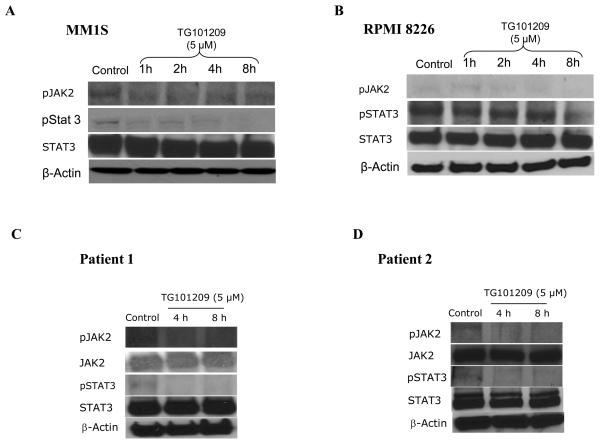
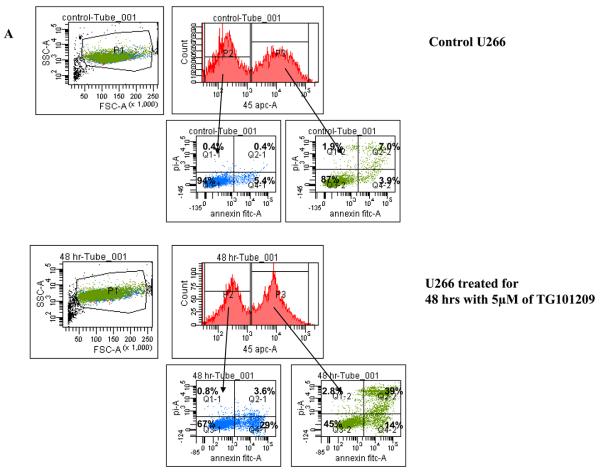
1. Antiproliferative activity against JAK2-driven hematologic cancer cells: TG-101209 (0.01–1000 nM) inhibited proliferation of JAK2V617F-positive cell lines: GI₅₀ = 8 nM (HEL, erythroleukemia), 12 nM (SET-2, myeloid leukemia), 15 nM (UKE-1, myelofibrosis-derived) [1, 5]; it had minimal effect on JAK2-independent cell lines (e.g., K562, HL-60) with GI₅₀ > 1000 nM [1] 2. Inhibition of JAK-STAT signaling pathway: Treatment of HEL cells with TG-101209 (1–100 nM) for 2 hours dose-dependently reduced phosphorylation of JAK2 (p-JAK2), STAT5 (p-STAT5), and STAT3 (p-STAT3) (detected by western blot). At 10 nM, p-JAK2 and p-STAT5 were reduced by >90% vs. control; mRNA levels of JAK-STAT target genes (e.g., BCL-XL, c-MYC) were downregulated by 60–70% (RT-PCR) [5] 3. Apoptosis induction in JAK2V617F-positive cells: TG-101209 (5–50 nM) induced apoptosis in HEL and SET-2 cells. After 48-hour treatment with 20 nM, the percentage of apoptotic cells (Annexin V-FITC/PI staining) increased from 5% (control) to 45% (HEL) and 40% (SET-2); western blot showed cleavage of caspase-3 and PARP [1] 4. Suppression of primary MPN cell growth: Primary bone marrow mononuclear cells (BMNCs) from MPN patients (polycythemia vera, PV; essential thrombocythemia, ET) were treated with TG-101209 (10–100 nM) for 72 hours. Colony formation (CFU-GM, CFU-E) was inhibited by 50–70% at 50 nM, while colony growth from healthy donor BMNCs was unaffected (inhibition <10%) [5] 5. Antiproliferative activity against lung cancer cells: TG-101209 (0.1–10 μM) inhibited proliferation of JAK2-overexpressing lung cancer cell lines: GI₅₀ = 0.8 μM (A549), 1.2 μM (H460); it blocked IL-6-induced STAT3 phosphorylation in A549 cells (IC₅₀ = 0.3 μM) [3] Unlike doxorubicin (1 µM) which induced phosphorylation of p53 on Ser6, Ser15, Ser20, Ser37, Ser46, and Ser392, and etoposide (10 µM) which induced strong phosphorylation on Ser6, Ser15, Ser20 and weak on Ser37 and Ser392, nutlin-3a (10 µM) treatment for 24 hours resulted in no detectable phosphorylation on any of these six serine residues in both HCT116 and RKO cells, as determined by Western blot using phospho‑specific antibodies. [2] |
| ln Vivo |
In a JAK2V617F-induced disease, 100 mg/kg of TG101209 significantly extends survival (10 days). Statistically significant, dose-dependent reductions in the circulating tumor cell burden of up to 20% are seen in TG101209-treated animals at day +11 compared to animals that received a placebo. [1]
1. Efficacy in JAK2V617F-positive leukemia xenografts: Athymic nude mice (6–8 weeks old) were subcutaneously injected with 5×10⁶ HEL cells. When tumors reached 100–150 mm³, mice were treated with TG-101209 (10, 30, 60 mg/kg, oral gavage, once daily for 21 days). The 60 mg/kg group showed 90% tumor growth inhibition (TGI); tumor weight in the 30 mg/kg group was reduced by 75% vs. vehicle. Western blot of tumor tissues showed >80% reduction in p-JAK2 and p-STAT5 [1] 2. Efficacy in JAK2V617F-driven MPN mouse model: Bone marrow from JAK2V617F-transgenic mice was transplanted into lethally irradiated C57BL/6 mice to establish MPN. Mice were treated with TG-101209 (30 mg/kg, oral, twice daily for 4 weeks). Peripheral blood counts normalized: red blood cells (RBC) decreased from 12×10¹²/L (vehicle) to 8×10¹²/L, platelets decreased from 1500×10⁹/L to 600×10⁹/L; bone marrow fibrosis was reduced by 50% (Masson’s trichrome staining) [5] 3. Survival extension in MPN mice: JAK2V617F-transgenic mice (n=10 per group) were treated with TG-101209 (30 mg/kg, oral, daily). Median survival increased from 18 weeks (vehicle) to 32 weeks; splenomegaly (a key MPN symptom) was reversed: spleen weight decreased from 500 mg (vehicle) to 180 mg [5] 4. Efficacy in lung cancer xenografts: Nude mice bearing A549 xenografts (150–200 mm³) were treated with TG-101209 (50, 100 mg/kg, oral, daily for 28 days). The 100 mg/kg group showed 65% TGI; immunohistochemistry (IHC) of tumors revealed reduced p-STAT3 staining (by 70%) vs. vehicle [3] 5. Inhibition of hematopoietic progenitor expansion in vivo: C57BL/6 mice were injected with 5×10⁶ JAK2V617F-positive BMNCs. After 2 weeks, mice were treated with TG-101209 (30 mg/kg, oral, daily for 14 days). Splenic CFU-E colony formation was reduced by 80% vs. vehicle, confirming in vivo suppression of JAK2-driven hematopoiesis [2] qRT‑PCR of mouse tissues revealed elevated mRNA levels of several p53 target genes in a tissue‑specific fashion in p53R172H/R172H mice compared to p53+/+ controls, most notably in lung, spleen, thymus, and small intestine. [1] |
| Enzyme Assay |
IC50 values for TG101209 are determined using a luminescence-based kinase assay with recombinant JAK2, VEGFR2/KDR, and JAK3 obtained from Upstate Cell Signaling Solutions. Kinase reactions are conducted in a buffer containing 40 mM Tris buffer (pH 7.4), 50 mM MgCl2, 800 mM EGTA, 350 mM Triton X-100, 2 mM -mercaptoethanol, 100 mM peptide substrate, and an adequate concentration of JAK2, VEGFR2/KDR, or JAK3 to ensure that the assay is linear over 60 minutes. After 60 minutes, Kinase-Glo reagent is added to end the reaction, which was started by the addition of 10 L of ATP to a 3 mM final concentration. An Ultra 384 instrument set for luminosity measurements is used to measure luciferase activity.
1. JAK2 kinase activity assay: Recombinant human JAK2 (wild-type or V617F mutant) was incubated with TG-101209 (0.001–100 nM) in assay buffer (50 mM Tris-HCl pH 7.5, 10 mM MgCl₂, 1 mM DTT, 20 μM ATP) and a biotinylated peptide substrate (derived from STAT5, 1 μM) at 37°C for 60 minutes. The reaction was stopped with 50 mM EDTA. Phosphorylated substrate was detected using a streptavidin-conjugated antibody against phospho-tyrosine and a chemiluminescent reagent. The IC₅₀ was calculated as the concentration inhibiting 50% of kinase activity [1, 5] 2. JAK family selectivity assay: The protocol was identical to the JAK2 assay, except recombinant JAK1, JAK3, or Tyk2 was used. TG-101209 concentrations ranged from 0.01–1000 nM. Kinase activity was measured as described above, and IC₅₀ values for each JAK family member were determined to assess selectivity [1] 3. Non-JAK kinase selectivity assay: Recombinant non-JAK kinases (e.g., c-Kit, PDGFRβ, EGFR) were incubated with TG-101209 (1–1000 nM) in their respective optimized assay buffers (containing ATP and specific substrates). Phosphorylated substrates were detected via ELISA or radioactivity counting. IC₅₀ values >1000 nM confirmed low off-target kinase activity [1] |
| Cell Assay |
In brief, the indicated TG101209 concentrations are added to 100 ml of RPMI-1640 growth media, and 2 × 10³ cells are plated into microtiterplate wells. Using the Cell Proliferation Kit II (XTT) in accordance with the manufacturer's instructions, the relative growth of cells is measured every 24 hours. 4-6 hours of incubation follow the addition of 20 mL of XTT to the wells. With correction at 650 nm, the colored formazan product is measured spectrophotometrically at 450 nm, and IC50 values are calculated using the GraphPad Prism 4.0 program. The concentration (IC50) that inhibited proliferation by 50% was found after the data were subjected to a non-linear regression-fit analysis. The results of each experiment are normalized to the growth of untreated cells and performed in triplicate.
1. Antiproliferative assay (GI₅₀ determination): JAK2-driven cancer cells (HEL, SET-2, A549) were seeded in 96-well plates (1000–2000 cells/well) and incubated overnight. TG-101209 (0.01–1000 nM for hematologic cells, 0.1–10 μM for lung cancer cells) was added, and cells were incubated for 72 hours. Cell viability was measured using CellTiter-Glo (luminescence) or MTT (absorbance at 570 nm). GI₅₀ was calculated as the concentration inhibiting 50% of cell growth vs. control [1, 3, 5] 2. Western blot for JAK-STAT pathway proteins: HEL or A549 cells were seeded in 6-well plates and grown to 70% confluence. TG-101209 (1–100 nM) was added, and cells were incubated for 2 hours. Cells were lysed in RIPA buffer (with protease/phosphatase inhibitors), lysates were separated by SDS-PAGE, and transferred to PVDF membranes. Membranes were blocked with 5% BSA, incubated overnight at 4°C with primary antibodies (p-JAK2, JAK2, p-STAT5, STAT5, p-STAT3, STAT3, caspase-3, PARP, β-actin), followed by HRP-conjugated secondary antibodies. Bands were visualized via ECL detection [1, 3, 5] 3. Apoptosis detection by flow cytometry: HEL cells were seeded in 12-well plates (5×10⁴ cells/well) and treated with TG-101209 (5–50 nM) for 48 hours. Cells were harvested, washed with PBS, and stained with Annexin V-FITC and PI for 15 minutes at room temperature. Stained cells were analyzed by flow cytometry, and the percentage of apoptotic cells (Annexin V-positive/PI-negative or positive) was quantified [1] 4. Primary MPN colony formation assay: BMNCs from MPN patients or healthy donors were isolated via density gradient centrifugation. Cells (1×10⁵ cells/mL) were mixed with methylcellulose-based medium (supplemented with hematopoietic cytokines) and TG-101209 (10–100 nM). The mixture was plated in 35-mm dishes and incubated at 37°C (5% CO₂) for 14 days. Colonies (CFU-GM, CFU-E) were counted under a microscope, and inhibition rate was calculated vs. vehicle [5] 5. RT-PCR for JAK-STAT target genes: HEL cells were treated with TG-101209 (10–50 nM) for 6 hours. Total RNA was extracted, cDNA was synthesized using reverse transcriptase, and PCR was performed with specific primers for BCL-XL, c-MYC, and GAPDH (internal control). PCR products were separated by agarose gel electrophoresis, and band intensities were quantified to determine relative mRNA levels [5] Western blot analysis: cells were harvested by centrifugation, lysed in buffer containing HEPES, NaCl, MgCl2, EDTA, dithiothreitol, glycerol, Nonidet P‑40, phosphatase and protease inhibitors. Lysates were sonicated and clarified. Protein concentration was determined by Bradford assay. 10 µg total protein per sample was loaded onto 4‑12% Tris‑glycine polyacrylamide gels, electrophoresed, and proteins visualized by ECL using primary antibodies against human p53, phospho‑p53 (Ser6, Ser15, Ser20, Ser37, Ser46, Ser392), p21, MDM2, and β‑actin, followed by HRP‑conjugated secondary antibodies. [2] |
| Animal Protocol |
The GFP-positive BaF/3 cells expressing JAK2V617F (Ba/F3-V617F-GFP) are sorted and administered intravenously to SCID mice (severe combined immunodeficiency). On day +3 following the infusion of tumor cells and continuing until day +20, TG101209 is given by oral gavage at the indicated doses. On day +11 after tumor cell injection, 1 mL of blood is taken by terminal cardiac bleeding from the mouse that receives the vehicle, and 0.1 mL of blood is taken by non-lethal retro-orbital collection from each of the three groups of six mice that received doses of 10, 30, or 100 mg/kg (twice daily) of TG101209, with samples combining within the dose groups. With 600 RCF and 30 minutes of centrifugation, blood mononuclear cells are separated using the Ficoll cushion technique. FACS analysis is used to calculate the proportion of GFP-positive tumor cells in the isolated cells(that is, Ba/F3-V617F-GFP cells).
1. HEL leukemia xenograft model: Female athymic nude mice (6–8 weeks old, 18–22 g) were subcutaneously injected with 5×10⁶ HEL cells (suspended in PBS/matrigel, 1:1) into the right flank. When tumors reached 100–150 mm³, mice were randomized into 4 groups (n=6/group): vehicle (0.5% methylcellulose + 0.2% Tween-80 in water), 10 mg/kg TG-101209, 30 mg/kg TG-101209, 60 mg/kg TG-101209. The drug was administered via oral gavage once daily for 21 days. Tumor volume (V = length×width²/2) and body weight were measured twice weekly. At study end, tumors were harvested for western blot [1] 2. JAK2V617F MPN transplant model: Male C57BL/6 mice (8–10 weeks old) were lethally irradiated (8 Gy). Twenty-four hours later, they were intravenously injected with 1×10⁷ BMNCs from JAK2V617F-transgenic mice. Two weeks post-transplant (when MPN symptoms developed), mice were randomized into 2 groups (n=8/group): vehicle, 30 mg/kg TG-101209 (oral gavage, twice daily for 4 weeks). Peripheral blood was collected weekly for complete blood count (CBC). At study end, mice were euthanized; bone marrow and spleen were collected for histology (Masson’s trichrome staining) and colony formation assays [5] 3. A549 lung cancer xenograft model: Female nude mice (6–8 weeks old) were subcutaneously injected with 1×10⁷ A549 cells (PBS/matrigel, 1:1). When tumors reached 150–200 mm³, mice were randomized into 3 groups (n=7/group): vehicle, 50 mg/kg TG-101209, 100 mg/kg TG-101209 (oral gavage, daily for 28 days). Tumor volume and body weight were measured twice weekly. At study end, tumors were fixed in 4% paraformaldehyde for IHC (p-STAT3 staining) [3] 4. JAK2V617F hematopoietic progenitor assay in mice: Male C57BL/6 mice (6–8 weeks old) were intravenously injected with 5×10⁶ JAK2V617F-positive BMNCs. Two weeks later, mice were treated with TG-101209 (30 mg/kg, oral, daily for 14 days; n=5/group) or vehicle (n=5). Spleens were harvested, and splenic BMNCs were isolated. Colony formation (CFU-E) was assayed as described in the cell assay section [2] |
| ADME/Pharmacokinetics |
1. Oral bioavailability in mice: Male C57BL/6 mice (n=3 at each time point) were administered TG-101209 via oral gavage (30 mg/kg) or intravenous injection (5 mg/kg). Plasma samples were collected at 0.25, 0.5, 1, 2, 4, 6, 8, and 12 hours post-administration. Drug concentrations were determined by LC-MS/MS. Oral bioavailability (F) = 45%; oral Cmax = 3.2 μM, Tmax = 1 hour. Terminal half-life (t₁/₂) = 4.2 hours [1]
2. Plasma protein binding rate: Human plasma and mouse plasma (500 μL) were mixed with TG-101209 (0.1–10 μM) and dialyzed at 37°C for 4 hours using a dialysis membrane with a molecular weight cutoff of 12–14 kDa. The concentration of free drug in the dialysate was determined by LC-MS/MS. Plasma protein binding rate: 94% (human), 92% (mouse) [1] 3. Tissue distribution in mice: Mice were orally administered TG-101209 (30 mg/kg) and sacrificed 1 hour later (Tmax). Tissues (liver, spleen, lung, tumor, brain) were collected, homogenized in PBS, and the drug concentration was determined by LC-MS/MS. The highest drug concentration was found in the liver (12 μM), followed by the spleen (8 μM) and tumor (5 μM); the lowest drug concentration was found in brain tissue (0.3 μM, brain/plasma ratio = 0.1) [1, 3] 4. In vitro metabolism: TG-101209 was incubated with human liver microsomes (HLM) or mouse liver microsomes (MLM) in the presence of NADPH. In HLM: t₁/₂ = 60 min, intrinsic clearance (CLint) = 25 μL/min/mg protein; in MLM: t₁/₂ = 45 min, CLint = 30 μL/min/mg protein. The major metabolite was identified as a monohydroxylated derivative (LC-MS/MS) [1] 5. Renal excretion: Mice were orally administered TG-101209 (30 mg/kg). Urine was collected over 24 hours, and drug concentrations were determined by LC-MS/MS. Approximately 15% of the dose was excreted unchanged in the urine. [1] |
| Toxicity/Toxicokinetics |
1. Acute toxicity in mice: Male C57BL/6 mice (n=6 per group) were given a single oral dose of TG-101209 (100, 300, 600 mg/kg). Mice were observed for 7 days. No deaths were observed in the 300 mg/kg group; the 600 mg/kg group resulted in a 20% mortality rate (2/10 mice) and a transient weight loss (maximum 8%, recovered by day 5). No neurological or gastrointestinal toxicity was observed [1] 2. Subchronic toxicity in mice: Mice were treated with TG-101209 (30, 60, 100 mg/kg, orally, once daily for 28 days). Mild anemia (red blood cell count: 7×10¹²/L, control group: 9×10¹²/L) and thrombocytopenia (platelet count: 400×10⁹/L, control group: 800×10⁹/L) occurred in the 100 mg/kg group; serum ALT/AST and BUN/creatinine levels were unchanged compared with the control group. Toxicity was reversible: all indicators returned to normal 2 weeks after drug withdrawal [1, 5]
3. Hematologic toxicity in MPN model: In the JAK2V617F MPN mouse model, TG-101209 (30 mg/kg, twice daily) caused mild leukopenia (white blood cell count: 3×10⁹/L, control group: 5×10⁹/L), but did not cause severe hematologic toxicity. No myelosuppression was observed in healthy donor bone marrow mononuclear cells (BMNC)[5] 4. CYP enzyme inhibition: TG-101209 (0.1–100 μM) was incubated with human liver microsomes and specific CYP substrates (CYP1A2, 2C9, 2C19, 2D6, 3A4). The IC₅₀ of all CYPs was >50 μM, indicating a low risk of drug interaction[1] |
| References | |
| Additional Infomation |
TG101209 belongs to the pyrimidine class of compounds, with the structure 5-methylpyrimidine-2,4-diamine, wherein the amino group at position 2 is replaced by p-(4-methylpiperazin-1-yl)phenyl and the amino group at position 4 is replaced by m-(tert-butylsulfonyl)phenyl. It is a Janus kinase 2 (JAK2) inhibitor. TG101209 can function as an EC 2.7.10.2 (non-specific protein tyrosine kinase) inhibitor, an apoptosis inducer, and an antitumor drug. It is a sulfonamide compound, belonging to the pyrimidine class of compounds, and is also an N-alkylpiperazine, N-arylpiperazine, and secondary amino compound.
1. Background: TG-101209 is a potent, selective small molecule JAK2 inhibitor designed to treat JAK2-driven diseases. The JAK2V617F mutation is present in approximately 95% of polycythemia vera (PV), approximately 50% of essential thrombocythemia (ET), and myelofibrosis (MF), leading to persistent JAK-STAT activation and hematopoietic abnormalities [1, 5]. 2. Mechanism of action: TG-101209 binds to the ATP-binding pocket of JAK2 (wild-type and V617F), inhibiting its kinase activity. This blocks the downstream JAK-STAT signaling pathway, inhibits the expression of pro-survival genes (BCL-XL) and pro-proliferation genes (c-MYC), and induces JAK2-driven apoptosis in cancer cells [1, 5]. 3. Potential Indications: Preclinical data support the use of TG-101209 for the treatment of JAK2V617F-positive myeloproliferative neoplasms (polycythemia vera, essential thrombocythemia, myelofibrosis), JAK2-driven leukemias (erythroleukemia, myeloid leukemia), and JAK2/STAT3-overexpressing solid tumors (e.g., non-small cell lung cancer, NSCLC) [1, 3, 5]. 4. Selectivity Advantage: Compared to non-selective JAK inhibitors (e.g., ruxolitinib), TG-101209 exhibits higher selectivity for JAK2 than for JAK1/JAK3, thereby reducing the risk of… Immune-related side effects (e.g., infection) associated with JAK1/JAK3 inhibition [1] 5. Clinical significance: In primary MPN cells, TG-101209 specifically inhibits the growth of malignant colonies without affecting normal hematopoietic function, suggesting that it has a good clinical application window [5] |
| Molecular Formula |
C26H35N7O2S
|
|
|---|---|---|
| Molecular Weight |
509.67
|
|
| Exact Mass |
509.257
|
|
| Elemental Analysis |
C, 61.27; H, 6.92; N, 19.24; O, 6.28; S, 6.29
|
|
| CAS # |
936091-14-4
|
|
| Related CAS # |
|
|
| PubChem CID |
16722832
|
|
| Appearance |
white solid powder
|
|
| Density |
1.3±0.1 g/cm3
|
|
| Boiling Point |
703.1±70.0 °C at 760 mmHg
|
|
| Flash Point |
379.0±35.7 °C
|
|
| Vapour Pressure |
0.0±2.2 mmHg at 25°C
|
|
| Index of Refraction |
1.622
|
|
| LogP |
2.46
|
|
| Hydrogen Bond Donor Count |
3
|
|
| Hydrogen Bond Acceptor Count |
9
|
|
| Rotatable Bond Count |
8
|
|
| Heavy Atom Count |
36
|
|
| Complexity |
783
|
|
| Defined Atom Stereocenter Count |
0
|
|
| SMILES |
O=S(C1C=C(NC2C(C)=CN=C(NC3C=CC(N4CCN(C)CC4)=CC=3)N=2)C=CC=1)(NC(C)(C)C)=O
|
|
| InChi Key |
JVDOKQYTTYUYDV-UHFFFAOYSA-N
|
|
| InChi Code |
InChI=1S/C26H35N7O2S/c1-19-18-27-25(29-20-9-11-22(12-10-20)33-15-13-32(5)14-16-33)30-24(19)28-21-7-6-8-23(17-21)36(34,35)31-26(2,3)4/h6-12,17-18,31H,13-16H2,1-5H3,(H2,27,28,29,30)
|
|
| Chemical Name |
N-tert-butyl-3-[[5-methyl-2-[4-(4-methylpiperazin-1-yl)anilino]pyrimidin-4-yl]amino]benzenesulfonamide
|
|
| Synonyms |
TG 101209; TG-101209; TG101209
|
|
| HS Tariff Code |
2934.99.9001
|
|
| Storage |
Powder -20°C 3 years 4°C 2 years In solvent -80°C 6 months -20°C 1 month |
|
| Shipping Condition |
Room temperature (This product is stable at ambient temperature for a few days during ordinary shipping and time spent in Customs)
|
| Solubility (In Vitro) |
DMSO: ~102 mg/mL (~200.1 mM)
Water: 1 mg/mL (Insoluble) Ethanol: 1 mg/mL (slightly soluble or insoluble) |
|---|---|
| Solubility (In Vivo) |
Solubility in Formulation 1: ≥ 2.75 mg/mL (5.40 mM) (saturation unknown) in 10% DMSO + 40% PEG300 + 5% Tween80 + 45% Saline (add these co-solvents sequentially from left to right, and one by one), clear solution.
For example, if 1 mL of working solution is to be prepared, you can add 100 μL of 27.5 mg/mL clear DMSO stock solution to 400 μL PEG300 and mix evenly; then add 50 μL Tween-80 to the above solution and mix evenly; then add 450 μL normal saline to adjust the volume to 1 mL. Preparation of saline: Dissolve 0.9 g of sodium chloride in 100 mL ddH₂ O to obtain a clear solution. Solubility in Formulation 2: ≥ 2.75 mg/mL (5.40 mM) (saturation unknown) in 10% DMSO + 90% Corn Oil (add these co-solvents sequentially from left to right, and one by one), clear solution. For example, if 1 mL of working solution is to be prepared, you can add 100 μL of 27.5 mg/mL clear DMSO stock solution to 900 μL of corn oil and mix evenly. View More
Solubility in Formulation 3: 1% DMSO +30% polyethylene glycol+1% Tween 80 : 12mg/mL |
| Preparing Stock Solutions | 1 mg | 5 mg | 10 mg | |
| 1 mM | 1.9621 mL | 9.8103 mL | 19.6205 mL | |
| 5 mM | 0.3924 mL | 1.9621 mL | 3.9241 mL | |
| 10 mM | 0.1962 mL | 0.9810 mL | 1.9621 mL |
*Note: Please select an appropriate solvent for the preparation of stock solution based on your experiment needs. For most products, DMSO can be used for preparing stock solutions (e.g. 5 mM, 10 mM, or 20 mM concentration); some products with high aqueous solubility may be dissolved in water directly. Solubility information is available at the above Solubility Data section. Once the stock solution is prepared, aliquot it to routine usage volumes and store at -20°C or -80°C. Avoid repeated freeze and thaw cycles.
Calculation results
Working concentration: mg/mL;
Method for preparing DMSO stock solution: mg drug pre-dissolved in μL DMSO (stock solution concentration mg/mL). Please contact us first if the concentration exceeds the DMSO solubility of the batch of drug.
Method for preparing in vivo formulation::Take μL DMSO stock solution, next add μL PEG300, mix and clarify, next addμL Tween 80, mix and clarify, next add μL ddH2O,mix and clarify.
(1) Please be sure that the solution is clear before the addition of next solvent. Dissolution methods like vortex, ultrasound or warming and heat may be used to aid dissolving.
(2) Be sure to add the solvent(s) in order.
|
|---|
|
|
Products are for research use only; We do not sell to patients
Copyright 2020 InvivoChem LLC | All Rights Reserved


 COA
COA