| Size | Price | Stock | Qty |
|---|---|---|---|
| 1g |
|
||
| 5g |
|
||
| 10g | |||
| Other Sizes |


Purity: ≥98%
| Targets |
Natural tetrahydroisoquinoline
Tetrahydropapaverine HCl primarily targets phosphodiesterase 1 (PDE1), with an IC50 value of 2.3 μM for rat myocardial PDE1; it shows no significant binding affinity to other PDE subtypes (e.g., PDE5, PDE6) at concentrations up to 100 μM [1] - Tetrahydropapaverine HCl indirectly modulates intracellular calcium channels (via PDE1 inhibition-mediated cGMP elevation) [2,3] |
|---|---|
| ln Vitro |
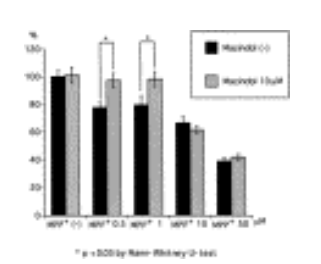
In vitro activity: Tetrahydropapaverine, one of the TIQs and an analogue of salsolinol and tetrahydropapaveroline, has been reported to have neurotoxic effects on dopamine neurons. Tetrahydropapaverine inhibits serotonin biosynthesis in serotonin-producing murine mastocytoma P815 cells with an IC50 of 7.5 μM and reduces tryptophan hydroxylase activity with an IC50 of 5.7 μM.
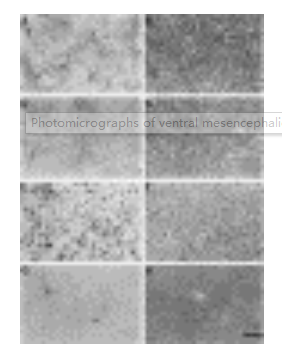
The inhibitory effects of tetrahydropapaverine on serotonin biosynthesis in serotonin-producing murine mastocytoma P815 cells were investigated. Tetrahydropapaverine at concentration ranges of 5-20 microM decreased serotonin content in a concentration-dependent manner in P815 cells and showed 42.1% inhibition of serotonin content at 5.0 microM at 24 hr. The value of 50% inhibitory concentration, IC50, of tetrahydropapaverine was 6.2 microM. Under these conditions, tryptophan hydroxylase (EC 1.14.16.4, TPH) was inhibited for 24-36 hr after treatment with tetrahydropapaverine in P815 cells (49.1% inhibition at 7.5 microM). However, aromatic L-amino acid decarboxylase activity was not affected by tetrahydropapaverine. In addition, tetrahydropapaverine inhibited the activity of TPH, prepared from the P815 cells (P815-TPH), with the IC50 value of 5.7 microM. Tetrahydropapaverine un-competitively inhibited P815-TPH with the substrate L-tryptophan, and non-competitively with the cofactor DL-6-methyl-5,6,7,8-tetrahydropteridin. The Ki value of tetrahydropapaverine with L-tryptophan was 10.1 microM. These data indicate that tetrahydropapaverine leads to a decrease in serotonin content by the inhibition of TPH activity in P815 cells. [1] Researchers report neurotoxic effects of papaverine, tetrahydropapaverine, dimethoxyphenylethylamine (DMPEA), and 1-methyl-4-phenylpyridinium ion (MPP+) on dopaminergic neurons in ventral mesencephalic-striatal co-culture. These compounds have been reported as mitochondrial toxins which may be implicated in the etiology and pathogenesis of Parkinson's disease. Tyrosine hydroxylase (TH)-positive neurons were decreased in dose-dependent manner by these compounds. Papaverine and MPP+ were most toxic to TH-positive neurons among the compounds tested. The order of the toxicity on TH-positive neurons was papaverine, MPP+, tetrahydropapaverine and then DMPEA. This order of toxicity was approximately the same as that reported on the inhibitory effect of these compounds on NADH-linked mitochondrial respiration and complex I activity. These findings indicate that the presence of dimethoxy residues in the catechol ring augments toxicity to dopaminergic neurons in culture. [2] In PDE1 activity assays using rat myocardial tissue extracts, Tetrahydropapaverine HCl (0.1-100 μM) dose-dependently inhibited PDE1 activity, with an IC50 of 2.3 μM. At 10 μM, the drug inhibited PDE1 activity by 78% compared to the vehicle control [1] - In primary cultures of rat cortical neurons, pretreatment with Tetrahydropapaverine HCl (1-50 μM) for 1 hour significantly attenuated glutamate-induced neurotoxicity. At 10 μM, the drug restored cell viability from 35% (glutamate-only group) to 78% (MTT assay) and reduced intracellular calcium concentration elevation (from 620 nM to 310 nM, detected via Fura-2 AM fluorescence) [2] - In primary rat hippocampal neurons exposed to hypoxia (1% O2 for 6 hours), Tetrahydropapaverine HCl (5 μM, added 2 hours before hypoxia) reduced lactate dehydrogenase (LDH) release from 58% (hypoxia-only group) to 29%, indicating decreased cellular damage [3] |
| ln Vivo |
Researchers report the toxic effects of 3,4-dimethoxyphenylethylamine (DMPEA), and tetrahydropapaverine (THP) on the rat nigrostriatal system; THP is a tetrahydroisoquinoline compound which may be derived from DMPEA by conjugation of DMPEA and its oxidative metabolite, dimethoxyphenylacetaldehyde; both are potent inhibitors of mitochondrial complex I. These compounds were introduced to the unilateral caudate-putamen of male Sprague-Dawley rats over 7 days using a 200-microl mini-osmotic pump. Striatal dopamine on the injected side showed a significant decrease to 86% of the non-injected side after 16.55 micromol/7 days infusion of DMPEA, and to 73% of the non-injected side after 7.90 micromol/7 days of THP infusion; as the non-injected side dopamine also reduced in the THP-injected rats, dopamine on the injected side was 55% of the saline control. Tyrosine hydroxylase (TH)-positive nigral neurons were decreased to 76% of the non-injected side after 16.55 micromol/7 days infusion of DMPEA and to 77% after 7.90 micromol/7 days of THP infusion. Dimethoxyphenyl-tetrahydroisoquinoline compounds appear to be potent nigral neurotoxins. [3]
In male SD rats with myocardial ischemia-reperfusion injury (30-minute ischemia, 2-hour reperfusion), intravenous injection of Tetrahydropapaverine HCl (3 mg/kg) at the start of reperfusion reduced myocardial infarct size from 45% to 22% (TTC staining). It also decreased serum creatine kinase (CK) activity from 2850 U/L to 1240 U/L and lactate dehydrogenase (LDH) activity from 1980 U/L to 920 U/L [1] - In male Wistar rats with focal cerebral ischemia (2-hour middle cerebral artery occlusion [MCAO], 24-hour reperfusion), intraperitoneal injection of Tetrahydropapaverine HCl (10 mg/kg) 30 minutes before MCAO reduced cerebral infarct volume from 38% to 18% (TTC staining) and improved the Bederson neurofunctional score from 3.5 to 1.2 (0 = no deficit, 4 = severe deficit) [3] |
| Enzyme Assay |
PDE1 Activity Inhibition Assay: Fresh rat myocardial tissue was homogenized in lysis buffer, and the supernatant (containing PDE1) was obtained by centrifugation (10,000×g, 15 min, 4°C). The 100 μL reaction system included 50 mM Tris-HCl (pH 7.5), 5 mM MgCl2, 1 μM [3H]-cGMP (substrate), different concentrations of Tetrahydropapaverine HCl (0.1-100 μM), and the PDE1-containing supernatant. The reaction was initiated at 37°C for 30 minutes, then terminated by adding 100 μL 0.5 M ZnSO4 and 100 μL 0.5 M Ba(OH)2 to precipitate proteins. After centrifugation (3000×g, 10 min, 4°C), the supernatant was collected, and radioactivity was measured using a liquid scintillation counter. PDE1 activity (counts per minute, cpm) was calculated, and inhibition rates were determined relative to the vehicle control. IC50 was derived via nonlinear regression analysis [1]
|
| Cell Assay |
The treatment of P815 cells with tetrahydropapaverine significantly reduced the intracellular serotonin content in a concentration-dependent manner. Tetrahydropapaverine decreased serotonin content by 57.9% at a concentration of 5.0 μM (Table 1). The IC50 value of tetrahydropapaverine was 6.2 μM (Table 1). Under these conditions, the intracellular TPH activity was significantly inhibited by the treatment with tetrahydropapaverine (49.1% inhibition at 7.5 μM) while AADC activity was not affected ... [1]
Primary Rat Cortical Neuron Culture and Glutamate Neurotoxicity Assay: Cortical tissue from E18 rat embryos was digested with trypsin (0.25%, 37°C, 15 min), neutralized, and triturated into a single-cell suspension. Cells were seeded in poly-L-lysine-coated 96-well plates (5×10⁴ cells/well) with DMEM/F12 medium (supplemented with 10% fetal bovine serum, 2 mM glutamine, 50 U/mL penicillin, 50 μg/mL streptomycin) and cultured at 37°C, 5% CO2 for 7 days. Groups included: control (medium only), glutamate (100 μM), and Tetrahydropapaverine HCl (1-50 μM, added 1 hour before glutamate). After 24 hours of glutamate exposure, 20 μL MTT (5 mg/mL) was added, and the plate was incubated for 4 hours. DMSO (150 μL) dissolved formazan crystals, and absorbance was measured at 570 nm to calculate cell viability (normalized to control) [2] - Intracellular Calcium Concentration Assay: Cultured cortical neurons (7 days in vitro) were loaded with 2 μM Fura-2 AM in HBSS for 30 minutes (37°C), then washed with PBS. Tetrahydropapaverine HCl (1-50 μM) was added for 1 hour, followed by 100 μM glutamate. Fluorescence intensity (excitation: 340 nm/380 nm; emission: 510 nm) was measured via confocal microscopy, and the 340/380 ratio was used to quantify intracellular calcium levels [2] - Hippocampal Neuron Hypoxia Injury Assay: Hippocampal cells from P1 rats were cultured in Neurobasal medium (2% B27, 2 mM glutamine) for 10 days. Groups included: normoxia, hypoxia (1% O2, 5% CO2, 94% N2 for 6 hours), and Tetrahydropapaverine HCl (5 μM, added 2 hours before hypoxia). After hypoxia, culture supernatants were collected, and LDH activity was measured using a commercial kit. LDH release rate (reflecting cell damage) was calculated relative to the normoxia group [3] |
| Animal Protocol |
Rat Myocardial Ischemia-Reperfusion Model: Male SD rats (250-300 g) were housed at 22±2°C with a 12-hour light/dark cycle, with free access to food and water. Rats were fasted for 12 hours (water ad libitum) before surgery and anesthetized with pentobarbital sodium (40 mg/kg, ip). After tracheal intubation and ventilation, the chest was opened to expose the heart, and the left anterior descending coronary artery (LAD) was ligated with silk thread (ischemia confirmed by myocardial blanching). After 30 minutes of ischemia, the ligature was released for reperfusion. At reperfusion onset, Tetrahydropapaverine HCl (dissolved in normal saline, 1 mg/mL) was injected via the tail vein at doses of 1 mg/kg or 3 mg/kg; the control group received equal-volume normal saline. After 2 hours of reperfusion, blood was collected via the abdominal aorta to measure serum CK and LDH activities. Hearts were excised, sliced into 2-mm sections, and stained with 1% TTC (37°C, 15 min). Infarct size (white area) relative to left ventricular area was analyzed via Image-Pro Plus [1]
- Rat Focal Cerebral Ischemia Model: Male Wistar rats (280-320 g) were anesthetized with chloral hydrate (350 mg/kg, ip). The right common carotid artery, external carotid artery, and internal carotid artery were dissected. A silicone-coated nylon thread (0.26 mm diameter) was inserted into the internal carotid artery to occlude the middle cerebral artery (MCAO, insertion depth: 18-20 mm). After 2 hours of occlusion, the thread was removed for reperfusion. Thirty minutes before MCAO, Tetrahydropapaverine HCl (dissolved in 5% DMSO + normal saline, 2 mg/mL) was injected ip at 5 mg/kg or 10 mg/kg; the control group received equal-volume vehicle. After 24 hours of reperfusion, neurofunction was evaluated via the Bederson score. Brains were excised, sliced into 2-mm coronal sections, and stained with 2% TTC (37°C, 20 min). Infarct volume (white area) relative to total brain volume was analyzed via ImageJ [3] |
| ADME/Pharmacokinetics |
Plasma drug concentrations were determined by high performance liquid chromatography (HPLC) at 5, 15, 30, 60 and 120 minutes after intravenous injection of tetrahydropapaverine hydrochloride (3 mg/kg) into rats. The elimination half-life of the drug was short (t1/2 = 28 minutes). The drug concentration in the myocardium reached its peak at 125 ng/g tissue 15 minutes after administration [1]. After intraperitoneal injection of tetrahydropapaverine hydrochloride (10 mg/kg) into rats, the drug concentration in brain tissue was determined by high performance liquid chromatography (HPLC) 2 hours after reperfusion. The drug concentrations in the cerebral cortex and hippocampus were 89 ng/g tissue and 95 ng/g tissue, respectively, confirming that the drug could penetrate the blood-brain barrier [3].
|
| Toxicity/Toxicokinetics |
Acute toxicity study in male SD rats: a single intravenous injection of tetrahydropapaverine hydrochloride (20, 40, 60, 80 mg/kg) was administered for 7 days. The LD50 was 58 mg/kg. No abnormal behavior or changes in serum liver enzymes (ALT, AST) or renal function indicators (BUN, Cr) were observed at doses ≤20 mg/kg. At a dose of 40 mg/kg, some rats experienced transient tachypnea, but it subsided within 30 minutes [1]. Subacute toxicity study: intraperitoneal injection of tetrahydropapaverine hydrochloride (10 mg/kg, 20 mg/kg) for 7 consecutive days showed no significant difference in serum ALT, AST, BUN, or Cr compared with the control group. No neuronal degeneration or inflammatory cell infiltration was found in the brain tissue pathological examination [3].
|
| References | |
| Additional Infomation |
Tetrahydroisoquinoline compounds (TIQs) have been extensively studied and confirmed to have neurotoxicity (Nagatsu, 1997) and dopamine biosynthesis inhibition (Kim et al., 2001; Shih et al., 1999). The structure of TIQs is similar to 1-methyl-4-phenyl-1,2,3,6-tetrahydropyridine (MPTP), which can cause Parkinson's-like syndromes in humans and non-human primates (McNaught et al., 1998). Salsolinol and tetrahydropapaverine have been detected in the urine of Parkinson's disease patients receiving levodopa treatment (Sandler et al., 1973) (Figure 1). Studies have found that sasolinol can inhibit the activity of tyrosine hydroxylase (EC 1.14.16.2), the rate-limiting enzyme in the catecholamine biosynthesis pathway (Minami et al., 1992), and TPH (the rate-limiting enzyme in serotonin biosynthesis) (Ota et al., 1992). Tetrahydropapain can also inhibit the activity of tyrosine hydroxylase (Lee et al., 2001a). Recently, it has been reported that tetrahydropapain inhibits dopamine biosynthesis by inhibiting tyrosine hydroxylase in PC12 cells (Lee et al., 2001a), and also reduces serotonin levels in mouse mast cell tumor P815 cells by inhibiting TPH (Kim et al., 2003). Furthermore, tetrahydropapain has been shown to inhibit the TPH activity of the substrate L-tryptophan in a non-competitive manner (Kim et al., 2003). Tetrahydropapain is a TIQ class compound and an analogue of salsolinol and tetrahydropapain, and has been reported to have neurotoxic effects on dopaminergic neurons (Koshimura et al., 1997) (Figure 1). However, the effects of tetrahydropapain on indoleamine biosynthesis or metabolism have not been evaluated. It is known that mouse mast cell tumor P815 cells can produce serotonin and have high TPH activity (Schindler et al., 1959). P815 cells also express histamine and L-histidine decarboxylases (Schindler et al., 1959; Imanishi et al., 1987). Therefore, this study aimed to investigate the inhibitory effect of tetrahydropapain on serotonin biosynthesis and TPH activity in P815 cells. The TPH enzyme source was prepared from P815 cells (P815-TPH). [1] 1-Methyl-4-phenyl-1,2,3,6-tetrahydropyridine (MPTP) is a neurotoxin that can induce long-term Parkinson's syndrome in primates. The clinical features of MPTP-induced Parkinson's syndrome are associated with the loss of dopaminergic neurons and dopamine depletion in the nigrostriatal system. Therefore, it has been hypothesized that Parkinson's disease may be induced by the bioactivation of endogenous or environmental neurotoxins (such as MPTP) in the brain, a concept that has spurred extensive research into potential substantia nigra neurotoxins (including endogenous and exogenous toxins). Among these compounds, tetrahydroisoquinoline (TIQ) and β-carboline have been the most extensively studied. TIQ is found in foods such as cheese, wine, and cocoa, is readily transported to the brain, and certain TIQ compounds have been found in the brains of both Parkinson's patients and healthy individuals. Long-term administration of TIQ to monkeys produced Parkinson's-like symptoms and significantly reduced dopamine and tyrosine hydroxylase (TH) activity in the substantia nigra. TIQ is metabolized by N-methyltransferase to N-methyl-TIQ, which is then oxidized by monoamine oxidase to N-methyl-tetrahydroisoquinoline ononium ions. This ion inhibits the activity of tyrosine hydroxylase (TH) and mitochondrial complex I, and inhibits neuronal growth in tissue culture.
The β-carboline structure derived from indoleamine is closely associated with MPP+, and some derivatives have been found in the human brain and have been shown to inhibit dopamine uptake, monoamine oxidase activity, mitochondrial respiration, and the growth of cultured PC12 cells. In our investigation of the mitochondrial toxicity of these compounds, we found that compounds with dimethoxylated catechol rings were more potent inhibitors of mitochondrial respiration. This observation prompted us to investigate the toxicity of these compounds to cultured dopaminergic neurons. In this study, we used a segregated midbrain-striatal co-culture model because, compared to conventional midbrain culture, this model more closely mimics the in vivo environment, which includes trophic factors from target striatal neurons, thus enriching the dendritic branches of dopaminergic neurons. The dimethoxylated compounds tested in this study included tetrahydropapain, papaverine, their precursor dimethoxyphenethylamine (DMPEA), and the 1-methyl-4-phenylpyridinium ion (MPP+) as a positive control (Figure 1). [2] Tetrahydropapain hydrochloride is a synthetic papaverine derivative with higher PDE1 inhibitory activity than papaverine; it lacks opioid analgesia and addictive properties[1] -Tetrahydropapain hydrochloride alleviates myocardial ischemia-reperfusion injury by inhibiting PDE1, increasing intracellular cGMP levels, dilating coronary arteries, improving myocardial blood supply, and inhibiting myocardial cell apoptosis, supporting its potential in the treatment of acute myocardial infarction[1] -In vitro studies have shown thattetrahydropapain hydrochloride protects cortical neurons from glutamate-induced excitotoxicity by inhibiting intracellular calcium overload, suggesting its application in neurodegenerative diseases (such as Alzheimer's disease) or traumatic brain injury[2] - In a focal cerebral ischemia model, tetrahydropapaverine hydrochloride penetrates the blood-brain barrier to reduce infarct volume and improve neurological function; its mechanism of action may include inhibition of PDE1 (increasing intracranial cGMP levels), anti-inflammatory effects, and reduction of neuronal apoptosis [3]. |
| Molecular Formula |
C20H25NO4.HCL
|
|---|---|
| Molecular Weight |
379.88
|
| Exact Mass |
379.155
|
| CAS # |
6429-04-5
|
| Related CAS # |
(R)-Tetrahydropapaverine hydrochloride;54417-53-7
|
| PubChem CID |
16667431
|
| Appearance |
White to off-white solid
|
| Density |
1.12g/cm3
|
| Boiling Point |
475.8ºC at 760 mmHg
|
| Melting Point |
213-215ºC
|
| Flash Point |
202.7ºC
|
| Index of Refraction |
1.549
|
| LogP |
0.697
|
| Hydrogen Bond Donor Count |
2
|
| Hydrogen Bond Acceptor Count |
5
|
| Rotatable Bond Count |
6
|
| Heavy Atom Count |
26
|
| Complexity |
407
|
| Defined Atom Stereocenter Count |
0
|
| SMILES |
Cl[H].O(C([H])([H])[H])C1=C(C([H])=C2C([H])([H])C([H])([H])N([H])C([H])(C([H])([H])C3C([H])=C([H])C(=C(C=3[H])OC([H])([H])[H])OC([H])([H])[H])C2=C1[H])OC([H])([H])[H]
|
| InChi Key |
VMPLLPIDRGXFTQ-UHFFFAOYSA-N
|
| InChi Code |
InChI=1S/C20H25NO4.ClH/c1-22-17-6-5-13(10-18(17)23-2)9-16-15-12-20(25-4)19(24-3)11-14(15)7-8-21-16;/h5-6,10-12,16,21H,7-9H2,1-4H3;1H
|
| Chemical Name |
1-[(3,4-dimethoxyphenyl)methyl]-6,7-dimethoxy-1,2,3,4-tetrahydroisoquinoline;hydrochloride
|
| Synonyms |
6429-04-5; Tetrahydropapaverine hydrochloride; 1-(3,4-dimethoxybenzyl)-6,7-dimethoxy-1,2,3,4-tetrahydroisoquinoline hydrochloride; Tetrahydropapaverine HCl; DL-Norlaudanosine hydrochloride; Norlaudanosine Hydrochloride; 1-[(3,4-dimethoxyphenyl)methyl]-6,7-dimethoxy-1,2,3,4-tetrahydroisoquinoline hydrochloride; 1-[(3,4-dimethoxyphenyl)methyl]-6,7-dimethoxy-1,2,3,4-tetrahydroisoquinoline;hydrochloride; Norlaudanosine HCl
|
| HS Tariff Code |
2934.99.9001
|
| Storage |
Powder -20°C 3 years 4°C 2 years In solvent -80°C 6 months -20°C 1 month Note: Please store this product in a sealed and protected environment, avoid exposure to moisture. |
| Shipping Condition |
Room temperature (This product is stable at ambient temperature for a few days during ordinary shipping and time spent in Customs)
|
| Solubility (In Vitro) |
DMSO: 76 mg/mL (200.1 mM)
Water: 1 mg/mL (Insoluble) Ethanol: 7 mg/mL (18.4 mM) |
|---|---|
| Solubility (In Vivo) |
Solubility in Formulation 1: ≥ 2.5 mg/mL (6.58 mM) (saturation unknown) in 10% DMSO + 40% PEG300 + 5% Tween80 + 45% Saline (add these co-solvents sequentially from left to right, and one by one), clear solution.
For example, if 1 mL of working solution is to be prepared, you can add 100 μL of 25.0 mg/mL clear DMSO stock solution to 400 μL PEG300 and mix evenly; then add 50 μL Tween-80 to the above solution and mix evenly; then add 450 μL normal saline to adjust the volume to 1 mL. Preparation of saline: Dissolve 0.9 g of sodium chloride in 100 mL ddH₂ O to obtain a clear solution. Solubility in Formulation 2: ≥ 2.5 mg/mL (6.58 mM) (saturation unknown) in 10% DMSO + 90% (20% SBE-β-CD in Saline) (add these co-solvents sequentially from left to right, and one by one), clear solution. For example, if 1 mL of working solution is to be prepared, you can add 100 μL of 25.0 mg/mL clear DMSO stock solution to 900 μL of 20% SBE-β-CD physiological saline solution and mix evenly. Preparation of 20% SBE-β-CD in Saline (4°C,1 week): Dissolve 2 g SBE-β-CD in 10 mL saline to obtain a clear solution. View More
Solubility in Formulation 3: ≥ 2.5 mg/mL (6.58 mM) (saturation unknown) in 10% DMSO + 90% Corn Oil (add these co-solvents sequentially from left to right, and one by one), clear solution. |
| Preparing Stock Solutions | 1 mg | 5 mg | 10 mg | |
| 1 mM | 2.6324 mL | 13.1621 mL | 26.3241 mL | |
| 5 mM | 0.5265 mL | 2.6324 mL | 5.2648 mL | |
| 10 mM | 0.2632 mL | 1.3162 mL | 2.6324 mL |
*Note: Please select an appropriate solvent for the preparation of stock solution based on your experiment needs. For most products, DMSO can be used for preparing stock solutions (e.g. 5 mM, 10 mM, or 20 mM concentration); some products with high aqueous solubility may be dissolved in water directly. Solubility information is available at the above Solubility Data section. Once the stock solution is prepared, aliquot it to routine usage volumes and store at -20°C or -80°C. Avoid repeated freeze and thaw cycles.
Calculation results
Working concentration: mg/mL;
Method for preparing DMSO stock solution: mg drug pre-dissolved in μL DMSO (stock solution concentration mg/mL). Please contact us first if the concentration exceeds the DMSO solubility of the batch of drug.
Method for preparing in vivo formulation::Take μL DMSO stock solution, next add μL PEG300, mix and clarify, next addμL Tween 80, mix and clarify, next add μL ddH2O,mix and clarify.
(1) Please be sure that the solution is clear before the addition of next solvent. Dissolution methods like vortex, ultrasound or warming and heat may be used to aid dissolving.
(2) Be sure to add the solvent(s) in order.
|
|---|
|
Products are for research use only; We do not sell to patients
Copyright 2020 InvivoChem LLC | All Rights Reserved


 COA
COA