| Size | Price | Stock | Qty |
|---|---|---|---|
| 5mg |
|
||
| 10mg |
|
||
| 25mg |
|
||
| 50mg |
|
||
| 100mg |
|
||
| 250mg |
|
||
| 500mg | |||
| Other Sizes |


Purity: ≥98%
| Targets |
Tryptophan hydroxylase
Telotristat Etiprate (LX 1606 Hippurate) is a selective inhibitor of tryptophan hydroxylase 1 (TPH1), the rate-limiting enzyme for mucosal serotonin (5-HT) synthesis. It exhibits an IC50 of 1.2 nM against recombinant human TPH1 and >1000 nM against TPH2 (neuronal isoform), showing high isoform selectivity [1] - Telotristat Etiprate (LX 1606 Hippurate) targets TPH1 in intestinal epithelial cells and enterochromaffin cells, with no significant binding to TPH2 or other monoamine synthetic enzymes (e.g., tyrosine hydroxylase) at concentrations up to 10 μM [2] |
|---|---|
| ln Vitro |
In vitro activity: Telotristat (formerly known as LP-778902) is the active metabolite of LX1606 (Telotristat etiprate) which is an orally bioavailable, small-molecule, tryptophan hydroxylase (TPH) inhibitor with potential an in vivo IC50 of 0.028 μM and with antiserotonergic activity. Telotristat has activity in controlling diarrhea associated with carcinoid syndrome. Telotristat acts by inhibiting the enzyme tryptophan hydoxylase (TPH) and reduces serotonin production both inside and outside the GI tract without affecting brain serotonin levels. Blocking peripheral serotonin synthesis by telotristat reduces severity of both chemical- and infection-induced intestinal inflammation.
Kinase Assay: Telotristat (formerly known as LP-778902) is the active metabolite of LX1606 (Telotristat etiprate) which is an orally bioavailable, small-molecule, tryptophan hydroxylase (TPH) inhibitor with potential an in vivo IC50 of 0.028 μM and with antiserotonergic activity. Cell Assay: BON CBA cells are grown in equal volume of DMEM and F12K with 5% bovine serum for 3-4 hours (20 K cell/well) and telotristat is added at a concentration range of 0.07 to 50 μM. The cells are incubated at 37°C overnight. 50 μM of the culture supernatant is then taken for 5HTP measurement. The supernatant is mixed with equal volume of 1M TCA, then filtered through glass fiber. The filtrate is loaded on reverse phase HPLC for 5HTP concentration measurement. The cell viability is measured by treating the remaining cells with Celltiter-Glo Luminescent Cell Viability Assay. In recombinant human TPH1 activity assays: Telotristat Etiprate (0.1-100 nM) dose-dependently inhibited TPH1-mediated conversion of L-tryptophan to 5-hydroxytryptophan (5-HTP). At 10 nM, it suppressed TPH1 activity by 82% compared to the vehicle control, with no detectable inhibition of TPH2 even at 1 μM [1] - In Caco-2 intestinal epithelial cells: Treatment with Telotristat Etiprate (1-30 nM) for 24 hours reduced basal serotonin secretion by 45-70% (detected via HPLC). When cells were stimulated with LPS (1 μg/mL) to induce inflammatory activation, the drug (10 nM) further decreased LPS-induced serotonin release by 58% and reduced IL-6 mRNA expression by 42% (RT-PCR analysis) [1] - In primary mouse intestinal mucosal cells: Telotristat Etiprate (3-100 nM) dose-dependently lowered mucosal serotonin levels (maximal 65% reduction at 30 nM, measured via ELISA). In contrast, a TPH2-selective inhibitor (100 nM) had no effect on mucosal serotonin, confirming TPH1 as the drug’s target. The drug also had no impact on serotonin levels in primary enteric ganglion neurons (which express TPH2) [2] |
| ln Vivo |
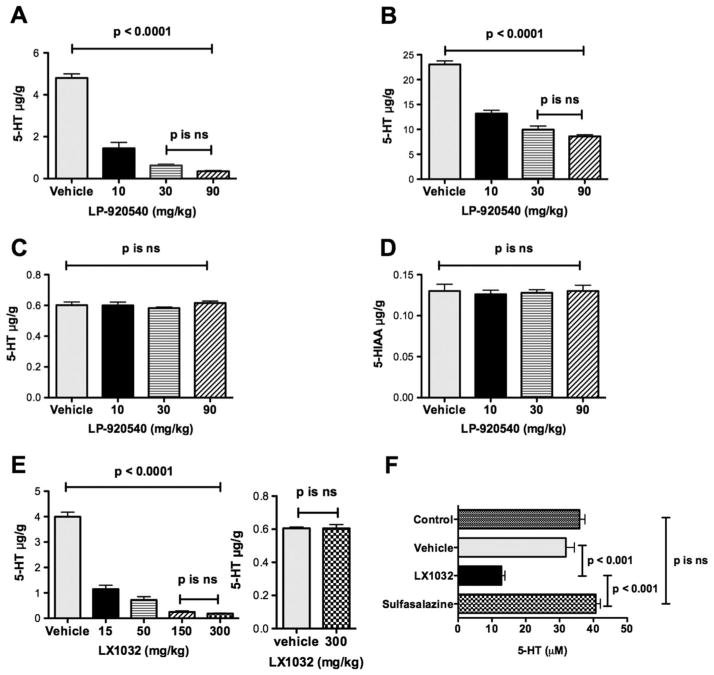
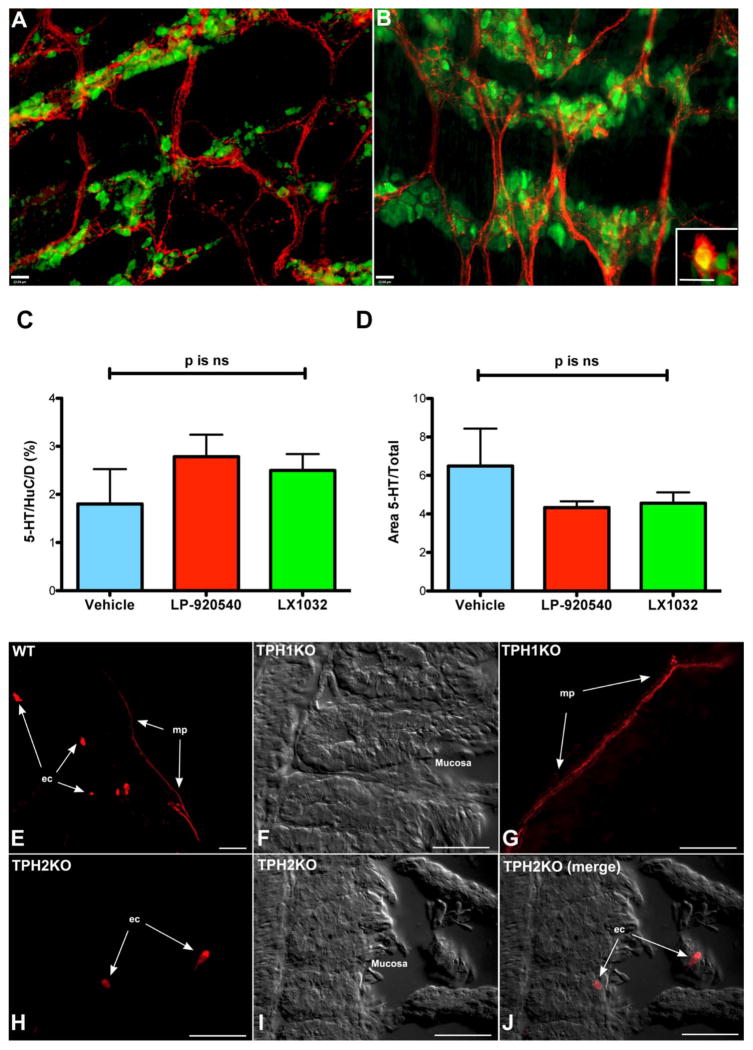
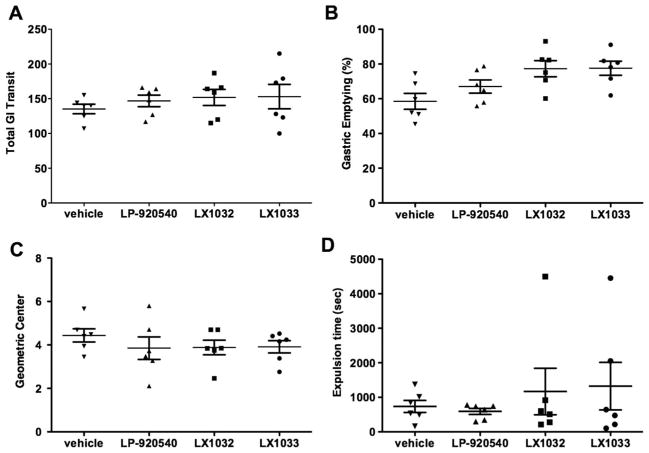
Serotonin levels in the peripheral are decreased by telotristat ethyl (15, 50, 150, 300 mg/kg, po, qd), but not in the mouse brain. Telotristat ethyl (200 mg/kg po, qd) significantly protects mice against inflammatory bowel disease and inhibits the rise in blood neutrophil counts seen following TNBS challenge. Histopathological evaluation of a mouse model of IBD confirms that telotristat ethyl (200 mg/kg po, qd) protects the model [1]. In the jejunum, telotristat ethyl (15, 50, 150, and 300 mg/kg) depletes 5-HT, but not in the brain. Nevertheless, neither constitutive gastrointestinal motility nor serotonin (5-HT) depletion of enteric neurons occurs in mice treated with telotristat ethyl (200 mg/kg, po). The severity of colitis caused by trinitrobenzene sulfonic acid (TNBS) is lessened by telotristat ethyl (200 mg/kg) [2].
In C57BL/6 mice with DSS-induced ulcerative colitis (3% DSS in drinking water for 7 days): Oral administration of Telotristat Etiprate (10, 30, 100 mg/kg/day) for 7 days dose-dependently alleviated disease severity. At 100 mg/kg, the Disease Activity Index (DAI, combining weight loss, diarrhea, and bleeding) decreased from 4.0 (vehicle control) to 1.5; colon length (a marker of inflammation-induced shortening) increased from 6.2 cm to 8.1 cm (normal: ~9.0 cm). Histopathological analysis showed reduced colonic mucosal erosion (from 85% to 32% of tissue area) and inflammatory cell infiltration (50% reduction in neutrophil count, detected via myeloperoxidase [MPO] staining). Colonic tissue serotonin levels were lowered by 48% compared to controls [1] - In TNBS-induced rat colitis (100 mg/kg TNBS enema): Intraperitoneal injection of Telotristat Etiprate (30 mg/kg/day) for 5 days reduced colonic MPO activity (a measure of neutrophil infiltration) from 21.3 U/mg protein (vehicle) to 8.7 U/mg protein. Serum TNF-α and IL-1β concentrations were decreased by 42% and 38%, respectively. Unlike non-selective TPH inhibitors, Telotristat Etiprate did not alter serotonin levels in the brainstem (a TPH2-expressing region) or impair intestinal motility (measured via transit time of fluorescent markers), confirming lack of central or neuronal off-target effects [2] |
| Enzyme Assay |
Recombinant Human TPH1 Activity Assay: The reaction system (200 μL) contained 50 mM Tris-HCl (pH 7.5), 0.1 mM FeSO4, 0.5 mM (6R)-L-erythro-5,6,7,8-tetrahydrobiopterin (BH4, cofactor), 100 μM L-tryptophan (substrate), 50 ng recombinant human TPH1 protein, and Telotristat Etiprate at concentrations of 0.1, 0.3, 1, 3, 10, 30, or 100 nM (vehicle control: 0.1% DMSO). The mixture was incubated at 37°C for 30 minutes, and the reaction was terminated by adding 50 μL of 10% trichloroacetic acid (TCA). Precipitated proteins were removed by centrifugation (10,000×g for 10 minutes at 4°C), and the supernatant was analyzed via HPLC with fluorescence detection (excitation: 280 nm; emission: 340 nm) to quantify 5-HTP production. TPH1 activity was calculated as nmol 5-HTP generated per mg TPH1 per hour, and inhibition rates were determined relative to the vehicle control. IC50 was calculated using nonlinear regression (four-parameter logistic model) [1]
- TPH2 Selectivity Assay: The assay protocol was identical to the TPH1 assay, except 50 ng recombinant human TPH2 protein was used, and Telotristat Etiprate concentrations ranged from 100 nM to 10 μM. No significant inhibition of TPH2 activity (<5% at 10 μM) was observed, confirming isoform selectivity [1] |
| Cell Assay |
Caco-2 Cell Serotonin Secretion Assay: Caco-2 cells (passage 20-35) were seeded in 24-well plates at 5×10⁴ cells/well and cultured in DMEM supplemented with 10% FBS, 1% non-essential amino acids, and antibiotics (37°C, 5% CO2) until confluent (7 days). Medium was replaced with serum-free DMEM containing Telotristat Etiprate (1, 3, 10, 30 nM) or vehicle (0.1% DMSO) and incubated for 24 hours. For LPS stimulation, 1 μg/mL LPS was added during the final 6 hours of incubation. Culture supernatants were collected, and serotonin concentrations were measured via reverse-phase HPLC (C18 column, mobile phase: 0.1% trifluoroacetic acid in water/acetonitrile = 90:10, flow rate: 1 mL/min) with electrochemical detection. Cell viability was assessed via MTT assay to confirm no cytotoxicity at test concentrations [1]
- Primary Mouse Intestinal Mucosal Cell Isolation and Serotonin Detection: Intestinal mucosa was scraped from the jejunum of C57BL/6 mice, digested with collagenase (0.1% w/v) for 30 minutes at 37°C, and filtered to obtain a single-cell suspension. Cells were plated in 96-well plates (1×10⁵ cells/well) and treated with Telotristat Etiprate (3, 10, 30, 100 nM) or a TPH2 inhibitor (100 nM) for 18 hours. Cells were lysed with 0.1 M perchloric acid, and lysates were centrifuged (12,000×g for 15 minutes at 4°C). Serotonin levels in supernatants were quantified via a competitive ELISA kit, with results normalized to total protein concentration (BCA assay) [2] |
| Animal Protocol |
Dissolved in 15% cyclodextrin or 0.25% methylcellulose; 300 mg/kg; p.o.
Male C57BL/6 mice and male C57 albino mice. Animal information: C57Bl/6brd x 129SvEv F1 hybrid mice were used in all experiments. The studies were carried out with protocols approved by the Institutional Animal Care and Use Committee of Lexicon Pharmaceuticals, Inc.[1] 5-HT measurement: Blood was mixed in buffer containing 56 mM sodium ascorbate and 600 mM trichloroacetic acid, and jejunum tissues were homogenized in a buffer containing 300 mM trichloroacetic acid, 100 mM sodium acetate, pH 3.5, 0.01 mM EDTA, and 20 mM sodium bisulfate. The resulting cell lysates were centrifuged and the supernatants analyzed for 5-HT content using reverse phase HPLC with a C18 column and an in-line fluorescence detector. [1] TNBS-IBD model: Animals were challenged via intra-rectal administration with 2% TNBS or left untreated as naïve controls. LX1606 and sulfasalazine were formulated in 0.25% methylcellulose and given to mice once daily via oral gavage starting 6 days before TNBS challenge and continuing during challenge. [1] Blood neutrophil count: Blood was collected in EDTA by retro-orbital bleeding and complete cell counts were measured on a Veterinary cell counter. [1] Histological analysis: Proximal and distal colon and cecum were collected, fixed in formalin, and sections were stained with hematoxylin and eosin. The sections were scored using a modified TJL system. [1] Quantitative polymerase chain reaction (qPCR) analysis of cytokine expression: Total RNA was extracted from distal colon. Interested genes were analyzed by standard qPCR methods[1] Two peripheral TPH inhibitors, LP-920540 and telotristat etiprate (LX1032; LX1606) were given orally to mice. Effects were measured on 5-HT levels in the gut, blood and brain, 5-HT immunoreactivity in the ENS, gastrointestinal motility and severity of trinitrobenzene sulfonic acid (TNBS)-induced colitis. Quantitation of clinical scores, histological damage and intestinal expression of inflammation-associated cytokines and chemokines with focused microarrays and real-time reverse transcriptase PCR were employed to evaluate the severity of intestinal inflammation.[2] Results: LP-920540 and LX1032 reduced 5-HT significantly in the gut and blood but not in the brain. Neither LP-920540 nor LX1032 decreased 5-HT immunoreactive neurons or fibres in the myenteric plexus and neither altered total gastrointestinal transit time, colonic motility or gastric emptying in mice. In contrast, oral LP-920540 and LX1032 reduced the severity of TNBS-induced colitis; the expression of 24% of 84 genes encoding inflammation-related cytokines and chemokines was lowered at least fourfold and the reduced expression of 17% was statistically significant.[2] DSS-Induced Murine Ulcerative Colitis Model: Female C57BL/6 mice (6-8 weeks old, 18-22 g) were housed under SPF conditions (22±2°C, 12-hour light/dark cycle, free access to food/water). Mice were randomly divided into 4 groups (n=8/group): normal control (no DSS, vehicle), DSS control (3% DSS in drinking water, vehicle), and DSS + Telotristat Etiprate (10, 30, 100 mg/kg/day). Telotristat Etiprate was dissolved in 0.5% carboxymethylcellulose sodium (CMC-Na) and administered via oral gavage once daily for 7 days, starting concurrently with DSS exposure. On day 8, mice were euthanized; colons were excised, measured for length, and divided into segments: one segment was fixed in 4% paraformaldehyde for histopathology (H&E staining), another was homogenized for MPO activity assay (using a colorimetric kit) and serotonin quantification (HPLC), and a third was used for RNA extraction (RT-PCR for IL-6, TNF-α) [1] - TNBS-Induced Rat Colitis Model: Male Sprague-Dawley rats (200-250 g) were anesthetized with isoflurane (2% induction, 1% maintenance). A TNBS solution (100 mg/kg in 50% ethanol) was administered via intrarectal enema (5 cm from anus) to induce colitis. Rats were randomized to 3 groups (n=6/group): sham control (saline enema, vehicle), TNBS control (TNBS enema, vehicle), and TNBS + Telotristat Etiprate (30 mg/kg/day). Telotristat Etiprate was dissolved in saline and injected intraperitoneally once daily for 5 days, starting 24 hours after TNBS administration. On day 6, rats were euthanized: blood was collected for serum cytokine analysis (ELISA), colons were harvested for MPO activity and serotonin assays, and brainstems were dissected to measure serotonin levels (HPLC). Intestinal motility was assessed 1 day before euthanasia by gavage of a fluorescent dextran (100 mg/kg) and measuring transit time to fecal excretion [2] |
| ADME/Pharmacokinetics |
After oral administration of Telotristat Etiprate (100 mg/kg) to mice: the plasma drug concentration reached a peak (Cmax) of 256 ng/mL at 1.5 hours (Tmax), and the elimination half-life (t1/2) was 4.2 hours. The drug concentration in the colonic mucosa at Tmax was 1210 ng/g tissue, which was 4.7 times that of the plasma concentration, indicating that the drug preferentially distributed to the target tissue (intestine). The oral bioavailability was 35% (compared to intravenous injection of 10 mg/kg) [1] - After intraperitoneal injection of Telotristat Etiprate (30 mg/kg) to rats: the plasma Cmax was 189 ng/mL at 0.8 hours, and the t1/2 was 3.8 hours. Very little penetration of the drug into the central nervous system was observed: the drug concentration in the brainstem was below 10 ng/g tissue at all time points, which is consistent with the selectivity of TPH2 [2]
|
| Toxicity/Toxicokinetics |
Acute toxicity in mice: A single oral dose of Telotristat Etiprate (100, 300, 1000 mg/kg) did not cause death or behavioral abnormalities within 7 days. A transient decrease in food intake was observed on day 1 in the 1000 mg/kg dose group, but returned to normal by day 2; no changes were observed in serum ALT, AST, BUN, or creatinine compared to the control group [1]
- Subacute toxicity in rats: Daily intraperitoneal injections of Telotristat Etiprate (30, 100 mg/kg) for 14 days did not reveal significant differences in body weight, organ weight (liver, kidney, colon), or histopathological changes in major organs. Colonic epithelial integrity (measured by transepithelial electrical resistance of isolated colonic segments) was maintained, indicating no intestinal toxicity [2] |
| References | |
| Additional Infomation |
Telotristat ethyl ester is a small-molecule tryptophan hydroxylase (TPH) inhibitor prodrug with high oral bioavailability and potential antiserotonin activity. After administration, telotristat ethyl ester is converted to its active moiety, telotristat (LP-778902), which binds to TPH and blocks its activity. This may result in reduced peripheral serotonin (5-HT) production and improved serotonin-mediated gastrointestinal responses, such as severe diarrhea. TPH is the rate-limiting enzyme in serotonin biosynthesis and is overexpressed in carcinoid tumor cells.
See also: Telotristat (with active moiety). Drug Indications Xermelo is indicated for the treatment, in combination with somatostatin analogues (SSA), of diarrhea in adult cancer syndromes that have not responded to SSA therapy. Treatment of Carcinoid Syndrome Telotristat Etiprate (LX 1606 hippurate) is a first-in-class selective TPH1 inhibitor designed to target excessive mucosal serotonin production, a key driver of intestinal inflammation in inflammatory bowel disease (IBD). Its high selectivity for TPH1 (rather than TPH2) avoids interference with neuronal serotonin signaling (which is crucial for mood, sleep and intestinal motility), thereby reducing the risk of central or gastrointestinal side effects associated with non-selective TPH inhibitors [1,2] - In preclinical models of IBD [1], Telotristat Etiprate exhibited anti-inflammatory and tissue-protective effects, reducing mucosal damage and inflammatory cytokine release independently of conventional immunosuppression, suggesting its potential efficacy in patients with refractory IBD or those intolerant to anti-TNF therapy [1] - The drug preferentially distributes to the intestinal mucosa [1] and lacks central penetration [2], supporting its use as a local intestinal therapy, thereby minimizing systemic exposure and off-target effects. In addition to inflammatory bowel disease (IBD), preclinical data suggest that Telotristat Etiprate may also have potential applications in other serotonin-mediated gastrointestinal diseases, such as carcinoid syndrome-associated diarrhea (a disease characterized by excessive mucosal serotonin secretion) [1]. In TNBS-induced colitis[2], Telotristat Etiprate was able to reduce inflammation without impairing intestinal motility, which addresses a major limitation of some IBD therapies (e.g., opioids, which can cause constipation) and highlights its good safety profile for long-term use[2]. |
| Molecular Formula |
C27H26CLF3N6O3.C9H9NO3
|
|
|---|---|---|
| Molecular Weight |
754.15
|
|
| Exact Mass |
753.228
|
|
| Elemental Analysis |
C, 57.33; H, 4.68; Cl, 4.70; F, 7.56; N, 13.00; O, 12.73
|
|
| CAS # |
1137608-69-5
|
|
| Related CAS # |
Telotristat ethyl;1033805-22-9;Telotristat;1033805-28-5; 1137608-69-5 (etiprate) ; 1374745-52-4 (besilate)
|
|
| PubChem CID |
25253377
|
|
| Appearance |
White to off-white solid powder
|
|
| Melting Point |
145 °C
|
|
| LogP |
7.162
|
|
| Hydrogen Bond Donor Count |
4
|
|
| Hydrogen Bond Acceptor Count |
14
|
|
| Rotatable Bond Count |
13
|
|
| Heavy Atom Count |
53
|
|
| Complexity |
1020
|
|
| Defined Atom Stereocenter Count |
2
|
|
| SMILES |
O=C([C@H](CC1=CC=C(C=C1)C2=CC(O[C@H](C3=C(C=C(C=C3)Cl)N4C=CC(C)=N4)C(F)(F)F)=NC(N)=N2)N)OCC.O=C(C5=CC=CC=C5)NCC(O)=O
|
|
| InChi Key |
XSFPZBUIBYMVEA-CELUQASASA-N
|
|
| InChi Code |
InChI=1S/C27H26ClF3N6O3.C9H9NO3/c1-3-39-25(38)20(32)12-16-4-6-17(7-5-16)21-14-23(35-26(33)34-21)40-24(27(29,30)31)19-9-8-18(28)13-22(19)37-11-10-15(2)36-37;11-8(12)6-10-9(13)7-4-2-1-3-5-7/h4-11,13-14,20,24H,3,12,32H2,1-2H3,(H2,33,34,35);1-5H,6H2,(H,10,13)(H,11,12)/t20-,24+;/m0./s1
|
|
| Chemical Name |
2-benzamidoacetic acid;ethyl (2S)-2-amino-3-[4-[2-amino-6-[(1R)-1-[4-chloro-2-(3-methylpyrazol-1-yl)phenyl]-2,2,2-trifluoroethoxy]pyrimidin-4-yl]phenyl]propanoate
|
|
| Synonyms |
|
|
| HS Tariff Code |
2934.99.9001
|
|
| Storage |
Powder -20°C 3 years 4°C 2 years In solvent -80°C 6 months -20°C 1 month Note: Please store this product in a sealed and protected environment, avoid exposure to moisture. |
|
| Shipping Condition |
Room temperature (This product is stable at ambient temperature for a few days during ordinary shipping and time spent in Customs)
|
| Solubility (In Vitro) |
DMSO: 100 mg/mL (132.6 mM)
Water: 1 mg/mL (Insoluble) Ethanol: 1 mg/mL |
|---|---|
| Solubility (In Vivo) |
Solubility in Formulation 1: ≥ 10 mg/mL (13.26 mM) (saturation unknown) in 10% DMSO + 40% PEG300 + 5% Tween80 + 45% Saline (add these co-solvents sequentially from left to right, and one by one), clear solution.
For example, if 1 mL of working solution is to be prepared, you can add 100 μL of 100.0 mg/mL clear DMSO stock solution to 400 μL PEG300 and mix evenly; then add 50 μL Tween-80 to the above solution and mix evenly; then add 450 μL normal saline to adjust the volume to 1 mL. Preparation of saline: Dissolve 0.9 g of sodium chloride in 100 mL ddH₂ O to obtain a clear solution. Solubility in Formulation 2: ≥ 10 mg/mL (13.26 mM) (saturation unknown) in 10% DMSO + 90% Corn Oil (add these co-solvents sequentially from left to right, and one by one), clear solution. For example, if 1 mL of working solution is to be prepared, you can add 100 μL of 100.0 mg/mL clear DMSO stock solution to 900 μL of corn oil and mix evenly. (Please use freshly prepared in vivo formulations for optimal results.) |
| Preparing Stock Solutions | 1 mg | 5 mg | 10 mg | |
| 1 mM | 1.3260 mL | 6.6300 mL | 13.2600 mL | |
| 5 mM | 0.2652 mL | 1.3260 mL | 2.6520 mL | |
| 10 mM | 0.1326 mL | 0.6630 mL | 1.3260 mL |
*Note: Please select an appropriate solvent for the preparation of stock solution based on your experiment needs. For most products, DMSO can be used for preparing stock solutions (e.g. 5 mM, 10 mM, or 20 mM concentration); some products with high aqueous solubility may be dissolved in water directly. Solubility information is available at the above Solubility Data section. Once the stock solution is prepared, aliquot it to routine usage volumes and store at -20°C or -80°C. Avoid repeated freeze and thaw cycles.
Calculation results
Working concentration: mg/mL;
Method for preparing DMSO stock solution: mg drug pre-dissolved in μL DMSO (stock solution concentration mg/mL). Please contact us first if the concentration exceeds the DMSO solubility of the batch of drug.
Method for preparing in vivo formulation::Take μL DMSO stock solution, next add μL PEG300, mix and clarify, next addμL Tween 80, mix and clarify, next add μL ddH2O,mix and clarify.
(1) Please be sure that the solution is clear before the addition of next solvent. Dissolution methods like vortex, ultrasound or warming and heat may be used to aid dissolving.
(2) Be sure to add the solvent(s) in order.
| NCT Number | Recruitment | interventions | Conditions | Sponsor/Collaborators | Start Date | Phases |
| NCT03442725 | Completed Has Results | Drug: Telotristat etiprate | Renal Impairment | Ipsen | February 9, 2018 | Phase 1 |
| NCT02026063 | Completed Has Results | Drug: Telotristat etiprate | Carcinoid Syndrome | Lexicon Pharmaceuticals | January 14, 2014 | Phase 3 |
| NCT02063659 | Completed Has Results | Drug: Telotristat etiprate Drug: Placebo |
Carcinoid Syndrome | Lexicon Pharmaceuticals | March 11, 2014 | Phase 3 |
| NCT01104415 | Completed Has Results | Drug: Telotristat etiprate | Carcinoid Syndrome | Lexicon Pharmaceuticals | June 15, 2010 | Phase 2 |
|
|---|
|
|
Products are for research use only; We do not sell to patients
Copyright 2020 InvivoChem LLC | All Rights Reserved


 COA
COA