| Size | Price | Stock | Qty |
|---|---|---|---|
| 10mg |
|
||
| 25mg |
|
||
| 50mg | |||
| 100mg | |||
| 250mg | |||
| Other Sizes |


Purity: ≥98%
| Targets |
SIRT1 (silent information regulator 1) – SRT3025 HCL is a SIRT1 agonist; no direct IC50 or EC50 for SIRT1 activation is provided in this study. [1]
SRT3025 targets SIRT1 (Sirtuin 1), a class III histone deacetylase that depends on NAD+ for its activity. By activating SIRT1, it modulates the acetylation status of various proteins, affecting cellular processes such as metabolism, inflammation, and aging. It is an orally bioactive small molecule activator of the SIRT1 enzyme. |
|---|---|
| ln Vitro |
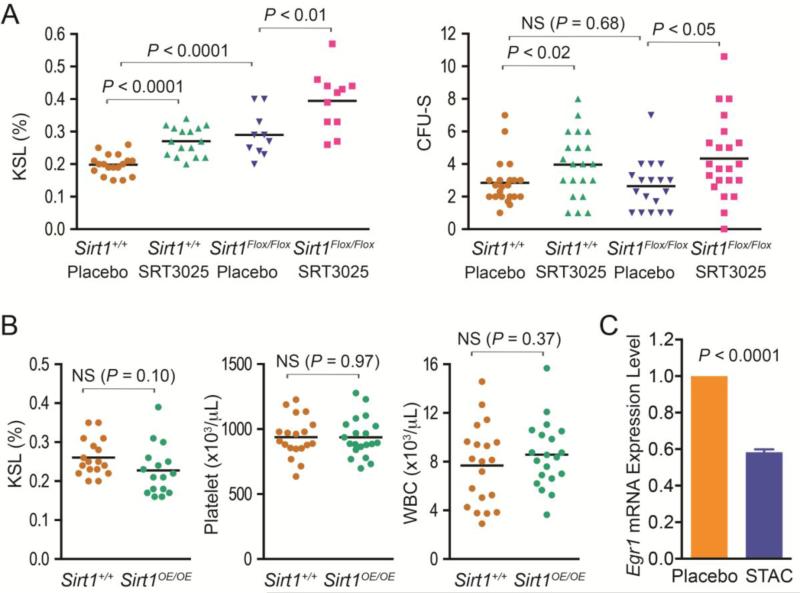
SRT3025 inhibits RANKL-induced osteoclast differentiation, fusion and resorptive capacity without affecting osteoclast survival. SRT3025 inhibits RANKL-induced osteoclastogenesis in bone marrow-derived macrophages (BMMs) by activating AMPK and deacetylating RelA/p65 lysine 310, critical for activation of the NF-κB signaling pathway. SRT3025 acts faster than oxymetholone to improve hematopoiesis. It does not work by direct activation of Sirt1 in hematopoietic cells. SRT3025 might suppress p21 transcription through the down-regulation of Egr1. SRT3025 is found to activate wild-type Sirt1 protein but failed to activate the E230K mutant, an activation-resistant Sirt1 protein (due to a mutation at position 230).
Kinase Assay: Cell Assay: Cells (HPDE, Panc-1, SU86.86, Patu8988t cells) are treated with vehicle or different concentrations of SRT3025 for 72 hours and submitted to MTT analysis. SRT3025 HCL inhibited cell viability of human pancreatic cancer cell lines in a dose‑dependent manner as measured by MTT assay. IC50 for SU86.86 cells was 0.98 ± 0.13 μM after 72 h treatment. Patu8988t and Panc‑1 cells were less sensitive to the drug. (Figure 1G) [1] SRT3025 HCL (5 μM, 16 h) increased expression of the autophagy marker LC3‑II and the autophagy substrate p62 in Patu8988t cells, as determined by immunoblotting, indicating inhibition of autophagy flux. (Figure 3H) [1] Combination of SRT3025 HCL (7.5 μM) with the lysosomotropic agents chloroquine (10 μM), ammonium chloride (2.5 mM), or bafilomycin A1 (1 nM) for 24 h significantly reversed the decrease in cell viability caused by SRT3025 HCL alone in SU86.86 cells, as determined by MTT assay. (Figure 3D) [1] In vitro, SRT3025 activates SIRT1, leading to the deacetylation of its substrates. It inhibits RANKL-induced osteoclast differentiation, fusion, and resorptive capacity without affecting osteoclast survival. It activates SIRT1 and inhibits RANKL-induced osteoclast differentiation. |
| ln Vivo |
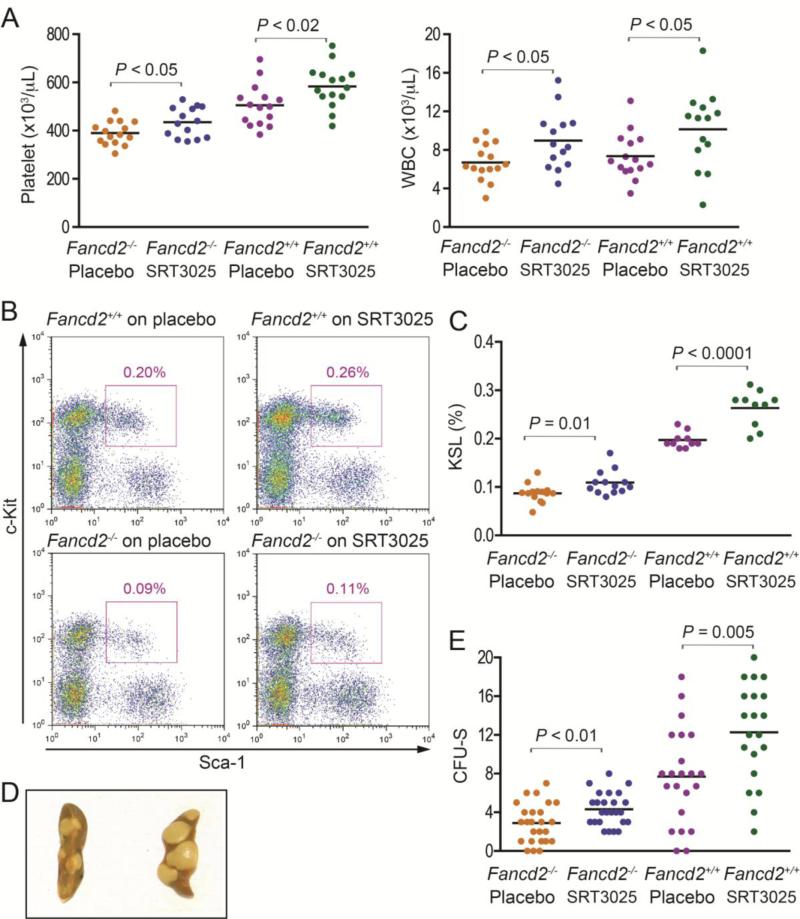
SRT3025 treatment also inhibits tumor growth in Panc-1 xenografts, even though it is not as effective in inhibiting the viability of Panc-1 cells in culture. SRT3025 is well tolerated in mice and has the potential to be used in several diseases. SRT3025 administration expands HSPCs and boosts blood counts while long term SRT3025 administration does not permanently increase or decrease HSC repopulating potential. SRT3025 reduces plasma cholesterol, inflammation, and atherosclerosis in Apoe−/− mice, and it increases hepatic Ldlr expression and Pcsk9 accumulation.
Oral administration of SRT3025 HCL (200 mg/kg daily for 10 days by oral gavage) significantly inhibited tumor growth in a Panc‑1 subcutaneous xenograft mouse model. Tumor size and weight were reduced compared to vehicle‑treated controls. (Figure 2E) [1] Cellular assays are used to measure the activity of SRT3025. For example, its effect on SIRT1-mediated deacetylation can be measured by Western blotting. Its effect on osteoclast differentiation and function is assessed in vitro using osteoclast precursor cells. |
| Enzyme Assay |
In vivo, SRT3025 is studied for its effects on metabolism, inflammation, and bone biology. Its ability to inhibit osteoclast differentiation suggests potential applications in bone diseases.
|
| Cell Assay |
MTT assay: Pancreatic cancer cells (Patu8988t, SU86.86, Panc‑1) were plated in 96‑well plates (3‑5×10³/well), treated with SRT3025 HCL at various concentrations for 72 h, then incubated with 20 μl of 5 mg/ml MTT for 2 h. Formazan crystals were dissolved in DMSO (200 μl) and absorbance measured at 560 nm. IC50 values were calculated using CalcuSyn software. [1]
Western blot analysis: Cells were lysed in buffer containing 20 mM Tris‑HCl pH 8.0, 100 mM NaCl, 1 mM EDTA, 0.5% Nonidet P‑40, 5 mM NaF, 50 mM 2‑glycerophosphate, and protease inhibitors. Lysates were centrifuged at 12,000 rpm for 10 min at 4 °C, separated by SDS‑PAGE, transferred to Immobilon P membranes, and immunoblotted with antibodies against LC3‑II and p62. [1] In vitro enzyme assays measure the activation of SIRT1. The compound is incubated with the enzyme and a substrate, and the degree of deacetylation is measured to determine its EC50 or EC1.5. Osteoclast precursor cells are treated with SRT3025 in the presence of RANKL. The formation of multinucleated osteoclasts and their resorptive activity are measured. |
| Animal Protocol |
Dissolved in PBS containing 1% Hydroxypropyl)-β-cyclodextrine and 12% propylene glycol; 50-200 mg/kg; p.o. administration. Female athymic nu/nu mice
Animal protocol for in vivo xenograft study: Female athymic nu/nu mice (5‑6 weeks old) were injected subcutaneously with 4×10⁶ Panc‑1 cells in 100 μl of PBS:matrigel (1:1) per site. After 14 days (tumor volume ~60 mm³), mice were randomized and treated daily by oral gavage for 10 days with either vehicle (PBS containing 1% hydroxypropyl‑β‑cyclodextrin and 12% propylene glycol) or SRT3025 HCL at 200 mg/kg. Tumor volumes were measured weekly for an additional 10 days using a caliper and calculated as V = 4/3π × (l×w×d). [1] The in vivo activity of SRT3025 is studied in animal models of bone disease, such as osteoporosis. Its effect on bone density and osteoclast number is assessed. |
| ADME/Pharmacokinetics |
SRT3025 is orally bioactive. Its pharmacokinetic properties, including absorption, distribution, metabolism, and excretion, would be characterized in preclinical species to support its development.
|
| Toxicity/Toxicokinetics |
No overt treatment‑related toxicity was observed during the in vivo study; food intake and body weight remained similar between treated and control groups. (Supplementary Fig. S4) [1]
Toxicology studies would assess the safety profile of SRT3025. As a SIRT1 activator, its potential for on-target and off-target effects would be evaluated. |
| References | |
| Additional Infomation |
SRT3025 HCL is a STAC that has been tested in humans (reference 37). In this study, it was less effective in vitro against Patu8988t and Panc‑1 cells but still inhibited Panc‑1 tumor growth in vivo. The effect of SRT3025 HCL on cell viability was reversed by lysosome acidification inhibitors (chloroquine, ammonium chloride, bafilomycin A1), and it increased LC3‑II and p62 levels, indicating blockage of autophagy flux. The SIRT1‑dependent lysosomal pathway is proposed to mediate its anticancer effects. [1]
SRT3025 HCl is a research tool for studying the role of SIRT1 in various physiological and pathological processes. It is used to investigate the potential of SIRT1 activation for therapeutic applications in aging, metabolism, and bone diseases. It is an orally available small molecule activator of the SIRT1 enzyme. |
| Molecular Formula |
C31H31N5O2S2.HCL
|
|
|---|---|---|
| Molecular Weight |
606.2
|
|
| Exact Mass |
605.168
|
|
| CAS # |
2070015-26-6
|
|
| Related CAS # |
1231952-55-8;2070015-26-6 (HCl);
|
|
| PubChem CID |
118986647
|
|
| Appearance |
Light yellow to yellow solid powder
|
|
| Hydrogen Bond Donor Count |
2
|
|
| Hydrogen Bond Acceptor Count |
8
|
|
| Rotatable Bond Count |
10
|
|
| Heavy Atom Count |
41
|
|
| Complexity |
811
|
|
| Defined Atom Stereocenter Count |
0
|
|
| SMILES |
O=C(C1=C(CCCOC)SC(C2=CC=CC=C2)=N1)NC3=CC=CC=C3C4=NC5=C(N=CC(CN6CCCC6)=C5)S4.Cl[H]
|
|
| InChi Key |
LGRBDTOIPNDWMN-UHFFFAOYSA-N
|
|
| InChi Code |
InChI=1S/C31H31N5O2S2.ClH/c1-38-17-9-14-26-27(35-29(39-26)22-10-3-2-4-11-22)28(37)33-24-13-6-5-12-23(24)30-34-25-18-21(19-32-31(25)40-30)20-36-15-7-8-16-36;/h2-6,10-13,18-19H,7-9,14-17,20H2,1H3,(H,33,37);1H
|
|
| Chemical Name |
5-(3-methoxypropyl)-2-phenyl-N-[2-[6-(pyrrolidin-1-ylmethyl)-[1,3]thiazolo[5,4-b]pyridin-2-yl]phenyl]-1,3-thiazole-4-carboxamide;hydrochloride
|
|
| Synonyms |
|
|
| HS Tariff Code |
2934.99.9001
|
|
| Storage |
Powder -20°C 3 years 4°C 2 years In solvent -80°C 6 months -20°C 1 month Note: Please store this product in a sealed and protected environment, avoid exposure to moisture. |
|
| Shipping Condition |
Room temperature (This product is stable at ambient temperature for a few days during ordinary shipping and time spent in Customs)
|
| Solubility (In Vitro) |
DMSO: 100 mg/mL (165 mM)
Water: 1 mg/mL (Insoluble) Ethanol: 5 mg/mL (8.2 mM) |
|---|---|
| Solubility (In Vivo) |
Solubility in Formulation 1: ≥ 1.25 mg/mL (2.06 mM) (saturation unknown) in 10% DMSO + 40% PEG300 + 5% Tween80 + 45% Saline (add these co-solvents sequentially from left to right, and one by one), clear solution.
For example, if 1 mL of working solution is to be prepared, you can add 100 μL of 12.5 mg/mL clear DMSO stock solution to 400 μL PEG300 and mix evenly; then add 50 μL Tween-80 to the above solution and mix evenly; then add 450 μL normal saline to adjust the volume to 1 mL. Preparation of saline: Dissolve 0.9 g of sodium chloride in 100 mL ddH₂ O to obtain a clear solution. Solubility in Formulation 2: ≥ 1.25 mg/mL (2.06 mM) (saturation unknown) in 10% DMSO + 90% (20% SBE-β-CD in Saline) (add these co-solvents sequentially from left to right, and one by one), clear solution. For example, if 1 mL of working solution is to be prepared, you can add 100 μL of 12.5 mg/mL clear DMSO stock solution to 900 μL of 20% SBE-β-CD physiological saline solution and mix evenly. Preparation of 20% SBE-β-CD in Saline (4°C,1 week): Dissolve 2 g SBE-β-CD in 10 mL saline to obtain a clear solution. (Please use freshly prepared in vivo formulations for optimal results.) |
| Preparing Stock Solutions | 1 mg | 5 mg | 10 mg | |
| 1 mM | 1.6496 mL | 8.2481 mL | 16.4962 mL | |
| 5 mM | 0.3299 mL | 1.6496 mL | 3.2992 mL | |
| 10 mM | 0.1650 mL | 0.8248 mL | 1.6496 mL |
*Note: Please select an appropriate solvent for the preparation of stock solution based on your experiment needs. For most products, DMSO can be used for preparing stock solutions (e.g. 5 mM, 10 mM, or 20 mM concentration); some products with high aqueous solubility may be dissolved in water directly. Solubility information is available at the above Solubility Data section. Once the stock solution is prepared, aliquot it to routine usage volumes and store at -20°C or -80°C. Avoid repeated freeze and thaw cycles.
Calculation results
Working concentration: mg/mL;
Method for preparing DMSO stock solution: mg drug pre-dissolved in μL DMSO (stock solution concentration mg/mL). Please contact us first if the concentration exceeds the DMSO solubility of the batch of drug.
Method for preparing in vivo formulation::Take μL DMSO stock solution, next add μL PEG300, mix and clarify, next addμL Tween 80, mix and clarify, next add μL ddH2O,mix and clarify.
(1) Please be sure that the solution is clear before the addition of next solvent. Dissolution methods like vortex, ultrasound or warming and heat may be used to aid dissolving.
(2) Be sure to add the solvent(s) in order.
|
Effects of SRT3025 on HSPC proliferation.Stem Cell Res.2015 Jul;15(1):130-40. |
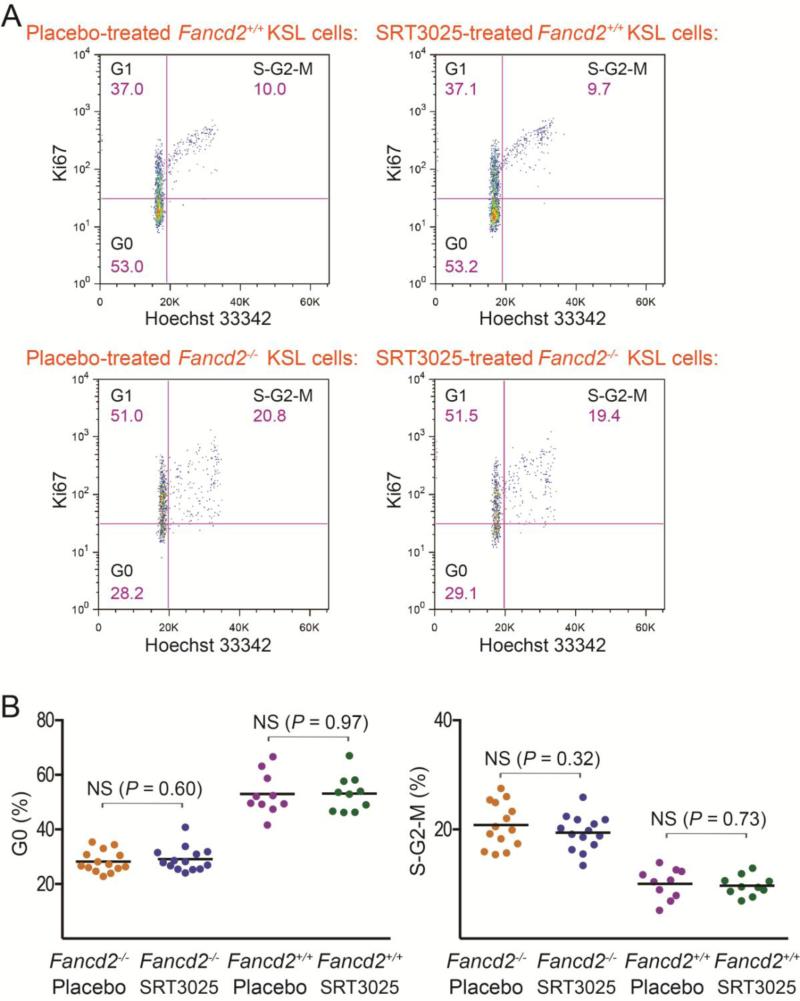
Frequency and repopulating capacity of long-term HSCs after SRT3025 administration.Stem Cell Res.2015 Jul;15(1):130-40. |
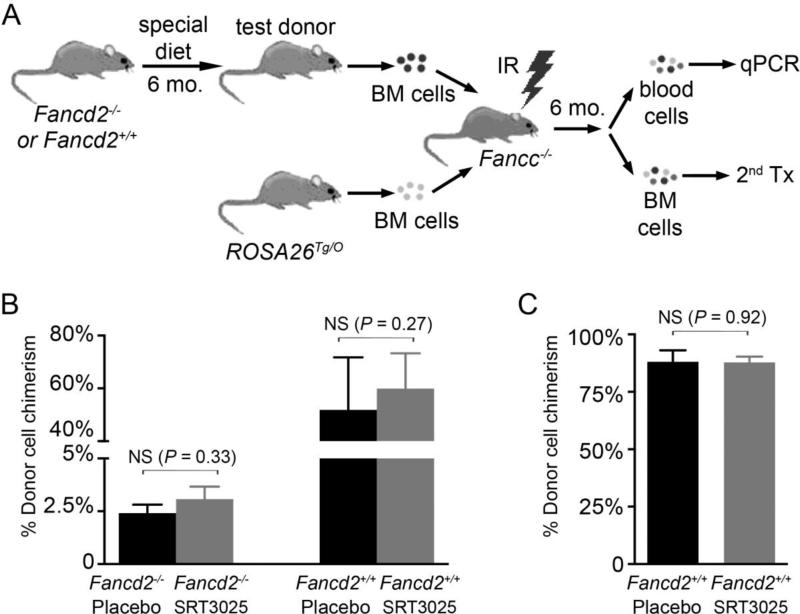
Serial transplantation experiment.Stem Cell Res.2015 Jul;15(1):130-40. |
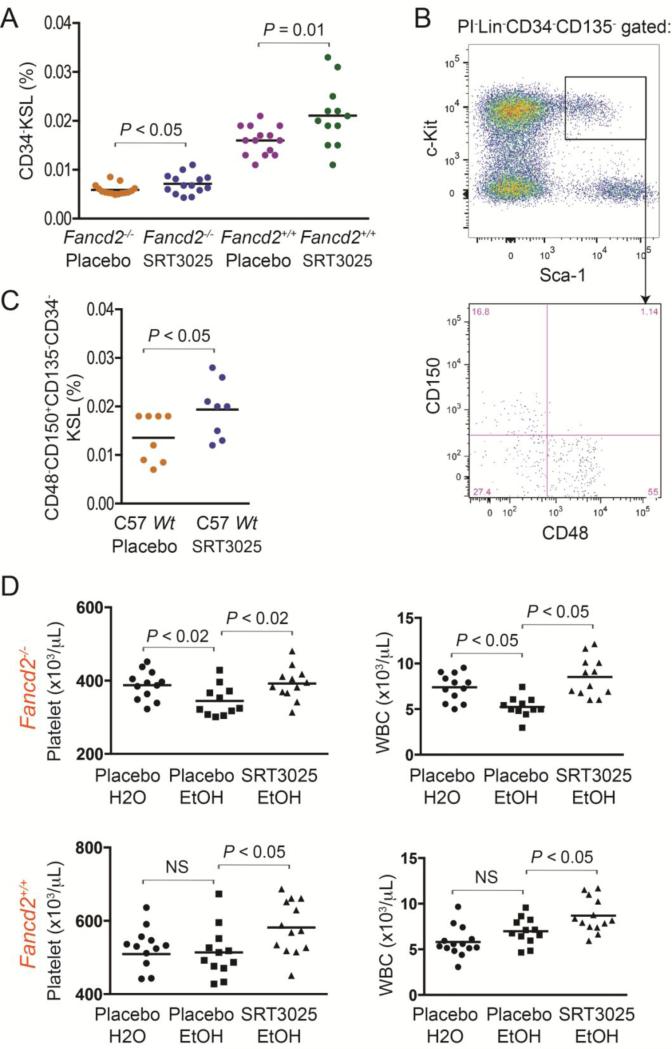
Effects of SRT3025 on hematopoiesis after conditional deletion of Sirt1 in blood cells or transgenic overexpression.Stem Cell Res.2015 Jul;15(1):130-40. |
Products are for research use only; We do not sell to patients
Copyright 2020 InvivoChem LLC | All Rights Reserved


 COA
COA