| Size | Price | Stock | Qty |
|---|---|---|---|
| 5mg |
|
||
| 10mg |
|
||
| 25mg |
|
||
| 50mg |
|
||
| 100mg |
|
||
| 250mg |
|
||
| 500mg |
|
||
| Other Sizes |
Purity: =99.15%
| Targets |
SRI-011381 targets the TGF-β signaling pathway as an agonist . It activates TGF-β/Smad‑dependent signaling by promoting the phosphorylation of Smad2 and Smad3 . The compound also activates the non‑Smad PI3K signaling pathway . In SBE‑luciferase bioluminescent reporter mice, SRI-011381 (30 mg/kg, i.p.) activates TGF‑β signaling in vivo
|
|---|---|
| ln Vitro |
In mouse lung blasts, SRI-011381 (10 μM) enhances the production of TGF-β1, NALP3, collagen-1, and α-SMA substantially and promotes fibroblast swelling [1].
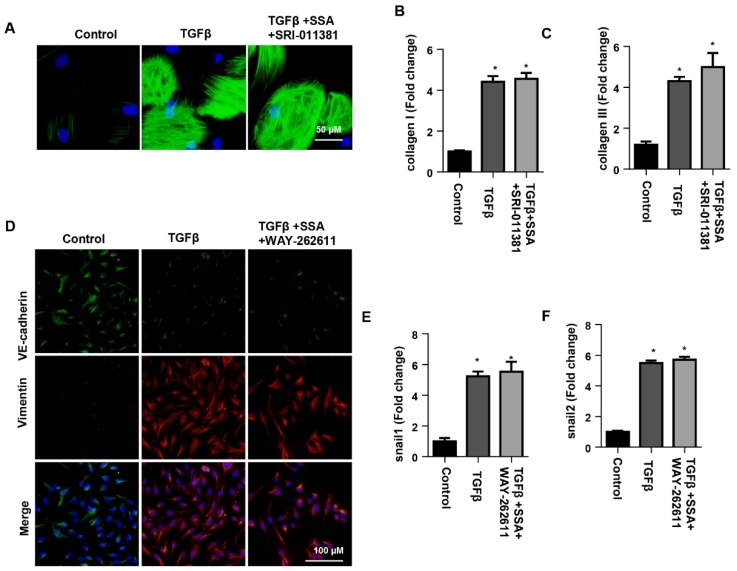
In primary cultured mouse lung fibroblasts, treatment with a 10 μM solution of SRI-011381 was used to activate the TGF-β1 signaling pathway. [1] SRI-011381 promoted the proliferation of lung fibroblasts, as evidenced by a significantly increased cell survival rate compared to the control group in a CCK-8 assay. [1] Treatment with SRI-011381 significantly increased the protein expression levels of fibrosis-related markers, including TGF-β1, neutrophil alkaline phosphatase 3 (NALP3), collagen-1, and α-smooth muscle actin (α-SMA) in lung fibroblasts, as detected by western blot. [1] SRI-011381 treatment also increased the levels of caspase-1 and interleukin-1β (IL-1β) in the culture supernatant of lung fibroblasts, as measured by ELISA. [1] SRI-011381 partially reversed the inhibitory effects of sodium ferulate (SF) on fibroblast proliferation and the expression of the aforementioned fibrosis-related proteins (TGF-β1, NALP3, collagen-1, α-SMA) and inflammatory mediators (caspase-1, IL-1β). [1] In stemness acquisition studies, SRI-011381 promotes sphere formation in NSTCs through the Prrx1/TGF‑β/smad signaling axis . It increases fibronectin expression in NIH‑3T3 cells stimulated by metformin . SRI-011381 (10 μM) abolishes the protective effect of saikosaponin A (SSA, 30 μM) on fibroblasts . In placental trophocytes with TGF‑β1 overexpression, SRI-011381 increases mRNA levels of Smad2 (2.58±0.22 vs. 1.00±0.13), Smad3 (2.27±0.24 vs. 1.00±0.15), and Smad4 (2.04±0.19 vs. 1.00±0.11) while decreasing E‑Cadherin mRNA levels (0.47±0.07 vs. 1.00±0.09) . The compound also enhances TGF‑β1 secretion, promotes angiogenesis through tubule formation assays, and increases migration of HUVECs as demonstrated by Transwell assays . |
| ln Vivo |
In YAPGFAP-CKO EAE mice, SRI-011381 (30 mg/kg; i.p.; every 2 days; for 22 days) partially restores optic nerve and drive deficits [2].
In an experimental autoimmune encephalomyelitis (EAE) mouse model, intraperitoneal administration of SRI-011381 (30 mg/kg, every 2 days) significantly reduced clinical scores in YAPGFAP-CKO EAE mice compared to control-treated mice. [2] SRI-011381 treatment alleviated demyelination in the optic nerve of both YAPf/f EAE and YAPGFAP-CKO EAE mice. [2] SRI-011381 treatment ameliorated inflammatory infiltration (reduced Iba1+ microglia, GFAP+ astrocytes, and CD45+ T cells) in the optic nerve of EAE mice. [2] In the retina, SRI-011381 treatment suppressed inflammatory infiltration and rescued retinal ganglion cell (RGC) loss in YAPGFAP-CKO EAE mice. [2] SRI-011381 (30 mg/kg, i.p.) activates TGF‑β signaling in SBE‑luciferase bioluminescent reporter mice . The compound (7 mg/kg, i.p., 2 weeks) reverses the beneficial effects of internal heat needle therapy in a rotator cuff injury rat model, as evidenced by shortened thermal withdrawal latency, decreased maximum tensile load, reduced expression of Scx and TnC, increased levels of IL‑1β, IL‑6, and TNF‑α, and elevated expression of TGF‑β1 and p‑Smad2/3 . SRI-011381 protects mice from kainic acid‑induced excitotoxicity and neurodegeneration . It reduces neurodegeneration in APP751SL Swedish transgenic mice . In an embryo damage model, SRI-011381 inhibits E‑Cadherin expression via Smad signaling pathway activation . |
| Enzyme Assay |
Detailed step‑by‑step protocols for traditional enzyme or receptor binding assays (such as SPR, ITC, or radioligand binding) for SRI-011381 are not described in the available literature. However, the following methodological information is available: Western blot analysis – treated cells are lysed, proteins resolved by electrophoresis, transferred to membranes, and probed with antibodies against TGF‑β1, p‑Smad2, p‑Smad3, and stemness markers (CD133, SOX2) to assess pathway activation . ELISA – cell culture supernatants are collected and analyzed for TGF‑β1 secretion levels using commercial ELISA kits to quantify pathway activation . Sphere formation assay – cells are cultured in ultra‑low attachment plates and the number and size of spheres are quantified to assess stemness acquisition . Tubule formation assay – HUVECs are plated on Matrigel and capillary‑like tube structures are visualized and quantified to assess angiogenesis .
|
| Cell Assay |
For cell viability assay: Mouse lung fibroblasts were seeded in 96-well plates at a density of 5×10^4/mL. After cells adhered and reached 70% confluence, they were starved overnight in serum-free medium. Cells were then treated with the test compound (SRI-011381 at 10 µM) in fresh serum-free medium and cultured for 48 hours. Subsequently, 10 µL of CCK-8 solution was added to each well, followed by incubation at 37°C for 1 hour. Absorbance was measured at 450 nm using a microplate reader.
For protein expression analysis: After treatment, total protein was extracted from cells using RIPA lysis buffer containing protease inhibitors. Protein concentration was determined using a BCA assay kit. Equal amounts of protein were separated by SDS-PAGE and transferred to PVDF membranes. The membranes were blocked with 5% skim milk, then incubated with primary antibodies against target proteins (e.g., TGF-β1, NALP3, collagen-1, α-SMA) overnight at 4°C. After washing, membranes were incubated with HRP-conjugated secondary antibodies at 37°C for 1 hour. Protein bands were visualized using an ECL chemiluminescence reagent and a gel imaging system.[1] The following cell‑based assay protocols are described in the literature: Sphere formation assay – cells (NSTCs or GSCs) are treated with SRI-011381 and cultured under stemness‑promoting conditions; the number and size of spheres formed are quantified to evaluate the effect on stemness acquisition . Tubule formation assay – HUVECs are treated with conditioned medium from NSTCs or GSCs stimulated with SRI-011381 and plated on Matrigel; capillary‑like tube structures are visualized microscopically and quantified by measuring tube length and branch points . Transwell migration assay – HUVECs are seeded in the upper chamber of a Transwell insert, and conditioned medium from compound‑treated NSTCs or GSCs is placed in the lower chamber; after incubation, migrated cells on the lower surface of the membrane are stained and counted . Western blot analysis – treated cells are lysed in RIPA buffer, proteins separated by SDS‑PAGE, transferred to PVDF membranes, and probed with antibodies against TGF‑β1, p‑Smad2, p‑Smad3, Smad2, Smad3, CD133, and SOX2 to assess protein expression changes . ELISA – cell culture supernatants are collected and analyzed for TGF‑β1 secretion levels using commercial ELISA kits according to the manufacturer‘s protocol . Gene expression analysis (qPCR) – total RNA is extracted from treated cells, reverse transcribed to cDNA, and subjected to fluorescence quantitative PCR for detection of Smad2, Smad3, Smad4, PI3K, and E‑Cadherin mRNA levels . |
| Animal Protocol |
Animal/Disease Models: YAPGFAP-CKO mice experimental autoimmune encephalomyelitis (EAE) [2]
Doses: 30 mg/kg Route of Administration: intraperitoneal (ip) injection; once every 2 days; for 22 days Experimental Results: Dramatically inhibited YAPGFAP- Inflammatory infiltration in CKO EAE mice reduces neuronal loss. After EAE induction, SRI-011381 was dissolved in saline containing 10% DMSO and 40% PEG300. It was administered intraperitoneally at a dose of 30 mg/kg every 2 days. [2] The following animal experimental protocols are described in the literature: Rotator cuff injury model in SD rats – Male SPF SD rats (8 weeks old, 200±20 g) are anesthetized with pentobarbital sodium. The supraspinatus tendon insertion at the greater tuberosity is exposed and transected approximately halfway to induce rotator cuff injury. SRI-011381 is administered intraperitoneally at 7 mg/kg for 2 weeks (once weekly). Therapeutic outcomes are assessed by thermal withdrawal latency (TWL), inflammatory cytokine levels (IL‑1β, IL‑6, TNF‑α) via ELISA, histopathological examination (HE staining), collagen fiber assessment (Masson staining), maximum tensile load biomechanical testing, and immunohistochemical staining of Scx and TnC . SBE‑luciferase bioluminescent reporter mice – SRI-011381 is administered intraperitoneally at 30 mg/kg, and TGF‑β signaling activation is measured via bioluminescence imaging . Neuroprotection studies – Mice are treated with kainic acid to induce excitotoxicity; SRI-011381 is administered and neuroprotective effects are assessed . Alzheimer‘s disease model (APP751SL Swedish transgenic mice) – SRI-011381 is administered and neurodegeneration reduction is evaluated . |
| ADME/Pharmacokinetics |
SRI-011381 is orally bioavailable with an oral bioavailability of approximately 50% in FBV mice . Following oral administration in FBV mice, SRI-011381 is rapidly absorbed . Solubility: DMSO: 125 mg/mL (379.39 mM) . For in vivo formulation, the compound can be prepared in 10% DMSO + 40% PEG300 + 5% Tween‑80 + 45% Saline at a concentration of 2 mg/mL (6.07 mM) with sonication recommended . The hydrochloride salt form (SRI-011381 hydrochloride) has a molecular weight of 365.94 and CAS number 2070014-88-7 . The free base form has molecular weight 329.48 and CAS number 1629138-41-5 .
|
| Toxicity/Toxicokinetics |
In FBV mice treated with SRI-011381 (10‑75 mg/kg, oral, 14 days), significant changes in hematological endpoints were observed, most notably decreases in red blood cells, hematocrit, and hemoglobin . According to Safety Data Sheets, SRI-011381 hydrochloride is classified as toxic and contains a pharmaceutically active ingredient; handling should only be performed by personnel trained in handling potent active pharmaceutical ingredients . It is a moderate to severe irritant to the skin and eyes . Potential toxicity includes: very toxic if swallowed (R28), irritating to skin (R38), risk of serious damage to eyes (R41), toxic with danger of serious damage to health by prolonged exposure (R48), possible risk of impaired fertility (R62), and possible risk of harm to the unborn child (R63) . The substance is not listed as a carcinogen by NTP, IARC, OSHA, or ACGIH . Upon combustion, may emit irritant fumes . The product is for research use only and not for human or veterinary use .
|
| References |
|
| Additional Infomation |
SRI-011381 was used as a pharmacological tool to activate the TGF-β signaling pathway in vivo to investigate its role in neuroinflammation and demyelination in EAE-induced optic neuritis. [2]
Activation of the TGF-β signaling pathway by SRI-011381 partially rescued optic nerve and retinal damage induced by YAP knockout in astrocytes, suggesting that the protective effect of YAP is at least partially achieved through the TGF-β signaling pathway. [2] SRI-011381 (CAS: 1629138-41-5 for free base; 2070014-88-7 for hydrochloride salt) has the molecular formula C20H31N3O and molecular weight 329.48 (free base) . The chemical name is Urea, N‘‑cyclohexyl‑N‑(phenylmethyl)‑N‑(4‑piperidinylmethyl)‑, hydrochloride (1:1) for the salt form . Smiles: O=C(NC1CCCCC1)N(CC1CCNCC1)Cc1ccccc1 . The compound is stable when stored as directed; protect from light and heat . Storage recommendations: powder at -20°C for up to 3 years, at 4°C for up to 2 years, or in solution at -80°C for up to 6 months (or -20°C for up to 1 month) with protection from light. The TGF‑β signaling pathway plays critical roles in stemness maintenance, angiogenesis, fibrosis, and immune regulation . SRI-011381 has been used in studies investigating Alzheimer‘s disease, cancer stem cells, glioma stem cells, rotator cuff injury, embryo development, and neuroprotection . References include publications in Noncoding RNA Res (2025), SLAS Technol (2024), Dis Model Mech (2022), Molecular Cancer (2023), Experimental and Therapeutic Medicine (2021), and Nature Communications (2021) . |
| Molecular Formula |
C20H31N3O
|
|
|---|---|---|
| Molecular Weight |
329.479645013809
|
|
| Exact Mass |
329.246
|
|
| Elemental Analysis |
C, 72.91; H, 9.48; N, 12.75; O, 4.86
|
|
| CAS # |
1629138-41-5
|
|
| Related CAS # |
SRI-011381 hydrochloride;2070014-88-7
|
|
| PubChem CID |
77050694
|
|
| Appearance |
White to off-white solid powder
|
|
| LogP |
3.2
|
|
| Hydrogen Bond Donor Count |
2
|
|
| Hydrogen Bond Acceptor Count |
2
|
|
| Rotatable Bond Count |
5
|
|
| Heavy Atom Count |
24
|
|
| Complexity |
369
|
|
| Defined Atom Stereocenter Count |
0
|
|
| SMILES |
O=C(NC1CCCCC1)N(CC1C=CC=CC=1)CC1CCNCC1
|
|
| InChi Key |
LNOPAJNGRAPFKZ-UHFFFAOYSA-N
|
|
| InChi Code |
InChI=1S/C20H31N3O/c24-20(22-19-9-5-2-6-10-19)23(15-17-7-3-1-4-8-17)16-18-11-13-21-14-12-18/h1,3-4,7-8,18-19,21H,2,5-6,9-16H2,(H,22,24)
|
|
| Chemical Name |
|
|
| Synonyms |
|
|
| HS Tariff Code |
2934.99.9001
|
|
| Storage |
Powder -20°C 3 years 4°C 2 years In solvent -80°C 6 months -20°C 1 month Note: This product requires protection from light (avoid light exposure) during transportation and storage. |
|
| Shipping Condition |
Room temperature (This product is stable at ambient temperature for a few days during ordinary shipping and time spent in Customs)
|
| Solubility (In Vitro) |
|
|||
|---|---|---|---|---|
| Solubility (In Vivo) |
Solubility in Formulation 1: ≥ 2.5 mg/mL (7.59 mM) (saturation unknown) in 10% DMSO + 40% PEG300 + 5% Tween80 + 45% Saline (add these co-solvents sequentially from left to right, and one by one), clear solution.
For example, if 1 mL of working solution is to be prepared, you can add 100 μL of 25.0 mg/mL clear DMSO stock solution to 400 μL PEG300 and mix evenly; then add 50 μL Tween-80 to the above solution and mix evenly; then add 450 μL normal saline to adjust the volume to 1 mL. Preparation of saline: Dissolve 0.9 g of sodium chloride in 100 mL ddH₂ O to obtain a clear solution. Solubility in Formulation 2: ≥ 2.5 mg/mL (7.59 mM) (saturation unknown) in 10% DMSO + 90% (20% SBE-β-CD in Saline) (add these co-solvents sequentially from left to right, and one by one), clear solution. For example, if 1 mL of working solution is to be prepared, you can add 100 μL of 25.0 mg/mL clear DMSO stock solution to 900 μL of 20% SBE-β-CD physiological saline solution and mix evenly. Preparation of 20% SBE-β-CD in Saline (4°C,1 week): Dissolve 2 g SBE-β-CD in 10 mL saline to obtain a clear solution. View More
Solubility in Formulation 3: ≥ 2.5 mg/mL (7.59 mM) (saturation unknown) in 10% DMSO + 90% Corn Oil (add these co-solvents sequentially from left to right, and one by one), clear solution. |
| Preparing Stock Solutions | 1 mg | 5 mg | 10 mg | |
| 1 mM | 3.0351 mL | 15.1754 mL | 30.3509 mL | |
| 5 mM | 0.6070 mL | 3.0351 mL | 6.0702 mL | |
| 10 mM | 0.3035 mL | 1.5175 mL | 3.0351 mL |
*Note: Please select an appropriate solvent for the preparation of stock solution based on your experiment needs. For most products, DMSO can be used for preparing stock solutions (e.g. 5 mM, 10 mM, or 20 mM concentration); some products with high aqueous solubility may be dissolved in water directly. Solubility information is available at the above Solubility Data section. Once the stock solution is prepared, aliquot it to routine usage volumes and store at -20°C or -80°C. Avoid repeated freeze and thaw cycles.
Calculation results
Working concentration: mg/mL;
Method for preparing DMSO stock solution: mg drug pre-dissolved in μL DMSO (stock solution concentration mg/mL). Please contact us first if the concentration exceeds the DMSO solubility of the batch of drug.
Method for preparing in vivo formulation::Take μL DMSO stock solution, next add μL PEG300, mix and clarify, next addμL Tween 80, mix and clarify, next add μL ddH2O,mix and clarify.
(1) Please be sure that the solution is clear before the addition of next solvent. Dissolution methods like vortex, ultrasound or warming and heat may be used to aid dissolving.
(2) Be sure to add the solvent(s) in order.
The effects of smad activator on fibroblast activation and function in CFs or Wnt activator on EndMT in MHECs.Int J Biol Sci.2018 Oct 31;14(13):1923-1934. |
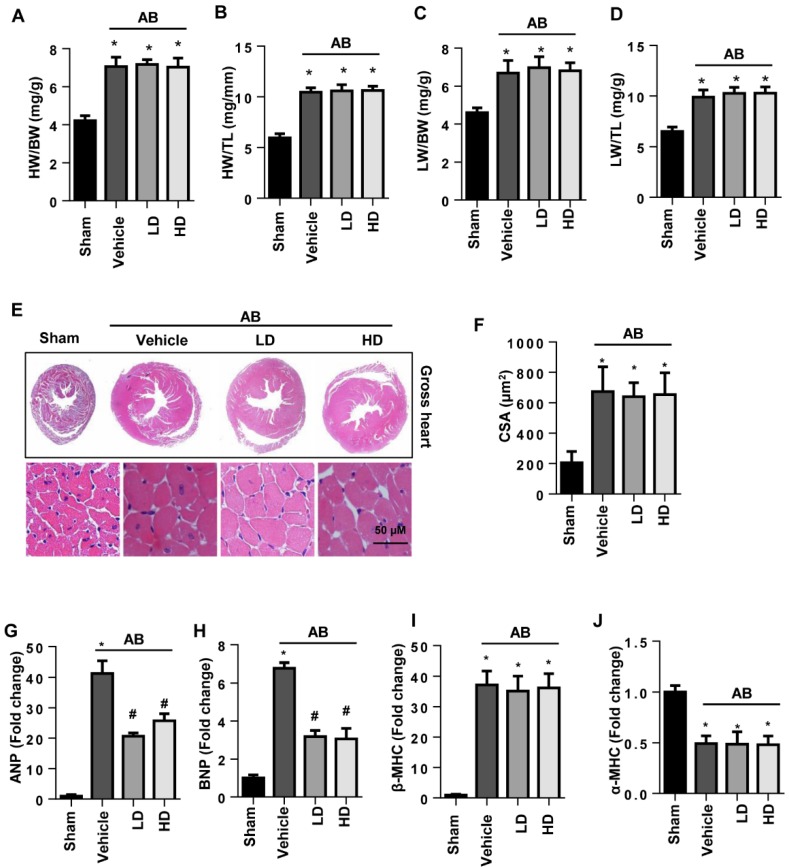
The effects of SSA on cardiac hypertrophyin vivo.Int J Biol Sci.2018 Oct 31;14(13):1923-1934. |
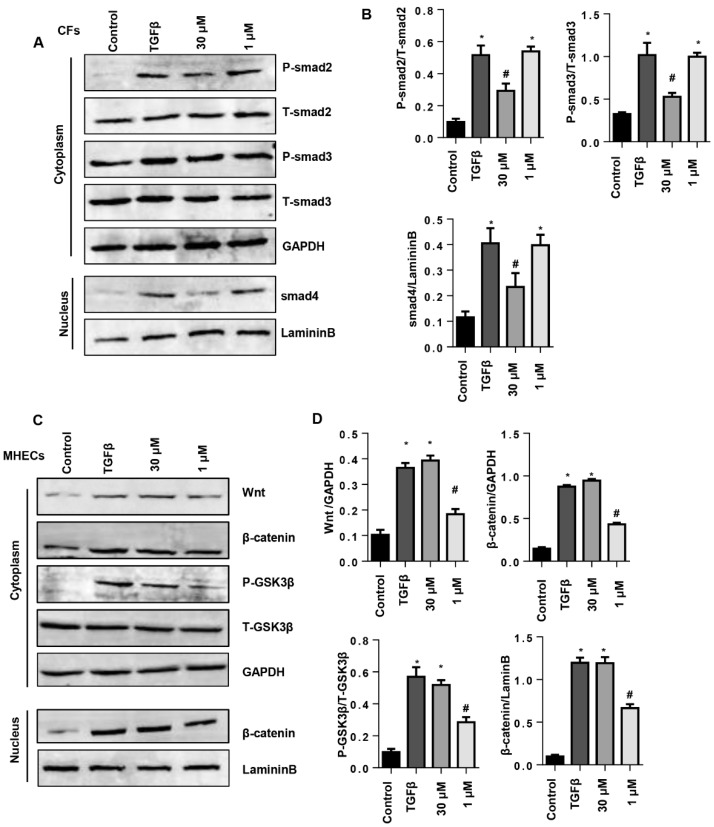
The effects of SSA on TGFβ/smad and the Wnt/β-catenin pathway.Int J Biol Sci.2018 Oct 31;14(13):1923-1934. |
Products are for research use only; We do not sell to patients
Copyright 2020 InvivoChem LLC | All Rights Reserved


 COA
COA