

| Size | Price | Stock | Qty |
|---|---|---|---|
| 10mg |
|
||
| 25mg |
|
||
| 50mg |
|
||
| 100mg |
|
||
| 250mg |
|
||
| 500mg | |||
| 1g | |||
| Other Sizes |
Purity: ≥98%
| Targets |
β2 adrenoceptor ( pEC50 = 9.6 ); β1 adrenoceptor ( pEC50 = 6.1 ); β3 adrenoceptor ( pEC50 = 5.9 )
β2-adrenoceptor (Ki = 0.6 nM; EC50 = 0.19 nM for cAMP accumulation) [2] |
|---|---|
| ln Vitro |
In vitro activity: Salmeterol (0.001-25 µM) suppresses the proliferation of human T cells[2].
Salmeterol Xinafoate (GR 33343X xinafoate) is a long-acting β2-adrenoceptor agonist. In human bronchial smooth muscle cells, it dose-dependently increased intracellular cAMP levels, with an EC50 of 0.19 nM, leading to muscle relaxation [2] It inhibited the release of pro-inflammatory cytokines (TNF-α, IL-4, IL-5) from human peripheral blood eosinophils and monocytes in vitro. At 10 nM, it reduced TNF-α secretion by ~35% and IL-5 secretion by ~40% compared to untreated cells [2] In guinea pig tracheal smooth muscle strips, Salmeterol Xinafoate (GR 33343X xinafoate) (0.01-10 nM) induced concentration-dependent relaxation of carbachol-precontracted muscles, with a maximal relaxation of ~90% at 1 nM; the effect persisted for >8 hours, demonstrating long-acting properties [3] It showed moderate selectivity for β2-adrenoceptors over β1-adrenoceptors (Ki ratio β1/β2 = ~50) [2] |
| ln Vivo |
Salmeterol (0.16 mg/kg), formoterol (0.32 mg/kg), and their combination therapy have therapeutic effects in mice with chronic obstructive pulmonary disease (COPD)[3].
In mice with cigarette smoke-induced chronic obstructive pulmonary disease (COPD), inhaled Salmeterol Xinafoate (GR 33343X xinafoate) (0.1 mg/kg/day) alone or in combination with formoterol (0.01 mg/kg/day) for 4 weeks significantly improved lung function. It reduced airway resistance by ~30% and increased dynamic lung compliance by ~25% compared to vehicle-treated COPD mice. Additionally, it decreased pulmonary inflammatory cell infiltration (eosinophils, neutrophils) by ~35% and reduced mucus hypersecretion in bronchial epithelia [3] In ovalbumin-sensitized mice, Salmeterol Xinafoate (GR 33343X xinafoate) (0.05 mg/kg, inhaled) inhibited antigen-induced airway eosinophilia by ~45% and reduced serum IgE levels by ~30%, exerting anti-inflammatory effects in allergic airway inflammation [2] |
| Enzyme Assay |
After twice being rinsed with ice-cold phosphate-buffered saline, the cells are mechanically detached in an ice-cold buffer that contains 10 mM Tris·HCl, pH 7.4, 5 mM EDTA, 10 μg/mL benzamidine, 10 μg/mL soybean trypsin inhibitor (type II-S), and 5 μg/mL leupeptin (lysis buffer). 10 minutes at 4°C are spent centrifuging the lysate at 45,000 ×g. Using a Potter-xstyle homogenizer, the pellet is rehomogenized in lysis buffer and kept at -80°C until needed. The competition binding assays are run for 60 minutes at 37°C with 1–5 μg of membrane protein, 50 pM 125I–CYP, and 0-100 μM unlabeled ligand in the presence of 100 μM GTP in a buffer containing 75 mM Tris·HCl, pH 7.4, 12.5 mM MgCl2, and 2 mM EDTA. Whatman GF/C filters are quickly diluted and rapidly filtered through them to stop the binding reaction. The filters are then three times washed with a solution containing 25 mM Tris·HCl, pH 7.4, and 1 mM MgCl2. Nonspecific binding is assessed when 5 μM (±)-propranolol is present. Using a γ-counter, the radioactivity on the filters is measured.
β2-adrenoceptor radioligand binding assay: Prepare membrane homogenates from Chinese hamster ovary (CHO) cells expressing human β2-adrenoceptors. Incubate homogenates with [3H]-dihydroalprenolol (a non-selective β-adrenoceptor ligand) and various concentrations of Salmeterol Xinafoate (GR 33343X xinafoate) (0.01-100 nM) at 25°C for 90 minutes. Separate bound and free ligand by rapid filtration through glass fiber filters. Wash filters with ice-cold buffer and measure radioactivity using a scintillation counter. Calculate Ki value from competition binding curves [2] cAMP accumulation assay: Seed CHO cells expressing human β2-adrenoceptors in 96-well plates and culture until confluent. Treat cells with Salmeterol Xinafoate (GR 33343X xinafoate) (0.001-100 nM) for 30 minutes in the presence of a phosphodiesterase inhibitor. Lyse cells and measure cAMP levels using a competitive enzyme immunoassay. Calculate EC50 as the concentration that induces 50% of the maximal cAMP response [2] |
| Cell Assay |
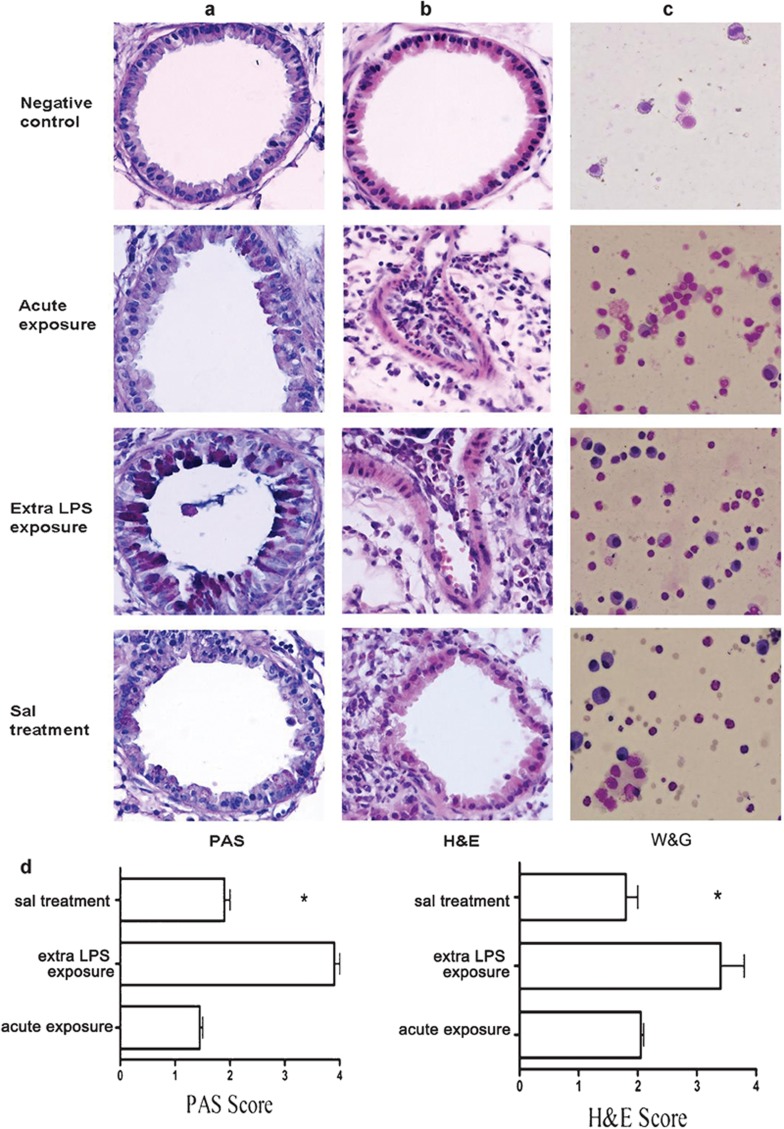
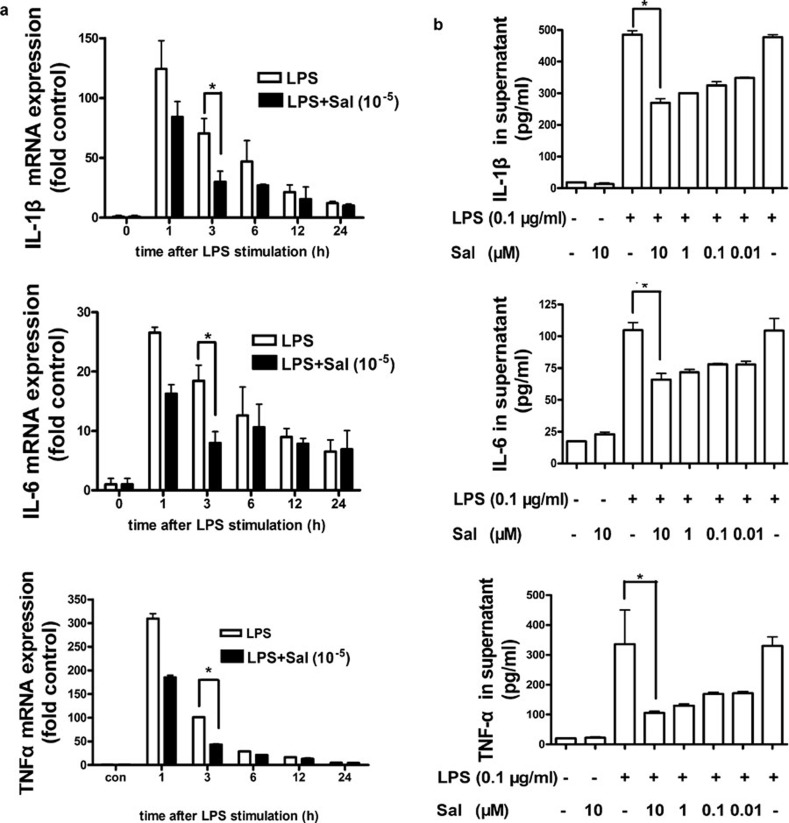
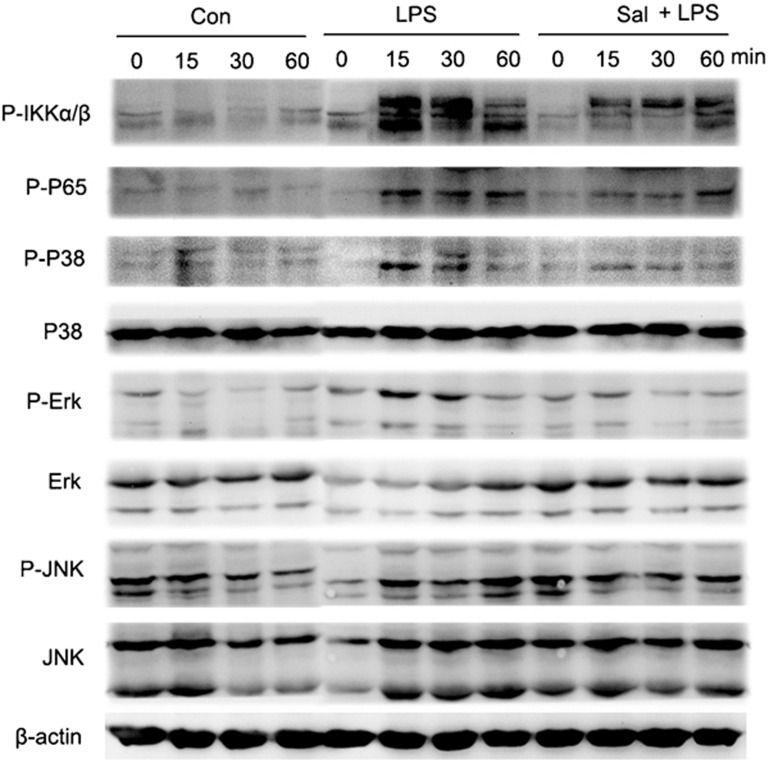
Salmeterol dramatically reduces RAW264.7 and THP-1 cells' ability to produce pro-inflammatory mediators. Salmeterol inhibits phosphorylation of ERK1/2 and JNK by PgLPS, but not p38 MAP kinases (MAP-K). Moreover, salmeterol inhibits p65-NFκB's nuclear translocation, NF-κB transcriptional activity, and IκBα phosphorylation to lessen NF-κB activation. Salmeterol exhibits extremely high selectivity with a Ki of 1.5±0.4 nM for the WT β2AR (β1 Ki /β2 Ki ratio of roughly 1500). Salmeterol inhibits IRS-1Ser307 phosphorylation levels brought on by tumor necrosis factor-α. In retinal Müller cells, salmeterol alone inhibits cell death (p<0.05 compared to 25 mM glucose). When combined with IRS-1shRNA, salmeterol significantly increases cell death as compared to when used alone. Furthermore, treatment with salmeterol alone dramatically lowers cytochrome C levels; however, this effect is mitigated when salmeterol is coupled with IRS-1 shRNA. At 10 μM, salmeterol has no effect on the differentiation and maturation of DCs; instead, it induces apoptosis in DCs. Salmeterol (10 μM) inhibits the activation of MAPK and NF-κB and reduces the mRNA and protein levels of pro-inflammatory cytokines in LPS-activated DCs.
Eosinophil cytokine secretion assay: Isolate human peripheral blood eosinophils by density gradient centrifugation. Resuspend eosinophils in RPMI 1640 medium and seed in 24-well plates. Pretreat cells with Salmeterol Xinafoate (GR 33343X xinafoate) (0.1-100 nM) for 30 minutes, then stimulate with lipopolysaccharide (LPS, 1 μg/mL) for 24 hours. Collect cell supernatants and quantify TNF-α and IL-5 levels using enzyme-linked immunosorbent assay (ELISA) [2] Tracheal smooth muscle relaxation assay: Dissect tracheal tissues from guinea pigs, cut into transverse strips (2 mm wide), and mount in organ baths containing oxygenated Krebs-Ringer solution at 37°C. Precontract muscles with carbachol (1 μM) until a stable contraction is achieved. Add Salmeterol Xinafoate (GR 33343X xinafoate) (0.01-10 nM) in a cumulative manner and record tension changes using an isometric transducer. Calculate relaxation percentage relative to precontraction amplitude [3] |
| Animal Protocol |
Male C57BL/6 mice (6-8 weeks old, body weight: 32-35 g)
Salmeterol (0.16 mg/kg) and/or Formoterol (0.32 mg/kg) The therapeutic efficacy of co-treatment was investigated in this model over a 56-day-long observation period. Cigarette smoke-induced COPD mouse model: Adult male mice are exposed to cigarette smoke (10 cigarettes/day, 5 days/week) for 8 weeks to induce COPD. Mice are then randomly divided into vehicle, salmeterol alone, formoterol alone, and combination treatment groups. Salmeterol Xinafoate (GR 33343X xinafoate) is administered via inhalation at 0.1 mg/kg/day, alone or in combination with formoterol (0.01 mg/kg/day), for 4 weeks. Lung function (airway resistance, dynamic compliance) is measured using a plethysmograph. After sacrifice, lung tissues are collected for histological analysis and inflammatory cell counting [3] Ovalbumin-induced allergic airway inflammation mouse model: Male mice are sensitized with ovalbumin plus aluminum hydroxide (ip) on days 0 and 14. On days 21-23, mice are challenged with aerosolized ovalbumin (1%) for 30 minutes daily. Salmeterol Xinafoate (GR 33343X xinafoate) is administered via inhalation at 0.05 mg/kg 30 minutes before each challenge. On day 24, mice are sacrificed, and bronchoalveolar lavage fluid (BALF) is collected to count eosinophils; serum IgE levels are measured by ELISA [2] |
| Toxicity/Toxicokinetics |
At therapeutic inhaled doses (0.01–0.1 mg/kg), salmeterol xenocarbamate (GR 33343X xenocarbamate) did not show significant cardiovascular side effects (tachycardia, hypertension) in mice and guinea pigs [2][3]. In vitro human bronchial epithelial cell toxicity assays showed that cell viability was not significantly reduced at concentrations up to 1 μM (10 times higher than the maximum effective concentration in functional tests) [2]. Salmeterol xenocarbamate (GR 33343X xenocarbamate) has a plasma protein binding rate of approximately 96% in humans [2].
|
| References |
|
| Additional Infomation |
Salmeterol xinafoate is a naphthoic acid drug. It is a selective adrenergic β2 receptor agonist that is administered by inhalation as a bronchodilator. It is used to treat symptoms of asthma and chronic obstructive pulmonary disease. See also: salmeterol (containing active ingredient); fluticasone propionate; salmeterol xenafil (ingredient). Salmeterol xenafil (GR 33343X xenafil) is a long-acting β2-adrenergic receptor agonist (LABA) with bronchodilatory and anti-inflammatory effects [2][3]. Its mechanism of action includes activation of β2-adrenergic receptors in airway smooth muscle (increasing cAMP levels to induce relaxation) and inflammatory cells (inhibiting the secretion of pro-inflammatory cytokines and cell infiltration) [2]. Clinically, it is used for long-term maintenance therapy of asthma and chronic obstructive pulmonary disease (COPD), usually in combination with inhaled corticosteroids [3]. Its effects last for 12 hours and require twice-daily administration. Its anti-inflammatory and bronchodilatory effects work synergistically to improve respiratory function in patients with inflammatory airway diseases [2][3].
|
| Molecular Formula |
C36H45NO7
|
|
|---|---|---|
| Molecular Weight |
603.75
|
|
| Exact Mass |
603.319
|
|
| Elemental Analysis |
C, 71.62; H, 7.51; N, 2.32; O, 18.55
|
|
| CAS # |
94749-08-3
|
|
| Related CAS # |
Salmeterol; 89365-50-4; Salmeterol-d3 xinafoate; Salmeterol-13C6 xinafoate
|
|
| PubChem CID |
56801
|
|
| Appearance |
White to off-white solid powder
|
|
| Density |
1.112g/cm3
|
|
| Boiling Point |
603ºC at 760 mmHg
|
|
| Melting Point |
137-138ºC
|
|
| Flash Point |
318.5ºC
|
|
| Index of Refraction |
1.565
|
|
| LogP |
6.741
|
|
| Hydrogen Bond Donor Count |
6
|
|
| Hydrogen Bond Acceptor Count |
8
|
|
| Rotatable Bond Count |
17
|
|
| Heavy Atom Count |
44
|
|
| Complexity |
629
|
|
| Defined Atom Stereocenter Count |
0
|
|
| SMILES |
O=C(C1C(O)=C2C(C=CC=C2)=CC=1)O.OC1C(CO)=CC(C(CNCCCCCCOCCCCC2C=CC=CC=2)O)=CC=1
|
|
| InChi Key |
XTZNCVSCVHTPAI-UHFFFAOYSA-N
|
|
| InChi Code |
InChI=1S/C25H37NO4.C11H8O3/c27-20-23-18-22(13-14-24(23)28)25(29)19-26-15-7-1-2-8-16-30-17-9-6-12-21-10-4-3-5-11-21;12-10-8-4-2-1-3-7(8)5-6-9(10)11(13)14/h3-5,10-11,13-14,18,25-29H,1-2,6-9,12,15-17,19-20H2;1-6,12H,(H,13,14)
|
|
| Chemical Name |
2-(hydroxymethyl)-4-[1-hydroxy-2-[6-(4-phenylbutoxy)hexylamino]ethyl]phenol;1-hydroxynaphthalene-2-carboxylic acid
|
|
| Synonyms |
|
|
| HS Tariff Code |
2934.99.9001
|
|
| Storage |
Powder -20°C 3 years 4°C 2 years In solvent -80°C 6 months -20°C 1 month Note: Please store this product in a sealed and protected environment, avoid exposure to moisture. |
|
| Shipping Condition |
Room temperature (This product is stable at ambient temperature for a few days during ordinary shipping and time spent in Customs)
|
| Solubility (In Vitro) |
DMSO: ~100 mg/mL (~165.6 mM)
Water: 1 mg/mL (Insoluble) Ethanol: ~4 mg/mL (~6.6 mM) |
|---|---|
| Solubility (In Vivo) |
Solubility in Formulation 1: ≥ 2.08 mg/mL (3.45 mM) (saturation unknown) in 10% DMSO + 40% PEG300 + 5% Tween80 + 45% Saline (add these co-solvents sequentially from left to right, and one by one), clear solution.
For example, if 1 mL of working solution is to be prepared, you can add 100 μL of 20.8 mg/mL clear DMSO stock solution to 400 μL PEG300 and mix evenly; then add 50 μL Tween-80 to the above solution and mix evenly; then add 450 μL normal saline to adjust the volume to 1 mL. Preparation of saline: Dissolve 0.9 g of sodium chloride in 100 mL ddH₂ O to obtain a clear solution. Solubility in Formulation 2: ≥ 2.08 mg/mL (3.45 mM) (saturation unknown) in 10% DMSO + 90% (20% SBE-β-CD in Saline) (add these co-solvents sequentially from left to right, and one by one), clear solution. For example, if 1 mL of working solution is to be prepared, you can add 100 μL of 20.8 mg/mL clear DMSO stock solution to 900 μL of 20% SBE-β-CD physiological saline solution and mix evenly. Preparation of 20% SBE-β-CD in Saline (4°C,1 week): Dissolve 2 g SBE-β-CD in 10 mL saline to obtain a clear solution. View More
Solubility in Formulation 3: ≥ 2.08 mg/mL (3.45 mM) (saturation unknown) in 10% DMSO + 90% Corn Oil (add these co-solvents sequentially from left to right, and one by one), clear solution. Solubility in Formulation 4: 5%DMSO + Corn oil: 5.0mg/ml (8.28mM) |
| Preparing Stock Solutions | 1 mg | 5 mg | 10 mg | |
| 1 mM | 1.6563 mL | 8.2816 mL | 16.5631 mL | |
| 5 mM | 0.3313 mL | 1.6563 mL | 3.3126 mL | |
| 10 mM | 0.1656 mL | 0.8282 mL | 1.6563 mL |
*Note: Please select an appropriate solvent for the preparation of stock solution based on your experiment needs. For most products, DMSO can be used for preparing stock solutions (e.g. 5 mM, 10 mM, or 20 mM concentration); some products with high aqueous solubility may be dissolved in water directly. Solubility information is available at the above Solubility Data section. Once the stock solution is prepared, aliquot it to routine usage volumes and store at -20°C or -80°C. Avoid repeated freeze and thaw cycles.
Calculation results
Working concentration: mg/mL;
Method for preparing DMSO stock solution: mg drug pre-dissolved in μL DMSO (stock solution concentration mg/mL). Please contact us first if the concentration exceeds the DMSO solubility of the batch of drug.
Method for preparing in vivo formulation::Take μL DMSO stock solution, next add μL PEG300, mix and clarify, next addμL Tween 80, mix and clarify, next add μL ddH2O,mix and clarify.
(1) Please be sure that the solution is clear before the addition of next solvent. Dissolution methods like vortex, ultrasound or warming and heat may be used to aid dissolving.
(2) Be sure to add the solvent(s) in order.
| NCT Number | Recruitment | interventions | Conditions | Sponsor/Collaborators | Start Date | Phases |
| NCT05982990 | Active Recruiting |
Drug: ADVAIR DISKUS® 250/50 Drug: Fluticasone propionate 250 mcg and salmeterol xinafoate 50 mcg/Respirent Pharmaceuticals |
Bioequivalence | Respirent Pharmaceuticals Co Ltd. | August 1, 2023 | Phase 1 |
| NCT05697003 | Active Recruiting |
Drug: ADVAIR DISKUS 100/50 Drug: Fluticasone propionate 1000 mcg and salmeterol xinafoate 50 mcg/Respirent Pharmaceuticals |
Bioequivalence | Respirent Pharmaceuticals Co Ltd. | February 17, 2023 | Phase 1 |
| NCT04503460 | Recruiting | Drug: Salmeterol Xinafoate Drug: Salmeterol Fluticasone |
Asthma | Imperial College London | July 23, 2021 | Phase 4 |
| NCT05776927 | Not yet recruiting | Drug: QVM149 Drug: Placebo to QVM149 Drug: Run-In Medication |
Asthma | Novartis Pharmaceuticals | December 23, 2024 | Phase 3 |
| NCT00576069 | NCT00576069 | Drug: budesonide/formoterol Drug: fluticasone/salmeterol |
Asthma | Gelb, Arthur F., M.D. | October 25, 2007 | N/A |
 |
|---|
 |
 |
Products are for research use only; We do not sell to patients
Copyright 2020 InvivoChem LLC | All Rights Reserved


 COA
COA