| Size | Price | Stock | Qty |
|---|---|---|---|
| 50mg |
|
||
| 100mg |
|
||
| 250mg |
|
||
| 500mg |
|
||
| 1g |
|
||
| 2g | |||
| Other Sizes |


| Targets |
PPARγ (Kd = 40 nM); PPARγ (EC50 = 60 nM); TRPC5 (EC50 = 30 μM); TRPM3
- Peroxisome proliferator-activated receptor gamma (PPARγ): - Human PPARγ: Dissociation constant (Ki) = 10 nM (radioligand binding assay) [1] - Human PPARγ transcriptional activation: EC50 = 40 nM (luciferase reporter assay in CV-1 cells) [1] - Mouse PPARγ transcriptional activation: EC50 = 15 nM (luciferase reporter assay in HeLa cells) [2] - Retinoid X receptor alpha (RXRα): Heterodimerization partner of PPARγ; activates PPARγ/RXRα heterodimer to inhibit M1 macrophage polarization [6] - Transient receptor potential melastatin 3 (TRPM3) channel: Inhibits TRPM3-mediated Ca²⁺ influx; IC50 = 1.2 μM (HEK293 cells expressing human TRPM3) [4] - Transient receptor potential canonical 5 (TRPC5) channel: Enhances TRPC5-mediated cation current; EC50 = 0.8 μM (HEK293 cells expressing human TRPC5) [4] - Neurotrophic factor-α1 (NTF-α1) promoter: Induces NTF-α1 transcription via PPARγ activation [3] - AKT/mTOR signaling pathway: Inhibits phosphorylation of AKT and mTOR in olaparib-induced ovarian cancer cells [7]. |
|---|---|
| ln Vitro |
Pluripotent C3H10T1/2 stem cells are differentiated into adipocytes by rosiglitazone (0.1–10 μM, 72 h) [1]. When combined with the NF-α1 promoter, rosiglitazone (1 μM, 24 h) stimulates PPARγ, which in turn activates gene transcription in neurons [3]. Hippocampal neurons and Neuro2A cells are shielded from oxidative stress by rosiglitazone (1 μM, 24 hours), which also increases BCL-2 expression in an NF-κ1-dependent way [3]. With IC50 values of 9.5 and 4.6 μM, rosiglitazone (0.01-100 μM, 15 minutes) inhibits TRPM3, hence preventing PregS- and nifedipine-induced activity, respectively [4]. The proliferation of ovarian cancer cells is inhibited by rosiglitazone (0.5-50 μM, 7 days) [7]. In A2780 and SKOV3 cells, rosiglitazone (5 μM, 7 days) suppresses Olaparib-induced cellular senescence alterations and stimulates apoptosis [7].
1. Activation of PPARγ and transcriptional regulation: - In CV-1 cells transfected with human PPARγ and PPARγ-responsive reporter plasmid, Rosiglitazone (1 nM–1 μM) increased luciferase activity in a concentration-dependent manner, with 100 nM inducing an 8.5-fold increase vs. vehicle (EC50 = 40 nM) [1] - In HeLa cells with mouse PPARγ, Rosiglitazone (0.1 nM–100 nM) activated transcription with EC50 = 15 nM; structure-activity analysis showed the thiazolidinedione ring and p-methoxybenzyl group are critical for PPARγ binding [2] 2. Neuroprotective effect via NTF-α1 induction: - In PC12 cells, Rosiglitazone (0.1, 1, 10 μM) for 48 hours increased NTF-α1 mRNA (1.8–3.2-fold) and protein (1.6–2.3-fold) vs. control (RT-PCR/Western blot). It reduced 6-OHDA-induced apoptosis (100 μM 6-OHDA) from 38.7% ± 3.2% to 15.2% ± 2.1% (1 μM, Annexin V-FITC/PI) [3] 3. Modulation of TRPM3/TRPC5 channel activity: - In HEK293-TRPM3 cells: Rosiglitazone (0.1–10 μM) inhibited pregnenolone sulfate (PregS)-induced Ca²⁺ influx (IC50 = 1.2 μM), with 10 μM inhibiting >90% [4] - In HEK293-TRPC5 cells: Rosiglitazone (0.1–5 μM) enhanced carbachol-induced current (EC50 = 0.8 μM), with 5 μM increasing amplitude 2.8-fold [4] 4. Inhibition of cigarette smoke-induced airway inflammation (macrophage M1 polarization): - In RAW264.7 macrophages treated with 10% cigarette smoke extract (CSE) + Rosiglitazone (1, 5, 10 μM) for 24 hours: - M1 markers: iNOS protein (Western blot) decreased by 35% (5 μM), 58% (10 μM); TNF-α/IL-6 (ELISA) decreased by 28%/25% (5 μM), 45%/42% (10 μM) vs. CSE group [6] - PPARγ/RXRα nuclear translocation (immunofluorescence): 10 μM increased nuclear PPARγ by 2.3-fold, RXRα by 2.1-fold vs. CSE group [6] 5. Amelioration of olaparib-induced ovarian cancer cell senescence and promotion of apoptosis: - In SKOV3/A2780 ovarian cancer cells pre-treated with olaparib (10 μM, 48 hours) + Rosiglitazone (1, 5, 10 μM, 24 hours): - Senescence markers: SA-β-gal positive rate decreased from 45% ± 4.1% (olaparib) to 28% ± 3.2% (5 μM), 15% ± 2.5% (10 μM); p21/p16 protein (Western blot) decreased by 32%/28% (5 μM), 55%/50% (10 μM) [7] - Apoptosis: Annexin V-positive rate increased from 12% ± 1.8% (olaparib) to 25% ± 2.3% (5 μM), 38% ± 3.1% (10 μM); cleaved caspase-3 increased by 1.8-fold (5 μM), 2.5-fold (10 μM) [7] - Signaling: p-AKT/mTOR (Western blot) decreased by 40%/35% (5 μM), 65%/60% (10 μM) vs. olaparib group [7]. |
| ln Vivo |
In diabetic rats, oral rosiglitazone (5 mg/kg, once day for 8 weeks) lowers blood glucose levels [5]. By activating PPARγ and RXRα, rosiglitazone (ip, 3 mg/kg/day) lowers blood glucose and inhibits airway inflammation brought on by M1 macrophage polarization in male Wistar rats [6]. In A2780 and SKOV3 animal subcutaneous xenograft models, rosiglitazone (ip, 10 mg/kg, every 2 days) suppresses the growth of subcutaneous ovarian cancer [7].
1. Beneficial effects in STZ-induced diabetic rats (combination with losartan): - Male SD rats (STZ 60 mg/kg, i.p.) were grouped (n=6): Diabetic control, Rosiglitazone (3 mg/kg/day, p.o.), losartan (10 mg/kg/day, p.o.), combination. After 8 weeks: - FBG: Rosiglitazone reduced FBG from 28.5 mmol/L to 18.2 mmol/L; combination to 12.3 mmol/L [5] - HOMA-IR: Decreased from 9.8 to 5.2 (Rosiglitazone) and 3.1 (combination) [5] - Renal function: UACR reduced from 420 mg/g to 250 mg/g (Rosiglitazone) and 160 mg/g (combination); serum creatinine from 165 μmol/L to 120 μmol/L (Rosiglitazone) [5] 2. Attenuation of cigarette smoke-induced mouse airway inflammation: - C57BL/6 mice (n=8/group) exposed to cigarette smoke (CS, 6 cigarettes/day, 5 days/week) for 4 weeks, with Rosiglitazone (1, 3 mg/kg/day, i.p.) co-administered: - BALF (bronchoalveolar lavage fluid): Neutrophils decreased from 2.8×10⁵ cells/mL (CS) to 1.6×10⁵ (1 mg/kg), 0.9×10⁵ (3 mg/kg); macrophages from 3.5×10⁵ to 2.2×10⁵ (1 mg/kg), 1.5×10⁵ (3 mg/kg) [6] - BALF cytokines: IL-6 decreased from 85 pg/mL (CS) to 52 pg/mL (1 mg/kg), 32 pg/mL (3 mg/kg); TNF-α from 72 pg/mL to 45 pg/mL (1 mg/kg), 28 pg/mL (3 mg/kg) [6] - Lung tissue: iNOS mRNA (RT-PCR) decreased by 38% (1 mg/kg), 62% (3 mg/kg); PPARγ nuclear protein increased by 1.8-fold (3 mg/kg) [6]. |
| Enzyme Assay |
Here, we report that thiazolidinediones are potent and selective activators of peroxisome proliferator-activated receptor gamma (PPAR gamma), a member of the nuclear receptor superfamily recently shown to function in adipogenesis. The most potent of these agents, BRL49653, binds to PPAR gamma with a Kd of approximately 40 nM. Treatment of pluripotent C3H10T1/2 stem cells with BRL49653 results in efficient differentiation to adipocytes. These data are the first demonstration of a high affinity PPAR ligand and provide strong evidence that PPAR gamma is a molecular target for the adipogenic effects of thiazolidinediones. Furthermore, these data raise the intriguing possibility that PPAR gamma is a target for the therapeutic actions of this class of compounds.[1]
cDNA encoding amino acids 174-475 of PPARγ1 is amplified via polymerase chain reaction and inserted into bacterial expression vector pGEX-2T. GST-PPARγ LBD is expressed in BL21(DE3)plysS cells and extracts. For saturation binding analysis, bacterial extracts (100 μg of protein) are incubated at 4°C for 3 h in buffer containing 10 mM Tris (pH 8.0), 50 mM KCl, 10 mM dithiothreitol with [3H]-BRL49653 (specific activity, 40 Ci/mmol) in the presence or absence of unlabeled Rosiglitazone. Bound is separated from free radioactivity by elution through 1-mL Sephadex G-25 desalting columns. Bound radioactivity eluted in the column void volume and is quantitated by liquid scintillation counting[1]. 1. PPARγ radioligand binding assay: - Recombinant human PPARγ ligand-binding domain (LBD) was incubated with [³H]-rosiglitazone (0.5 nM) + unlabeled Rosiglitazone (0.1 nM–1 μM) in binding buffer (20 mM Tris-HCl, pH 7.5, 1 mM EDTA, 10% glycerol) at 4°C for 16 hours. Free ligand was separated via gel filtration; radioactivity was measured. Ki = 10 nM was calculated via competition binding [1] 2. PPARγ transcriptional activity assay (luciferase reporter): - CV-1 cells were co-transfected with pCMV-PPARγ, pPPRE-luc (3×PPAR response elements), and pRL-TK (internal control). After 24 hours, cells were treated with Rosiglitazone (1 nM–1 μM) for 24 hours. Cells were lysed; dual-luciferase activity was measured. Relative activity (firefly/Renilla) reflected PPARγ activation [1] 3. PPARγ/RXRα nuclear translocation assay (immunofluorescence): - RAW264.7 cells were seeded on coverslips, treated with CSE (10%) + Rosiglitazone (10 μM) for 24 hours. Cells were fixed (4% paraformaldehyde), permeabilized (0.1% Triton X-100), blocked (5% BSA). Incubated with anti-PPARγ/anti-RXRα primary antibodies (4°C, overnight), then FITC-conjugated secondary antibodies. Nuclei were stained with DAPI. Nuclear fluorescence intensity was quantified via confocal microscopy [6] 4. TRPM3 Ca²⁺ influx assay: - HEK293-TRPM3 cells were loaded with 5 μM Fluo-4 AM (37°C, 30 minutes). Pre-incubated with Rosiglitazone (0.1–10 μM) for 5 minutes, then stimulated with 10 μM PregS. Fluorescence (488 nm excitation/525 nm emission) was measured; peak intensity reflected Ca²⁺ influx. IC50 = 1.2 μM was fitted [4]. |
| Cell Assay |
Cell Proliferation Assay[7]
Cell Types: A2780 and SKOV3 cells Tested Concentrations: 0.5-50 μM Incubation Duration: 1-7 days Experimental Results: Inhibited cell proliferation in a time‑dependent and concentration‑dependent manner. Western Blot Analysis[3] Cell Types: Hippocampal neurons Tested Concentrations: 1 μM Incubation Duration: 24 h Experimental Results: Increased NF-α1 and BCL-2 protein level. 1. PC12 cell neuroprotection assay: - PC12 cells (2×10⁵ cells/well, 6-well) were treated with Rosiglitazone (0.1–10 μM) for 48 hours. Total RNA was extracted (TRIzol); NTF-α1 mRNA was detected via RT-PCR (GAPDH as internal control). For apoptosis: Cells pre-treated with 1 μM Rosiglitazone for 24 hours were exposed to 100 μM 6-OHDA for 24 hours, stained with Annexin V-FITC/PI, and analyzed via flow cytometry [3] 2. RAW264.7 macrophage inflammation assay: - RAW264.7 cells (1×10⁵ cells/well, 24-well) were treated with 10% CSE + Rosiglitazone (1–10 μM) for 24 hours. Supernatant was collected for TNF-α/IL-6 ELISA. Cells were lysed for iNOS Western blot (β-actin as internal control). For nuclear translocation: Cells on coverslips were processed for PPARγ/RXRα immunofluorescence [6] 3. Ovarian cancer cell senescence/apoptosis assay: - SKOV3/A2780 cells (5×10³ cells/well, 96-well) were pre-treated with 10 μM olaparib for 48 hours, then Rosiglitazone (1–10 μM) for 24 hours. Senescence: SA-β-gal staining (37°C, 16 hours); positive cells were counted. Apoptosis: Annexin V-FITC/PI staining + flow cytometry. For signaling: Cells were lysed for p-AKT/mTOR/Western blot [7] 4. HEK293-TRPC5 current recording assay: - HEK293-TRPC5 cells were placed in extracellular solution (140 mM NaCl, 5 mM KCl, 2 mM CaCl₂, 10 mM HEPES, pH 7.4). Whole-cell patch-clamp (pipette resistance 2–4 MΩ, intracellular solution: 140 mM CsCl, 5 mM EGTA, 2 mM MgATP, pH 7.2) was used. Pre-incubated with Rosiglitazone (0.1–5 μM) for 3 minutes, then 10 μM carbachol was added. Current amplitude at -60 mV was recorded; EC50 = 0.8 μM was fitted [4]. |
| Animal Protocol |
Animal/Disease Models: Streptozotocin (STZ)-induced diabetic rats[5]
Doses: 5 mg/kg Route of Administration: Oral administration, daily for 8 weeks. Experimental Results: diminished IL-6, TNF-α, and VCAM-1 levels in diabetic group. Displayed lower levels of lipid peroxidation and NOx with an increase in aortic GSH and SOD levels compared to diabetic groups. Animal/Disease Models: Male Wistar rats[6] Doses: 3 mg/kg/day Route of Administration: intraperitoneal (ip)injection, twice a day, 6 days Consecutive per week for 12 weeks Experimental Results: Ameliorated emphysema, elevated PEF, and higher level of total cells, neutrophils and cytokines (TNF-α and IL-1β) induced by cigarette smoke (CS). Inhibited CS-induced M1 macrophage polarization and diminished the ratio of M1/M2. 1. STZ-induced diabetic rat model (combination with losartan): - Male SD rats (200–220 g, 8 weeks) were fasted 12 hours, injected with STZ (60 mg/kg, i.p., 0.1 M citrate buffer, pH 4.5). FBG >16.7 mmol/L (72 hours later) was diabetic. Groups (n=6): Diabetic control (0.5% CMC, p.o.), Rosiglitazone (3 mg/kg/day, p.o., dissolved in 0.5% CMC), losartan (10 mg/kg/day, p.o.), combination. Treated for 8 weeks. Weekly body weight, biweekly FBG (tail vein). At endpoint: Anesthetized (pentobarbital, 40 mg/kg, i.p.), blood (abdominal aorta) for insulin/creatinine, 24-hour urine for UACR, kidneys for histology/biochemical assays [5] 2. Cigarette smoke-induced mouse airway inflammation model: - Male C57BL/6 mice (6–8 weeks, 20–22 g) were grouped (n=8): Normal control (air exposure), CS control (6 cigarettes/day, 5 days/week), CS + Rosiglitazone (1 mg/kg/day, i.p.), CS + Rosiglitazone (3 mg/kg/day, i.p.). Rosiglitazone was dissolved in normal saline. Treated for 4 weeks. At endpoint: Anesthetized (isoflurane), BALF collected via tracheal cannulation (count inflammatory cells, ELISA for cytokines), lungs excised (fixed for histology, frozen for RT-PCR/Western blot) [6]. |
| ADME/Pharmacokinetics |
Absorption, Distribution and Excretion
The absolute bioavailability of rosiglitazone is 99%. Peak plasma concentrations are reached approximately 1 hour after administration. Co-administration of rosiglitazone with food does not change the total exposure (AUC), but Cmax decreases by approximately 28% and Tmax is delayed (1.75 hours). These changes may not be clinically significant; therefore, rosiglitazone can be taken with food or on an empty stomach. Within the therapeutic dose range, the peak plasma concentration (Cmax) and area under the curve (AUC) of rosiglitazone increase dose-proportionally. Approximately 64% and 23% of the dose following oral or intravenous administration of [14C]maleic acid rosiglitazone are excreted in the urine and feces, respectively. 17.6 L [Oral Volume of Distribution (Vss/F)] 13.5 L [Population Mean, Pediatric Patients] Oral Clearance (CL) = 3.03 ± 0.87 L/hr [1 mg fasting] Oral CL = 2.89 ± 0.71 L/hr [2 mg fasting] Oral CL = 2.85 ± 0.69 L/hr [8 mg fasting] Oral CL = 2.97 ± 0.81 L/hr [8 mg fasting] (after feeding) 3.15 L/hr [Population Mean, Pediatric Patients] In a study of healthy volunteers, rosiglitazone was absorbed relatively rapidly, with a bioavailability of 99% after oral absorption. Severe non-alcoholic fatty liver disease (NAFLD) can adversely affect liver physiology, thereby affecting the pharmacokinetics of the drug. This study investigated the effect of NAFLD on the pharmacokinetics of rosiglitazone (an insulin sensitizer used to treat type 2 diabetes). Male C57BL/6 mice were divided into two groups. Group I (n=14) was fed a normal diet, while Group II (n=14) was fed a 60% high-fat diet (HFD) and a 40% high-fructose liquid diet (HFL) for 60 days to induce NAFLD. The occurrence of non-alcoholic fatty liver disease (NAFLD) was confirmed by histopathological examination, hepatic triglyceride levels, and biochemical indicators, and pharmacokinetic studies were conducted based on this. Rosiglitazone was administered orally at a dose of 30 mg/kg. Blood samples were collected at predetermined time points, and the concentration of rosiglitazone was determined by liquid chromatography-tandem mass spectrometry (LC/MS/MS). Plasma concentrations were analyzed using a non-compartmental model using Phoenix WinNonlin (6.3) software, and the area under the plasma concentration-time curve (AUC) was calculated using the linear rise-log fall method. Both high-fat diet (HFD) and high-fat, low-carbohydrate diet (HFL) successfully induced NAFLD in mice. Compared to healthy mice, the pharmacokinetics of rosiglitazone in NAFLD mice were significantly altered. Rosiglitazone exposure in NAFLD mice was significantly increased (AUC was 2.5 times that of healthy mice). Oral clearance of rosiglitazone was significantly reduced and the mean plasma half-life was significantly prolonged in NAFLD mice compared to healthy mice. The mouse model of non-alcoholic fatty liver disease (NAFLD) showed that the pharmacokinetics of rosiglitazone were significantly affected. The magnitude of the pharmacokinetic changes in rosiglitazone was similar to those observed in patients with moderate to severe liver disease. This animal model can be used to study the pharmacokinetic changes of different drugs induced by NAFLD. The absolute bioavailability of rosiglitazone is 99%. Peak plasma concentrations are reached approximately 1 hour after administration. Co-administration of rosiglitazone with food does not change the total exposure (AUC), but reduces Cmax by approximately 28% and delays Tmax by 1.75 hours. These changes may not be clinically significant; therefore, rosiglitazone can be taken with or without food. Based on population pharmacokinetic analysis, the mean (coefficient of variation %) oral volume of distribution (Vss/F) of rosiglitazone is approximately 17.6 (30%) L. Rosiglitazone is bound to plasma proteins at a rate of approximately 99.8%, primarily albumin. For more complete data on the absorption, distribution, and excretion of rosiglitazone (8 items), please visit the HSDB record page. Metabolism/Metabolites Hepatic Metabolism. Rosiglitazone is extensively metabolized in the liver to inactive metabolites, primarily through N-demethylation, hydroxylation, and binding to sulfate and glucuronic acid. In vitro data show that cytochrome P450 isoenzyme 2C8 (CYP2C8) and a small amount of CYP2C9 are involved in the hepatic metabolism of rosiglitazone. The major metabolites observed in humans were also observed in rats; however, clearance in rats was almost ten times that in humans, likely due to higher CYP2C levels in rat microsomes. In vitro data indicate that rosiglitazone is primarily metabolized via cytochrome P450 (CYP) isoenzyme 2C8, with CYP2C9 participating as a minor pathway. Rosiglitazone is extensively metabolized, with no parent drug excreted in urine. The main metabolic pathways are N-demethylation and hydroxylation, followed by conjugation with sulfate and glucuronic acid. All circulating metabolites are significantly less potent than the parent drug and are therefore not expected to contribute to the insulin-sensitizing activity of rosiglitazone. Known metabolites of rosiglitazone include N-demethylrosiglitazone, o-hydroxyrosiglitazone, and p-hydroxyrosiglitazone. Biological Half-Life: 3–4 hours (single oral dose, dose-independent) The elimination half-life of rosiglitazone is 3–4 hours and is dose-independent. The time to peak concentration and elimination half-life of both metabolites in plasma were significantly longer than those of rosiglitazone itself (4–6 hours and approximately 5 days, respectively, compared to 0.5–1 hour for rosiglitazone itself and 3–7 hours for rosiglitazone). The plasma half-life of the 14C-related substances ranged from 103 to 158 hours. |
| Toxicity/Toxicokinetics |
Toxicity Summary
Identification and Uses: Rosiglitazone is a solid. It is an antidiabetic drug used as an adjunct to diet and exercise to improve glycemic control in patients with type 2 diabetes. Human Studies: Thiazolidinediones (including rosiglitazone), used alone or in combination with other antidiabetic drugs, can cause fluid retention and may lead to or worsen congestive heart failure (CHF). Thiazolidinedion use is associated with approximately a two-fold increased risk of CHF. To date, clinical studies, including a long-term (4–6 years) study in newly diagnosed type 2 diabetes patients, have not found hepatotoxicity with rosiglitazone. However, in post-marketing surveillance of rosiglitazone, there have been reports of hepatitis, liver enzyme elevations to at least three times the upper limit of normal, and liver failure with or without death. In vitro chromosomal aberration assays in human lymphocytes showed no mutagenicity or breakage toxicity with rosiglitazone. Animal Studies: Rosiglitazone is not carcinogenic in mice. At doses ≥1.5 mg/kg/day, the incidence of lipomatosis increased in mice. Rosiglitazone treatment increased heart weight in mice (3 mg/kg/day), rats (5 mg/kg/day), and dogs (2 mg/kg/day). The effects in juvenile mice were consistent with those in adult mice. Morphometric measurements indicated ventricular hypertrophy, likely due to increased cardiac workload resulting from plasma volume expansion. Rosiglitazone at doses up to 40 mg/kg/day had no effect on mating or fertility in male rats. Administration of rosiglitazone to juvenile mice from 27 days of age to sexual maturity (at doses up to 40 mg/kg/day) did not reveal any effects on male reproductive function, female estrous cycles, mating ability, or pregnancy rate. Rosiglitazone did not show mutagenicity or chromosome breakage in in vitro bacterial mutation assays, in vivo mouse micronucleus assays, or in vivo/in vitro rat urea diffusion assays. Under metabolic activation, the mutation rate was slightly increased (approximately 2-fold) in in vitro mouse lymphoma assays. Hepatotoxicity Unlike troglitazone, rosiglitazone does not cause elevated transaminase levels during treatment. In clinical trials, only 0.25% of rosiglitazone patients experienced ALT elevations exceeding three times the upper limit of normal, compared to 0.25% in both the placebo and troglitazone groups (compared to 1.9% in the troglitazone group in similar studies). Furthermore, clinically significant liver injury caused by rosiglitazone is very rare; despite its widespread use, fewer than 12 cases have been reported in the literature. Liver injury typically occurs within 1 to 12 weeks of starting treatment (therefore, its latency period is shorter than that typically caused by troglitazone), and all patterns of serum enzyme elevation have been reported, including hepatocellular, cholestatic, and mixed types. Allergic reactions are rare, and autoantibodies are usually undetectable. Reported deaths are usually due to hepatocellular liver injury. In most cases, patients recover completely within 1 to 2 months. Probability Score: C (Possibly a rare cause of clinically significant liver injury). Effects during pregnancy and lactation ◉ Overview of use during lactation There is currently no information on the clinical use of rosiglitazone during lactation. Rosiglitazone has a protein binding rate of over 99% in plasma, making it unlikely to enter breast milk in clinically significant amounts. The manufacturer recommends avoiding breastfeeding while taking rosiglitazone; therefore, pioglitazone may be a better option among these medications for breastfeeding women. ◉ Effects on breastfed infants No published information found as of the revision date. ◉ Effects on lactation and breast milk No published information found as of the revision date. Protein binding 99.8% bound to plasma proteins, primarily albumin. Drug Interactions CYP2C8 inhibitors (such as gemfibrozil) may increase the AUC of rosiglitazone, while CYP2C8 inducers (such as rifampin) may decrease the AUC of rosiglitazone. Therefore, if a CYP2C8 inhibitor or inducer is started or discontinued during rosiglitazone treatment, the diabetes treatment regimen may need to be adjusted based on clinical response. The authors investigated the potential effects of ketoconazole on the pharmacokinetics of rosiglitazone in humans. A randomized, open-label, two-way crossover study enrolled 10 healthy Korean male volunteers who received either 200 mg of ketoconazole or placebo twice daily for 5 days. On day 5, subjects received a single oral dose of 8 mg rosiglitazone, and plasma rosiglitazone concentrations were measured. Ketoconazole increased the mean area under the plasma concentration-time curve of rosiglitazone by 47% [P = 0.0003; 95% confidence interval (CI) 23, 70], with a mean elimination half-life of 3.55 to 5.50 hours (P = 0.0003; 95% CI 1.1, 2.4). Ketoconazole treatment increased the peak plasma concentration of rosiglitazone by 17% (P = 0.03; 95% CI 5, 29). Following ketoconazole treatment, the apparent oral clearance of rosiglitazone decreased by 28% (P = 0.0005; 95% CI 18, 38). This study suggests that ketoconazole may affect the metabolism of rosiglitazone in humans by inhibiting CYP2C8 and CYP2C9, leading to increased rosiglitazone concentrations, which may enhance the efficacy of rosiglitazone or increase its adverse reactions. Endothelial dysfunction is closely related to the occurrence and development of atherosclerosis. Whether atorvastatin combined with rosiglitazone has a synergistic effect in improving endothelial function in the case of dyslipidemia remains unclear. This study established a rat model of dyslipidemia using a high-fat, high-cholesterol diet. Subsequently, rats were treated with atorvastatin, rosiglitazone, or a combination of atorvastatin and rosiglitazone for 2 weeks. Fasting blood samples were collected at baseline, 6 weeks after the establishment of the dyslipidemia model, and 2 weeks after drug intervention for the assessment of relevant parameters. Finally, myocardial tissue was used to measure 15-deoxy-Δ-12,14-PGJ2 (15-d-PGJ2). Initially, there were no significant differences in parameters between the sham-operated group and the dyslipidemia group. After 6 weeks of a high-fat, high-cholesterol diet, compared with the sham-operated group, the serum triglyceride (TG), total cholesterol (TC), and low-density lipoprotein cholesterol (LDL-C) levels were significantly increased in the dyslipidemia group. Furthermore, the dyslipidemia group exhibited decreased nitric oxide (NO) production and significantly elevated serum malondialdehyde (MDA), C-reactive protein (CRP), and asymmetric dimethylarginine (ADMA) levels. After two weeks of drug intervention, the lipid profiles of both the atorvastatin and combination therapy groups showed slight improvement compared to the control group. However, compared to the control group, atorvastatin or rosiglitazone treatment significantly increased NO production and significantly decreased serum MDA, CRP, and ADMA levels. 15-d-PGJ2 expression in the myocardium was also significantly increased. Notably, the combination therapy further enhanced these effects, indicating a synergistic effect of atorvastatin and rosiglitazone in improving endothelial protection, inflammation, and oxidative stress. The combination therapy of atorvastatin and rosiglitazone had a synergistic effect on endothelial protection, oxidative stress, and inflammatory responses in dyslipidemia rats. In diabetic patients with stable disease receiving glibenclamide treatment, concomitant administration of avadinafil (2 mg twice daily) and glibenclamide (3.75 to 10 mg/day) for 7 days did not alter the mean steady-state 24-hour plasma glucose concentration. In healthy Caucasian adult subjects, 8 consecutive days of avadinafil (8 mg once daily) resulted in a decrease of approximately 30% in the AUC and Cmax of glibenclamide. In Japanese subjects, concomitant administration of glibenclamide with avadinafil (Avandia) resulted in a slight increase in the AUC and Cmax of glibenclamide. It has been reported that 6 consecutive days of administration of the CYP2C8 inducer rifampin (600 mg once daily) reduced the AUC of rosiglitazone by 66% compared to rosiglitazone alone (8 mg). 1. In vitro cytotoxicity: - In PC12/HEK293/RAW264.7 cells: rosiglitazone at concentrations up to 20 μM showed no significant cytotoxicity (MTT assay: cell viability >90% vs. control group) [3,4,6] - In SKOV3/A2780 cells: rosiglitazone at concentrations up to 10 μM, alone, showed no cytotoxicity (cell viability >85%), but enhanced olaparib-induced apoptosis [7] 2. In vivo toxicity: - In diabetic rats (3 mg/kg/day rosiglitazone, 8 weeks): no weight loss (weight gain 5%–8%, compared to 4%–6% in diabetic control group), serum ALT/AST (35–50 U/L/80–100 U/L) were within the normal range, and there was no histopathological damage to liver and kidney tissue [5] - In mice exposed to cigarette smoke (3 mg/kg/day Rosiglitazone, 4 weeks: No deaths, no change in body weight (22–24 g, compared to 21–23 g in the cigarette smoke control group), and normal serum BUN/Cr (renal function) [6] |
| References |
|
| Additional Infomation |
Therapeutic Uses
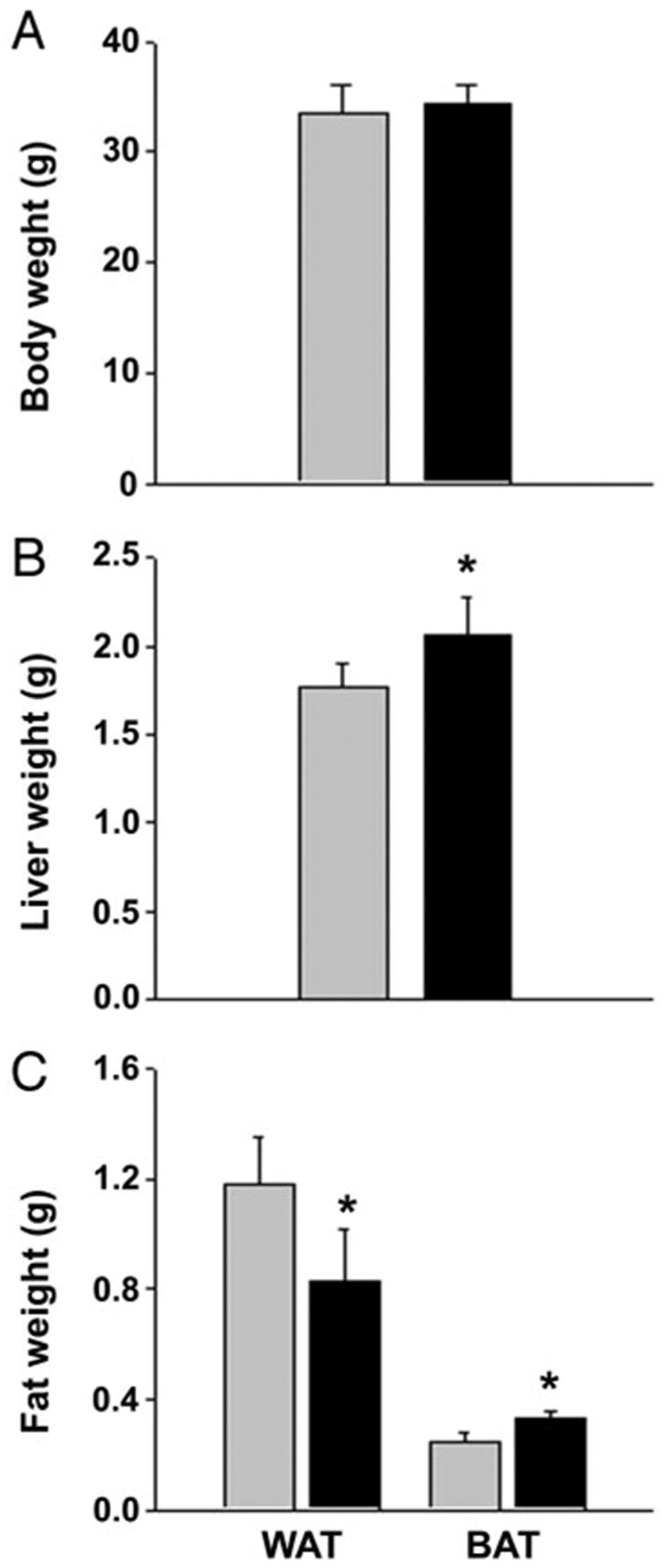
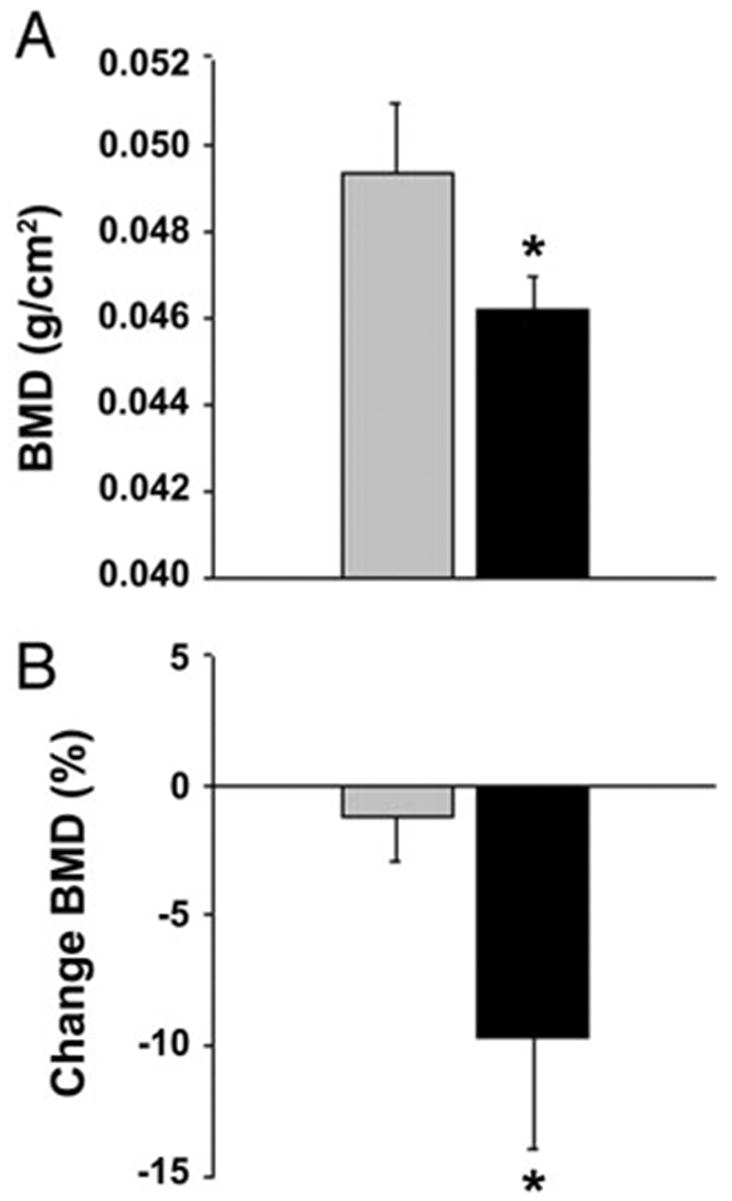
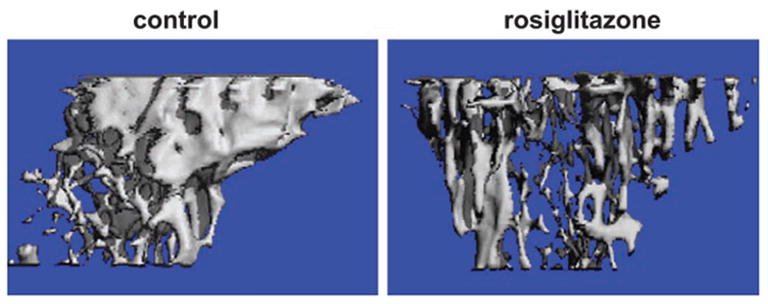
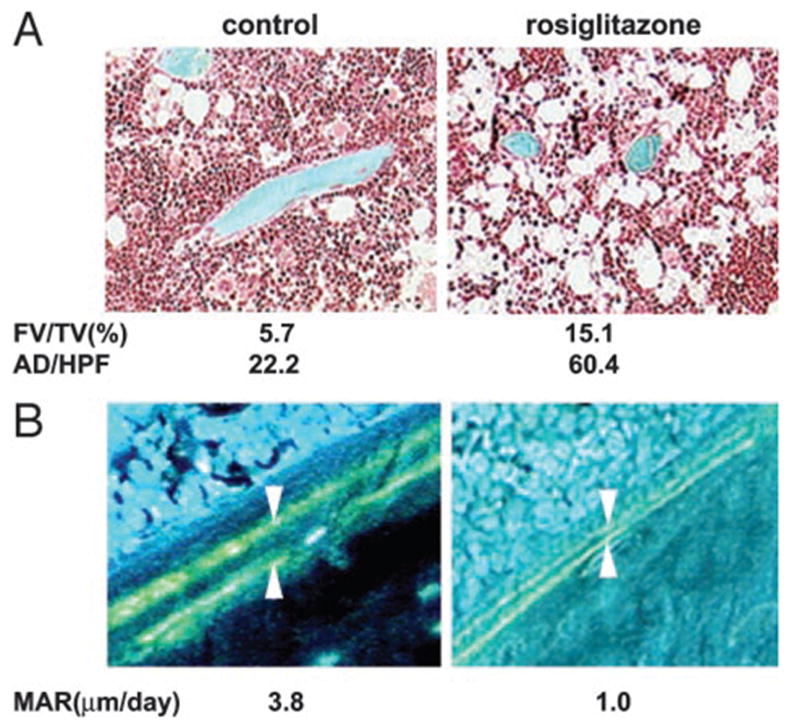
Antidiabetic Drugs / Clinical Trials / ClinicalTrials.gov is a registry and results database that lists human clinical studies funded by public and private institutions worldwide. The website is maintained by the National Library of Medicine (NLM) and the National Institutes of Health (NIH). Each record on ClinicalTrials.gov includes a summary of the study protocol, including: the disease or condition; the intervention (e.g., the medical product, behavior, or procedure under investigation); the title, description, and design of the study; participation requirements (eligibility criteria); the location of the study; contact information for the study location; and links to relevant information from other health websites, such as the NLM's MedlinePlus (for providing patient health information) and PubMed (for providing citations and abstracts of academic articles in the medical field). Rosiglitazone is listed in the database. Rosiglitazone can be used as monotherapy or in combination with sulfonylureas, metformin hydrochloride, or sulfonylureas as adjunctive therapy to diet and exercise to improve glycemic control in patients with type 2 diabetes. Rosiglitazone in fixed-dose combination therapy with metformin hydrochloride can be used as adjunctive therapy to improve glycemic control in patients with type 2 diabetes. Rosiglitazone can also be used in combination with glimepiride in fixed-dose combination therapy as adjunctive therapy to treat type 2 diabetes. /US Product Label Includes/ /Therapeutic Trials/ 1-Methyl-4-phenylpyridinium ion (MPP(+)) is a mitochondrial complex I inhibitor widely used as a neurotoxin due to its ability to induce severe Parkinson's-like syndromes accompanied by elevated intracellular reactive oxygen species (ROS) levels and apoptosis. Rosiglitazone is a peroxisome proliferator-activated receptor (PPAR)-γ agonist known to have various non-hypoglycemic effects, including anti-inflammatory, anti-atherosclerotic, and anti-apoptotic effects. In this study, the authors investigated the protective effect of rosiglitazone against MPP(+)-induced cytotoxicity of human neuroblastoma SH-SY5Y cells and its potential mechanism. Their findings suggest that rosiglitazone's protective effect against MPP(+)-induced apoptosis may be attributed to its antioxidant properties and its anti-apoptotic activity through inducing SOD and catalase expression and regulating Bcl-2 and Bax expression. These data suggest that rosiglitazone may provide a valuable therapeutic strategy for treating progressive neurodegenerative diseases such as Parkinson's disease. Drug Warning /Black Box Warning/ Warning: Congestive Heart Failure. Thiazolidinediones, including rosiglitazone, can cause or worsen congestive heart failure in some patients. Patients should be closely monitored for signs and symptoms of heart failure (including excessively rapid weight gain; dyspnea; and/or edema) after starting avandia and after dose increases. If these signs and symptoms occur, heart failure should be treated according to current standards of care. Furthermore, discontinuation or reduction of the avandia dose must be considered. Avadenafil is not recommended for patients with symptomatic heart failure. It is contraindicated in patients diagnosed with New York Heart Association (NYHA) class III or IV heart failure. Thiazolidinediones, including rosiglitazone, can cause fluid retention, whether used alone or in combination with other hypoglycemic agents, and may lead to or worsen congestive heart failure (CHF). The risk of CHF is approximately twice that of thiazolidinediones. Patients should be closely monitored for signs and symptoms of CHF (e.g., dyspnea, rapid weight gain, edema, unexplained cough, or fatigue), especially during treatment initiation and dose adjustments. If signs and symptoms of CHF occur, treatment should be administered according to current standards of care. Furthermore, dose reduction or discontinuation of rosiglitazone should be considered. Thiazolidinediones are associated with bone loss and fractures in women with type 2 diabetes (and possibly men). In long-term comparative clinical trials in patients with type 2 diabetes, patients receiving rosiglitazone (especially women) had an increased incidence of fractures compared to controls (glibenclamide and/or metformin). This effect appeared after the first year of treatment and persisted throughout the study period. Most fractures observed in patients taking thiazolidinediones occurred in the distal upper limbs (i.e., forearm, hand, wrist) or distal lower limbs (i.e., foot, ankle, fibula, tibia). In a UK observational study of diabetic patients (mean age 60.7 years), use of pioglitazone or rosiglitazone for approximately 12–18 months (estimated based on prescribing records) was associated with a 2–3 times increased risk of fractures, particularly hip and wrist fractures. Overall fracture risk was similar in men and women and was independent of body mass index, comorbidities, diabetic complications, duration of diabetes, and use of other oral hypoglycemic agents. Fracture risk should be considered when initiating or continuing thiazolidinedione treatment in women with type 2 diabetes. Bone health should be assessed and maintained according to current standards of care. While men may also face an increased risk of fracture, the risk appears to be higher in women than in men. Because rosiglitazone requires endogenous insulin to be effective, it should not be used in patients with type 1 diabetes or diabetic ketoacidosis. For more complete (19) drug warnings for rosiglitazone, please visit the HSDB records page. Pharmacodynamics Rosiglitazone monotherapy results in increases in total cholesterol, low-density lipoprotein cholesterol (LDL), and high-density lipoprotein cholesterol (HDL). Simultaneously, free fatty acids decrease. The increase in LDL primarily occurs during the first 1 to 2 months of AVANDIA treatment and LDL levels remain consistently above baseline throughout the trial. In contrast, HDL increases steadily over time. Therefore, the LDL/HDL ratio peaks after 2 months of treatment and then appears to decline over time. 1. Mechanism of action: - Antidiabetic: Activation of PPARγ promotes adipocyte differentiation, enhances insulin sensitivity in muscles/liver, and reduces insulin resistance [1,2,5] - Neuroprotection: PPARγ-mediated NTF-α1 transcriptional inhibition of neuronal apoptosis [3] - Anti-airway inflammation: Activation of PPARγ/RXRα heterodimer inhibits M1 macrophage polarization (reduces iNOS/TNF-α/IL-6) [6] - Anticancer adjuvant: Reverses olaparib-induced senescence of ovarian cancer cells and promotes apoptosis by inhibiting the AKT/mTOR pathway through PPARγ [7] - Ion channel regulation: Produces opposite effects on TRPM3 (inhibition) and TRPC5 (activation) through non-PPARγ mechanisms [4] 2. Structure-activity relationship (SAR): - The thiazolidinedione ring of rosiglitazone is crucial for PPARγ binding - removal of this ring eliminates the agonist effect. p-Methoxybenzyl can enhance binding affinity; methyl substitution can increase EC50 by 5 times [2] 3. Therapeutic potential: - Suitable for type 2 diabetes (T2DM), especially for patients with insulin resistance; combined with losartan can improve diabetic nephropathy [5] - Can treat chronic obstructive pulmonary disease (COPD) by reducing airway inflammation caused by cigarette smoke (CS) [6] - Can be used as an adjunct to the treatment of ovarian cancer (by reversing aging to enhance the efficacy of olaparib) [7] - Can treat neurodegenerative diseases (Parkinson's disease) through neuroprotective effects [3] |
| Molecular Formula |
C18H19N3O3S
|
|---|---|
| Molecular Weight |
357.43
|
| Exact Mass |
357.114
|
| Elemental Analysis |
C, 60.49; H, 5.36; N, 11.76; O, 13.43; S, 8.97
|
| CAS # |
122320-73-4
|
| Related CAS # |
Rosiglitazone maleate;155141-29-0;Rosiglitazone hydrochloride;302543-62-0;Rosiglitazone potassium;316371-84-3;Rosiglitazone-d3;1132641-22-5
|
| PubChem CID |
77999
|
| Appearance |
Colorless crystals from methanol
|
| Density |
1.3±0.1 g/cm3
|
| Boiling Point |
585.0±35.0 °C at 760 mmHg
|
| Melting Point |
153-155ºC
|
| Flash Point |
307.6±25.9 °C
|
| Vapour Pressure |
0.0±1.6 mmHg at 25°C
|
| Index of Refraction |
1.642
|
| LogP |
2.56
|
| Hydrogen Bond Donor Count |
1
|
| Hydrogen Bond Acceptor Count |
6
|
| Rotatable Bond Count |
7
|
| Heavy Atom Count |
25
|
| Complexity |
469
|
| Defined Atom Stereocenter Count |
0
|
| SMILES |
S1C(N([H])C(C1([H])C([H])([H])C1C([H])=C([H])C(=C([H])C=1[H])OC([H])([H])C([H])([H])N(C([H])([H])[H])C1=C([H])C([H])=C([H])C([H])=N1)=O)=O
|
| InChi Key |
YASAKCUCGLMORW-UHFFFAOYSA-N
|
| InChi Code |
InChI=1S/C18H19N3O3S/c1-21(16-4-2-3-9-19-16)10-11-24-14-7-5-13(6-8-14)12-15-17(22)20-18(23)25-15/h2-9,15H,10-12H2,1H3,(H,20,22,23)
|
| Chemical Name |
5-(4-(2-(methyl(pyridin-2-yl)amino)ethoxy)benzyl)thiazolidine-2,4-dione
|
| Synonyms |
HSDB7555; TDZ 01; HSDB 7555; HSDB-7555; BRL 49653; BRL49653; BRL-49653; TDZ-01; TDZ01; Rosiglitazone. trade name Avandia; rosiglitazone; 122320-73-4; Avandia; Rosiglizole; 5-(4-(2-(Methyl(pyridin-2-yl)amino)ethoxy)benzyl)thiazolidine-2,4-dione; Brl-49653; Brl 49653; Rezult; .
|
| HS Tariff Code |
2934.99.9001
|
| Storage |
Powder -20°C 3 years 4°C 2 years In solvent -80°C 6 months -20°C 1 month |
| Shipping Condition |
Room temperature (This product is stable at ambient temperature for a few days during ordinary shipping and time spent in Customs)
|
| Solubility (In Vitro) |
DMSO: 71 mg/mL (198.6 mM)
Water: 1 mg/mL (Insoluble) Ethanol: 1 mg/mL |
|---|---|
| Solubility (In Vivo) |
Solubility in Formulation 1: 2.5 mg/mL (6.99 mM) in 10% DMSO + 90% Corn Oil (add these co-solvents sequentially from left to right, and one by one), suspension solution; with sonication.
For example, if 1 mL of working solution is to be prepared, you can add 100 μL of 25.0 mg/mL clear DMSO stock solution to 900 μL of corn oil and mix evenly. Solubility in Formulation 2: ≥ 2.5 mg/mL (6.99 mM) (saturation unknown) in 5% DMSO + 40% PEG300 + 5% Tween80 + 50% Saline (add these co-solvents sequentially from left to right, and one by one), clear solution. Preparation of saline: Dissolve 0.9 g of sodium chloride in 100 mL ddH₂ O to obtain a clear solution. View More
Solubility in Formulation 3: ≥ 2.5 mg/mL (6.99 mM) (saturation unknown) in 5% DMSO + 95% (20% SBE-β-CD in Saline) (add these co-solvents sequentially from left to right, and one by one), clear solution. Solubility in Formulation 4: ≥ 2.08 mg/mL (5.82 mM) (saturation unknown) in 10% DMSO + 40% PEG300 + 5% Tween80 + 45% Saline (add these co-solvents sequentially from left to right, and one by one), clear solution. For example, if 1 mL of working solution is to be prepared, you can add 100 μL of 20.8 mg/mL clear DMSO stock solution to 400 μL of PEG300 and mix evenly; then add 50 μL of Tween-80 to the above solution and mix evenly; then add 450 μL of normal saline to adjust the volume to 1 mL. Preparation of saline: Dissolve 0.9 g of sodium chloride in 100 mL ddH₂ O to obtain a clear solution. Solubility in Formulation 5: ≥ 2.08 mg/mL (5.82 mM) (saturation unknown) in 10% DMSO + 90% (20% SBE-β-CD in Saline) (add these co-solvents sequentially from left to right, and one by one), clear solution. For example, if 1 mL of working solution is to be prepared, you can add 100 μL of 20.8 mg/mL clear DMSO stock solution to 900 μL of 20% SBE-β-CD physiological saline solution and mix evenly. Preparation of 20% SBE-β-CD in Saline (4°C,1 week): Dissolve 2 g SBE-β-CD in 10 mL saline to obtain a clear solution. Solubility in Formulation 6: 4% DMSO+30% PEG 300+5% Tween 80+ddH2O: 5mg/mL Solubility in Formulation 7: 10 mg/mL (27.98 mM) in 0.5% CMC-Na/saline water (add these co-solvents sequentially from left to right, and one by one), suspension solution; with ultrasonication. Preparation of saline: Dissolve 0.9 g of sodium chloride in 100 mL ddH₂ O to obtain a clear solution. |
| Preparing Stock Solutions | 1 mg | 5 mg | 10 mg | |
| 1 mM | 2.7978 mL | 13.9888 mL | 27.9775 mL | |
| 5 mM | 0.5596 mL | 2.7978 mL | 5.5955 mL | |
| 10 mM | 0.2798 mL | 1.3989 mL | 2.7978 mL |
*Note: Please select an appropriate solvent for the preparation of stock solution based on your experiment needs. For most products, DMSO can be used for preparing stock solutions (e.g. 5 mM, 10 mM, or 20 mM concentration); some products with high aqueous solubility may be dissolved in water directly. Solubility information is available at the above Solubility Data section. Once the stock solution is prepared, aliquot it to routine usage volumes and store at -20°C or -80°C. Avoid repeated freeze and thaw cycles.
Calculation results
Working concentration: mg/mL;
Method for preparing DMSO stock solution: mg drug pre-dissolved in μL DMSO (stock solution concentration mg/mL). Please contact us first if the concentration exceeds the DMSO solubility of the batch of drug.
Method for preparing in vivo formulation::Take μL DMSO stock solution, next add μL PEG300, mix and clarify, next addμL Tween 80, mix and clarify, next add μL ddH2O,mix and clarify.
(1) Please be sure that the solution is clear before the addition of next solvent. Dissolution methods like vortex, ultrasound or warming and heat may be used to aid dissolving.
(2) Be sure to add the solvent(s) in order.
| NCT Number | Recruitment | interventions | Conditions | Sponsor/Collaborators | Start Date | Phases |
| NCT01100619 | Completed | Drug: rosiglitazone Drug: XL184 |
Papillary Thyroid Cancer Follicular Thyroid Cancer |
Exelixis | April 2010 | Phase 1 |
| NCT01706211 | Completed | Drug: BRL 49653C Drug: Placebo |
Diabetes Mellitus Non Insulin Dependent Oral Agent Therapy |
National Taiwan University Hospital | October 1998 | Phase 3 |
| NCT02694874 | Completed | Drug: Rosiglitazone Drug: Placebo |
Malaria | Centro de Investigacao em Saude de Manhica |
February 2016 | Not Applicable |
| NCT00785213 | Completed Has Results | Drug: Rosiglitazone 4 mg Tablets Drug: Quinine Sulfate 324 mg Capsules |
Healthy | Mutual Pharmaceutical Company, Inc. | September 2008 | Phase 1 |
 |
|---|
|
|
|
|---|
|
|
Products are for research use only; We do not sell to patients
Copyright 2020 InvivoChem LLC | All Rights Reserved


 COA
COA