| Size | Price | Stock | Qty |
|---|---|---|---|
| 25mg |
|
||
| 50mg |
|
||
| 100mg |
|
||
| 250mg |
|
||
| 500mg |
|
||
| 1g |
|
||
| Other Sizes |


Purity: ≥98%
| Targets |
CYP3A4; HIV
Ritonavir (ABT-538; Norvir) is a potent, selective inhibitor of human immunodeficiency virus (HIV) 1 and HIV-2 proteases, with an IC50 of 0.02 nM for HIV-1 protease and 0.15 nM for HIV-2 protease in cell-free enzyme assays [2] - Ritonavir also inhibits human cytochrome P450 3A4 (CYP3A4) enzyme (a key drug-metabolizing enzyme) with a Ki of 0.014 μM, contributing to its drug-drug interaction potential [5] |
|---|---|
| ln Vitro |
Ritonavir has a mean Ki of 19 nM, making it a very potent inhibitor of CYP3A4-mediated testosterone 6β-hydroxylation. It also has an IC50 of 4.2 μM for tolbutamide hydroxylation.[1]
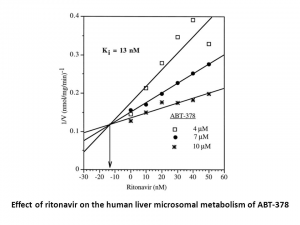
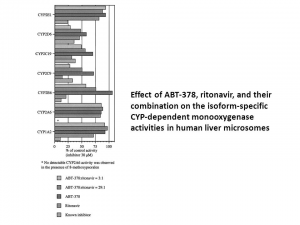
Ritonavir has a mean Ki of 19 nM, making it a very potent inhibitor of CYP3A4-mediated testosterone 6β-hydroxylation. It also has an IC50 of 4.2 μM for tolbutamide hydroxylation. (Source: ) It is discovered that ritonavir is a strong inhibitor of CYP3A-mediated biotransformations (IC50 values for nifedipine oxidation and 17alpha-ethynylestradiol 2-hydroxylation are 0.07 mM, 2 mM, and 0.14 mM, respectively). The reactions mediated by CYP2D6 (IC50 = 2.5 mM) and CYP2C9/10 (IC50 = 8.0 mM) are also found to be inhibited by ritonavir.[2] In human PBMC cultures that are not infected, ritonavir increases cell viability. In uninfected human PBMC cultures, ritonavir significantly reduces caspase-3 activity, annexin V staining, and the susceptibility of PBMCs to apoptosis, which is correlated with lower levels of caspase-1 expression. In PBMCs and monocytes, ritonavir inhibits the induction of tumor necrosis factor (TNF) production in a time- and dose-dependent manner at nontoxic concentrations.[3] Ritonavir has a high affinity for p-glycoprotein as evidenced by its ability to inhibit p-glycoprotein-mediated extrusion of saquinavir, with an IC50 of 0.2 μM.[4] Ritonavir has a 13 nM Ki that potently inhibits the microsomal metabolism of ABT-378 in human liver. Inhibiting CYP3A (IC50 = 1.1 and 4.6 μM), Ritonavir in combination with ABT-378 (at 3:1 and 29:1 ratios) is less effective than Ritonavir (IC50 = 0.14 μM).[5] In HIV-1-infected H9 lymphocytes, treatment with 0.1 μM Ritonavir for 72 hours reduced HIV-1 p24 antigen levels by ~99% (ELISA) and decreased HIV-1 RNA by ~99.5% (qRT-PCR); no significant cytotoxicity was observed (cell viability >95% via MTT assay) [2] - In HIV-2-infected MT-4 cells, 0.5 μM Ritonavir for 48 hours inhibited viral replication by ~98% (viral titer assay) and blocked cleavage of HIV-2 Gag-Pol polyprotein (Western blot, reduced mature p26 antigen by ~97%) [3] - In human liver microsomes, 0.1 μM Ritonavir inhibited CYP3A4-mediated metabolism of testosterone (a probe substrate) by ~90%, confirming its role as a strong CYP3A4 inhibitor [5] - In primary human peripheral blood mononuclear cells (PBMCs) infected with HIV-1, 0.05 μM Ritonavir for 96 hours reduced infectious viral particles by ~99% (plaque assay) [4] |
| ln Vivo |
PAXLOVID™ (Co-packaging of Nirmatrelvir with ritonavir) has been approved for the treatment of Coronavirus Disease 2019 (COVID-19). The goal of the experiment was to create an accurate and straightforward analytical method using ultra performance liquid chromatography tandem mass spectrometry (UPLC-MS/MS) to simultaneously quantify nirmatrelvir and ritonavir in rat plasma, and to investigate the pharmacokinetic profiles of these drugs in rats. After protein precipitation using acetonitrile, nirmatrelvir, ritonavir, and the internal standard (IS) lopinavir were separated using ultra performance liquid chromatography (UPLC). This separation was achieved with a mobile phase composed of acetonitrile and an aqueous solution of 0.1% formic acid, using a reversed-phase column with a binary gradient elution. Using multiple reaction monitoring (MRM) technology, the analytes were detected in the positive electrospray ionization mode. Favorable linearity was observed in the calibration range of 2.0-10000 ng/mL for nirmatrelvir and 1.0-5000 ng/mL for ritonavir, respectively, within plasma samples. The lower limits of quantification (LLOQ) attained were 2.0 ng/mL for nirmatrelvir and 1.0 ng/mL for ritonavir, respectively. Both drugs demonstrated inter-day and intra-day precision below 15%, with accuracies ranging from -7.6% to 13.2%. Analytes were extracted with recoveries higher than 90.7% and without significant matrix effects. Likewise, the stability was found to meet the requirements of the analytical method under different conditions. This UPLC-MS/MS method, characterized by enabling accurate and precise quantification of nirmatrelvir and ritonavir in plasma, was effectively utilized for in vivo pharmacokinetic studies in rats[8].
In rhesus monkeys infected with simian immunodeficiency virus (SIV, a surrogate for HIV), oral administration of Ritonavir at 20 mg/kg twice daily for 21 days reduced plasma SIV RNA by 3.5 log10 and decreased peripheral blood mononuclear cell (PBMC)-associated SIV DNA by ~70% [2] - In male Sprague-Dawley rats, oral Ritonavir at 50 mg/kg once daily for 7 days increased liver CYP3A4 protein expression by ~2.5-fold (Western blot), indicating autoinduction of its metabolic enzyme [5] - In healthy human volunteers (Phase I study), oral Ritonavir at 600 mg twice daily for 14 days achieved steady-state plasma concentrations of ~12 μM, sufficient to inhibit HIV-1 replication (in vitro EC90 = 0.03 μM) [1] |
| Enzyme Assay |
Ritonavir (ABT 538) is an inhibitor of testosterone 6β-hydroxylation mediated by CYP3A4, with a mean Ki of 19 nM. It also has an IC50 of 4.2 μM for tolbutamide hydroxylation. It is discovered that ritonavir (ABT 538) is a strong inhibitor of CYP3A-mediated biotransformations (IC50 values for nifedipine oxidation and 17alpha-ethynylestradiol 2-hydroxylation are 0.07 mM, 2 mM, and 0.14 mM, respectively). Inhibitors of the reactions mediated by CYP2D6 (IC50=2.5 mM) and CYP2C9/10 (IC50=8.0 mM) include ritonavir.
HIV-1 protease activity assay (from [2] abstract description): Recombinant HIV-1 protease was purified from E. coli. The enzyme was mixed with a fluorescent peptide substrate (Arg-Val-Nle-Phe-Gln-Arg-Lys-AMC) in assay buffer (50 mM sodium acetate pH 4.7, 1 mM EDTA, 10% glycerol). Ritonavir was added at concentrations ranging from 0.001 nM to 1 nM, and the mixture was incubated at 37°C for 1 hour. Fluorescence intensity was measured at excitation 380 nm/emission 460 nm, and protease activity was calculated relative to vehicle controls. IC50 was determined via 4-parameter logistic regression [2] - CYP3A4 inhibition assay (from [5] abstract description): Human liver microsomes were mixed with testosterone (CYP3A4 probe substrate) and NADPH (cofactor) in assay buffer (100 mM potassium phosphate pH 7.4). Ritonavir was added at 0.001 μM to 1 μM, and the mixture was incubated at 37°C for 30 minutes. The reaction was stopped by adding acetonitrile, and testosterone metabolites were quantified via HPLC. Inhibition rate was used to calculate Ki via Lineweaver-Burk plot analysis [5] |
| Cell Assay |
In human peripheral blood mononuclear cells that are not infected, ritonavir increases cell viability. In uninfected human PBMC cultures, ritonavir significantly lowers the susceptibility of PBMCs to apoptosis, which is correlated with lower levels of caspase-1 expression, decreases in annexin V staining, and reduces caspase-3 activity. At nontoxic concentrations, ritonavir inhibits the induction of tumor necrosis factor (TNF) production by monocytes and PBMCs in a time- and dose-dependent manner. With an IC50 of 0.2 μM, ritonavir inhibits p-glycoprotein-mediated saquinavir extrusion, suggesting a high affinity for p-glycoprotein. With a Ki of 13 nM, ritonavir potently inhibits the human liver microsomal metabolism of ABT-378. Although less potently than Ritonavir (IC50=0.14 μM), Ritonavir in combination with ABT-378 (at 3:1 and 29:1 ratios) inhibits CYP3A (IC50=1.1 and 4.6 μM).
HIV-1-infected H9 cell assay (from [2] abstract description): H9 lymphocytes were cultured in RPMI 1640 with 10% fetal bovine serum and infected with HIV-1 (strain IIIB) at an MOI of 0.01 for 24 hours. Cells were treated with Ritonavir (0.01 μM, 0.1 μM, 1 μM) for 72 hours. Culture supernatants were collected for p24 antigen quantification via ELISA and HIV-1 RNA via qRT-PCR. Cell viability was assessed via MTT assay (absorbance 570 nm) [2] - HIV-2-infected MT-4 cell assay (from [3] abstract description): MT-4 cells were seeded at 2×10⁴ cells/well and infected with HIV-2 (strain ROD) at an MOI of 0.1 for 12 hours. Cells were treated with Ritonavir (0.1 μM, 0.5 μM, 2 μM) for 48 hours. Viral titer was measured via plaque assay on CEM cells. Cells were lysed for Western blot (anti-HIV-2 p26 antibody) to detect mature viral protein [3] |
| Animal Protocol |
BALB/c mice
60 mg/kg i.p. Animal experiments[8] A cohort of six male Sprague-Dawley rats (in good health, and their individual weights falling within the range of 200–220 g) was used. Prior to commencing the experiment, the rats were housed in a controlled environment with clean cages for a week-long acclimation period. The ambient conditions were maintained at 25 °C and a 12-h light/dark cycle. During this time, the animals enjoyed ad libitum access to food and water. Before the day of dosing, a 12-h fasting period was performed, during which water intake remained unrestricted. Each rat was received an oral administration of a solution containing 30 mg/kg of nirmatrelvir and 10 mg/kg of ritonavir, formulated in 0.5% sodium carboxymethylcellulose. At designated time points, including pre-dose (0 h), 0.33, 0.67, 1, 1.5, 2, 3, 4, 6, 8, 12, 24 and 48 h post-dosing, approximately 0.3 mL of blood was drawn from the tail vein into heparinized centrifuge tubes. After centrifugation of these samples at 8000×g and 25 °C for 10 min, the supernatant was carefully transferred into fresh tubes and stored at −80 °C pending further analysis. Pharmacokinetic parameters of nirmatrelvir and ritonavir in each rat, encompassing area under the concentration-time curve (AUC), time to reach peak plasma concentration (Tmax), maximum plasma concentration (Cmax), elimination half-life (t1/2), apparent clearance (CLz/F), and mean residence time (MRT), were analyzed through non-compartmental statistical models using the Drugs and Statistics (DAS 3.0) software. The data were presented as mean ± standard deviation (SD). Drug repurposing is a promising strategy for identifying new applications for approved drugs. Here, we describe a polymer biomaterial composed of the antiretroviral drug ritonavir derivative (5-methyl-4-oxohexanoic acid ritonavir ester; RD), covalently bound to HPMA copolymer carrier via a pH-sensitive hydrazone bond (P-RD). Apart from being more potent inhibitor of P-glycoprotein in comparison to ritonavir, we found RD to have considerable cytostatic activity in six mice (IC50 ~ 2.3-17.4 μM) and six human (IC50 ~ 4.3-8.7 μM) cancer cell lines, and that RD inhibits the migration and invasiveness of cancer cells in vitro. Importantly, RD inhibits STAT3 phosphorylation in CT26 cells in vitro and in vivo, and expression of the NF-κB p65 subunit, Bcl-2 and Mcl-1 in vitro. RD also dampens chymotrypsin-like and trypsin-like proteasome activity and induces ER stress as documented by induction of PERK phosphorylation and expression of ATF4 and CHOP. P-RD nanomedicine showed powerful antitumor activity in CT26 and B16F10 tumor-bearing mice, which, moreover, synergized with IL-2-based immunotherapy. P-RD proved very promising therapeutic activity also in human FaDu xenografts and negligible toxicity predetermining these nanomedicines as side-effect free nanosystem. The therapeutic potential could be highly increased using the fine-tuned combination with other drugs, i.e. doxorubicin, attached to the same polymer system. Finally, we summarize that described polymer nanomedicines fulfilled all the requirements as potential candidates for deep preclinical investigation.[7] Rhesus monkey SIV infection model (from [2] abstract description): Adult rhesus monkeys (n=4) were infected with SIVmac251 via intravenous injection (1×10⁵ TCID50/monkey). Seven days post-infection, Ritonavir was dissolved in 10% ethanol + 40% propylene glycol + 50% water (oral formulation) and administered via oral gavage at 20 mg/kg twice daily for 21 days. Vehicle controls received the solvent mixture. Plasma SIV RNA was measured via qRT-PCR every 3 days; PBMCs were isolated for SIV DNA quantification [2] - Rat CYP3A4 induction model (from [5] abstract description): Male Sprague-Dawley rats (250-300 g) were administered Ritonavir (dissolved in corn oil) via oral gavage at 50 mg/kg once daily for 7 days. Control rats received corn oil. On day 8, rats were euthanized; liver microsomes were prepared for Western blot (anti-CYP3A4 antibody) and enzyme activity assay [5] - Human Phase I pharmacokinetic study (from [1] abstract description): Healthy male volunteers (n=12) received oral Ritonavir (600 mg, capsule formulation) twice daily for 14 days. Blood samples were collected at 0, 1, 2, 4, 8, 12 hours post-dose on days 1 and 14. Plasma Ritonavir concentrations were measured via HPLC-MS/MS to determine steady-state PK parameters [1] |
| ADME/Pharmacokinetics |
Absorption, Distribution and Excretion
The absolute bioavailability of ritonavir has not been determined. Following oral administration, peak plasma concentrations were reached approximately 2 hours and 4 hours (Tmax) in both fasting and non-fasting states. It should be noted that the bioequivalence of ritonavir capsules and tablets is not the same. Ritonavir is primarily excreted in feces. After a single oral dose of 600 mg of radiolabeled ritonavir, approximately 11.3 ± 2.8% of the dose was excreted in the urine, of which 3.5 ± 1.8% was unmetabolized parenteral drug. In the same study, 86.4 ± 2.9% of the dose was excreted in the feces, of which 33.8 ± 10.8% was parenteral drug. The estimated volume of distribution of ritonavir is 0.41 ± 0.25 L/kg. The steady-state apparent oral clearance is 8.8 ± 3.2 L/h. Renal clearance is extremely low, estimated at <0.1 L/h. Ritonavir and its metabolites are primarily excreted in feces (86% unchanged drug and metabolites), with a small amount excreted in urine (11%, mainly metabolites). Diet has little effect on ritonavir absorption and is somewhat dependent on the formulation. Capsule-form ritonavir may have a 15% increase in total absorption when taken with food. In patients receiving 600 mg ritonavir every 12 hours, there is more than a six-fold individual variability in trough concentrations. Oral absorption is high and unaffected by food. Within the clinical concentration range, ritonavir binds to approximately 98% to 99% of plasma proteins, including albumin and α1-acid glycoprotein. Drug concentrations in cerebrospinal fluid (CSF) are lower than total plasma concentrations. However, parallel decreases in viral load have been observed in plasma, CSF, and other tissues. …Approximately 34% and 3.5% of the 600 mg dose are excreted unchanged in feces and urine, respectively. The clinically relevant half-life (t1/2β) is approximately 3 to 5 hours. Due to autoinduction, plasma concentrations typically reach steady state within 2 weeks of initiation of dosing. The pharmacokinetics of ritonavir are relatively linear after multiple doses, with an apparent oral clearance of 7 to 9 L/h on average. Ritonavir is primarily excreted in the feces, as both unchanged drug and metabolites. Following oral administration of 600 mg of radiolabeled ritonavir solution, 86.4% of the dose is excreted in the feces (33.8% unchanged drug) and 11.3% in the urine (3.5% unchanged drug). For more complete data on absorption, distribution, and excretion of ritonavir (6 items in total), please visit the HSDB record page. Metabolites/Metabolites Ritonavir circulates primarily in plasma unchanged. Five metabolites have been identified. Isopropylthiazole oxidative metabolite (M-2) is the major metabolite at low plasma concentrations and exhibits antiviral activity similar to unmetabolized ritonavir. Cytochrome P450 enzymes CYP3A and CYP2D6 are the major enzymes involved in ritonavir metabolism. ...Ritonavir is primarily metabolized by cytochrome P450 (CYP)3A isoenzymes, followed by CYP2D6. Four major oxidative metabolites have been identified in humans, but they are unlikely to contribute to the antiviral activity of ritonavir. ...Five ritonavir metabolites have been identified in human urine and feces. Isopropylthiazole oxidative metabolite (M2) appears to be the major metabolite. M2 (rather than the other metabolites) exhibits antiviral activity similar to ritonavir; however, its concentration in plasma is very low. Other metabolites identified in in vitro studies include the decarbamylated metabolite (M1) and the urea-terminated N-dealkylated product (M11). Biological half-life The half-life of ritonavir is approximately 3-5 hours. The clinically relevant t1/2 β value is approximately 3 to 5 hours. In healthy volunteers, the oral bioavailability of ritonavir (600 mg twice daily) is approximately 60%, the plasma elimination half-life (t₁/₂) is approximately 3.5 hours, and the peak plasma concentration (Cmax) is 12 μM (reached 2 hours after administration)[1]. -In male Sprague-Dawley rats, the t₁/₂ of oral ritonavir (50 mg/kg) is approximately 2.8 hours, and the Cmax is 12 μM. The plasma concentration of ritonavir is 8 μM, and the volume of distribution (Vd) is approximately 1.2 L/kg[5]. Ritonavir is primarily metabolized by CYP3A4 in the liver; more than 80% of the dose is excreted in feces as metabolites and less than 5% is excreted unchanged in urine[5]. In beagle dogs, the liver-to-plasma concentration ratio after oral administration of ritonavir (30 mg/kg) was approximately 5.2 (measured 2 hours after administration)[2]. |
| Toxicity/Toxicokinetics |
Hepatotoxicity
A significant proportion of patients taking antiretroviral regimens containing ritonavir experience some degree of elevated serum transaminases. Up to 15% of patients receiving full-dose ritonavir treatment experience moderate to severe elevated serum transaminases (more than 5 times the upper limit of normal), a condition more common in HIV-HCV co-infected patients. Low-dose \"boost\" ritonavir does not appear to increase the frequency or severity of serum enzyme elevations; even when elevations occur, they are usually asymptomatic and self-limiting, resolving spontaneously with continued ritonavir use. Full-dose ritonavir has been reported to cause clinically significant liver injury, but the association between hepatotoxicity from low-dose ritonavir and acute liver injury is not clearly established. In many cases, because ritonavir is often used in combination with other higher-dose protease inhibitors, it is difficult to attribute liver injury to ritonavir. HIV protease inhibitors are associated with acute liver injury, typically appearing 1 to 8 weeks after administration, with diverse patterns of liver enzyme elevation, ranging from hepatocellular to cholestatic. Immune allergic reactions (rash, fever, eosinophilia) and autoantibody formation are uncommon. Ritonavir in combination with saquinavir has also been associated with rapid onset (1 to 4 days) of acute liver injury in patients taking rifampin and other drugs that may affect CYP450 activity (such as phenobarbital). Furthermore, in patients with co-infections, initiation of highly potent antiretroviral therapy based on ritonavir may lead to exacerbation of underlying chronic hepatitis B or C, typically occurring 2 to 12 months after treatment initiation, accompanied by elevated hepatocellular serum enzymes and an initial increase followed by a decrease in serum hepatitis B virus (HBV) DNA or hepatitis C virus (HCV) RNA levels. Ritonavir treatment has not been definitively linked to lactic acidosis and acute fatty liver associated with various nucleoside analogue reverse transcriptase inhibitors. Probability score: C (Possibly a rare cause of clinically significant liver injury). Effects during pregnancy and lactation ◉ Overview of medication use during lactation Ritonavir is excreted into breast milk at measurable concentrations, and low concentrations of ritonavir can be detected in the blood of some breastfed infants. There have been no reports of adverse reactions in breastfed infants. Achieving and maintaining viral suppression through antiretroviral therapy can reduce the risk of breast milk transmission to below 1%, but not zero. For HIV-infected individuals receiving antiretroviral therapy with a persistently low viral load, breastfeeding should be supported if they choose to do so. If viral load is not suppressed, pasteurized donor breast milk or formula is recommended. ◉ Effects on breastfed infants As of the revision date, no relevant published information was found. ◉ Effects on lactation and breast milk Gynecomastia has been reported in men receiving highly effective antiretroviral therapy. Gynecomastia is initially unilateral, but about half of cases develop into bilateral gynecomastia. No changes in serum prolactin levels were observed, and these symptoms usually resolve spontaneously within one year even with continued treatment. Some case reports and in vitro studies suggest that protease inhibitors may cause hyperprolactinemia and galactorrhea in some male patients, but this remains controversial. The implications of these findings for lactating mothers are unclear. For mothers who have established lactation, prolactin levels may not affect their ability to breastfeed. Protein Binding: Ritonavir exhibits high protein binding in plasma (~98-99%), primarily binding to albumin and α-1 acid glycoprotein within the standard concentration range. Interactions The following drugs (amiodarone, astemizole, benprimidil, bupropion, cisapride, clozapine, dihydroergotamine, encaine, ergotamine, flecainide, meperidine, pimozide, piroxicam, propafenone, quinidine, rifabutin, or terfenadine) should not be taken concurrently with ritonavir; concomitant use with ritonavir may result in significantly increased plasma concentrations of these drugs, thereby increasing the risk of arrhythmias, hematologic abnormalities, seizures, or other potentially serious adverse reactions. In one study, co-administration with clarithromycin increased clarithromycin's AUC by 77% and peak plasma concentration by 31%. No dose adjustment is necessary for patients with normal renal function; however, for patients with creatinine clearance of 30 to 60 ml/min (0.5 to 1 ml/s), the clarithromycin dose should be reduced by 50%; for patients with creatinine clearance below 30 ml/min (0.5 ml/s), the dose should be reduced by 75%. These drugs (clozapine, diazepam, estazolam, flurazepam, midazolam, triazolam, or zolpidem) should not be taken concurrently with ritonavir; concomitant use with ritonavir may result in a significant increase in the plasma concentrations of these drugs, causing extreme sedation and respiratory depression. In one study, co-administration with estrogen-containing oral contraceptives reduced ethinylestradiol's AUC by 40%; the use of oral contraceptives with higher estrogen content or other contraceptive methods should be considered. For more complete interaction data (14 items in total) on ritonavir, please visit the HSDB records page. In a 28-day rat toxicity study (oral ritonavir at doses of 10, 50, and 200 mg/kg/day), the No Adverse Effect Level (NOAEL) was observed at 50 mg/kg/day; at 200 mg/kg/day, mild hepatomegaly (approximately 20% increase in liver weight) and elevated serum ALT (1.5-fold higher than the control group) were observed (reversible upon discontinuation of the drug)[5] -No significant cytotoxicity was observed after 72 hours of treatment of HIV-infected H9 cells with ritonavir at concentrations up to 10 μM (cell viability >90% compared to the vector group)[2] -Ritonavir has a high plasma protein binding rate (>98%) in human, rat, and canine plasma (as determined by ultrafiltration)[1] -In healthy volunteers (Phase I study), the most common adverse events were mild gastrointestinal symptoms (nausea: 25%, diarrhea: 20%)[1] |
| References |
[1]. Br J Clin Pharmacol . 1997 Aug;44(2):190-4. [2]. J Pharmacol Exp Ther . 1996 Apr;277(1):423-31. [3]. J Hum Virol . 1999 Sep-Oct;2(5):261-9. [4]. Biochem Pharmacol . 1999 May 15;57(10):1147-52. [5]. Drug Metab Dispos . 1999 Aug;27(8):902-8. [6]. Nat Med . 2018 May;24(5):604-609. |
| Additional Infomation |
Therapeutic Uses
Ritonavir can be used in combination with nucleoside analogues or as monotherapy for the treatment of HIV infection or AIDS. /US product label includes/ Lopinavir/ritonavir has shown antiviral activity in HIV-infected adults. This study aimed to investigate the efficacy of lopinavir/ritonavir liquid combination therapy in combination with a reverse transcriptase inhibitor in HIV-infected children. One hundred children aged 6 months to 12 years who were either previously untreated with antiretroviral (ARV) therapy or previously treated with ARV therapy but not with a non-nucleoside reverse transcriptase inhibitor participated in this Phase I/II, open-label, multicenter trial. Subjects initially received lopinavir/ritonavir twice daily at 230/57.5 mg/m² or 300/75 mg/m²; antiretroviral-naïve subjects also received stavudine and lamivudine, while antiretroviral-naïve subjects received nevirapine and one or two nucleoside reverse transcriptase inhibitors. The pharmacokinetics, safety, and efficacy of lopinavir/ritonavir were evaluated. Based on interim pharmacokinetic and safety assessments, the dose was increased to 300/75 mg/m² twice daily in all subjects. When dose was calculated based on body surface area, the pharmacokinetics of lopinavir appeared to be age-independent, but its pharmacokinetics decreased when used in combination with nevirapine. Overall, 79% of subjects had HIV RNA levels <400 copies/mL at week 48 (intention-to-treat analysis: missing values = treatment failure). From baseline to week 48, both absolute and relative CD4 counts (percentage) increased in subjects who had not received antiretroviral therapy (404 cells/mm³; 10.3%) and subjects who had received antiretroviral therapy (284 cells/mm³; 5.9%). Only one subject discontinued the study early due to a study-related adverse event. The lopinavir/ritonavir liquid combination showed durable antiretroviral activity after 48 weeks of treatment in HIV-infected children, with a good safety and tolerability profile. Drug Warnings The most common adverse reactions to ritonavir treatment involve the gastrointestinal tract. In a clinical study of HIV-infected patients, among those receiving ritonavir monotherapy, 25.6% experienced nausea, 13.7% experienced vomiting, 15.4% experienced diarrhea, 11.1% experienced taste disturbances, 6% experienced abdominal pain, 1.7% experienced local throat irritation, 1.7% experienced anorexia, and 0.9% experienced flatulence. In clinical studies of HIV-infected patients receiving ritonavir in combination with nucleoside antiretroviral therapy or ritonavir in combination with saquinavir, the incidence of nausea ranged from 18.4% to 46.6%, vomiting from 7.1% to 23.3%, diarrhea from 22.7% to 25%, taste disturbances from 5% to 17.2%, anorexia from 4.3% to 8.6%, abdominal pain from 2.1% to 8.3%, local throat irritation from 0.9% to 2.8%, and flatulence from 1.7% to 3.5%. In patients receiving ritonavir in combination with other antiretroviral drugs, the incidence of constipation, dyspepsia, or fecal incontinence was 0.2%–3.4%, 0.7%–5.9%, and 2.8%, respectively; these adverse reactions were not reported in patients receiving ritonavir monotherapy. Many gastrointestinal adverse reactions of ritonavir are transient. Vomiting lasted an average of 1 week, nausea lasted 2–3 weeks, and diarrhea lasted 5 weeks. Adverse gastrointestinal reactions occurring in less than 2% of patients receiving ritonavir monotherapy or in combination with other antiretroviral drugs include: abnormal stools, bloody diarrhea, cheilitis, cholangitis, colitis, dry mouth, dysphagia, abdominal distension, belching, esophageal ulcers, esophagitis, gastritis, gastroenteritis, gastrointestinal disorders, gastrointestinal bleeding, gingivitis, intestinal obstruction, melena, oral ulcers, pseudomembranous colitis, rectal disorders, rectal bleeding, sialadenitis, stomatitis, anosmia, tenesmus, thirst, glossitis, and ulcerative colitis. 6% of patients experienced peripheral sensory abnormalities, or other sensory abnormalities, or in one clinical study (Study 245), 2.6%–3.4% of HIV-infected patients receiving ritonavir monotherapy experienced perioral sensory abnormalities. In clinical studies of patients receiving ritonavir in combination with nucleoside antiretroviral therapy (Studies 245 and 247) or in combination with saquinavir (Study 462), 55.7% of patients reported peripheral sensory abnormalities, 2.1%–5.2% reported paresthesia, and 5.2%–6.7% reported perioral sensory abnormalities. Among patients receiving ritonavir monotherapy, 10.3% experienced fatigue; among patients receiving ritonavir in combination with other antiretroviral agents, 15.3%–28.4% experienced fatigue. Most of these adverse reactions were transient. Peripheral sensory abnormalities lasted on average 34 weeks, while perioral sensory abnormalities and fatigue lasted on average 35 weeks. Among patients receiving ritonavir monotherapy, 2.6% reported dizziness, insomnia, or somnolence; while among patients receiving ritonavir in combination with other antiretroviral drugs, 3.9%–8.5%, 2%–3.4%, and 2.4%–2.6%, respectively, reported these symptoms. Among patients receiving ritonavir in combination with other antiretroviral drugs, 4.3%–7.8%, 1.7%–7.1%, and 0.7%–2.6%, respectively, reported headache, depression, or cognitive impairment. Up to 2.1% of patients receiving ritonavir in combination with other antiretroviral drugs reported anxiety or confusion. For more complete data on ritonavir (34 total), please visit the HSDB record page. Pharmacodynamics Ritonavir is a protease inhibitor active against human immunodeficiency virus type 1 (HIV-1). Protease inhibitors block the protease moiety of HIV. HIV-1 protease is an enzyme responsible for hydrolyzing the viral polyprotein precursor protein into the various functional proteins in infectious HIV-1. Ritonavir binds to the active site of the protease, inhibiting its activity. This inhibition prevents the cleavage of the viral polyprotein, thereby preventing the formation of immature, non-infectious viral particles. Protease inhibitors are almost always used in combination with at least two other anti-HIV drugs. Modern protease inhibitors require the use of low doses of ritonavir to enhance pharmacokinetic exposure by inhibiting metabolism via the cytochrome P450 3A4 enzyme pathway. Ritonavir (ABT-538; Novell) is a first-generation HIV protease inhibitor used to treat HIV-1 and HIV-2 infections; ritonavir works by blocking the cleavage of the HIV Gag-Pol polyprotein into mature viral proteins (e.g., p24, reverse transcriptase), thereby preventing viral assembly [2,3]. Because ritonavir has a strong inhibitory effect on CYP3A4, it is often used in low doses (100-200 mg/day) as a “synergist” for other HIV protease inhibitors (such as lopinavir) to increase their plasma concentration and half-life[5]. Ritonavir was approved by the FDA in 1996 for the treatment of HIV infection; it is administered orally (capsules or oral solution) and is part of combination antiretroviral therapy (cART)[1]. |
| Molecular Formula |
C37H48N6O5S2
|
|---|---|
| Molecular Weight |
720.94
|
| Exact Mass |
720.312
|
| Elemental Analysis |
C, 61.64; H, 6.71; N, 11.66; O, 11.10; S, 8.90
|
| CAS # |
155213-67-5
|
| Related CAS # |
Ritonavir-d6;1616968-73-0;rel-Ritonavir-d6;1217720-20-1;Ritonavir metabolite;176655-55-3;Ritonavir-13C,d3
|
| PubChem CID |
392622
|
| Appearance |
White to off-white solid powder
|
| Density |
1.2±0.1 g/cm3
|
| Boiling Point |
947.0±65.0 °C at 760 mmHg
|
| Melting Point |
120-122°C
|
| Flash Point |
526.6±34.3 °C
|
| Vapour Pressure |
0.0±0.3 mmHg at 25°C
|
| Index of Refraction |
1.600
|
| LogP |
5.28
|
| Hydrogen Bond Donor Count |
4
|
| Hydrogen Bond Acceptor Count |
9
|
| Rotatable Bond Count |
18
|
| Heavy Atom Count |
50
|
| Complexity |
1040
|
| Defined Atom Stereocenter Count |
4
|
| SMILES |
S1C([H])=C(C([H])([H])N(C([H])([H])[H])C(N([H])[C@]([H])(C(N([H])[C@@]([H])(C([H])([H])C2C([H])=C([H])C([H])=C([H])C=2[H])C([H])([H])[C@@]([H])([C@]([H])(C([H])([H])C2C([H])=C([H])C([H])=C([H])C=2[H])N([H])C(=O)OC([H])([H])C2=C([H])N=C([H])S2)O[H])=O)C([H])(C([H])([H])[H])C([H])([H])[H])=O)N=C1C([H])(C([H])([H])[H])C([H])([H])[H]
|
| InChi Key |
NCDNCNXCDXHOMX-XGKFQTDJSA-N
|
| InChi Code |
InChI=1S/C37H48N6O5S2/c1-24(2)33(42-36(46)43(5)20-29-22-49-35(40-29)25(3)4)34(45)39-28(16-26-12-8-6-9-13-26)18-32(44)31(17-27-14-10-7-11-15-27)41-37(47)48-21-30-19-38-23-50-30/h6-15,19,22-25,28,31-33,44H,16-18,20-21H2,1-5H3,(H,39,45)(H,41,47)(H,42,46)/t28-,31-,32-,33-/m0/s1
|
| Chemical Name |
1,3-thiazol-5-ylmethyl N-[(2S,3S,5S)-3-hydroxy-5-[[(2S)-3-methyl-2-[[methyl-[(2-propan-2-yl-1,3-thiazol-4-yl)methyl]carbamoyl]amino]butanoyl]amino]-1,6-diphenylhexan-2-yl]carbamate
|
| Synonyms |
ABT-538; A 84538; Norvir; ABT538; Norvir; ABT-538; A-84538; Abbott 84538; ABBOTT-84538; Empetus; A-84538; Norvir Sec; 538, ABT; Ritonavir; ABT 538;
|
| HS Tariff Code |
2934.99.9001
|
| Storage |
Powder -20°C 3 years 4°C 2 years In solvent -80°C 6 months -20°C 1 month |
| Shipping Condition |
Room temperature (This product is stable at ambient temperature for a few days during ordinary shipping and time spent in Customs)
|
| Solubility (In Vitro) |
DMSO: ~100 mg/mL (~138.7 mM)
Water: 1 mg/mL (Insoluble) Ethanol: ~3 mg/mL (~4.2 mM) |
|---|---|
| Solubility (In Vivo) |
Solubility in Formulation 1: 2.5 mg/mL (3.47 mM) in 10% DMSO + 90% (20% SBE-β-CD in Saline) (add these co-solvents sequentially from left to right, and one by one), suspension solution; with sonication.
For example, if 1 mL of working solution is to be prepared, you can add 100 μL of 25.0 mg/mL clear DMSO stock solution to 900 μL of 20% SBE-β-CD physiological saline solution and mix evenly. Preparation of 20% SBE-β-CD in Saline (4°C,1 week): Dissolve 2 g SBE-β-CD in 10 mL saline to obtain a clear solution. Solubility in Formulation 2: 2.5 mg/mL (3.47 mM) in 10% DMSO + 90% Corn Oil (add these co-solvents sequentially from left to right, and one by one), clear solution. For example, if 1 mL of working solution is to be prepared, you can add 100 μL of 25.0 mg/mL clear DMSO stock solution to 900 μL of corn oil and mix evenly. View More
Solubility in Formulation 3: 2.5 mg/mL (3.47 mM) in 5% DMSO + 40% PEG300 + 5% Tween80 + 50% Saline (add these co-solvents sequentially from left to right, and one by one), suspension solution; with ultrasonication. Solubility in Formulation 4: 2.5 mg/mL (3.47 mM) in 5% DMSO + 95% (20% SBE-β-CD in Saline) (add these co-solvents sequentially from left to right, and one by one), suspension solution; with ultrasonication. Preparation of 20% SBE-β-CD in Saline (4°C,1 week): Dissolve 2 g SBE-β-CD in 10 mL saline to obtain a clear solution. Solubility in Formulation 5: 0.5 mg/mL (0.69 mM) in 1% DMSO 99% Saline (add these co-solvents sequentially from left to right, and one by one), suspension solution; with ultrasonication. Preparation of saline: Dissolve 0.9 g of sodium chloride in 100 mL ddH₂ O to obtain a clear solution. Solubility in Formulation 6: 30% PEG400+0.5% Tween80+5% propylene glycol: 30 mg/mL |
| Preparing Stock Solutions | 1 mg | 5 mg | 10 mg | |
| 1 mM | 1.3871 mL | 6.9354 mL | 13.8708 mL | |
| 5 mM | 0.2774 mL | 1.3871 mL | 2.7742 mL | |
| 10 mM | 0.1387 mL | 0.6935 mL | 1.3871 mL |
*Note: Please select an appropriate solvent for the preparation of stock solution based on your experiment needs. For most products, DMSO can be used for preparing stock solutions (e.g. 5 mM, 10 mM, or 20 mM concentration); some products with high aqueous solubility may be dissolved in water directly. Solubility information is available at the above Solubility Data section. Once the stock solution is prepared, aliquot it to routine usage volumes and store at -20°C or -80°C. Avoid repeated freeze and thaw cycles.
Calculation results
Working concentration: mg/mL;
Method for preparing DMSO stock solution: mg drug pre-dissolved in μL DMSO (stock solution concentration mg/mL). Please contact us first if the concentration exceeds the DMSO solubility of the batch of drug.
Method for preparing in vivo formulation::Take μL DMSO stock solution, next add μL PEG300, mix and clarify, next addμL Tween 80, mix and clarify, next add μL ddH2O,mix and clarify.
(1) Please be sure that the solution is clear before the addition of next solvent. Dissolution methods like vortex, ultrasound or warming and heat may be used to aid dissolving.
(2) Be sure to add the solvent(s) in order.
Bone, Immunologic, and Virologic Effects of a Antiretroviral Regimen
CTID: NCT01400412
Phase: Phase 2 Status: Completed
Date: 2024-10-15
|
|---|
|
Products are for research use only; We do not sell to patients
Copyright 2020 InvivoChem LLC | All Rights Reserved


 COA
COA