| Size | Price | Stock | Qty |
|---|---|---|---|
| 25mg |
|
||
| 50mg |
|
||
| 100mg |
|
||
| 250mg |
|
||
| 500mg |
|
||
| 1g |
|
||
| Other Sizes |


Purity: ≥98%
| Targets |
hCB1 ( Ki = 0.7 nM ); rCB1 ( Ki = 2.8 nM ); MmpL3; ACAT2; ACAT1
Cannabinoid receptor 1 (CB1) (Ki = 1.8 nM, human; IC50 = 3.4 nM for [³H]-CP55940 binding inhibition) [3][5] - Cannabinoid receptor 2 (CB2) (Ki = 360 nM, human; >200-fold lower affinity than CB1) [3][5] - No significant affinity for other GPCRs (e.g., μ-opioid, dopamine D2 receptors) (Ki > 10000 nM) [3][5] |
|---|---|
| ln Vitro |
In vitro activity: Rimonabant has a dose-dependent reduction in ACAT activity in isolated peritoneal macrophages and Raw264.7 macrophages with an IC50 of 2.9 μM. With an IC50 of 1.5 μM for CHO-ACAT1 and 2.2 μM for CHO-ACAT2, respectively, rimonabant approximately equally inhibits ACATactivity in both intact CHO-ACAT1 and CHO-ACAT2 cells as well as in cell-free assays. Oxysterol-induced apoptosis and foam cell formation in macrophages are two ACAT-dependent processes that are blocked by rimonabant treatment, which is consistent with ACAT inhibition. Adenylyl cyclase activity in rat brain membranes and mouse vas deferens contractions are both inhibited by cannabinoid receptor agonists; however, rimonabant counteracts these effects in a concentration-dependent way. [3] In human colorectal cancer cells (DLD-1, CaCo-2, and SW620), rimonabant induces cell death and significantly reduces cell growth. In every cell line tested, rimonabant can change the distribution of the cell cycle. Specifically, in DLD-1 cells, rimonabant causes a G2/M cell cycle arrest without causing necrosis or apoptosis. [4]
Rimonabant (SR141716) is a potent, highly selective cannabinoid receptor 1 (CB1) antagonist, with minimal activity against CB2 [3][5][7] - In human breast cancer (MDA-MB-231) and colon cancer (HT-29) cells, Rimonabant (1-20 μM) dose-dependently inhibited cell proliferation with IC50 values of 4.2 μM and 5.7 μM, respectively, and induced apoptosis via caspase-3/9 activation (apoptosis rate up to 50% at 20 μM) [4][7] - In mouse hypothalamic neurons (GT1-7), Rimonabant (0.1-10 μM) blocked CB1-mediated orexin release inhibition, increasing orexin secretion by 35-50% [6] - In human umbilical vein endothelial cells (HUVECs), Rimonabant (1-5 μM) suppressed VEGF-induced tube formation by 45-60% and downregulated Akt phosphorylation [4] - In rat cortical astrocytes, Rimonabant (0.5-5 μM) reduced LPS-induced pro-inflammatory cytokine (IL-1β, TNF-α) production by 30-45% via inhibiting NF-κB activation [2] - It had no significant effect on CB2-mediated signaling in human peripheral blood monocytes at concentrations up to 100 μM [3] |
| ln Vivo |
Rimonabant is given intraperitoneally or orally, where it counteracts the traditional pharmacological and behavioral effects of cannabinoid receptor agonists in a potent and dose-dependent manner. In the mouse model of colon carcinogenesis induced by azoxymethane, the formation of aberrant crypt foci (ACF), a precursor to colorectal cancer, was significantly reduced by rimonabant. [4] Male obese Zucker rats that are 2 weeks to 3 months old are given 10 weeks to 6 months old of rimonabant (10 mg/kg by gavage) as a model of the metabolic syndrome and as an impaired glucose tolerance model. The serum levels of MCP-1 (monocyte chemotactic protein-1) and RANTES (Regulated upon Activation, Normal T cell Expressed and Secreted) are higher in obese Zucker rats compared to lean Zucker rats. Long-term Rimonabant treatment significantly reduces these levels, slowing weight gain in rats with the metabolic syndrome. Rimonabant reduces neutrophils and monocytes, which are markedly elevated in young, old, obese Zucker rats compared to lean Zucker rats. Rimonabant reduces platelet-bound fibrinogen, which is significantly increased in obese compared to lean Zucker rats of both ages. Obese rats' platelets are more susceptible to adhesion to fibrinogen and thrombin-induced aggregation, both of which are lessened by rimonabant therapy. [5]
In diet-induced obese (DIO) mice, oral Rimonabant (1-10 mg/kg/day for 28 days) dose-dependently reduced body weight by 15-25% and food intake by 20-30%, improving insulin sensitivity (HOMA-IR reduced by 35%) [5][6] - In nude mice bearing MDA-MB-231 breast cancer xenografts, intraperitoneal Rimonabant (5-15 mg/kg/day for 21 days) reduced tumor volume by 40-65% and intratumoral microvessel density by 50% [4] - In a rat model of anxiety-like behavior (elevated plus maze test), oral Rimonabant (3 mg/kg) increased open-arm exploration time by 40%, indicating anxiogenic effects [6] - In DIO rats, Rimonabant (10 mg/kg/day, p.o.) reduced visceral fat mass by 30% and plasma triglyceride levels by 25% [5] - In a mouse model of LPS-induced sepsis, Rimonabant (5 mg/kg, i.p.) reduced serum IL-1β and TNF-α levels by 40-50% and improved survival rate by 30% [2] |
| Enzyme Assay |
HEK 293 cells are transfected stable by human CB1 and CB2, and the cell membrane is purified. 50 mM Tris-HCl, 5 mM MgCl2, 1 mM EDTA, 0.3% BSA, pH 7.4, 0.75 nM [ 3 H] CP55,940, and Rimonabant are added to 0.2–8 μg of the purified membrane for incubation. In the presence of 1 μM of CP55,940, the non-specific binding is defined. In Multiscreen, the reactions are incubated for 1.5 hours at 30 °C. Manifold filtration is used to stop the reactions, and ice-cold wash buffer (50 mM Tris, pH 7.4, 0.25% BSA) is used to wash the mixture four times. Topcount measures the radioactivity bound to the filters. The IC50 is computed using non-linear regression and is defined as the concentration of rimonabant needed to inhibit 50% of the binding of [ 3 H] CP55,940.
CB1/CB2 receptor binding assay: Membrane preparations from human CB1/CB2-expressing CHO cells were incubated with [³H]-CP55940 (0.5 nM) and Rimonabant (0.001-1000 nM) at 25°C for 60 minutes. Non-specific binding was determined with excess unlabeled CP55940. Bound ligands were separated by filtration, and radioactivity was quantified to calculate Ki values [3][5] - NF-κB activation assay: Rat cortical astrocytes were pretreated with Rimonabant (0.5-5 μM) for 1 hour, then stimulated with LPS (1 μg/mL) for 6 hours. Nuclear extracts were analyzed for NF-κB DNA-binding activity by EMSA [2] - Akt phosphorylation assay: HUVECs were pretreated with Rimonabant (1-5 μM) for 1 hour, then stimulated with VEGF (10 ng/mL) for 15 minutes. Akt phosphorylation was detected by Western blot and quantified [4] |
| Cell Assay |
Raw 264.7 12-well plates containing 2 × 10⁶ cells per well are rinsed with PBS and then refed with culture media supplemented with different amounts of Rimonabant one hour before 7-ketocholesterol (7KC) is added. Equal amounts of vehicle are dispensed with in each well. Using a fluorogenic substrate (ac-DEVD-AFC) and a spectrofluorometer fitted with a microplate reader, caspase-3 and caspase 3-like activity are assessed after a 16-hour incubation.
Tumor cell proliferation assay: MDA-MB-231/HT-29 cells were seeded in 96-well plates, treated with Rimonabant (0.1-50 μM) for 72 hours. Cell viability was measured by MTT assay, and IC50 values were calculated [4][7] - Apoptosis assay: MDA-MB-231 cells were treated with Rimonabant (5-20 μM) for 48 hours, stained with annexin V-FITC and propidium iodide, and apoptosis rate was analyzed by flow cytometry. Caspase-3/9 activity was measured by luminescent assay [4][7] - Orexin secretion assay: GT1-7 hypothalamic neurons were seeded in 24-well plates, treated with Rimonabant (0.1-10 μM) plus CB1 agonist WIN 55212-2 (1 μM) for 24 hours. Orexin levels in supernatants were quantified by ELISA [6] - Endothelial tube formation assay: HUVECs were seeded on Matrigel-coated plates, treated with Rimonabant (1-5 μM) plus VEGF (10 ng/mL) for 12 hours. Tube formation was quantified by counting branch points [4] |
| Animal Protocol |
Dissolved in two drops of Tween 80, diluted in distilled water; 20 ml/kg (mice) and 5 ml/kg (rats); i.p. injection
Male mice and male rats Rimonabant (10 mg kg(-1) by gavage) was fed for 2 weeks to 3-month-old male obese Zucker rats as an impaired glucose tolerance model and for 10 weeks to 6-month-old male obese Zucker rats as a model of the metabolic syndrome. RANTES (Regulated upon Activation, Normal T cell Expressed, and Secreted) and MCP-1 (monocyte chemotactic protein-1) serum levels were determined by ELISA. Leukocyte populations were quantitatively assessed using a veterinary differential blood cell counter. Platelet activation was assessed by flow-cytometry, platelet aggregation, and adhesion of isolated platelets to immobilized fibrinogen.[5] Diet-induced obese (DIO) mouse model: Male C57BL/6 mice were fed a high-fat diet (60% fat) for 8 weeks to induce obesity. Rimonabant suspended in 0.5% CMC-Na was administered orally at 1, 3, 10 mg/kg/day for 28 days. Body weight, food intake, and insulin sensitivity were evaluated [5][6] - MDA-MB-231 breast cancer xenograft model: Female nude mice (18-22 g) were subcutaneously inoculated with MDA-MB-231 cells (2×10⁶ cells/mouse). When tumors reached 100 mm³, Rimonabant dissolved in saline was injected intraperitoneally at 5, 10, 15 mg/kg/day for 21 days. Tumor volume, weight, and microvessel density were measured [4] - Anxiety-like behavior rat model: Male Sprague-Dawley rats (250-300 g) were administered Rimonabant (3 mg/kg) suspended in 0.5% CMC-Na via oral gavage 1 hour before the elevated plus maze test. Open-arm exploration time and entries were recorded [6] - LPS-induced sepsis mouse model: Male BALB/c mice (20-25 g) were intraperitoneally injected with LPS (10 mg/kg). Rimonabant (5 mg/kg) dissolved in saline was administered intraperitoneally 1 hour before LPS injection. Serum cytokines and survival rate were monitored [2] |
| ADME/Pharmacokinetics |
Absorption, Distribution and Excretion
Undetermined Metabolism/Metabolite Hepatic metabolism, involving CYP3A4. Biological half-life 6 to 9 days at normal BMI, 16 days at BMI greater than 30. Oral bioavailability: Approximately 60% in humans; approximately 75% in rats after oral administration [5]. - Elimination half-life: 16-18 hours in humans; 12.5 hours in rats [5] - Plasma protein binding rate: 98.5% in human plasma (concentration range: 0.1-10 μg/mL) [5] - Distribution: Volume of distribution (Vd) in rats = 2.3 L/kg, widely distributed in brain, adipose tissue and tumor tissue [5][7] - Metabolism: Mainly metabolized in the liver by CYP3A4 and CYP2C9 into inactive metabolites [5] - Excretion: 70-75% of the dose is excreted in feces as metabolites; 20-25% is excreted in urine; <2% is excreted unchanged [5] |
| Toxicity/Toxicokinetics |
Protein Binding
Almost 100% acute toxicity: oral LD50 in rats > 600 mg/kg; in mice > 500 mg/kg [5] - Subchronic toxicity (oral administration to DIO mice over 28 days): No significant hepatotoxicity or nephrotoxicity was observed at doses up to 10 mg/kg/day; mild anxiety-like behavior and reduced food intake occurred at therapeutic doses [5][6] - Clinical toxicity: Common adverse events in human trials included nausea (15%), dizziness (12%), anxiety (10%), and depression (8%); severe psychiatric side effects led to withdrawal from the market [6][7] - Drug interactions: AUC increased 2.1-fold when inhibited by potent CYP3A4 inhibitors (e.g., ketoconazole); no interaction with insulin or oral hypoglycemic agents [5] |
| References |
[1]. Org Biomol Chem . 2008 Sep 21;6(18):3399-407. [2]. Biochem Biophys Res Commun . 2010 Aug 6;398(4):671-6. [3]. FEBS Lett . 1994 Aug 22;350(2-3):240-4. [4]. Int J Cancer . 2009 Sep 1;125(5):996-1003. [5]. Br J Pharmacol . 2008 Jul;154(5):1047-54. |
| Additional Infomation |
Rimonabant is a carbazide compound formed by the condensation of the carboxyl group of 5-(4-chlorophenyl)-1-(2,4-dichlorophenyl)-4-methyl-1H-pyrazole-3-carboxylic acid with the amino group of 1-aminopiperidine. It is a potent and selective type 1 cannabinoid receptor (CB1R) antagonist. In addition to its antagonistic effect, numerous studies have shown that rimonabant can act as a reverse agonist of the CB1 receptor at micromolar concentrations. It was the first selective CB1 receptor antagonist/reverse agonist used clinically to treat obesity and metabolic-related diseases. However, it was later withdrawn from the market due to central nervous system-related adverse reactions, including depression and suicidal ideation. It has dual effects of anti-obesity, CB1 receptor antagonism, and appetite suppression. It belongs to the pyrazole, dichlorobenzene, carbazide, aminopiperidine, and monochlorobenzene classes of compounds. Rimonabant is an anti-obesity and anorexic drug manufactured and marketed by Sanofi-Aventis. It is an inverse agonist of the cannabinoid receptor CB1. Its main mechanism of action is appetite suppression. Rimonaban is the world's first approved selective CB1 receptor blocker. Rimonaban has been approved in 38 countries, including the EU, Mexico, and Brazil. However, its marketing application in the United States was rejected. Previously, a US advisory group recommended against approving the drug because it may increase the risk of suicidal tendencies and depression. It is a pyrazole and piperidine derivative that acts as a selective cannabinoid type 1 receptor (CB1 receptor) antagonist. It inhibits the proliferation and maturation of adipocytes, improves lipid and glucose metabolism, and regulates food intake and energy balance. It is used to treat obesity. Drug Indications: Suitable for patients with a body mass index (BMI) greater than 30 kg/m², or a BMI greater than 27 kg/m² with associated risk factors (such as type 2 diabetes or dyslipidemia), in conjunction with diet and exercise therapy.
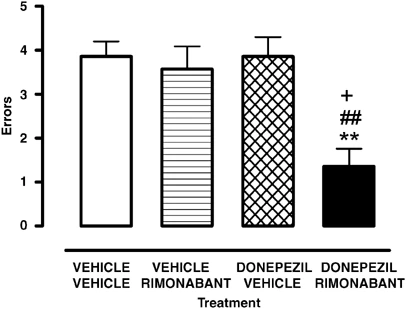
As an adjunct to diet and exercise therapy, it is used to treat obese patients (BMI ≥ 30 kg/m²) or overweight patients (BMI ≥ 27 kg/m²) with relevant risk factors (e.g., type 2 diabetes or dyslipidemia) (see Section 5.1). As an adjunct to diet and exercise therapy, it is used to treat obese patients (BMI ≥ 30 kg/m²) or overweight patients (BMI ≥ 27 kg/m²) with relevant risk factors (e.g., type 2 diabetes or dyslipidemia) (see Section 5.1). Mechanism of Action Rimonaban is a specific CB1 cannabinoid receptor antagonist. Extensive evidence suggests that the endocannabinoid system plays a crucial role in appetite drive and related behaviors. Therefore, it is reasonable to hypothesize that attenuating the activity of this system may have therapeutic benefits for treating diseases that may involve excessive appetite drive or overactive endocannabinoid systems, such as obesity, alcohol and other drug abuse, and various central nervous system and other diseases. Acyl-CoA: Cholesterol acyltransferase (ACAT) catalyzes the synthesis of intracellular cholesterol esters (CE). The two isoenzymes of ACAT, ACAT1 and ACAT2, play a crucial role in the pathophysiology of atherosclerosis, and ACAT inhibitors can delay atherosclerosis in animal models. Rimonaban is a type 1 cannabinoid receptor (CB1) antagonist that exerts anti-atherosclerotic effects in humans and animals, but its mechanism is not fully elucidated. The structure of rimonaban is similar to two other cannabinoid receptor antagonists, AM251 and SR144528, which have recently been identified as potent inhibitors of ACAT. Therefore, we investigated the effects of rimonaban on ACAT using in vivo cell experiments and in vitro cell-free experiments. The results showed that rimonaban reduced ACAT activity in Raw 264.7 macrophages (IC50 = 2.9 ± 0.38 μM) and isolated peritoneal macrophages in a dose-dependent manner. Rimonaban inhibited ACAT activity with approximately the same efficiency in intact CHO-ACAT1 and CHO-ACAT2 cells as well as in cell-free experiments (IC50 values of 1.5 ± 1.2 μM and 2.2 ± 1.1 μM for CHO-ACAT1 and CHO-ACAT2, respectively). Consistent with ACAT inhibition, rimonaban treatment blocked ACAT-dependent processes, oxosterol-induced apoptosis, and LDL-induced foam cell formation in macrophages. Based on these results, we conclude that rimonaban is a dual inhibitor of ACAT1/2 and suggest that part of the anti-atherosclerotic effect of rimonaban is at least partially attributable to its inhibition of ACAT. [2] SR141716A is the first selectively orally effective intracranial cannabinoid receptor antagonist. The compound has nanomolar affinity for central cannabinoid receptors but no activity for peripheral cannabinoid receptors. In vitro experiments showed that SR141716A can antagonize the inhibitory effects of cannabinoid receptor agonists on vas deferens contraction in mice and meningeal adenylate cyclase activity in rats. After intraperitoneal or oral administration, SR141716A can antagonize the classical pharmacological and behavioral effects of cannabinoid receptor agonists. This compound is expected to become a powerful tool for studying the function of the endogenous cannabinoid/arachidonic acid ethanolamine system in vivo. [3] The selective CB1 receptor antagonist rimonaban (SR141716) has been shown to exert a variety of biological effects under various pathological conditions. Recent studies have shown that rimonaban has antitumor effects on thyroid tumors and breast cancer cells. In this study, we treated human colorectal cancer cells (DLD-1, CaCo-2 and SW620) with rimonaban and analyzed markers of cell proliferation, cell viability and cell cycle progression. Rimonaban significantly inhibited cell growth and induced cell death. Furthermore, rimonaban altered the cell cycle distribution in all tested cell lines. Specifically, rimonaban induced G2/M phase cell cycle arrest in DLD-1 cells without inducing apoptosis or necrosis. G2/M phase arrest is characterized by a parallel increase in the number of mitotic divisions associated with increased DNA double-strand breaks and chromosome mismatch events, both hallmarks of mitotic catastrophe. Protein expression analysis of cyclin B1, PARP-1, Aurora B, and phosphorylated p38/MAPK and Chk1 indicated that rimonaban-induced mitotic catastrophe is mediated by interference with spindle assembly checkpoints and DNA damage checkpoints. Additionally, in an azomethane-induced mouse model of colon cancer, rimonaban significantly reduced the formation of aberrant cryptic foci (ACFs), a precursor to colorectal cancer. Our results indicate that rimonaban can inhibit the growth of colorectal cancer cells at different stages of colorectal cancer pathogenesis and induce mitotic catastrophe in vitro. [4] The cannabinoid (1) receptor antagonist/reverse agonist rimonaban and the selective non-competitive acetylcholinesterase (AChE) inhibitor donepezil improved performance in a variety of animal memory models, suggesting that these neurochemical systems play an indispensable role in cognition. This study aimed to examine whether the use of these drugs alone or in combination could prolong the duration of spatial memory. Rats underwent two-stage radial arm maze training, including learning and retrieval tests, with an 18-hour interval between the two tests. Each drug was administered 30 minutes before the learning phase, immediately after the learning phase, or 30 minutes before the retrieval test to assess the learning/consolidation, consolidation, and retrieval memory processes, respectively. Administration of rimonaban or donepezil before the learning phase (rather than immediately after the learning phase or before the retrieval phase) significantly reduced the number of errors in the retrieval test. Subthreshold doses of rimonaban and donepezil, which had no significant effect on performance when used alone, enhanced memory. These results collectively demonstrate that the delayed-radial arm maze task is sensitive enough to detect the memory-enhancing effects of these drugs. Furthermore, these findings suggest that subthreshold doses of rimonaban and donepezil in combination can improve memory and may represent a new approach for treating cognitive deficits associated with neurodegenerative diseases. [6] A new class of oxadiazole derivatives with good bioactivity against CB1 receptors has been discovered by bioisosteric substitution of rimonaban's pyrazole C3-formamide with a 5-alkyloxadiazole ring. Among them, compounds with alkyl linkages containing strong electron-withdrawing groups (e.g., CF₃) and sterically hindered groups (e.g., tert-butyl) exhibit excellent CB1 antagonistic activity and selectivity, and therefore may be further developed as potential anti-obesity drugs. [1] Rimonaban (SR141716) is a potent, highly selective CB1 receptor antagonist previously approved for the treatment of obesity and related metabolic disorders.[5][6][7] Its core mechanism is to block CB1-mediated signaling in the central nervous system (reducing food intake and weight) and peripheral tissues (inhibiting tumor proliferation, angiogenesis, and inflammation).[4][5][7] Its therapeutic applications include obesity management, metabolic syndrome, and preclinical studies of cancers (breast cancer, colon cancer) and sepsis.[2][4][5] Its use has been withdrawn globally due to serious psychiatric side effects. Adverse reactions observed in clinical use (anxiety, depression, suicidal ideation)[6][7] Its high selectivity for the CB1 receptor relative to the CB2 receptor minimizes off-target effects on immune cells, as the CB2 receptor is primarily expressed in immune cells.[3][5] |
| Molecular Formula |
C22H21CL3N4O
|
|
|---|---|---|
| Molecular Weight |
463.79
|
|
| Exact Mass |
462.078
|
|
| Elemental Analysis |
C, 56.97; H, 4.56; Cl, 22.93; N, 12.08; O, 3.45
|
|
| CAS # |
168273-06-1
|
|
| Related CAS # |
Rimonabant Hydrochloride; 158681-13-1; Rimonabant-d10; 929221-88-5
|
|
| PubChem CID |
104850
|
|
| Appearance |
White to off-white solid powder
|
|
| Density |
1.4±0.1 g/cm3
|
|
| Boiling Point |
627.6ºC at 760 mmHg
|
|
| Melting Point |
230-240ºC
|
|
| Flash Point |
333.3ºC
|
|
| Index of Refraction |
1.668
|
|
| LogP |
6.01
|
|
| Hydrogen Bond Donor Count |
1
|
|
| Hydrogen Bond Acceptor Count |
3
|
|
| Rotatable Bond Count |
4
|
|
| Heavy Atom Count |
30
|
|
| Complexity |
583
|
|
| Defined Atom Stereocenter Count |
0
|
|
| SMILES |
ClC1=CC=C(C=C1)C2=C(C(C(NN3CCCCC3)=O)=NN2C4=CC=C(C=C4Cl)Cl)C
|
|
| InChi Key |
JZCPYUJPEARBJL-UHFFFAOYSA-N
|
|
| InChi Code |
InChI=1S/C22H21Cl3N4O/c1-14-20(22(30)27-28-11-3-2-4-12-28)26-29(19-10-9-17(24)13-18(19)25)21(14)15-5-7-16(23)8-6-15/h5-10,13H,2-4,11-12H2,1H3,(H,27,30)
|
|
| Chemical Name |
5-(4-chlorophenyl)-1-(2,4-dichlorophenyl)-4-methyl-N-piperidin-1-ylpyrazole-3-carboxamide
|
|
| Synonyms |
|
|
| HS Tariff Code |
2934.99.9001
|
|
| Storage |
Powder -20°C 3 years 4°C 2 years In solvent -80°C 6 months -20°C 1 month Note: Please store this product in a sealed and protected environment, avoid exposure to moisture. |
|
| Shipping Condition |
Room temperature (This product is stable at ambient temperature for a few days during ordinary shipping and time spent in Customs)
|
| Solubility (In Vitro) |
|
|||
|---|---|---|---|---|
| Solubility (In Vivo) |
|
| Preparing Stock Solutions | 1 mg | 5 mg | 10 mg | |
| 1 mM | 2.1561 mL | 10.7807 mL | 21.5615 mL | |
| 5 mM | 0.4312 mL | 2.1561 mL | 4.3123 mL | |
| 10 mM | 0.2156 mL | 1.0781 mL | 2.1561 mL |
*Note: Please select an appropriate solvent for the preparation of stock solution based on your experiment needs. For most products, DMSO can be used for preparing stock solutions (e.g. 5 mM, 10 mM, or 20 mM concentration); some products with high aqueous solubility may be dissolved in water directly. Solubility information is available at the above Solubility Data section. Once the stock solution is prepared, aliquot it to routine usage volumes and store at -20°C or -80°C. Avoid repeated freeze and thaw cycles.
Calculation results
Working concentration: mg/mL;
Method for preparing DMSO stock solution: mg drug pre-dissolved in μL DMSO (stock solution concentration mg/mL). Please contact us first if the concentration exceeds the DMSO solubility of the batch of drug.
Method for preparing in vivo formulation::Take μL DMSO stock solution, next add μL PEG300, mix and clarify, next addμL Tween 80, mix and clarify, next add μL ddH2O,mix and clarify.
(1) Please be sure that the solution is clear before the addition of next solvent. Dissolution methods like vortex, ultrasound or warming and heat may be used to aid dissolving.
(2) Be sure to add the solvent(s) in order.
| NCT Number | Recruitment | interventions | Conditions | Sponsor/Collaborators | Start Date | Phases |
| NCT05622994 | Not yet recruiting | Drug: Rimonabant | Hospital Nacional de Parapléjicos de Toledo |
Pfizer | November 2022 | Phase 2 |
| NCT00358228 | Completed | Drug: Rimonabant | Smoking Cessation | Sanofi | September 2002 | Phase 3 |
| NCT00464165 | Completed | Drug: rimonabant | Smoking Cessation | Sanofi | November 2002 | Phase 3 |
| NCT00464256 | Completed | Drug: rimonabant | Smoking Cessation | Sanofi | November 2004 | Phase 3 |
| NCT05398913 | Recruiting | Drug: Rimonabant | Spinal Cord Injuries | Hospital Nacional de Parapléjicos de Toledo |
May 12, 2021 | Phase 1 Phase 2 |
|
|
|
|
|
|
|
Products are for research use only; We do not sell to patients
Copyright 2020 InvivoChem LLC | All Rights Reserved


 COA
COA