

| Size | Price | Stock | Qty |
|---|---|---|---|
| 10mg |
|
||
| 25mg |
|
||
| 50mg |
|
||
| 100mg |
|
||
| 250mg |
|
||
| 500mg |
|
||
| Other Sizes |


Purity: ≥98%
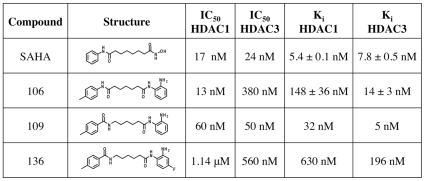
RG-2833 (formerly RGFP-109) is a potent, selective and brain-permeable inhibitor of HDAC (histone deacetylase) with potential neuroprotective effects. In cell-free assays, it inhibits HDAC1 and HDAC3 with IC50s of 60 nM and 50 nM, respectively. An experimental medication candidate called RG2833 is being researched to treat Parkinson's disease. It is being studied in phase I clinical trials after being granted orphan drug status. In an iPSC-derived neuronal cell model, FXN was upregulated and maximal deacetylase was inhibited by plasma RG2833 (5μM). The findings demonstrated a strong correlation between the downregulation of deacetylase activity and the increase in FXN (Friedreich Ataxia) transcript, indicating that deacetylation is the mechanism of action of RG2833.
| Targets |
Histone Deacetylase; HDAC3 ( IC50 = 50 nM ); HDAC1 ( IC50 = 60 nM ); HDAC1 ( Ki = 32 nM ); HDAC3 ( Ki = 5 nM )
|
|---|---|
| ln Vitro |
- Frataxin Upregulation: In fibroblasts from Friedreich's ataxia patients, RG2833 (0.1–10 μM) induced dose-dependent frataxin protein expression, with a 2.5-fold increase at 1 μM. Western blot analysis confirmed upregulation of frataxin and acetylated histone H3K9. qPCR revealed a 1.8-fold increase in FXN mRNA levels after 24-hour treatment [1]
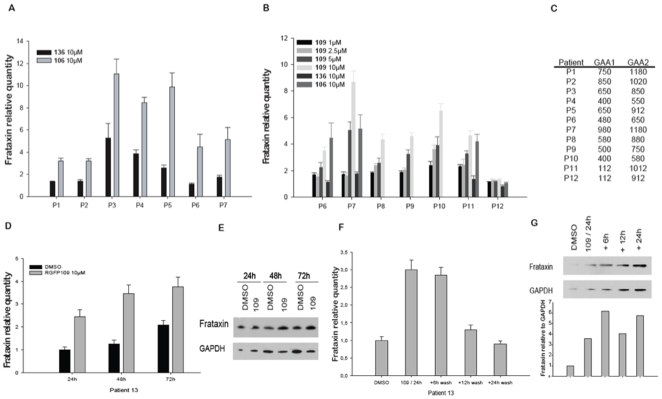
- Cell Viability: Treatment with RG2833 (1–10 μM) for 72 hours did not significantly affect cell viability in normal human fibroblasts or HEK293 cells, as assessed by MTT assay [1] - HDAC Inhibition: RG2833 potently inhibited HDAC1 and HDAC2 enzymatic activity in cell lysates, with IC50 values of 0.1 μM and 0.3 μM, respectively. Fluorometric assays using a fluorescent HDAC substrate showed dose-dependent suppression of deacetylation [1] In vitro activity: RG2833's Ki values for HDAC1 and HDAC3 are 32 nM and 5 nM, in that order. RG2833 demonstrates high activity throughout the entire tested concentration range of 1 to 10 µM. Frataxin protein increases more slowly in cells from patient P13 when RG2833 is continuously cultivated, but it increases quickly in the cells after the compound is removed[1]. In addition to reducing neuronal pathology of the dorsal root ganglia (DRG), RG2833 causes notable increases in brain aconitase enzyme activity[2]. |
| ln Vivo |
- Neuroprotective Efficacy in YG8R Mice: Oral administration of RG2833 (10 mg/kg daily for 4 weeks) significantly improved motor coordination in YG8R mice, as measured by increased latency to fall in rotarod tests. Histological analysis revealed a 30% reduction in spinal cord neuronal loss and a 2-fold increase in frataxin levels in liver and brain tissues [2]
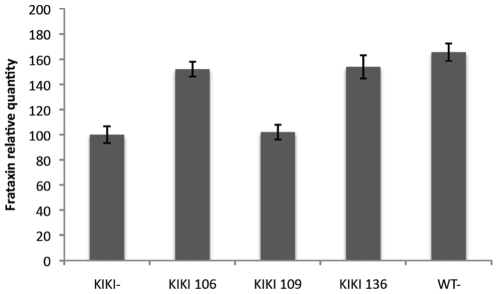
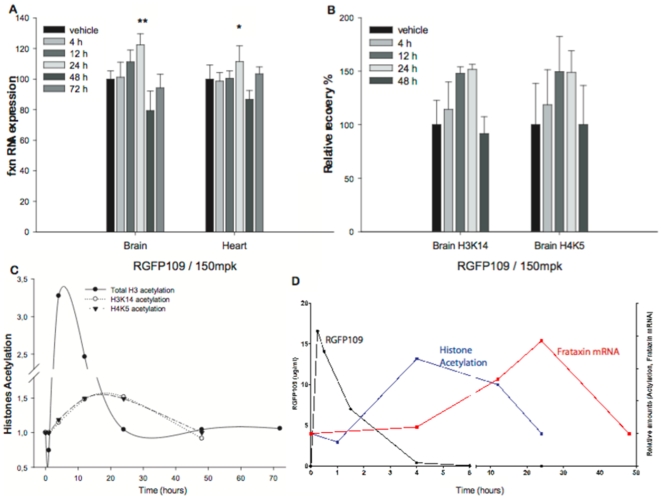
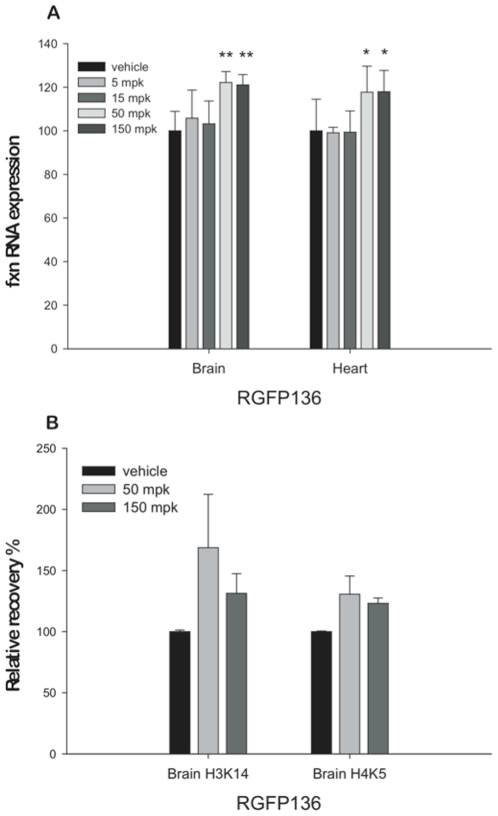
- Amelioration of L-DOPA-Induced Dyskinesia: In MPTP-lesioned marmosets, RG2833 (0.1–1 mg/kg orally) reduced dyskinesia severity by 40–60% during L-DOPA challenge. PET imaging showed restored striatal dopamine transporter binding and reduced oxidative stress markers in the substantia nigra [3] RG2833 (150 mg/kg) is capable of treating KIKI mice's brain and heart frataxin deficiency 24 hours after a single injection, but not at lower doses. When tracked over time, the KIKI mouse's increased levels of frataxin mRNA caused by RG2833 can be seen in the brain and heart at 12 hours and 24 hours, respectively[1]. After a chronic dosage of 100 mg/kg, s.c., mice tolerate RG2833 well and do not experience any toxicity. RG2833 enhances YG8R FRDA mice's motor coordination. In the brains of YG8R FRDA mice, RG2833 increases the expression of the frataxin protein[2]. After a single or six-day once-daily treatment, RGFP109 (30 mg/kg, p.o. once daily for six days) has no acute effects on dyskinesia. Dyskinesia and the amount of time spent ON-time with incapacitating dyskinesia are reduced by 37% and 50%, respectively, one week after RGFP109 is stopped[3]. Sub-chronic treatment with RGFP109 alleviates established l-DOPA-induced dyskinesia [3] Acute challenges of RGFP109 did not reduce LID severity, as shown by the lack of anti-dyskinetic efficacy on D1 and, to a certain extent, D6. However, RGFP109 significantly reduced severity of peak-dose LID and decreased duration of “bad quality” ON-time on D12, six days after cessation of treatment with RGFP109. This delayed onset of anti-dyskinetic efficacy is consistent with long-lasting changes at the nuclear level, as would be expected with HDAC inhibition, as opposed to blockade of a synaptic receptor, which would be expected to produce an immediate benefit. Importantly, the anti-dyskinetic effect of RGFP109 was obtained without compromising peak anti-parkinsonian efficacy or duration of l-DOPA benefit, suggesting that abnormal histone deacetylation is a consequence of LID and not l-DOPA therapy per se. |
| Enzyme Assay |
- HDAC1/HDAC2 Activity Assay: Recombinant HDAC1 or HDAC2 was incubated with RG2833 (0.01–10 μM) in buffer containing Tris-HCl (pH 8.0), NaCl, and DTT. After adding a fluorescent substrate (Ac-Arg-Lys-Lys-AMC), the reaction was monitored at 360 nm excitation/460 nm emission. IC50 values were calculated from dose-response curves [1]
Aconitase activities are measured by centrifuging mouse brain tissues at 800×g for 10 min at 4°C after homogenizing them on ice at 10% w/v in CellLytic MT Mammalian Tissue Lysis/Extraction buffer. After adding 50 μL of tissue lysates to 200 μL of substrate mix (which included 50 mM Tris/HCl pH7.4, 0.4 mM NADP, 5 mM Na citrate, 0.6 mM MgCl2, 0.1% (v/v) Triton X-100, and 1U isocitrate dehydrogenase), the reactions were incubated for 15 minutes at 37°C.The reaction slope was then determined by taking spectrophotometric absorbance measurements every minute for 15 minutes at 340 nm 37°C. Afterwards, using a citrate synthase assay kit, the aconitase activities of mouse brain tissues are normalized to citrate synthase activities. |
| Cell Assay |
- Frataxin Induction in Patient Cells: Friedreich's ataxia fibroblasts were treated with RG2833 (0.1–10 μM) for 24 hours. Total protein was extracted, and frataxin levels were quantified by Western blot using specific antibodies. Densitometric analysis showed a linear dose-response relationship [1]
- HDAC Activity in Cell Lysates: HEK293 cells were treated with RG2833 (0.1–10 μM) for 6 hours. Cell lysates were incubated with a fluorescent HDAC substrate, and deacetylation activity was measured using a microplate reader. The IC50 for HDAC1 inhibition was determined to be 0.1 μM [1] RG2833's Ki values for HDAC1 and HDAC3 are 5.4 nM and 7.8 nM, in that order. RG2833 demonstrates high activity throughout the entire tested concentration range of 1 to 10 µM. Frataxin protein increases more slowly in cells from patient P13 when RG2833 is continuously cultivated; however, upon removal of the compound, frataxin protein levels rose quickly. In addition to reducing neuronal pathology in the dorsal root ganglia (DRG), RG2833 causes notable increases in brain aconitase enzyme activity. |
| Animal Protocol |
- YG8R Mouse Model: RG2833 was dissolved in 0.5% methylcellulose and administered orally to YG8R mice (10 mg/kg daily) for 4 weeks. Motor function was assessed weekly via rotarod tests. At termination, tissues were harvested for frataxin quantification and histopathological analysis [2]
- MPTP-Lesioned Marmoset Model: Marmosets received MPTP (0.3 mg/kg i.p. daily for 5 days) to induce parkinsonism. RG2833 (0.1–1 mg/kg orally) was administered 30 minutes before L-DOPA (10 mg/kg) challenges. Dyskinesia severity was scored using a validated rating scale [3] Mice are kept in standard open cages with 13 hours of light, 11 hours of darkness, 20–23°C, 45–60% humidity, Litaspen Premium 8/20 bedding, paper wool nesting, and standard fun tunnel environmental enrichment. SDS RM3 Expanded food pellets and regular drinking water are fed to the mice. The mice are subcutaneously injected with 150 mg/kg RG2833 three times a week for 4.5 months, or 50 mg/kg 136 or 100 mg/kg RG2833 five times a week for five months. Twenty-four hours after the last injection, the mice are culled in order to collect tissue. Administration of RG2833 (RGFP109) in combination with l-DOPA to the parkinsonian marmoset [3] A schematic depicting the time line of the experiments conducted is provided in Fig. 2. Twelve days prior to the start of the study (D-12), animals were administered an acute challenge of l-DOPA/benserazide (20/5 mg/kg s.c., henceforth referred to as l-DOPA). Behaviour observed on D-12 was used as a baseline comparator to ensure that the animals responded consistently to l-DOPA, both in terms of dyskinesia and duration of reversal of parkinsonism, thereby ensuring that changes noted throughout the study would be secondary to HDAC inhibition and not variation in the response to l-DOPA. On study day 0 (D0), animals were treated with an acute challenge of l-DOPA in combination with vehicle. Treatment with the HDACi RG2833 (RGFP109) was initiated 24 h later (D1). Throughout the study, animals were administered RG2833 (RGFP109) orally (30 mg/kg) dissolved in hydroxypropyl-β-cyclodextrin acetate (50%, v/v) in water, in combination with l-DOPA. Both drugs were administered simultaneously. The dose of l-DOPA was kept constant throughout the observation days (20/5 mg/kg), but was administered orally on non-behavioural days and s.c. on behavioural observation days (D-12, D0, D1, D6 and D12), in order to minimise variability due to erratic gastro-intestinal absorption. Treatment with RG2833 (RGFP109) was ceased on D6. After a six-day wash-out period during which daily l-DOPA treatment was maintained, response to an acute l-DOPA challenge was re-assessed (D12). |
| ADME/Pharmacokinetics |
Oral bioavailability: In mice, RG2833 exhibited moderate oral bioavailability (25%), with peak plasma concentration (Cmax) reaching 0.8 μg/mL within 1 hour. The compound had high plasma protein binding (>90%) and a terminal half-life of 4–6 hours [2]. Tissue distribution: Following oral administration, RG2833 accumulated in brain tissue with a brain/plasma concentration ratio of 0.6–0.8. Significant levels were also detected in the liver and skeletal muscle [2].
|
| Toxicity/Toxicokinetics |
Oral RGFP109 treatment was well tolerated, and no adverse reactions were observed throughout the study. During the 12-day study period, RGFP109 treatment significantly affected levodopa-induced dyskinesia (LID) levels during the peak effect of levodopa (Friedman statistic (FS) = 9.75, P < 0.01, Friedman test, Figure 3B). However, compared with levodopa alone on day 0, neither acute treatment (D1) nor 6-day treatment (D6) with RGFP109 in combination with levodopa had any effect on LID levels (all P > 0.05, Dunn post-hoc test). On day 12 (D12), 6 days after discontinuation of RGFP109 treatment, despite continued daily levodopa therapy, levodopa-induced dyskinesia (LID) levels were significantly reduced (by 37%) (21.5 ± 1.0 on D0, 13.5 ± 1.5 on D12; P < 0.05, Dunn post-hoc test, Figure 3B). Correspondingly, treatment had a significant effect on the duration of the “on” phase with severe dyskinesia throughout the study (F3,9 = 5.6, P < 0.05, one-way repeated measures ANOVA). On day 12 (D12), rather than prior to this, the duration of the “on” phase with severe dyskinesia was reduced by 50% compared to the levodopa-only group on day 0 (D0) (145 ± 11 minutes on D0, 73 ± 23 minutes on D12; P < 0.05, Tukey post-hoc test, Figure 3F). [3]
- Acute toxicity: The oral LD50 of RG2833 in mice exceeds 1000 mg/kg. No deaths or serious adverse reactions were observed in acute toxicity studies. [1,2] - Chronic toxicity: In a 4-week oral toxicity study in rats, RG2833 (20 mg/kg daily) did not cause significant changes in hematology, serum biochemistry, or organ weight. Mild reversible hepatomegaly was observed in the highest dose group. [2] - Drug interactions: Co-administration with ketoconazole (a CYP3A4 inhibitor) increased RG2833 plasma concentrations by 2.3-fold, indicating a possible pharmacokinetic interaction. [2] |
| References |
|
| Additional Infomation |
Background: Friedreich ataxia (FRDA) is the most common recessive ataxia in Caucasians, caused by a severe reduction in frataxin levels (a highly conserved protein) due to the massive amplification of the GAA trinucleotide repeat sequence in the first intron of the frataxin gene (FXN). Typical heterochromatin markers are present near the amplified GAA repeat sequence in FRDA patient cells and mouse models. Histone deacetylase inhibitors (HDACIs) with a hemethylenediphenylamide structure and specificity to HDAC3 can depolymerize the chromatin structure at the FXN gene and restore frataxin levels in FRDA patient cells and the KIKI mouse model of FRDA based on the GAA repeat sequence, providing an attractive strategy for the treatment of FRDA. Methods/Main Findings: To further improve the pharmacological properties of hemethylenediphenylamide-based HDACIs as potential therapeutic agents for FRDA, we synthesized more compounds with this basic structure and screened their HDAC3 specificity. We characterized the effects of two of these compounds (compounds 136 and 109) in peripheral blood lymphocytes of FRDA patients and in a KIKI mouse model. We tested their ability to upregulate frataxin at different concentrations to determine the minimum effective dose. Subsequently, we determined the duration of the effects of these drugs on frataxin mRNA and protein, as well as total and local histone acetylation, in both systems. In both systems, the duration of the effects of these compounds exceeded the time of direct exposure. Conclusion/Implication: Our results support the preclinical development of Friedreich ataxia (FRDA) treatments based on pimecrolimus diphenylamide histone acetyltransferase inhibitors (HDACIs) and provide information for the design of future human trials of these drugs, suggesting that intermittent dosing regimens may be effective. [1]
Friedreich ataxia (FRDA) is a hereditary neurodegenerative disease caused by amplification of the GAA repeat sequence in the FXN gene, leading to epigenetic alterations and heterochromatin-mediated gene silencing, ultimately resulting in a deficiency of frataxin protein. Histone deacetylase (HDAC) inhibitors, including pimecrolic acid-based anthranilamide compounds 106, 109, and 136, have previously been shown to reverse FXN gene silencing in short-term studies in FRDA patient cells and gene knock-in mouse models, but the functional consequences of such therapeutic interventions remain unclear. We now investigated the long-term effects of compounds 106, 109, and 136 in our constructed GAA repeat amplification mutant YG8R FRDA mouse model. Results showed no significant toxicity observed after up to 5 months of treatment, and the FRDA-like disease phenotype was improved. Thus, despite the mild neurological deficits in this model, compounds 109 and 106 improved motor coordination, while compounds 109 and 136 enhanced motor activity. All three compounds increased the overall acetylation levels of histone H3 and H4 in brain tissue, but only compound 109 significantly increased the acetylation levels of specific histone residues at the FXN locus. Compound 109 had little effect on FXN mRNA expression in central nervous system tissues, but significantly increased the expression of flatasin protein in brain tissue. Compound 109 also significantly increased aconitase activity in the brain and alleviated neuronal pathological changes in the dorsal root ganglion (DRG). Overall, these results support further evaluation of HDAC inhibitors in the treatment of Friedreich ataxia. [2] Background: Levodopa (L-DOPA)-induced motor dyskinesia (LID) is a complication of long-term dopamine replacement therapy in Parkinson's disease (PD). Recent studies have shown that the mechanisms of LID occurrence and expression in PD may involve epigenetic alterations, including striatal histone deacetylation. We hypothesize that inhibition of histone deacetylases (enzymes responsible for histone deacetylation) can alleviate levodopa-induced motor dyskinesia (LID). Methods: We induced Parkinson's disease in four female Callithrix jacchus by injecting them with 1-methyl-4-phenyl-1,2,3,6-tetrahydropyridine (MPTP). After the Parkinson's disease phenotype stabilized, we induced motor dysfunction in the marmosets by long-term administration of levodopa. We then investigated the effect of the blood-brain barrier-crossing histone deacetylase inhibitor RGFP109 (30 mg/kg, once daily, orally for 6 days) on the efficacy of LID and levodopa in treating Parkinson's disease. Results: RGFP109 had no acute effect on motor dysfunction after a single dose or after 6 consecutive days of once-daily administration (P > 0.05). However, one week after discontinuing RGFP109, compared with previous levodopa alone, the duration of motor dysfunction and the "on" phase with severe motor dysfunction were reduced by 37% and 50%, respectively (both P < 0.05). The anti-Parkinsonian effect or the duration of “on” of levodopa remained unchanged (P > 0.05). Conclusion: Histone deacetylation inhibition may be a new approach to reverse established levodopa-induced motor dysfunction (LID) in Parkinson’s disease and improve the efficacy of levodopa in treating Parkinson’s disease. [3] - Mechanism of action: RG2833 selectively inhibits HDAC1/HDAC2, leading to increased histone H3K9 acetylation and FXN gene transcriptional activation. This can restore fratacin levels, improve mitochondrial iron-sulfur cluster biosynthesis, and reduce oxidative stress [1,2] - Therapeutic potential: In addition to Friedreich ataxia and Parkinson’s disease, RG2833 is being evaluated in preclinical models for Huntington’s disease and amyotrophic lateral sclerosis (ALS) [2,3] - Clinical development: RG2833 has completed a Phase I clinical trial in healthy volunteers, showing good safety. A phase II clinical trial for Friedreich ataxia is underway.[3] |
| Molecular Formula |
C20H25N3O2
|
|
|---|---|---|
| Molecular Weight |
339.43
|
|
| Exact Mass |
339.195
|
|
| Elemental Analysis |
C, 70.77; H, 7.42; N, 12.38; O, 9.43
|
|
| CAS # |
1215493-56-3
|
|
| Related CAS # |
|
|
| PubChem CID |
56654642
|
|
| Appearance |
White to off-white solid powder
|
|
| LogP |
5.127
|
|
| Hydrogen Bond Donor Count |
3
|
|
| Hydrogen Bond Acceptor Count |
3
|
|
| Rotatable Bond Count |
8
|
|
| Heavy Atom Count |
25
|
|
| Complexity |
419
|
|
| Defined Atom Stereocenter Count |
0
|
|
| SMILES |
O=C(C([H])([H])C([H])([H])C([H])([H])C([H])([H])C([H])([H])N([H])C(C1C([H])=C([H])C(C([H])([H])[H])=C([H])C=1[H])=O)N([H])C1=C([H])C([H])=C([H])C([H])=C1N([H])[H]
|
|
| InChi Key |
VOPDXHFYDJAYNS-UHFFFAOYSA-N
|
|
| InChi Code |
InChI=1S/C20H25N3O2/c1-15-10-12-16(13-11-15)20(25)22-14-6-2-3-9-19(24)23-18-8-5-4-7-17(18)21/h4-5,7-8,10-13H,2-3,6,9,14,21H2,1H3,(H,22,25)(H,23,24)
|
|
| Chemical Name |
N-[6-(2-aminoanilino)-6-oxohexyl]-4-methylbenzamide
|
|
| Synonyms |
RGFP 109; RGFP-109; RGFP109; RG2833; RG2833; 1215493-56-3; N-(6-((2-Aminophenyl)amino)-6-oxohexyl)-4-methylbenzamide; RGFP-109; N-(6-(2-Aminophenylamino)-6-oxohexyl)-4-methylbenzamide; RGFP109; RG 2833; RG-2833
|
|
| HS Tariff Code |
2934.99.9001
|
|
| Storage |
Powder -20°C 3 years 4°C 2 years In solvent -80°C 6 months -20°C 1 month |
|
| Shipping Condition |
Room temperature (This product is stable at ambient temperature for a few days during ordinary shipping and time spent in Customs)
|
| Solubility (In Vitro) |
DMSO: ~68 mg/mL (~200.3 mM)
Water: 1 mg/mL (Insoluble) Ethanol: ~10 mg/mL (~29.6 mM) |
|---|---|
| Solubility (In Vivo) |
Solubility in Formulation 1: ≥ 2.5 mg/mL (7.37 mM) (saturation unknown) in 10% DMSO + 40% PEG300 + 5% Tween80 + 45% Saline (add these co-solvents sequentially from left to right, and one by one), clear solution.
For example, if 1 mL of working solution is to be prepared, you can add 100 μL of 25.0 mg/mL clear DMSO stock solution to 400 μL PEG300 and mix evenly; then add 50 μL Tween-80 to the above solution and mix evenly; then add 450 μL normal saline to adjust the volume to 1 mL. Preparation of saline: Dissolve 0.9 g of sodium chloride in 100 mL ddH₂ O to obtain a clear solution. Solubility in Formulation 2: ≥ 2.5 mg/mL (7.37 mM) (saturation unknown) in 10% DMSO + 90% (20% SBE-β-CD in Saline) (add these co-solvents sequentially from left to right, and one by one), clear solution. For example, if 1 mL of working solution is to be prepared, you can add 100 μL of 25.0 mg/mL clear DMSO stock solution to 900 μL of 20% SBE-β-CD physiological saline solution and mix evenly. Preparation of 20% SBE-β-CD in Saline (4°C,1 week): Dissolve 2 g SBE-β-CD in 10 mL saline to obtain a clear solution. View More
Solubility in Formulation 3: ≥ 2.5 mg/mL (7.37 mM) (saturation unknown) in 10% DMSO + 90% Corn Oil (add these co-solvents sequentially from left to right, and one by one), clear solution. Solubility in Formulation 4: ≥ 2.5 mg/mL (7.37 mM) (saturation unknown) in 5% DMSO + 40% PEG300 + 5% Tween80 + 50% Saline (add these co-solvents sequentially from left to right, and one by one), clear solution. Preparation of saline: Dissolve 0.9 g of sodium chloride in 100 mL ddH₂ O to obtain a clear solution. Solubility in Formulation 5: 5%DMSO Corn oil: 6.0mg/ml (17.68mM) |
| Preparing Stock Solutions | 1 mg | 5 mg | 10 mg | |
| 1 mM | 2.9461 mL | 14.7306 mL | 29.4612 mL | |
| 5 mM | 0.5892 mL | 2.9461 mL | 5.8922 mL | |
| 10 mM | 0.2946 mL | 1.4731 mL | 2.9461 mL |
*Note: Please select an appropriate solvent for the preparation of stock solution based on your experiment needs. For most products, DMSO can be used for preparing stock solutions (e.g. 5 mM, 10 mM, or 20 mM concentration); some products with high aqueous solubility may be dissolved in water directly. Solubility information is available at the above Solubility Data section. Once the stock solution is prepared, aliquot it to routine usage volumes and store at -20°C or -80°C. Avoid repeated freeze and thaw cycles.
Calculation results
Working concentration: mg/mL;
Method for preparing DMSO stock solution: mg drug pre-dissolved in μL DMSO (stock solution concentration mg/mL). Please contact us first if the concentration exceeds the DMSO solubility of the batch of drug.
Method for preparing in vivo formulation::Take μL DMSO stock solution, next add μL PEG300, mix and clarify, next addμL Tween 80, mix and clarify, next add μL ddH2O,mix and clarify.
(1) Please be sure that the solution is clear before the addition of next solvent. Dissolution methods like vortex, ultrasound or warming and heat may be used to aid dissolving.
(2) Be sure to add the solvent(s) in order.
  |
|---|
  |
 |
Products are for research use only; We do not sell to patients
Copyright 2020 InvivoChem LLC | All Rights Reserved


 COA
COA