| Size | Price | Stock | Qty |
|---|---|---|---|
| 10mg |
|
||
| 25mg |
|
||
| 50mg |
|
||
| 100mg |
|
||
| 250mg |
|
||
| 500mg |
|
||
| Other Sizes |


Purity: =99.03%
| Targets |
thymidylate synthase (IC50 = 9 nM)
Raltitrexed (ZD1694) targets thymidylate synthase (TS) (IC50=0.015 μM for human hepatocellular carcinoma HepG2 cells; IC50=0.012 μM for human gastric cancer SGC7901 cells; Ki=0.003 μM for recombinant human TS enzyme)[1] |
|---|---|
| ln Vitro |
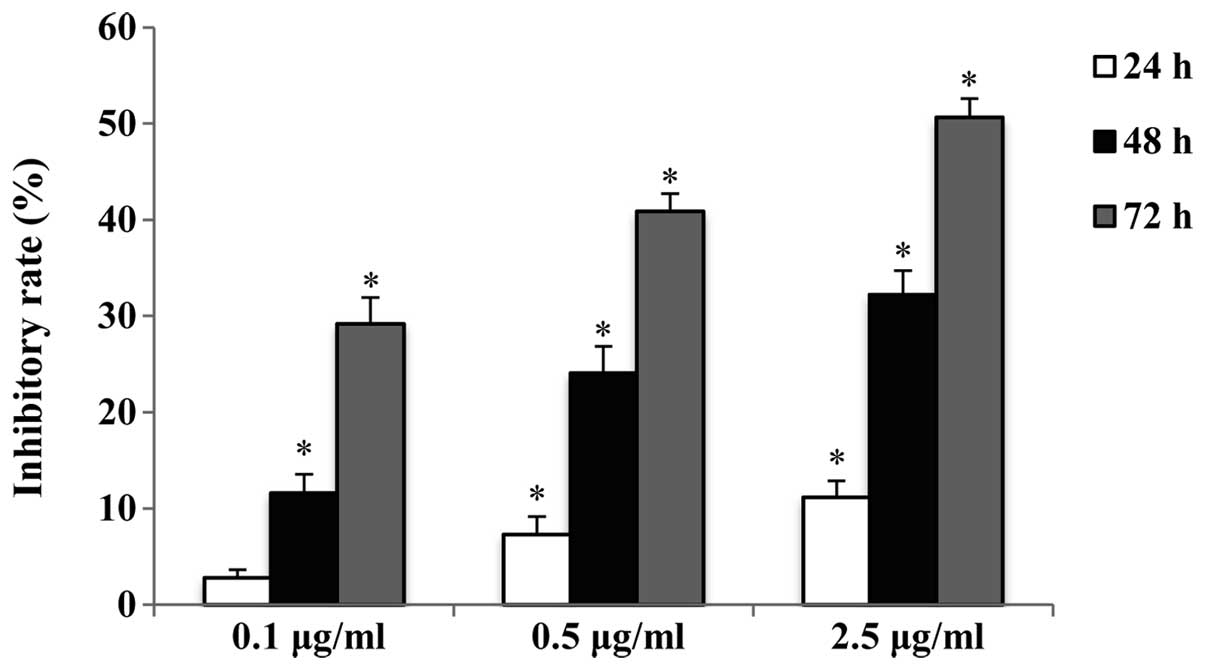
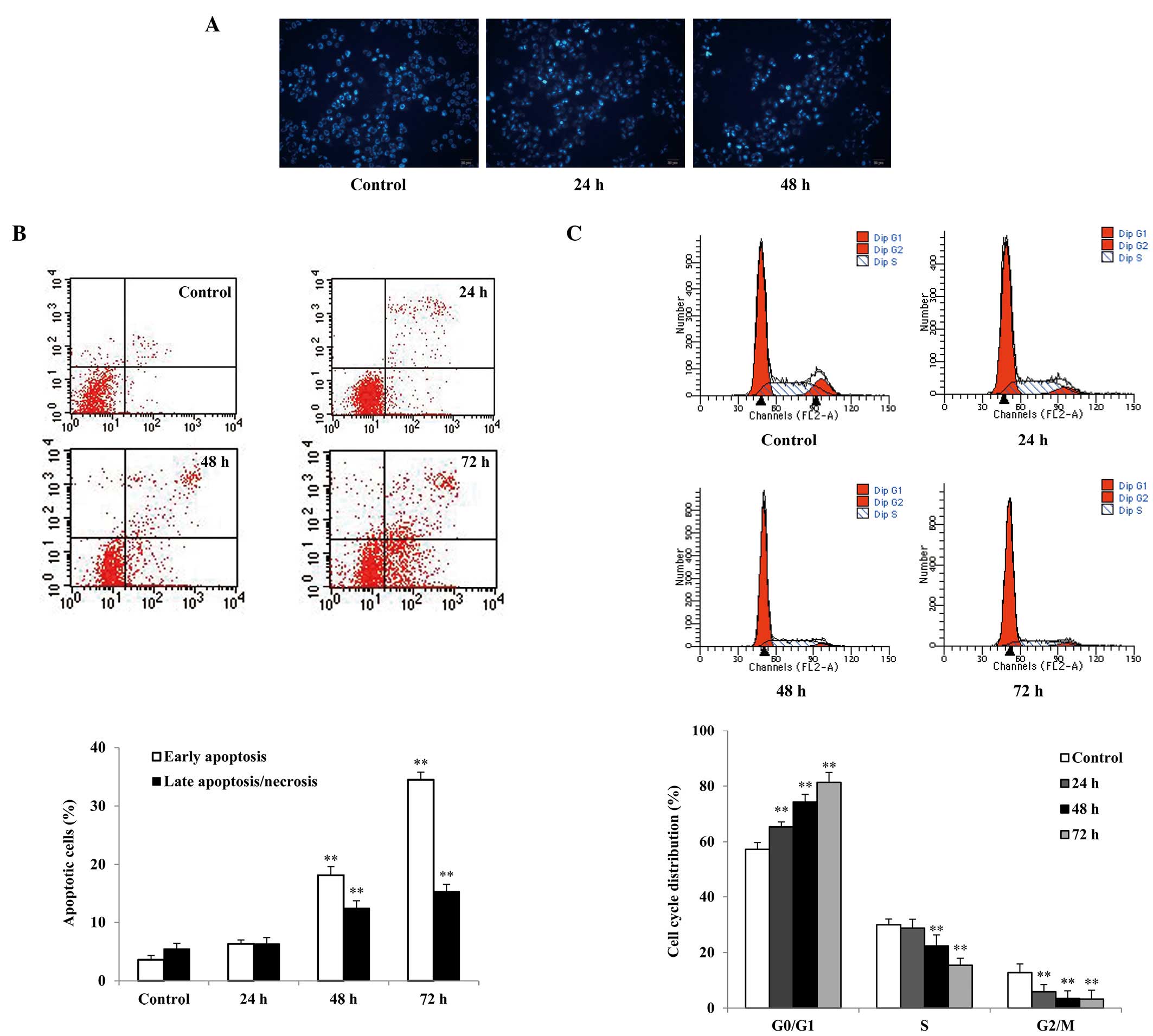
Raltitrexed inhibits HepG2 growth by stopping the cell cycle at G0/G1, which is achieved by downregulating CDK2 and cyclin A[1]. The viability of SGC7901 cells is decreased by raltitrexed (0.1, 0.5, and 2.5 μg/mL) in a manner that is dependent on both dose and time. In SGC7901 cells, raltitrexed (0.5 μg/mL) exhibits characteristic apoptotic morphology, such as nuclear shrinkage, fragmentation, chromatin condensation, and apoptotic bodies. Raltitrexed lowers the potential of the mitochondrial membrane and stops the cell cycle at the G0/G1 phase. In addition, Raltitrexed raises TS protein and mRNA expression levels, triggers caspase-3-dependent apoptosis by activating the mitochondria, and raises ROS levels[3]. Raltitrexed (1.5 nM) selectively induces gene conversions and decreases the number of GM00637 cells, but it has no effect on NHEJ or HR induced by DSB[4].
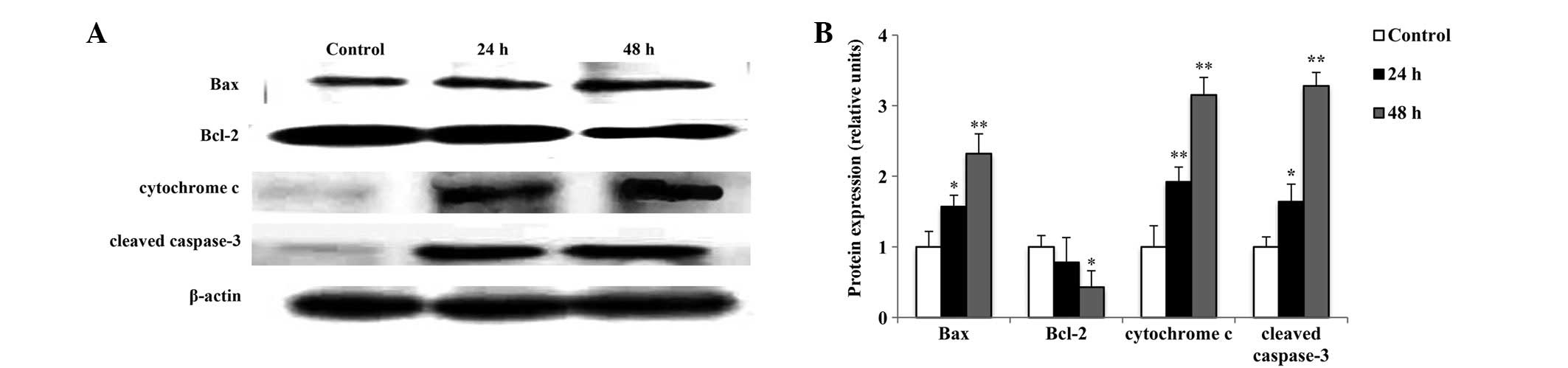
Anti-hepatocellular carcinoma activity: Treatment of human hepatocellular carcinoma HepG2 cells with Raltitrexed for 72 hours resulted in an IC50=0.015 μM; at 100 nM, the cell proliferation inhibition rate reached 78%, and G0/G1 cell cycle arrest was induced, with the G0/G1 phase ratio increasing from 45% to 68% and the S phase ratio decreasing from 38% to 15%[1] - Anti-gastric cancer activity: IC50=0.012 μM for human gastric cancer SGC7901 cells; treatment with 50 nM Raltitrexed for 48 hours resulted in 56% apoptotic cells, accompanied by decreased mitochondrial membrane potential (from 1.8 to 0.6) and increased cytochrome c release[3] - Inhibition of thymidylate synthase activity: 10 nM Raltitrexed inhibited 80% of recombinant human TS enzyme activity, leading to a 90% decrease in intracellular dTTP levels and blocked DNA synthesis[4] - Induction of DNA damage and repair response: Treatment of human embryonic kidney HEK293 cells with 20 nM Raltitrexed for 24 hours upregulated the DNA double-strand break marker γ-H2AX by 3.2-fold and increased homologous recombination repair efficiency by 2.5-fold[4] - Activation of mitochondrial-mediated apoptotic pathway: After treatment of SGC7901 cells with 50 nM Raltitrexed, Bax protein expression was upregulated by 2.8-fold, Bcl-2 protein expression was downregulated by 60%, caspase-9 and caspase-3 activation rates reached 45% and 52%, respectively, and PARP cleavage products increased[3] - In vitro cytotoxicity: CC50=1.2 μM for normal human hepatocyte LO2 cells, with a therapeutic index (CC50/IC50) >80 (against HepG2 cells)[1] - Colony formation inhibition: After treatment of HepG2 cells with 10 nM Raltitrexed, the colony formation rate decreased from 65% to 12%; the colony formation rate of SGC7901 cells decreased from 70% to 8%[1] |
| ln Vivo |
Raltitrexed (0, 5, 10, 11.5, 13.5, 15 mg/kg b/w, i.p.) raises the rates of resorbed embryos and growth retardation of the murine model of NTDs in a dose dependent manner. Thymidylate synthase (TS) activity in embryonic tissue is maximally inhibited by raltitrexed (11.5 mg/kg b/w), which also lowers dTMP levels and raises dUMP levels[2].
Mouse embryonic neural tube defect model: Intraperitoneal injection of Raltitrexed 0.5 mg/kg on gestational day 7.5 (GD7.5) resulted in a neural tube defect rate of 42% in embryos on GD18.5, significantly higher than the control group (2%); TS activity in embryonic tissues was inhibited by 75%, 8-OHdG levels increased by 2.3-fold, and the proportion of apoptotic cells increased by 3.1-fold[2] - Mouse gastric cancer xenograft model (SGC7901 cells): Intraperitoneal injection of Raltitrexed 2 mg/kg twice weekly for 3 consecutive weeks achieved a tumor inhibition rate of 68%, reducing tumor volume from 320 mm³ to 103 mm³, and TS activity in tumor tissues decreased by 80%[3] |
| Enzyme Assay |
Western Blot Assay
HepG2 were seeded into six-well plates and treated with different stimulants as designated. Cells were then harvested by centrifugation and lysed using cell lysis buffer to obtain total protein. Protein concentration was determined by Bradford assay kit. Proteins (30 µg) were loaded into each lane of a 10% SDS-polyacrylamide gel and transferred onto PVDF membranes (Roche, Germany). Membranes were blocked for 1 h in 5% (w/v) nonfat milk and then incubated with primary antibody at room temperature for 1 h. After being washed three times in TBST, the membranes were incubated with a horseradish peroxidase-coupled goat anti-rabbit IgG (diluted 1:5000) for 1 h at room temperature and then washed three times. Finally, expression levels of protein were detected using an enhanced chemiluminescence system ECL (Roche). Immunoblotted bands were quantified by FluorChemFC2 imaging system (Alpha Innotech, San Leandro, CA, USA), and the protein of interest was normalized to β-actin.[1] Thymidylate synthase (TS) activity inhibition assay: Recombinant human TS enzyme was incubated with serial concentrations of Raltitrexed (0.001~0.1 μM) in a reaction system containing dUMP and NADPH substrates for 30 minutes. After incubation at 37°C for 1 hour, enzyme activity was calculated by detecting the absorbance decrease at 340 nm caused by NADPH oxidation. Results showed 50% enzyme activity inhibition at 0.003 μM (Ki=0.003 μM), and complete enzyme inactivation at 0.02 μM[1] - TS enzyme binding assay: Isothermal titration calorimetry (ITC) was used to detect the binding affinity between Raltitrexed and recombinant human TS enzyme. Serial concentrations of the drug (0.005~0.1 μM) were titrated into the TS enzyme solution, and the thermogram was recorded. Results showed a binding constant (KD)=0.002 μM with a binding stoichiometry of 1:1[4] |
| Cell Assay |
GM00637 cells are plated at a density of 3.3×10 5 cells per 25 cm 2 flask in order to evaluate the impact of Raltitrexed on cell viability and/or growth. After 24 hours, the medium is swapped out for one supplemented with different amounts of Raltitrexed, which are present in a wide range of concentrations, from less than 1 nM to more than 1 µM. For each dosage that is tested, three cell flasks are used. The cells are refed with medium that does not contain Raltitrexed after being exposed to it for 24 hours. Cells are collected and tallied 48 hours following drug-free medium feeding. The impact of Raltitrexed on cell viability and/or growth rate is measured by comparing the cell counts of the exposed cells to the control cells that were not exposed to Raltitrexed at different doses.
Cell proliferation inhibition assay (CCK-8 method): HepG2 and SGC7901 cells were seeded in 96-well plates at 1×10⁴ cells/well, incubated for 24 hours, and treated with serial concentrations of Raltitrexed (0.001~1 μM) for 72 hours. CCK-8 reagent was added for 2 hours of incubation, and absorbance at 450 nm was measured to calculate IC50 values[1] - Cell cycle analysis assay: HepG2 cells were treated with 0.01~0.1 μM Raltitrexed for 24 hours, fixed with ethanol, stained with PI, and cell cycle distribution was detected by flow cytometry. At 0.015 μM, the G0/G1 phase ratio increased from 45% to 68% and the S phase ratio decreased from 38% to 15%[1] - Apoptosis detection assay (Annexin V-FITC/PI double staining method): SGC7901 cells were treated with 0.005~0.1 μM Raltitrexed for 48 hours, collected, stained with Annexin V-FITC and PI, and the proportion of apoptotic cells was detected by flow cytometry, reaching 56% at 50 nM[3] - Western blot assay: After treatment of HepG2 and SGC7901 cells with Raltitrexed, total protein was extracted and subjected to SDS-PAGE electrophoresis. After membrane transfer, incubation with primary antibodies against TS, Bax, Bcl-2, caspase-3, and γ-H2AX was performed, followed by secondary antibody incubation and development to detect the expression and activation of target proteins[1] - Colony formation assay: HepG2 and SGC7901 cells were seeded in 6-well plates at 500 cells/well, incubated for 24 hours, and treated with 0.005~0.05 μM Raltitrexed for 14 days. Colonies were stained with crystal violet, counted, and the colony formation inhibition rate was calculated[1] - DNA damage detection assay: HEK293 cells were treated with 0.01~0.05 μM Raltitrexed for 24 hours, γ-H2AX foci formation was detected by immunofluorescence staining, and fluorescence intensity was quantified by flow cytometry. γ-H2AX expression was upregulated by 3.2-fold at 20 nM[4] |
| Animal Protocol |
The experiment uses adult C57BL/6 mice weighing 19–20 g at 7-8 weeks of age. Mice are kept at 22°C with a 12-hour light/dark cycle. They are given unlimited access to tap water and regular mouse chow. The male and female mice mate overnight, and the next morning, the vaginal plugs are checked. Gestational day 0.5 is when the vaginal plug is present in the pregnant mice. Six groups of ten pregnant mice each are created at random. On gestational day 7.5, five groups receive intraperitoneal injections of varying doses of Raltitrexed (5, 10, 11.5, 13.5, and 15 mg/kg b/w). Raltitrexed is dissolved in 0.99% NaCl. On day 7.5 of gestation, the control group receives an intraperitoneal injection of 0.9% NaCl at the same volume. Pregnant mice are slaughtered on gestational day 11.5 and the embryos are studied under a dissecting microscope.
Mouse embryonic neural tube defect model: ICR mice were mated naturally, and pregnancy was confirmed (GD0.5). On GD7.5, Raltitrexed was dissolved in normal saline to prepare a 0.1 mg/mL solution, administered by intraperitoneal injection at 0.5 mg/kg. On GD18.5, female mice were sacrificed, embryos were dissected out, neural tube closure was observed, and TS activity, 8-OHdG levels, and apoptotic cell proportion in embryonic tissues were detected[2] - Mouse gastric cancer xenograft model (SGC7901 cells): 2×10⁶ SGC7901 cells were subcutaneously inoculated into the right back of BALB/c nude mice, and drug administration started when the tumor volume reached 100 mm³. Raltitrexed was dissolved in 5% glucose solution, administered intraperitoneally at 2 mg/kg twice weekly for 3 consecutive weeks. Tumor volume was measured every 3 days, and tumors were excised at the end of the experiment to detect TS activity and apoptotic-related protein expression in tumor tissues[3] |
| ADME/Pharmacokinetics |
Metabolism / Metabolites
Raltitrexed enters cells via a reduced folate carrier. Intracellularly, it is extensively polyglutamicized to polyglutamate by folate polyglutamate synthase. Biological Half-Life 198 hours |
| Toxicity/Toxicokinetics |
Protein binding
>93% Embryotoxicity: Intraperitoneal injection of Raltitrexed 0.5 mg/kg (GD7.5) in mice resulted in a neural tube defect rate of 42%, an increase in embryo resorption rate to 18% (compared to 3% in the control group), and a 25% decrease in the weight of surviving embryos compared to the control group[2] - In vitro cytotoxicity: CC50=1.2 μM for normal human hepatocyte LO2 cells; CC50=1.5 μM for normal human gastric mucosal epithelial cells GES-1, with significantly lower toxicity to normal cells than to tumor cells[1] - Hepatotoxicity and nephrotoxicity: Intraperitoneal injection of Raltitrexed 2 mg/kg in mice twice a week for 3 consecutive weeks showed no significant increase in serum ALT, AST, serum creatinine, and blood urea nitrogen levels compared to the control group, and no abnormalities were found in liver and kidney histopathological examinations[3] - Plasma protein binding rate: In vitro experiments showed that the drug had a plasma protein binding rate of 90%~92% in human plasma, mainly binding to albumin [1] |
| References |
|
| Additional Infomation |
ICI D1694 is an N-acyl amino acid. Raltitrexed (trade name Tomudex®) is a chemotherapy drug manufactured by AstraZeneca, belonging to the antimetabolite class, used for chemotherapy. It is an inhibitor of thymidine synthase. Raltitrexed is a quinazoline folate analog with antitumor activity. After entering cells via a reduced folate carrier, raltitrexed undergoes polyglutamylation within the cell, blocking the folate binding site of thymidine synthase, thereby inhibiting tetrahydrofolate activity and DNA replication and repair, ultimately leading to cytotoxicity. (NCI04)
Drug Indications For the treatment of colorectal malignancies Pleural mesothelioma Mechanism of Action Raltitrexed is an antitumor drug and folate antagonist. Raltitrexed inhibits thymidine synthase (TS), leading to DNA breaks and cell death. It enters cells via a reduced folate carrier. Intracellularly, raltitrexed undergoes extensive polyglutamate synthesis, thereby enhancing its inhibitory effect on thymidine synthase and its duration. Inhibition of this enzyme leads to a reduction in the synthesis of thymidine triphosphate, which is required for DNA synthesis. Pharmacodynamics Raltitrexed is an antimetabolite. It is used to treat colon and rectal cancer. Depending on the doctor's judgment, it may also be used to treat other types of cancer. Raltitrexed blocks an enzyme required for cell survival. This interferes with the growth of cancer cells, ultimately leading to their death. Because raltitrexed also affects the growth of normal somatic cells, other side effects can occur. Some of these side effects can be serious and must be discussed with a doctor. Other side effects, such as hair loss, may not be severe but are still worth noting. Mechanism of Action: Raltitrexed is a specific thymidine synthase inhibitor. It binds to the active site of thymidine synthase, competitively inhibiting the conversion of dUMP to dTTP, leading to intracellular dTTP deficiency and DNA synthesis inhibition; it can also induce DNA damage, activate mitochondrial-mediated endogenous apoptosis pathway, and ultimately inhibit tumor cell proliferation or induce apoptosis [1] - Indication-related: In vitro and in vivo experiments have confirmed that it has significant inhibitory effects on solid tumors such as liver cancer and gastric cancer, and can be used for chemotherapy of advanced gastric cancer and liver cancer [3] - Safety warning: It has clear embryotoxicity and can cause neural tube defects in mice. It is contraindicated in pregnant women [2] - Drug resistance-related: After HepG2 cells were exposed to low concentrations of raltitrexed (0.002 μM, for 3 consecutive months), TS protein expression was upregulated by 2.5 times, IC50 value increased to 0.06 μM, and the drug resistance fold was 4 [1] |
| Molecular Formula |
C21H22N4O6S
|
|
|---|---|---|
| Molecular Weight |
458.49
|
|
| Exact Mass |
458.126
|
|
| Elemental Analysis |
C, 55.01; H, 4.84; N, 12.22; O, 20.94; S, 6.99
|
|
| CAS # |
112887-68-0
|
|
| Related CAS # |
|
|
| PubChem CID |
135400182
|
|
| Appearance |
Off-white to yellow solid powder
|
|
| Density |
1.5±0.1 g/cm3
|
|
| Melting Point |
176-1800C
|
|
| Index of Refraction |
1.692
|
|
| LogP |
-1.28
|
|
| Hydrogen Bond Donor Count |
4
|
|
| Hydrogen Bond Acceptor Count |
9
|
|
| Rotatable Bond Count |
9
|
|
| Heavy Atom Count |
32
|
|
| Complexity |
790
|
|
| Defined Atom Stereocenter Count |
1
|
|
| SMILES |
CC(NC1=O)=NC2=C1C=C(CN(C)C3=CC=C(C(N[C@H](C(O)=O)CCC(O)=O)=O)S3)C=C2
|
|
| InChi Key |
IVTVGDXNLFLDRM-HNNXBMFYSA-N
|
|
| InChi Code |
InChI=1S/C21H22N4O6S/c1-11-22-14-4-3-12(9-13(14)19(28)23-11)10-25(2)17-7-6-16(32-17)20(29)24-15(21(30)31)5-8-18(26)27/h3-4,6-7,9,15H,5,8,10H2,1-2H3,(H,24,29)(H,26,27)(H,30,31)(H,22,23,28)/t15-/m0/s1
|
|
| Chemical Name |
(2S)-2-[[5-[methyl-[(2-methyl-4-oxo-3H-quinazolin-6-yl)methyl]amino]thiophene-2-carbonyl]amino]pentanedioic acid
|
|
| Synonyms |
ZD-1694; ICID1694; ZD1694; D1694; ICI-D1694; D-1694; D 1694; ICID 1694; ZD 1694; TDX; trade name: Tomudex.
|
|
| HS Tariff Code |
2934.99.9001
|
|
| Storage |
Powder -20°C 3 years 4°C 2 years In solvent -80°C 6 months -20°C 1 month |
|
| Shipping Condition |
Room temperature (This product is stable at ambient temperature for a few days during ordinary shipping and time spent in Customs)
|
| Solubility (In Vitro) |
DMSO: ~92 mg/mL (~200.7 mM)
Water: 1 mg/mL (Insoluble) Ethanol: 1 mg/mL |
|---|---|
| Solubility (In Vivo) |
Solubility in Formulation 1: ≥ 2.5 mg/mL (5.45 mM) (saturation unknown) in 10% DMSO + 40% PEG300 + 5% Tween80 + 45% Saline (add these co-solvents sequentially from left to right, and one by one), clear solution.
For example, if 1 mL of working solution is to be prepared, you can add 100 μL of 25.0 mg/mL clear DMSO stock solution to 400 μL PEG300 and mix evenly; then add 50 μL Tween-80 to the above solution and mix evenly; then add 450 μL normal saline to adjust the volume to 1 mL. Preparation of saline: Dissolve 0.9 g of sodium chloride in 100 mL ddH₂ O to obtain a clear solution. Solubility in Formulation 2: ≥ 2.08 mg/mL (4.54 mM) (saturation unknown) in 10% DMSO + 90% (20% SBE-β-CD in Saline) (add these co-solvents sequentially from left to right, and one by one), clear solution. For example, if 1 mL of working solution is to be prepared, you can add 100 μL of 20.8 mg/mL clear DMSO stock solution to 900 μL of 20% SBE-β-CD physiological saline solution and mix evenly. Preparation of 20% SBE-β-CD in Saline (4°C,1 week): Dissolve 2 g SBE-β-CD in 10 mL saline to obtain a clear solution. View More
Solubility in Formulation 3: ≥ 2.08 mg/mL (4.54 mM) (saturation unknown) in 10% DMSO + 90% Corn Oil (add these co-solvents sequentially from left to right, and one by one), clear solution. Solubility in Formulation 4: ≥ 2.1 mg/mL (4.5 mM) in 10% DMSO + 40% PEG300 + 5% Tween80 + + 45% Saline ≥ 2.1 mg/mL (4.5 mM) in 10% DMSO + 90% (20% SBE-β-CD in saline) ≥2.1 mg/mL (4.5 mM) in 10% DMSO + 90% Corn oil |
| Preparing Stock Solutions | 1 mg | 5 mg | 10 mg | |
| 1 mM | 2.1811 mL | 10.9054 mL | 21.8107 mL | |
| 5 mM | 0.4362 mL | 2.1811 mL | 4.3621 mL | |
| 10 mM | 0.2181 mL | 1.0905 mL | 2.1811 mL |
*Note: Please select an appropriate solvent for the preparation of stock solution based on your experiment needs. For most products, DMSO can be used for preparing stock solutions (e.g. 5 mM, 10 mM, or 20 mM concentration); some products with high aqueous solubility may be dissolved in water directly. Solubility information is available at the above Solubility Data section. Once the stock solution is prepared, aliquot it to routine usage volumes and store at -20°C or -80°C. Avoid repeated freeze and thaw cycles.
Calculation results
Working concentration: mg/mL;
Method for preparing DMSO stock solution: mg drug pre-dissolved in μL DMSO (stock solution concentration mg/mL). Please contact us first if the concentration exceeds the DMSO solubility of the batch of drug.
Method for preparing in vivo formulation::Take μL DMSO stock solution, next add μL PEG300, mix and clarify, next addμL Tween 80, mix and clarify, next add μL ddH2O,mix and clarify.
(1) Please be sure that the solution is clear before the addition of next solvent. Dissolution methods like vortex, ultrasound or warming and heat may be used to aid dissolving.
(2) Be sure to add the solvent(s) in order.
| NCT Number | Recruitment | interventions | Conditions | Sponsor/Collaborators | Start Date | Phases |
| NCT06118762 | Recruiting | Drug: Fruquintinib | Metastatic Colorectal Cancer | The First Affiliated Hospital of Nanchang University |
October 20, 2023 | Phase 4 |
| NCT05426811 | Not yet recruiting | Drug: Regorafenib Drug: Raltitrexed |
Regorafenib Raltitrexed |
China Medical University, China | July 1, 2022 | Phase 1 Phase 2 |
| NCT05148143 | Active Recruiting |
Drug: Raltitrexed combined with oxaplatin |
Cholangioadenoma | Second Affiliated Hospital, School of Medicine, Zhejiang University |
June 1, 2020 | Phase 2 |
| NCT05160896 | Recruiting | Drug: Raltitrexed Drug: Irinotecan |
Advanced Metastatic Colorectal Cancer |
Second Affiliated Hospital, School of Medicine, Zhejiang University |
November 12, 2021 | Phase 2 |
| NCT05231382 | Recruiting | Procedure: Oxaliplatin, fluorouracil/leucovorin (FOLFOX) treatment |
Hepatocellular Carcinoma | Sun Yat-sen University | March 28, 2022 | Phase 3 |
|
|
|
Products are for research use only; We do not sell to patients
Copyright 2020 InvivoChem LLC | All Rights Reserved


 COA
COA