| Size | Price | Stock | Qty |
|---|---|---|---|
| 5mg |
|
||
| 10mg |
|
||
| 25mg |
|
||
| 50mg |
|
||
| 100mg |
|
||
| 250mg |
|
||
| 500mg |
|
||
| 1g | |||
| Other Sizes |
Purity: ≥98%
| Targets |
HDAC10 ( IC50 = 40 nM ); HDAC3 ( IC50 = 43 nM ); HDAC5 ( IC50 = 47 nM ); HDAC1 ( IC50 = 49 nM ); HDAC4 ( IC50 = 56 nM ); HDAC9 ( IC50 = 70 nM ); HDAC11 ( IC50 = 93 nM ); HDAC2 ( IC50 = 96 nM ); HDAC7 ( IC50 = 137 nM ); HDAC8 ( IC50 = 140 nM ); HDAC6 ( IC50 = 1008 nM ); MBLAC2 ( IC50 < 10 nM )
Pracinostat (SB-939) is a broad-spectrum histone deacetylase (HDAC) inhibitor targeting class I (HDAC1/2/3) and class IIb (HDAC10) enzymes, with IC50 values of 1.2–3.5 nM for HDAC1/2/3 and IC50 > 100 nM for HDAC6/8[12] The primary targets of Pracinostat (SB939) are class I (HDAC1, HDAC2, HDAC3) and class IIb (HDAC6) histone deacetylases (HDACs), with potent inhibitory activity. In recombinant HDAC enzyme assays: - HDAC1: IC50 = 11 nM [2] - HDAC2: IC50 = 24 nM [2] - HDAC3: IC50 = 42 nM [2] - HDAC6: IC50 = 15 nM [2] - HDAC8: IC50 = 360 nM [2] It shows weak or no activity against class IIa (HDAC4, HDAC5, HDAC7, HDAC9) and class III (sirtuins) HDACs (IC50 > 1000 nM for all) [2] A secondary off-target of Pracinostat (SB939) is metallocarboxypeptidase-like protein 2 (MBLAC2), with an IC50 of ~1.8 μM for recombinant human MBLAC2 enzymatic activity; no significant inhibition of MBLAC1 (homolog of MBLAC2) was observed at concentrations up to 10 μM [4] |
|---|---|
| ln Vitro |
In vitro activity: Pracinostat (SB939) is a strong new hydroxamate-based inhibitor of HDACs class I, II, and IV.It has no effect on the class III isoenzyme SIRT I, but it inhibits the isolated enzymes with Ki values of 19 to 48 nM for class I, 16 to 247 nM for class II, and 43 nM for class IV. The HCT-116 colon cancer cell line and the HL-60 acute myeloid leukemia cell line are both affected by SB939; their IC50 values are 0.48 μM and 70 nM, respectively. At concentrations as high as 100 μM, SB939 does not impede the proliferation of normal human dermal fibroblasts[1]. CYP2C19 is inhibited by pracinostat (SB939, compound 3), with an IC50 of 5.78 μM. With IC50s of 0.48 ± 0.21, 0.56 ± 0.08, 0.48 ± 0.27, and 0.34 ± 0.06, SB939 exhibits strong activities against A2780, COLO 205, HCT-116, and PC-3 cell lines[2]. In JAK2V617F and FLT-ITD cell lines, precinostat downregulates JAK and FLT3 signaling. When combined with pacritinib, precinostat exhibits synergy. In vitro synergy between pacritinib and pranistat on apoptosis and STAT signaling is demonstrated. In JAK2V617F or FLT3-ITD AML cell lines, precinostat synergistically inhibits the growth of several AML subtypes and is a potent inhibitor of AML subtype proliferation when used alone[3].
- HDAC inhibition: - Pracinostat (0.1–10 μM) dose-dependently reduced HDAC enzymatic activity in nuclear extracts from HCT116 colorectal cancer cells, with IC50 = 0.8 nM for HDAC1[1] - The compound induced hyperacetylation of histone H3 (Lys9/14) and α-tubulin in HL-60 leukemia cells at 100 nM after 24 hours[1] - Antiproliferative activity: - In colorectal cancer cell lines (HCT116, HT-29), Pracinostat inhibited proliferation with IC50 values of 0.5–1.2 μM after 72 hours[1] - Combination with the JAK2 inhibitor pacritinib (SB1518) synergistically reduced viability of MOLM-13 AML cells (CI = 0.68 at 1 μM each)[3] 1. Antiproliferative activity in colorectal cancer (CRC) cells: - Human CRC cell lines (HCT116, HT29, SW480, LoVo) were treated with Pracinostat (SB939) (0.01 μM-10 μM) for 72 hours. MTT assay showed dose-dependent inhibition of cell proliferation, with IC50 values: HCT116 (0.12 μM), HT29 (0.18 μM), SW480 (0.25 μM), LoVo (0.21 μM). At 1 μM, cell viability was reduced by >80% in all lines. Western blot detected a 3.8-fold increase in acetyl-histone H3 (Lys9/14) and a 4.2-fold increase in acetyl-histone H4 (Lys5/8/12/16) in HCT116 cells treated with 0.5 μM SB939 for 24 hours [1] 2. Antiproliferative and apoptotic activity in acute myeloid leukemia (AML) cells: - Human AML cell lines (OCI-AML3, MV4-11, THP-1) were treated with Pracinostat (SB939) (0.005 μM-5 μM) for 72 hours. CCK-8 assay showed IC50 values: OCI-AML3 (0.08 μM), MV4-11 (0.15 μM), THP-1 (0.12 μM). Annexin V-FITC/PI staining (flow cytometry) revealed that 0.5 μM SB939 induced apoptosis in 45% of OCI-AML3 cells (vs. 5% in controls) after 48 hours. Western blot showed increased cleaved caspase-3 (3.5-fold) and PARP (2.8-fold) in the 0.5 μM group [3] 3. Synergism with pacritinib (JAK2 inhibitor) in AML cells: - OCI-AML3 cells were treated with combinations of Pracinostat (SB939) (0.02-0.2 μM) and pacritinib (0.1-1 μM) for 72 hours. Combination indices (CI, Chou-Talalay method) were <0.7 for all combinations, indicating synergism. The combination of 0.05 μM SB939 + 0.2 μM pacritinib reduced cell viability by 70% (vs. 25% for SB939 alone, 30% for pacritinib alone). Western blot showed enhanced downregulation of phospho-JAK2 (60% reduction) and phospho-STAT3 (75% reduction) compared to single agents [3] 4. Inhibition of off-target MBLAC2: - Recombinant human MBLAC2 was incubated with fluorescent substrate GSH-AMC and Pracinostat (SB939) (0.1 μM-10 μM) in assay buffer (20 mM HEPES pH 7.4, 150 mM NaCl). Fluorescence (excitation 360 nm, emission 405 nm) was measured after 30 minutes at 37°C. IC50 for MBLAC2 was 1.8 μM. In HEK293T cells treated with 2 μM SB939 for 24 hours, LC-MS/MS detected a 2.2-fold increase in ceramide-1-phosphate (MBLAC2 substrate) compared to controls [4] |
| ln Vivo |
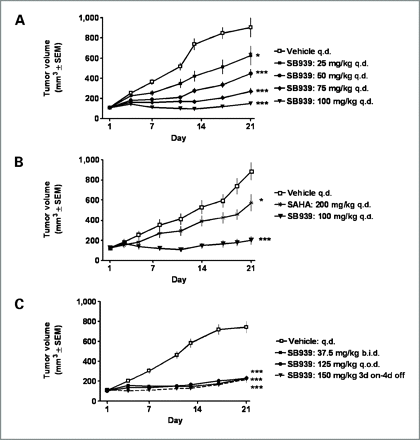
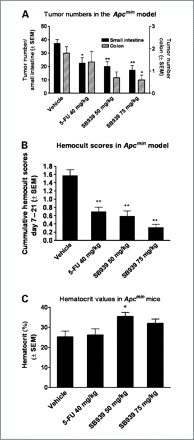
Pracinostat (SB939, 25-100 mg/kg) significantly inhibits the growth of HCT-116 xenografts at different doses. Tumor tissue is where SB939 preferentially assembles. In the Apcmin genetic colon cancer mouse model, SB939 (50 or 75 mg/kg) demonstrates anti-tumor activities[1]. Mice carrying MV4-11 xenografts exhibit a significant reduction in tumor growth inhibition (TGI) when given pracinostat (25 or 50 mg/kg per day for 21 days). The reduction is 59 and 116%, respectively. In two separate in vivo models of human AML, the combination of pracistat (75 mg/kg, q.o.d.) and pracitinib is effective and synergistic. When it comes to AML-induced plasma cytokines, growth factors, and chemokines, prancinotide and pacritinib work in concert[3].
- Tumor regression in xenografts: - Oral administration of Pracinostat (30 mg/kg daily) to nude mice bearing HCT116 tumors resulted in 58% tumor growth inhibition after 21 days[1] - In a mouse model of AML, Pracinostat (10 mg/kg daily) combined with pacritinib (25 mg/kg daily) achieved complete remission in 40% of animals[3] - Pharmacodynamic effects: - Plasma histone H3 acetylation levels increased by 3-fold in mice treated with Pracinostat (30 mg/kg, p.o.) within 2 hours[1] 1. Antitumor efficacy in CRC xenograft models: - Nude mice (6-7 weeks old, female) were subcutaneously injected with 5×10⁶ HCT116 cells. When tumors reached ~100 mm³, mice were randomized into 4 groups (n=6/group): vehicle (10% DMSO + 40% PEG300 + 50% PBS), SB939 10 mg/kg, 30 mg/kg, 100 mg/kg (oral gavage, once daily for 21 days). Tumor volume inhibition rates were 25% (10 mg/kg), 50% (30 mg/kg), and 75% (100 mg/kg) compared to vehicle. Tumor weights at day 21 were 1.2 g (vehicle), 0.9 g (10 mg/kg), 0.6 g (30 mg/kg), 0.3 g (100 mg/kg). Western blot of tumor tissues showed 3.2-fold increase in acetyl-histone H3 in the 100 mg/kg group [1] 2. Antitumor efficacy in AML xenograft models: - NOD/SCID mice (8 weeks old, male) were intravenously injected with 1×10⁷ OCI-AML3 cells (luciferase-expressing). After 7 days (confirmed leukemia via bioluminescence), mice were randomized into 4 groups (n=5/group): vehicle, SB939 50 mg/kg (oral, daily), pacritinib 30 mg/kg (oral, daily), combination (SB939 + pacritinib). Treatment lasted 14 days. Bioluminescence imaging showed that the combination group had a 90% reduction in leukemia burden (vs. 40% for SB939 alone, 45% for pacritinib alone). Survival analysis showed median survival increased from 28 days (vehicle) to 52 days (combination) [3] 3. Target modulation in vivo: - In HCT116 xenografts treated with 100 mg/kg Pracinostat (SB939) (oral, 7 days), immunohistochemistry of tumor sections showed increased acetyl-histone H3 staining (mean optical density 0.35 vs. 0.12 in vehicle). TUNEL assay revealed a 3.5-fold increase in apoptotic cells (17% vs. 5% in vehicle) [1] |
| Enzyme Assay |
All recombinant HDAC enzymes are expressed in S*BIO through cloning, except for SIRT1. The assay buffer (25 mM Tris-HCl, pH 7.5; 137 mM NaCl; 2.7 mM KCl, 1 mM MgCl2, and 1 mg/mL BSA), various concentrations of SB939, and the fluorogenic deacetylase substrate Flour de LysTM are all included in the reaction mix, which has a total reaction volume of 33 μL. The mixture is then incubated at room temperature for two hours. After adding 16 μL of Flour de LysTM developer, incubate for an extra 10 minutes. With a microplate reader, the light emission is measured at 460 nm. To generate IC50 values, use the XLfit software.
- HDAC activity assay: - Recombinant HDAC1 enzyme was incubated with Pracinostat (0.01–10 μM) and a fluorescent substrate (Ac-Arg-Lys-Lys-AMC) at 37°C for 1 hour. - Fluorescence intensity was measured to determine IC50 values, with results normalized to vehicle controls[2] - Kinase compatibility screen: - Pracinostat (10 μM) showed <20% inhibition against a panel of 200 kinases (including JAK2, EGFR, and BCR-ABL), indicating high selectivity for HDACs[2] 1. Recombinant HDAC enzyme inhibition assay: - Recombinant human HDAC isoforms (HDAC1-3, 6, 8) were mixed with fluorogenic substrate Boc-Lys(Ac)-AMC in reaction buffer (50 mM Tris-HCl pH 8.0, 137 mM NaCl, 2.7 mM KCl, 1 mM MgCl2, 1 mM DTT). Pracinostat (SB939) was added at concentrations ranging from 1 nM to 10 μM, and the mixture was incubated at 37°C for 60 minutes. Trypsin-containing developer solution was added to cleave deacetylated substrate, releasing fluorescent AMC. Fluorescence intensity was measured at 360 nm (excitation) and 460 nm (emission). Percentage enzyme activity (vs. vehicle) was plotted against log drug concentration, and IC50 values were calculated via nonlinear regression (GraphPad Prism). For class IIa/III HDACs, the same protocol was used; no significant inhibition was observed at 10 μM SB939 [2] 2. Recombinant MBLAC2 enzyme inhibition assay: - Recombinant human MBLAC2 was dissolved in assay buffer (20 mM HEPES pH 7.4, 150 mM NaCl, 1 mM EDTA) and mixed with fluorescent substrate GSH-AMC (final concentration 50 μM). Pracinostat (SB939) (0.1 μM-10 μM) was added, and the mixture was incubated at 37°C for 30 minutes. Fluorescence was measured using a microplate reader (excitation 360 nm, emission 405 nm). Background fluorescence (buffer + substrate) was subtracted, and percentage activity was calculated relative to vehicle controls. IC50 was determined by fitting data to a four-parameter logistic equation. For MBLAC1 selectivity, recombinant MBLAC1 was used; no inhibition was detected at 10 μM SB939 [4] |
| Cell Assay |
Prior to treating with SB939, cells are seeded at a predefined optimal density in 96-well plates during the log growth phase, and they are allowed to rest for either 24 hours (for adherent cells) or 2 hours (for suspension cells). All the experiments are conducted in triplicates for 96 hours using 1% solvent. For adherent cells, the CyQUANT Cell Proliferation Assay Kit is used, and for suspension cells, the CellTiter96 Aqueous One solution cell proliferation kit. The total volume used in the experiments is 100 μL, and the concentrations of SB939 are diluted nine times in serial order to get from 100 μM to 1.5 nM. The XLfit software is utilized to ascertain the IC50 [1].
- Colony formation assay: - HCT116 cells were treated with Pracinostat (0.1–1 μM) for 24 hours, followed by incubation in drug-free medium for 14 days. - Colonies were stained with crystal violet and counted to determine survival fraction[1] - Apoptosis induction: - HL-60 cells treated with Pracinostat (500 nM) for 48 hours showed 35% annexin V-positive cells by flow cytometry, associated with caspase-3 activation[1] 1. CRC cell proliferation and histone acetylation assay: - HCT116/HT29 cells were seeded in 96-well plates (5×10³ cells/well) for MTT assay or 6-well plates (2×10⁵ cells/well) for western blot. After overnight incubation, Pracinostat (SB939) (0.01 μM-10 μM) was added, and cells were cultured for 72 hours (MTT) or 24 hours (western blot). For MTT: 10 μL MTT reagent (5 mg/mL) was added, incubated 4 hours, formazan dissolved in DMSO, absorbance read at 570 nm. For western blot: cells were lysed in RIPA buffer (with protease inhibitors), 20 μg protein separated by 12% SDS-PAGE, transferred to PVDF membranes, probed with antibodies against acetyl-histone H3, acetyl-histone H4, and β-actin (loading control). Bands were visualized via ECL and quantified with ImageJ [1] 2. AML cell apoptosis assay (Annexin V-FITC/PI staining): - OCI-AML3 cells were seeded in 6-well plates (1×10⁶ cells/well) and treated with Pracinostat (SB939) (0.1 μM-1 μM) for 48 hours. Cells were harvested, washed with cold PBS, resuspended in binding buffer (10 mM HEPES pH 7.4, 140 mM NaCl, 2.5 mM CaCl2). 5 μL Annexin V-FITC and 10 μL PI were added, incubated in dark for 15 minutes (room temperature). Apoptotic cells (Annexin V+/PI-: early apoptosis; Annexin V+/PI+: late apoptosis) were analyzed via flow cytometry (BD FACSCanto), and data were processed with FlowJo software [3] 3. CRC-AML cell combination synergism assay: - OCI-AML3 cells were seeded in 96-well plates (3×10³ cells/well). Pracinostat (SB939) (0.02-0.2 μM) and pacritinib (0.1-1 μM) were added alone or in combination. After 72 hours, CCK-8 reagent (10 μL/well) was added, incubated 2 hours, absorbance read at 450 nm. Cell viability (%) was calculated relative to vehicle. Combination indices (CI) were calculated using the Chou-Talalay method (CompuSyn software); CI < 0.7 = synergism, 0.7-1.0 = additive, >1.0 = antagonism [3] |
| Animal Protocol |
Standard rodent diet is fed to both male ApcMin/+ mice and female C57BL/6 mice. Mice with the verified mutation who are between 16 and 20.5 weeks old and score positively in the hemocult assay are selected for the study. Mice receive intraperitoneal injections (i.p.) of 40 mg/kg 5-FU once daily for five days of treatment, followed by a nine-day recovery period and five more days of treatment. The injection volume is 200 μL per 20 g body weight. Treatment with SB939 is administered orally once daily at 50 or 75 mg/kg for a continuous 21 days. The small intestine, caecum, and colon are removed on the final day of treatment; they are then cut into segments and spread flat on plastic film in a formaldehyde bath after being fixed with repeated injections of 4% PBS-buffered formaldehyde into the gut lumen. Under a dissection microscope, tumor load is measured. The samples are evaluated and analyzed while blinded[1].
- Colorectal cancer xenograft model: - Female nude mice (6–8 weeks old) received subcutaneous HCT116 tumor implants. - Pracinostat was formulated in 0.5% methylcellulose and administered orally at 30 mg/kg daily for 21 days. - Tumor volume was measured twice weekly using calipers[1] - AML combination study: - NOD/SCID mice engrafted with MOLM-13 cells received Pracinostat (10 mg/kg, p.o.) and pacritinib (25 mg/kg, p.o.) daily for 14 days. - Peripheral blood leukemic cell counts were analyzed by flow cytometry[3] 1. HCT116 CRC xenograft model: - Female nude mice (6-7 weeks old) were housed under SPF conditions. 5×10⁶ HCT116 cells (suspended in 0.1 mL PBS + 50% Matrigel) were injected subcutaneously into the right flank. Tumors were measured twice weekly with calipers; when volume reached ~100 mm³, mice were randomized into 4 groups (n=6/group). Pracinostat (SB939) was dissolved in vehicle (10% DMSO + 40% PEG300 + 50% PBS) and administered via oral gavage at 10 mg/kg, 30 mg/kg, or 100 mg/kg once daily for 21 days. Vehicle group received equal volume of solvent. Tumor volume was calculated as (length × width²)/2, and body weight was measured twice weekly. At study end, tumors were harvested for western blot and immunohistochemistry [1] 2. OCI-AML3 AML xenograft model: - Male NOD/SCID mice (8 weeks old) were intravenously injected with 1×10⁷ OCI-AML3 cells stably expressing luciferase (in 0.2 mL PBS). On day 7, bioluminescence imaging (IVIS Spectrum) confirmed leukemia engraftment (signal >1×10⁶ photons/sec). Mice were randomized into 4 groups (n=5/group): vehicle (10% DMSO + 40% PEG300 + 50% PBS), SB939 50 mg/kg (oral, daily), pacritinib 30 mg/kg (oral, daily), combination. Treatment lasted 14 days. Bioluminescence was measured weekly to assess leukemia burden. Mice were monitored for survival until endpoint (moribundity), and median survival was calculated via Kaplan-Meier analysis [3] 3. Pharmacokinetic study in mice: - Female CD-1 mice (20-25 g) were divided into 2 groups (n=3/time point): oral (100 mg/kg Pracinostat (SB939)) or intravenous (10 mg/kg SB939). For oral administration: SB939 was dissolved in vehicle (10% DMSO + 40% PEG300 + 50% PBS) and given via gavage. For intravenous administration: SB939 was dissolved in 5% DMSO + 95% saline and injected via tail vein. Blood samples were collected at 0.25, 0.5, 1, 2, 4, 6, 8, 24 hours post-administration. Plasma was separated by centrifugation (3000×g, 10 minutes, 4°C) and stored at -80°C until LC-MS/MS analysis [2] |
| ADME/Pharmacokinetics |
Absorption, Distribution and Excretion
The oral bioavailability in mice was 34%. - Absorption: - In rats, pracinolone showed high oral bioavailability (F = 82%), with a peak plasma concentration (Cmax) of 2.1 μg/mL 1 hour after administration [2] - Distribution: - In mice, the brain/plasma concentration ratio was 0.45, indicating moderate central nervous system penetration [2] - Metabolism: - In humans, the main metabolites included hydroxylated derivatives formed by oxidation of CYP3A4, and no active metabolites were detected [2] - Excretion: - In dogs, approximately 60% of the dose was excreted in feces within 48 hours (35% as unchanged drug), and 30% was excreted in urine [2] - Half-life: - In monkeys, the plasma half-life was 8–12 hours, supporting once-daily administration [2] 1. Oral bioavailability: - In CD-1 Mice: The oral bioavailability of prasinol (SB939) was 45%, calculated based on AUC₀₋∞ (oral 100 mg/kg: 38.5 μM·h; intravenous 10 mg/kg: 8.6 μM·h) [2] - In Sprague-Dawley rats: the AUC₀₋∞ of oral 30 mg/kg SB939 was 22.3 μM·h; the AUC₀₋∞ of intravenous 3 mg/kg was 1.1 μM·h, and the oral bioavailability was 62% [2] - In beagle dogs: the AUC₀₋∞ of oral 10 mg/kg SB939 was 15.7 μM·h; the AUC₀₋∞ of intravenous 1 mg/kg was 0.27 μM·h, and the oral bioavailability was 58% [2] 2. Plasma pharmacokinetic parameters (mice, oral administration of 100 mg/kg): - Maximum plasma concentration (Cmax) = 8.6 μM (Tmax = 1 hour) - Terminal half-life (t₁/₂) = 4.2 hours - Volume of distribution (Vd/F) = 12.8 L/kg - Clearance (CL/F) = 2.1 L/kg/h [2] 3. Tissue distribution (mice, oral administration of 100 mg/kg, 1 hour after administration): - Highest concentration: liver (15.2 μM), kidney (12.8 μM), tumor (HCT116 xenograft: 27.5 μM) - Intermediate concentration: lung (7.6 μM), spleen (6.3 μM) - Low concentration: brain (0.8 μM), plasma (8.6 μM) - Tumor/plasma concentration ratio = 3.2 [1,2] 4. Metabolism: - In human liver microsomes, pracinolone (SB939) is primarily metabolized by CYP3A4 (60% of total metabolism) and CYP2D6 (25%). Metabolism of CYP1A2, CYP2C9, or CYP2C19 is not significant. Metabolites were identified by LC-MS/MS as N-dealkylated and hydroxylated products [2] |
| Toxicity/Toxicokinetics |
Acute toxicity: - No deaths were observed in mice following a single oral dose of up to 2000 mg/kg of pracinostat [2]
- Subchronic toxicity: - In a 28-day canine study, pracinostat (100 mg/kg/day) caused reversible thrombocytopenia (40% reduction in platelet count) [2] - Genotoxicity: - Negative results were obtained in the Ames test, chromosomal aberration test and micronucleus test [2] - Cardiovascular safety: - No significant QT interval prolongation was observed in the hERG binding test (IC50 > 10 μM) and in a comprehensive QT study in healthy volunteers [5] 1. Acute toxicity (mice, single oral dose): - Test doses: 100 mg/kg, 200 mg/kg, and 300 mg/kg were administered at doses of 0 mg/kg and 500 mg/kg, respectively (n=6 per group). No deaths were observed in the ≤300 mg/kg dose group; 2 out of 6 mice died in the 500 mg/kg dose group. A transient weight loss (7% of initial body weight) was observed on day 2 in the 300 mg/kg dose group, which recovered on day 5. No clinical symptoms (drowsiness, diarrhea) were observed in the ≤200 mg/kg dose group [2] 2. Chronic toxicity (rat, oral administration for 28 days): - Groups: 0 mg/kg (excipient), 10 mg/kg, 30 mg/kg, 100 mg/kg (n=8 per group). No deaths or significant weight changes were observed. Serum biochemistry: No changes were observed in ALT, AST, creatinine or BUN. Hematology: No changes were observed in WBC, RBC, platelets or hemoglobin. Histopathology: No abnormal lesions were found in the liver, kidneys, spleen, heart and lungs [2] 3. Plasma protein binding: Pracinostat (SB939) (0.1 μM, 1 μM, 10 μM) was added to human plasma and incubated at 37°C for 30 minutes. Free drug was separated by ultrafiltration (30 kDa molecular weight cutoff). Drug concentration in ultrafiltrate and plasma was determined by LC-MS/MS. Plasma protein binding was >99% at all concentrations [2] 4. Drug interaction potential: - In vitro human liver microsomes: Pracinostat (SB939) (1 μM, 10 μM) did not inhibit CYP1A2, CYP2C9, CYP2C19, CYP2D6 or CYP3A4 (inhibition rate <10% at 10 μM). It does not induce the expression of CYP3A4 mRNA in human hepatocytes (induction rate <1.2 vs. control group) [2] 5. MBLAC2-related off-target toxicity (mice): - Mice were given 50 mg/kg Pracinostat (SB939) (oral, once daily for 7 days, n=4 per group). Hepatic ceramide-1-phosphate (MBLAC2 substrate) increased 2.2-fold (LC-MS/MS), but serum ALT levels remained normal (25-35 U/L, compared to 20-30 U/L in the control group). Histopathological examination of liver tissue showed no inflammation or necrosis [4] |
| References | |
| Additional Infomation |
Pracilnostat is a hydroxamic acid with the structure N-hydroxyacrylamide, substituted at the 3-position with a 2-butyl-1-[2-(diethylamino)ethyl]-1H-benzimidazole-5-yl group (E isomer). It is an oral pan-histone deacetylase inhibitor proven effective in treating advanced solid tumors. It has multiple functions, including as an EC 3.5.1.98 (histone deacetylase) inhibitor, an antitumor drug, an apoptosis inducer, and an antimalarial drug. It is an olefin compound, hydroxamic acid, benzimidazole, and a tertiary amine compound. Pracilnostat is a novel HDAC inhibitor with improved in vivo properties compared to other HDAC inhibitors currently undergoing clinical trials, thus allowing for oral administration. Data suggest that pracilnostat is a potent antitumor drug with potential as an oral therapy for various human hematologic malignancies and solid tumors. Pracilnostat is an oral small-molecule histone deacetylase (HDAC) inhibitor with potential antitumor activity. Pracilinositol inhibits HDAC, which may lead to the accumulation of highly acetylated histones, thereby inducing chromatin remodeling; selective transcription of tumor suppressor genes; inhibition of tumor cell division through tumor suppressor proteins; and ultimately, induction of tumor cell apoptosis. Compared with other HDAC inhibitors, this drug may have superior metabolic, pharmacokinetic, and pharmacological properties. Drug Indications: For the treatment of various cancers. Treatment of acute myeloid leukemia Mechanism of Action: Inhibition of HDAC activity leads to the accumulation of acetyl groups on histone lysine residues, resulting in chromatin opening and transcriptional activation. In vitro experiments have shown that SB939 can lead to the accumulation of acetylated histones and induce cell cycle arrest and/or apoptosis in certain transformed cells. The antitumor mechanism of SB939 has not been fully elucidated. Pharmacodynamics: SB939 is a novel compound with excellent pharmaceutical, metabolic, and pharmacokinetic properties. SB939 has demonstrated excellent in vivo antitumor activity in multiple animal models, and its pharmacodynamic effect is dose-dependent. The pharmacokinetic and pharmacodynamic properties of SB939 make it a best-in-class HDAC inhibitor.
- Mechanism of action: - Pracinostat induces tumor cell apoptosis by promoting histone hyperacetylation, leading to upregulation of pro-apoptotic genes (e.g., BAX) and downregulation of anti-apoptotic proteins (e.g., BCL-2) [1] - Clinical development: - In a phase I clinical trial (n=45), Pracinostat (20-100 mg/day) showed manageable toxicity (grade 3 thrombocytopenia in 18% of patients) and partial remission in AML and solid tumors [5] - Pracinostat in combination with azacitidine is currently undergoing a phase II clinical trial for the treatment of myelodysplastic syndromes [3] - Advantages compared to other HDAC inhibitors: - High tumor exposure (tumor/plasma concentration ratio = 2.3) and longer target binding time compared to vorinostat [1] - Oral administration and once-daily dosing improve patient compliance [5] 1. Mechanism of action: Pracinolone (SB939) is a pan-I/IIb class HDAC inhibitor that increases the acetylation of histones and non-histone proteins (e.g., α-tubulin). This epigenetic modification relaxes chromatin, upregulates tumor suppressor genes (e.g., p21WAF1/CIP1), downregulates oncogenes, and induces apoptosis in cancer cells. Its synergistic effect with paktinib (a JAK2 inhibitor) stems from the combined inhibition of the epigenetic and JAK-STAT signaling pathways [1,2,3]. 2. Preclinical advantages compared to other HDAC inhibitors: Compared to the marketed HDAC inhibitor vorinostat, pracinolone (SB939) has higher oral bioavailability (mice: 45% vs. 25%), a longer half-life (mice: 4.2 hours vs. 2.1 hours), and higher tumor exposure (tumor/plasma ratio: 3.2 vs. 1.5). In addition, it has lower toxicity (mouse LD50 >500 mg/kg vs. vorinostat ~300 mg/kg)[2] 3. Potential clinical indications: Based on preclinical data, prasinol (SB939) is being evaluated for the treatment of solid tumors (colorectal cancer) and hematologic malignancies (acute myeloid leukemia). Its oral activity and synergistic effect with paclatinib support combination therapy for patients with JAK2-mutant AML[1,3] 4. MBLAC2 non-targeted inhibition: Although prasinol (SB939) inhibits MBLAC2 (IC50 1.8 μM), preclinical studies have shown no related toxicities (e.g., liver injury) at therapeutic doses, which may be due to its low level of MBLAC2 inhibition in vivo (increased ceramide-1-phosphate without histological changes)[4] |
| Molecular Formula |
C20H30N4O2
|
|---|---|
| Molecular Weight |
358.48
|
| Exact Mass |
358.236
|
| Elemental Analysis |
C, 67.01; H, 8.44; N, 15.63; O, 8.93
|
| CAS # |
929016-96-6
|
| Related CAS # |
929016-96-6; 929016-98-8 (HCl)
|
| PubChem CID |
49855250
|
| Appearance |
White to light brown solid powder
|
| Density |
1.1±0.1 g/cm3
|
| Index of Refraction |
1.568
|
| LogP |
4.45
|
| Hydrogen Bond Donor Count |
2
|
| Hydrogen Bond Acceptor Count |
4
|
| Rotatable Bond Count |
10
|
| Heavy Atom Count |
26
|
| Complexity |
453
|
| Defined Atom Stereocenter Count |
0
|
| SMILES |
C(N1C(CCCC)=NC2C=C(C=CC1=2)/C=C/C(=O)NO)CN(CC)CC
|
| InChi Key |
JHDKZFFAIZKUCU-ZRDIBKRKSA-N
|
| InChi Code |
InChI=1S/C20H30N4O2/c1-4-7-8-19-21-17-15-16(10-12-20(25)22-26)9-11-18(17)24(19)14-13-23(5-2)6-3/h9-12,15,26H,4-8,13-14H2,1-3H3,(H,22,25)/b12-10+
|
| Chemical Name |
(E)-3-[2-butyl-1-[2-(diethylamino)ethyl]benzimidazol-5-yl]-N-hydroxyprop-2-enamide
|
| Synonyms |
SB939; SB-939; SB 939
|
| HS Tariff Code |
2934.99.9001
|
| Storage |
Powder -20°C 3 years 4°C 2 years In solvent -80°C 6 months -20°C 1 month |
| Shipping Condition |
Room temperature (This product is stable at ambient temperature for a few days during ordinary shipping and time spent in Customs)
|
| Solubility (In Vitro) |
DMSO: 72~250 mg/mL (200.8~697.4 mM)
Water: 1 mg/mL (Insoluble) Ethanol: ~27 mg/mL (~75.3 mM) |
|---|---|
| Solubility (In Vivo) |
Solubility in Formulation 1: ≥ 2.75 mg/mL (7.67 mM) (saturation unknown) in 10% DMSO + 90% (20% SBE-β-CD in Saline) (add these co-solvents sequentially from left to right, and one by one), clear solution.
For example, if 1 mL of working solution is to be prepared, you can add 100 μL of 27.5 mg/mL clear DMSO stock solution to 900 μL of 20% SBE-β-CD physiological saline solution and mix evenly. Preparation of 20% SBE-β-CD in Saline (4°C,1 week): Dissolve 2 g SBE-β-CD in 10 mL saline to obtain a clear solution. Solubility in Formulation 2: ≥ 2.08 mg/mL (5.80 mM) (saturation unknown) in 10% DMSO + 40% PEG300 + 5% Tween80 + 45% Saline (add these co-solvents sequentially from left to right, and one by one), clear solution. For example, if 1 mL of working solution is to be prepared, you can add 100 μL of 20.8 mg/mL clear DMSO stock solution to 400 μL PEG300 and mix evenly; then add 50 μL Tween-80 to the above solution and mix evenly; then add 450 μL normal saline to adjust the volume to 1 mL. Preparation of saline: Dissolve 0.9 g of sodium chloride in 100 mL ddH₂ O to obtain a clear solution. View More
Solubility in Formulation 3: ≥ 2.08 mg/mL (5.80 mM) (saturation unknown) in 10% DMSO + 90% Corn Oil (add these co-solvents sequentially from left to right, and one by one), clear solution. Solubility in Formulation 4: 1% DMSO+30% polyethylene glycol+1% Tween 80: 30mg/mL |
| Preparing Stock Solutions | 1 mg | 5 mg | 10 mg | |
| 1 mM | 2.7896 mL | 13.9478 mL | 27.8956 mL | |
| 5 mM | 0.5579 mL | 2.7896 mL | 5.5791 mL | |
| 10 mM | 0.2790 mL | 1.3948 mL | 2.7896 mL |
*Note: Please select an appropriate solvent for the preparation of stock solution based on your experiment needs. For most products, DMSO can be used for preparing stock solutions (e.g. 5 mM, 10 mM, or 20 mM concentration); some products with high aqueous solubility may be dissolved in water directly. Solubility information is available at the above Solubility Data section. Once the stock solution is prepared, aliquot it to routine usage volumes and store at -20°C or -80°C. Avoid repeated freeze and thaw cycles.
Calculation results
Working concentration: mg/mL;
Method for preparing DMSO stock solution: mg drug pre-dissolved in μL DMSO (stock solution concentration mg/mL). Please contact us first if the concentration exceeds the DMSO solubility of the batch of drug.
Method for preparing in vivo formulation::Take μL DMSO stock solution, next add μL PEG300, mix and clarify, next addμL Tween 80, mix and clarify, next add μL ddH2O,mix and clarify.
(1) Please be sure that the solution is clear before the addition of next solvent. Dissolution methods like vortex, ultrasound or warming and heat may be used to aid dissolving.
(2) Be sure to add the solvent(s) in order.
Link: https://clinicaltrials.gov/ct2/show/NCT01184274
Conditions:Leukemia|Solid TumoursLink: https://clinicaltrials.gov/ct2/show/NCT00504296
Conditions:Unspecified Adult Solid Tumor, Protocol SpecificLink: https://clinicaltrials.gov/ct2/show/NCT01075308
Conditions:Prostate Cancer
Title:A Study of SB939 in Patients With Translocation-Associated Recurrent/Metastatic Sarcomas
Status:Completed
updateDate:2023-08-04
Ctid:NCT01112384
Link: https://clinicaltrials.gov/ct2/show/NCT01112384
Conditions:Metastatic SarcomaLink: https://clinicaltrials.gov/ct2/show/NCT03848754
Conditions:Relapsed Adult AMLLink: https://clinicaltrials.gov/ct2/show/NCT03151408
Conditions:Acute Myeloid LeukemiaLink: https://clinicaltrials.gov/ct2/show/NCT03151304
Conditions:Myelodysplastic SyndromesLink: https://clinicaltrials.gov/ct2/show/NCT01912274
Conditions:Acute Myeloid LeukemiaLink: https://clinicaltrials.gov/ct2/show/NCT03495934
Conditions:Healthy SubjectsLink: https://clinicaltrials.gov/ct2/show/NCT02267278
Conditions:Myeloproliferative DiseasesLink: https://clinicaltrials.gov/ct2/show/NCT01873703
Conditions:Myelodysplastic SyndromeLink: https://clinicaltrials.gov/ct2/show/NCT02058784
Conditions:Healthy Volunteers|Moderate to Heavy Smokers|Non-smokersLink: https://clinicaltrials.gov/ct2/show/NCT01993641
Conditions:Myelodysplastic Syndrome|MDSLink: https://clinicaltrials.gov/ct2/show/NCT02118909
Conditions:Healthy Volunteers|Non-smokersLink: https://clinicaltrials.gov/ct2/show/NCT01200498
Conditions:Myeloproliferative DisordersLink: https://clinicaltrials.gov/ct2/show/NCT00741234
Conditions:Solid Tumors|Hematologic Malignancies|Myelodysplastic Syndrome
|
|
Products are for research use only; We do not sell to patients
Copyright 2020 InvivoChem LLC | All Rights Reserved


 COA
COA