| Size | Price | Stock | Qty |
|---|---|---|---|
| 5mg |
|
||
| 10mg |
|
||
| 50mg |
|
||
| 100mg |
|
||
| 250mg |
|
||
| 500mg |
|
||
| 1g |
|
||
| 5g | |||
| Other Sizes |
Purity: ≥98%
| Targets |
Phosphodiesterase 3 (PDE3): Pimobendan is a selective PDE3 inhibitor. For recombinant human PDE3, it exhibits an IC50 of 2.5 ± 0.3 nM (measured by [³H]-cAMP hydrolysis assay). It shows minimal inhibition of other PDE subtypes (PDE1, PDE5, PDE6) with IC50 > 100 nM [1]
|
|---|---|
| ln Vitro |
Pimobendan (UD-CG115) selectively inhibits PDE III isolated from guinea pig cardiac muscle with IC50 of 0.32 uM compared to PDE I and PDE II (IC50 >30 μM). In human atrial cells, 100 μM Pimobendan (UD-CG115) considerably increases the L-type calcium current (ICa(L)) (evoked by depolarization to +10 mV from a holding potential of -40 mV) by 250.4% at a half-maximal stimulation (EC50) of 1.13 μM. Pimobendan (UD-CG115) elevates ICa(L) at +10 mV by 67.4% in rabbit atrial cells, which is much lower than that observed in human atrial cells[1].
Regulation of L-Type Calcium Current in Human Cardiomyocytes (Literature 1): Isolated human ventricular cardiomyocytes were treated with Pimobendan (0.1–10 μM) for 15 minutes. Using the whole-cell patch-clamp technique (holding potential: -80 mV, test pulses from -40 mV to +60 mV, 50 ms duration), L-type calcium current (ICa,L) amplitude was measured. Concentration-dependent enhancement of ICa,L was observed: 0.5 μM increased ICa,L by 20%, 1 μM increased by 35%, 5 μM increased by 50%, 10 μM increased by 55% (vs. vehicle). No significant changes in the current-voltage relationship, activation/inactivation kinetics, or reversal potential of ICa,L were detected, indicating Pimobendan specifically enhances ICa,L amplitude without altering channel gating properties [1] |
| ln Vivo |
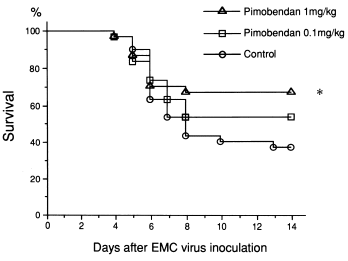
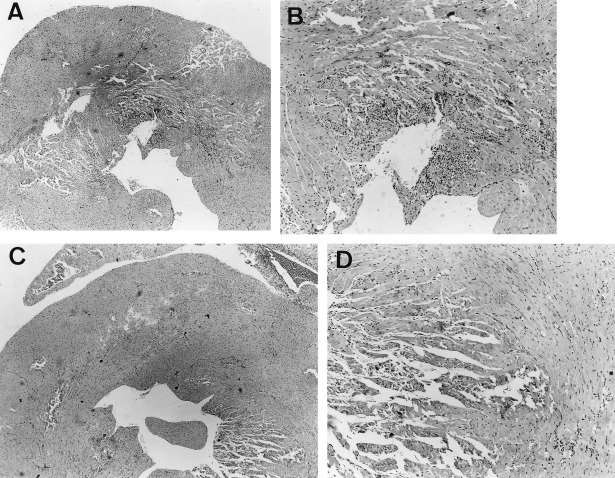
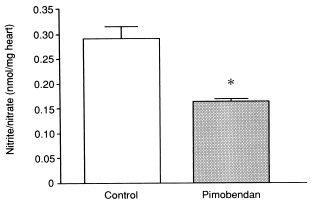
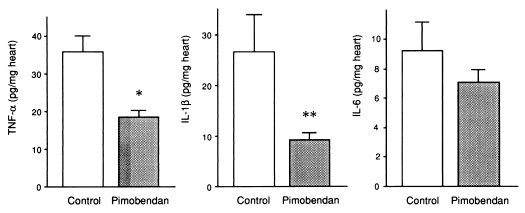
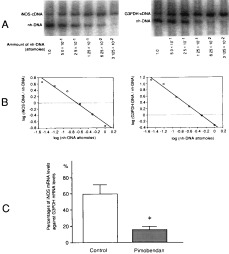
In the mouse model of EMC virus-induced myocarditis, pimobendan (UD-CG115) has a positive impact on survival. The ultimate survival rate rises dramatically with the administration of pimobendan (UD-CG115), rising from 33.6% (control) to 53.3% (0.1 mg/kg) or 66.7% (1 mg/kg). Comparing the pimobendan (UD-CG115) (1 mg/kg) group to the control group, which has no effect on myocardial necrosis, heart weight, or body weight, reveals a substantial reduction in intracardiac tumor necrosis factor (TNF)-α, interleukin (IL)-1β, and myocardial cellular infiltration. Reduced intracardiac NO generation results from pimobendan (UD-CG115)'s suppression of intracardiac iNOS gene expression[2].
Anti-Inflammatory Effect in Murine Viral Myocarditis (Literature 2): Male BALB/c mice (6–8 weeks old, 20–25g) were infected with encephalomyocarditis virus (EMCV, 10³ plaque-forming units, intraperitoneal injection) to induce viral myocarditis. Mice were randomized into 3 groups (n=8/group): 1. Normal control: Uninfected mice + vehicle; 2. Myocarditis control: Infected mice + vehicle (0.5% carboxymethyl cellulose sodium, CMC-Na); 3. Pimobendan treatment: Infected mice + Pimobendan 10 mg/kg/day (oral gavage). Treatment started 1 day post-EMCV infection and lasted 7 days. On day 8 (7 days post-treatment), mice were euthanized by cervical dislocation: - Serum cytokine levels (ELISA): TNF-α reduced from 85 ± 10 pg/mL (myocarditis control) to 42 ± 6 pg/mL (treatment); IL-1β reduced from 62 ± 8 pg/mL to 34 ± 5 pg/mL; - Myocardial iNOS mRNA (RT-PCR): Expression level reduced by 60% vs. myocarditis control (normalized to GAPDH); - Myocardial histopathology: Hematoxylin-eosin (HE) staining showed inflammatory cell infiltration score (0–4 scale) reduced from 3.5 ± 0.3 to 1.2 ± 0.2; myocardial necrosis area reduced from 28 ± 4% to 12 ± 3% [2] |
| Enzyme Assay |
Recombinant Human PDE3 Activity Assay (Literature 1):
The assay was performed in 96-well plates with a 200 μL reaction volume. The mixture contained 50 mM Tris-HCl (pH 7.5), 10 mM MgCl₂, 2 mM DTT, 1 μM [³H]-cAMP (0.1 μCi), 0.5 μg recombinant human PDE3, and serial dilutions of Pimobendan (0.1–10 nM). After incubation at 37°C for 30 minutes, the reaction was stopped by adding 50 μL of 250 mM EDTA. Unhydrolyzed [³H]-cAMP was precipitated with 100 μL of a mixture of ZnSO₄ (0.2 M) and Ba(OH)₂ (0.2 M), followed by centrifugation at 3000 × g for 10 minutes. A 100 μL aliquot of the supernatant was transferred to a scintillation vial, and radioactivity was measured using a liquid scintillation counter. The inhibition rate was calculated relative to the vehicle control (without Pimobendan), and the IC50 was determined via nonlinear regression analysis [1] |
| Cell Assay |
Human Ventricular Cardiomyocyte ICa,L Recording (Literature 1):
1. Cell Isolation: Human ventricular myocardium samples (from heart surgery patients) were minced and digested with collagenase (type II) and hyaluronidase in Ca²⁺-free Tyrode’s solution (37°C, 30 minutes). Isolated cardiomyocytes were resuspended in Tyrode’s solution containing 1.8 mM Ca²⁺ and allowed to recover for 1 hour at room temperature. 2. Patch-Clamp Recording: Healthy, rod-shaped cardiomyocytes were selected. The whole-cell patch-clamp configuration was established using borosilicate glass pipettes (resistance: 2–4 MΩ) filled with intracellular solution (120 mM CsCl, 10 mM Cs-EGTA, 10 mM HEPES, 5 mM MgATP, pH 7.2 adjusted with CsOH). The extracellular solution was Tyrode’s solution (140 mM NaCl, 5.4 mM KCl, 1.8 mM CaCl₂, 1 mM MgCl₂, 10 mM HEPES, 10 mM glucose, pH 7.4 adjusted with NaOH). 3. Drug Treatment & Current Measurement: Pimobendan (0.1–10 μM) was added to the extracellular solution and incubated with cells for 15 minutes. ICa,L was recorded using a voltage-clamp amplifier: holding potential at -80 mV, test pulses from -40 mV to +60 mV (50 ms duration, 0.1 Hz frequency). Current amplitude was measured at the peak of each test pulse, and data were analyzed using patch-clamp software [1] |
| Animal Protocol |
Suspended in 0.25% methylcellulose solution, in concentrations of 120 μg/mL and 12 μg/mL; 0.1 or 1 mg/kg; oral gavage
Male DBA/2 mice of viral myocarditis Murine Viral Myocarditis Model (Literature 2): 1. Animal Housing: Male BALB/c mice (6–8 weeks old) were housed under specific pathogen-free (SPF) conditions with a 12-hour light/dark cycle, free access to food and water. 2. EMCV Infection: Mice were anesthetized with isoflurane, then received a single intraperitoneal injection of EMCV (10³ plaque-forming units in 0.1 mL sterile saline). Uninfected normal control mice received 0.1 mL sterile saline. 3. Drug Preparation & Administration: Pimobendan was dissolved in 0.5% CMC-Na to a concentration of 1 mg/mL (for 10 mg/kg dose). The treatment group received oral gavage once daily (0.1 mL/10g body weight) for 7 days, starting 1 day after EMCV infection. The myocarditis control and normal control groups received 0.5% CMC-Na (0.1 mL/10g body weight) via oral gavage on the same schedule. 4. Sample Collection: On day 8, mice were weighed, then euthanized. Blood was collected via retro-orbital bleeding and centrifuged (3000 × g, 10 minutes) to separate serum (for cytokine detection). Hearts were excised: one part was fixed in 10% neutral formalin (for histopathology), and the other part was frozen at -80°C (for RT-PCR analysis of iNOS mRNA) [2] |
| Toxicity/Toxicokinetics |
In vivo safety study in mouse myocarditis model (Reference 2):
During a 7-day treatment with pimoxim (10 mg/kg/day, by gavage): - No death or abnormal behavior (e.g., lethargy, anorexia) was observed in any group; - Weight change: The weight gain in the treatment group was 1.2 ± 0.3 g, which was comparable to that in the normal control group (1.3 ± 0.2 g) and the myocarditis control group (0.8 ± 0.2 g); - Serum biochemical indicators: The levels of ALT, AST, BUN and creatinine in the treatment group were within the normal range and there was no significant difference from that in the normal control group; - Organ histopathology: No inflammation, necrosis or structural abnormalities (HE staining) were observed in the liver, kidney and spleen of the treatment group [2] |
| References |
|
| Additional Infomation |
Pimobendan is a pyridazinone compound belonging to the benzimidazole class. It has cardiotonic, vasodilator, and EC 3.1.4 (phosphodiesterase) inhibitor effects. Mechanism of action: 1. PDE3 inhibition (Reference 1): Pimobendan competitively binds to the catalytic site of PDE3, inhibiting cAMP hydrolysis and thus increasing intracellular cAMP levels. Elevated cAMP levels can activate protein kinase A (PKA), which phosphorylates L-type calcium channel subunits (e.g., α1C), thereby increasing the probability of channel opening and thus increasing the amplitude of ICa,L in cardiomyocytes [1]
2. Anti-inflammatory mechanism (Reference 2): Pimobendan inhibits the activation of the NF-κB signaling pathway in the myocardium (inferred from the decreased expression of TNF-α, IL-1β and iNOS), thereby alleviating EMCV-induced inflammatory response and myocardial damage [2] - Therapeutic potential: 1. Cardiac function regulation: Pimobendan improves myocardial contractility by enhancing ICa,L, supporting its use in the treatment of heart failure [1] 2. Treatment of viral myocarditis: Its ability to reduce myocardial inflammation and necrosis suggests its potential for treating viral myocarditis [2] |
| Molecular Formula |
C19H18N4O2
|
|---|---|
| Molecular Weight |
334.37
|
| Exact Mass |
334.142
|
| CAS # |
74150-27-9
|
| Related CAS # |
Pimobendan hydrochloride;77469-98-8
|
| PubChem CID |
4823
|
| Appearance |
White to off-white solid powder
|
| Density |
1.4±0.1 g/cm3
|
| Melting Point |
249 °C(dec.)
|
| Index of Refraction |
1.693
|
| LogP |
1.81
|
| Hydrogen Bond Donor Count |
2
|
| Hydrogen Bond Acceptor Count |
4
|
| Rotatable Bond Count |
3
|
| Heavy Atom Count |
25
|
| Complexity |
530
|
| Defined Atom Stereocenter Count |
0
|
| SMILES |
CC1CC(=O)NN=C1C2=CC3=C(C=C2)N=C(N3)C4=CC=C(C=C4)OC
|
| InChi Key |
GLBJJMFZWDBELO-UHFFFAOYSA-N
|
| InChi Code |
InChI=1S/C19H18N4O2/c1-11-9-17(24)22-23-18(11)13-5-8-15-16(10-13)21-19(20-15)12-3-6-14(25-2)7-4-12/h3-8,10-11H,9H2,1-2H3,(H,20,21)(H,22,24)
|
| Chemical Name |
3-[2-(4-methoxyphenyl)-3H-benzimidazol-5-yl]-4-methyl-4,5-dihydro-1H-pyridazin-6-one
|
| Synonyms |
UD-CG-115; UD-CG115; UD CG115; UD-CG 115; Pimobendan; pimobendane. Trade names: Vetmedin and Acardi
|
| HS Tariff Code |
2934.99.9001
|
| Storage |
Powder -20°C 3 years 4°C 2 years In solvent -80°C 6 months -20°C 1 month |
| Shipping Condition |
Room temperature (This product is stable at ambient temperature for a few days during ordinary shipping and time spent in Customs)
|
| Solubility (In Vitro) |
DMSO: 67 mg/mL (200.4 mM)
Water: 1 mg/mL (Insoluble) Ethanol: 5 mg/mL (14.95 mM) |
|---|---|
| Solubility (In Vivo) |
Solubility in Formulation 1: ≥ 2.75 mg/mL (8.22 mM) (saturation unknown) in 10% DMSO + 40% PEG300 + 5% Tween80 + 45% Saline (add these co-solvents sequentially from left to right, and one by one), clear solution.
For example, if 1 mL of working solution is to be prepared, you can add 100 μL of 27.5 mg/mL clear DMSO stock solution to 400 μL PEG300 and mix evenly; then add 50 μL Tween-80 to the above solution and mix evenly; then add 450 μL normal saline to adjust the volume to 1 mL. Preparation of saline: Dissolve 0.9 g of sodium chloride in 100 mL ddH₂ O to obtain a clear solution. Solubility in Formulation 2: ≥ 2.75 mg/mL (8.22 mM) (saturation unknown) in 10% DMSO + 90% (20% SBE-β-CD in Saline) (add these co-solvents sequentially from left to right, and one by one), clear solution. For example, if 1 mL of working solution is to be prepared, you can add 100 μL of 27.5 mg/mL clear DMSO stock solution to 900 μL of 20% SBE-β-CD physiological saline solution and mix evenly. Preparation of 20% SBE-β-CD in Saline (4°C,1 week): Dissolve 2 g SBE-β-CD in 10 mL saline to obtain a clear solution. View More
Solubility in Formulation 3: ≥ 2.75 mg/mL (8.22 mM) (saturation unknown) in 10% DMSO + 90% Corn Oil (add these co-solvents sequentially from left to right, and one by one), clear solution. Solubility in Formulation 4: 0.5% methylcellulose: 30mg/mL |
| Preparing Stock Solutions | 1 mg | 5 mg | 10 mg | |
| 1 mM | 2.9907 mL | 14.9535 mL | 29.9070 mL | |
| 5 mM | 0.5981 mL | 2.9907 mL | 5.9814 mL | |
| 10 mM | 0.2991 mL | 1.4953 mL | 2.9907 mL |
*Note: Please select an appropriate solvent for the preparation of stock solution based on your experiment needs. For most products, DMSO can be used for preparing stock solutions (e.g. 5 mM, 10 mM, or 20 mM concentration); some products with high aqueous solubility may be dissolved in water directly. Solubility information is available at the above Solubility Data section. Once the stock solution is prepared, aliquot it to routine usage volumes and store at -20°C or -80°C. Avoid repeated freeze and thaw cycles.
Calculation results
Working concentration: mg/mL;
Method for preparing DMSO stock solution: mg drug pre-dissolved in μL DMSO (stock solution concentration mg/mL). Please contact us first if the concentration exceeds the DMSO solubility of the batch of drug.
Method for preparing in vivo formulation::Take μL DMSO stock solution, next add μL PEG300, mix and clarify, next addμL Tween 80, mix and clarify, next add μL ddH2O,mix and clarify.
(1) Please be sure that the solution is clear before the addition of next solvent. Dissolution methods like vortex, ultrasound or warming and heat may be used to aid dissolving.
(2) Be sure to add the solvent(s) in order.
|
|---|
|
|
Products are for research use only; We do not sell to patients
Copyright 2020 InvivoChem LLC | All Rights Reserved


 COA
COA