| Size | Price | Stock | Qty |
|---|---|---|---|
| 1mg |
|
||
| 5mg |
|
||
| 10mg |
|
||
| 25mg |
|
||
| 50mg |
|
||
| 100mg |
|
||
| 250mg | |||
| 500mg | |||
| Other Sizes |
Purity: ≥98%
| Targets |
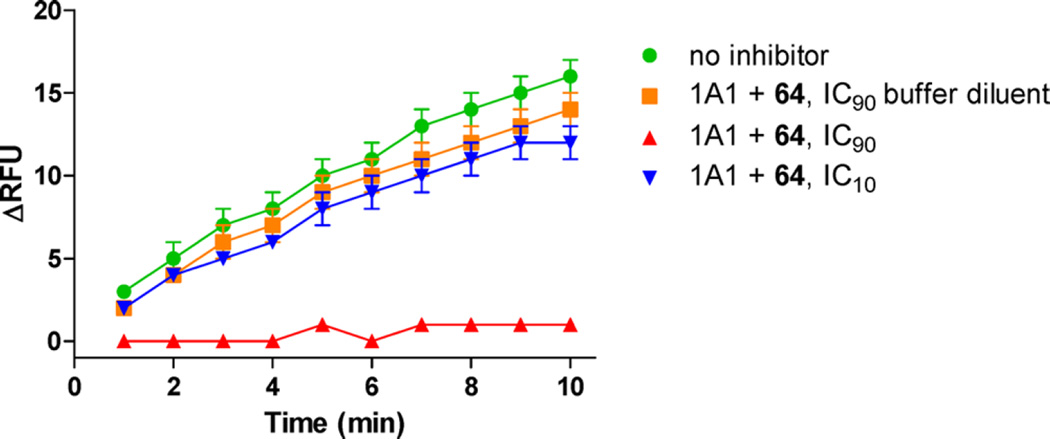
NCT-501 specifically targets aldehyde dehydrogenase 1A1 (ALDH1A1). It inhibits recombinant human ALDH1A1 with an IC50 value of 1.8 nM, and shows high selectivity over other ALDH isoforms: IC50 > 1000 nM for ALDH1A2, ALDH1A3, ALDH2, ALDH3A1, and ALDH4A1 [2];
NCT-501 also targets ALDH1A1 expressed in cancer stem cells (CSCs) of head and neck squamous cell carcinoma (HNSCC), functional inhibition of CSC-associated ALDH activity (measured by Aldafluor assay) at concentrations ≥5 nM [1] |
|---|---|
| ln Vitro |
At a dose of 20 nM, NCT-501 demonstrated a 16% reduction in Cal-27 CisR cell lines; however, the difference was not statistically significant [1].
1. In recombinant enzyme assays, NCT-501 exhibited concentration-dependent inhibition of ALDH1A1 activity. At 10 nM, it inhibited human ALDH1A1 activity by ~95%, while showing <10% inhibition of other ALDH isoforms even at 1000 nM. In a panel of cancer cell lines (e.g., MCF-7 breast cancer, HCT116 colon cancer, SCC-25 HNSCC), NCT-501 reduced ALDH1A1-dependent fluorescence (Aldafluor assay) with EC50 values ranging from 2.3 to 5.7 nM [2]; 2. In HNSCC cell lines (SCC-25, FaDu) with acquired cisplatin resistance (generated by repeated low-dose cisplatin exposure), treatment with NCT-501 (5-20 nM) for 72 hours reduced the proportion of ALDH1A1-positive CSCs by ~40-65% (flow cytometry analysis). MTT assays showed that NCT-501 alone had minimal cytotoxicity (IC50 > 500 nM) in these cells, but when combined with cisplatin, it significantly enhanced cisplatin sensitivity: the IC50 of cisplatin in SCC-25 resistant cells decreased from 12.5 μM (cisplatin alone) to 3.1 μM (cisplatin + 10 nM NCT-501) [1]; 3. Clone formation assays in SCC-25 resistant cells showed that NCT-501 (10 nM) + cisplatin (5 μM) reduced colony number by ~70% compared to cisplatin alone (~30% reduction). Western blot analysis revealed that NCT-501 downregulated CSC markers (Oct4, Sox2, Nanog) and ABC transporters (ABCG2) in resistant HNSCC cells, which are associated with chemoresistance [1]; 4. In normal human oral keratinocytes (NHOKs, non-cancerous cells), NCT-501 (up to 100 nM) had no significant effect on cell viability or ALDH activity, indicating low off-target toxicity to normal cells [1] |
| ln Vivo |
In xenografts produced from Cal-27 CisR, NCT-501 (100 μg/animal; it; every alternate day for 20 days) showed 78% suppression of tumor growth [1].
1. Female nude mice (6-8 weeks old) were subcutaneously implanted with 2×10⁶ cisplatin-resistant SCC-25 cells (SCC-25/R) into the right flank. When tumors reached a volume of ~150 mm³, mice were randomly divided into four groups (n=6 per group): - Vehicle control: Intraperitoneal (i.p.) injection of 5% DMSO + 95% normal saline (100 μL/mouse, once daily [qd] for 21 days); - NCT-501 alone: 20 mg/kg NCT-501 (dissolved in vehicle), i.p., qd for 21 days; - Cisplatin alone: 2 mg/kg cisplatin (dissolved in normal saline), i.p., once every 3 days for 7 doses; - NCT-501 + cisplatin: Combination of NCT-501 (20 mg/kg, qd) and cisplatin (2 mg/kg, once every 3 days). At day 21, the mean tumor volume was: vehicle group ~850 mm³, NCT-501 alone ~780 mm³, cisplatin alone ~520 mm³, and combination group ~280 mm³ (a ~67% reduction vs. vehicle, ~46% reduction vs. cisplatin alone). Tumor weight at euthanasia showed a similar trend: combination group tumors weighed ~0.32 g, vs. ~0.81 g (vehicle) and ~0.53 g (cisplatin alone) [1]; |
| Enzyme Assay |
1. Recombinant human ALDH1A1 activity assay: The reaction mixture (100 μL total volume) contained 50 mM sodium phosphate buffer (pH 7.4), 1 mM NAD⁺ (cofactor), 20 μM 4-(diethylamino)cinnamaldehyde (DEAC, substrate for ALDH1A1), 1 μg recombinant human ALDH1A1 protein, and serial concentrations of NCT-501 (0.1-100 nM). The reaction was initiated by adding DEAC and incubated at 37°C for 30 minutes. The production of NADH (a byproduct of ALDH-catalyzed oxidation) was measured fluorometrically (excitation 340 nm, emission 460 nm) every 5 minutes. Enzyme activity was calculated as the rate of NADH fluorescence increase, and IC50 was determined by nonlinear regression fitting of the inhibition curve [2];
2. ALDH isoform selectivity assay: The above protocol was repeated using recombinant human ALDH1A2, ALDH1A3, ALDH2, ALDH3A1, and ALDH4A1 (each with their isoform-specific substrates: e.g., retinal for ALDH1A2, propanal for ALDH2). NCT-501 was tested at concentrations up to 1000 nM, and no significant inhibition (<10% vs. vehicle) was observed for any non-target ALDH isoform [2]; |
| Cell Assay |
1. Cancer cell ALDH1A1 activity assay (Aldafluor assay): Cancer cells (e.g., SCC-25, MCF-7) were seeded in 6-well plates at 5×10⁵ cells/well and allowed to adhere overnight. Cells were treated with NCT-501 (0.5-50 nM) or vehicle (0.1% DMSO) for 24 hours, then harvested and resuspended in Aldafluor assay buffer containing the ALDH substrate (BODIPY-aminoacetaldehyde). A subset of cells was co-treated with diethylaminobenzaldehyde (DEAB, a pan-ALDH inhibitor) as a negative control. After 45 minutes of incubation at 37°C, cells were analyzed by flow cytometry to quantify the percentage of ALDH1A1-positive cells (Aldafluor-high population) and mean fluorescence intensity (MFI) [2];
2. HNSCC CSC clone formation assay: Cisplatin-resistant SCC-25/R cells were sorted into ALDH1A1-positive (CSC-enriched) and ALDH1A1-negative populations by flow cytometry. ALDH1A1-positive cells were seeded in 6-well plates at 200 cells/well and treated with NCT-501 (5-20 nM) ± cisplatin (2.5-10 μM) for 14 days. Colonies (>50 cells) were stained with 0.1% crystal violet, counted, and the colony formation efficiency (CFE) was calculated as (colony number / seeded cell number) × 100%. The CFE of ALDH1A1-positive cells treated with NCT-501 (10 nM) + cisplatin (5 μM) was ~8%, compared to ~35% (vehicle) and ~18% (cisplatin alone) [1]; 3. Cell viability assay (MTT): SCC-25/R and FaDu/R (cisplatin-resistant) cells were seeded in 96-well plates at 3×10³ cells/well. After 24 hours, cells were treated with NCT-501 (1-1000 nM) alone or in combination with cisplatin (0.1-50 μM) for 72 hours. Ten microliters of MTT reagent (5 mg/mL) was added to each well, followed by 4 hours of incubation at 37°C. The supernatant was removed, 100 μL DMSO was added to dissolve formazan crystals, and absorbance was measured at 570 nm. The IC50 values for cisplatin were calculated using GraphPad Prism software [1] |
| Animal Protocol |
Animal/Disease Models: 5-6 weeks old male Hsd: Athymic Nude-Foxn1nu (immuno-deficient-mice bearing Cal-27 CisR cells)[1]
Doses: 100µg/animal Route of Administration: Intra-tumorally (it); every alternate day for 20 days Experimental Results: demonstrated a 78% inhibition in tumor growth in Cal-27 CisR derived xenografts. 1. HNSCC xenograft model for chemoresistance reversal: Female nude mice (6-8 weeks old, 18-22 g) were acclimated for 1 week before experimentation. Cisplatin-resistant SCC-25/R cells (2×10⁶ cells in 100 μL PBS + 50% Matrigel) were subcutaneously injected into the right flank of each mouse. When tumors reached a volume of ~150 mm³ (day 0), mice were randomly assigned to four groups (n=6): - Vehicle group: I.p. injection of 5% DMSO + 95% normal saline (100 μL/mouse, qd) for 21 days; - NCT-501 alone group: 20 mg/kg NCT-501 was dissolved in 5% DMSO + 95% normal saline (100 μL/mouse), administered via i.p. injection qd for 21 days; - Cisplatin alone group: 2 mg/kg cisplatin was dissolved in normal saline (100 μL/mouse), administered via i.p. injection once every 3 days for 7 doses (total 14 mg/kg over 21 days); - Combination group: NCT-501 (20 mg/kg, i.p., qd) and cisplatin (2 mg/kg, i.p., once every 3 days) for 21 days. Tumor volume was measured every 3 days using calipers, with volume calculated as (length × width²)/2. Body weight was recorded weekly to monitor toxicity. At the end of the experiment, mice were euthanized, tumors were excised, weighed, and stored at -80°C for subsequent ALDH1A1 activity analysis [1]; |
| Toxicity/Toxicokinetics |
1. In vitro toxicity: NCT-501 exhibits significantly higher selectivity for cancer cells than for normal cells. In normal human oral keratinocytes (NHOK) and human foreskin fibroblasts (HFF), its cell viability IC50 > 1000 nM, while the IC50 for ALDH1A1-positive cancer cells is 2.3–5.7 nM [1, 2]; 2. In vivo toxicity: In xenograft studies of head and neck squamous cell carcinoma (HNSCC), no deaths or severe clinical symptoms (e.g., lethargy, diarrhea, alopecia) were observed in any group. The mean body weight of mice in the NCT-501 monotherapy and combination therapy groups decreased by < 5% from baseline, with no statistically significant difference. Serum alanine aminotransferase (ALT), aspartate aminotransferase (AST), blood urea nitrogen (BUN), and creatinine levels measured at the time of euthanasia were all within the normal range in each group [1]; 3. Plasma protein binding rate: Plasma protein binding rate data for NCT-501 were not described in [1] and [2];
|
| References |
|
| Additional Infomation |
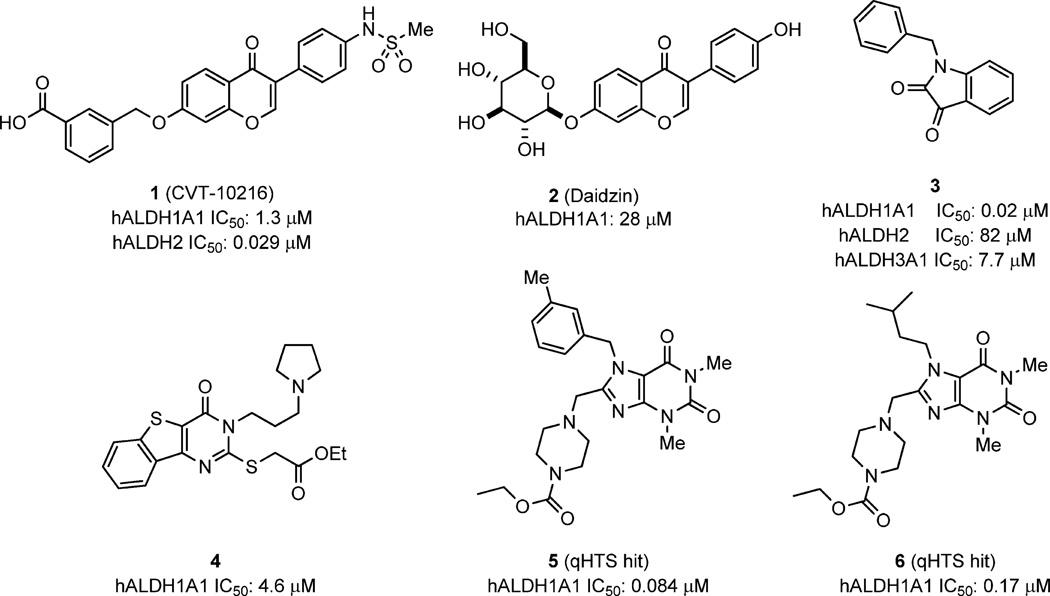
1. NCT-501 is a theophylline-based small molecule ALDH1A1 inhibitor designed to treat cancers that depend on ALDH1A1-positive cancer stem cells (CSCs) (e.g., head and neck cancer, breast cancer, colon cancer). Its selectivity for ALDH1A1 is attributed to its unique binding mode: it occupies the substrate-binding pocket of ALDH1A1 and forms hydrogen bonds with key residues that are less conserved in other ALDH isoenzymes (e.g., Ser47, Tyr115) [2]; 2. In head and neck cancer, acquired chemotherapeutic resistance is primarily driven by ALDH1A1-positive CSCs—ALDH1A1 detoxifies by metabolizing aldehyde intermediates of chemotherapeutic drugs (e.g., cisplatin) and maintains the stemness of CSCs by regulating redox homeostasis. NCT-501 eliminates this resistance by inhibiting ALDH1A1, thereby reducing the survival rate of cancer stem cells (CSCs) and enhancing cisplatin-induced cytotoxicity [1];
3. Preclinical data in head and neck squamous cell carcinoma (HNSCC) cell lines and xenografts show that NCT-501 (10-20 nM in vitro, 20 mg/kg in vivo) effectively targets CSCs and reverses cisplatin resistance without significant toxicity, supporting its potential as a standard chemotherapy combination therapy for ALDH1A1-positive cancers [1, 2]. |
| Molecular Formula |
C21H32N6O3
|
|
|---|---|---|
| Molecular Weight |
416.52
|
|
| Exact Mass |
416.253
|
|
| Elemental Analysis |
C, 60.56; H, 7.74; N, 20.18; O, 11.52
|
|
| CAS # |
1802088-50-1
|
|
| Related CAS # |
NCT-501 hydrochloride;2080306-22-3
|
|
| PubChem CID |
92044412
|
|
| Appearance |
White to off-white solid powder
|
|
| Density |
1.4±0.1 g/cm3
|
|
| Boiling Point |
627.3±65.0 °C at 760 mmHg
|
|
| Flash Point |
333.2±34.3 °C
|
|
| Vapour Pressure |
0.0±1.8 mmHg at 25°C
|
|
| Index of Refraction |
1.673
|
|
| LogP |
1.25
|
|
| Hydrogen Bond Donor Count |
0
|
|
| Hydrogen Bond Acceptor Count |
5
|
|
| Rotatable Bond Count |
6
|
|
| Heavy Atom Count |
30
|
|
| Complexity |
688
|
|
| Defined Atom Stereocenter Count |
0
|
|
| SMILES |
O=C(C1([H])C([H])([H])C1([H])[H])N1C([H])([H])C([H])([H])N(C([H])([H])C2=NC3=C(C(N(C([H])([H])[H])C(N3C([H])([H])[H])=O)=O)N2C([H])([H])C([H])([H])C([H])(C([H])([H])[H])C([H])([H])[H])C([H])([H])C1([H])[H]
|
|
| InChi Key |
FSXIBBYWVGWQJL-UHFFFAOYSA-N
|
|
| InChi Code |
InChI=1S/C21H32N6O3/c1-14(2)7-8-27-16(22-18-17(27)20(29)24(4)21(30)23(18)3)13-25-9-11-26(12-10-25)19(28)15-5-6-15/h14-15H,5-13H2,1-4H3
|
|
| Chemical Name |
8-[[4-(cyclopropanecarbonyl)piperazin-1-yl]methyl]-1,3-dimethyl-7-(3-methylbutyl)purine-2,6-dione
|
|
| Synonyms |
|
|
| HS Tariff Code |
2934.99.9001
|
|
| Storage |
Powder -20°C 3 years 4°C 2 years In solvent -80°C 6 months -20°C 1 month |
|
| Shipping Condition |
Room temperature (This product is stable at ambient temperature for a few days during ordinary shipping and time spent in Customs)
|
| Solubility (In Vitro) |
DMSO: 32 mg/mL (76.8 mM)
Water: 1 mg/mL (Insoluble) Ethanol: 25 mg/mL (60.0 mM) |
|---|---|
| Solubility (In Vivo) |
Solubility in Formulation 1: ≥ 1.25 mg/mL (3.00 mM) (saturation unknown) in 10% DMSO + 90% (20% SBE-β-CD in Saline) (add these co-solvents sequentially from left to right, and one by one), clear solution.
For example, if 1 mL of working solution is to be prepared, you can add 100 μL of 12.5 mg/mL clear DMSO stock solution to 900 μL of 20% SBE-β-CD physiological saline solution and mix evenly. Preparation of 20% SBE-β-CD in Saline (4°C,1 week): Dissolve 2 g SBE-β-CD in 10 mL saline to obtain a clear solution. Solubility in Formulation 2: ≥ 1.25 mg/mL (3.00 mM) (saturation unknown) in 10% DMSO + 90% Corn Oil (add these co-solvents sequentially from left to right, and one by one), clear solution. For example, if 1 mL of working solution is to be prepared, you can add 100 μL of 12.5 mg/mL clear DMSO stock solution to 900 μL of corn oil and mix evenly. (Please use freshly prepared in vivo formulations for optimal results.) |
| Preparing Stock Solutions | 1 mg | 5 mg | 10 mg | |
| 1 mM | 2.4008 mL | 12.0042 mL | 24.0085 mL | |
| 5 mM | 0.4802 mL | 2.4008 mL | 4.8017 mL | |
| 10 mM | 0.2401 mL | 1.2004 mL | 2.4008 mL |
*Note: Please select an appropriate solvent for the preparation of stock solution based on your experiment needs. For most products, DMSO can be used for preparing stock solutions (e.g. 5 mM, 10 mM, or 20 mM concentration); some products with high aqueous solubility may be dissolved in water directly. Solubility information is available at the above Solubility Data section. Once the stock solution is prepared, aliquot it to routine usage volumes and store at -20°C or -80°C. Avoid repeated freeze and thaw cycles.
Calculation results
Working concentration: mg/mL;
Method for preparing DMSO stock solution: mg drug pre-dissolved in μL DMSO (stock solution concentration mg/mL). Please contact us first if the concentration exceeds the DMSO solubility of the batch of drug.
Method for preparing in vivo formulation::Take μL DMSO stock solution, next add μL PEG300, mix and clarify, next addμL Tween 80, mix and clarify, next add μL ddH2O,mix and clarify.
(1) Please be sure that the solution is clear before the addition of next solvent. Dissolution methods like vortex, ultrasound or warming and heat may be used to aid dissolving.
(2) Be sure to add the solvent(s) in order.
|
|---|
|
|
Products are for research use only; We do not sell to patients
Copyright 2020 InvivoChem LLC | All Rights Reserved


 COA
COA