| Size | Price | Stock | Qty |
|---|---|---|---|
| 25mg |
|
||
| 50mg |
|
||
| 100mg |
|
||
| 250mg |
|
||
| 500mg |
|
||
| 1g | |||
| Other Sizes |


Purity: ≥98%
| Targets |
Monoamine oxidase A (MAO-A) (Ki = 6.0 μM); Monoamine oxidase B (MAO-B) (Ki = 63.0 μM) [1]
|
|---|---|
| ln Vitro |
PC12 cell growth is inhibited by NMDA (600 µM for three days). Moclobemide (2 and 10 µM) stimulates PC12 cells treated with NMDA to proliferate more rapidly[2].
Moclobemide exhibited selective inhibitory activity against MAO-A with a Ki value of 6.0 μM, while its inhibitory effect on MAO-B was weaker (Ki = 63.0 μM). This selectivity was consistent with its known pharmacological profile as a reversible and selective MAO-A inhibitor [1] |
| ln Vivo |
Moclobemide is a monoamine oxidase inhibitor that elevates norepinephrine and 5-HT levels in the brain. In animal behavior models, moclobemide (40 mg/kg) is effective[2].
In chronically stressed mice, oral administration of Moclobemide (10 mg/kg, once daily for 21 days) significantly up-regulated the proliferation of hippocampal progenitor cells. The number of bromodeoxyuridine (BrdU)-positive cells in the hippocampal dentate gyrus was notably increased compared to the stressed control group, indicating a promoting effect on neurogenesis [2] - Moclobemide treatment also reversed the chronic stress-induced reduction in the number of doublecortin (DCX)-positive cells in the hippocampus, further supporting its role in enhancing hippocampal neurogenesis in stressed mice [2] |
| Enzyme Assay |
For the MAO inhibitory activity assay, MAO enzymes were prepared from rat liver mitochondria. The reaction mixture contained the enzyme preparation, substrate (tyramine for MAO-A and β-phenylethylamine for MAO-B), and different concentrations of Moclobemide. The reaction was initiated by adding the substrate and incubated at 37°C for a specific period. After incubation, the amount of deaminated product was measured using a spectrophotometric method to calculate the inhibitory rate and Ki values [1]
|
| Cell Assay |
Cell Cycle Analysis[2]
Cell Types: PC12 cell line Tested Concentrations: Moclobemide (2 and 10 µM); N-methylaspartate (NMDA) (600 µM) Incubation Duration: 3 days Experimental Results: Treatment with NMDA Dramatically decreased the percentage of S-phase, while the percentage of other cell cycle phases did not change Dramatically .However, the percentage of S-phase increased in the presence of Moclobemide. |
| Animal Protocol |
Animal/Disease Models: Chronically stressed male mice (18± 2 g) of the Kunming strain[2]
Doses: 40 mg/kg Route of Administration: Ip; daily Experimental Results: BDNF level in the hippocampal subfields including subgranule zone diminished in stressed mice compared with normal control. Chronic treatment with Moclobemide could reverse these changes. Male mice were subjected to chronic unpredictable mild stress (CUMS) for 21 days to establish the stress model. Moclobemide was dissolved in normal saline and administered orally at a dose of 10 mg/kg once daily during the 21-day stress period. Control groups included non-stressed mice and stressed mice receiving oral normal saline. At the end of the treatment period, mice were sacrificed, and the hippocampus was dissected for subsequent analyses [2] |
| ADME/Pharmacokinetics |
Absorption, Distribution and Excretion
Absorbed well via the gastrointestinal tract (>95%). The presence of food may slow the absorption rate but does not affect the extent of absorption. After a single dose, hepatic first-pass metabolism reduces bioavailability to approximately 56%, but after steady-state administration, bioavailability can increase to 90% due to the saturation of the first-pass effect. Peak plasma concentrations are reached within 0.3–1 hour after oral administration, with a terminal half-life of 1.6 hours. Moclobemide is almost entirely excreted by the kidneys. Clearance rate: 1–1.5 L/kg Primarily excreted in urine: 30–78 L/h. Moclobemide is readily absorbed via the gastrointestinal tract (>95%). Peak plasma concentrations are approximately 1 μg/mL within 1–2 hours after oral administration. Protein binding of moclobemide is approximately 50%. Small amounts of moclobemide are secreted into human milk. It is well absorbed by the gastrointestinal tract. The presence of food slows the absorption rate but does not affect the extent of absorption. Due to the first-pass effect of the liver, the absolute bioavailability of moclobemide is approximately 55% after a single dose and can reach 90% after multiple doses. Excretion: Primarily metabolized by the kidneys. Less than 1% of moclobemide is excreted unchanged. This study investigated six lactating women (aged 24-36 years) who received a single oral dose of 300 mg moclobemide tablets. The concentrations of moclobemide and 3-keto-moclobemide (Ro-12-8095) were measured in breast milk and plasma samples. Moclobemide-N'-oxide (Ro-12-5637) was detected only in plasma. The concentrations of moclobemide and Ro-12-8095 in breast milk reached their peak 3 hours after administration, and the drug and its metabolites were undetectable after 12 hours. The percentage of excreted dose for moclobemide and Ro-12-8095 were 0.057 ± 0.02% and 0.031 ± 0.011%, respectively. Metabolism/Metabolites Moclobemide is almost entirely metabolized in the liver by cytochrome P450 2C19 and 2D6. Moclobemide is a substrate of CYP2C19, although it inhibits CYP1A2, CYP2C19, and CYP2D6. This study investigated the role of methphenytoin oxidative polymorphism in moclobemide metabolism in 15 healthy subjects (aged 23–27 years), including 7 subjects with slower and 8 subjects with faster methphenytoin metabolism. Subjects received either a single dose of 300 mg moclobemide or multiple daily doses of 600 mg moclobemide. Compared to those with faster mefentoin metabolism, those with slower mefentoin metabolism exhibited lower moclobemide clearance (median 16.1 L/hr vs 43.2 L/hr after a single dose) and longer half-life (median 4 hr vs 1.8 hr after a single dose). Slower metabolizers also showed lower plasma levels of C-hydroxylated metabolites. Therefore, moclobemide is partially metabolized oxidatively via the polymorphic CYP2C19. These metabolic changes are consistent with reversible oxidative inhibition via CYP2C19, CYP2D6, and CYP1A2. The findings suggest a co-segregation between moclobemide clearance and mefentoin oxidative polymorphism. Moclobemide is first-pass metabolized in the liver and appears to be eliminated via first-order kinetics, resulting in the urinary excretion of the monoamine metabolites homovanillic acid (HAV), dihydroxyphenylacetic acid (DOPAC), 3-methoxy-4-hydroxyphenylethylene glycol (DOPEG), and 5-hydroxyindoleacetic acid (5-HIAA). Moclobemide is almost entirely metabolized in the liver via cytochrome P450 2C19 and 2D6. Half-life: 1–2 hours (4 hours in patients with cirrhosis); metabolites are excreted by the kidneys. Elimination time: 1.5 hours (4 hours in patients with cirrhosis). |
| Toxicity/Toxicokinetics |
Toxicity Summary
Drug Identification: Moclobemide is a monoamine oxidase inhibitor. Moclobemide is a white to red crystalline substance with a mild odor. It is soluble in chloroform, methanol, and water. Indications: Approved: Major depressive disorder and dysphoric mood. Investigational indications: Preventive treatment of menopausal hot flashes and migraines; smoking cessation and withdrawal in heavy smokers. Human Exposure: Major Risks and Target Organs: Moclobemide is a short-acting, selective, and reversible monoamine oxidase type A (MAO-AI). When taken alone, it is generally well tolerated even with overdose. The serotonergic effects of moclobemide may be enhanced when used in combination with tricyclic antidepressants, other monoamine oxidase inhibitors, selective serotonin reuptake inhibitors (SSRIs), lithium, or serotonergic substances. When moclobemide is taken concurrently with these medications, life-threatening serotonin syndrome may occur, characterized by high fever, tremors, and seizures. Consuming large amounts of tyramine-rich foods may result in a moderate increase in systolic blood pressure (cheese reaction). Clinical Manifestations Summary: Agitation, somnolence, disorientation, sluggish pupillary light reflex, upper limb myoclonus; hypotension or hypertension, tachycardia; nausea, vomiting, abdominal pain. Contraindications: Absolute contraindications: Hypersensitivity to moclobemide, children under 15 years of age, breastfeeding women (due to lack of data on potential toxicity to breastfeeding infants): milk production less than 3% at moclobemide doses. Concomitant use with sumatriptan: hypertensive crisis and severe coronary vasoconstriction may occur. Concomitant use with meperidine (meperidine) and dextromethorphan: serotonin syndrome may occur. Moclobemide is contraindicated in patients with acute confusion and pheochromocytoma. It should be avoided in patients who are agitated or hyperactive and in patients with severe hepatic impairment. Related Risks: Concomitant use with drugs that can increase the levels of monoamine neurotransmitters (such as serotonin and norepinephrine), such as tricyclic antidepressants and selective serotonin reuptake inhibitors (SSRIs): serotonin syndrome may occur. Alcohol (as with other psychoactive drugs). Route of administration: Oral: Moclobemide is available in tablet form, therefore oral administration is the most common route of administration. Pharmacokinetics: Absorption: Easily absorbed from the gastrointestinal tract. Food delays absorption. Peak plasma concentration: 1 to 2 hours after administration. Due to the significant and saturable first-pass effect in the liver, the bioavailability after a single oral dose is 60%, and after repeated administration, it is 80%. Distribution (by route of exposure): Widely distributed throughout the body. Plasma protein binding is 50%. The mean volume of distribution after oral administration in 6 healthy subjects was approximately 1 L/kg. Biological half-life (by route of exposure): The plasma half-life after a single oral dose is 1 to 2 hours; with prolonged treatment, the half-life can be prolonged to 2 to 4 hours. Metabolism: Moclobemide is extensively metabolized, primarily in the liver through carbon and nitrogen oxidation, deamination, and aromatic hydroxylation. Metabolites are inactive. Elimination and excretion: Metabolites of moclobemide and a small amount of the parent drug (less than 1%) are excreted in the urine. Following oral administration of radiolabeled moclobemide, 92% of the dose is excreted in the urine within 12 hours. Mechanism of action: Toxicology: Moclobemide selectively and reversibly inhibits the activity of the intracellular enzyme monoamine oxidase A (MAO-A), thereby preventing the normal metabolism of biogenic amines (norepinephrine, epinephrine, serotonin, and dopamine). Monoamine oxidase inhibitors (MAOIs) exert their toxic effects by inhibiting the metabolism of sympathomimetic amines and serotonin, and by reducing the storage of norepinephrine in postganglionic sympathetic neurons. They do not inhibit MAO synthesis. MAOIs also inhibit other enzymes besides MAO, including dopamine β-oxidase, diamine oxidase, amino acid decarboxylase, and choline dehydrogenase. These enzymes are only inhibited at very high doses of MAOIs, which may explain some of the toxic effects of MAOIs. Medications that promote serotonin release or reuptake (such as tricyclic antidepressants and selective serotonin reuptake inhibitors) can cause serotonin syndrome when taken concurrently with MAOIs, even at therapeutic doses. The toxic effects of MAOIs can be caused by pressor amines (such as tyramine), leading to hypertensive crises. When the protective effects of MAO in the gut and liver are lost, the absorption of tyramine from certain foods increases, releasing norepinephrine via presynaptic vesicles, resulting in a significant increase in blood pressure (cheese reaction). Two isoenzymes of MAO enzymes have been identified: MAO-A and MAO-B. These two isoenzymes differ in anatomical distribution and substrate preference. Novel monoamine oxidase inhibitors (MAOIs), such as moclobemide, are subtype-selective and reversibly inhibit MAO-A. Therefore, at therapeutic doses, their drug interactions are less likely than with non-selective MAOIs. However, in extreme cases such as overdose, high-dose combination therapy, and mixed drug overdose, their selectivity can be lost, potentially leading to severe toxic reactions. Pharmacodynamics: Monoamine oxidases (MAOs) are a class of enzymes that metabolize and inactivate endogenous pressor amines (such as norepinephrine, dopamine, and serotonin) as well as ingested endogenous amines (such as tyramine). MAOIs exert their effects by inhibiting the degradation of these amines by MAOs. The increased availability of biogenic amines (such as norepinephrine and serotonin) is thought to be associated with the improvement of depressive symptoms by MAOI treatment. Two monoamine oxidase (MAO) isoenzymes have been identified: MAO-A and MAO-B, which differ in their anatomical distribution and substrate preferences. MAO-A enzymes preferentially metabolize serotonin and norepinephrine and are mainly distributed in the placenta, intestine, and liver. MAO-B enzymes are mainly found in the brain, liver, and platelets, and their main substrates are phenylethylamine, methylhistamine, and tryptamine. Both MAO-A and MAO-B can metabolize tyramine. Novel MAO inhibitors, such as moclobemide, exhibit isoenzyme selectivity and reversible inhibition of the enzyme, and are termed reversible MAO-A inhibitors. The duration of moclobemide's inhibitory effect on MAO-A (16 to 24 hours) is shorter than that of conventional MAO inhibitors (>10 days). The interaction of novel MAO-AIs with hepatic cytochrome P450 appears to be much weaker than their interaction with irreversible and nonspecific MAOIs. However, multiple human studies have shown that cytochrome P450 is involved in the metabolism of moclobemide, and that moclobemide also has a weak inhibitory effect on its isoenzyme CYP2D6. The clinical significance of this weak interaction is unclear and may be minimal. Similar to tricyclic antidepressants, selective serotonin reuptake inhibitors (SSRIs), and other MAOIs, moclobemide significantly reduces rapid eye movement (REM) sleep density, REM sleep duration, and the percentage of total sleep time in patients with major depressive disorder. Drug-food interactions: Compared to irreversible MAOIs, selective reversible monoamine oxidase type A inhibitors (such as moclobemide) have less restrictive dietary restrictions. However, the manufacturer of moclobemide recommends avoiding large amounts of tyramine-rich foods, including chocolate, aged cheese, beer, Chianti wine, vermouth, pickled fish, and concentrated yeast extract, as some patients may be more sensitive to tyramine. Drug interactions: Moclobemide should not be used concurrently with sympathomimetic drugs and appetite suppressants. Opioid analgesics: Central nervous system excitation or depression may occur. Anesthetics: Anesthesia can be performed 24 hours after discontinuing moclobemide, with a low likelihood of significant interactions; if drug clearance cannot be achieved, pethidine and parenteral sympathomimetic drugs should be avoided. Levodopa: May induce hypertensive crisis. Sumatriptan: Because sumatriptan is a selective serotonin 1D receptor agonist, the manufacturer recommends against concurrent use with moclobemide, as it may cause hypertensive crisis and severe coronary vasoconstriction. The manufacturer recommends a 24-hour washout period after discontinuing moclobemide. However, a clinical study involving 103 migraine patients did not find significant adverse effects. Cimetidine inhibits the metabolism of moclobemide, leading to a prolonged half-life and increased plasma concentrations. The manufacturer recommends halving the moclobemide dose for patients taking cimetidine concurrently. Concomitant use of medications that increase levels of monoamine neurotransmitters such as serotonin and norepinephrine, including tricyclic antidepressants (primarily clomipramine), selective serotonin reuptake inhibitors (SSRIs), and other potential antidepressants, may lead to serotonin syndrome. Lithium: Because lithium increases serotonin levels, caution should be exercised when prescribing monoamine oxidase inhibitors (MAO-AIs) and lithium concurrently, although no interactions have been reported to date. Moclobemide treatment should only begin at least 7 days after discontinuing tricyclic or selective serotonin reuptake inhibitors (SSRIs) (2 weeks for paroxetine; 5 weeks for fluoxetine), or at least one week after discontinuing other monoamine oxidase inhibitors. Conversely, a 24-hour washout period is recommended when switching from moclobemide to another antidepressant. Antipsychotics, benzodiazepines, nifedipine, and hydrochlorothiazide can be used in combination without serious interactions. Major adverse reactions include sleep disturbances, dizziness, nausea, and headache. Confusion, agitation, or anxiety may occur. Mild elevations of liver enzymes have been reported. Caution should be exercised when using this medication in patients with thyrotoxicosis, as moclobemide may theoretically induce a hypertensive response. Mental alertness may be impaired; patients receiving treatment should not drive or operate machinery. Moclobemide may induce manic episodes in patients with bipolar disorder; in such cases, moclobemide should be discontinued and antipsychotic treatment initiated. Less common adverse reactions include hypertension (although concomitant use of clomipramine, buspirone, and thyroxine may play a role in reported case series and should not be overlooked), and hair loss. Acute poisoning: Ingestion: Overdose of pure moclobemide may result in mild or no symptoms. However, moclobemide can cause nausea, vomiting, stomach pain; agitation, disorientation, drowsiness, decreased reflexes, myoclonus of the upper limbs, sluggish pupillary light reflex; mild to moderate hypertension and tachycardia. Even lower doses of moclobemide, when used in combination with tricyclic antidepressants (primarily clomipramine), opioids, or selective serotonin reuptake inhibitors, can lead to a more diverse and severe range of symptoms that appear within 2 to 3 hours of ingestion. Symptoms include: central nervous system depression (confusion, drowsiness) and agitation (seizures), tremors, dilated pupils, high fever with muscle rigidity, hypertension, and metabolic acidosis. Several deaths have been reported following the combined use of moclobemide with citalopram, clomipramine, and fluoxetine, as well as moclobemide in combination with citalopram and fluoxetine. Course, prognosis, and cause of death: Simple moclobemide overdose usually has a benign course. Several deaths have been reported in the literature, all involving combined use. Clinical manifestations include euphoria and agitation, followed by extreme tremors, then convulsions and high fever. Death occurs within 3 to 16 hours after administration, with the cause being refractory seizures and/or high fever and its complications: disseminated intravascular coagulation and multiple organ failure. Systemic description of clinical manifestations: Cardiovascular system: mild to moderate hypertension, moderate hypotension, and sinus tachycardia. Nervous system: Central nervous system: mild disorientation, agitation, slurred speech, anxiety, dizziness; headache; somnolence, coma. Autonomic nervous system: sluggish pupillary response, dilated pupils. Skeletal and smooth muscle: Upper limb myoclonus; muscle rigidity; rhabdomyolysis. Gastrointestinal tract: Dry mouth; nausea, vomiting, stomach pain; diarrhea. Liver: Mildly elevated liver enzyme levels. Urinary system: Kidney metabolism: Acid-base imbalance: Acidosis is expected in coma and/or seizures. Fluid and electrolyte imbalance: Hyperkalemia. Other: Creatine phosphokinase may be elevated in patients with hyperactivity or rigidity of muscles. Animal studies: Mice: (After oral and intraperitoneal injection) Symptoms: Sedation, muscle twitching, respiratory depression, death. Rats: (After oral and intraperitoneal injection) Symptoms: Sedation, respiratory depression, death. Rabbits: (After oral and intraperitoneal injection) Symptoms: Ataxia, decreased motor activity, respiratory depression, tremor, seizures, salivation, and death. Carcinogenicity: Animal studies: No carcinogenicity was found in rats after 2 years of oral administration of moclobemide. No carcinogenicity was observed in mice after 80 weeks of oral administration of the drug. Teratogenicity: Animal studies: Doses up to 100 mg/kg/day did not affect fertility in rats. No embryotoxic or teratogenic effects were observed in rabbits and rats after oral administration of doses up to 100 mg/kg/day and 200 mg/kg/day, respectively. Mutagenicity: In vitro and in vivo studies: Moclobemide did not show mutagenicity. The mechanism of action of moclobemide involves selective, reversible inhibition of MAO-A. This inhibition leads to reduced metabolism and destruction of monoamines in neurotransmitters. This results in an increase in monoamines, thereby alleviating depressive symptoms. Effects during pregnancy and lactation: ◉ Overview of use during lactation: Moclobemide has not been approved for marketing by the U.S. Food and Drug Administration (FDA), but it is available in other countries. Limited information suggests that low concentrations of moclobemide in breast milk are observed when mothers take up to 900 mg of moclobemide daily. While some breastfed infants appear to have no adverse effects while their mothers are taking moclobemide, there are currently no rigorous long-term data. Until more data are available, breastfeeding women should use moclobemide under close monitoring, especially when breastfeeding newborns or preterm infants. ◉ Effects on Breastfed Infants Nine women with postpartum depression were treated with moclobemide at daily doses ranging from 150 mg to 900 mg. All subjects breastfed during treatment (feeding extent not specified), but the duration of infant exposure to moclobemide through breast milk was not determined. Maternal reports of infant weight gain, developmental milestones, and behavioral changes, along with the authors' clinical observations, indicated no adverse effects in breastfed infants. Four women who received moclobemide daily at doses ranging from 300 mg to 1200 mg during pregnancy were followed up during the neonatal period and one year postpartum. All women breastfed (feeding extent not specified). One woman discontinued breastfeeding two months postpartum due to severe gastroesophageal reflux in her infant; two other mothers continued breastfeeding for more than 12 months. The duration of breastfeeding for the fourth infant was not determined. All infants reached developmental milestones. ◉ Effects on Lactation and Breast Milk Moclobemide increases serum prolactin levels in men and causes galactorrhea in women. For mothers who have established lactation, prolactin levels may not affect their ability to breastfeed. Protein Binding Approximately 50% (primarily bound to albumin) Toxicity Data LD50: 730 mg/kg (mice) (A308) LD50: 1300 mg/kg (rat) (A308) Interactions Moclobemide has been shown to enhance the effects of opioids. Concomitant use of moclobemide with pethidine is contraindicated (SRP: due to the risk of serotonin syndrome). Other opioid analgesics should be used with caution and dosage adjustments may be necessary. Elevated plasma concentrations of moclobemide may occur; when used concomitantly with cimetidine, a 50% dose reduction of moclobemide may be necessary. Moclobemide is contraindicated when used in combination with tricyclic antidepressants (TCAs). A washout period of at least 2 days should be allowed after discontinuing moclobemide before initiating TCA treatment. Moclobemide should not be used in combination with conventional monoamine oxidase inhibitors (MAOIs) (phenelzine, transphenylcyclopropionate) or selective serotonin reuptake inhibitors (SSRIs). When switching from an MAOI or serotonergic antidepressant to moclobemide, a washout period of 4 to 5 half-lives of the previous medication (and any of its active metabolites) should be allowed. Moclobemide should be started at least 5 weeks after discontinuing fluoxetine. Combining serotonergic drugs (such as amitriptyline, clomipramine, doxepin or imipramine, fluvoxamine, fluoxetine, paroxetine, sertraline/SRP, and pethidine) with monoamine oxidase inhibitors may result in a potentially fatal hyperserotonergic state known as serotonin syndrome. This syndrome may present with altered mental status (confusion, hypomania), agitation, myoclonus, hyperreflexia, hyperhidrosis, chills, tremors, diarrhea, ataxia, and/or fever. For more complete data on drug interactions of moclobemide (11 in total), please visit the HSDB record page. Non-human toxicity values: LD50 (rat, oral administration 707 mg/kg) |
| References | |
| Additional Infomation |
Moclobemide belongs to the benzamide class of compounds, with a structure in which a chlorine atom is substituted at the 4-position of benzamide and a nitrogen atom is substituted with a 2-(morpholino-4-yl)ethyl atom. It is a reversible monoamine oxidase inhibitor used to treat depression. It is both an exogenous substance and an environmental pollutant, as well as an antidepressant. Moclobemide belongs to the monochlorobenzene, morpholino, and benzamide classes of compounds. It is a reversible monoamine oxidase inhibitor (RIMA) that selectively inhibits type A monoamine oxidase (MAOI) and is used to treat major depressive disorder. Most meta-analyses and studies have shown that moclobemide is more effective than placebo in the acute treatment of depression and is comparable in efficacy to tricyclic antidepressants (TCAs) or selective serotonin reuptake inhibitors (SSRIs). Due to its negligible anticholinergic and antihistamine effects, moclobemide is better tolerated than tricyclic or heterocyclic antidepressants. Moclobemide has only been found in individuals who have used or taken the drug. It is a reversible monoamine oxidase inhibitor (MAOI) that selectively inhibits the type A subtype (RIMA) and is used to treat major depressive disorder. The mechanism of action of moclobemide involves the selective, reversible inhibition of MAO-A. This inhibition leads to a reduction in the metabolism and destruction of monoamines in neurotransmitters. This results in elevated monoamine levels, thereby alleviating depressive symptoms.
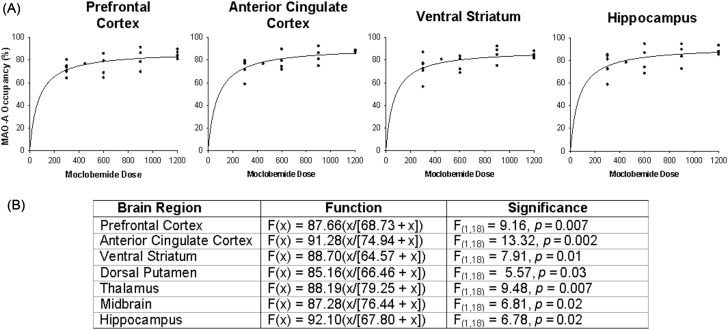
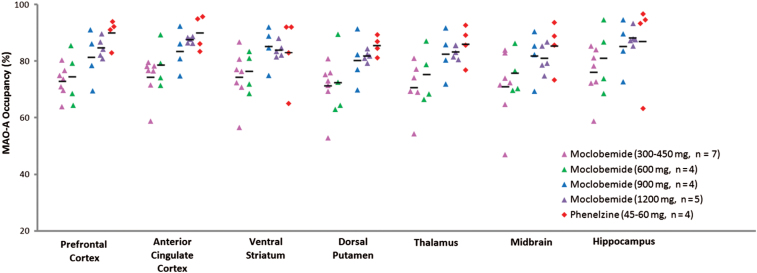
Reversible monoamine oxidase type A inhibitors (RIMAs); (see Monoamine oxidase inhibitors) have antidepressant properties. Pharmaceutical indications For the treatment of major depressive disorder and bipolar disorder. Mechanism of action The mechanism of action of moclobemide involves the selective, reversible inhibition of MAO-A. This inhibition leads to a reduction in the metabolism and destruction of monoamines in neurotransmitters. This results in elevated monoamine levels, thereby alleviating depressive symptoms. The exact mechanism of its antidepressant effect is not fully understood; however, it is established that the activity of monoamine oxidase (MAO) is inhibited. MAO A and B subtypes are involved in the metabolism of serotonin and catecholamine neurotransmitters such as norepinephrine and dopamine. Moclobemide, as a selective monoamine oxidase (MAO) inhibitor, preferentially inhibits MAO A (MAO-A) and has a weaker inhibitory effect on MAO B (MAO-B) (at a 300 mg dose, MAO-A inhibition is approximately 80%, while MAO-B inhibition is 20% to 30%). Decreased MAO activity leads to increased concentrations of serotonin and catecholamine neurotransmitters at storage sites in the central nervous system (CNS) and sympathetic nervous system. This increased availability of one or more monoamine neurotransmitters is considered the basis for the antidepressant effects of MAO inhibitors. Moclobemide's inhibitory effect on MAO-A is short-acting (maximum 24 hours) and reversible (binding to MAO-A is transient). In contrast, some other monoamine oxidase inhibitors (phenelzine, transphenylcyclopropionate) are non-selective, have a long duration of action, and their binding to monoamine oxidase A and monoamine oxidase B is irreversible. Therapeutic Uses Moclobemide is indicated for the relief of depressive symptoms. /US product label includes/ Antidepressants appear to be effective in treating painful disorders. EXPTL Therapy: This randomized, prospective, double-blind study evaluated the efficacy and tolerability of moclobemide (a reversible, selective monoamine oxidase A inhibitor) in reducing the frequency and severity of hot flashes. Thirty postmenopausal women were enrolled, 28 of whom were randomized to receive moclobemide for 5 weeks, receiving 150 mg moclobemide (Group 1, n = 10), 300 mg moclobemide (Group 2, n = 11), or placebo (Group 3, n = 9). Hot flashes were recorded in a daily diary. The average reduction in hot flash severity scores across the groups was as follows: placebo group 24.4%, Group 1 69.8%, and Group 2 35.0%. EXPTL therapy: In a double-blind, placebo-controlled study, 12 male outpatients with psychogenic erectile dysfunction and no other mental illness were enrolled. Organic factors related to sexual function were excluded based on a comprehensive diagnosis before the study began. The treatment period was 8 weeks. Half of the patients received 450 mg of moclobemide in the first week, followed by 600 mg; the other subjects received placebo. In addition to assessing erectile function using the Clinical Global Impression (CGI) scale, nocturnal erections were measured by polysomnography at baseline and at the end of treatment. CGI assessment results showed that the improvement in the moclobemide group was significantly better than that in the placebo group during the study. There was no significant correlation between subjective efficacy and neurophysiological efficacy. No significant changes were observed in nocturnal erection parameters or clinically significant changes in sleep EEG parameters during treatment. The drug was well tolerated, and no serious adverse events occurred. The findings support the hypothesis that moclobemide has a specific effect on psychogenic erectile dysfunction. Moclobemide belongs to a new class of drugs, namely so-called RIMA compounds—reversible monoamine oxidase A (MAO-A) inhibitors. Unlike classic MAO inhibitors, moclobemide has no hepatotoxicity and only slightly enhances the pressor effect of tyramine; treatment does not require restriction of tyramine intake. Studies comparing moclobemide with tricyclic antidepressants (TCAs) showed that moclobemide was significantly better tolerable than TCAs, but slightly worse than placebo. Drug Warning One study compared the safety profiles of 2203 patients treated with moclobemide and 1214 patients treated with other antidepressants or placebo. A total of 2294 adverse events were reported in the moclobemide group, primarily subjective symptoms (28.6%). In 681 patients treated with various tricyclic antidepressants, the incidence of adverse events such as dry mouth, tremor, sweating, dizziness, and constipation was significantly higher than in the control group of 694 patients treated with moclobemide. Because moclobemide is partially metabolized by the polymorphic isoenzymes CYP2C19 and CYP2D6, plasma concentrations of the drug may be affected in patients with genetically or drug-induced metabolic disorders. Approximately 2% of Caucasians and 15% of Asians can be identified by genetic phenotype as having slow hepatic oxidative metabolism. In slow-metabolizing individuals, the area under the concentration-time curve (AUC) of the same dose of moclobemide is 1.5 times that of rapidly metabolizing individuals. This increase is within the normal fluctuation range typically seen in patients (up to two times). Concurrent consumption of tyramine-rich foods and irreversible monoamine inhibitors may lead to a sudden and severe hypertensive response; since moclobemide is a reversible monoamine oxidase A inhibitor (RIMA), dietary restrictions may not be necessary; taking 600 mg of moclobemide daily while ingesting up to 100 mg of tyramine is not expected to cause problems; taking moclobemide after meals minimizes the potential for a hypertensive response. In clinical trials, the effects of moclobemide on blood pressure in hypertensive patients have been inconsistent; close monitoring is crucial, especially during initial dose adjustments. For more complete data on moclobemide (12 of them), please visit the HSDB record page. Pharmacodynamics A selective, reversible monoamine oxidase (MAO) inhibitor that can increase. In addition to its presence in the sympathetic nervous system, substantial evidence suggests that MAO-A is localized to noradrenergic neurons in the locus coeruleus, while MAO-B is closely associated with serotonergic neurons in the raphe nucleus. Moclobemide is a reversible MAO-A inhibitor (RIMA). Unlike irreversible MAO inhibitors, it allows normal MAO activity to be restored after discontinuation, thereby reducing the risk of hypertensive crisis associated with tyramine-containing foods [1] - In chronically stressed mice, moclobemide upregulated hippocampal progenitor cell proliferation, suggesting that it may have a neuroprotective mechanism that could help treat mood disorders such as depression [2] |
| Molecular Formula |
C13H17CLN2O2
|
|---|---|
| Molecular Weight |
268.74
|
| Exact Mass |
268.097
|
| CAS # |
71320-77-9
|
| Related CAS # |
Moclobemide-d4
|
| PubChem CID |
4235
|
| Appearance |
White to off-white solid powder
|
| Density |
1.2±0.1 g/cm3
|
| Boiling Point |
447.7±40.0 °C at 760 mmHg
|
| Melting Point |
137°C
|
| Flash Point |
224.6±27.3 °C
|
| Vapour Pressure |
0.0±1.1 mmHg at 25°C
|
| Index of Refraction |
1.550
|
| LogP |
0.84
|
| Hydrogen Bond Donor Count |
1
|
| Hydrogen Bond Acceptor Count |
3
|
| Rotatable Bond Count |
4
|
| Heavy Atom Count |
18
|
| Complexity |
262
|
| Defined Atom Stereocenter Count |
0
|
| SMILES |
O=C(NCCN1CCOCC1)C2=CC=C(Cl)C=C2
|
| InChi Key |
YHXISWVBGDMDLQ-UHFFFAOYSA-N
|
| InChi Code |
InChI=1S/C13H17ClN2O2/c14-12-3-1-11(2-4-12)13(17)15-5-6-16-7-9-18-10-8-16/h1-4H,5-10H2,(H,15,17)
|
| Chemical Name |
4-Chloro-N-[2-(4-morpholinyl)ethyl]benzamide
|
| Synonyms |
Ro11-1163; Ro 11-1163; Ro 111163; Moclobemide; Ro111163; Ro-111163; trade name: Amira; Aurorix; Clobemix; Depnil; Manerix.
|
| HS Tariff Code |
2934.99.9001
|
| Storage |
Powder -20°C 3 years 4°C 2 years In solvent -80°C 6 months -20°C 1 month |
| Shipping Condition |
Room temperature (This product is stable at ambient temperature for a few days during ordinary shipping and time spent in Customs)
|
| Solubility (In Vitro) |
DMSO: 53 mg/mL (197.2 mM)
Water: 1 mg/mL (Insoluble) Ethanol: 10 mg/mL (37.2 mM) |
|---|---|
| Solubility (In Vivo) |
Solubility in Formulation 1: ≥ 2.5 mg/mL (9.30 mM) (saturation unknown) in 10% DMSO + 40% PEG300 + 5% Tween80 + 45% Saline (add these co-solvents sequentially from left to right, and one by one), clear solution.
For example, if 1 mL of working solution is to be prepared, you can add 100 μL of 25.0 mg/mL clear DMSO stock solution to 400 μL PEG300 and mix evenly; then add 50 μL Tween-80 to the above solution and mix evenly; then add 450 μL normal saline to adjust the volume to 1 mL. Preparation of saline: Dissolve 0.9 g of sodium chloride in 100 mL ddH₂ O to obtain a clear solution. Solubility in Formulation 2: ≥ 2.5 mg/mL (9.30 mM) (saturation unknown) in 10% DMSO + 90% (20% SBE-β-CD in Saline) (add these co-solvents sequentially from left to right, and one by one), clear solution. For example, if 1 mL of working solution is to be prepared, you can add 100 μL of 25.0 mg/mL clear DMSO stock solution to 900 μL of 20% SBE-β-CD physiological saline solution and mix evenly. Preparation of 20% SBE-β-CD in Saline (4°C,1 week): Dissolve 2 g SBE-β-CD in 10 mL saline to obtain a clear solution. View More
Solubility in Formulation 3: ≥ 2.5 mg/mL (9.30 mM) (saturation unknown) in 10% DMSO + 90% Corn Oil (add these co-solvents sequentially from left to right, and one by one), clear solution. |
| Preparing Stock Solutions | 1 mg | 5 mg | 10 mg | |
| 1 mM | 3.7211 mL | 18.6053 mL | 37.2107 mL | |
| 5 mM | 0.7442 mL | 3.7211 mL | 7.4421 mL | |
| 10 mM | 0.3721 mL | 1.8605 mL | 3.7211 mL |
*Note: Please select an appropriate solvent for the preparation of stock solution based on your experiment needs. For most products, DMSO can be used for preparing stock solutions (e.g. 5 mM, 10 mM, or 20 mM concentration); some products with high aqueous solubility may be dissolved in water directly. Solubility information is available at the above Solubility Data section. Once the stock solution is prepared, aliquot it to routine usage volumes and store at -20°C or -80°C. Avoid repeated freeze and thaw cycles.
Calculation results
Working concentration: mg/mL;
Method for preparing DMSO stock solution: mg drug pre-dissolved in μL DMSO (stock solution concentration mg/mL). Please contact us first if the concentration exceeds the DMSO solubility of the batch of drug.
Method for preparing in vivo formulation::Take μL DMSO stock solution, next add μL PEG300, mix and clarify, next addμL Tween 80, mix and clarify, next add μL ddH2O,mix and clarify.
(1) Please be sure that the solution is clear before the addition of next solvent. Dissolution methods like vortex, ultrasound or warming and heat may be used to aid dissolving.
(2) Be sure to add the solvent(s) in order.
| NCT Number | Recruitment | interventions | Conditions | Sponsor/Collaborators | Start Date | Phases |
| NCT01926626 | Completed Has Results | Drug: Nicotine Patch Drug: Moclobemide |
Nicotine Dependence | Jed E. Rose | September 2013 | Phase 2 |
| NCT00534573 | Completed | Drug: Amisulpride, Moclobemide | Clozapine-induced Hypersalivation | Beersheva Mental Health Center | November 2008 | Phase 3 |
| NCT03010761 | Terminated | Drug: escitalopram Drug: Moclobemide |
Addiction | China Medical University Hospital | January 14, 2016 | Phase 2 |
| NCT04460274 | Completed | Other: Model Building Other: Model validation |
Covid-19 | Turkish Ministry of Health Izmir Teaching Hospital |
December 31, 2019 |
|
|---|
|
|
Products are for research use only; We do not sell to patients
Copyright 2020 InvivoChem LLC | All Rights Reserved


 COA
COA