| Size | Price | Stock | Qty |
|---|---|---|---|
| 500mg |
|
||
| 1g |
|
||
| 2g |
|
||
| 5g |
|
||
| 10g | |||
| 50g | |||
| Other Sizes |


Purity: ≥98%
| Targets |
p97 ( IC50 = 1.7 μM ); Syk ( IC50 = 2.5 μM ); HDAC4 ( IC50 = 510 nM ); Src ( IC50 = 29.3 μM )
MNS (NSC 170724, MDBN) specifically targets DNA topoisomerase II (Topo II) (Ki = 0.35 μM for Topo IIα; IC50 = 0.7 μM for Topo II-mediated DNA cleavage) [1] MNS (NSC 170724, MDBN) shows no significant affinity for Topo I (IC50 > 50 μM) [3] |
|---|---|
| ln Vitro |
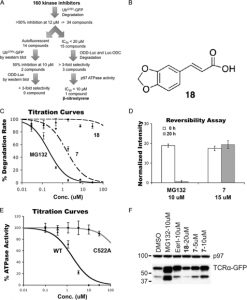
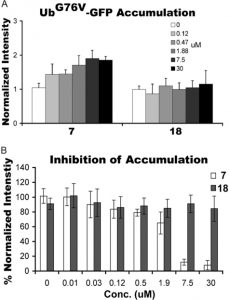
MNS (3,4-methyl-enedioxy-β-nitrostyrene) fully prevents platelet aggregation induced by 2 μM U46619 (a thromboxane A2 mimic), 5 μM ADP, 100 μM arachidonic acid (AA), 10 μg/ml collagen, and 0.1 U/ml thrombin in a concentration-dependent manner, with IC50 values of 2.1 μM, 4.1 μM, 5.8 μM, 7.0 μM, and 12.7 μM, in that order. MNS has an IC50 of 25.9 μM for the calcium ionophore A23187 (1 μM) and 4.8 μM for the protein kinase C (PKC) activator PDBu (200 nM), which both prevent platelet aggregation. P-selectin expression on platelets induced by dthrombin is reduced by MNS (20 μM) to levels similar to those seen in platelets treated with PGE1. MNS (20 μM) significantly prevents platelets from becoming phosphorylated MARCKS in response to thrombin, but not PDBu. MNS (20 μM) significantly reduces the phosphorylation of proteins at the 0.5- or 3-minute mark following platelet stimulation with thrombin or collagen.[1] MNS induces the degradation of ODD-Luc and UbG76V-GFP, with IC50 values of 5.9 μM and 1.6 μM, respectively. MNS has an IC50 of 2.1 μM and prevents the reporter from accumulating when MG132 is present.[2] With minimum inhibitory concentrations (MICs) of 128 mg/L, MNS inhibits both Gram-positive (Staphylococcus aureus and Enterococcus faecalis) and Gram-negative (Escherichia coli and Pseudomonas aeruginosa) bacteria.[3] Protein tyrosine phosphorylation and platelet aggregation are both significantly inhibited by MNS, in comparison to genistein. Similar in its potency to 3,4-dimethoxy-β-nitrostyrene, MNS (3,4-Methylenedioxy-β-nitrostyrene) inhibits platelet aggregation. ATP release from platelets stimulated by collagen or thrombin is inhibited concentration-dependently by MNS (20 μM). Human platelets are unable to bind to PAC-1 when thrombin is present (20 μM).[4]
In recombinant human Topo IIα assays, MNS (NSC 170724, MDBN) inhibited enzyme-mediated DNA religation and stabilized Topo II-DNA cleavage complexes, with a Ki of 0.35 μM and IC50 of 0.7 μM for inducing DNA cleavage [1] - In a panel of human cancer cell lines (HL-60, MCF-7, A549, HCT116, K562), MNS (NSC 170724, MDBN) exhibited potent antiproliferative activity with IC50 values ranging from 0.2 to 1.8 μM. After 72 hours of treatment, the 1 μM concentration reduced cell viability by 60-80% across different cell lines [3] - In HL-60 leukemia cells, MNS (NSC 170724, MDBN) (0.5 μM) induced apoptosis, as evidenced by increased Annexin V-positive cells (42% vs. 3% in control) and activation of caspase-3/7 (3.2-fold vs. control) after 48 hours. It also caused DNA fragmentation (comet assay tail moment increased by 4.5-fold) [4] - In MCF-7 breast cancer cells, MNS (NSC 170724, MDBN) (0.8 μM) induced G2/M cell cycle arrest, with the percentage of cells in G2/M phase increasing from 12% (control) to 38% after 24 hours. Western blot analysis showed upregulation of p21 and downregulation of cyclin B1 [2] - MNS (NSC 170724, MDBN) (1 μM) did not inhibit Topo I-mediated DNA relaxation in vitro, confirming selectivity for Topo II [3] |
| ln Vivo |
MNS (3,4-methyl-enedioxy-β-nitrostyrene) completely inhibits 2 μM U46619-(a thromboxane A2 mimic), 5 μM ADP-, 100 μM arachidonic acid-(AA), 10 μg/ml collagen-, and 0.1 U/ml thrombin-induced platelet aggregation in a concentration-dependent manner with IC50 of 2.1 μM, 4.1 μM, 5.8 μM, 7.0 μM, and 12.7 μM, respectively. MNS inhibits platelet aggregation caused by either the calcium ionophore A23187 (1 μM) or the protein kinase C (PKC) activator PDBu (200 nM) with IC50 of 25.9 μM and 4.8 μM, respectively. MNS (20 μM) decreases dthrombin-induced P-selectin expression on platelets to levels comparable to those observed in PGE1-treated platelets. MNS (20 μM) markedly inhibits thrombin-but not PDBu-induced MARCKS phosphorylation in platelets. MNS (20 μM) markedly inhibits protein tyrosine phosphorylation at either 0.5 min or 3 min after thrombin or collagen stimulation in platelets. MNS stimulates UbG76V-GFP and ODD-Luc degradation with IC50 of 1.6 μM and 5.9 μM, respectively. MNS inhibits MG132-induced accumulation of the reporter with IC50 of 2.1 μM. MNS inhibits Gram-positive (Staphylococcus aureus and Enterococcus faecalis) and Gram-negative (Escherichia coli and Pseudomonas aeruginosa) bacteria with minimum inhibitory concentrations (MICs) of 128 mg/L. MNS is much more potent than genistein in inhibiting platelet aggregation and protein tyrosine phosphorylation. MNS (3,4-Methylenedioxy-β-nitrostyrene) is equally potent as inhibitors of platelet aggregation as 3,4-dimethoxy-β-nitrostyrene. MNS (20 μM) concentration-dependently prevents ATP release from platelets stimulated by thrombin or collagen. MNS (20 μM) inhibits thrombin-induced PAC-1 binding to human platelets.
In nude mice bearing HL-60 leukemia xenografts, intraperitoneal administration of MNS (NSC 170724, MDBN) (5 mg/kg, once every 3 days for 4 weeks) significantly inhibited tumor growth. Tumor volume was reduced by 72% compared to vehicle-treated mice, with no significant loss of body weight [4] - In the same xenograft model, MNS (NSC 170724, MDBN) (5 mg/kg) treatment led to accumulation of DNA double-strand breaks (γ-H2AX foci increased by 3.8-fold) and activation of caspase-3 (cleaved caspase-3 levels increased by 2.9-fold) in tumor tissues, confirming on-target Topo II inhibition and apoptotic induction [4] - In BALB/c mice bearing 4T1 breast cancer xenografts, oral administration of MNS (NSC 170724, MDBN) (10 mg/kg/day for 3 weeks) reduced tumor volume by 65% and inhibited lung metastasis (metastatic nodules reduced by 58%) compared to vehicle controls [2] |
| Enzyme Assay |
Topo IIα DNA cleavage assay: Recombinant human Topo IIα was incubated with supercoiled plasmid DNA and MNS (NSC 170724, MDBN) (0.01-10 μM) in assay buffer at 37°C for 60 minutes. The reaction was terminated, and DNA products were separated by agarose gel electrophoresis. The intensity of linear DNA bands (cleaved product) was quantified to calculate IC50 for DNA cleavage [1]
- Topo IIα religation assay: Pre-formed Topo IIα-DNA cleavage complexes were incubated with MNS (NSC 170724, MDBN) (0.05-5 μM) at 37°C for 30 minutes. Religated circular DNA was separated by agarose gel electrophoresis, and the inhibition rate of religation was used to determine Ki [1] - Topo I selectivity assay: Recombinant human Topo I was incubated with supercoiled plasmid DNA and MNS (NSC 170724, MDBN) (0.1-50 μM) at 37°C for 60 minutes. DNA relaxation was visualized by agarose gel electrophoresis, and IC50 was determined if inhibition was observed [3] |
| Cell Assay |
Antiproliferation assay: Cancer cell lines (HL-60, MCF-7, A549, HCT116, K562) were seeded in 96-well plates at 3×10³ cells/well and cultured for 24 hours. MNS (NSC 170724, MDBN) was added at concentrations of 0.01-20 μM, and cells were incubated for 72 hours. Cell viability was assessed by MTT assay, and IC50 values were derived [3]
- Apoptosis and DNA damage assay: HL-60 cells were seeded in 6-well plates at 2×10⁵ cells/well and treated with MNS (NSC 170724, MDBN) (0.5 μM) for 48 hours. Annexin V-FITC/PI staining was performed for flow cytometric analysis of apoptotic cells, caspase-3/7 activity was measured by luminescent assay, and DNA fragmentation was detected by comet assay [4] - Cell cycle assay: MCF-7 cells were treated with MNS (NSC 170724, MDBN) (0.8 μM) for 24 hours. Cells were fixed, stained with propidium iodide, and analyzed by flow cytometry to determine cell cycle distribution. p21 and cyclin B1 levels were detected by Western blot [2] |
| Animal Protocol |
Nude mice (HL-60 xenograft model): 6-8 weeks old nude mice were subcutaneously inoculated with HL-60 leukemia cells (1×10⁷ cells/mouse). When tumors reached a volume of ~150 mm³, mice were randomly divided into vehicle and MNS (NSC 170724, MDBN) groups. MNS (NSC 170724, MDBN) was dissolved in DMSO and diluted with saline (final DMSO concentration ≤5%) and administered intraperitoneally at 5 mg/kg once every 3 days for 4 weeks. Vehicle-treated mice received DMSO/saline mixture. Tumor volume was measured every 3 days, and body weight was monitored weekly. Tumors were excised for γ-H2AX and cleaved caspase-3 detection [4]
- BALB/c mice (4T1 xenograft model): BALB/c mice were subcutaneously inoculated with 4T1 breast cancer cells (5×10⁵ cells/mouse). Three days after inoculation, MNS (NSC 170724, MDBN) was suspended in 0.5% carboxymethylcellulose sodium and administered orally at 10 mg/kg/day for 3 weeks. Vehicle-treated mice received carboxymethylcellulose sodium. Tumor volume was measured every 2 days, and lung metastatic nodules were counted at the end of the study [2] |
| Toxicity/Toxicokinetics |
In in vivo xenograft studies, MNS (NSC 170724, MDBN) did not cause significant weight loss (≤6% change from baseline) or obvious toxicity in mice at the test dose (5 mg/kg intraperitoneal injection, 10 mg/kg/day oral administration) [2][4] - In vitro studies showed that MNS (NSC 170724, MDBN) had reduced toxicity to normal human peripheral blood mononuclear cells (PBMCs) (IC50 > 10 μM), indicating a therapeutic window between cancer cells and normal cells [3] - MNS (NSC 170724, MDBN) had a plasma protein binding rate of 88-92% in mice and 90-94% in humans (in vitro plasma binding assay) [4] - No changes in liver function (ALT, AST) or kidney function (creatinine, AST) were observed compared with the carrier control group. BUN was observed in mice treated with MDBN (170724) [2].
|
| References | |
| Additional Infomation |
MNS (NSC 170724, MDBN) is a potent and selective topoisomerase II inhibitor. Its mechanism of action is to stabilize the topoisomerase II-DNA cleavage complex, prevent DNA rejoining, and induce DNA double-strand breaks [1]. Its mechanism of action leads to cell cycle arrest and apoptosis in the G2/M phase of cancer cells, and its selectivity for topoisomerase II is higher than that for topoisomerase I [2][3]. MNS (NSC 170724, MDBN) has shown antitumor activity against hematologic malignancies and solid tumors in vivo, including inhibition of metastasis in a breast cancer model [2][4]. Due to its high efficacy, selectivity, and good in vivo tolerability, this compound is expected to become a lead compound for the development of topoisomerase II-targeted anticancer drugs [3].
|
| Molecular Formula |
C9H7NO4
|
|
|---|---|---|
| Molecular Weight |
193.16
|
|
| Exact Mass |
193.037
|
|
| Elemental Analysis |
C, 55.96; H, 3.65; N, 7.25; O, 33.13
|
|
| CAS # |
1485-00-3
|
|
| Related CAS # |
|
|
| PubChem CID |
672296
|
|
| Appearance |
Light yellow to green yellow solid powder
|
|
| Density |
1.4±0.1 g/cm3
|
|
| Boiling Point |
334.9±11.0 °C at 760 mmHg
|
|
| Melting Point |
159-163 °C
|
|
| Flash Point |
168.8±21.3 °C
|
|
| Vapour Pressure |
0.0±0.7 mmHg at 25°C
|
|
| Index of Refraction |
1.640
|
|
| LogP |
2.27
|
|
| Hydrogen Bond Donor Count |
0
|
|
| Hydrogen Bond Acceptor Count |
4
|
|
| Rotatable Bond Count |
1
|
|
| Heavy Atom Count |
14
|
|
| Complexity |
248
|
|
| Defined Atom Stereocenter Count |
0
|
|
| SMILES |
O=[N+]([O-])/C=C/C1=CC(OCO2)=C2C=C1
|
|
| InChi Key |
KFLWBZPSJQPRDD-ONEGZZNKSA-N
|
|
| InChi Code |
InChI=1S/C9H7NO4/c11-10(12)4-3-7-1-2-8-9(5-7)14-6-13-8/h1-5H,6H2/b4-3+
|
|
| Chemical Name |
5-[(E)-2-nitroethenyl]-1,3-benzodioxole
|
|
| Synonyms |
SYK Inhibitor III; MNS
|
|
| HS Tariff Code |
2934.99.03.00
|
|
| Storage |
Powder -20°C 3 years 4°C 2 years In solvent -80°C 6 months -20°C 1 month |
|
| Shipping Condition |
Room temperature (This product is stable at ambient temperature for a few days during ordinary shipping and time spent in Customs)
|
| Solubility (In Vitro) |
DMSO : 39~50 mg/mL ( 201.9~258.9 mM )
H2O : ~0.7 mg/mL (~3.5 mM) |
|---|---|
| Solubility (In Vivo) |
Solubility in Formulation 1: 2.5 mg/mL (12.94 mM) (saturation unknown) in 10% DMSO + 40% PEG300 + 5% Tween80 + 45% Saline (add these co-solvents sequentially from left to right, and one by one), suspension solution; with sonication.
For example, if 1 mL of working solution is to be prepared, you can add 100 μL of 25.0 mg/mL clear DMSO stock solution to 400 μL PEG300 and mix evenly; then add 50 μL Tween-80 to the above solution and mix evenly; then add 450 μL normal saline to adjust the volume to 1 mL. Preparation of saline: Dissolve 0.9 g of sodium chloride in 100 mL ddH₂ O to obtain a clear solution. Solubility in Formulation 2: ≥ 2.5 mg/mL (12.94 mM) (saturation unknown) in 10% DMSO + 90% Corn Oil (add these co-solvents sequentially from left to right, and one by one), clear solution. For example, if 1 mL of working solution is to be prepared, you can add 100 μL of 25.0 mg/mL clear DMSO stock solution to 900 μL of corn oil and mix evenly. View More
Solubility in Formulation 3: 2% DMSO + corn oil: 5mg/ml |
| Preparing Stock Solutions | 1 mg | 5 mg | 10 mg | |
| 1 mM | 5.1771 mL | 25.8853 mL | 51.7706 mL | |
| 5 mM | 1.0354 mL | 5.1771 mL | 10.3541 mL | |
| 10 mM | 0.5177 mL | 2.5885 mL | 5.1771 mL |
*Note: Please select an appropriate solvent for the preparation of stock solution based on your experiment needs. For most products, DMSO can be used for preparing stock solutions (e.g. 5 mM, 10 mM, or 20 mM concentration); some products with high aqueous solubility may be dissolved in water directly. Solubility information is available at the above Solubility Data section. Once the stock solution is prepared, aliquot it to routine usage volumes and store at -20°C or -80°C. Avoid repeated freeze and thaw cycles.
Calculation results
Working concentration: mg/mL;
Method for preparing DMSO stock solution: mg drug pre-dissolved in μL DMSO (stock solution concentration mg/mL). Please contact us first if the concentration exceeds the DMSO solubility of the batch of drug.
Method for preparing in vivo formulation::Take μL DMSO stock solution, next add μL PEG300, mix and clarify, next addμL Tween 80, mix and clarify, next add μL ddH2O,mix and clarify.
(1) Please be sure that the solution is clear before the addition of next solvent. Dissolution methods like vortex, ultrasound or warming and heat may be used to aid dissolving.
(2) Be sure to add the solvent(s) in order.
| NCT Number | Recruitment | interventions | Conditions | Sponsor/Collaborators | Start Date | Phases |
| NCT05016765 | Completed | Device: Active, self-directed electrical stimulation of the median nerve |
Tic Disorder, Chronic Motor or Vocal Tourette Syndrome |
Washington University School of Medicine |
November 18, 2021 | Not Applicable |
| NCT02278068 | Completed | Device: Metabolic Neuromodulation System (MNS) |
Endocrine, Nutritional and Metabolic Diseases (E00-E89) Diabetes |
Metavention | October 2014 | Not Applicable |
| NCT02971371 | Completed | Device: Lokomat | Stroke | IRCCS Centro Neurolesi "Bonino-Pulejo" |
October 2015 | Not Applicable |
|
|---|
|
Products are for research use only; We do not sell to patients
Copyright 2020 InvivoChem LLC | All Rights Reserved


 COA
COA