| Size | Price | Stock | Qty |
|---|---|---|---|
| 5mg |
|
||
| 10mg |
|
||
| 25mg |
|
||
| 50mg |
|
||
| 100mg |
|
||
| Other Sizes |


| Targets |
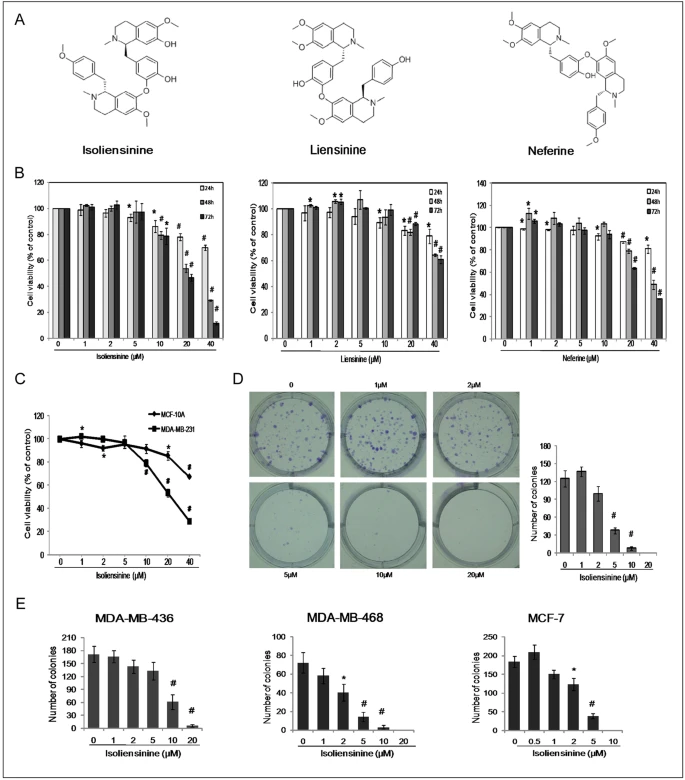
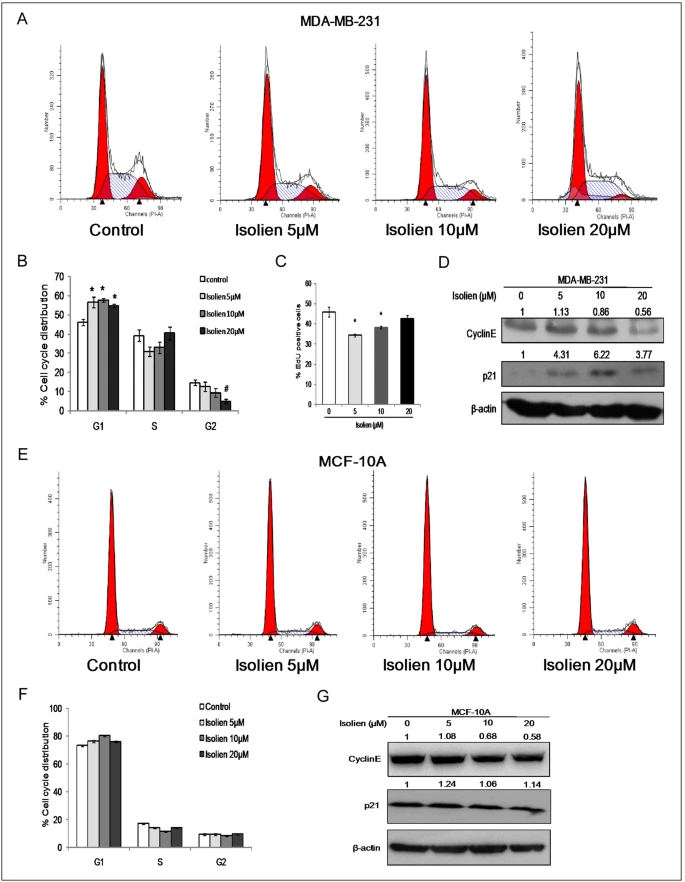
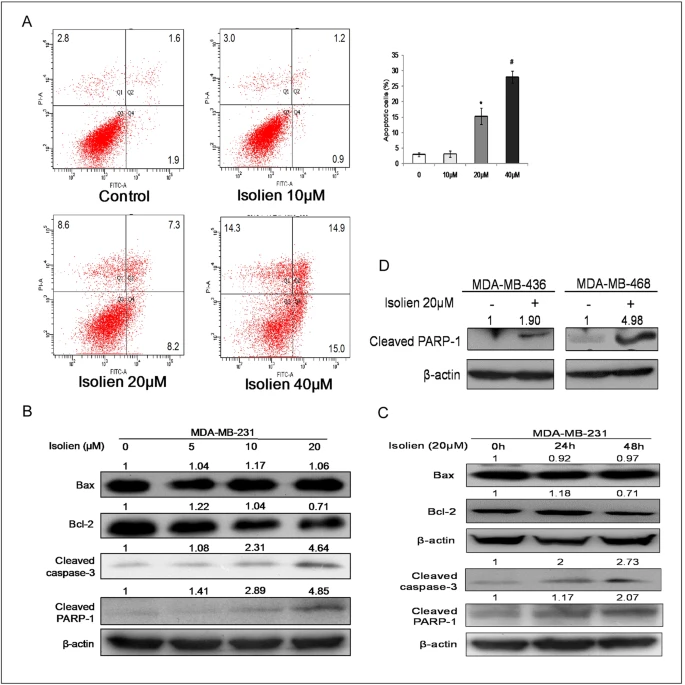
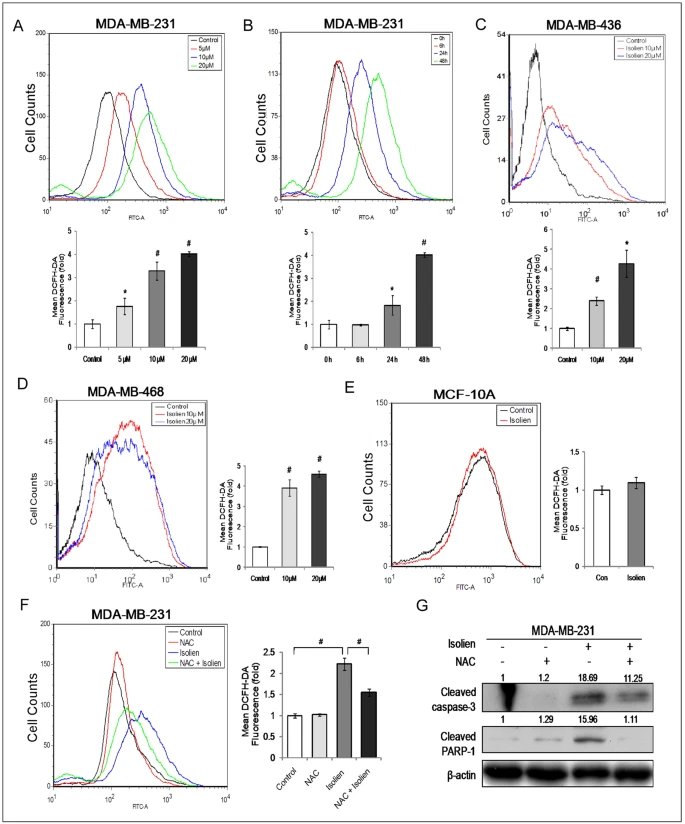
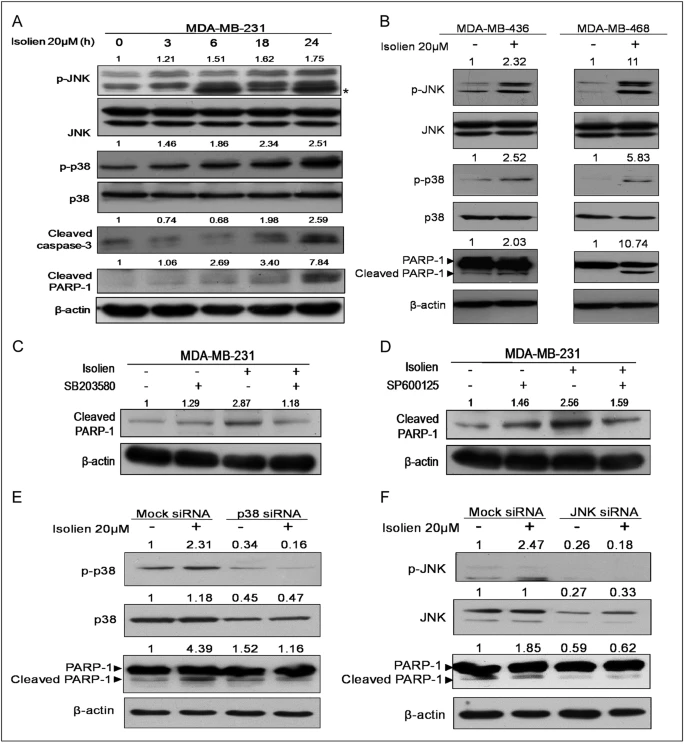
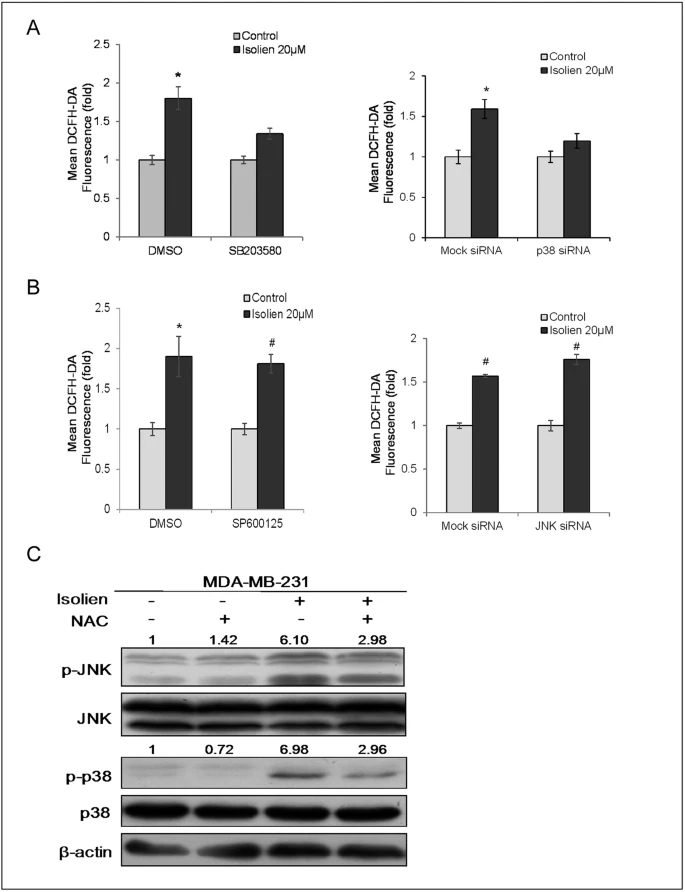
Isoliensinine induces apoptosis in triple-negative human breast cancer cells through ROS generation and p38 MAPK/JNK activation[1].
On CASMCs induced by phenylephrine, isoliensinine has an antiproliferative effect. Its mechanisms involve reducing the overexpression of growth factors (PDGF-beta, bFGF), protooncogenes (c-fos, c-myc), and hsp70[3]. Isoliensinine exerts its effects through various mechanisms depending on the pathological condition it targets. It induces apoptosis in triple-negative human breast cancer cells through ROS generation and p38 MAPK/JNK activation. The compound exhibits antiproliferative effects on coronary arterial smooth muscle cells (CASMCs) induced by phenylephrine, and its mechanism is connected to lowering the overexpression of growth factors (PDGF-β, bFGF), proto-oncogenes (c-fos, c-myc), and hsp70. In the context of pulmonary fibrosis, isoliensinine shows significant inhibitory effects, likely due to its antioxidant and anti-inflammatory activities, as well as its ability to suppress the overexpression of tumor necrosis factor-alpha (TNF-α) and transforming growth factor-beta 1 (TGF-β1). In addition to its anticancer and antifibrotic activities, isoliensinine also exhibits cardiovascular benefits by inhibiting the proliferation of coronary arterial smooth muscle cells. The compound's diverse targets include growth factors, proto-oncogenes, stress proteins, and inflammatory cytokines, reflecting its multi-targeted mechanism of action. |
|---|---|
| ln Vitro |
Isoliensinine promotes apoptosis in triple-negative human breast cancer cells through ROS production and p38 MAPK/JNK activation [1]. Isorisinine has an anti-proliferative effect on phenylephrine-induced CASMCs, and its mechanism is connected to lowering the overexpression of growth factors (PDGF-β, bFGF), proto-oncogenes (c-fos, c-myc) and hsp70[3].
In vitro studies have demonstrated that isoliensinine promotes apoptosis in triple-negative human breast cancer cells through ROS production and p38 MAPK/JNK activation. The compound exerts antiproliferative effects on phenylephrine-induced coronary arterial smooth muscle cells (CASMCs), with its mechanism linked to reducing the overexpression of growth factors (PDGF-β, bFGF), proto-oncogenes (c-fos, c-myc), and hsp70. Isoliensinine also possesses significant inhibitory effects on bleomycin-induced pulmonary fibrosis, likely due to its antioxidant and/or anti-inflammatory activities and its ability to inhibit the overexpression of TNF-α and TGF-β1 induced by bleomycin. The compound's anticancer, anti-fibrosis, anti-proliferative, antioxidant, and anti-inflammatory activities have been well documented. Additionally, isoliensinine has been shown to possess anti-HIV properties, further expanding its potential therapeutic applications. The compound's ability to modulate multiple cellular pathways makes it a valuable tool for studying various disease mechanisms. |
| ln Vivo |
In vivo activity data for isoliensinine, while limited, indicate significant potential in various disease models. The compound has shown inhibitory effects on bleomycin-induced pulmonary fibrosis in mice, primarily through its antioxidant, anti-inflammatory activities, and suppression of TNF-α and TGF-β1 overexpression. Its cardiovascular benefits, including inhibition of coronary arterial smooth muscle cell proliferation, suggest potential therapeutic applications in vascular diseases. The compound's anti-diabetic and anti-HIV activities have also been reported, though specific in vivo efficacy data in these areas are limited. As a bisbenzylisoquinoline alkaloid with promising drug-like properties, isoliensinine continues to be investigated for its potential in treating various pathological conditions. However, comprehensive in vivo pharmacokinetic and pharmacodynamic studies are needed to fully characterize its therapeutic potential and establish appropriate dosing regimens for different disease indications.
|
| Enzyme Assay |
In vitro non-cell enzyme/receptor binding assays for isoliensinine typically involve measuring the compound's effects on specific enzymes or receptors in cell-free systems. For example, the inhibition of TNF-α and TGF-β1 can be assessed using ELISA-based assays with recombinant proteins. The compound's antioxidant activity can be measured using DPPH radical scavenging assays or other cell-free antioxidant capacity tests. Additionally, the binding affinity of isoliensinine to its molecular targets, such as growth factors or proto-oncogene products, can be evaluated using surface plasmon resonance or isothermal titration calorimetry. These assays provide quantitative data on the compound's direct interactions with its targets without the confounding effects of cellular metabolism or membrane permeability. Standard protocols involve incubating the compound with the target protein or enzyme in appropriate buffer systems, followed by detection of binding or enzymatic activity using spectrophotometric, fluorometric, or radiometric methods.
|
| Cell Assay |
In vitro cell-based assays for isoliensinine typically utilize triple-negative breast cancer cell lines to evaluate its pro-apoptotic effects. Cells are cultured in appropriate media and treated with varying concentrations of isoliensinine for specified periods, typically 24-72 hours. Apoptosis is assessed using Annexin V/PI staining followed by flow cytometry, while ROS generation is measured using fluorescent probes such as DCFH-DA. The activation of p38 MAPK and JNK pathways is confirmed by Western blotting using phospho-specific antibodies. For antiproliferative studies, coronary arterial smooth muscle cells (CASMCs) induced by phenylephrine are used, and cell proliferation is assessed using MTT or BrdU incorporation assays. The expression of growth factors (PDGF-β, bFGF), proto-oncogenes (c-fos, c-myc), and hsp70 is measured by qPCR or Western blotting. For anti-inflammatory studies, macrophages or other immune cells stimulated with LPS can be used to evaluate the compound's effects on cytokine production.
|
| Animal Protocol |
In vivo animal studies for isoliensinine typically employ mouse models of pulmonary fibrosis induced by bleomycin. The compound is administered to the animals, and parameters such as lung histopathology, hydroxyproline content (a marker of collagen deposition), and inflammatory cytokine levels (TNF-α, TGF-β1) are assessed. The compound's antioxidant and anti-inflammatory activities are evaluated by measuring oxidative stress markers and inflammatory cell infiltration in lung tissues. For cardiovascular studies, animal models of vascular injury or hypertension may be used to assess the compound's effects on smooth muscle cell proliferation and vascular function. Standard protocols involve oral or intraperitoneal administration of isoliensinine, followed by tissue collection and analysis at various time points. The compound's efficacy in these models is compared to vehicle controls or positive control drugs.
|
| ADME/Pharmacokinetics |
Isoliensinine has a molecular weight of 610.74 g/mol and a molecular formula of C₃₇H₄₂N₂O₆. It has a density of 1.2±0.1 g/cm³, a boiling point of 723.1±60.0 °C at 760 mmHg, and a melting point of 69-71°C. The compound has a LogP of 4.72, indicating moderate lipophilicity, which may affect its absorption and distribution. It has two hydrogen bond donors, eight hydrogen bond acceptors, and nine rotatable bonds. The compound is poorly soluble in aqueous media, which may limit its oral bioavailability. For research purposes, isoliensinine is typically dissolved in DMSO or other organic solvents for in vitro studies. The compound should be stored as a powder at -20°C for long-term stability. Detailed pharmacokinetic parameters such as half-life, volume of distribution, and clearance have not been extensively characterized.
|
| Toxicity/Toxicokinetics |
The toxicity profile of isoliensinine has not been comprehensively evaluated in published studies. As a natural alkaloid from lotus seed embryos, it is generally considered to have moderate toxicity, typical of alkaloid compounds. The compound's ability to induce ROS generation and apoptosis suggests that it may have significant biological effects that require careful evaluation. However, no specific toxicity data, such as LD₅₀ values or organ-specific toxicity, have been reported in the available literature. In cell-based assays, isoliensinine has been shown to be effective at inducing apoptosis in cancer cells without causing significant toxicity to normal cells, suggesting some degree of selectivity. The compound is classified as a research reagent and is not intended for human therapeutic use without further safety evaluation. Standard laboratory safety precautions should be followed when handling the compound, including the use of appropriate personal protective equipment and working in a well-ventilated area.
|
| References |
|
| Additional Infomation |
Isoliensinine is a type of isoquinoline compound. It has been reported that lotus (Nelumbo nucifera) contains Isoliensinine, and relevant data is available for reference.
Isoliensinine is a bisbenzylisoquinoline alkaloid found in the seed embryo of Nelumbo nucifera (lotus), a plant with a long history of use in traditional medicine. It is also known by various synonyms and is commercially available as a high-purity research compound (≥98%). The compound has garnered attention due to its wide range of pharmacological effects, including antitumor, cardioprotective, antioxidant, antidepressant, anti-HIV, and anti-diabetic properties. Despite its poor solubility in aqueous media, isoliensinine's beneficial effects make it a promising lead compound for further research and drug development. The compound is not approved for clinical use and is intended for research purposes only. Studies have shown that isoliensinine can induce apoptosis in triple-negative breast cancer cells through ROS generation and p38 MAPK/JNK activation, and it exhibits antiproliferative effects on coronary arterial smooth muscle cells. The compound's mechanism of action involves the modulation of growth factors, proto-oncogenes, and inflammatory cytokines. |
| Molecular Formula |
C37H42N2O6
|
|---|---|
| Molecular Weight |
610.7392
|
| Exact Mass |
610.304
|
| CAS # |
6817-41-0
|
| Related CAS # |
6817-41-0
|
| PubChem CID |
5274591
|
| Appearance |
White to off-white solid
|
| Density |
1.2±0.1 g/cm3
|
| Boiling Point |
723.1±60.0 °C at 760 mmHg
|
| Melting Point |
69-71℃
|
| Flash Point |
391.1±32.9 °C
|
| Vapour Pressure |
0.0±2.4 mmHg at 25°C
|
| Index of Refraction |
1.618
|
| Source |
Originated from plants: Nymphaeaceae Nelumbo nucifera Gaertn.
|
| LogP |
4.72
|
| Hydrogen Bond Donor Count |
2
|
| Hydrogen Bond Acceptor Count |
8
|
| Rotatable Bond Count |
9
|
| Heavy Atom Count |
45
|
| Complexity |
917
|
| Defined Atom Stereocenter Count |
2
|
| SMILES |
O(C1=C(C([H])=C([H])C(=C1[H])C([H])([H])[C@]1([H])C2=C([H])C(=C(C([H])=C2C([H])([H])C([H])([H])N1C([H])([H])[H])OC([H])([H])[H])O[H])O[H])C1=C(C([H])=C2C([H])([H])C([H])([H])N(C([H])([H])[H])[C@]([H])(C([H])([H])C3C([H])=C([H])C(=C([H])C=3[H])OC([H])([H])[H])C2=C1[H])OC([H])([H])[H]
|
| InChi Key |
AJPXZTKPPINUKN-FIRIVFDPSA-N
|
| InChi Code |
InChI=1S/C37H42N2O6/c1-38-15-13-26-20-36(44-5)37(22-29(26)30(38)16-23-6-9-27(42-3)10-7-23)45-35-18-24(8-11-32(35)40)17-31-28-21-33(41)34(43-4)19-25(28)12-14-39(31)2/h6-11,18-22,30-31,40-41H,12-17H2,1-5H3/t30-,31-/m1/s1
|
| Chemical Name |
(1R)-1-[[4-hydroxy-3-[[(1R)-6-methoxy-1-[(4-methoxyphenyl)methyl]-2-methyl-3,4-dihydro-1H-isoquinolin-7-yl]oxy]phenyl]methyl]-6-methoxy-2-methyl-3,4-dihydro-1H-isoquinolin-7-ol
|
| Synonyms |
Isoliensinine
|
| HS Tariff Code |
2934.99.9001
|
| Storage |
Powder -20°C 3 years 4°C 2 years In solvent -80°C 6 months -20°C 1 month Note: This product requires protection from light (avoid light exposure) during transportation and storage. |
| Shipping Condition |
Room temperature (This product is stable at ambient temperature for a few days during ordinary shipping and time spent in Customs)
|
| Solubility (In Vitro) |
DMSO: 50~100 mg/mL(81.9~163.7 mM)
Ethanol: ~100 mg/mL(~163.7 mM) |
|---|---|
| Solubility (In Vivo) |
Solubility in Formulation 1: ≥ 2.5 mg/mL (4.09 mM) (saturation unknown) in 10% DMSO + 40% PEG300 + 5% Tween80 + 45% Saline (add these co-solvents sequentially from left to right, and one by one), clear solution.
For example, if 1 mL of working solution is to be prepared, you can add 100 μL of 25.0 mg/mL clear DMSO stock solution to 400 μL PEG300 and mix evenly; then add 50 μL Tween-80 to the above solution and mix evenly; then add 450 μL normal saline to adjust the volume to 1 mL. Preparation of saline: Dissolve 0.9 g of sodium chloride in 100 mL ddH₂ O to obtain a clear solution. Solubility in Formulation 2: ≥ 2.5 mg/mL (4.09 mM) (saturation unknown) in 10% DMSO + 90% (20% SBE-β-CD in Saline) (add these co-solvents sequentially from left to right, and one by one), clear solution. For example, if 1 mL of working solution is to be prepared, you can add 100 μL of 25.0 mg/mL clear DMSO stock solution to 900 μL of 20% SBE-β-CD physiological saline solution and mix evenly. Preparation of 20% SBE-β-CD in Saline (4°C,1 week): Dissolve 2 g SBE-β-CD in 10 mL saline to obtain a clear solution. View More
Solubility in Formulation 3: ≥ 2.5 mg/mL (4.09 mM) (saturation unknown) in 10% DMSO + 90% Corn Oil (add these co-solvents sequentially from left to right, and one by one), clear solution. |
| Preparing Stock Solutions | 1 mg | 5 mg | 10 mg | |
| 1 mM | 1.6374 mL | 8.1868 mL | 16.3736 mL | |
| 5 mM | 0.3275 mL | 1.6374 mL | 3.2747 mL | |
| 10 mM | 0.1637 mL | 0.8187 mL | 1.6374 mL |
*Note: Please select an appropriate solvent for the preparation of stock solution based on your experiment needs. For most products, DMSO can be used for preparing stock solutions (e.g. 5 mM, 10 mM, or 20 mM concentration); some products with high aqueous solubility may be dissolved in water directly. Solubility information is available at the above Solubility Data section. Once the stock solution is prepared, aliquot it to routine usage volumes and store at -20°C or -80°C. Avoid repeated freeze and thaw cycles.
Calculation results
Working concentration: mg/mL;
Method for preparing DMSO stock solution: mg drug pre-dissolved in μL DMSO (stock solution concentration mg/mL). Please contact us first if the concentration exceeds the DMSO solubility of the batch of drug.
Method for preparing in vivo formulation::Take μL DMSO stock solution, next add μL PEG300, mix and clarify, next addμL Tween 80, mix and clarify, next add μL ddH2O,mix and clarify.
(1) Please be sure that the solution is clear before the addition of next solvent. Dissolution methods like vortex, ultrasound or warming and heat may be used to aid dissolving.
(2) Be sure to add the solvent(s) in order.
|
|
|
|
|
|
Products are for research use only; We do not sell to patients
Copyright 2020 InvivoChem LLC | All Rights Reserved