| Size | Price | Stock | Qty |
|---|---|---|---|
| 5mg |
|
||
| 10mg |
|
||
| 25mg |
|
||
| 50mg | |||
| 100mg | |||
| Other Sizes |


| Targets |
CIP2A; Apoptosis
- Cancerous inhibitor of protein phosphatase 2A (CIP2A) [1] - AKT/c-Myc signaling pathway [1] - Colorectal cancer cells (HCT116: IC50 = 2.3 ± 0.2 μM; SW480: IC50 = 3.1 ± 0.3 μM) [1] |
|---|---|
| ln Vitro |
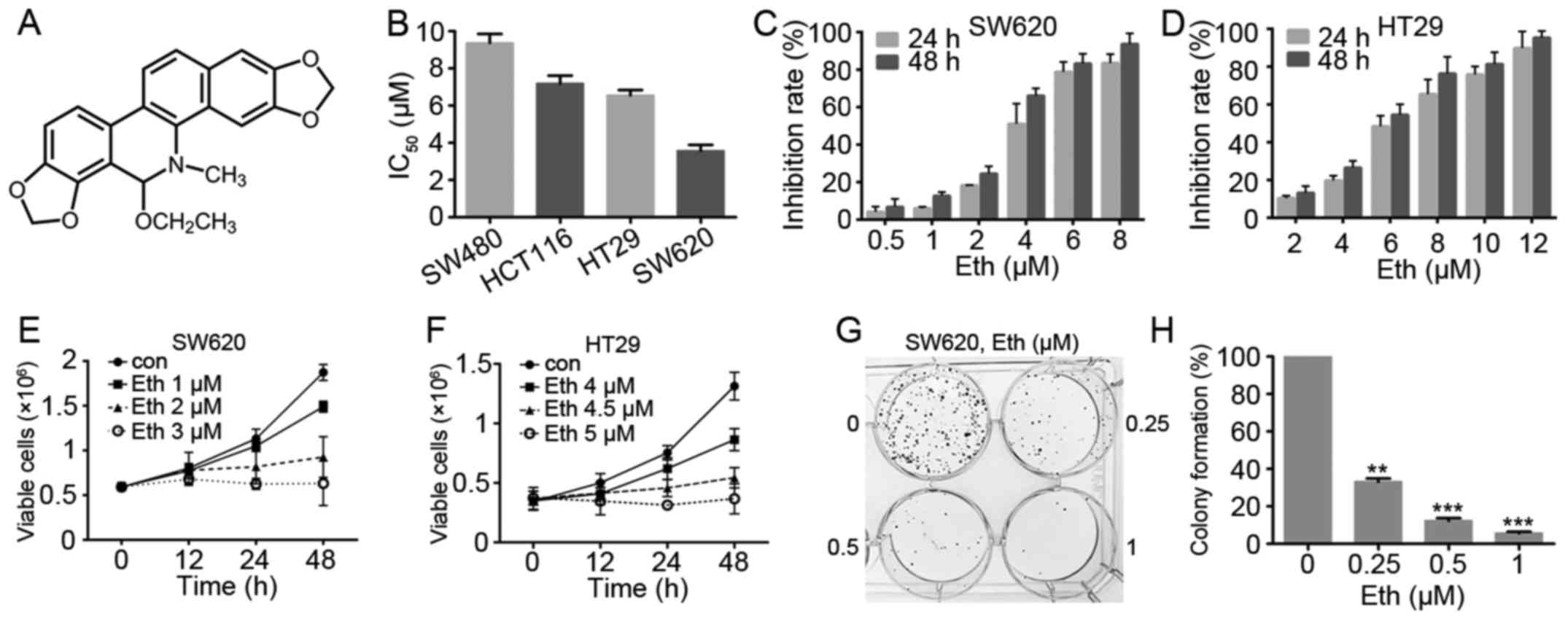
Ethoxysanguinarine has an IC50 of 9.37 μM (for SW480 cells), 7.19 μM (for HCT116 cells), 6.55 M (for HT69 cells), and 3.57 μM (for SW620 cells)[1].
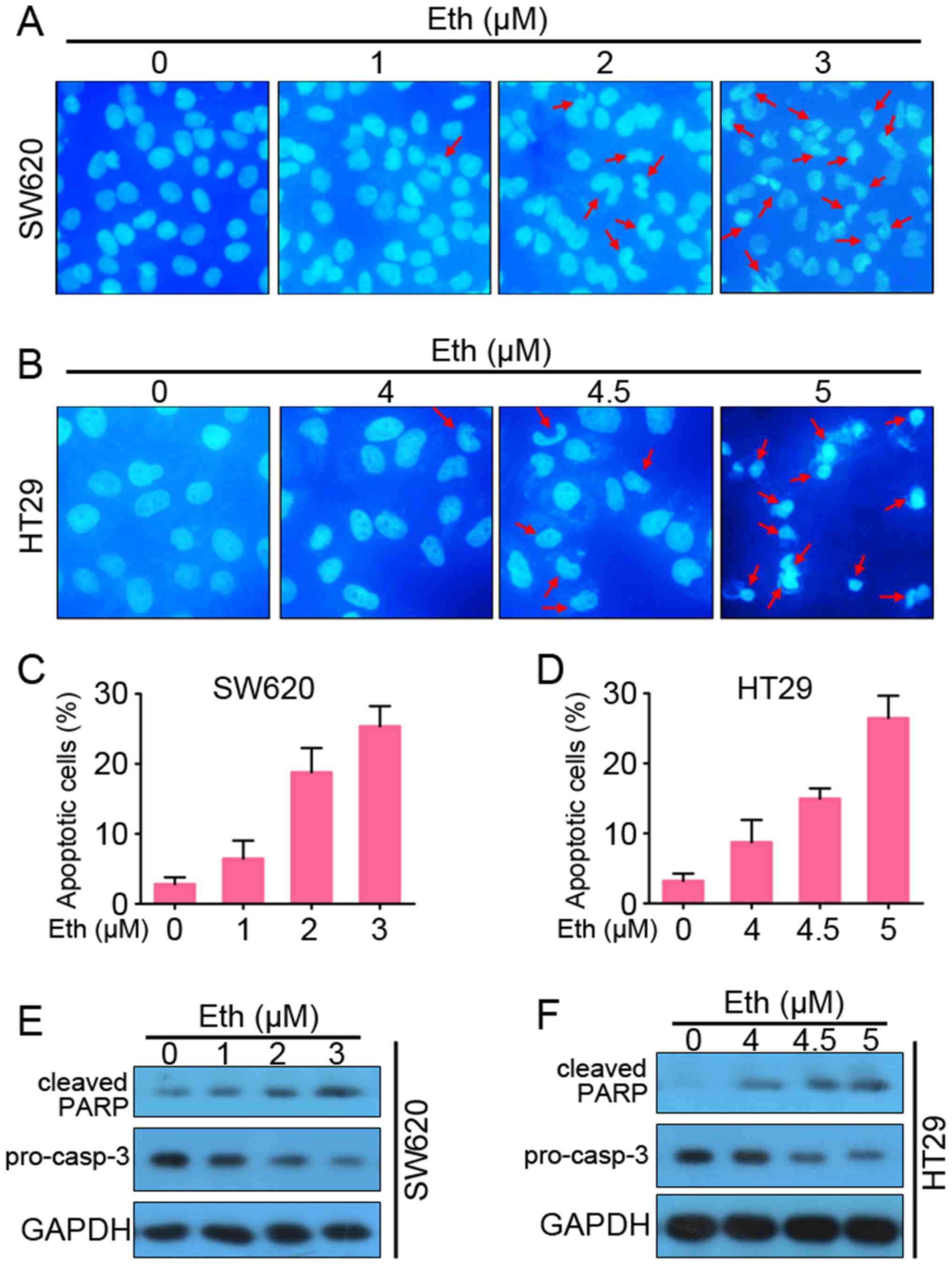
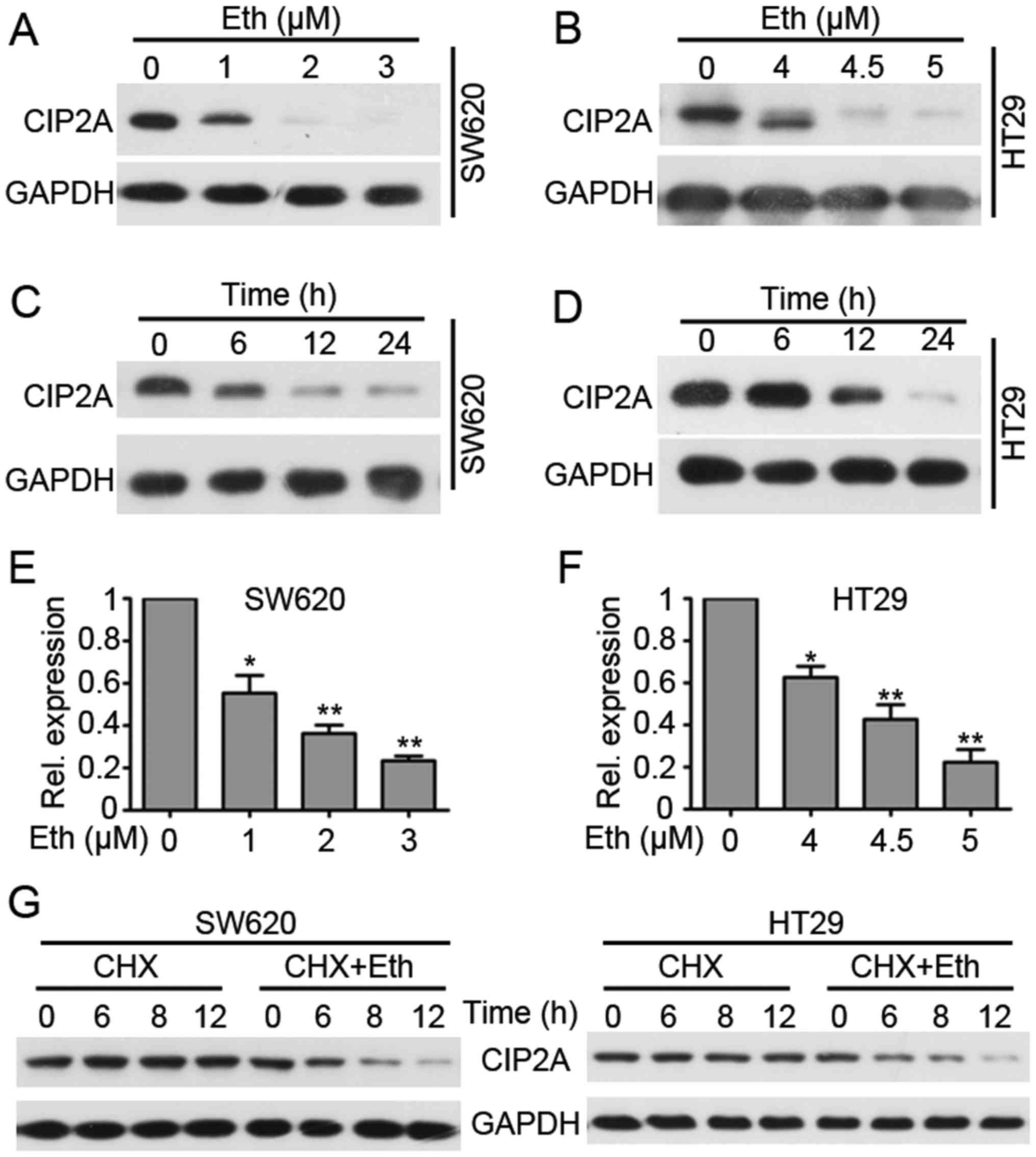
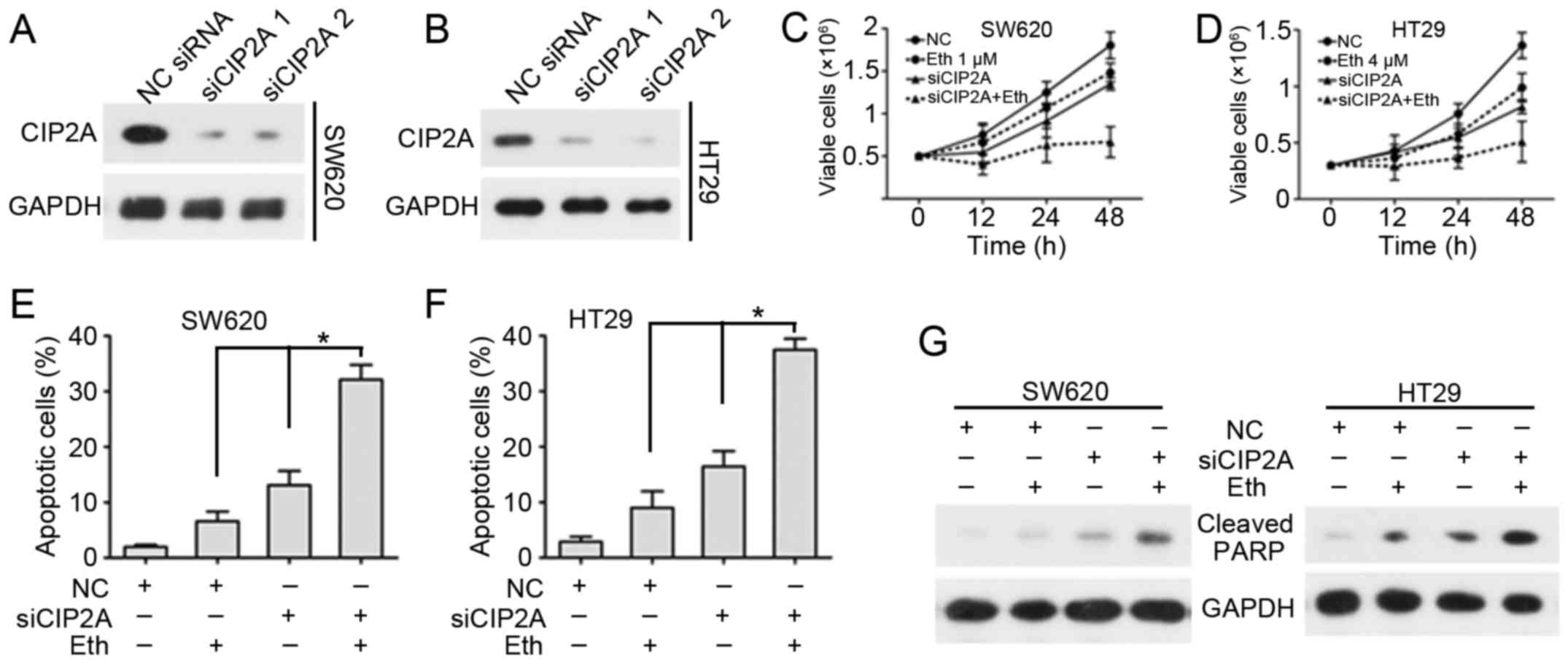
Ethoxysanguinarine (3 μM or 5 μM, 24 h) down-regulates phospho-Akt and reduces CIP2A/PP2A/Akt pathway expression in the SW620 and HT29 cells[1]. Ethoxysanguinarine (3 μM or 5 μM, 24 h) increases PP2A activity and prevents phosphorylation of the protein kinase B downstream of CIP2A. [1]. Ethoxysanguinarine (1-3 μM or 4.5-5 μM, 24 h) decreases CIP2A transcription (protein level) and induces CIP2A proteolysis in the SW620 and HT29 cells[1]. - Ethoxysanguinarine exhibited dose-dependent inhibitory activity against colorectal cancer cell viability. For HCT116 cells, IC50 was 2.3 ± 0.2 μM; for SW480 cells, IC50 was 3.1 ± 0.3 μM (48-hour incubation) [1] - It induced apoptosis in colorectal cancer cells: 5 μM Ethoxysanguinarine increased the apoptotic rate of HCT116 cells by 42±3% and SW480 cells by 38±2% (Annexin V-FITC/PI staining) [1] - The compound downregulated CIP2A expression at both protein and mRNA levels: 5 μM reduced CIP2A protein by 68±4% and mRNA by 65±3% in HCT116 cells [1] - It suppressed the AKT/c-Myc signaling pathway: 5 μM decreased p-AKT (Ser473) by 59±3%, total AKT by 22±2%, and c-Myc by 62±4% in HCT116 cells [1] - It inhibited colony formation of colorectal cancer cells: 2 μM Ethoxysanguinarine reduced HCT116 colony number by 55±4% and SW480 by 51±3% [1] - It showed low cytotoxicity to normal human colonic epithelial cells (CCD-841-CoN): cell viability remained above 85% at concentrations up to 10 μM [1] |
| ln Vivo |
Ethoxysanguinarine (0.5 mg/kg; s.c.; 5 times per week; 4 weeks) inhibits the development of colorectal cancer (CRC) xenograft tumors in mice[1].
- In nude mouse xenograft model of colorectal cancer (HCT116 cells): Intraperitoneal injection of Ethoxysanguinarine (5 mg/kg every other day for 21 days) inhibited tumor growth. Tumor volume was reduced by 58±4%, and tumor weight by 62±3% compared to the control group [1] - It downregulated CIP2A and c-Myc expression in xenograft tumors: 5 mg/kg Ethoxysanguinarine reduced CIP2A protein by 61±4% and c-Myc by 57±3% [1] - The compound induced apoptosis in xenograft tumor tissues: TUNEL staining showed apoptotic cells increased by 39±3% in the treatment group [1] |
| Cell Assay |
- Cell viability assay: HCT116 and SW480 cells were seeded in 96-well plates (5×10³ cells/well) and incubated overnight. Ethoxysanguinarine (0.5–10 μM) was added, and cells were cultured for 48 hours. CCK-8 reagent was added, and absorbance was measured at 450 nm to calculate IC50 values [1]
- Apoptosis assay: Cancer cells were seeded in 6-well plates (2×10⁵ cells/well), treated with Ethoxysanguinarine (2.5, 5 μM) for 48 hours. Cells were stained with Annexin V-FITC and PI, then analyzed by flow cytometry [1] - Protein and mRNA expression assay: Cells were treated with the compound (2.5, 5 μM) for 48 hours. Total protein was extracted for Western blot (CIP2A, AKT, p-AKT, c-Myc); total RNA was extracted for RT-PCR to detect CIP2A mRNA level [1] - Colony formation assay: Cells were seeded in 6-well plates (500 cells/well), treated with Ethoxysanguinarine (1, 2, 5 μM) for 14 days. Colonies were fixed, stained, and counted [1] - Normal cell cytotoxicity assay: CCD-841-CoN cells were treated with the compound (0.5–10 μM) for 48 hours, and cell viability was measured by CCK-8 assay [1] |
| Animal Protocol |
- Nude mouse xenograft model: BALB/c nude mice (4–6 weeks old) were subcutaneously injected with HCT116 cells (5×10⁶ cells/mouse) into the right flank. When tumors reached 100–150 mm³, mice were randomly divided into control (vehicle) and Ethoxysanguinarine groups (5 mg/kg, intraperitoneal injection every other day for 21 days). Tumor volume was measured every 3 days; mice were sacrificed at the end, and tumors were weighed, collected for Western blot and TUNEL staining [1]
|
| Toxicity/Toxicokinetics |
Ethoxysanthemine exhibits low cytotoxicity against normal colonic epithelial cells (CCD-841-CoN), with cell viability >85% at a concentration of 10 μM [1]. - No significant systemic toxicity was observed in nude mice: body weight remained stable, and histological examination revealed no significant organ damage (liver, kidney) [1].
|
| References | |
| Additional Infomation |
Ethoxysanguinarine is a benzophenanthridine alkaloid derived from poppy plants[1]. Its anti-colorectal cancer mechanism involves inhibiting CIP2A, thereby inhibiting the AKT/c-Myc signaling pathway, inducing apoptosis of cancer cells and inhibiting their proliferation[1]. Its selectivity for colorectal cancer cells is much higher than that for normal colonic epithelial cells, suggesting that it has the potential to be a targeted anti-colorectal cancer drug[1].
|
| Molecular Formula |
C22H19NO5
|
|---|---|
| Molecular Weight |
377.3900
|
| Exact Mass |
377.126
|
| CAS # |
28342-31-6
|
| Related CAS # |
28342-31-6
|
| PubChem CID |
5317235
|
| Appearance |
White to yellow solid
|
| Density |
1.5±0.1 g/cm3
|
| Boiling Point |
563.7±50.0 °C at 760 mmHg
|
| Melting Point |
210-212℃(ethanol)
|
| Flash Point |
169.0±27.3 °C
|
| Vapour Pressure |
0.0±1.5 mmHg at 25°C
|
| Index of Refraction |
1.724
|
| Source |
Originated from plants: Papaveraceae Macleaya cordata (Willd.) R. Br.
|
| LogP |
4.45
|
| Hydrogen Bond Donor Count |
0
|
| Hydrogen Bond Acceptor Count |
6
|
| Rotatable Bond Count |
2
|
| Heavy Atom Count |
28
|
| Complexity |
589
|
| Defined Atom Stereocenter Count |
0
|
| SMILES |
O(C([H])([H])C([H])([H])[H])C1([H])C2C3=C(C([H])=C([H])C=2C2C([H])=C([H])C4=C([H])C5=C(C([H])=C4C=2N1C([H])([H])[H])OC([H])([H])O5)OC([H])([H])O3
|
| InChi Key |
FCEXWTOTHXCQCQ-UHFFFAOYSA-N
|
| InChi Code |
InChI=1S/C22H19NO5/c1-3-24-22-19-13(6-7-16-21(19)28-11-25-16)14-5-4-12-8-17-18(27-10-26-17)9-15(12)20(14)23(22)2/h4-9,22H,3,10-11H2,1-2H3
|
| Chemical Name |
23-ethoxy-24-methyl-5,7,18,20-tetraoxa-24-azahexacyclo[11.11.0.02,10.04,8.014,22.017,21]tetracosa-1(13),2,4(8),9,11,14(22),15,17(21)-octaene
|
| Synonyms |
Ethoxysanguinarine
|
| HS Tariff Code |
2934.99.9001
|
| Storage |
Powder -20°C 3 years 4°C 2 years In solvent -80°C 6 months -20°C 1 month Note: This product requires protection from light (avoid light exposure) during transportation and storage. |
| Shipping Condition |
Room temperature (This product is stable at ambient temperature for a few days during ordinary shipping and time spent in Customs)
|
| Solubility (In Vitro) |
DMSO: ~60 mg/mL (159.0 mM)
H2O: < 0.1 mg/mL (Insoluble) |
|---|---|
| Solubility (In Vivo) |
Solubility in Formulation 1: ≥ 2.08 mg/mL (5.51 mM) (saturation unknown) in 10% DMSO + 40% PEG300 + 5% Tween80 + 45% Saline (add these co-solvents sequentially from left to right, and one by one), clear solution.
For example, if 1 mL of working solution is to be prepared, you can add 100 μL of 20.8 mg/mL clear DMSO stock solution to 400 μL PEG300 and mix evenly; then add 50 μL Tween-80 to the above solution and mix evenly; then add 450 μL normal saline to adjust the volume to 1 mL. Preparation of saline: Dissolve 0.9 g of sodium chloride in 100 mL ddH₂ O to obtain a clear solution. Solubility in Formulation 2: 2.08 mg/mL (5.51 mM) in 10% DMSO + 90% (20% SBE-β-CD in Saline) (add these co-solvents sequentially from left to right, and one by one), suspension solution; with ultrasonication. For example, if 1 mL of working solution is to be prepared, you can add 100 μL of 20.8 mg/mL clear DMSO stock solution to 900 μL of 20% SBE-β-CD physiological saline solution and mix evenly. Preparation of 20% SBE-β-CD in Saline (4°C,1 week): Dissolve 2 g SBE-β-CD in 10 mL saline to obtain a clear solution. View More
Solubility in Formulation 3: ≥ 2.08 mg/mL (5.51 mM) (saturation unknown) in 10% DMSO + 90% Corn Oil (add these co-solvents sequentially from left to right, and one by one), clear solution. |
| Preparing Stock Solutions | 1 mg | 5 mg | 10 mg | |
| 1 mM | 2.6498 mL | 13.2489 mL | 26.4978 mL | |
| 5 mM | 0.5300 mL | 2.6498 mL | 5.2996 mL | |
| 10 mM | 0.2650 mL | 1.3249 mL | 2.6498 mL |
*Note: Please select an appropriate solvent for the preparation of stock solution based on your experiment needs. For most products, DMSO can be used for preparing stock solutions (e.g. 5 mM, 10 mM, or 20 mM concentration); some products with high aqueous solubility may be dissolved in water directly. Solubility information is available at the above Solubility Data section. Once the stock solution is prepared, aliquot it to routine usage volumes and store at -20°C or -80°C. Avoid repeated freeze and thaw cycles.
Calculation results
Working concentration: mg/mL;
Method for preparing DMSO stock solution: mg drug pre-dissolved in μL DMSO (stock solution concentration mg/mL). Please contact us first if the concentration exceeds the DMSO solubility of the batch of drug.
Method for preparing in vivo formulation::Take μL DMSO stock solution, next add μL PEG300, mix and clarify, next addμL Tween 80, mix and clarify, next add μL ddH2O,mix and clarify.
(1) Please be sure that the solution is clear before the addition of next solvent. Dissolution methods like vortex, ultrasound or warming and heat may be used to aid dissolving.
(2) Be sure to add the solvent(s) in order.
|
|
|
|
Products are for research use only; We do not sell to patients
Copyright 2020 InvivoChem LLC | All Rights Reserved