| Size | Price | Stock | Qty |
|---|---|---|---|
| 5mg |
|
||
| 10mg |
|
||
| 25mg |
|
||
| 50mg |
|
||
| 100mg |
|
||
| 250mg | |||
| Other Sizes |


Purity: ≥98%
| Targets |
ET-A
Endothelin A receptor (ETA) (Ki = 0.4 nM for human recombinant ETA; IC50 = 0.8 nM for ETA-mediated vasoconstriction; >1000-fold selectivity over endothelin B receptor (ETB)) [1] - Endothelin A receptor (ETA) (IC50 = 1.2 nM for ETA-mediated small artery contraction; IC50 > 10 μM for ETB) [2] |
|---|---|
| ln Vitro |
Darusentan ((S)-Darusentan) exhibits a Ki=13 nM and competes for radiolabeled endothelin binding with single-site kinetics In rat aortic vascular smooth muscle cells (RAVSMs). Darusentan inhibits endothelin-induced vascular contractility with a pA2=8.1±0.14 in isolated endothelium-denuded rat aortic rings. ET-1-induced signaling in cultured RAVSMs is inhibited by darusentan (0.001-1μM)[2].
Darusentan (0.1-100 nM) dose-dependently inhibited [125I]-endothelin-1 binding to human recombinant ETA, with 95% inhibition at 10 nM; no significant binding to ETB was detected at concentrations up to 10 μM [1] - Darusentan (1-100 nM) blocked ETA-mediated contraction of isolated rat thoracic aorta (large artery) and mesenteric resistance arteries (small artery), with IC50 values of 0.8 nM and 1.2 nM respectively; it did not affect ETB-mediated vasodilation in pulmonary arteries [2] - Darusentan (0.1-10 μM) dose-dependently inhibited norepinephrine-induced proliferation of rat aortic smooth muscle cells (VSMCs), with GI50 = 0.7 μM and 60% inhibition at 1 μM [3] - Darusentan (1 μM) reduced norepinephrine-induced extracellular matrix (ECM) deposition in VSMCs by 55%, decreasing collagen type I and fibronectin expression as detected by immunoblotting [3] - Darusentan (0.5-5 μM) suppressed ETA-mediated ERK1/2 phosphorylation in VSMCs by 70% at 2 μM, inhibiting downstream proliferative signaling [3] |
| ln Vivo |
Darusentan (30 mg/kg per day orally for weeks 3 and 4) reverses aortic alterations in male Sprague Dawley rats caused by subcutaneous infusion of norepinephrine (2.5 μg/kg per min) for two and four weeks[3].
Spontaneously Hypertensive Rats (SHR) were administered Darusentan (10, 30 mg/kg/day, oral gavage) for 2 weeks. The 30 mg/kg group showed a dose-dependent reduction in systolic blood pressure (SBP) by 28 mmHg (vs. baseline), with no significant change in heart rate [1] - Rats with norepinephrine-induced aortic hyperplasia (20 μg/kg/min continuous subcutaneous infusion) were treated with Darusentan (30 mg/kg/day, po) for 4 weeks. Aortic medial thickness was reduced by 45%, and collagen deposition was decreased by 50% compared to vehicle-treated controls [3] - In a canine model of renovascular hypertension, Darusentan (5 mg/kg, po, qd×14) lowered SBP by 22 mmHg and improved renal blood flow by 30% without altering glomerular filtration rate [1] - Darusentan (30 mg/kg/day, po) did not cause reflex tachycardia or fluid retention in hypertensive rats, confirming favorable hemodynamic safety [1] |
| Enzyme Assay |
Radioligand binding assay for ETA: Membrane preparations from human recombinant ETA-expressing cells or rat aortic tissue were incubated with [125I]-endothelin-1 (0.1 nM) and serial concentrations of Darusentan (0.01-100 nM) at 25°C for 60 minutes. Bound and free ligands were separated by filtration, and radioactivity was quantified to calculate Ki and IC50 values [1]
- ETB selectivity assay: Membrane preparations from human recombinant ETB-expressing cells or rat lung tissue were incubated with [125I]-endothelin-1 (0.1 nM) and Darusentan (0.01-10 μM) under the same conditions as ETA assay. Binding inhibition was measured to confirm selectivity over ETB [2] - ETA-mediated signaling assay: VSMCs were pretreated with Darusentan (0.1-10 μM) for 30 minutes, then stimulated with endothelin-1 (10 nM). ERK1/2 phosphorylation was detected by Western blot to assess ETA signaling inhibition [3] |
| Cell Assay |
VSMC proliferation assay: Rat aortic VSMCs were cultured in DMEM medium supplemented with fetal bovine serum. Cells were pretreated with Darusentan (0.1-10 μM) for 1 hour, then stimulated with norepinephrine (1 μM) for 72 hours. Cell viability was assessed by MTT assay, and GI50 values were derived from dose-response curves [3]
- ECM deposition assay: VSMCs were treated with norepinephrine (1 μM) plus Darusentan (0.5-5 μM) for 5 days. Total protein was extracted, and collagen type I and fibronectin expression were detected by Western blot [3] - Vasoconstriction assay: Isolated rat thoracic aorta and mesenteric resistance arteries were mounted in organ baths with physiological buffer. Arteries were precontracted with endothelin-1 (10 nM), then treated with Darusentan (0.1-100 nM) to measure relaxation responses and calculate IC50 values [2] |
| Animal Protocol |
Twenty-four (eight per group) male Sprague Dawley rats weighing 175±200 g
30 mg/kg Administered orally in rat food for weeks 3 and 4 Hypertensive rat model: 6-8 weeks old SHR were randomly divided into control (vehicle) and Darusentan groups (10, 30 mg/kg/day). The drug was suspended in 0.5% carboxymethylcellulose sodium and administered via oral gavage once daily for 2 weeks. SBP and heart rate were measured weekly using a tail-cuff plethysmograph [1] - Aortic hyperplasia model: Rats were implanted with osmotic minipumps delivering norepinephrine (20 μg/kg/min) subcutaneously. Concurrently, Darusentan (30 mg/kg/day) was administered orally for 4 weeks. At endpoint, rats were euthanized, and aortic tissues were collected for histomorphometric analysis (medial thickness) and collagen staining [3] - Canine renovascular hypertension model: Dogs with unilateral renal artery stenosis were treated with Darusentan (5 mg/kg, po, once daily for 14 days). SBP and renal blood flow were measured using invasive hemodynamic monitoring [1] |
| ADME/Pharmacokinetics |
Following a single oral administration of 30 mg/kg darusentan, the oral bioavailability in rats was 65% and in humans it was 58%[1]
- Darusentan had a plasma protein binding rate of >99% in both human and rat plasma[1] - The terminal elimination half-life (t1/2) in rats was 6.5 hours and in humans it was 8.2 hours[1] - Darusentan is primarily metabolized in the liver via CYP3A4-mediated oxidative metabolism; approximately 70% of the dose is excreted in feces within 72 hours, and approximately 25% is excreted in urine (as metabolites)[1] - Tissue distribution: In rats, the highest drug concentrations were found in vascular smooth muscle, liver, and kidneys[2] |
| Toxicity/Toxicokinetics |
Acute toxicity in mice: oral LD50 > 2000 mg/kg; no treatment-related deaths were observed at doses ≤1500 mg/kg [1]
- Subchronic toxicity studies in rats (3 months): no significant changes were observed in serum ALT, AST, creatinine or blood urea nitrogen levels after administration of darusentan (100 mg/kg/day, orally); no pathological damage was found in the liver, kidneys, heart or lungs [1] - Clinical safety data: darusentan (100-300 mg/day) was well tolerated in a phase II clinical trial in refractory hypertension, with a mild and transient incidence of adverse events (headache, peripheral edema) <10% [1] - Darusentan (≤10 μM) was not cytotoxic to normal human vascular smooth muscle cells or endothelial cells, and cell survival was >90% after 72 hours [2] |
| References |
|
| Additional Infomation |
Darusentan is a selective endothelin-ETA receptor antagonist. Its efficacy as a treatment for congestive heart failure and hypertension is currently being evaluated. Drug Indications For the treatment of congestive heart failure and hypertension. Mechanism of Action The mechanism of action of endothelin receptor antagonists in lowering blood pressure is not fully understood; however, blocking the vasoconstrictive effects of endothelin, leading to peripheral vasodilation, is the most likely explanation. A decrease in myocardial contractility is unlikely. Several studies have investigated the effects of selective or non-selective endothelin receptor blockers on patients with heart failure. In these studies, the use of endothelin antagonists increased cardiac indices while lowering systemic and pulmonary artery blood pressure, but did not alter myocardial contractility or heart rate. Pharmacodynamics Darusentan is a selective endothelin-ETA receptor antagonist.
Darusentan is a highly selective, orally effective endothelin A (ETA) receptor antagonist designed to block endothelin-1 (ET-1)-mediated biological effects[1][2][3] - Its mechanism of action involves competitive binding to the ETA receptor, thereby inhibiting ET-1-induced vasoconstriction, vascular smooth muscle cell proliferation, and extracellular matrix deposition[2][3] - The drug was initially developed for the treatment of refractory hypertension, targeting the ET-1/ETA pathway, which leads to persistent vasoconstriction and end-organ damage[1] - Darusentan has very low cross-reactivity with ETB receptors, preserving ETB-mediated vasodilation and sodium excretion, and reducing the risk of fluid retention[1][2] - Preclinical and clinical data have shown that it effectively lowers blood pressure in models of refractory hypertension without impairing cardiac or renal function[1] |
| Molecular Formula |
C22H22N2O6
|
|
|---|---|---|
| Molecular Weight |
410.43
|
|
| Exact Mass |
410.147
|
|
| Elemental Analysis |
C, 64.38; H, 5.40; N, 6.83; O, 23.39
|
|
| CAS # |
171714-84-4
|
|
| Related CAS # |
|
|
| PubChem CID |
177236
|
|
| Appearance |
White to off-white solid powder
|
|
| Density |
1.3±0.1 g/cm3
|
|
| Boiling Point |
587.3±60.0 °C at 760 mmHg
|
|
| Flash Point |
309.0±32.9 °C
|
|
| Vapour Pressure |
0.0±1.7 mmHg at 25°C
|
|
| Index of Refraction |
1.583
|
|
| LogP |
6.9
|
|
| Hydrogen Bond Donor Count |
1
|
|
| Hydrogen Bond Acceptor Count |
8
|
|
| Rotatable Bond Count |
9
|
|
| Heavy Atom Count |
30
|
|
| Complexity |
506
|
|
| Defined Atom Stereocenter Count |
1
|
|
| SMILES |
COC1=CC(=NC(=N1)O[C@H](C(=O)O)C(C2=CC=CC=C2)(C3=CC=CC=C3)OC)OC
|
|
| InChi Key |
FEJVSJIALLTFRP-LJQANCHMSA-N
|
|
| InChi Code |
InChI=1S/C22H22N2O6/c1-27-17-14-18(28-2)24-21(23-17)30-19(20(25)26)22(29-3,15-10-6-4-7-11-15)16-12-8-5-9-13-16/h4-14,19H,1-3H3,(H,25,26)/t19-/m1/s1
|
|
| Chemical Name |
(2S)-2-(4,6-dimethoxypyrimidin-2-yl)oxy-3-methoxy-3,3-diphenylpropanoic acid
|
|
| Synonyms |
|
|
| HS Tariff Code |
2934.99.9001
|
|
| Storage |
Powder -20°C 3 years 4°C 2 years In solvent -80°C 6 months -20°C 1 month |
|
| Shipping Condition |
Room temperature (This product is stable at ambient temperature for a few days during ordinary shipping and time spent in Customs)
|
| Solubility (In Vitro) |
DMSO: ~10 mM
Water: 1 mg/mL (Insoluble) Ethanol: 1 mg/mL |
|---|---|
| Solubility (In Vivo) |
Solubility in Formulation 1: ≥ 2.08 mg/mL (5.07 mM) (saturation unknown) in 10% DMSO + 40% PEG300 + 5% Tween80 + 45% Saline (add these co-solvents sequentially from left to right, and one by one), clear solution.
For example, if 1 mL of working solution is to be prepared, you can add 100 μL of 20.8 mg/mL clear DMSO stock solution to 400 μL PEG300 and mix evenly; then add 50 μL Tween-80 to the above solution and mix evenly; then add 450 μL normal saline to adjust the volume to 1 mL. Preparation of saline: Dissolve 0.9 g of sodium chloride in 100 mL ddH₂ O to obtain a clear solution. Solubility in Formulation 2: ≥ 2.08 mg/mL (5.07 mM) (saturation unknown) in 10% DMSO + 90% Corn Oil (add these co-solvents sequentially from left to right, and one by one), clear solution. For example, if 1 mL of working solution is to be prepared, you can add 100 μL of 20.8 mg/mL clear DMSO stock solution to 900 μL of corn oil and mix evenly. (Please use freshly prepared in vivo formulations for optimal results.) |
| Preparing Stock Solutions | 1 mg | 5 mg | 10 mg | |
| 1 mM | 2.4365 mL | 12.1823 mL | 24.3647 mL | |
| 5 mM | 0.4873 mL | 2.4365 mL | 4.8729 mL | |
| 10 mM | 0.2436 mL | 1.2182 mL | 2.4365 mL |
*Note: Please select an appropriate solvent for the preparation of stock solution based on your experiment needs. For most products, DMSO can be used for preparing stock solutions (e.g. 5 mM, 10 mM, or 20 mM concentration); some products with high aqueous solubility may be dissolved in water directly. Solubility information is available at the above Solubility Data section. Once the stock solution is prepared, aliquot it to routine usage volumes and store at -20°C or -80°C. Avoid repeated freeze and thaw cycles.
Calculation results
Working concentration: mg/mL;
Method for preparing DMSO stock solution: mg drug pre-dissolved in μL DMSO (stock solution concentration mg/mL). Please contact us first if the concentration exceeds the DMSO solubility of the batch of drug.
Method for preparing in vivo formulation::Take μL DMSO stock solution, next add μL PEG300, mix and clarify, next addμL Tween 80, mix and clarify, next add μL ddH2O,mix and clarify.
(1) Please be sure that the solution is clear before the addition of next solvent. Dissolution methods like vortex, ultrasound or warming and heat may be used to aid dissolving.
(2) Be sure to add the solvent(s) in order.
| NCT Number | Recruitment | interventions | Conditions | Sponsor/Collaborators | Start Date | Phases |
| NCT00738049 | Recruiting | Drug: darusentan 100 mg | Coronary Artery Disease Endothelial Dysfunction |
K.Lance Gould | June 2009 | Phase 2 |
| NCT00389779 | Completed | Drug: Darusentan Drug: Darusentan Placebo |
Hypertension | Gilead Sciences | September 2006 | Phase 3 |
| NCT00330369 | Completed | Drug: Darusentan Placebo Drug: Darusentan |
Hypertension | Gilead Sciences | June 2006 | Phase 3 |
| NCT00364026 | Completed | Drug: darusentan | Hypertension | Gilead Sciences | June 2004 | Phase 2 |
| NCT00389675 | Terminated | Drug: Darusentan Drug: Guanfacine |
Hypertension | Gilead Sciences | May 2007 | Phase 3 |
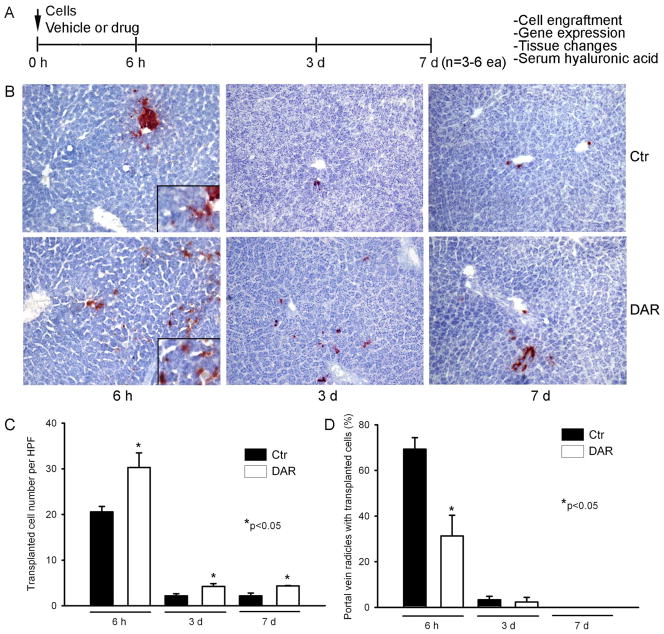
Analysis of cell engraftment DPPIV- rats after Ednra blockade with DAR.Hepatology. 2014 Mar; 59(3): 1107–1117. |
|---|
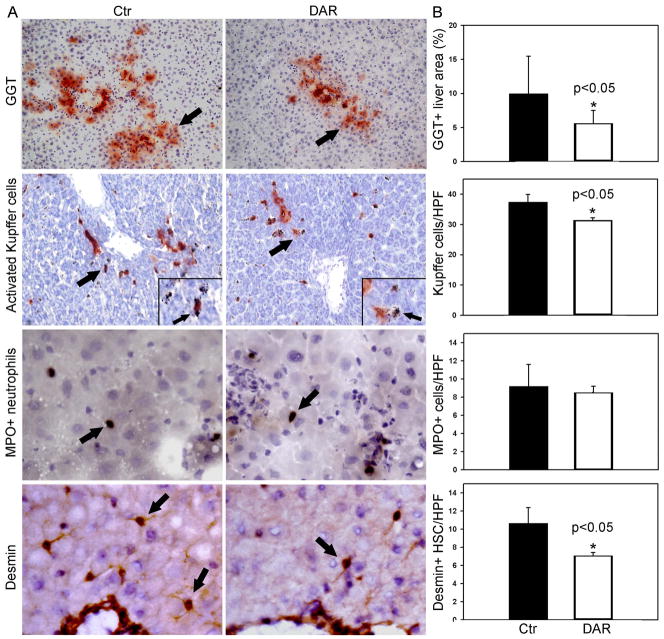
Cell transplantation-induced changes in liver and effects of DAR.Hepatology. 2014 Mar; 59(3): 1107–1117. |
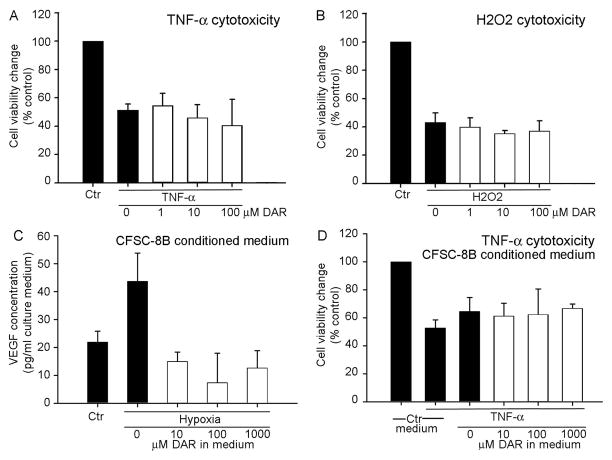
Effects of DAR on cytotoxicity in cultured cells.Hepatology. 2014 Mar; 59(3): 1107–1117. |
Products are for research use only; We do not sell to patients
Copyright 2020 InvivoChem LLC | All Rights Reserved


 COA
COA