| Size | Price | Stock | Qty |
|---|---|---|---|
| 250mg |
|
||
| 500mg |
|
||
| 1g |
|
||
| 2g |
|
||
| 5g |
|
||
| Other Sizes |


Purity: ≥98%
| Targets |
DNA Alkylator/Crosslinker
Cisplatin (CDDP) exerts its pharmacological effects by binding to cellular DNA, forming intrastrand and interstrand crosslinks [3][6][7] |
|---|---|
| ln Vitro |
Cisplatin produces cytotoxicity by interacting with DNA to create DNA adducts, which then triggers a number of signal transduction pathways, including those that involve Erk, p53, p73, and MAPK and ultimately triggers apoptosis.[1]
HeLa cells treated with 30 μM of cisplatin for 6 hours exhibit an apparent activation of Erk that lasts for the next 14 hours. By causing the death of tumor cells, cisplatin demonstrates an effective antitumor effect as well[2]. Cisplatin exhibits the capacity to induce apoptosis in renal proximal tubular cells (RPTCs), leading to cell shrinkage, a 50-fold increase in caspase 3 activity, a 4-fold increase in phosphatidylserine externalization, and increases in chromatin condensation and DNA hypoploidy of 5 and 15 fold, respectively.[4] Cisplatin (800 μM) produces the usual signs of RPTC necrosis after four hours of treatment.[5] In a panel of human cancer cell lines (A549 lung cancer, HeLa cervical cancer, MCF-7 breast cancer, HCT116 colon cancer, SKOV3 ovarian cancer), Cisplatin (CDDP) exhibited potent antiproliferative activity with IC50 values ranging from 0.5 to 8 μM. After 72 hours of treatment, 5 μM concentration reduced cell viability by 60-85% across different cell lines [3][6][8] - In A549 lung cancer cells, Cisplatin (CDDP) (2 μM) induced DNA crosslinking and double-strand breaks, as evidenced by increased γ-H2AX foci (4.2-fold vs. control) and comet assay tail moment (3.8-fold vs. control) after 24 hours [7] - In HeLa cells, Cisplatin (CDDP) (3 μM) triggered apoptosis, with Annexin V-positive cells increasing from 4% (control) to 38% after 48 hours. It activated caspase-3/7 (3.1-fold vs. control) and caspase-9 (2.7-fold vs. control), and promoted PARP cleavage (3.3-fold vs. control) [8] - In cisplatin-resistant SKOV3/CDDP cells, Cisplatin (CDDP) showed reduced antiproliferative activity (IC50 = 12 μM) compared to parental SKOV3 cells (IC50 = 2.3 μM), associated with upregulated ABCB1 (P-glycoprotein) expression (2.8-fold vs. parental cells) [7] - In MCF-7 breast cancer cells, Cisplatin (CDDP) (4 μM) induced G2/M cell cycle arrest, with G2/M phase cells increasing from 11% (control) to 42% after 18 hours. Western blot showed upregulation of p21 and downregulation of cyclin B1 [6] - In HCT116 cells, Cisplatin (CDDP) (3 μM) increased intracellular reactive oxygen species (ROS) levels by 2.6-fold after 12 hours, and pretreatment with ROS scavengers reversed its antiproliferative effect by 50% [9] |
| ln Vivo |
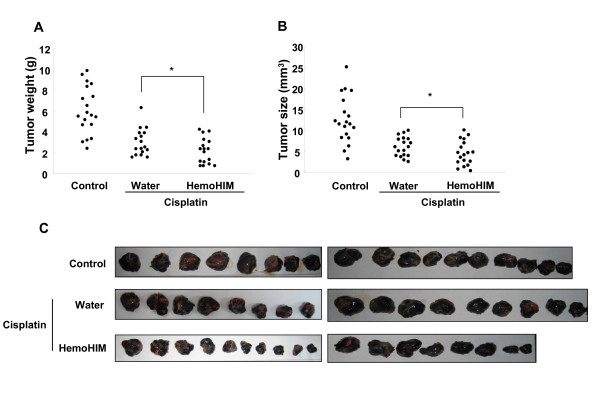
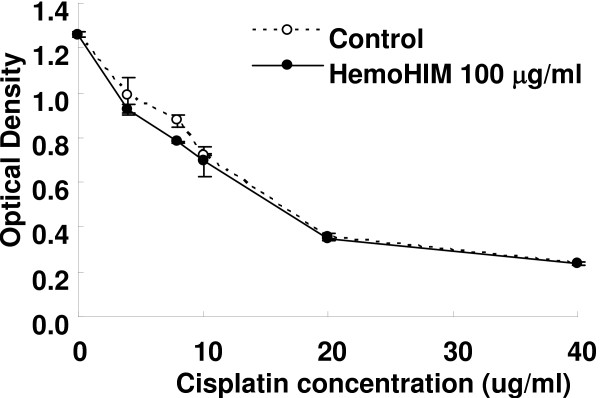
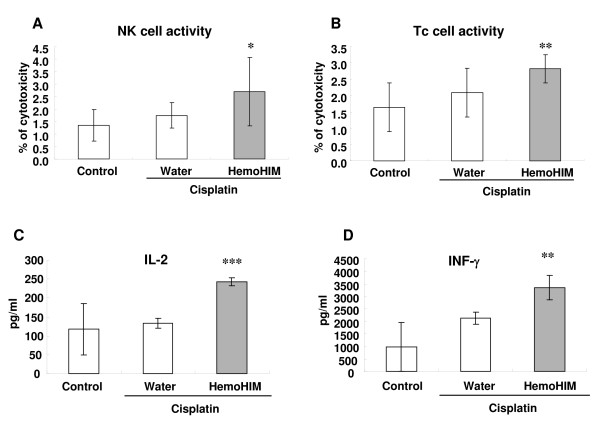
Cisplatin has proven to be effective in slowing down the growth of tumors in a range of animal tumor models, such as xenografts of head and neck cancer, testicular carcinoma, ovarian cancer, breast cancer, colonic carcinoma, heterotransplanted hepatoblastoma, and so forth. Tumor growth inhibition (GI) is induced in 77.5% and 85.1% of the serous xenografts Ov.Ri(C) and OVCAR-3, respectively, by weekly intravenous treatment with cisplatin (5 mg/kg).[6] In melanoma-bearing mice, Cisplatin (4 mg/kg B.W.) reduced the size and weight of the solid tumors, and HemoHIM supplementation with cisplatin enhanced the decrease of both the tumor size (p < 0.1) and weight (p < 0.1). HemoHIM itself did not inhibit melanoma cell growth in vitro, and did not disturb the effects of cisplatin in vitro. However HemoHIM administration enhanced both NK cell and Tc cell activity in mice. Interestingly, HemoHIM increased the proportion of NK cells in the spleen. In melanoma-bearing mice treated with cisplatin, HemoHIM administration also increased the activity of NK cells and Tc cells and the IL-2 and IFN-gamma secretion from splenocytes, which seemed to contribute to the enhanced efficacy of cisplatin by HemoHIM. Also, HemoHIM reduced nephrotoxicity as seen by tubular cell of kidney destruction.Conclusion: HemoHIM may be a beneficial supplement during cisplatin chemotherapy for enhancing the anti-tumor efficacy and reducing the toxicity of cisplatin. [8]
Three human ovarian cancer xenografts of different origin and grown s.c. in nude mice as well-established tumors were studied for their sensitivity to cisplatin (CDDP), cyclophosphamide (CTX), 131I-labelled anti-episialin monoclonal antibody (MAb) 139H2, or external-beam radiotherapy. The maximum tolerated dose of CDDP given weekly i.v. x 2 induced a tumor growth inhibition (GI) of 77.5% and 85.1% of the serous xenografts Ov.Ri(C) and OVCAR-3, respectively. The mucinous xenograft Ov.Pe was relatively resistant to CDDP. The maximum tolerated dose of CTX, given i.p. x 2 with a 2-week interval, induced a GI between 52.9% and 59.7% for each of the 3 xenografts. Radioimmunotherapy with 500-750 microCi 131I-specific MAb 139H2, administered i.v. x 2 with a 2-week interval, was more effective than CDDP or CTX. The 500 microCi 131I-MAb 139H2 schedule induced 100% GI in Ov.Ri(C) xenografts and all tumors were cured. The same schedule was slightly less effective in OVCAR-3 xenografts, but complete tumor regressions could still be obtained. Ov.Pe xenografts were least sensitive to radioimmunotherapy. The 2 injections of 500 microCi 131I-control MAb gave only transient growth inhibition of OVCAR-3 and Ov.Pe tumors, but gave complete regressions of Ov.Ri(C) xenografts. Biodistribution using tracer doses of 131I-MAb 139H2 and 125I-control MAb showed different degrees of specificity for MAb 139H2 in the 3 xenografts. Radiation doses absorbed in OV.Ri(C), OVCAR-3 and Ov.Pe xenografts per 10 microCi injected dose were 30, 41 and 29 cGy respectively. Treatment with 10 Gy external-beam radiation suggested that the effects of radioimmunotherapy in each tumor line were related to the intrinsic radiosensitivity of the xenografts [6]. In nude mice bearing A549 lung cancer xenografts, intraperitoneal administration of Cisplatin (CDDP) (5 mg/kg, once weekly for 3 weeks) significantly inhibited tumor growth. Tumor volume was reduced by 70% compared to vehicle-treated mice, and tumor weight decreased by 65% [8] - In C57BL/6 mice bearing LLC Lewis lung cancer xenografts, intravenous administration of Cisplatin (CDDP) (4 mg/kg, once every 4 days for 2 cycles) reduced tumor volume by 62% and prolonged median survival by 35% compared to vehicle controls [3] - In Balb/c mice bearing 4T1 breast cancer xenografts, Cisplatin (CDDP) (6 mg/kg, ip, once weekly for 3 weeks) inhibited primary tumor growth by 58% and reduced lung metastatic nodules by 45% [7] - In rats, intravenous administration of Cisplatin (CDDP) (7 mg/kg) resulted in highest drug concentrations in the kidneys (12.8 μg/g tissue) and ovaries (9.6 μg/g tissue) at 2 hours post-dosing, consistent with its organ-specific toxicity [5] |
| Cell Assay |
L1210/0 cells are kept in an exponential suspension culture in McCoy's medium 5a (modified), supplemented with 15% calfserum and Fungizone, at 37 °C in a humidified atmosphere of 5% CO2. For two hours at 37°C, L1210/0 cells are incubated in 7 μg/mL of cisplatin. The cells are centrifuged, once again cleaned, resuspended in fresh medium at 30 × 10 3 to 50 × 10 3 cells/mL, and incubated for three days in order to measure growth inhibition. A Coulter Counter is used to calculate cell numbers. Trypan blue (0.4% volume) is added to an aliquot of cells to dilute it. The percentage of cells that have not included trypan blue is used to determine viability. Colonies are counted after two weeks of growth for cells cultured with Cisplatin as previously described, after which they are diluted into 0.1% agar.
Antiproliferation assay: Cancer cell lines (A549, HeLa, MCF-7, HCT116, SKOV3) were seeded in 96-well plates at 3×10³ cells/well and cultured for 24 hours. Cisplatin (CDDP) was added at concentrations of 0.1-50 μM, and cells were incubated for 72 hours. Cell viability was assessed by MTT assay, and IC50 values were derived [3][6][8] - DNA damage assay: A549 cells were seeded in 6-well plates at 2×10⁵ cells/well and treated with Cisplatin (CDDP) (2 μM) for 24 hours. γ-H2AX foci were detected by immunofluorescence, and DNA fragmentation was analyzed by comet assay [7] - Apoptosis assay: HeLa cells were treated with Cisplatin (CDDP) (3 μM) for 48 hours. Annexin V-FITC/PI staining was performed for flow cytometric analysis of apoptotic cells. Caspase-3/7 and caspase-9 activities were measured by luminescent assays, and PARP cleavage was detected by Western blot [8] - Cell cycle assay: MCF-7 cells were treated with Cisplatin (CDDP) (4 μM) for 18 hours. Cells were fixed, stained with propidium iodide, and analyzed by flow cytometry. p21 and cyclin B1 levels were detected by Western blot [6] - ROS detection assay: HCT116 cells were seeded in 96-well plates and treated with Cisplatin (CDDP) (3 μM) for 12 hours. ROS levels were measured by DCFH-DA fluorescent probe, and fluorescence intensity was quantified [9] - Colony formation assay: SKOV3 and SKOV3/CDDP cells were seeded in 6-well plates at 500 cells/well and treated with Cisplatin (CDDP) (0.5-20 μM) for 14 days. Colonies were stained with crystal violet and counted to calculate inhibition rate [7] |
| Animal Protocol |
Cisplatin injection and HemoHIM administration in tumor-bearing mice model [8]
Mice were divided randomly into three groups (Control, Cisplatin and Cisplatin+HemoHIM), and each group consisted of twenty mice. B16F0 melanoma (5 × 10⁵ cells/mouse) was inoculated into subcutaneous femoral left region of mice at 3 days before an initial injection of cisplatin. Cisplatin was injected intraperitoneally at 4 mg/kg body weight (B.W.) on day 0, 7 and 14 (total three injections). Experimental group was intubated with HemoHIM at a final concentration of 100 mg/kgB.W. by everyday from day -1 to day 16, while the control group received only water. The scheme of the administration procedure is summarized in Fig. 1. On day 17 after initial injection of cisplatin, all mice of each group were experimented, respectively, to evaluate tumor weight or tumor size. The tumor size was calculated as follows: tumor size = ab2/2, where a and b are the larger and smaller diameters, respectively. Mice: There are twenty mice per group, which are randomly assigned to three groups: Control, Cisplatin, and Cisplatin+HemoHIM. A subcutaneous femoral left region in mice is injected with B16F0 melanoma (5×10 5 cells/mouse) three days prior to the first Cisplatin injection. Three injections of 4 mg/kg body weight (B.W.) of Cisplatin are administered intraperitoneally on days 0 through 14. Day 0 to Day 16 see daily intubations of the experimental group with HemoHIM at a final concentration of 100 mg/kgB.W., while the control group was given only water. Each group's mice undergo experiments on day 17 following their first Cisplatin injection in order to assess the tumors' size or weight. The tumor size is calculated as follows: tumor size=ab 2 /2, where a and b are the larger and smaller diameters, respectively. Rats: Four groups of four or five male Sprague-Dawley rats, weighing 200 to 250 g apiece, are randomly assigned. First, a vehicle containing 5% carboxymethyl cellulose sodium solution (CMC-Na), 5 mL/kg body weight, p.o., was administered to the control group (Cap). The third group was injected with 5% CMC-Na for six consecutive days along with 5 mg/kg of Cisplatin in physiological saline solution intraperitoneally (i.p.). The second group received Cap (10 mg/kg/d, p.o.) in 5% CMC-Na (5 mL/kg). Six days straight after receiving an injection of 5 mg/kg of Cisplatin intraperitoneally (i.p.), the fourth group was given Cap (10 mg/kg/d, p.o.) in 5% CMC-Na. Every group receives a cap or vehicle twice a day. Data from our preliminary experiments are used to determine the chosen Cap concentration and the dose administration schedule without causing any intestinal damage in rats. Cisplatin-Induced acute kidney injury (CI-AKI) Mouse Model [9] Researchers recapitulated a model of Cisplatin-induced acute kidney injury as previously described (Kim et al., 2012). Briefly, male 8–12-weeks C57BL/6 mice were deprived of food and water for 18 h prior to induction. Researchers used male mice only as female mice are more resistant to renal injury (Müller et al., 2002; Wei et al., 2005; Yang et al., 2010). Cisplatin was prepared for injection by dissolving at 1 mg/ml in sterile saline followed by a 30-min incubation in a 37°C water bath to ensure dissolution while protecting from light. Mice were then injected intraperitoneally with 25 mg/kg, at which time food and water were returned. Mice were sacrificed 72 h following cisplatin injection following a terminal retroorbital bleed. In addition to serum collection, kidneys were harvested and prepared for further study. Healthy control groups either underwent fasting and dehydration with no cisplatin injection or received food and water ad libitum. Nude mice (A549 xenograft model): 6-8 weeks old nude mice were subcutaneously inoculated with A549 cells (5×10⁶ cells/mouse). When tumors reached ~100 mm³, mice were treated with Cisplatin (CDDP) (5 mg/kg, ip, once weekly for 3 weeks) or vehicle. Cisplatin (CDDP) was dissolved in normal saline. Tumor volume was measured every 3 days, and body weight was monitored weekly [8] - C57BL/6 mice (LLC xenograft model): Mice were subcutaneously inoculated with LLC Lewis lung cancer cells (2×10⁶ cells/mouse). Cisplatin (CDDP) (4 mg/kg) was administered intravenously once every 4 days for 2 cycles. Tumor volume was measured twice weekly, and survival was recorded [3] - Balb/c mice (4T1 xenograft model): Mice were orthotopically inoculated with 4T1 breast cancer cells (1×10⁶ cells/mouse). Cisplatin (CDDP) (6 mg/kg) was injected intraperitoneally once weekly for 3 weeks. Primary tumor weight and lung metastatic nodules were quantified at study end [7] - Rat toxicity model: Adult male Sprague-Dawley rats were intravenously administered Cisplatin (CDDP) (7 mg/kg) or saline. At 2, 6, 24 hours post-dosing, rats were euthanized, and tissues (kidney, liver, ovary, lung) were collected to measure drug concentrations by atomic absorption spectrometry [5] |
| ADME/Pharmacokinetics |
Absorption, Distribution and Excretion
Following rapid intravenous injection/in human patients/…the initial elimination half-life of this drug in plasma is 25-50 minutes; thereafter, the total drug concentration (including bound and free forms) decreases, with a half-life of 24 hours or longer. Over 90% of platinum in the blood is covalently bound to plasma proteins. High concentrations of the drug have been found in the kidneys, liver, intestines, and testes, but it has poor penetration and is difficult to enter the central nervous system. In dogs, plasma concentrations of this drug exhibit a biphasic decay curve, with an initial half-life of 22 minutes (likely the elimination phase). High concentrations of the drug have been found in the kidneys, liver, ovaries, testes, and uterus. Following intravenous injection of cisplatin in animals, plasma drug concentrations show a biphasic decrease. Platinum is excreted in large quantities in urine over 24 hours, with a final urinary recovery rate of 70-90%. Platinum is initially distributed in almost all tissues, with the highest concentrations in the kidneys, liver, ovaries, uterus, skin, and bones, but tumors do not preferentially take up platinum. Following intravenous injection, many species (rats, mice, dogs) exhibited largely similar organ distributions. Platinum was absorbed by all tissues and rapidly accumulated in the kidneys, liver, muscles, and skin within 1 hour of administration. After 24 hours, the tissue/plasma drug concentration ratio in other tissues was greater than 1. In dogs, these indicators persisted for at least one week… Platinum was still detectable in the kidneys, liver, skin, and lungs up to 4 weeks after a single dose. …In rabbits, the highest levels of radioactivity were observed in the kidneys and liver 18 hours after intravenous injection of radioactive platinum. For more complete data on the absorption, distribution, and excretion of cisplatin (14 items), please visit the HSDB records page. Metabolisms/Metabolites Cisplatin reacts with water in vivo in a non-enzymatic manner, forming monohydrates and dihydrates upon dissociation of the chloride group. These metabolites are extensively bound to proteins (>90%), resulting in very low cytotoxicity; however, the unbound, ultrafilterable active substances are cytotoxic. Biological half-life After rapid intravenous administration/in human patients/, the initial elimination half-life of this drug in plasma is 25-50 minutes; subsequently, the concentration decreases, and the half-life is 24 hours or longer. In dogs, the drug exhibits a biphasic plasma decay curve with an initial half-life of 22 minutes (likely for elimination). Absorption: Cisplatin (CDDP) has poor oral bioavailability (less than 10% in both humans and rodents) and is primarily administered intravenously [4][9]. -Distribution: Cisplatin (CDDP) is widely distributed in tissues after intravenous administration, with the highest concentrations in the kidneys, ovaries, testes, and liver. The volume of distribution (Vd) of cisplatin is 0.2-0.4 L/kg in humans and 0.3-0.5 L/kg in rats [5][9] - Metabolism: Cisplatin (CDDP) undergoes minimal metabolic transformation; most of the drug remains unchanged in the body [4][9] - Excretion: Approximately 70-80% of the dose is excreted unchanged in the urine within 24 hours. The renal clearance in humans is 1-2 mL/min/kg [4][5] - Half-life: The terminal elimination half-life (t1/2) is 20-30 hours in humans, 15-22 hours in rats, and 12-18 hours in mice [4][9] |
| Toxicity/Toxicokinetics |
Toxicity Summary
Identification: Cisplatin is an antitumor cell inhibitor. Cisplatin is a deep yellow solid, soluble in water and sodium chloride solution. In aqueous solution, it slowly converts from the cis isomer to the trans isomer. It is soluble in dimethylformamide. It is insoluble in most common solvents. Indications: Cisplatin is indicated for: transitional cell bladder cancer where monotherapy is no longer suitable for local treatment (such as surgery and/or radiotherapy); locally advanced or metastatic transitional cell cancer involving the renal pelvis, ureter, bladder, and/or urethra; schistosomiasis-related bladder cancer in combination with radiotherapy; and locally advanced bladder cancer in combination with doxorubicin and cyclophosphamide; palliative care for recurrent or metastatic squamous cell carcinoma of the head and neck. Cisplatin is primarily used to treat lung cancer, especially as part of various chemotherapy regimens for non-small cell lung cancer. It is often used in combination with other drugs, such as etoposide, vinblastine, or vindesine, to improve the response rate in lung cancer. Cisplatin is effective on its own, but combination therapy is more effective in the palliative treatment of recurrent or advanced squamous cell carcinoma of the cervix and metastatic testicular cancer. Cisplatin has also been used to treat other types of cancer, including osteosarcoma, neuroblastoma and recurrent brain tumors in children, advanced esophageal cancer, and advanced prostate cancer. Cisplatin can be used in combination with bleomycin, methotrexate, vincristine or vinblastine, fluorouracil, etc. (depending on the regimen and cancer type, it can be used alone or in combination with all of them). These combination therapies have reportedly resulted in higher remission rates than cisplatin alone. Human Exposure: Overview: Major Risks and Target Organs: The major risks of cisplatin treatment and overdose include nephrotoxicity, electrolyte disturbances, myelosuppression, neurotoxicity, anaphylactic reactions, and ototoxicity. Nausea and vomiting can be severe. Less common risks include cardiovascular effects, ocular effects, and hepatic effects. Most effects of overdose do not usually appear immediately but occur over days to months after administration. Causes of death from cisplatin overdose include bone marrow suppression, renal failure, and tetany. Clinical effects overview: Nephrotoxicity is cumulative and usually occurs after several cycles of cisplatin treatment or after overdose. Electrolyte disturbances may be a long-term manifestation of cisplatin-induced renal tubular dysfunction. Hypomagnesemia, hypocalcemia, and hypokalemia are common manifestations of cisplatin-induced nephrotoxicity and can persist for months after discontinuation. The hematological effects of cisplatin (bone marrow suppression and anemia) are cumulative; hematopoietic support is necessary to prevent infectious complications during overdose. Significant nausea and vomiting occur in almost all patients after taking cisplatin. Anaphylactic reactions can also occur during routine cisplatin treatment and must be treated aggressively. Cisplatin causes electrolyte disturbances, a direct result of cisplatin-induced renal tubular dysfunction. Cisplatin leads to significant excretion of calcium, magnesium, and potassium, and less excretion of zinc, copper, and amino acids. These disturbances must be corrected to prevent complications. Clinical manifestations: Nephrotoxicity manifests as elevated serum creatinine, blood urea nitrogen, serum uric acid, and/or decreased creatinine clearance and glomerular filtration rate. Renal impairment is a direct result of cisplatin-induced renal tubular damage, ultimately leading to renal failure. Serum electrolyte disturbances are primarily caused by cisplatin-induced renal tubular dysfunction. Patients subsequently develop hypomagnesemia, hypocalcemia, and hypokalemia, as well as milder hypophosphatemia and hyponatremia. Significant nausea and vomiting occur in almost all patients after cisplatin administration, and some may even experience anticipatory nausea and vomiting. Diarrhea also occurs, but is less common than nausea and vomiting. Cisplatin treatment can cause varying degrees of ototoxicity. High doses or prolonged use of cisplatin can lead to irreversible ototoxicity. Bone marrow suppression is a common problem, manifesting as leukopenia, thrombocytopenia, and anemia, which can be fatal in severe cases. Bone marrow suppression is cumulative. Anaphylactic reactions may occur with cisplatin administration. Cardiovascular adverse reactions are rare but include bradycardia, left bundle branch block, and congestive heart failure. Elevated serum liver enzyme activities, including AST (SGOT) and ALT (SGPT). Precautions: Personnel preparing and administering cisplatin, as well as those handling the urine of treated patients, should exercise extreme caution. Route of administration: Oral cisplatin is ineffective. Skin: Cisplatin should not be administered through the skin. Skin contact and absorption should be avoided during administration. Eyes: Eye contamination may be a route of toxicity when cisplatin is administered intravenously. Parenteral: Cisplatin is only available in injectable form. Parenteral routes such as intravenous, arterial, and intraperitoneal injection have all been used for cisplatin treatment, and toxicity is most likely to occur through these three routes. Absorption by route of administration: Intravenous: Completely absorbed after intravenous injection. Rapid intravenous injection of cisplatin (1–5 minutes) or rapid intravenous infusion (15 minutes or 1 hour) immediately reaches peak plasma concentrations. With intravenous infusion of cisplatin (6–24 hours), the plasma concentration of total platinum gradually increases during infusion and reaches peak concentration immediately after infusion. When mannitol is administered concurrently with cisplatin, the peak plasma concentration of non-protein-bound platinum appears to increase. Intra-arterial: Intra-arterial infusion of cisplatin increases local tumor drug exposure compared to intravenous administration. Intraperitoneal: Following intraperitoneal administration, cisplatin is rapidly and adequately absorbed systemically. This route achieves 50%–100% of the plasma concentrations compared to intravenous administration. Intraperitoneal administration significantly increases drug concentrations compared to intravenous administration. Drug Distribution: Following intravenous injection of cisplatin, the drug is widely distributed in body fluids and tissues. The highest drug concentrations are found in the kidneys, liver, and intestines, lasting for 2 to 4 weeks. Drug concentrations are also observed in muscles, bladder, testes, prostate, pancreas, and spleen. Cisplatin is also present in the following tissues: small and large intestine, adrenal glands, heart, lungs, lymph nodes, thyroid gland, gallbladder, thymus, brain, cerebellum, ovaries, and uterus. After cisplatin administration, platinum appears to accumulate in tissues and can be detected in many tissues for up to 6 months after the last dose. Platinum has also been found in leukocytes and erythrocytes. Cisplatin, like any platinum-containing drug, rapidly and extensively binds to tissue and plasma proteins, including albumin, gamma globulin, and transferrin. This binding appears to be largely irreversible; bound platinum remains in the plasma for the entire lifespan of the albumin molecule. Protein binding increases over time; several hours after intravenous injection of cisplatin, less than 2% to 10% of the platinum in the blood remains unbound to proteins. Protein binding is approximately 90%, primarily occurring within the first two hours after administration. Cisplatin does not readily penetrate the central nervous system (CNS). While concentrations of cisplatin in the CNS are low, significant amounts can be detected in intracranial tumor tissue and surrounding cerebral edema. Concentrations of cisplatin in healthy brain tissue also appear to be low. Metabolism: The metabolic pathway of cisplatin is not fully elucidated. To date, there is little evidence of enzymatic biotransformation of the drug. Cisplatin contains chloride ligands, which are believed to be replaced by water, forming a positively charged platinum complex that reacts with a nucleophilic site. The rate and extent of the reaction depend on the strength, concentration, and availability of the nucleophile. The chemical structures of cisplatin metabolites have been discovered but not fully identified. Cisplatin and its metabolites likely undergo enterohepatic circulation. Clearance pathways: Intact cisplatin and its metabolites are primarily excreted in the urine. It is mainly eliminated through glomerular filtration, but there is some evidence of secretion and reabsorption of cisplatin and its metabolites. Initially, the renal clearance of total platinum equals the creatinine clearance, representing the clearance of non-protein-bound platinum molecules (including intact cisplatin). As significant protein binding occurs, clearance rapidly declines, leading to a prolonged excretion period. The final rate of decline in plasma total platinum concentration depends on the rate of degradation of platinum-bound plasma proteins. Small amounts of cisplatin are excreted via bile and saliva. The elimination half-life of cisplatin (adults): Normal renal function: 2 to 72 hours; End-stage renal disease: 1 to 240 hours. Mechanism of action: Toxicology: Cisplatin appears to lack cell cycle specificity and causes death in all cells. In rapidly regenerating cells (tumor cells, skin cells, gastrointestinal cells, bone marrow cells), cell death occurs faster than in slower-regenerating cells (e.g., muscle cells). Cisplatin exerts its antitumor activity in its cis configuration, where the molecule is uncharged. The trans configuration is inactive. Pharmacodynamics: Cisplatin complexes cross cell membranes in a non-ionized form, thanks to the relatively high chloride ion concentration in plasma. Intracellular chloride ion concentrations are lower than plasma concentrations, and the chloride ligands on the cisplatin complex are replaced by water molecules. This forms positively charged platinum complexes, which are cytotoxic. Cisplatin molecules bind to guanine bases on DNA molecules, thereby inhibiting DNA synthesis, protein synthesis, and RNA synthesis (the latter two being less inhibited). The drug forms intra- and inter-chain crosslinks in DNA molecules, and the degree of crosslinking appears to be closely related to the drug's cytotoxicity. Tumor cells accumulate numerous mutations, ultimately leading to cell death. Cisplatin also possesses immunosuppressive, radiosensitizing, and antibacterial properties. The exact mechanism of action of cisplatin is not fully understood, but its biochemical properties are similar to those of bifunctional alkylating agents. Human data: Adults: Major toxicities during cisplatin treatment are dose-related and cumulative. For example, renal tubular dysfunction may appear in the second week of treatment; irreversible kidney damage may occur with higher doses or repeated courses of cisplatin. Teratogenicity: There is evidence that cisplatin poses a risk to human fetuses; therefore, the benefits and risks of use in pregnant women must be weighed. Drug interactions: Nephrotoxic drugs: Cisplatin can produce cumulative nephrotoxicity, which can be enhanced by nephrotoxic drugs (aminoglycosides, cephalosporins, and amphotericins). Aminoglycosides: Concomitant use of aminoglycosides within 1–2 weeks during cisplatin treatment increases the risk of nephrotoxicity and kidney failure. Therefore, aminoglycosides should be used with extreme caution during treatment. Cisplatin's ototoxicity can be enhanced by the use of loop diuretics. Animal studies: Cisplatin is carcinogenic in animals. Mutagenicity: Cisplatin is mutagenic to bacterial cultures and can induce chromosomal aberrations in tissue-cultured animal cells. Interactions: In vitro experiments showed that RNA synthesis by E. coli RNA polymerase was highly sensitive to cisplatin inhibition. The degree of inhibition was directly proportional to the pre-incubation time of the template with cisplatin. Studies found that doxorubicin significantly enhanced the inhibitory effect of cisplatin, and the total effect was greater than the sum of the effects of each drug alone. A549 lung cancer cells were simultaneously treated with cisplatin (0, 1.25, 2.5, and 5 μg/ml) and other cytotoxic drugs. Cisplatin enhanced the cytotoxic effects of etoposide, mitomycin C, doxorubicin, 5-fluorouracil, and 1-β-D-arabinofuranosylcytosine, but antagonized the cytotoxic effects of vincristine, vinblastine, vinblastine, and podophyllotoxin. When HT29 colon cancer cells, NC65 renal cancer cells, and A431 epidermoid cancer cells were simultaneously exposed to cisplatin and vincristine, an antagonistic effect between cisplatin and vincristine was also observed. When A549 cells were sequentially exposed to cisplatin and vincristine (incubated with each drug for 6 hours), a significant antagonistic effect was observed if the cells were pretreated with cisplatin; however, this antagonistic effect was absent if the cells were treated in the reverse order. A study aimed to investigate whether the antiemetic metoclopramide (a benzamide derivative, 4-amino-N-2-(diethylaminoethyl)-5-chloro-2-methoxybenzamide) could enhance the effect of cisplatin on squamous cell carcinoma. This study used human head and neck squamous cell carcinoma cells (tumor cell lines AB and EH) transplanted into nude mice. Two dosing regimens were tested: (a) metoclopramide (2.0 mg/kg, intraperitoneal) was administered 1 hour before cisplatin (7.5 mg/kg, intraperitoneal); (b) metoclopramide (3 x 2.0 mg/kg) was administered concurrently with cisplatin (7.5 mg/kg), and at 24 and 48 hours post-cisplatin administration. Treatment efficacy was compared using area under the growth curve, tumor volume, and specific growth retardation. There were no deaths or significant weight loss in any of the treatment groups. Metoclopramide alone did not significantly reduce area under the growth curve, tumor volume, or specific growth retardation, regardless of the regimen. Cisplatin alone significantly inhibited tumor growth in the AB tumor cell line, but not in the EH tumor cell line. In regimen (a), the addition of metoclopramide did not produce any additive effect. In protocol (b), metoclopramide enhanced the efficacy of cisplatin in both tumor cell lines, significantly reducing the area under the growth curve (AUC) compared to cisplatin alone (AB: p < 0.0001; EH: p < 0.001) and significantly increasing specific growth delay (AB: p < 0.012; EH: p < 0.001). This study investigated the ability of the dihydropyridine calcium channel blocker nifedipine to overcome cisplatin resistance in the mouse tumor cell line B16a-platinum (a tumor cell line developed to combat cisplatin resistance). Nifedipine significantly enhanced the antitumor effect of cisplatin against primary subcutaneous B16A-platinum tumors and their spontaneous lung metastases. Furthermore, this study analyzed the pharmacokinetics and dose-response interactions of nifedipine and cisplatin in vivo. The in vivo efficacy of nifedipine and other calcium-active compounds (including structurally similar dihydropyridine calcium channel blockers (nimodipine, nicardipine), structurally different benzothiazole calcium channel blockers (diltiazem) and phenylalkylamine calcium channel blockers (verapamil), as well as calmodulin antagonists (trifluoperazine and calcimidazole)) in enhancing the antitumor activity of cisplatin was investigated. Nifedipine was used as a standard or reference compound. None of the compounds studied enhanced the antitumor activity of cisplatin. For more complete data on interactions with cisplatin (20 in total), please visit the HSDB record page. Non-human toxicity values Oral LD50 in rats: approx. 20 mg/kg Oral LD50 in rats: 25,800 μg/kg Intraperitoneal LD50 in rats: 6,400 μg/kg Subcutaneous LD50 in rats: 8,100 μg/kg For more complete data on non-human toxicity values of cisplatin (15 in total), please visit the HSDB record page. Acute toxicity: The intravenous LD50 of cisplatin (CDDP) was 12 mg/kg for mice, 15 mg/kg for rats, and 20 mg/kg for dogs [4][9] - Nephrotoxicity: Intraperitoneal injection of cisplatin (CDDP) (≥5 mg/kg) in mice caused tubular necrosis, with serum creatinine increasing 2.3 times and blood urea nitrogen (BUN) increasing 2.8 times 7 days after administration [5][9] - Hematologic toxicity: Intravenous injection of cisplatin (CDDP) (6 mg/kg) in rats resulted in a 45% decrease in white blood cell count and a 38% decrease in platelet count 5 days after administration [4] - Gastrointestinal toxicity: Intraperitoneal injection of cisplatin (CDDP) (≥4 mg/kg) in mice caused vomiting, diarrhea, and decreased appetite (reduced by 25-30%) [9] - Plasma protein binding: Cisplatin (CDDP) has a plasma protein binding rate of 90-95% in humans, 88-92% in rats, and 85-90% in mice [4][9] - Ototoxicity: In guinea pigs, cisplatin (CDDP) (8 mg/kg, intraperitoneal injection, once a week for 2 weeks) causes hearing loss and damage to cochlear hair cells [6] |
| References |
[1]. Oncogene. 2003 Oct 20;22(47):7265-79. [2]. Biol Chem. 2000 Dec 15;275(50):39435-43. [3]. Cancer Res. 1988 Aug 15;48(16):4484-8. [4]. J Pharmacol Exp Ther. 2002 Jul;302(1):8-17. [5]. Am J Physiol. 1996 Apr;270(4 Pt 2):F700-8. [6]. Int J Cancer. 1992 Apr 22;51(1):108-15 [7]. Cancer Res. 2014 Jul 15;74(14):3913-22. |
| Additional Infomation |
See also: Cisplatin (note moved to).
Mechanism of Action Cisplatin appears to enter cells via diffusion. Chlorine atoms may be directly substituted by nucleophiles such as thiols; chlorine substituted by water produces positively charged molecules, which may be the reason for the formation of the active form of the drug, which subsequently reacts with nucleic acids and proteins. ...High concentrations of anions stabilize the drug, which explains the effectiveness of chloride diuresis in preventing nephrotoxicity. ...Platinum complexes can react with DNA to form intra- and inter-strand crosslinks. The N(7) of guanine is very reactive, and platinum can form crosslinks between adjacent guanines on the same DNA strand; guanine-adenine crosslinks also readily form. The formation of inter-strand crosslinks is a slower process and less extensive. The DNA adducts formed by cisplatin inhibit DNA replication and transcription, leading to DNA breaks and mismatches. The ability of patient peripheral blood leukocytes to form and maintain DNA-platinum adducts is associated with treatment response, suggesting that drug-genetic factors or environmental exposures common to tumor and normal tissues may influence treatment response. Currently, no single type of biochemical DNA adduct has been definitively linked to cytotoxicity. Cisplatin's specificity for cell cycle phases appears to vary by cell type, although its effect on cross-linking is most pronounced in the S phase. A poorly differentiated head and neck squamous cell carcinoma xenograft was transplanted into nude mice to analyze chemotherapy-induced cell cycle disturbances. Tumors passaged in nude mice were treated with cisplatin in the later stages. Results showed an initial increase in the proportion of cells in the S phase, while the proportion of cells in the G0+G1 phase decreased. A transient increase in the proportion of cells in the G2+M phase was observed after these perturbations were normalized. Cisplatin induced an initial transient inhibition of DNA synthesis. The cellular kinetics of three mouse (AC) and human (GB-1 and GB-2) glioma cell lines to cisplatin were investigated using flow cytometry. The percentage of cultured glioma cells in each cell cycle phase and the relative duration of each phase were calculated using 5-bromodeoxyuridine-Hoechst staining. In the presence of cisplatin IC10 (a concentration that induces 10% cell growth inhibition compared to the control group), cell cycle perturbations in mouse and GB-1 cells included delayed or arrested G2 phase, decreased G1-S phase transition rate, and prolonged G1 phase. The mean cell cycle time of mouse and GB-1 cells increased by 1.4-fold and 1.6-fold, respectively, compared to the control group. In GB-2 cells treated with cisplatin IC50, the mean cell cycle time was 3-fold longer than the control group; however, due to the significant perturbation of the cell cycle, the duration of each phase could not be calculated. The inhibitory effect of cisplatin on purified ribonucleotide reductase (EC 1.17.4.1) from E. coli has been investigated. Under anaerobic conditions, using the dithiol reduced form of the enzyme, ribonucleotide reductase was found to be extremely sensitive to cisplatin; even at an enzyme concentration of only 10⁻⁸ M, an inhibition rate of over 90% was achieved using a 2-molar excess of platinum. The inhibition was almost instantaneous and irreversible on G-25 gel filtration. The inhibitory site was identified as the B1 subunit. Trans-platin showed much weaker inhibitory effects. Inhibition of the enzyme by cisplatin (cisplatin:B1 molar ratio = 4.3) resulted in a decrease in thiol titer, equivalent to a reduction of approximately one thiol group per B1 subunit dimer, a condition that inactivated ribonucleotide reductase activity by 94%. For more complete data on the mechanism of action of cisplatin (out of 10), please visit the HSDB record page. Therapeutic Uses Antineoplastic agent; cross-linking agent; radiosensitizer. Cisplatin is used in human medicine to treat a variety of malignancies…testicular tumors, malignant melanoma, osteosarcoma, as well as bladder cancer, lung cancer (non-small cell carcinoma), cervical cancer, ovarian cancer, and squamous cell carcinoma of the head and neck. The usual intravenous dose of cisplatin is 20 mg/m²/day for 5 consecutive days; or 100 mg/m² every 4 weeks. For patients with advanced ovarian cancer, doses up to 40 mg/m² have been used once daily for 5 consecutive days, alone or in combination with cyclophosphamide, but this has led to more severe renal, hearing, and neurological toxicities. To prevent renal toxicity, hydration with 1-2 liters of normal saline is recommended before treatment. Then, an appropriate amount of cisplatin is diluted in a glucose and normal saline solution and administered intravenously over 6-8 hours. Because aluminum reacts with and inactivates cisplatin, aluminum-containing needles or other instruments should never be used when preparing or administering the medication. From June 1977 to June 1987, 68 patients with recurrent squamous cell carcinoma of the cervix received cisplatin as the primary chemotherapy agent, and its efficacy and/or survival were evaluated. Patients received 50-100 mg/m² of cisplatin every 3 weeks. The complete response rate was 53% and the overall response rate was 73% in patients with thoracic disease. Patients with localized or persistent pelvic recurrence did not achieve a complete response, with an overall response rate of 21%. The response rate to cisplatin was higher in isolated thoracic metastases than in pelvic recurrences (73% vs 22%, p=0.0007); however, the site of recurrence had no significant effect on survival (mean 22.7 months vs 14.1 months; p=0.24). Concomitant disease at other sites reduced the efficacy of treatment for thoracic metastases (p>0.05) due to treatment failure at other sites. Lesion size, clinical stage, patient age, and the time interval from initial treatment to recurrence were not associated with efficacy or survival. For more complete data on the therapeutic uses of cisplatin (6 types), please visit the HSDB record page. Drug Warnings This drug should not be administered via aluminum needles, as aluminum reacts with the drug and inactivates it. Adding sodium bisulfite to intravenous infusions may inactivate cisplatin. A Mallory-Weiss tear has been reported in a patient who received chemotherapy for cancer, including cisplatin. It is recommended that Mallory-Weiss syndrome be included in the differential diagnosis of patients experiencing upper abdominal pain, hematemesis, or melena following chemotherapy-induced nausea or vomiting. Continuous monitoring of auditory function was performed on patients receiving cisplatin-treated urogenital and head and neck cancers using routine hearing tests and high-frequency testing systems. Results showed a high incidence of irreversible cochlear toxicity, with high-frequency involvement being more common. The high-frequency assessment system detected cochlear toxicity earlier. For more complete data on cisplatin (21 total), please visit the HSDB record page. Cisplatin (CDDP) is a platinum-based chemotherapy drug whose core mechanism includes forming DNA crosslinks, inhibiting DNA replication and transcription, and ultimately inducing apoptosis in cancer cells[3][7][9] - Clinically used to treat a variety of malignant tumors, including lung cancer, ovarian cancer, cervical cancer, colorectal cancer and bladder cancer[6][8] - Cisplatin resistance is associated with enhanced DNA repair capacity, upregulation of efflux transport proteins (such as ABCB1) and reduced intracellular drug accumulation[7][9] - Cisplatin (CDDP) has a synergistic antiproliferative effect with other drugs. In vitro and in vivo chemotherapy drugs (such as paclitaxel, 5-fluorouracil)[8] - FDA approval status: Cisplatin (CDDP) was approved by the FDA in 1978 for the treatment of testicular cancer and has since been approved for a variety of other cancer indications[9] |
| Molecular Formula |
CL2H6N2PT
|
|
|---|---|---|
| Molecular Weight |
300.05
|
|
| Exact Mass |
296.939
|
|
| Elemental Analysis |
Cl, 23.63; H, 2.02; N, 9.34; Pt, 65.02
|
|
| CAS # |
15663-27-1
|
|
| Related CAS # |
|
|
| PubChem CID |
2767
|
|
| Appearance |
Yellow solid powder
|
|
| Density |
3.7
|
|
| Melting Point |
270ºC
|
|
| LogP |
1.595
|
|
| Hydrogen Bond Donor Count |
2
|
|
| Hydrogen Bond Acceptor Count |
2
|
|
| Rotatable Bond Count |
0
|
|
| Heavy Atom Count |
5
|
|
| Complexity |
7.6
|
|
| Defined Atom Stereocenter Count |
0
|
|
| SMILES |
[Cl-][Pt]([NH3+])([NH3+])[Cl-]
|
|
| InChi Key |
LXZZYRPGZAFOLE-UHFFFAOYSA-L
|
|
| InChi Code |
InChI=1S/2ClH.2H3N.Pt/h2*1H;2*1H3;/q;;;;+2/p-2
|
|
| Chemical Name |
(SP-4-2)-diamminedichloroplatinum; platinum, diaminedichloro-, cis-
|
|
| Synonyms |
Cismaplat; Cisplatina; cisplatinous diamine dichloride; cisplatinum; cisplatinum II; cisplatinum II diamine dichloride; CDDP; DDP; cisDDP; cisdiamminedichloro platinum (II); cisdiamminedichloroplatinum; Cisdichloroammine Platinum (II); CPDD; Cysplatyna; DDP; PDD; Peyrones Chloride; Peyrones Salt; CACP; Platinoxan; platinum diamminodichloride. Trade names (US): Platinol; PlatinolAQ. Trade names (other countries): Abiplatin; Blastolem; Briplatin; Cisplatyl; Citoplatino; Citosin; Lederplatin; Metaplatin; Neoplatin; Placis; Platamine; Platiblastin; PlatiblastinS; Platinex; Platinol AQ; PlatinolAQ VHA Plus; Platiran; Platistin; Platosin.
|
|
| HS Tariff Code |
2843.90.0000
|
|
| Storage |
Powder -20°C 3 years 4°C 2 years In solvent -80°C 6 months -20°C 1 month Note: This product requires protection from light (avoid light exposure) during transportation and storage. |
|
| Shipping Condition |
Room temperature (This product is stable at ambient temperature for a few days during ordinary shipping and time spent in Customs)
|
| Solubility (In Vitro) |
DMF: 10 mg/mL
Water: 1 mg/mL (Insoluble) Ethanol: 1 mg/mL (slightly soluble or insoluble) Note: Do not dissolve Cisplatin in DMSO, as platinum-based drugs are prone to deactivation in DMSO. Additionally, Cisplatin is not stable in solution and should be prepared immediately before use. DMSO has been reported to significantly inhibit or completely abolish the biological activity of Cisplatin. |
|---|---|
| Solubility (In Vivo) |
Note: Cisplatin is generally not recommended to be dissolved in DMSO, as platinum-based drugs are prone to deactivation in DMSO. Additionally, Cisplatin is not stable in solution and should be prepared immediately before use.
Solubility in Formulation 1: 10 mg/mL (33.33 mM) in 50% PEG300 50% Saline (add these co-solvents sequentially from left to right, and one by one), suspension solution; with sonication. Preparation of saline: Dissolve 0.9 g of sodium chloride in 100 mL ddH₂ O to obtain a clear solution. Solubility in Formulation 2: 0.5% CMC-Na/saline water (add these co-solvents sequentially from left to right, and one by one), suspension solution; with ultrasonication. Preparation of saline: Dissolve 0.9 g of sodium chloride in 100 mL ddH₂ O to obtain a clear solution. View MoreSolubility in Formulation 3: Saline: 3 mg/mL |
| Preparing Stock Solutions | 1 mg | 5 mg | 10 mg | |
| 1 mM | 3.3328 mL | 16.6639 mL | 33.3278 mL | |
| 5 mM | 0.6666 mL | 3.3328 mL | 6.6656 mL | |
| 10 mM | 0.3333 mL | 1.6664 mL | 3.3328 mL |
*Note: Please select an appropriate solvent for the preparation of stock solution based on your experiment needs. For most products, DMSO can be used for preparing stock solutions (e.g. 5 mM, 10 mM, or 20 mM concentration); some products with high aqueous solubility may be dissolved in water directly. Solubility information is available at the above Solubility Data section. Once the stock solution is prepared, aliquot it to routine usage volumes and store at -20°C or -80°C. Avoid repeated freeze and thaw cycles.
Calculation results
Working concentration: mg/mL;
Method for preparing DMSO stock solution: mg drug pre-dissolved in μL DMSO (stock solution concentration mg/mL). Please contact us first if the concentration exceeds the DMSO solubility of the batch of drug.
Method for preparing in vivo formulation::Take μL DMSO stock solution, next add μL PEG300, mix and clarify, next addμL Tween 80, mix and clarify, next add μL ddH2O,mix and clarify.
(1) Please be sure that the solution is clear before the addition of next solvent. Dissolution methods like vortex, ultrasound or warming and heat may be used to aid dissolving.
(2) Be sure to add the solvent(s) in order.
| NCT Number | Recruitment | interventions | Conditions | Sponsor/Collaborators | Start Date | Phases |
| NCT03558087 | Active Recruiting |
Drug: Nivolumab Drug: Cisplatin |
Bladder Cancer | Matthew Galsky | July 13, 2018 | Phase 2 |
| NCT01670500 | Active Recruiting |
Drug: Cisplatin Drug: Doxorubicin |
Breast Cancer | Beth Israel Deaconess Medical Center |
October 2012 | Phase 2 |
| NCT03809637 | Active Recruiting |
Drug: Pemetrexed, cisplatin | Yonsei University | Sarcoma | January 10, 2017 | Phase 2 |
| NCT03345784 | Active Recruiting |
Drug: Cisplatin Drug: Adavosertib |
Cervical Carcinoma Vaginal Carcinoma |
National Cancer Institute (NCI) |
May 29, 2018 | Phase 1 |
| NCT04003636 | Active Recruiting |
Drug: Cisplatin Drug: Placebo |
Biliary Tract Carcinoma | Merck Sharp & Dohme LLC | September 24, 2019 | Phase 3 |
The inhibition of tumor growth was enhanced by HemoHIM administration in melanoma-bearing mice which were injected with cisplatin.BMC Cancer.2009 Mar 17;9:85. |
|---|
Growth inhibition effect of cisplatin and HemoHIM on melanoma cellsin vitro.BMC Cancer.2009 Mar 17;9:85. |
HemoHIM administration promotes immune responses for tumor surveillance in melanoma-bearing mice which were injected with cisplatin.BMC Cancer.2009 Mar 17;9:85. |
Products are for research use only; We do not sell to patients
Copyright 2020 InvivoChem LLC | All Rights Reserved


 COA
COA