| Size | Price | Stock | Qty |
|---|---|---|---|
| 25mg |
|
||
| 50mg |
|
||
| 100mg |
|
||
| 250mg |
|
||
| 500mg |
|
||
| 1g | |||
| Other Sizes |
Purity: ≥98%
| Targets |
Carbonic anhydrase (CA) isoforms [1][2]
|
|---|---|
| ln Vitro |
In vitro activity: Brinzolamide is the newest topical CAI to be successfully developed and marketed. It is a safe and efficacious glaucoma drug. In the in vitro assay, brinzolamide has its highest affinity (Ki of 0.13nM) and inhibitory potency (IC50 of 3.19 nM) for CA-II. It has much higher affinity and greater potency for CA-II than for CA-I and CAIV. In the in vivo models, administration of brinzolamide significantly reduces the intraocular pressure (IOP) both in the pigmented rabbits and cynomolgus monkeys with ocular hypertension induced by argon laser trabeculoplasty.
Kinase Assay: Brinzolamide(AL 4862) is a potent carbonic anhydrase II inhibitor with IC50 of 3.19 nM. |
| ln Vivo |
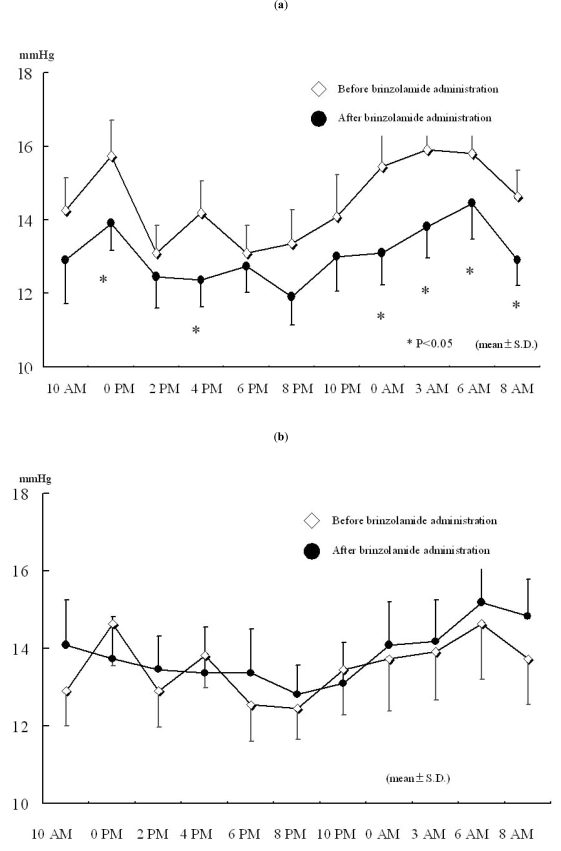
In normotensive NZW rabbits, brinzolamide (7.5 mg or 12 mg) implanted in a silicone matrix is incredibly well tolerated, resulting in prolonged release of the drug and a notable drop in intraocular pressure (IOP) for up to 28 days[2]. No negative effects or toxic symptoms are observed. The parameters of Brinzolamide's pharmacokinetics in rabbits[1]. Topical Administration (500 mg) Topical Administration (500 mg) PK Parameters Aqueous Humor Iris-Ciliary Body Aqueous Humor Iris-Ciliary Body Tmax (h) 0.08 0.5 1 0.25 Cmax (ng/mL, ng/g) 11,050 1964 408 1245 Terminal t1/2 (h) 3.4 13 2 13.6 AUC0-24h (hng/mL, hng/g) 17,780 7725 1896 11414 AUC0-∞ (hng/mL, hng/g) 17,836 8839 1955 16628 Dose-normalized AUC0-∞ (h/mL, h/g) 4 2 0.004 0.03
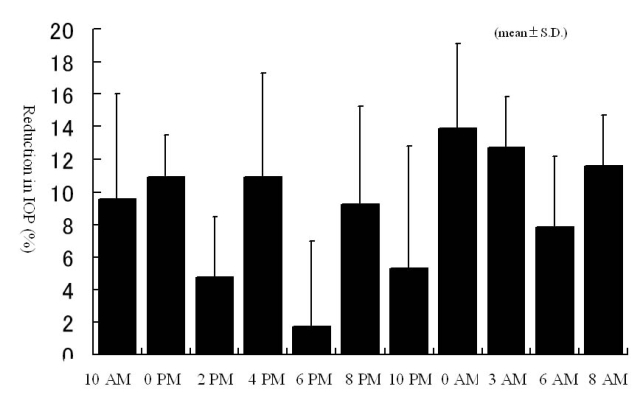
In normotensive New Zealand white rabbits, intracameral administration of Brinzolamide (0.1 mg/eye) reduced intraocular pressure (IOP) by ~28% at 1 hour post-administration, with the effect lasting for 8 hours [1] Topical administration (0.1% solution, 50 μL/eye) resulted in a ~22% IOP reduction at 2 hours, persisting for 6 hours [1] Intravenous administration (1 mg/kg) caused a ~18% IOP decrease at 1 hour, with a duration of 4 hours [1] In rabbits receiving the episcleral sustained-release implant of Brinzolamide (1 mg/implant), IOP was reduced by ~30% compared to baseline, and the hypotensive effect maintained for 28 days [2] Ocular tissue distribution showed that Brinzolamide concentrations were highest in the cornea and aqueous humor after topical/intracameral administration, and in the choroid-retina after intravenous dosing [1] |
| Animal Protocol |
Animal/Disease Models: Rabbits [2]
Doses: 7.5 mg, 12 mg Route of Administration: Brinzolamide silicone matrix implant placed in the episcleral space Experimental Results: Resulted in a significant IOP reduction of 4.6 mmHg on days 10-28, with concentrations of 12 mg. New Zealand white rabbits (2.0–2.5 kg, male/female) were randomly divided into three groups (n=6/group) for different administration routes [1] Intracameral group: Brinzolamide was dissolved in normal saline to a concentration of 2 mg/mL, and 50 μL (0.1 mg/eye) was injected into the anterior chamber using a 30-gauge needle [1] Topical group: Brinzolamide 0.1% aqueous solution (50 μL/eye) was instilled into the conjunctival sac, with the eyelid gently closed for 1 minute [1] Intravenous group: Brinzolamide dissolved in normal saline (1 mg/mL) was administered via the marginal ear vein at a dose of 1 mg/kg [1] IOP was measured before dosing and at 0.5, 1, 2, 4, 6, 8, 12, and 24 hours post-administration; blood samples and ocular tissues (cornea, aqueous humor, iris-ciliary body, lens, choroid-retina, sclera) were collected at specified time points for drug concentration analysis [1] New Zealand white rabbits (2.2–2.8 kg, n=8) were used for the episcleral implant study [2] Brinzolamide sustained-release implants (1 mg drug per implant, composed of biodegradable polymers) were surgically implanted into the episcleral space under general anesthesia [2] IOP was measured at baseline and weekly for 28 days; blood and ocular tissues were collected at 7, 14, 21, and 28 days post-implantation for pharmacokinetic analysis [2] Rabbit behavior, body weight, and ocular signs (redness, discharge, inflammation) were monitored daily for tolerability assessment [2] |
| ADME/Pharmacokinetics |
Absorption, Distribution and Excretion
Following topical ophthalmic application, brinzolamide is absorbed via the cornea. It can also be absorbed into the systemic circulation and binds firmly to carbonic anhydrase in erythrocytes. Plasma concentrations are extremely low. Brinzolamide is primarily excreted unchanged in the urine. Urine also contains N-deethylbrinzolamide, as well as lower concentrations of N-demethoxypropyl and O-demethyl metabolites. Metabolisms/Metabolites Brinzolamide is metabolized by hepatic cytochrome P450 isoenzymes, particularly CYP3A4, CYP2A6, CYP2B6, CYP2C8, and CYP2C9. The primary metabolite is N-deethylbrinzolamide, followed by N-demethoxypropyl and O-demethyl metabolites, and N-propionic acid analogs formed by the oxidation of the N-propyl side chain of O-demethylbrinzolamide. Brinzolamide and N-deethylbrinzolamide do not inhibit cytochrome P450 isoenzymes at concentrations at least 100 times higher than the maximum system concentration. Brimonidine is primarily metabolized by hepatic aldehyde oxidase, with the main metabolites being 2-oxobrimonidine, 3-oxobrimonidine, and 2,3-dioxobrimonidine. Imidazoline epoxidative cleavage to generate 5-bromo-6-guanidinoquinoxaline has also been observed. Biological Half-Life Due to its affinity for CAII, brinzolamide is widely distributed in erythrocytes (RBCs) and exhibits a relatively long half-life (approximately 111 days) in whole blood. Intra-aqueous administration (0.1 mg/eye, rabbit)[1]: - Peak concentration of brinzolamide in aqueous humor (Cmax): 125.6 ± 23.8 μg/mL (0.5 hours after administration) - Elimination half-life of aqueous humor (t1/2): 3.2 ± 0.5 hours - Area under the concentration-time curve in aqueous humor (AUC0-24h): 428.3 ± 65.2 μg·h/mL - Systemic absorption: Peak plasma concentration (Cmax) = 0.8 ± 0.2 ng/mL; AUC0-24h = 5.2 ± 1.1 ng·h/mL Topical administration (0.1% solution, 50 μL/eye, rabbit)[1]: - Peak concentration of aqueous humor Cmax: 8.7 ± 1.9 μg/mL (1 hour after administration) Hours) - Aqueous humor t1/2: 2.8 ± 0.4 hours - Aqueous humor AUC0-24h: 45.6 ± 9.3 μg·h/mL - Systemic absorption: Plasma Cmax = 0.3 ± 0.1 ng/mL; AUC0-24h = 2.1 ± 0.5 ng·h/mL Intravenous administration (1 mg/kg, rabbit)[1]: - Plasma Cmax: 128.5 ± 25.7 ng/mL (5 minutes after administration) - Plasma t1/2: 1.8 ± 0.3 hours - Plasma AUC0-24h: 186.4 ± 32.8 ng·h/mL - Volume of distribution (Vd): 15.2 ± 2.7 L/kg; Total plasma clearance (CL): 5.4 ± 0.9 L/h/kg Extrascleral sustained-release implant (1 mg/implant, rabbit)[2]: - Aqueous humor Cmax: 10.2 ± 2.1 μg/mL (7 days after implantation) - Aqueous humor concentration remained above 2 μg/mL for 28 days - Plasma Cmax: 0.5 ± 0.1 ng/mL (14 days after implantation); Plasma AUC0-28d: 38.7 ± 8.2 ng·h/mL - Distribution in ocular tissues: The highest concentrations were found in the iris ciliary body (15.6 ± 3.2 μg/g) and cornea (12.3 ± 2.5 μg/g) at 21 days. |
| Toxicity/Toxicokinetics |
Effects During Pregnancy and Lactation
◉ Overview of medication use during lactation There is currently no information on the use of brinzolamide eye drops during lactation. French guidelines recommend that carbonic anhydrase inhibitor eye drops such as brinzolamide should be given priority for the treatment of glaucoma during lactation. To significantly reduce the amount of medication that enters breast milk after using eye drops, press the tear duct at the corner of the eye for at least 1 minute, and then blot away any excess medication with absorbent paper. ◉ Effects on breastfed infants As of the revision date, no relevant published information was found. ◉ Effects on lactation and breast milk As of the revision date, no relevant published information was found. Protein binding The binding rate to plasma proteins is approximately 60%. No significant weight loss or death was observed in rabbits treated with brinzolamide via intra-anterior chamber, local, or intravenous routes [1]. Serum alanine aminotransferase (ALT), aspartate aminotransferase (AST), creatinine, and blood urea nitrogen levels were all within the normal range, indicating no hepatotoxicity or nephrotoxicity. [1][2] Ocular assessment showed no significant redness, conjunctival hyperemia, or intraocular inflammation in any of the treatment groups. [1][2] The extrascleral sustained-release implant caused mild, transient conjunctival irritation in 2 out of 8 rabbits, which subsided within 3 days without treatment. [2] Brinzolamide had a plasma protein binding rate of approximately 60% (measured in rabbit plasma by balanced dialysis). [1] |
| References |
|
| Additional Infomation |
Brinzolamide is a sulfonamide and thienothiazide drug. It is an antiglaucoma drug and an EC 4.2.1.1 (carbonic anhydrase) inhibitor. Brinzodil is a highly specific, non-competitive, reversible carbonic anhydrase II (CA-II) inhibitor suitable for lowering intraocular pressure in patients with elevated intraocular pressure or open-angle glaucoma. Although the exact pathophysiological mechanisms of glaucoma are not fully understood, one of the main characteristics of the disease is vascular dysfunction and abnormalities. The resulting increased vascular resistance raises intraocular pressure, thereby impairing ocular perfusion. Although systemic anticarbonic anhydrase (CA) therapy has been used for nearly 50 years with varying degrees of efficacy, systemic administration leads to an increased incidence of adverse reactions. Brinzodil was initially developed as a topical medication to address the problem of systemic side effects. Dozolidine was the first approved topical carbonic anhydrase inhibitor, but its efficacy and evidence are quite different. Unlike dzolidine, brinzolidine has higher lipophilicity and crosses the blood-retinal barrier more easily. Brinzolamide was approved by the U.S. Food and Drug Administration (FDA) in 1998 as a single-agent formulation; in 2013, it was approved for use in combination with brimonidine tartrate. In Europe, it was approved for use in combination with timolol in 2008. Brinzolamide is a carbonic anhydrase inhibitor. Its mechanism of action is the inhibition of carbonic anhydrase activity. Brinzolamide is a sulfonamide drug and also a carbonic anhydrase inhibitor, with a specific affinity for carbonic anhydrase II. After topical ophthalmic administration, brinzolamide inhibits carbonic anhydrase II, an enzyme responsible for the transport of sodium ions and fluid within the eye. This inhibition reduces aqueous humor secretion, possibly by slowing the formation of bicarbonate ions, thereby lowering intraocular pressure. Brinzolamide is used to treat elevated intraocular pressure caused by open-angle glaucoma.
See also: brimonidine tartrate; brinzolamide (ingredients). Drug Indications Brinzodil, used alone or in combination with brimonidine, is approved by the U.S. Food and Drug Administration (FDA) for the treatment of elevated intraocular pressure in patients with ocular hypertension or open-angle glaucoma. Brinzodil is also approved in Europe for use in combination with timolol for the treatment of these conditions. FDA Label Azopt is indicated for reducing elevated intraocular pressure in patients with ocular hypertension. Brinzodil can be used to treat adult patients with open-angle glaucoma who are unresponsive to or have contraindicated with beta-blockers, and can also be used as adjunctive therapy with beta-blockers or prostaglandin analogs. Mechanism of Action Brinzodil is a highly specific, reversible, non-competitive carbonic anhydrase (CA) inhibitor. Carbonic anhydrase is an enzyme that catalyzes the reversible reaction of water and carbon dioxide (CO2) to produce bicarbonate ions. Although seven carbonic anhydrase isoenzymes exist in human tissues, brinzolil has the highest affinity for carbonic anhydrase II. In vitro studies have not found that brinzolamide and its active metabolites replace any known ligands to bind to their respective receptors or enzymes, which are usually involved in producing side effects or adjuvant pharmacological effects. Therefore, brinzolamide has a high safety profile. Brinzolamide is a potent carbonic anhydrase inhibitor used clinically to treat intraocular pressure elevation caused by glaucoma and ocular hypertension[1][2]. Its intraocular pressure-lowering mechanism involves inhibiting carbonic anhydrase isoenzymes in the ciliary body, reducing aqueous humor production, thereby lowering intraocular pressure[1][2]. It has good ocular bioavailability and minimal systemic absorption under different routes of administration (intra-anterior chamber, local, intravenous, extrascleral implantation)[1][2]. Extrascleral sustained-release implants can provide intraocular pressure control for up to 28 days and maintain stable aqueous humor concentrations, thereby reducing the need for frequent administration[2]. Its low systemic exposure and good tolerability support its safe use in ocular diseases requiring long-term intraocular pressure control[1][2]. |
| Molecular Formula |
C12H21N3O5S3
|
|---|---|
| Molecular Weight |
383.51
|
| Exact Mass |
383.064
|
| CAS # |
138890-62-7
|
| Related CAS # |
Brinzolamide hydrochloride;150937-43-2;Brinzolamide-d5;1217651-02-9
|
| PubChem CID |
68844
|
| Appearance |
Light yellow to yellow solid powder
|
| Density |
1.5±0.1 g/cm3
|
| Boiling Point |
586.0±60.0 °C at 760 mmHg
|
| Flash Point |
308.2±32.9 °C
|
| Vapour Pressure |
0.0±1.6 mmHg at 25°C
|
| Index of Refraction |
1.626
|
| LogP |
-0.65
|
| Hydrogen Bond Donor Count |
2
|
| Hydrogen Bond Acceptor Count |
9
|
| Rotatable Bond Count |
7
|
| Heavy Atom Count |
23
|
| Complexity |
598
|
| Defined Atom Stereocenter Count |
1
|
| SMILES |
CCN[C@H]1CN(S(=O)(=O)C2=C1C=C(S2)S(=O)(=O)N)CCCOC
|
| InChi Key |
HCRKCZRJWPKOAR-JTQLQIEISA-N
|
| InChi Code |
InChI=1S/C12H21N3O5S3/c1-3-14-10-8-15(5-4-6-20-2)23(18,19)12-9(10)7-11(21-12)22(13,16)17/h7,10,14H,3-6,8H2,1-2H3,(H2,13,16,17)/t10-/m0/s1
|
| Chemical Name |
(4R)-4-(ethylamino)-2-(3-methoxypropyl)-1,1-dioxo-3,4-dihydrothieno[3,2-e]thiazine-6-sulfonamide
|
| Synonyms |
AL 4862; Brinzolamide; trade names Azopt, Alcon Laboratories, Befardin, Fardi Medicals; AL-4862; AL4862
|
| HS Tariff Code |
2934.99.9001
|
| Storage |
Powder -20°C 3 years 4°C 2 years In solvent -80°C 6 months -20°C 1 month |
| Shipping Condition |
Room temperature (This product is stable at ambient temperature for a few days during ordinary shipping and time spent in Customs)
|
| Solubility (In Vitro) |
DMSO: 77 mg/mL (200.8 mM)
Water: 1 mg/mL (Insoluble) Ethanol: 1 mg/mL |
|---|---|
| Solubility (In Vivo) |
Solubility in Formulation 1: ≥ 2.75 mg/mL (7.17 mM) (saturation unknown) in 10% DMSO + 40% PEG300 + 5% Tween80 + 45% Saline (add these co-solvents sequentially from left to right, and one by one), clear solution.
For example, if 1 mL of working solution is to be prepared, you can add 100 μL of 27.5 mg/mL clear DMSO stock solution to 400 μL PEG300 and mix evenly; then add 50 μL Tween-80 to the above solution and mix evenly; then add 450 μL normal saline to adjust the volume to 1 mL. Preparation of saline: Dissolve 0.9 g of sodium chloride in 100 mL ddH₂ O to obtain a clear solution. Solubility in Formulation 2: ≥ 2.75 mg/mL (7.17 mM) (saturation unknown) in 10% DMSO + 90% (20% SBE-β-CD in Saline) (add these co-solvents sequentially from left to right, and one by one), clear solution. For example, if 1 mL of working solution is to be prepared, you can add 100 μL of 27.5 mg/mL clear DMSO stock solution to 900 μL of 20% SBE-β-CD physiological saline solution and mix evenly. Preparation of 20% SBE-β-CD in Saline (4°C,1 week): Dissolve 2 g SBE-β-CD in 10 mL saline to obtain a clear solution. View More
Solubility in Formulation 3: ≥ 2.75 mg/mL (7.17 mM) (saturation unknown) in 10% DMSO + 90% Corn Oil (add these co-solvents sequentially from left to right, and one by one), clear solution. |
| Preparing Stock Solutions | 1 mg | 5 mg | 10 mg | |
| 1 mM | 2.6075 mL | 13.0375 mL | 26.0749 mL | |
| 5 mM | 0.5215 mL | 2.6075 mL | 5.2150 mL | |
| 10 mM | 0.2607 mL | 1.3037 mL | 2.6075 mL |
*Note: Please select an appropriate solvent for the preparation of stock solution based on your experiment needs. For most products, DMSO can be used for preparing stock solutions (e.g. 5 mM, 10 mM, or 20 mM concentration); some products with high aqueous solubility may be dissolved in water directly. Solubility information is available at the above Solubility Data section. Once the stock solution is prepared, aliquot it to routine usage volumes and store at -20°C or -80°C. Avoid repeated freeze and thaw cycles.
Calculation results
Working concentration: mg/mL;
Method for preparing DMSO stock solution: mg drug pre-dissolved in μL DMSO (stock solution concentration mg/mL). Please contact us first if the concentration exceeds the DMSO solubility of the batch of drug.
Method for preparing in vivo formulation::Take μL DMSO stock solution, next add μL PEG300, mix and clarify, next addμL Tween 80, mix and clarify, next add μL ddH2O,mix and clarify.
(1) Please be sure that the solution is clear before the addition of next solvent. Dissolution methods like vortex, ultrasound or warming and heat may be used to aid dissolving.
(2) Be sure to add the solvent(s) in order.
| NCT Number | Recruitment | interventions | Conditions | Sponsor/Collaborators | Start Date | Phases |
| NCT03896633 | Completed Has Results | Drug: brinzolamide 1% ophthalmic suspension |
Glaucoma Open Angle or Ocular Hypertension |
Bausch & Lomb Incorporated | February 28, 2018 | Phase 1 Phase 2 |
| NCT04523844 | Completed | Drug: Brinzolamide-brimonidine Fixed Combination |
Eye Diseases Injection Complication |
General Hospital of Athens Elpis | May 11, 2020 | Not Applicable |
| NCT03494257 | Completed | Drug: Brinzolamide-Brimonidine fixed combination |
Cataract Intraocular Pressure |
University Hospital of Patras | September 4, 2017 | Not Applicable |
| NCT01721707 | Withdrawn | Drug: Latanoprost+Brinzolamide combination |
Open Angle Glaucoma Ocular Hypertension |
Adapt Produtos Oftalmológicos Ltda. | December 2012 | Phase 3 |
|
|---|
|
|
Products are for research use only; We do not sell to patients
Copyright 2020 InvivoChem LLC | All Rights Reserved


 COA
COA