| Size | Price | Stock | Qty |
|---|---|---|---|
| 5mg |
|
||
| 10mg |
|
||
| 25mg |
|
||
| 50mg |
|
||
| 100mg |
|
||
| 250mg |
|
||
| 500mg | |||
| 1g | |||
| Other Sizes |


Purity: ≥98%
| Targets |
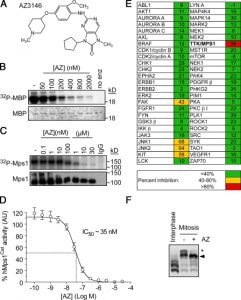
MPS1 (TTK) [1][2][3];
In vitro kinase assay using recombinant human Mps1 catalytic domain (Mps1Cat): IC50 = approximately 35 nM [1]; In vitro inhibition of full-length Mps1 immunoprecipitated from mitotic HeLa cells: IC50 not explicitly stated, but 2 μM AZ3146 effectively inhibited autophosphorylation [1]; Cellular target engagement: inhibition of MPS1 autophosphorylation at T33/S37 in cells: IC50 for wild-type MPS1 = 1.48 μmol/L (MSD assay) [2]; Kinase selectivity panel: at 1 μM, AZ3146 inhibited only FAK, JNK1, JNK2, and KIT by >40% among 50 kinases tested [1]; In HCC cells, AZ3146 targets TTK to reduce cell viability (IC50 values: 7.13 μM in BEL-7404, 28.62 μM in SMMC-7721) [3]. AZ 3146 targets the monopolar spindle 1 (Mps1) kinase, a key regulator of the spindle assembly checkpoint (SAC). It is a selective Mps1 inhibitor with an IC50 of ~35 nM. It is less potent against closely related kinases such as FAK, JNK1, JNK2, and Kit. By inhibiting Mps1, AZ 3146 disrupts the SAC, leading to premature mitotic exit and chromosome missegregation, which can induce cell death in cancer cells. It also inhibits the recruitment of Mad1, Mad2, and CENP-E to kinetochores. |
|---|---|
| ln Vitro |
AZ3146 inhibits human Mps1Cat in an in vitro kinase assay, with an IC50 of about 35 nM. Additionally, full-length Mps1 immunoprecipitated from human cells is potently inhibited from autophosphorylating by AZ3146 [1]. HCC cell growth can be inhibited by AZ3146, a TTK-specific kinase inhibitor. To test for cytotoxicity in vitro, SMMC-7721 and BEL-7404 cells were used. The results indicated that the IC50 values were 7.13 μM (BEL-7404) and 28.62 μM (SMMC-7721). For four days, both cells received additional treatment at IC50 concentrations. There was a noticeable reduction in cell proliferation [2]. HCT116 cells were grown for ten days at 0.8 μM (GI50) AZ3146 and for three weeks at 2 μM AZ3146. In cell viability assays, sixteen clones, designated AzR1-16, were isolated and cell lines were created. AzR3 and 4 had GI50 values of roughly 3 μM (4-fold resistance), while the remaining clones had GI50 values of roughly 9 μM (11-fold resistance). All of the clones were resistant to AZ3146-induced cell death. The parental cell line rapidly exited mitosis within 10 minutes when 2 μM AZ3146 was added, according to time-lapse microscopy analysis of mitosis [3].
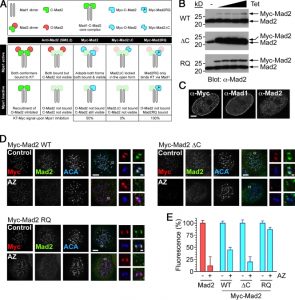
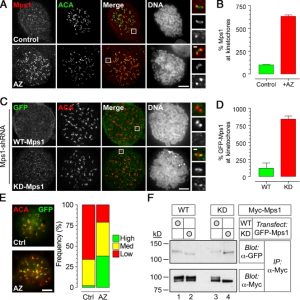
AZ3146 inhibits Mps1 kinase activity in cells: treatment with 2 μM AZ3146 for 2 h reduced the slower-migrating phosphorylated isoform of Mps1 in Phos tag gels [1]. AZ3146 (2 μM) overrides the spindle assembly checkpoint (SAC), causing cells to exit mitosis prematurely (from ~25 min to ~10 min in HeLa cells) [1]. AZ3146 inhibits kinetochore recruitment of O-Mad2 but does not displace the Mad1-C-Mad2 core complex; in HeLa cells expressing Myc-Mad2, AZ3146 reduced anti-Myc signal at kinetochores to 45±5% of control, while SM2.2 (Mad2 antibody) signal was reduced to background levels [1]. AZ3146 also inhibits chromosome alignment: after monastrol washout, 2 μM AZ3146 plus MG132 caused alignment defects in >85% of cells, and time-lapse microscopy showed unaligned chromosomes [1]. AZ3146 treatment (2 μM) reduced kinetochore localization of CENP-E to approximately 30% of control [1]. In HCT116 cells, the GI50 of AZ3146 is 0.8 μmol/L [2]. AZ3146 treatment (2 μmol/L) caused rapid mitotic exit (~10 min) in parental HCT116 cells, while AZ3146-resistant clones (e.g., AzR1 with p.S611G, AzR3 with p.I531M) maintained normal mitotic duration (~25 min) [2]. AZ3146 (2 μmol/L) abolished G1 and G2-M peaks in parental HCT116 cell cycle profiles by flow cytometry, but not in resistant clones [2]. In IP-kinase assays, the p.S611G and p.I531M MPS1 mutants showed near-wild-type kinase activity but were resistant to AZ3146 inhibition (e.g., cellular IC50 for p.S611G = 19.2 μmol/L, p.I531M = 3.4 μmol/L, double mutant >25 μmol/L for autophosphorylation) [2]. In HCC cell lines, AZ3146 inhibits cell proliferation: BEL-7404 cells treated with 7.13 μM AZ3146 for 4 days showed significant growth inhibition; SMMC-7721 cells treated with 28.62 μM AZ3146 also showed reduced viability [3]. In vitro, AZ 3146 is a selective Mps1 inhibitor with an IC50 of ~35 nM. It inhibits the recruitment of Mad1, Mad2, and CENP-E to kinetochores and interferes with chromosome alignment. It significantly reduces Mps1 phosphorylation in cells and inhibits established SAC signaling. It is less potent against FAK, JNK1, JNK2, and Kit. These in vitro studies confirm its mechanism as an Mps1 inhibitor and its effects on mitotic checkpoint signaling. |
| ln Vivo |
Regarding the effect of AZ3146 administration in vivo, the evidence should be provided by performing the study in human or mice or other animal models.
In vivo, AZ 3146 has potential anticancer activity. By inhibiting Mps1 and disrupting the SAC, it can induce mitotic catastrophe and cell death in cancer cells. However, specific detailed in vivo study results are not extensively documented in standard summaries. It is a research compound for studying the role of Mps1 in mitosis and cancer. Its efficacy in preclinical models would need to be validated. |
| Enzyme Assay |
Recombinant Mps1 catalytic domain (Mps1Cat, amino acids 510-857) was incubated with AZ3146 in buffer containing 25 mM Tris-HCl (pH 7.4), 100 mM NaCl, 50 μg/ml BSA, 0.1 mM EGTA, 0.1% β-mercaptoethanol, 10 mM MgCl2, 0.5 μg/ml myelin basic protein (MBP), 100 μM γ[32P]ATP, and varying concentrations of AZ3146. Reactions were incubated at 30°C for 20 min, spotted onto P81 paper, washed in 0.5% phosphoric acid, and incorporated radioactivity was quantified by scintillation counting. IC50 was determined as approximately 35 nM [1].
For immunoprecipitation kinase assays, HeLa cells were arrested with nocodazole, lysed, and full-length Mps1 was immunoprecipitated. Immune complexes were washed and assayed with MBP and γ[32P]ATP in the presence or absence of 2 μM AZ3146. Reactions were stopped with SDS sample buffer, separated by SDS-PAGE, and analyzed by phosphorimaging [1]. Kinase selectivity profiling: a panel of 50 kinases was assayed by a commercial service (SelectScreen) using 1 μM AZ3146. Percent inhibition was calculated for each kinase [1]. Meso Scale Discovery (MSD) electrochemiluminescence assay: cells expressing Myc-tagged MPS1 constructs were treated with AZ3146 (0 to 32 μmol/L), and MPS1 autophosphorylation at T33/S37 was quantified using a fluorescence-based kinase assay as previously described (Naud et al., 2013). IC50 values for wild-type and mutant MPS1 were calculated from dose-response curves [2]. Recombinant full-length MPS1 proteins (wild-type and mutants) were produced, and their kinase activity in the presence of AZ3146 was measured using similar in vitro kinase assays with MBP and ATP, quantifying phosphorylation by autoradiography or scintillation counting [2]. Non-cellular enzyme assays for AZ 3146 typically involve measuring its inhibition of Mps1 kinase activity using purified enzyme and a peptide substrate. The compound's IC50 of ~35 nM is determined in these assays. Selectivity assays are performed to assess its activity against other kinases, such as Cdk1 and Aurora kinase B. These assays are essential for characterizing the compound's potency and selectivity as an Mps1 inhibitor. |
| Cell Assay |
Cell viability assays: HCT116 cells were treated with AZ3146 (0–16 μmol/L) for 4 days, and viability was measured using CellTiter-Glo Luminescent Cell Viability Assay. Colony formation was assessed after 14 days using Sulforhodamine B (SRB) colorimetric assay [2].
Flow cytometry: cells were fixed in 70% ethanol, stained with propidium iodide and RNase, and analyzed on a flow cytometer to assess cell cycle profiles after AZ3146 treatment (e.g., 1 and 2 μmol/L for 24 h) [2]. For mitotic index, cells were stained with anti-MPM2 antibodies followed by FITC-conjugated secondary antibodies [1]. Immunofluorescence: HeLa or HCT116 cells were fixed in 1% formaldehyde, permeabilized with PBS-Triton X-100, and stained with primary antibodies against MAD2, CDC20, MPS1, phospho-MPS1 (pT33/pS37), ACA (centromeres), or CENP-E, followed by fluorescent secondary antibodies and DAPI. Images were acquired on a confocal microscope [1][2]. Time-lapse microscopy: HeLa or HCT116 cells expressing Histone H2B-mCherry were treated with AZ3146 (2 μmol/L for HCT116, 2 μM for HeLa) and imaged using an inverted microscope with a motorized stage in a humidified CO2 chamber at 37°C. Time spent in mitosis was measured [1][2]. Phos tag gel electrophoresis: Mps1 from interphase or nocodazole-arrested cells treated with MG132 ± 2 μM AZ3146 for 2 h was resolved on SDS-PAGE containing 25 μM Phos tag and 50 μM MnCl2, followed by immunoblotting [1]. Cell proliferation assays (HCC): BEL-7404 and SMMC-7721 cells were seeded in 96-well plates (3×10^3 cells/well), treated with various concentrations of AZ3146 (0.1–100 μM) for 3–4 days, and cell viability was measured using CCK-8 reagent. IC50 values were calculated using Origin 8.0 software [3]. Transwell migration assay: HCC cells were transfected with TTK or siRNA, then starved overnight, and 1×10^5 cells in serum-free medium were added to upper chambers (8 μm pore size) with 10% FBS in lower chamber. After 48 h, cells on lower membrane were fixed, stained with crystal violet, and counted [3]. Soft agar colony formation: HCC cells transfected with TTK or siRNA were seeded in 24-well plates with 1% base agar and 0.5% top agar (2×10^3 cells/well). After 21 days, colonies were counted [3]. xCELLigence real-time cell analysis: After transfection with plasmids or siRNAs for 24 h, HCC cells were replated in E-plates (7.5×10^3 cells/well) and monitored every 60 min for 6 days using the RTCA-DP instrument. Cell index values were recorded [3]. In vitro cell-based assays for AZ 3146 are conducted using cancer cell lines to assess its effects on mitotic progression and cell viability. Cells are treated with the compound, and the effects on the spindle assembly checkpoint, chromosome alignment, and mitotic progression are assessed by immunofluorescence microscopy. Cell viability is measured using MTT or similar assays. These experiments are crucial for confirming its mechanism of action. |
| Animal Protocol |
In vivo animal studies for AZ 3146 would typically involve mouse xenograft models of cancer to evaluate its antitumor efficacy. Tumor-bearing mice would be treated with the compound, and tumor growth would be monitored. However, specific published in vivo data for AZ 3146 are not extensively documented. As a research compound, its in vivo efficacy would need to be validated in preclinical models.
|
| ADME/Pharmacokinetics |
AZ 3146 has a molecular weight of 433.50 g/mol. It is soluble in DMSO. As a research compound, its pharmacokinetic properties, such as absorption, distribution, metabolism, and excretion, are not extensively documented. It is intended for research use only. Its solubility and stability would be important factors for its use in in vitro and in vivo studies.
|
| Toxicity/Toxicokinetics |
Comprehensive toxicological data for AZ 3146 are limited, as it is a research compound. It is intended for laboratory use only and is not for human consumption. As with all research chemicals, appropriate safety precautions should be taken when handling AZ 3146. Its safety profile in vivo has not been extensively characterized. Standard toxicological assessments would be required for clinical development.
|
| References |
|
| Additional Infomation |
AZ3146 is a chemical probe for studying Mps1 function in mitosis; it allowed dissection of the two-step mechanism of Mad2 recruitment, showing that Mps1 activity is required for Mad1 localization upon mitotic entry but not for maintenance, and continuously required for O-Mad2 recruitment [1]. AZ3146 has been used to generate acquired resistance models in HCT116 cells, identifying point mutations (p.S611G, p.I531M, p.M600T, p.Y568C, p.C604W) in the MPS1 kinase domain that confer cross-resistance to other MPS1 inhibitors, with structural studies revealing steric hindrance mechanisms [2]. AZ3146 also demonstrates that pre-existing drug-resistant mutations occur naturally in both cancer and normal cells, as detected by droplet digital PCR (e.g., p.S611G at 0.94% frequency in parental HCT116 cells) [2]. In hepatocellular carcinoma, AZ3146 treatment confirms TTK as a potential therapeutic target, as its inhibition reduces HCC cell growth and the compound shows specificity against TTK [3].
AZ 3146 is a potent and selective inhibitor of the Mps1 kinase with an IC50 of ~35 nM. It interferes with chromosome alignment, overrides the spindle assembly checkpoint, and inhibits the recruitment of Mad1, Mad2, and CENP-E to kinetochores. It has potential anticancer activity. AZ 3146 is not an approved drug and is available as a research compound for studying mitotic checkpoint signaling and cancer. |
| Molecular Formula |
C24H32N6O3
|
|
|---|---|---|
| Molecular Weight |
452.55
|
|
| Exact Mass |
452.253
|
|
| CAS # |
1124329-14-1
|
|
| Related CAS # |
|
|
| PubChem CID |
56973724
|
|
| Appearance |
Off-white to light yellow solid powder
|
|
| Density |
1.3±0.1 g/cm3
|
|
| Boiling Point |
621.0±65.0 °C at 760 mmHg
|
|
| Flash Point |
329.4±34.3 °C
|
|
| Vapour Pressure |
0.0±1.8 mmHg at 25°C
|
|
| Index of Refraction |
1.631
|
|
| LogP |
2.76
|
|
| Hydrogen Bond Donor Count |
1
|
|
| Hydrogen Bond Acceptor Count |
7
|
|
| Rotatable Bond Count |
6
|
|
| Heavy Atom Count |
33
|
|
| Complexity |
669
|
|
| Defined Atom Stereocenter Count |
0
|
|
| SMILES |
CN(CC1)CCC1OC2=CC=C(NC3=NC(N(C4CCCC4)C(N5C)=O)=C5C=N3)C(OC)=C2
|
|
| InChi Key |
YUKWVHPTFRQHMF-UHFFFAOYSA-N
|
|
| InChi Code |
InChI=1S/C24H32N6O3/c1-28-12-10-17(11-13-28)33-18-8-9-19(21(14-18)32-3)26-23-25-15-20-22(27-23)30(24(31)29(20)2)16-6-4-5-7-16/h8-9,14-17H,4-7,10-13H2,1-3H3,(H,25,26,27)
|
|
| Chemical Name |
9-cyclopentyl-2-(2-methoxy-4-(1-methylpiperidin-4-yloxy)phenylamino)-7-methyl-7H-purin-8(9H)-one
|
|
| Synonyms |
|
|
| HS Tariff Code |
2934.99.9001
|
|
| Storage |
Powder -20°C 3 years 4°C 2 years In solvent -80°C 6 months -20°C 1 month |
|
| Shipping Condition |
Room temperature (This product is stable at ambient temperature for a few days during ordinary shipping and time spent in Customs)
|
| Solubility (In Vitro) |
DMSO: 28 mg/mL (61.9 mM)
Water: 1 mg/mL (Insoluble) Ethanol: 91 mg/mL (201.1 mM) |
|---|---|
| Solubility (In Vivo) |
Solubility in Formulation 1: ≥ 2.5 mg/mL (5.52 mM) (saturation unknown) in 10% DMSO + 40% PEG300 + 5% Tween80 + 45% Saline (add these co-solvents sequentially from left to right, and one by one), clear solution.
For example, if 1 mL of working solution is to be prepared, you can add 100 μL of 25.0 mg/mL clear DMSO stock solution to 400 μL PEG300 and mix evenly; then add 50 μL Tween-80 to the above solution and mix evenly; then add 450 μL normal saline to adjust the volume to 1 mL. Preparation of saline: Dissolve 0.9 g of sodium chloride in 100 mL ddH₂ O to obtain a clear solution. Solubility in Formulation 2: ≥ 2.5 mg/mL (5.52 mM) (saturation unknown) in 10% DMSO + 90% (20% SBE-β-CD in Saline) (add these co-solvents sequentially from left to right, and one by one), clear solution. For example, if 1 mL of working solution is to be prepared, you can add 100 μL of 25.0 mg/mL clear DMSO stock solution to 900 μL of 20% SBE-β-CD physiological saline solution and mix evenly. Preparation of 20% SBE-β-CD in Saline (4°C,1 week): Dissolve 2 g SBE-β-CD in 10 mL saline to obtain a clear solution. (Please use freshly prepared in vivo formulations for optimal results.) |
| Preparing Stock Solutions | 1 mg | 5 mg | 10 mg | |
| 1 mM | 2.2097 mL | 11.0485 mL | 22.0970 mL | |
| 5 mM | 0.4419 mL | 2.2097 mL | 4.4194 mL | |
| 10 mM | 0.2210 mL | 1.1049 mL | 2.2097 mL |
*Note: Please select an appropriate solvent for the preparation of stock solution based on your experiment needs. For most products, DMSO can be used for preparing stock solutions (e.g. 5 mM, 10 mM, or 20 mM concentration); some products with high aqueous solubility may be dissolved in water directly. Solubility information is available at the above Solubility Data section. Once the stock solution is prepared, aliquot it to routine usage volumes and store at -20°C or -80°C. Avoid repeated freeze and thaw cycles.
Calculation results
Working concentration: mg/mL;
Method for preparing DMSO stock solution: mg drug pre-dissolved in μL DMSO (stock solution concentration mg/mL). Please contact us first if the concentration exceeds the DMSO solubility of the batch of drug.
Method for preparing in vivo formulation::Take μL DMSO stock solution, next add μL PEG300, mix and clarify, next addμL Tween 80, mix and clarify, next add μL ddH2O,mix and clarify.
(1) Please be sure that the solution is clear before the addition of next solvent. Dissolution methods like vortex, ultrasound or warming and heat may be used to aid dissolving.
(2) Be sure to add the solvent(s) in order.
|
|---|
|
|
Products are for research use only; We do not sell to patients
Copyright 2020 InvivoChem LLC | All Rights Reserved


 COA
COA