| Size | Price | Stock | Qty |
|---|---|---|---|
| 50mg |
|
||
| 100mg |
|
||
| 250mg |
|
||
| 500mg |
|
||
| 1g |
|
||
| 2g | |||
| Other Sizes |


Purity: ≥98%
| Targets |
CYP2C9 (Ki = 2 μM); Natural flavonoid; antioxidative; anti-inflammatory; anti-viral; anti-tumor
Cytochrome P450 2C9 (CYP2C9) enzyme (Ki = 1.8 μM, determined by competitive inhibition assay using diclofenac as the probe substrate) [1] - PI3K/AKT/mTOR signaling pathway (EC50 ≈ 10 μM for inhibiting adriamycin-induced cardiomyocyte apoptosis, measured by flow cytometry) [3] |
|---|---|
| ln Vitro |
Ki is 2 μM reductase, cytochrome b5, and liposomes in the CYP2C9 RECO system (a purified recombinase system incorporating recombinant human CYP2C9, P450)[1]. Apigenin (4',5,7-Trihydroxyflavone) inhibits cytochrome P450 2C9 (CYP2C9). Cell proliferation is inhibited by apigenin. Apigenin's seventh growth inhibition rates (IR) at 20, 40, and 80 μM were 38%, 71%, and 99%, in that order. After being exposed to Apigenin for 24 or 48 hours, the clonogenesis of SGC-7901 cells was suppressed in a manner that was dependent on both time and dose. Following 24 and 48 hours of Apigenin treatment, the cloning efficiency of 80 μM was 9.8% and 5%, respectively, compared to 40.4% and 43.4% for the control group [2].
1. Inhibition of CYP2C9 enzyme activity: Using human liver microsomes and diclofenac (CYP2C9-specific substrate): - Apigenin concentration-dependently inhibited CYP2C9-mediated diclofenac 4’-hydroxylation. At 1, 5, and 10 μM, the inhibition rates were ~30%, ~75%, and ~90%, respectively; - Lineweaver-Burk plot analysis showed Apigenin exhibited competitive inhibition against CYP2C9, with a Ki value of 1.8 μM; - No significant inhibition of other CYP isoforms (e.g., CYP1A2, CYP2D6, CYP3A4) was observed at 10 μM Apigenin [1] 2. Anti-proliferative and pro-apoptotic activity on gastric carcinoma cells: In human gastric carcinoma SGC-7901 cells: - Proliferation inhibition: Apigenin (5, 10, 20, 40 μM) reduced cell viability (MTT assay) in a time- and concentration-dependent manner. The IC50 at 48 hours was ~25 μM; - Clone formation inhibition: 20 μM Apigenin decreased the number of colonies by ~65% compared to the control (colony formation assay); - Apoptosis induction: Flow cytometry (Annexin V-FITC/PI staining) showed 40 μM Apigenin increased the apoptotic rate from ~3% (control) to ~28% after 48 hours; - Caspase activation: Western blot revealed 40 μM Apigenin upregulated cleaved caspase-3 and cleaved PARP expression by ~3.5-fold and ~2.8-fold, respectively [2] 3. Attenuation of adriamycin-induced cardiomyocyte apoptosis: In primary rat neonatal cardiomyocytes: - Apoptosis protection: Adriamycin (1 μM) increased the apoptotic rate to ~45%, while co-treatment with Apigenin (5, 10, 20 μM) reduced it to ~30%, ~18%, and ~10%, respectively (TUNEL assay); - PI3K/AKT/mTOR activation: 10 μM Apigenin increased the phosphorylation levels of AKT (p-AKT) and mTOR (p-mTOR) by ~2.2-fold and ~1.8-fold, compared to the adriamycin-only group (Western blot); - Oxidative stress reduction: 10 μM Apigenin decreased adriamycin-induced reactive oxygen species (ROS) production by ~55% (DCFH-DA staining) and malondialdehyde (MDA) levels by ~45% [3] |
| ln Vivo |
Natural flavone apigenin (4',5,7-trihydroxyflavone) has a variety of biological activities, such as anti-inflammatory, neuroprotective, anti-cancer, and antioxidant capabilities. The myocardial damage caused by Adriamycin (ADR) (24 mg/kg) is lessened by apigenin (125 mg/kg and 250 mg/kg). Apigenin prevents serum aspartate aminotransferase (AST) from being released. Serum lactate dehydrogenase (LDH) release is decreased by apelin. Serum creatine kinase (CK) levels are lowered by apigenin [3].
1. Cardioprotective effect in adriamycin-induced cardiomyopathy rats: Male Sprague-Dawley (SD) rats (200–220 g) were divided into 4 groups (n=8/group): - Normal control group: Intraperitoneal injection (IP) of normal saline once every 3 days for 2 weeks; - Adriamycin group: IP of 2.5 mg/kg adriamycin once every 3 days for 2 weeks (total dose 10 mg/kg); - Adriamycin + Apigenin (10 mg/kg) group: IP of 10 mg/kg Apigenin daily for 2 weeks, plus adriamycin (same as above); - Adriamycin + Apigenin (20 mg/kg) group: IP of 20 mg/kg Apigenin daily for 2 weeks, plus adriamycin (same as above). After 4 weeks: - Survival rate: 62.5% (adriamycin group) vs. 87.5% (10 mg/kg Apigenin) vs. 100% (20 mg/kg Apigenin); - Myocardial injury markers: Serum creatine kinase-MB (CK-MB) and lactate dehydrogenase (LDH) levels in the 20 mg/kg Apigenin group were ~50% and ~45% lower than those in the adriamycin group; - Myocardial apoptosis: TUNEL staining showed the apoptotic index in the 20 mg/kg Apigenin group was ~70% lower than that in the adriamycin group; - Cardiac histopathology: Masson staining revealed reduced myocardial fibrosis (collagen volume fraction ~12% vs. ~28% in adriamycin group) in the Apigenin-treated groups [3] |
| Enzyme Assay |
Measurement of Myocardial Enzymes[3]
Serum aspartate amino transferase (AST), lactate dehydrogenase (LDH), and creatine kinase (CK) were measured to assess myocardial injury. These myocardial enzymes were measured using kits. The detailed procedures were performed according to the manufacturer's instructions for the different reagent kits. 1. CYP2C9 enzyme activity inhibition assay: (1) Human liver microsome preparation: Frozen human liver tissues were homogenized in Tris-HCl buffer (pH 7.4) containing EDTA and dithiothreitol. The homogenate was centrifuged at 9,000 × g for 20 minutes (4°C) to remove debris, then ultracentrifuged at 100,000 × g for 60 minutes (4°C) to collect microsomal pellets. Pellets were resuspended in storage buffer and stored at -80°C; (2) Reaction system construction: A total volume of 200 μL reaction mixture contained 0.5 mg/mL microsomal protein, 100 μM diclofenac (substrate), 1 mM NADPH (cofactor), and Apigenin (0, 0.5, 1, 5, 10 μM). The mixture was pre-incubated at 37°C for 5 minutes; (3) Incubation and termination: The reaction was initiated by adding NADPH and incubated at 37°C for 30 minutes. It was terminated by adding 50 μL of ice-cold acetonitrile containing internal standard; (4) Detection: The mixture was centrifuged at 12,000 × g for 10 minutes (4°C), and the supernatant was analyzed by high-performance liquid chromatography (HPLC) with ultraviolet detection (280 nm) to quantify the 4’-hydroxydiclofenac (metabolite). The inhibition rate was calculated, and Ki was determined via Lineweaver-Burk plot [1] |
| Cell Assay |
The effects of apigenin on the growth, clone formation and proliferation of human gastric carcinoma SGC-7901 cells were observed by MTT, clone-forming assay, and morphological observation. Fluorescent staining and flow cytometry analysis were used to detect apoptosis of cells.
Results: Apigenin obviously inhibited the growth, clone formation and proliferation of SGC-7901 cells in a dose-dependent manner. Inhibition of growth was observed on d 1 at the concentration of 80 micromol/L, while after 4 d, the inhibition rate (IR) was 90%. The growth IRs at the concentration of 20, 40, and 80 micromol/L were 38%, 71%, and 99% respectively on the 7th d. After the cells were treated with apigenin for 48 h, the number of clone-forming in control, 20, 40, and 80 micromol/L groups was 217+/-16.9, 170+/-11.1 (P < 0.05), 98+/-11.1 (P < 0.05), and 25+/-3.5 (P < 0.05) respectively. Typical morphological changes of apoptosis was found by fluorescent staining. The cell nuclei had lost its smooth boundaries, chromatin was condensed, and cell nuclei were broken. Flow cytometry detected typical apoptosis peak. After the cells were treated with apigenin for 48 h, the apoptosis rates were 5.76%, 19.17%, and 29.30% respectively in 20, 40, and 80 micromol/L groups.
Conclusion: Apigenin shows obvious inhibition on the growth and clone formation of SGC-7901 cells by inducing apoptosis[2].
1. Gastric carcinoma SGC-7901 cell proliferation and apoptosis assay: (1) Cell culture: SGC-7901 cells were cultured in RPMI 1640 medium supplemented with 10% fetal bovine serum (FBS) and 1% penicillin-streptomycin at 37°C with 5% CO₂; (2) Proliferation assay (MTT): Cells were seeded in 96-well plates at 5×10³ cells/well. After 24 hours, Apigenin (0, 5, 10, 20, 40 μM) was added, and cells were incubated for 24, 48, or 72 hours. 20 μL of MTT solution (5 mg/mL) was added to each well, followed by 4 hours of incubation. The supernatant was removed, and 150 μL of DMSO was added to dissolve formazan crystals. Absorbance at 570 nm was measured to calculate cell viability and IC50; (3) Apoptosis assay (Annexin V-FITC/PI): Cells were seeded in 6-well plates at 2×10⁵ cells/well and treated with 40 μM Apigenin for 48 hours. Cells were harvested, washed with PBS, and resuspended in binding buffer. 5 μL of Annexin V-FITC and 5 μL of PI were added, and the mixture was incubated in the dark for 15 minutes. Apoptotic rate was detected by flow cytometry [2] 2. Neonatal rat cardiomyocyte apoptosis assay: (1) Cardiomyocyte isolation: Ventricles from 1–3-day-old SD rats were minced and digested with collagenase II. Cells were cultured in DMEM/F12 medium with 10% FBS for 24 hours, then purified by differential adhesion (removing fibroblasts); (2) Apoptosis induction and drug treatment: Purified cardiomyocytes were treated with 1 μM adriamycin to induce apoptosis, and co-treated with Apigenin (0, 5, 10, 20 μM) for 24 hours; (3) Western blot for PI3K/AKT/mTOR: Cells were lysed with RIPA buffer containing protease/phosphatase inhibitors. Equal amounts of protein (30 μg) were separated by SDS-PAGE, transferred to PVDF membranes, and probed with primary antibodies (p-AKT, AKT, p-mTOR, mTOR, cleaved caspase-3, β-actin) and HRP-conjugated secondary antibodies. Bands were visualized by ECL and quantified using ImageJ [3] |
| Animal Protocol |
12.5 mg/kg
Mice apigenin was mixed with 0.5% sodium carboxymethyl cellulose (CMC-Na) to form a suspension. All API-treated groups were treated daily via gastric gavage for seventeen days with a 125 or 250 mg/kg/day dose as described above. The ADR-only and control (NC) groups were treated with vehicle (CMC-Na) only. At the end of experiment, three mice died in ADR group and three and one mice died in low-dose and high-dose apigenin treatment group, respectively. These mice all died due to cardiomyotoxicity. On the 17th day after the first treatment, the mice were sacrificed, and blood samples were collected. A number of hearts were fixed with 2.5% glutaraldehyde fixative for electron microscopy analysis, and the others were stored at −80°C for western blot analysis.[3] 1. Adriamycin-induced cardiomyopathy rat model: (1) Experimental animals: Male SD rats (200–220 g), acclimated for 1 week under SPF conditions (temperature 22±2°C, 12-hour light/dark cycle); (2) Grouping and drug preparation: - Normal control: 0.2 mL normal saline (IP, once every 3 days for 2 weeks); - Adriamycin group: 2.5 mg/kg adriamycin (dissolved in normal saline, IP, once every 3 days for 2 weeks, total dose 10 mg/kg); - Apigenin (10 mg/kg) group: 10 mg/kg Apigenin (dissolved in normal saline containing 0.1% DMSO, IP, daily for 2 weeks) + adriamycin (same as above); - Apigenin (20 mg/kg) group: 20 mg/kg Apigenin (same solvent, IP, daily for 2 weeks) + adriamycin (same as above); (3) Monitoring and sampling: - Survival and body weight were recorded weekly; - After 4 weeks, rats were anesthetized with pentobarbital sodium. Blood was collected via abdominal aorta to detect serum CK-MB and LDH levels; - Hearts were excised, weighed (calculated heart weight/body weight ratio), and divided into two parts: one fixed in 4% paraformaldehyde for Masson and TUNEL staining, the other stored at -80°C for Western blot analysis [3] |
| ADME/Pharmacokinetics |
Absorption, Distribution and Excretion
Four hours after gavage administration of flavonoid glycoside extract (equivalent to 0.942 mg aglycone) to Wistar rats, apigenin aglycone was observed in the gastric lumen and wall, small intestinal lumen, and cecal lumen and wall. The presence of glycosides in the gastric wall suggests that the absorption of flavonoids does not require the presence of their aglycones. Under the conditions of this study, no renal excretion of apigenin was detected… Apigenin appears to be absorbed in humans after ingestion of parsley (Petroselinum crispum). In a randomized crossover study, 14 volunteers underwent two consecutive week-long interventions and consumed a diet containing 20 g of parsley. In the parsley-supplemented intervention group, urinary apigenin excretion was significantly higher than in the basal diet group (P < 0.05), ranging from 20.7 to 5727.3 g/24 hours in the intervention group compared to 0 to 1571.7 g/24 hours in the basal diet group. The half-life of apigenin is approximately 12 hours. Significant individual differences were observed in the bioavailability and excretion of apigenin… …This study included 11 healthy subjects (5 women, 6 men), aged 23 to 41 years, with a mean body mass index of 23.9 ± 4.1 kg/m². After following a diet free of apigenin and luteolin, subjects received a single oral dose of 2 g of peeled parsley (equivalent to 65.8 ± 15.5 μmol of apigenin per kg of body weight). Blood samples were collected at 0, 4, 6, 7, 8, 9, 10, 11, and 28 hours after parsley consumption, and 24-hour urine samples were also collected…On average, peak plasma apigenin concentration of 127 ± 81 nmol/L was reached 7.2 ± 1.3 hours after parsley consumption, but significant inter-individual variability was observed. Plasma apigenin concentrations increased in all subjects after a single parsley ingestion and decreased to below the detection limit (2.3 nmol/L) within 28 hours. The average concentration of apigenin in urine over 24 hours was 144 ± 110 nmol/24 hours, equivalent to 0.22 ± 0.16% of the ingested dose. Flavonoids were detected in erythrocytes, but no dose-response characteristics were observed. This study investigated the absorption and excretion of luteolin and apigenin in rats after a single oral administration of chrysanthemum extract (CME) (200 mg/kg). The concentrations of luteolin and apigenin in plasma, urine, feces, and bile were determined by high-performance liquid chromatography (HPLC) after deconjugation with hydrochloric acid or β-glucuronidase/sulfatase. The results showed that the plasma concentrations of luteolin and apigenin reached peak values at 1.1 hours and 3.9 hours after administration, respectively. The areas under the concentration-time curve (AUC) for luteolin and apigenin were 23.03 and 237.6 μg·h/mL, respectively. The total recovery rate of luteolin was 37.9% (6.6% in urine; 31.3% in feces), and the total recovery rate of apigenin was 45.2% (16.6% in urine; 28.6% in feces). The cumulative excretion of luteolin and apigenin in bile was 2.05% and 6.34% of the dose, respectively. All results suggest that apigenin may be more efficiently absorbed than luteolin in rat CME. Both luteolin and apigenin are characterized by rapid absorption and slow elimination, thus it can be inferred that these two flavonoids may accumulate in vivo. After a single oral administration of radiolabeled apigenin to rats, within 10 days, 51.0% of the radioactivity was recovered in urine, 12.0% in feces, 1.2% in blood, 0.4% in kidneys, 9.4% in intestines, 1.2% in liver, and the remaining 24.8% was present in other parts of the body. Sex differences were observed in the properties of compounds excreted in urine: immature male and female rats, like mature female rats, excreted a higher proportion of apigenin monoglucuronide conjugates than apigenin monosulfonate conjugates (10.0%–31.6% and 2.0%–3.6%, respectively). Mature male rats excreted the opposite proportions of the same compounds (4.9% and 13.9%, respectively). Radioactivity was observed in the blood 24 hours after oral administration. Hemodynamic studies showed a long elimination half-life (91.8 hours), a volume of distribution of 259 mL, and a plasma clearance of 1.95 mL/hr. All these experimental parameters indicate that apigenin is metabolized slowly, with both absorption and elimination processes being relatively slow. Therefore, it can be inferred that this flavonoid may accumulate in the body. Metabolism/Metabolites The ether extract of urine from male Wistar rats after oral administration of apigenin (200 mg) contained the phenolic acid metabolites p-hydroxyphenylpropionic acid, p-hydroxycinnamic acid, and p-hydroxybenzoic acid. In addition, unreacted apigenin, partially characterized apigenin glucuronide, and ether sulfate were also identified. All metabolites detected in urine after oral administration, except for p-hydroxybenzoic acid and apigenin conjugates, were also generated in vitro by rat gut microbiota under anaerobic conditions… In contrast, these metabolites were not detected in SENCAR mice treated with topical apigenin. Furthermore, no metabolites were observed in high-performance liquid chromatography (HPLC) analysis of apigenin-treated mouse epidermal extracts… The major in vitro metabolite of apigenin in Aroclor 1254-induced rat liver microsomes has been preliminarily identified as the corresponding 3'-hydroxylated compound, luteolin. Apigenin itself is a 3'-hydroxylated metabolite of apigenin… Known human metabolites of apigenin include (2S,3S,4S,5R)-3,4,5-trihydroxy-6-[5-hydroxy-2-(4-hydroxyphenyl)-4-oxochromen-7-yl]oxaoxane-2-carboxylic acid. Biological half-life …The half-life of apigenin is calculated to be approximately 12 hours… |
| Toxicity/Toxicokinetics |
Effects During Pregnancy and Lactation
◉ Overview of Use During Lactation Two plants with similar effects are called chamomile: German chamomile (Matricaria recutita) and Roman chamomile (Chamaemelum nobile). Both contain similar components, including sesquiterpenes (e.g., bisabolol, farnesene), sesquiterpene lactones (e.g., chamomile extract, chamomilein), flavonoids (e.g., apigenin, luteolin), and volatile oils. Chamomile can be taken orally as a sedative and to treat gastrointestinal disorders; topically, it can promote wound healing. Herbal and homeopathic preparations have been used to treat mastitis and nipple fissures. Chamomile has been used as a galactagogue; however, there are currently no scientifically valid clinical trials to support its galactagogue efficacy. Galactagogues should never replace the assessment and consultation of controllable factors affecting milk production. Chamomile is classified as \"Generally Recognized As Safe\" (GRAS) by the U.S. Food and Drug Administration and can be used as a flavoring, seasoning, or flavoring agent in food. There are currently no data on the safety of chamomile for breastfeeding women or infants, although allergic reactions may occur in rare cases (see below). Chamomile has been safely and effectively used alone or in combination with other herbs to treat infantile colic, diarrhea, and other ailments; therefore, the expected (but unproven) small amounts of chamomile in breast milk, within the range of doses typically taken by the mother, are unlikely to cause harm. Note that Clostridium botulinum (botulism) spores have been found in bulk chamomile tea sold in some health food stores. Topical chamomile is a known sensitizer, even in homeopathic products. Two women developed contact dermatitis of the nipple and areola after using Kamillosan nipple fissure ointment. This product, purchased in the UK, contains 10.5% Roman chamomile extract and essential oil. Patch testing confirmed that the allergic reactions in both women were caused by Roman chamomile. Drinking chamomile tea can worsen local rashes and may cause anaphylactic shock in individuals with allergies. Chamomile may cross-react with other Asteraceae plants (such as Echinacea, chrysanthemum, and milk thistle). Dietary supplements do not require extensive premarket approval from the U.S. Food and Drug Administration (FDA). Manufacturers are responsible for ensuring the safety of their products but are not required to prove the safety and efficacy of dietary supplements before they are marketed. Dietary supplements may contain multiple ingredients, and there are often differences between the ingredients listed on the label and the actual ingredients or amounts. Manufacturers may commission independent agencies to verify the quality of their products or their ingredients, but this does not guarantee the safety and efficacy of the product. Given the above issues, clinical trial results for one product may not apply to other products. For more detailed information on dietary supplements, please visit other pages on the LactMed website. ◉ Effects on breastfed infants As of the revision date, no relevant published information was found. ◉ Effects on Lactation and Breast Milk A breastfeeding mother gave her 3-month-old baby 1.5 to 2 liters of chamomile infusion daily, made by steeping 1 to 3 grams of chamomile flowers in 1.5 liters of hot water. After each consumption, she experienced breast engorgement and pain 4 to 6 hours later. She also found that she could express 90 ml of milk after drinking the chamomile infusion, compared to only 60 ml when not drinking it. During this period, she also developed mild hypothyroidism. 1. In vitro cytotoxicity (references [2], [3]): - Normal gastric epithelial cells (GES-1): No significant cytotoxicity was observed after 48 hours of treatment with 40 μM apigenin (cell viability >90%, MTT assay) [2]; - Neonatal rat cardiomyocytes: 20 μM apigenin alone (without doxorubicin) had no effect on cell viability (viability >95%) and did not induce apoptosis (apoptosis rate <3%) [3] 2. In vivo toxicity: - General toxicity: Apigenin (10 and 20 mg/kg, intraperitoneal injection, for 4 weeks) had no significant effect on rat body weight (weight gain of about 15%, compared to about 14% in the normal control group), and no abnormal behavior (drowsiness, anorexia) was observed; - Liver and kidney function: The serum alanine aminotransferase (ALT), aspartate aminotransferase (AST), creatinine (Cr), and blood urea nitrogen (BUN) levels in the apigenin treatment group were comparable to those in the normal control group (P>0.05); Organ histopathology: No necrosis or inflammation was observed in the liver and kidney tissues of rats in the apigenin treatment group (HE staining) [3] |
| References |
|
| Additional Infomation |
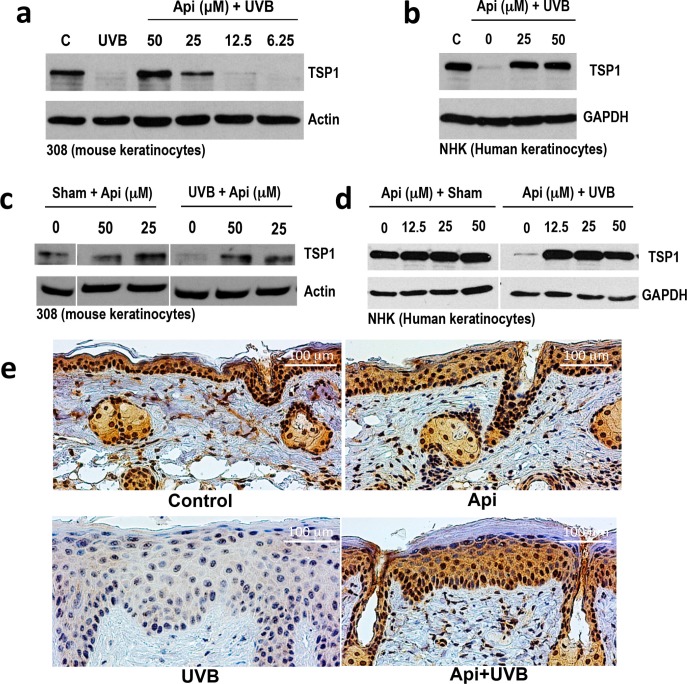
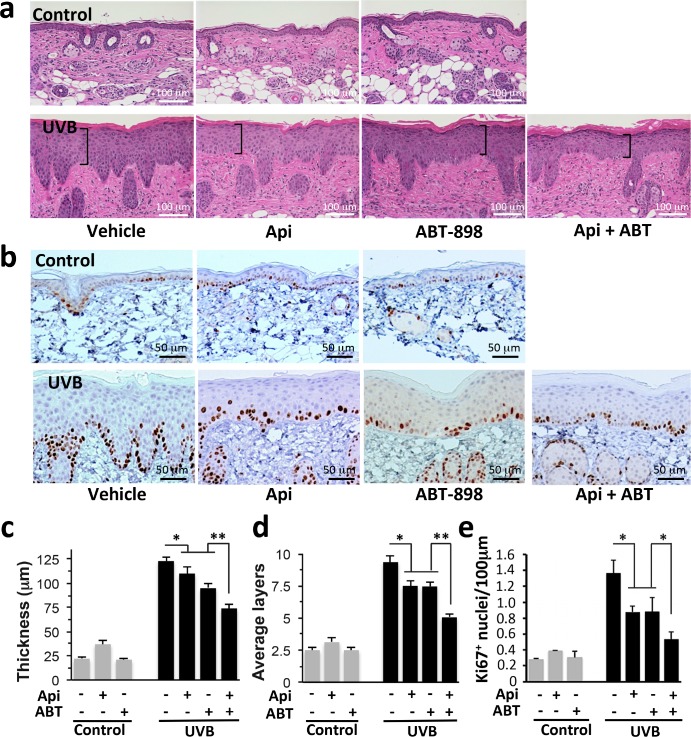
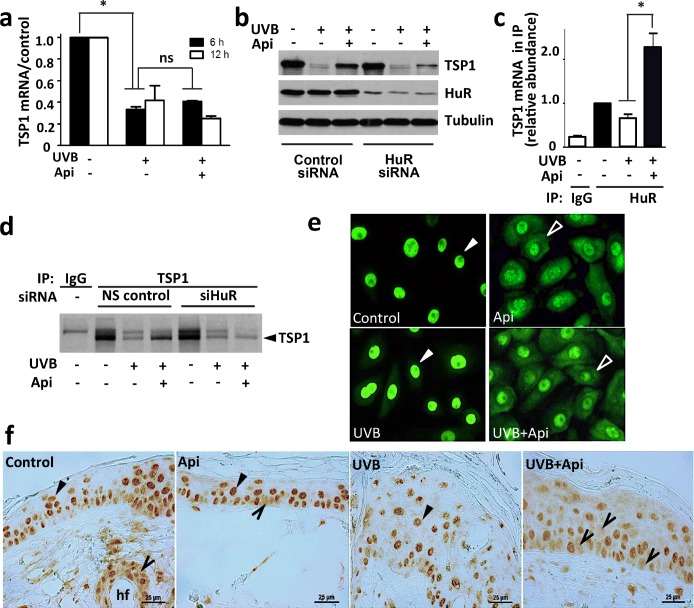
Apigenin is a trihydroxyflavonoid with hydroxyl groups substituted at positions 4', 5', and 7. It can induce autophagy in leukemia cells. Apigenin is both a metabolite and an antitumor drug. It is the conjugate acid of apigenin-7-ol salt. Apigenin has been reported to be found in tea trees (Camellia sinensis), bees (Apis), and other organisms with relevant data. Apigenin is a plant-derived flavonoid compound with great potential as a chemopreventive agent for skin cancer. Apigenin inhibits the expression of the keratinocyte differentiation marker, the envelope protein (hINV). Differentiation factors increase AP1 levels through a protein kinase Cδ (PKCδ), Ras, MEKK1, and MEK3 cascade and promote the binding of AP1 to hINV promoter DNA elements, thereby upregulating hINV expression. Apigenin inhibited 12-O-tetradecanoylphorbol-13-acetate-dependent AP1 factor expression and its binding to the hINV promoter, as well as the increase in hINV promoter activity. Apigenin also inhibited the increase in promoter activity observed after overexpression of PKCδ, constitutively active Ras, or MEKK1. The inhibition of PKCδ activity was associated with a decrease in PKCδ-Y311 phosphorylation levels. Apigenin also inhibited the activation of hINV promoter activity by green tea polyphenol (-)-epicatechin-3-gallate, suggesting that these two chemopreventive agents may have antagonistic effects in keratinocytes. (A7924) Apigenin is a flavonoid widely found in fruits and vegetables with antiproliferative, anti-inflammatory, and anti-metastatic activities, but its mechanism of action is not fully understood. This flavonoid selectively promotes caspase-dependent apoptosis in leukemia cells and reveals a key role of PKCδ in apigenin-induced apoptosis. (A7925) Apigenin significantly induces the expression of death receptor 5 (DR5) and synergizes with exogenous soluble recombinant human tumor necrosis factor-associated apoptosis-inducing ligand (TRAIL) to induce apoptosis in malignant tumor cells. On the other hand, apigenin-mediated DR5 expression induction was not observed in normal human peripheral blood mononuclear cells. Furthermore, apigenin did not make normal human peripheral blood mononuclear cells more sensitive to TRAIL-induced apoptosis. (A7926)
5,7,4'-Trihydroxyflavone, one of the flavonoids. See also: Flavonoids (subclass); Chamomile (part); Fenugreek seed (part)...See more... Mechanism of Action The dietary flavonoid apigenin (Api) has been shown to have various beneficial effects on vascular endothelium. This study aimed to investigate whether calcium-activated potassium channels (K(Ca)) are involved in endothelial nitric oxide (NO) production and anti-angiogenic effects… Endothelial NO production was monitored using radioimmunoassay with cyclic guanosine monophosphate (cGMP). Changes in K(Ca) activity and intracellular calcium ion concentration [Ca(2+)](i) were analyzed using the fluorescent dyes dibarbiturate xanthanol, potassium-bound benzofuran isophthalate, and Fluo-3. Endothelial angiogenesis parameters measured included cell proliferation, [(3)H]-thymidine incorporation, and cell migration (scratch assay). Akt phosphorylation was detected using immunohistochemistry… Api increased cyclic guanosine monophosphate (cGMP) levels in a concentration-dependent manner, reaching a maximum effect at 1 μM. Api-induced hyperpolarization was blocked by the low-conductivity K(Ca) channel inhibitor apramine and the high-conductivity K(Ca) channel inhibitor ibeloin, respectively. Furthermore, apramine and ibeloin also blocked the late, sustained plateau phase of Api-induced biphasic increase in [Ca(2+)](i). Inhibition of Ca(2+) signaling and blocking of K(Ca) channels both inhibited NO production. Inhibition of these three signaling pathways (NO, Ca(2+), and K(Ca) channels) reversed the anti-angiogenic effect of Api under both basal and bFGF-induced culture conditions. BFGF-induced Akt phosphorylation was also inhibited by Api… Based on these experimental results… the authors proposed the following signaling cascade for Api's effect on endothelial cell signaling. Api activates both low-conductivity and high-conductivity K(Ca) channels, leading to hyperpolarization, followed by Ca(2+) influx. Increased [Ca(2+)](i) leads to increased NO production, which mediates Api's anti-angiogenic effect through Akt dephosphorylation. Apigenin inhibits the production of pro-inflammatory cytokines IL-1β, IL-8, and TNF in LPS-stimulated human monocytes and mouse macrophages. This inhibitory effect on pro-inflammatory cytokine production persists even after LPS stimulation. Transient transfection experiments using an NF-κB reporter gene construct showed that apigenin inhibits the transcriptional activity of NF-κB in LPS-stimulated mouse macrophages. Canonical proteasome-dependent degradation of the NF-κB inhibitor IκBα was observed in LPS-stimulated human monocytes treated with apigenin. EMSA experiments showed that apigenin does not alter the DNA-binding activity of NF-κB in human monocytes. Instead, apigenin, as part of a non-canonical pathway, modulates NF-κB activity through hypophosphorylation of the p65 subunit Ser536 and inactivation of the LPS-stimulated IKK complex. The reduced Ser536 phosphorylation levels observed in LPS-stimulated mouse macrophages treated with apigenin can be reversed by IKKβ overexpression. Furthermore, studies have shown that apigenin can inhibit LPS-induced TNF and lethal dose LPS-induced cell death in vivo. These findings collectively suggest the molecular mechanisms by which apigenin suppresses inflammation and modulates immune responses in vivo. Treatment of human prostate cancer LNCaP and PC-3 cells with apigenin induced G0/G1 phase arrest, with a dose- and time-dependent decrease in total Rb protein and its phosphorylation levels at Ser780 and Ser807/811 sites. Apigenin treatment increased the phosphorylation levels of ERK1/2 and JNK1/2, and this sustained activation led to decreased ELK-1 phosphorylation and c-FOS expression, thereby inhibiting cell survival. Kinase inhibitors induced ERK1/2 phosphorylation to varying degrees and did not cause cell cycle arrest compared to apigenin treatment. Despite activation of the MAPK pathway, apigenin still resulted in a significant decrease in cyclin D1 expression, along with reduced Rb phosphorylation levels, and inhibition of cell cycle progression. Decreased expression of cyclin D1 protein was associated with reduced expression and phosphorylation levels of p38 and PI3K-Akt (regulators of cyclin D1). Interestingly, apigenin significantly reduced the expression of cyclins D1, D2, and E, as well as their regulators CDK2, 4, and 6, which function in the G0-G1 phase of the cell cycle. Simultaneously, RNA polymerase II phosphorylation levels were also reduced, indicating that apigenin can effectively inhibit the transcription of these proteins. This study reveals the molecular mechanism by which apigenin regulates multiple tyrosine kinases and interferes with cell cycle progression, suggesting its potential future use as an anticancer drug in humans. This study aims to elucidate the anti-inflammatory mechanism of apigenin. Apigenin inhibited collagenase activity involved in rheumatoid arthritis (RA) and, in a dose-dependent manner, suppressed lipopolysaccharide (LPS)-induced nitric oxide (NO) production in RAW 264.7 macrophages. Apigenin pretreatment also attenuated LPS-induced cyclooxygenase-2 (COX-2) expression. Furthermore, apigenin significantly reduced tumor necrosis factor-α (TNF-α)-induced adhesion of monocytes to the human umbilical vein endothelial cell (HUVEC) monolayer. Apigenin significantly inhibited the upregulation of TNF-α-stimulated vascular cell adhesion molecule-1 (VCAM-1), intercellular adhesion molecule-1 (ICAM-1), and E-selectin mRNA expression to basal levels. In summary, these results indicate that apigenin possesses significant anti-inflammatory activity, the mechanism of which involves blocking NO-mediated COX-2 expression and monocyte adhesion… For more complete data on the mechanisms of action of apigenin (16 in total), please visit the HSDB record page. 1. Source and Chemical Classification: Apigenin is a natural flavonoid compound widely found in plants such as celery, parsley, onion, and chamomile. It is characterized by a flavonoid skeleton (5,7,4'-trihydroxyflavone) and has been studied for its anti-inflammatory, antioxidant, and anticancer properties [2, 3]. 2. Mechanism Overview: - Drug-pharmaceutical interactions: Competitive inhibition of CYP2C9 may affect the metabolism of CYP2C9 substrate drugs (e.g., warfarin, diclofenac) [1]; - Anticancer effects: Induces apoptosis of gastric cancer cells by activating the caspase cascade reaction, and has no significant toxicity to normal epithelial cells [2]; - Cardioprotective effects: Activates the PI3K/AKT/mTOR pathway to inhibit doxorubicin-induced cardiomyocyte apoptosis and reduce oxidative stress [3]; 3. Potential for clinical applications: Apigenin has good safety and shows the following application prospects: (1) As an adjuvant to chemotherapeutic drugs (e.g., doxorubicin) to reduce cardiotoxicity; (2) Due to its selective antiproliferative activity, it can be used as a candidate drug for the treatment of gastric cancer; (3) As a drug metabolism regulator to optimize the efficacy and safety of CYP2C9 substrate drugs [1, 2, 3] |
| Molecular Formula |
C15H10O5
|
|
|---|---|---|
| Molecular Weight |
270.24
|
|
| Exact Mass |
270.052
|
|
| Elemental Analysis |
C, 66.67; H, 3.73; O, 29.60
|
|
| CAS # |
520-36-5
|
|
| Related CAS # |
Apigenin 7-glucoside;578-74-5
|
|
| PubChem CID |
5280443
|
|
| Appearance |
Light yellow to green yellow solid powder
|
|
| Density |
1.5±0.1 g/cm3
|
|
| Boiling Point |
555.5±50.0 °C at 760 mmHg
|
|
| Melting Point |
>300 °C(lit.)
|
|
| Flash Point |
217.1±23.6 °C
|
|
| Vapour Pressure |
0.0±1.6 mmHg at 25°C
|
|
| Index of Refraction |
1.732
|
|
| Source |
Originated from plants: Compositae Baccharis sarothroides A.Gray
Originated from plants: Umbelliferae Endogenously produced metabolite: Human Gut Microbiota Metabolites |
|
| LogP |
2.1
|
|
| Hydrogen Bond Donor Count |
3
|
|
| Hydrogen Bond Acceptor Count |
5
|
|
| Rotatable Bond Count |
1
|
|
| Heavy Atom Count |
20
|
|
| Complexity |
411
|
|
| Defined Atom Stereocenter Count |
0
|
|
| SMILES |
OC1=C2C(OC(C3=CC=C(O)C=C3)=CC2=O)=CC(O)=C1
|
|
| InChi Key |
KZNIFHPLKGYRTM-UHFFFAOYSA-N
|
|
| InChi Code |
InChI=1S/C15H10O5/c16-9-3-1-8(2-4-9)13-7-12(19)15-11(18)5-10(17)6-14(15)20-13/h1-7,16-18H
|
|
| Chemical Name |
5,7-dihydroxy-2-(4-hydroxyphenyl)chromen-4-one
|
|
| Synonyms |
|
|
| HS Tariff Code |
2934.99.9001
|
|
| Storage |
Powder -20°C 3 years 4°C 2 years In solvent -80°C 6 months -20°C 1 month |
|
| Shipping Condition |
Room temperature (This product is stable at ambient temperature for a few days during ordinary shipping and time spent in Customs)
|
| Solubility (In Vitro) |
DMSO: 54 mg/mL (199.8 mM)
Water: 1 mg/mL (Insoluble) Ethanol: 1 mg/mL |
|---|---|
| Solubility (In Vivo) |
Solubility in Formulation 1: ≥ 2.08 mg/mL (7.70 mM) (saturation unknown) in 10% DMSO + 40% PEG300 + 5% Tween80 + 45% Saline (add these co-solvents sequentially from left to right, and one by one), clear solution.
For example, if 1 mL of working solution is to be prepared, you can add 100 μL of 20.8 mg/mL clear DMSO stock solution to 400 μL PEG300 and mix evenly; then add 50 μL Tween-80 to the above solution and mix evenly; then add 450 μL normal saline to adjust the volume to 1 mL. Preparation of saline: Dissolve 0.9 g of sodium chloride in 100 mL ddH₂ O to obtain a clear solution. Solubility in Formulation 2: ≥ 2.08 mg/mL (7.70 mM) (saturation unknown) in 10% DMSO + 90% (20% SBE-β-CD in Saline) (add these co-solvents sequentially from left to right, and one by one), clear solution. For example, if 1 mL of working solution is to be prepared, you can add 100 μL of 20.8 mg/mL clear DMSO stock solution to 900 μL of 20% SBE-β-CD physiological saline solution and mix evenly. Preparation of 20% SBE-β-CD in Saline (4°C,1 week): Dissolve 2 g SBE-β-CD in 10 mL saline to obtain a clear solution. View More
Solubility in Formulation 3: 10 mg/mL (37.00 mM) in 0.5% CMC-Na/saline water (add these co-solvents sequentially from left to right, and one by one), suspension solution; with ultrasonication. |
| Preparing Stock Solutions | 1 mg | 5 mg | 10 mg | |
| 1 mM | 3.7004 mL | 18.5021 mL | 37.0041 mL | |
| 5 mM | 0.7401 mL | 3.7004 mL | 7.4008 mL | |
| 10 mM | 0.3700 mL | 1.8502 mL | 3.7004 mL |
*Note: Please select an appropriate solvent for the preparation of stock solution based on your experiment needs. For most products, DMSO can be used for preparing stock solutions (e.g. 5 mM, 10 mM, or 20 mM concentration); some products with high aqueous solubility may be dissolved in water directly. Solubility information is available at the above Solubility Data section. Once the stock solution is prepared, aliquot it to routine usage volumes and store at -20°C or -80°C. Avoid repeated freeze and thaw cycles.
Calculation results
Working concentration: mg/mL;
Method for preparing DMSO stock solution: mg drug pre-dissolved in μL DMSO (stock solution concentration mg/mL). Please contact us first if the concentration exceeds the DMSO solubility of the batch of drug.
Method for preparing in vivo formulation::Take μL DMSO stock solution, next add μL PEG300, mix and clarify, next addμL Tween 80, mix and clarify, next add μL ddH2O,mix and clarify.
(1) Please be sure that the solution is clear before the addition of next solvent. Dissolution methods like vortex, ultrasound or warming and heat may be used to aid dissolving.
(2) Be sure to add the solvent(s) in order.
| NCT Number | Recruitment | interventions | Conditions | Sponsor/Collaborators | Start Date | Phases |
| NCT05999682 | Completed | Other: apigenin Other: sterilized water |
Sepsis Septic Shock |
Zhujiang Hospital | September 1, 2023 | Phase 1 Phase 2 |
| NCT03526081 | Completed | Other: Chamomile Tea Other: Parsley based drink |
Healthy | University of California, Davis | January 20, 2015 | Not Applicable |
| NCT03139227 | Withdrawn | Procedure: Bio specimen Collection Dietary Supplement: Dietary Intervention |
Health Status Unknown | Ohio State University Comprehensive Cancer Center |
August 15, 2017 | Not Applicable |
| NCT05788705 | Not yet recruiting | Dietary Supplement: "apigenin" and "glycyrrhizin" |
Rheumatoid Arthritis | Adel A.Gomaa | July 2023 | Not Applicable |
|
|---|
|
|
Products are for research use only; We do not sell to patients
Copyright 2020 InvivoChem LLC | All Rights Reserved


 COA
COA