| Size | Price | Stock | Qty |
|---|---|---|---|
| 5mg |
|
||
| 10mg |
|
||
| 25mg |
|
||
| 50mg |
|
||
| 100mg |
|
||
| 250mg |
|
||
| 500mg |
|
||
| Other Sizes |


| Targets |
P2X7 Receptor
P2X7 Receptor (purinergic receptor P2X subtype 7) - Ki value: ~1.6 nM (determined by [³H]A-804598 competitive binding assay in rat brain cortex membranes); - IC50 for inhibiting ATP-induced P2X7-mediated responses: ~8.3 nM (inhibition of ATP-induced ethidium bromide (EtBr) uptake, a marker of P2X7-mediated pore formation, in human embryonic kidney (HEK) 293 cells stably expressing human P2X7 (HEK-hP2X7)); - No significant binding to other P2 receptor subtypes (P2X1, P2X2, P2X3, P2X4, P2X5, P2Y1, P2Y2, P2Y4, P2Y6) at concentrations up to 10 μM, indicating high selectivity for P2X7[1] |
|---|---|
| ln Vitro |
In a concentration-dependent manner, pre-incubation with A-804598 (0.1-10 μM; 1 hour) greatly reduces BzATP-induced cell loss. The highest protective effect against BzATP-induced cytotoxicity is shown by 3 μM A-804598[2].
To complement the results of P2X7 knockdown, we sought to test the effect of a P2X7 antagonist (A-804598) in murine microglia. Primary microglia were incubated with varying concentrations of A-804598 for 1 h prior to exposure to BzATP. Cell viability was measured by CCK-8 assay, and microglial morphology was examined by confocal microscopy. As shown in Fig. 6a, BzATP alone resulted in approximately 40% microglial cell loss, while pre-incubation with A-804598 significantly attenuated BzATP-induced cell loss in a concentration-dependent manner. Three micromolar A-804598 exhibited the greatest protective effect against BzATP-induced cytotoxicity (Fig. 6b). Furthermore, we validated the protective effect of A-804598 in activated microglia. LPS-primed microglia were first exposed to varying concentrations of A-804598 and then treated with BzATP. As expected, the primed microglia exhibited amoeboid morphology and significant cell loss in response to BzATP (Fig. 6a). However, results of confocal microscopy and CCK-8 assay showed that cell loss by BzATP were counteracted by pre-incubation with A-804598 concentration dependently (Fig. 6c). Taken together, our findings revealed the protective effects of P2X7 antagonist A-804598 against BzATP-induced cytotoxicity in both inactivated and activated microglia, further demonstrating the mediating role of P2X7 in ATP-induced microglial cell death.[2] 1. P2X7 receptor binding affinity and selectivity: - In rat brain cortex membrane preparations, [³H]A-804598 bound to P2X7 receptors with high affinity: the equilibrium dissociation constant (Kd) was ~2.1 nM, and the maximum binding capacity (Bmax) was ~11.2 fmol/mg protein. Unlabeled A-804598 competitively displaced [³H]A-804598 with a Ki of ~1.6 nM. - In binding assays against 15 other receptor families (including adrenergic, cholinergic, GABAergic, opioid receptors) and ion channels, A-804598 (10 μM) showed <50% displacement of respective radioligands, confirming no off-target binding[1] 2. Inhibition of P2X7-mediated functional responses: - In HEK-hP2X7 cells: A-804598 dose-dependently inhibited ATP (1 mM)-induced EtBr uptake (pore formation) with an IC50 of ~8.3 nM; at 100 nM, inhibition rate exceeded 95%. It also inhibited ATP-induced intracellular calcium ([Ca²⁺]i) elevation with an IC50 of ~7.9 nM, consistent with its P2X7 antagonism. - In rat primary microglia: A-804598 (100 nM) completely blocked ATP (5 mM)-induced EtBr uptake, confirming P2X7 inhibition in native cells[1] 3. Reversibility of P2X7 inhibition: - After washing out A-804598 (10 nM) from HEK-hP2X7 cells, ATP-induced [Ca²⁺]i elevation recovered to ~90% of the pre-treatment level within 30 minutes, indicating reversible binding to P2X7[1] |
| ln Vivo |
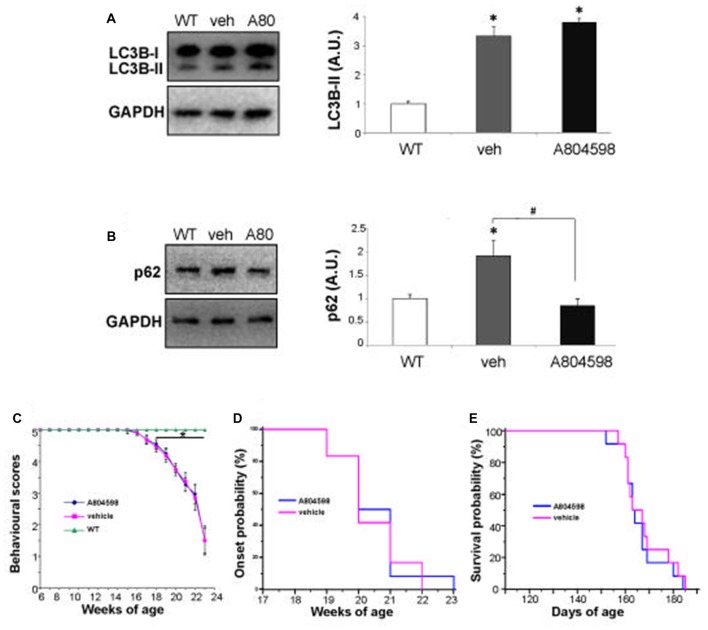
In the lumbar spinal cord in the end stage of the disease, chroni therapy with A-804598 (intraperitoneal injection; 30 mg/kg; five times a week) reduces the expression of LC3B-II and SQSTM1/p62[3].
It is known that the SQSTM1/p62 autophagy substrate accumulates, together with LC3B-II, in lumbar spinal cord of ALS mice during disease progression, when the autophagic flux is impaired (Zhang et al., 2011). We have therefore measured the level of LC3B-II and SQSTM1/p62 proteins in lumbar spinal cord of SOD1-G93A mice after having pharmacologically inhibited in vivo the P2X7 receptor by a chronic treatment in female SOD1-G93A mice with the blood-brain permeant A-804598, demonstrated to reach brain concentrations in rodents after oral or i.p. doses (Able et al., 2011; Iwata et al., 2016), administered at 30 mg/Kg from pre-onset to end stage of disease. We find that while the protein levels of LC3B-II (Figure 5A) and SQSTM1/p62 (Figure 5B) are confirmed to be both increased at end stage in vehicle-treated SOD1-G93A mice with respect to WT, in A-804598-treated ALS mice with respect to vehicle, the LC3B-II protein content appears unmodified, while SQSTM1/p62 is inhibited to basal levels (Figures 5A,B). As shown, neither behavioral scores (Figure 5C), disease onset (Figure 5D), nor survival (Figure 5E) are however affected by A-804598 when administered in female SOD1-G93A mice.[3] |
| Enzyme Assay |
ATP-sensitive P2X7 receptors are localized on cells of immunological origin including peripheral macrophages and glial cells in the CNS. Activation of P2X7 receptors leads to rapid changes in intracellular calcium concentrations, release of the pro-inflammatory cytokine IL-1beta, and following prolonged agonist exposure, the formation of cytolytic pores in plasma membranes. Data from gene knockout studies and recently described selective antagonists indicate a role for P2X7 receptor activation in inflammation and pain. While several species selective P2X7 antagonists exist, A-804598 represents a structurally novel, competitive, and selective antagonist that has equivalent high affinity at rat (IC50 = 10 nM), mouse (IC50 = 9 nM) and human (IC50 = 11 nM) P2X7 receptors. A-804598 also potently blocked agonist stimulated release of IL-1beta and Yo-Pro uptake from differentiated THP-1 cells that natively express human P2X7 receptors. A-804598 was tritiated ([3H]A-804598; 8.1Ci/mmol) and utilized to study recombinant rat P2X7 receptors expressed in 1321N1 cells. [3H]A-804598 labeled a single class of high affinity binding sites (Kd=2.4 nM and apparent Bmax=0.56 pmol/mg). No specific binding was observed in untransfected 1321N1 cells. The pharmacological profile for P2X antagonists to inhibit [3H]A-804598 binding correlated with their ability to block functional activation of P2X7 receptors (r=0.95, P<0.05). These data demonstrate that A-804598 is one of the most potent and selective antagonists for mammalian P2X7 receptors described to date and [3H]A-804598 is a high affinity antagonist radioligand that specifically labels rat P2X7 receptors[1].
1. [³H]A-804598 competitive binding assay (rat brain cortex membranes): - Membrane preparation: Rat brains were dissected, cortex was homogenized in ice-cold buffer (50 mM Tris-HCl, pH 7.4, 1 mM EDTA) and centrifuged (100,000×g, 20 minutes, 4℃). The pellet was resuspended in the same buffer and stored at -80℃ until use. - Incubation system: 200 μL reaction mixture contained membrane protein (50 μg), [³H]A-804598 (0.5-10 nM), and unlabeled A-804598 (0.1 nM-10 μM, for competition curves) or buffer (for total binding). Nonspecific binding was determined in the presence of 10 μM unlabeled P2X7 antagonist (oxATP). The mixture was incubated at 25℃ for 60 minutes. - Separation and detection: Bound and free radioligand were separated by rapid filtration through glass fiber filters (pre-soaked in 0.5% polyethyleneimine) using a cell harvester. Filters were washed 3 times with ice-cold buffer, dried, and mixed with scintillation fluid. Radioactivity was counted using a liquid scintillation counter. Kd, Bmax, and Ki values were calculated via nonlinear regression[1] 2. ATP-induced EtBr uptake assay (HEK-hP2X7 cells): - Cells were seeded in 96-well plates at 5×10⁴ cells/well and cultured overnight. Medium was replaced with Hank’s Balanced Salt Solution (HBSS) containing EtBr (5 μM) and A-804598 (0.1 nM-1 μM). After 10 minutes of pre-incubation, ATP (1 mM) was added to induce pore formation. - Fluorescence intensity (excitation 540 nm, emission 620 nm) was measured every 2 minutes for 30 minutes using a microplate reader. The rate of EtBr uptake (slope of fluorescence increase) was calculated, and IC50 was derived from the concentration-inhibition curve[1] 3. ATP-induced [Ca²⁺]i elevation assay (HEK-hP2X7 cells): - Cells were loaded with the calcium-sensitive dye Fluo-4 AM (4 μM) in HBSS containing 0.02% pluronic acid for 30 minutes at 37℃. After washing, cells were pre-incubated with A-804598 (0.1 nM-1 μM) for 10 minutes. - ATP (1 mM) was added, and fluorescence intensity (excitation 488 nm, emission 525 nm) was measured for 20 minutes. The peak fluorescence intensity was used to quantify [Ca²⁺]i elevation, and IC50 was calculated via nonlinear regression[1] |
| Cell Assay |
Cell Cytotoxicity Assay[2]
Cell Types: microglial cell Tested Concentrations: 0.1, 0.3, 1, 3, 10 μM Incubation Duration: 1 hour Experimental Results: Protected against BzATP-induced cytotoxicity in both inactivated and activated microglia. 1. HEK-hP2X7 cell culture and P2X7 functional validation: - HEK 293 cells were stably transfected with human P2X7 cDNA and maintained in complete medium (DMEM + 10% FBS + selective antibiotic). Cells were passaged every 2-3 days when confluency reached 80-90%. - For functional assays (EtBr uptake, [Ca²⁺]i elevation), cells were seeded in 96-well plates at 5×10⁴ cells/well and cultured overnight to ensure adherence. Prior to experiments, medium was replaced with HBSS to eliminate serum interference[1] 2. Rat primary microglia isolation and EtBr uptake assay: - Rat pups (1-3 days old) were euthanized, and brains were dissected. Cortical tissues were minced, digested with trypsin (0.25%) for 15 minutes at 37℃, and triturated to form single-cell suspensions. - Cells were plated in T75 flasks and cultured in DMEM + 10% FBS for 7-10 days. Microglia were isolated by shaking flasks at 200 rpm for 2 hours at 37℃, collected by centrifugation, and seeded in 96-well plates at 1×10⁵ cells/well. - After 24 hours, microglia were pre-incubated with A-804598 (100 nM) for 10 minutes, then ATP (5 mM) + EtBr (5 μM) was added. Fluorescence intensity was measured to assess EtBr uptake inhibition[1] |
| Animal Protocol |
Animal/Disease Models: Adult B6 .Cg-Tg (SOD1-G93A) 1Gur/J female mice [3]
Doses: 30 mg/kg Route of Administration: intraperitoneal (ip)injection; five times a week Experimental Results: diminished SQSTM1/p62 expression. SOD1-G93A mice at 100 days of age (pre-onset) were randomly grouped into vehicle-treated or CNS penetrant P2X7 specific antagonist A-804598-treated mice (Donnelly-Roberts et al., 2009; Catanzaro et al., 2014; Iwata et al., 2016) given by intraperitoneal injection at 30 mg/kg five times a week until end stage of disease. Because there is sex diversity in response to pharmacological treatments (Pizzasegola et al., 2009) and the P2X7 antagonist Brilliant Blue G has prolonged survival only in female SOD1-G93A mice (Bartlett et al., 2017; Sluyter et al., 2017), we have chosen to study female mice.[3] |
| References |
|
| Additional Infomation |
ATP-sensitive P2X7 receptors are localized to immune-derived cells, including peripheral macrophages and glial cells in the central nervous system (CNS). Activation of the P2X7 receptor leads to rapid changes in intracellular calcium ion concentration, release of the pro-inflammatory cytokine IL-1β, and, after a period of sustained agonist action, the formation of cytolysis pores on the cell membrane. Gene knockout studies and data from recently reported selective antagonists suggest that P2X7 receptor activation plays a role in inflammation and pain. While several species-selective P2X7 receptor antagonists exist, A-804598 is a novel, competitively selective antagonist exhibiting equally high affinity for the P2X7 receptor in rats (IC50 = 10 nM), mice (IC50 = 9 nM), and humans (IC50 = 11 nM). A-804598 also effectively blocked agonist-stimulated IL-1β release and Yo-Pro uptake in differentiated THP-1 cells that naturally express the human P2X7 receptor. A-804598, after tritium labeling ([3H]A-804598; 8.1 Ci/mmol), was used to study recombinant rat P2X7 receptor expression in 1321N1 cells. [3H]A-804598 labeled a class of high-affinity binding sites (Kd = 2.4 nM, apparent Bmax = 0.56 pmol/mg). No specific binding was observed in untransfected 1321N1 cells. The pharmacological signature of P2X receptor antagonists inhibiting [3H]A-804598 binding was positively correlated with their ability to block P2X7 receptor activation (r = 0.95, P < 0.05). These data suggest that A-804598 is one of the most potent and selective antagonists of the mammalian P2X7 receptor reported to date. [3H]A-804598 is a high-affinity antagonist radioligand that specifically labels the rat P2X7 receptor. [1]
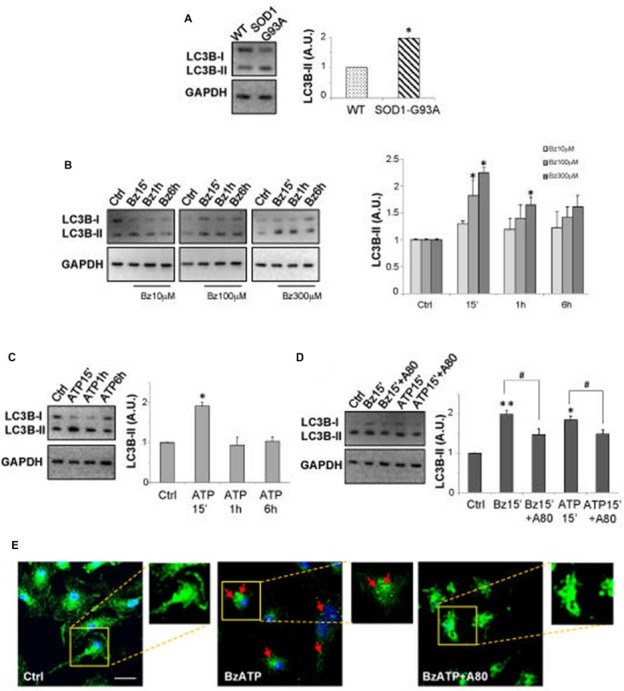
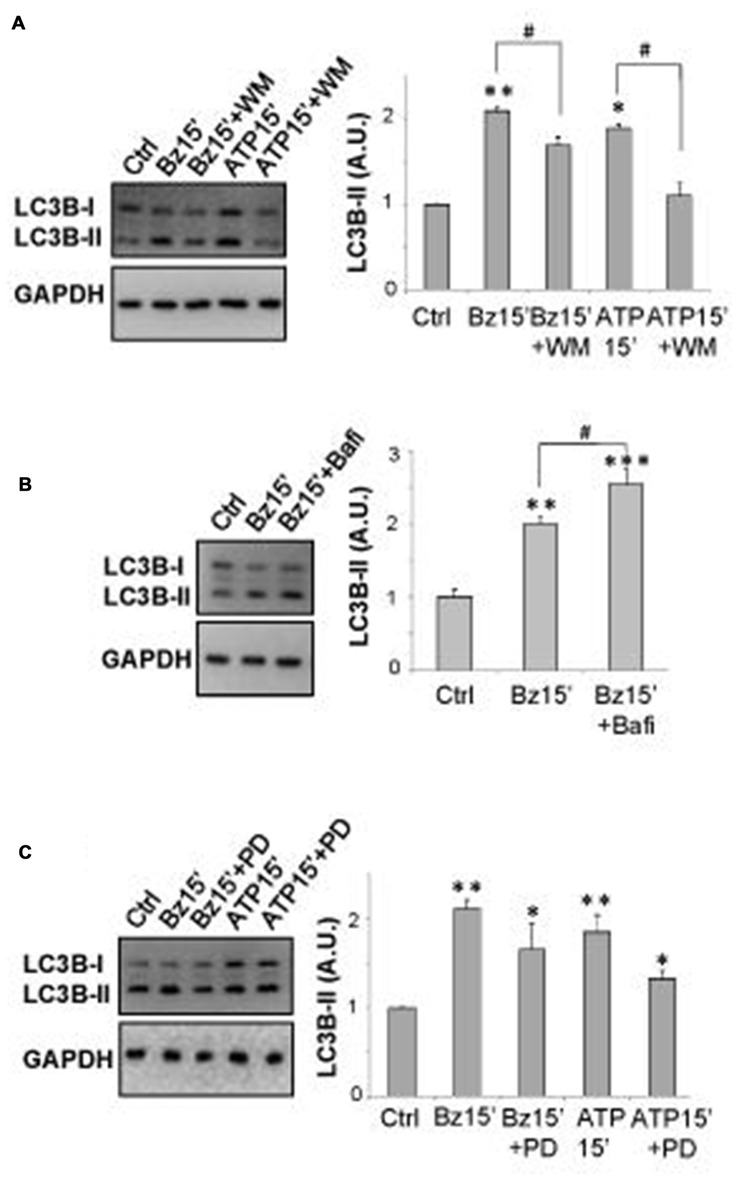
Background: ATP-gated P2X7 is a non-selective cation channel involved in a variety of cellular functions and pathophysiological processes, including neuropathic pain, immune responses, and neuroinflammation. Despite its high expression in microglia, the role of P2X7 in neuroinflammation remains unclear. Methods: Primary microglia were isolated from the cortex of P0-2 day-old C57BL/6 wild-type or P2X7 knockout (P2X7-/-) mouse pups. We induced microglia to polarize to a pro-inflammatory or anti-inflammatory state using lipopolysaccharide, lipopolysaccharide combined with IFNγ, or IL-4 combined with IL-13. The expression level of P2rx7 in mouse and human microglia under resting or activated states was detected by RNA sequencing and quantitative real-time PCR. Microglia death was detected using the Cell Counting Kit-8 (CCK-8) and immunocytochemistry. Secretion of P2X7 in wild-type or P2X7-/- microglia was detected by Luminex multiplex analysis or ELISA using the P2X7 agonist BzATP or the P2X7 antagonist A-804598. The P2X7 signaling pathway was analyzed by Western blot. Results: First, we confirmed constitutive expression of P2rx7 in mouse and human primary microglia. Furthermore, P2rx7 mRNA levels were downregulated in mouse microglia under both pro-inflammatory and anti-inflammatory conditions. Second, the P2X7 agonist BzATP induces microglia death in mice, while P2X7 gene knockout or A-804598 inhibits this effect in both basal and pro-inflammatory states, suggesting that P2X7 mediates BzATP-induced microglia death. Third, the release of BzATP-induced IL-1 family cytokines (including IL-1α, IL-1β, and IL-18) is blocked in P2X7-/- microglia and also blocked by A-804598 in pro-inflammatory microglia, while the release of other cytokines/chemokines is unrelated to P2X7 activation. These findings support the specific role of P2X7 in the release of IL-1 family cytokines. Finally, the study found that P2X7 activation is associated with the AKT and ERK pathways, which may be a potential mechanism by which P2X7 exerts its effects in microglia. Conclusion: These results indicate that P2X7 mediates BzATP-induced microglial death and specific release of IL-1 family cytokines, suggesting that P2X7 plays an important role in neuroinflammation and implying that targeting P2X7 may be used to treat neuroinflammatory diseases. [2] Autophagy and inflammation play a decisive role in the pathogenesis of amyotrophic lateral sclerosis (ALS). ALS is an adult-onset neurodegenerative disease characterized by the degeneration and eventual loss of upper and lower motor neurons (MNs), which keeps microglia in an activated state, thereby maintaining neuroinflammation and forming a vicious cycle of neurodegeneration. Given that extracellular ATP constitutes an alarm signal transmitted from neurons to microglia via the P2X7 receptor and that this signal is associated with amyotrophic lateral sclerosis (ALS), and that the P2X7 receptor affects autophagy of immune cells, we investigated whether activation of the P2X7 receptor in primary microglia of superoxide dismutase 1 (SOD1)-G93A mice could directly induce autophagy. We found that the P2X7 receptor enhances the expression of the autophagy marker microtubule-associated protein 1 light chain 3 (LC3)-II via the mTOR pathway, while also regulating the expression of anti-inflammatory M2 microglia markers. We also found that in SOD1-G93A mouse microglia, transient stimulation of the P2X7 receptor decreased the expression of the autophagy target SQSTM1/p62, but increased it upon sustained stimulation. These effects were prevented by the P2X7 antagonist A-804598 and the autophagy/phosphatidylinositol-3-kinase inhibitor wortmannin (WM). Furthermore, long-term in vivo treatment with A-804598 in SOD1-G93A mice reduced SQSTM1/p62 expression in the lumbar spinal cord during end-stage disease. These data suggest that the regulation of autophagy flux is a novel mechanism by which P2X7 activates microglia in ALS, warranting further investigation in ALS research. [3] 1. A-804598 is the first reported high-affinity, selective P2X7 receptor antagonist, radiolabeled as [³H]A-804598, which is a tool for quantitative analysis of the distribution and density of P2X7 receptors in tissues such as the brain, spinal cord, and immune organs. [1] 2. A-804598 is highly selective for P2X7 (at a concentration of 10 μM, it is inactive against other P2 receptors or off-target effects), thus it is suitable for studying P2X7-specific functions, such as microglia activation, cytokine release, and pore formation, without interfering with other purinergic signaling pathways.[1] 3. The [³H]A-804598 binding assay can be used to screen for novel P2X7 ligands: compounds that can displace [³H]A-804598 from the P2X7 receptor can be identified as potential P2X7 agonists or antagonists, and their Ki value reflects the binding affinity.[1] |
| Molecular Formula |
C19H17N5
|
|
|---|---|---|
| Molecular Weight |
315.38
|
|
| Exact Mass |
315.148
|
|
| Elemental Analysis |
C, 72.36; H, 5.43; N, 22.21
|
|
| CAS # |
1125758-85-1
|
|
| Related CAS # |
|
|
| PubChem CID |
53325874
|
|
| Appearance |
White to off-white solid powder
|
|
| LogP |
4.298
|
|
| Hydrogen Bond Donor Count |
2
|
|
| Hydrogen Bond Acceptor Count |
3
|
|
| Rotatable Bond Count |
5
|
|
| Heavy Atom Count |
24
|
|
| Complexity |
473
|
|
| Defined Atom Stereocenter Count |
1
|
|
| SMILES |
N([H])(/C(/N([H])C#N)=N/[C@@]([H])(C([H])([H])[H])C1C([H])=C([H])C([H])=C([H])C=1[H])C1=C([H])C([H])=C([H])C2=C1C([H])=C([H])C([H])=N2
|
|
| InChi Key |
PQYCRDPLPKGSME-AWEZNQCLSA-N
|
|
| InChi Code |
InChI=1S/C19H17N5/c1-14(15-7-3-2-4-8-15)23-19(22-13-20)24-18-11-5-10-17-16(18)9-6-12-21-17/h2-12,14H,1H3,(H2,22,23,24)/t14-/m0/s1
|
|
| Chemical Name |
|
|
| Synonyms |
|
|
| HS Tariff Code |
2934.99.9001
|
|
| Storage |
Powder -20°C 3 years 4°C 2 years In solvent -80°C 6 months -20°C 1 month |
|
| Shipping Condition |
Room temperature (This product is stable at ambient temperature for a few days during ordinary shipping and time spent in Customs)
|
| Solubility (In Vitro) |
|
|||
|---|---|---|---|---|
| Solubility (In Vivo) |
Solubility in Formulation 1: ≥ 2.5 mg/mL (7.93 mM) (saturation unknown) in 10% DMSO + 40% PEG300 + 5% Tween80 + 45% Saline (add these co-solvents sequentially from left to right, and one by one), clear solution.
For example, if 1 mL of working solution is to be prepared, you can add 100 μL of 25.0 mg/mL clear DMSO stock solution to 400 μL PEG300 and mix evenly; then add 50 μL Tween-80 to the above solution and mix evenly; then add 450 μL normal saline to adjust the volume to 1 mL. Preparation of saline: Dissolve 0.9 g of sodium chloride in 100 mL ddH₂ O to obtain a clear solution. Solubility in Formulation 2: 2.5 mg/mL (7.93 mM) in 10% DMSO + 90% (20% SBE-β-CD in Saline) (add these co-solvents sequentially from left to right, and one by one), clear solution; with ultrasonication. For example, if 1 mL of working solution is to be prepared, you can add 100 μL of 25.0 mg/mL clear DMSO stock solution to 900 μL of 20% SBE-β-CD physiological saline solution and mix evenly. Preparation of 20% SBE-β-CD in Saline (4°C,1 week): Dissolve 2 g SBE-β-CD in 10 mL saline to obtain a clear solution. View More
Solubility in Formulation 3: ≥ 2.5 mg/mL (7.93 mM) (saturation unknown) in 10% DMSO + 90% Corn Oil (add these co-solvents sequentially from left to right, and one by one), clear solution. |
| Preparing Stock Solutions | 1 mg | 5 mg | 10 mg | |
| 1 mM | 3.1708 mL | 15.8539 mL | 31.7078 mL | |
| 5 mM | 0.6342 mL | 3.1708 mL | 6.3416 mL | |
| 10 mM | 0.3171 mL | 1.5854 mL | 3.1708 mL |
*Note: Please select an appropriate solvent for the preparation of stock solution based on your experiment needs. For most products, DMSO can be used for preparing stock solutions (e.g. 5 mM, 10 mM, or 20 mM concentration); some products with high aqueous solubility may be dissolved in water directly. Solubility information is available at the above Solubility Data section. Once the stock solution is prepared, aliquot it to routine usage volumes and store at -20°C or -80°C. Avoid repeated freeze and thaw cycles.
Calculation results
Working concentration: mg/mL;
Method for preparing DMSO stock solution: mg drug pre-dissolved in μL DMSO (stock solution concentration mg/mL). Please contact us first if the concentration exceeds the DMSO solubility of the batch of drug.
Method for preparing in vivo formulation::Take μL DMSO stock solution, next add μL PEG300, mix and clarify, next addμL Tween 80, mix and clarify, next add μL ddH2O,mix and clarify.
(1) Please be sure that the solution is clear before the addition of next solvent. Dissolution methods like vortex, ultrasound or warming and heat may be used to aid dissolving.
(2) Be sure to add the solvent(s) in order.
P2X7 activation modulates microtubule-associated protein 1 light chain 3 (LC3)-II in superoxide dismutase 1 (SOD1)-G93A microglia.Front Cell Neurosci.2017 Aug 21;11:249. |
|---|
P2X7 induces autophagic flux in SOD1-G93A microglia.Front Cell Neurosci.2017 Aug 21;11:249. |
In vivochronic treatment with P2X7 antagonist A-804598 decreases SQSTM1/p62 expression in lumbar spinal cord of SOD1-G93A mice.Front Cell Neurosci.2017 Aug 21;11:249. |
Products are for research use only; We do not sell to patients
Copyright 2020 InvivoChem LLC | All Rights Reserved