| Size | Price | Stock | Qty |
|---|---|---|---|
| 5mg |
|
||
| 10mg |
|
||
| 25mg |
|
||
| 50mg |
|
||
| 100mg |
|
||
| 250mg |
|
||
| Other Sizes |


Purity: ≥98%
| Targets |
Activin receptor-like kinase 5 (ALK5) (IC50 = 12.9 nM)
Vactosertib (EW7197; TEW7197) targets ALK-5 (TGF-β type I receptor) (IC₅₀ = 14.3 nM for ALK-5 kinase activity inhibition) [1] Vactosertib (EW7197; TEW7197) also inhibits ALK-4 (IC₅₀ = 56.4 nM) and ALK-7 (IC₅₀ = 134 nM) at higher concentrations [1] |
|---|---|
| ln Vitro |
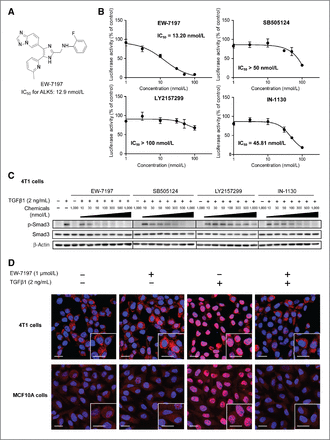
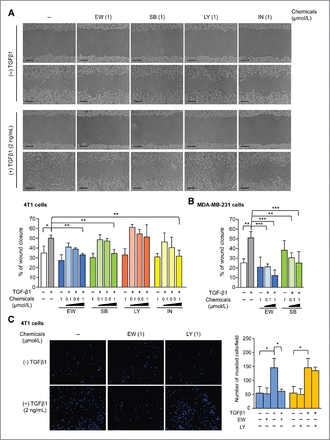
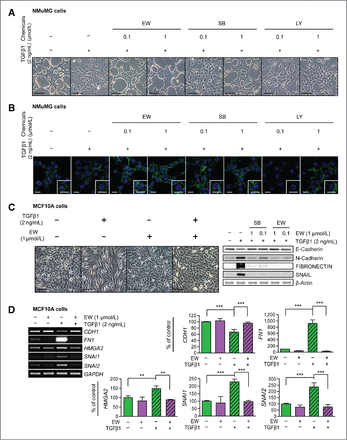
Vactosertib (10-1000 nM; 30 minutes; 4T1 cells) treatment suppresses TGFβ-induced Smad2 or Smad3 phosphorylation in 4T1 cells in a dose-dependent manner [1]. In 4T1 and MCF10A cells, vactosertib prevents TGFβ-induced Smad2/3 nuclear translocation. In 4T1 cells, Vactosertib's IC50 value against pSmad3 is 10–30 nM[1]. TGFb1-induced tumor cell migration and invasion can be stopped by vactosertib [1]. TGFβ1 upregulates FN1, HMGA2 (high mobility group AT-hook 2), SNAI1 and SNAI2 (Snail family zinc fingers 1 and 2, respectively) and downregulates CDH1 mRNA levels. Furthermore, TGFβ1-induced effects on genes associated to the epithelial-mesenchymal transition (EMT) were eliminated by vactosertib [1].
Novel ALK5 kinase inhibitor EW‐7197 suppresses growth of CML‐LICs in vitro. EW‐7197 suppresses in vitro colony‐forming capacity of human CML‐LICs [2]. Vactosertib (EW7197; TEW7197) inhibited TGF-β1-induced phosphorylation of Smad2/3 in MDA-MB-231 breast cancer cells with an IC₅₀ of 30 nM; it also blocked TGF-β1-induced transcriptional activation of the p3TP-luc reporter in these cells [1] - The compound (1 μM) significantly reduced the migration and invasion of MDA-MB-231 cells in vitro, as assessed by wound-healing and transwell invasion assays; it also downregulated the expression of mesenchymal markers (N-cadherin, vimentin) and upregulated the epithelial marker E-cadherin in these cells [1] - In K562 and KU812 CML cells, Vactosertib (EW7197; TEW7197) (0.1-10 μM) dose-dependently inhibited cell proliferation, with IC₅₀ values of 2.3 μM (K562) and 1.8 μM (KU812) after 72 hours of treatment [2] - Vactosertib (EW7197; TEW7197) (1 μM) induced apoptosis in K562 and KU812 cells, as shown by increased Annexin V/PI staining and activation of caspase-3/7; it also downregulated the expression of anti-apoptotic proteins (Bcl-2, Mcl-1) and upregulated pro-apoptotic Bax [2] - The compound (1 μM) suppressed the clonogenic growth of CML CD34⁺ cells from patients with chronic-phase CML, while having no significant effect on clonogenic growth of normal bone marrow CD34⁺ cells [2] - Vactosertib (EW7197; TEW7197) (1 μM) inhibited TGF-β-induced Smad2/3 phosphorylation in CML cells and reduced the expression of stem cell-related genes (Oct4, Sox2, Nanog) in CML CD34⁺ cells [2] |
| ln Vivo |
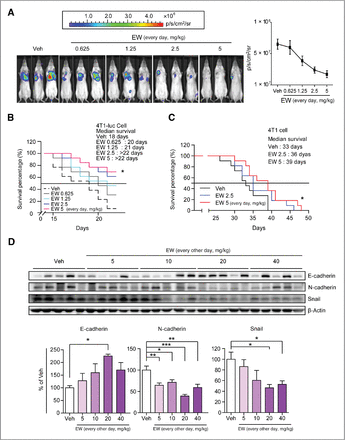
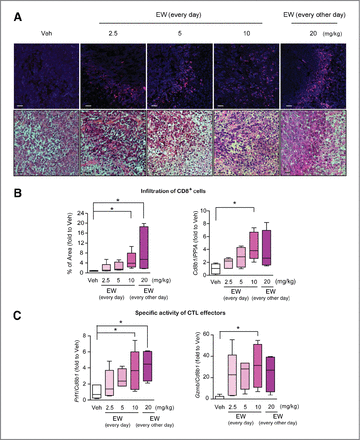
MMTV/c-Neu female mice treated with vabotosertib (40 mg/kg; i.p.; every other day; for 10 weeks) are less likely to exhibit lung metastases, cell migration, invasion, and Smad/TGFβ signaling [1]. Additionally, in 4T1 orthotopically transplanted mice and in breast cancer cells treated with TGFβ, vactosertib suppresses the epithelial-to-mesenchymal transition (EMT). Furthermore, in 4T1 orthotopic transplanted mice, vactosertib can increase the activity of cytotoxic T cells and extend the survival period of 4T1-Luc and 4T1 breast cancer tumor-bearing animals [1].
Prolonged survival of CML‐affected mice treated with a combination of TKI plus EW‐7197. Eradication of murine CML‐MPPs in vivo by a combination of TKI plus EW‐7197. Suppression of disease recurrence in TKI‐resistant CML‐affected mice by treatment with EW‐7197 plus ponatinib.[2] In nude mice bearing MDA-MB-231 orthotopic breast tumors, oral administration of Vactosertib (EW7197; TEW7197) (50 mg/kg/day) significantly reduced lung metastasis by 80% compared with the control group; it also decreased the number of circulating tumor cells (CTCs) in the blood and downregulated mesenchymal markers in primary tumors [1] - The compound (50 mg/kg/day) did not significantly affect the growth of primary MDA-MB-231 breast tumors in nude mice, indicating its main effect is on metastasis rather than primary tumor growth [1] - In a murine CML model (transplanted with BCR-ABL⁺ Ba/F3 cells), oral treatment with Vactosertib (EW7197; TEW7197) (50 mg/kg/day) significantly prolonged the survival of mice; combination with imatinib (50 mg/kg/day) showed a synergistic effect on survival compared with monotherapy [2] - Vactosertib (EW7197; TEW7197) (50 mg/kg/day) reduced the number of CML-initiating cells in the bone marrow and spleen of CML mice, as assessed by limiting dilution assay; it also decreased the expression of stem cell markers (CD34, c-Kit) in these tissues [2] - In a patient-derived xenograft (PDX) model of CML, oral administration of the compound (50 mg/kg/day) significantly inhibited tumor growth and reduced the frequency of CML stem cells in the bone marrow [2] |
| Enzyme Assay |
Protein kinase assay [1]
Selectivity profiling of Vactosertib (EW7197) against 320 protein kinases was performed at doses of 1 × 10⁻⁸, 1 × 10⁻⁷, 1 × 10⁻⁶, and 1 × 10⁻⁵ mol/L with a radiometric protein kinase assay provided by ProQinase. Detailed information is described in the Supplementary Materials and Methods. ALK-5 kinase activity assay [1] : A recombinant ALK-5 kinase domain was used to measure the inhibitory effect of Vactosertib (EW7197; TEW7197) on kinase activity. The enzyme was incubated with varying concentrations of the compound, a peptide substrate, and ATP in a reaction buffer. After incubation, the amount of phosphorylated substrate was detected using a luminescent or colorimetric method, and the IC₅₀ value for ALK-5 inhibition was calculated from the dose-response curve. The same assay format was used to evaluate inhibition of ALK-4 and ALK-7 kinase activity, with corresponding IC₅₀ values determined. - Smad-dependent transcriptional reporter assay [1] : MDA-MB-231 cells were transfected with the p3TP-luc reporter plasmid, which contains TGF-β-responsive elements linked to a luciferase gene. The transfected cells were treated with TGF-β1 (5 ng/ml) and different concentrations of Vactosertib (EW7197; TEW7197) for 24 hours. Luciferase activity was measured using a luminometer, and the ability of the compound to block TGF-β-induced transcriptional activation was quantified based on relative luciferase units (RLU). |
| Cell Assay |
Western Blot Analysis[1]
Cell Types: 4T1 cells Tested Concentrations: 10 nM, 30 µM, 50 nM, 100 µM, 300 nM, 500 nM, 1000 nM Incubation Duration: 30 minutes Experimental Results: Blocked the TGFb-induced phosphorylation of Smad2 or Smad3 in a dose-dependent manner. Western blot analysis [1] Mouse tissues or cells were homogenized in RIPA buffer. Lysates containing 4 to 50 μg of total protein were separated by electrophoresis on polyacrylamide gels and then transferred electrophoretically to a polyvinylidene difluoride transfer membrane. The membrane was blocked with 5% bovine serum albumi and incubated overnight at 4°C with the indicated primary antibodies (Supplementary Table S1). The membrane was then incubated with horseradish peroxidase–conjugated secondary antibodies. Bound antibodies were detected with the Western Blotting Luminol Reagent. Wound-healing assay [1] 4T1 cells and MDA-MB-231 cells were seeded in 6-well plates. When more than 80% of the area of each well was occupied by cells, 10% HI-FBS medium was changed to 0.2% HI-FBS medium. After 24 hours, a “wound” was made by scraping with a plastic pipette tip (time = 0), and the cells were treated with TGFβ1 (2 ng/mL) with or without ALK5 inhibitors for 24 hours (4T1) or 53 hours (MDA-MB-231). The wound area at zero time or the end point was measured using the ImageJ program according to phase-contrast images of the cells captured with a camera attached to a microscope. The closure of the wound area was calculated as a percentage of the initial wound area. Matrigel invasion assay [1] The upper surface of a Transwell (6.5-mm diameter and 8-μm pore size; Corning) was coated with 20 μL of diluted 33.3% Matrigel. 4T1 cells were seeded at 4 × 10⁴ cells per well in the upper chamber of the Transwell in serum-free medium with or without TGFβ1 (2 ng/mL) in the presence or absence of ALK5 inhibitors. The lower chamber was filled with the same medium as in the upper chamber but with 10% HI-FBS. After incubation for 20 hours, the cells remaining on the upper surface of the membrane were removed with a cotton swab, and the DAPI-stained cells remaining on the bottom surface were observed using fluorescence microscopy. The average cell number per field of view was obtained from five random fields. Colony‐forming capacity [2] To determine colony‐forming capacity after a combination treatment of Vactosertib (EW7197) plus IM, or EW‐7197 plus ponatinib, we cocultured freshly isolated CML‐LICs on OP‐9 stromal cells in the presence of DMSO or EW‐7197 for 24 h.18 Cells were then treated with additional DMSO, 1 μM IM, or 1 μM ponatinib (AP24534) and cultured for another 2 days (total, 3 days). Colonies were counted 7 days later as previously described. Colony‐forming capacity of primary human CML‐LICs [2] Viable BM mononuclear cells from three human patients with CP‐CML were purchased from Allcells. Cells were stained with anti‐CD34(8G12), anti‐CD38(HIT2), anti‐CD3(SK7), anti‐CD16(3G8), anti‐CD19(SJ25C1), anti‐CD20(L27), anti‐CD14(MϕP9), and anti‐CD56(NCAM16.2) antibodies. A mixture of mAbs recognizing CD3, CD16, CD19, CD20, CD14, and CD56 was used to identify Lin− cells, and CD34+CD38−Lin− cells were purified.18 To determine the effects of Vactosertib (EW7197) alone or a combination of EW‐7197 plus dasatinib, CD34+CD38−Lin− cells were cultured on OP‐9 stromal cells under hypoxic conditions (3% O2). After harvesting and washing in PBS, the colony‐forming ability of primitive human CML‐LICs was evaluated by culture in semi‐solid medium. Breast cancer cell migration and invasion assay [1] : For the wound-healing assay, MDA-MB-231 cells were seeded in culture plates and a scratch was made in the confluent monolayer; the cells were then treated with Vactosertib (EW7197; TEW7197) (1 μM) or vehicle, and the closure of the wound was photographed and quantified at 0, 24, and 48 hours. For the transwell invasion assay, the cells were seeded in the upper chamber of Matrigel-coated inserts, and the lower chamber contained serum as a chemoattractant; after incubation with the compound (1 μM), the number of cells that invaded through the Matrigel was counted under a microscope to assess invasive capacity. - Western blot analysis for epithelial-mesenchymal transition (EMT) markers [1] : MDA-MB-231 cells were treated with Vactosertib (EW7197; TEW7197) (1 μM) or TGF-β1 plus the compound for 48 hours. Cell lysates were prepared, and equal amounts of protein were separated by SDS-PAGE, transferred to membranes, and probed with antibodies against E-cadherin, N-cadherin, vimentin, and GAPDH (loading control). The band intensities were quantified using imaging software to determine changes in protein expression. - CML cell proliferation and apoptosis assay [2] : K562 and KU812 cells were seeded in 96-well plates and treated with Vactosertib (EW7197; TEW7197) at concentrations ranging from 0.1 to 10 μM for 72 hours. Cell proliferation was measured using a colorimetric cell viability assay, and IC₅₀ values were calculated. For apoptosis analysis, the treated cells were stained with Annexin V and propidium iodide (PI), and the percentage of apoptotic cells was determined by flow cytometry. Caspase-3/7 activity was measured using a fluorometric assay kit to confirm apoptotic induction. - Colony-forming assay for CML and normal CD34⁺ cells [2] : CML CD34⁺ cells (from chronic-phase CML patients) and normal bone marrow CD34⁺ cells were isolated and seeded in methylcellulose medium containing cytokines. The cells were treated with Vactosertib (EW7197; TEW7197) (1 μM) or vehicle, and colonies were counted after 14 days of incubation. The effect of the compound on clonogenic growth was expressed as the percentage of colonies formed compared with the control group. - qPCR analysis for stem cell-related genes [2] : CML CD34⁺ cells were treated with Vactosertib (EW7197; TEW7197) (1 μM) for 48 hours, and total RNA was extracted and reverse-transcribed into cDNA. Quantitative PCR was performed using primers specific for Oct4, Sox2, Nanog, and GAPDH (housekeeping gene). The relative expression of each gene was calculated using the 2⁻ΔΔCt method to assess the compound’s effect on stem cell gene expression. |
| Animal Protocol |
Animal/Disease Models: Mammary tumor virus (MMTV)/c-Neu female mice (32weeks old)[1]
Doses: 40 mg/kg Route of Administration: intraperitoneal (ip)injection; every other day; for 10 weeks Experimental Results: Inhibited Smad/TGFβ signaling , cell migration, invasion, and lung metastasis in MMTV/c-Neu mice. Breast cancer model #1 using MMTV/c-Neu mice [1] When the total mammary tumor volume was 100 mm3, 32-week-old MMTV/c-Neu mice were randomized and treated (i.p.) with saline (Veh; n = 7) or Vactosertib (EW7197)·HCl dissolved in saline (43.7 mg/kg; equivalent to 40 mg/kg of EW-7197, n = 10) three times per week for 10 weeks. Breast cancer models #2, #3, and #4 using 4T1 orthotopic–grafted mice [1] In efficacy experiments (models #2 and #3), 1.2 × 10⁴ 4T1 cells were suspended in saline and implanted into the left mammary fat pads (#4) of female BALB/c mice (50 μL/mouse; day 0). Tumor size and body weight were measured weekly. Artificial gastric fluid (Veh), Vactosertib (EW7197) (5 or 20 mg/kg), or LY2157299 (40 or 80 mg/kg) dissolved in Veh was administered orally to mice five times per week starting from day 4 for a total of 28 days (model #2; n = 10/group). Veh or Vactosertib (EW7197) (5, 10, 20, or 40 mg/kg) was administered to mice three times per week from day 4 for a total of 28 days (model #3; n = 6∼8/group). For the TGFβ1 challenge experiment in the model #3, 2 mice from each group were selected and treated with the indicated concentration of EW-7197 on day 28. After 30 minutes, 1 animal per group was injected (i.v.) with TGFβ1 (50 ng/mouse), and the other animal was left untreated. At 90 minutes after TGFβ1 injection, the mice were sacrificed. In survival experiments (model #4), 1.6 × 10⁴ 4T1 cells were injected as in the model #2, and Veh or EW-7197 (2.5 or 5 mg/kg) dissolved in Veh was administered orally to the mice five times per week from day 7 until death (n = 11/group). The breast cancer model #5 using the 4T1-luc tail vein mouse model [1] 4T1-luc cells [2 × 10⁵; transfected with the plasmid construct pGL4(CMV-Luc)] were suspended in saline and injected into the tail veins of female BALB/c mice (50 μL/mouse; day 0). Artificial gastric fluid (Veh) or Vactosertib (EW7197) (0.625, 1.25, 2.5, or 5 mg/kg) dissolved in Veh was administered orally to mice five times per week from day 0 until death (n = 13/group). On day 15, surviving mice were analyzed using an in vivo imaging system to compare metastases in the lungs. Luciferase-positive 4T1 cells were imaged with the IVIS-200 system. The captured images were quantified using the Living Image Software package. Breast cancer model #6 using 4T1-luc orthotopic–grafted mice [1] 4T1-luc cells [3 × 10⁴; transfected with the plasmid construct pGL4(CMV-Luc)] were implanted into the left #4 mammary fat pads of female BALB/c mice as in the model #2 (day 0). Tumor size and body weight were measured weekly. Artificial gastric fluid (Veh) or Vactosertib (EW7197) (2.5, 5, 10, or 20 mg/kg) dissolved in Veh was administered orally to mice five times per week (2.5, 5, or 10 mg/kg) or three times per week (20 mg/kg) starting from day 4 for a total of 28 days (n = 15/group). Mouse survival [2] For “TKI‐insensitive” survival experiments using CML‐affected mice, IM (Novartis, Basel, Switzerland) was given to mice by oral gavage (200 mg/kg/day) on days 8–90 after transplantation of BCR‐ABL1 + CML‐MPPs.18 For “TKI‐resistant” recurrence experiments using T315I CML‐affected mice, ponatinib (AP24534) was given to mice by oral gavage (15 mg/kg/day) on days 8–60 after transplantation of BCR‐ABL1‐T315I+ CML‐MPPs. In both cases, we accessed a stock solution of Vactosertib (EW7197) that was prepared at 2 μg/mL in an artificial gastric fluid solution (900 mL ddH2O containing 2.0 g NaCl, 7 mL conc. HCl, and 3.2 g pepsin). Once every 3 days between days 15 to 90 post‐transplantation with BCR‐ABL1 + CML‐MPPs, or between days 15 to 60 post‐transplantation with BCR‐ABL1‐T315I + CML‐MPPs, a dilution of this mixture in artificial gastric fluid solution was given by oral gavage to CML‐affected mice to achieve a final concentration of 2.5 mg EW‐7197/kg body weight. Mouse survival was monitored for 125 days in “TKI‐insensitive” experiments and for 100 days in “TKI‐resistant” recurrence experiments. Pharmacokinetics [2] To assess the PK of Vactosertib (EW7197), tetracycline‐inducible tg‐CML‐affected mice were fasted overnight and given Vactosertib (EW7197) (10 mg/kg) by oral gavage as described above. Blood samples were collected before treatment and at 30 min, 2 h, 4 h, and 8 h post‐treatment. Plasma concentrations of EW‐7197 were determined by liquid chromatography/tandem mass spectroscopy using an Agilent 1200 series HPLC and an Agilent 6410 triple quadrupole mass spectrometer equipped with an electrospray ionization source. Pharmacodynamics using Duolink® in situ PLA technology [2] The PD of Vactosertib (EW7197) was determined based on phosphorylation of Smad3. Vactosertib (EW7197) (2.5 mg/kg) was given to tetracycline‐inducible tg‐CML‐affected mice by oral gavage. Then we isolated a cell fraction containing primitive LT‐CML stem cells (CD150+CD135−CD48−KLS cells) from tg‐CML‐affected mice by flow cytometry using a FACSAria III instrument (BD Biosciences).27 Phospho‐Smad3 was detected in cells using anti‐Smad3 and rabbit anti‐phospho‐Ser423/425 Smad3 (ab51451) antibodies by the highly sensitive Duolink® in situ PLA technology approach. Determination of WBC numbers in PB [2] The CML‐affected mice received dasatinib (5 mg/kg/day) plus vehicle or Vactosertib (EW7197) (2.5 mg/kg every third day) by oral gavage for 30 days. For blood cell counts, PB from the post‐orbital vein was collected in a heparinized microtube and analyzed on a CellTac Orthotopic breast cancer metastasis model in nude mice [1] : MDA-MB-231 cells (1 × 10⁶) were injected into the mammary fat pad of female nude mice to establish orthotopic tumors. Once tumors reached a volume of ~100 mm³, the mice were randomly divided into control and treatment groups. Vactosertib (EW7197; TEW7197) was dissolved in a vehicle (consisting of 0.5% CMC-Na and 0.1% Tween 80) and administered orally by gavage at a dose of 50 mg/kg once daily for 4 weeks. Control mice received the vehicle alone. At the end of the treatment, lung tissues were harvested, and metastatic nodules were counted under a microscope; blood samples were collected to quantify CTCs by flow cytometry. - CML murine model with BCR-ABL⁺ Ba/F3 cells [2] : BALB/c mice were intravenously injected with BCR-ABL⁺ Ba/F3 cells (5 × 10⁵ cells/mouse) to induce CML. Starting 7 days after cell injection, the mice were treated with Vactosertib (EW7197; TEW7197) (50 mg/kg/day, oral gavage), imatinib (50 mg/kg/day, oral gavage), or a combination of both for 21 days. Control mice received the vehicle (0.5% CMC-Na + 0.1% Tween 80). Mouse survival was monitored daily for up to 60 days, and bone marrow/spleen samples were collected to assess CML-initiating cell frequency by limiting dilution assay. - CML patient-derived xenograft (PDX) model [2] : Primary CML cells from patients were transplanted into immunodeficient NOD/SCID mice via tail vein injection. After engraftment (confirmed by human CD45⁺ cell detection in peripheral blood), the mice were treated with Vactosertib (EW7197; TEW7197) (50 mg/kg/day, oral gavage) for 4 weeks. Tumor burden was assessed by measuring human CD45⁺ cell levels in the bone marrow and spleen using flow cytometry; the frequency of CML stem cells was determined by colony-forming assay and limiting dilution analysis. |
| ADME/Pharmacokinetics |
Pharmacokinetics and pharmacodynamics of EW-7197 in tg-CML mice [2]
Next, we determined the pharmacokinetics of EW-7197 in the blood of tetracycline-induced tg-CML mice by evaluating plasma concentration-time curves after treatment. We observed that EW-7197 was rapidly absorbed from the gastrointestinal tract of tg-CML mice into the blood and then eliminated with a terminal half-life (T1/2) of 3.26 ± 2.47 hours (Figure 2a). The maximum concentration (Cmax) of the drug in plasma was 625.0 ± 529.7 ng/mL (n = 7) 30 minutes after administration. Vactosertib (EW7197; TEW7197) is a small molecule drug with high oral bioavailability; after oral administration to mice (50 mg/kg), the compound is rapidly absorbed and distributed to tissues including the lungs, bone marrow and spleen[1][2] |
| Toxicity/Toxicokinetics |
In vitro experiments showed that Vactosertib (EW7197; TEW7197) at concentrations up to 10 μM had no significant cytotoxicity to normal bone marrow CD34⁺ cells[2]. In vivo experiments showed that oral administration of Vactosertib (EW7197; TEW7197) (50 mg/kg/day for 4 weeks) to nude mice and BALB/c mice did not cause significant weight loss or organ toxicity (assessed by H&E staining of liver, kidney and lung tissues)[1][2].
|
| References | |
| Additional Infomation |
Vactosertib is being investigated in the clinical trial NCT03724851 (Vactosertib in combination with pembrolizumab for the treatment of metastatic colorectal or gastric cancer). Vactosertib is an orally bioavailable serine/threonine kinase inhibitor that inhibits transforming growth factor (TGF)-β receptor type 1 (TGFBR1), also known as activin receptor-like kinase 5 (ALK5), and possesses potential anti-tumor activity. After oral administration, Vactosertib inhibits TGFBR1 activity and blocks TGF-β/TGFBR1-mediated signaling. This inhibits the growth of TGFBR1-overexpressing tumor cells. TGFBR1 is overexpressed in various tumor cell types and plays a crucial role in tumor cell proliferation. TGF-β expression promotes tumor cell proliferation, enhances tumor cell migration, and suppresses the host immune system's response to tumor cells. Advanced tumors produce excessive amounts of transforming growth factor β (TGFβ), thereby promoting the progression of advanced malignant tumors. This study aims to develop anti-TGFβ therapy for cancer treatment. We synthesized a novel small-molecule TGFβ receptor I kinase (activin receptor-like kinase 5) inhibitor, named N-[[4-([1,2,4]triazolo[1,5-a]pyridin-6-yl)-5-(6-methylpyridin-2-yl)-1H-imidazol-2-yl]methyl]-2-fluoroaniline (EW-7197), and investigated its potential anti-metastatic efficacy in mouse mammary tumor virus (MMTV)/c-Neu mice and 4T1 orthotopic transplantation mice. EW-7197 inhibited the Smad/TGFβ signaling pathway, cell migration, invasion, and lung metastasis in MMTV/c-Neu mice and 4T1 orthotopic transplantation mice. EW-7197 also inhibited TGFβ-treated breast cancer cells and epithelial-mesenchymal transition (EMT) in 4T1 orthotopic transplantation mice. In addition, EW-7197 enhanced the cytotoxic T lymphocyte activity of 4T1 orthotopic transplanted mice and prolonged the survival of 4T1-Luc and 4T1 breast tumor-bearing mice. In summary, EW-7197 showed strong in vivo anti-metastatic activity, indicating its potential as an anticancer therapy. [1] In recent years, treatment strategies for patients with chronic myeloid leukemia (CML) have mainly focused on exploring new combinations of tyrosine kinase inhibitors (TKIs) and finding new translational investigational drugs that can eradicate CML leukemia initiating cells (CML-LIC). However, little is known about the therapeutic benefits that such CML-LIC-targeting therapies may bring to CML patients. In this study, we explored the therapeutic potential of EW-7197 (an orally bioavailable transforming growth factor-β signaling pathway inhibitor that has recently been approved by the National Institutes of Health (NIH) as an investigational new drug) in inhibiting CML-LIC in vivo. Compared with TKI treatment alone, the combination of TKI and EW-7197 in CML mice significantly delayed disease relapse and prolonged survival. Notably, even when CML-LIC expressed the T315I mutant BCR-ABL1 oncogene resistant to TKI, the combination of EW-7197 and TKI effectively cleared CML-LIC. Overall, these results suggest that EW-7197 may be a promising new therapeutic candidate that, when used in combination with a tyrosine kinase inhibitor (TKI), can eradicate chronic myeloid leukemia initiating cells (CML-LIC), thereby significantly improving the prognosis of CML patients. [2]
Vactosertib (EW7197; TEW7197) is a novel selective small molecule inhibitor of TGF-β type I receptor (ALK-5). [1] - This compound exerts an anti-metastatic effect in breast cancer by inhibiting the TGF-β/Smad signaling pathway and reversing the epithelial-mesenchymal transition (EMT) of tumor cells. [1] - In CML, Vactosertib (EW7197; TEW7197) targets CML initiating cells (cancer stem cells) by inhibiting the TGF-β-mediated stem cell maintenance pathway and enhances anti-leukemia efficacy in synergistic effect with imatinib. [2] - Vactosertib (EW7197; TEW7197) is being investigated for the treatment of metastatic breast cancer and chronic myeloid leukemia, with a focus on overcoming metastasis and drug resistance associated with cancer stem cells. [1][2] |
| Molecular Formula |
C22H18FN7
|
|
|---|---|---|
| Molecular Weight |
399.42
|
|
| Exact Mass |
399.16
|
|
| Elemental Analysis |
C, 66.15; H, 4.54; F, 4.76; N, 24.55
|
|
| CAS # |
1352608-82-2
|
|
| Related CAS # |
Vactosertib Hydrochloride;1352610-25-3; 1352608-82-2
|
|
| PubChem CID |
54766013
|
|
| Appearance |
Light yellow to yellow solid powder
|
|
| Density |
1.4±0.1 g/cm3
|
|
| Index of Refraction |
1.725
|
|
| LogP |
3.19
|
|
| Hydrogen Bond Donor Count |
2
|
|
| Hydrogen Bond Acceptor Count |
6
|
|
| Rotatable Bond Count |
5
|
|
| Heavy Atom Count |
30
|
|
| Complexity |
566
|
|
| Defined Atom Stereocenter Count |
0
|
|
| SMILES |
CC1=NC(=CC=C1)C2=C(N=C(N2)CNC3=CC=CC=C3F)C4=CN5C(=NC=N5)C=C4
|
|
| InChi Key |
FJCDSQATIJKQKA-UHFFFAOYSA-N
|
|
| InChi Code |
InChI=1S/C22H18FN7/c1-14-5-4-8-18(27-14)22-21(15-9-10-20-25-13-26-30(20)12-15)28-19(29-22)11-24-17-7-3-2-6-16(17)23/h2-10,12-13,24H,11H2,1H3,(H,28,29)
|
|
| Chemical Name |
|
|
| Synonyms |
|
|
| HS Tariff Code |
2934.99.9001
|
|
| Storage |
Powder -20°C 3 years 4°C 2 years In solvent -80°C 6 months -20°C 1 month |
|
| Shipping Condition |
Room temperature (This product is stable at ambient temperature for a few days during ordinary shipping and time spent in Customs)
|
| Solubility (In Vitro) |
|
|||
|---|---|---|---|---|
| Solubility (In Vivo) |
Solubility in Formulation 1: 2.5 mg/mL (6.26 mM) in 10% DMSO + 40% PEG300 + 5% Tween80 + 45% Saline (add these co-solvents sequentially from left to right, and one by one), suspension solution; with sonication.
For example, if 1 mL of working solution is to be prepared, you can add 100 μL of 25.0 mg/mL clear DMSO stock solution to 400 μL PEG300 and mix evenly; then add 50 μL Tween-80 to the above solution and mix evenly; then add 450 μL normal saline to adjust the volume to 1 mL. Preparation of saline: Dissolve 0.9 g of sodium chloride in 100 mL ddH₂ O to obtain a clear solution. Solubility in Formulation 2: ≥ 2.5 mg/mL (6.26 mM) (saturation unknown) in 10% DMSO + 90% (20% SBE-β-CD in Saline) (add these co-solvents sequentially from left to right, and one by one), clear solution. For example, if 1 mL of working solution is to be prepared, you can add 100 μL of 25.0 mg/mL clear DMSO stock solution to 900 μL of 20% SBE-β-CD physiological saline solution and mix evenly. Preparation of 20% SBE-β-CD in Saline (4°C,1 week): Dissolve 2 g SBE-β-CD in 10 mL saline to obtain a clear solution. View More
Solubility in Formulation 3: ≥ 2.5 mg/mL (6.26 mM) (saturation unknown) in 10% DMSO + 90% Corn Oil (add these co-solvents sequentially from left to right, and one by one), clear solution. |
| Preparing Stock Solutions | 1 mg | 5 mg | 10 mg | |
| 1 mM | 2.5036 mL | 12.5182 mL | 25.0363 mL | |
| 5 mM | 0.5007 mL | 2.5036 mL | 5.0073 mL | |
| 10 mM | 0.2504 mL | 1.2518 mL | 2.5036 mL |
*Note: Please select an appropriate solvent for the preparation of stock solution based on your experiment needs. For most products, DMSO can be used for preparing stock solutions (e.g. 5 mM, 10 mM, or 20 mM concentration); some products with high aqueous solubility may be dissolved in water directly. Solubility information is available at the above Solubility Data section. Once the stock solution is prepared, aliquot it to routine usage volumes and store at -20°C or -80°C. Avoid repeated freeze and thaw cycles.
Calculation results
Working concentration: mg/mL;
Method for preparing DMSO stock solution: mg drug pre-dissolved in μL DMSO (stock solution concentration mg/mL). Please contact us first if the concentration exceeds the DMSO solubility of the batch of drug.
Method for preparing in vivo formulation::Take μL DMSO stock solution, next add μL PEG300, mix and clarify, next addμL Tween 80, mix and clarify, next add μL ddH2O,mix and clarify.
(1) Please be sure that the solution is clear before the addition of next solvent. Dissolution methods like vortex, ultrasound or warming and heat may be used to aid dissolving.
(2) Be sure to add the solvent(s) in order.
EW-7197 inhibits TGFβ1/Smad signaling.Mol Cancer Ther.2014 Jul;13(7):1704-16. |
|---|
Effect of EW-7197 on cell migration and invasion.Mol Cancer Ther.2014 Jul;13(7):1704-16. |
Effect of EW-7197 on EMT.Mol Cancer Ther.2014 Jul;13(7):1704-16. |
EW-7197 inhibits breast cancer metastasis to the lung.Mol Cancer Ther.2014 Jul;13(7):1704-16. |
|---|
EW-7197 prolongs the life span of BALB/c 4T1 mice via inhibition of EMT.Mol Cancer Ther.2014 Jul;13(7):1704-16. |
EW-7197 inhibits metastasis and enhances the activity of CTLs in 4T1 orthotopic–grafted mice.Mol Cancer Ther.2014 Jul;13(7):1704-16. |
Products are for research use only; We do not sell to patients
Copyright 2020 InvivoChem LLC | All Rights Reserved


 COA
COA