| Size | Price | Stock | Qty |
|---|---|---|---|
| 5mg |
|
||
| 10mg |
|
||
| 25mg |
|
||
| 50mg |
|
||
| 100mg |
|
||
| 250mg | |||
| 500mg | |||
| Other Sizes |


Purity: ≥98%
| Targets |
SKP2 E3 ligase
SKP2 [1] - Mitochondrial respiration/oxidative phosphorylation, unfolded protein response (UPR) signaling, cyclin D1, androgen receptor (AR) [2] |
|---|---|
| ln Vitro |
SMIP004, a N-(4-butyl-2-methyl-phenyl) acetamide, is a novel specific inducer of cancer-cell selective apoptosis of human prostate cancer cells. SMIP004 decreased the levels of positive cell cycle regulators, upregulated cyclin-dependent kinase inhibitors, and resulted in G1 arrest, inhibition of colony formation in soft agar, and cell death. However, the mechanism of SMIP004-induced cancer cell selective apoptosis remained unknown. SMIP004 potently inhibits the growth of prostate and breast cancer xenografts in mice. Our data suggest that SMIP004, by inducing mitochondrial ROS formation, targets specific sensitivities of prostate cancer cells to redox and bioenergetic imbalances that can be exploited in cancer therapy.
1. In 293 T cells transfected with Flag-SKP2, treatment with SMIP004 (40 μM) for 24 h downregulated SKP2 protein expression and upregulated PDCD4 protein expression (detected by immunoblotting). In MCF-7 and MDA-MB-231 breast cancer cells, pretreatment with SMIP004 (40 μM) for 24 h followed by 6 Gy radiation significantly inhibited cell viability (measured by MTT assay, n=3) and clonogenic survival (n=3) compared with radiation alone. SMIP004 enhanced radiation-induced apoptosis in breast cancer cells (detected by Annexin V staining and FACS analysis) [1] 2. SMIP004 (chemical name: N-(4-butyl-2-methyl-phenyl) acetamide) induced cancer-cell selective apoptosis in human prostate cancer LNCaP-S14 cells in a concentration-dependent manner (1 μM to 40 μM). Treatment with SMIP004 (40 μM) for 24 h disrupted mitochondrial respiration (decreased basal oxygen consumption rate (OCR) measured by XF-24 Extracellular Flux Analyzer), increased mitochondrial superoxide production (flow cytometry with MitoSox staining, fold-induction ± SEM of nine replicates, p=0.0001), and reduced the GSH/GSSG ratio (indicator of oxidative stress). SMIP004 activated the unfolded protein response (UPR): upregulated UPR markers (BIP, CHOP, p-eIF2α, IRE1α, XBP1 splicing detected by immunoblotting and RT-PCR), and MAPK signaling (JNK/p38 phosphorylation). It induced G1 cell cycle arrest by promoting proteasomal degradation of cyclin D1 (detected by immunoblotting with MG132 pretreatment) and upregulating cyclin-dependent kinase inhibitors (p21, p27). SMIP004 downregulated androgen receptor (AR) expression at the transcriptional level (reduced AR mRNA stability measured by actinomycin D chase experiment, decreased AR luciferase activity in AR-Luc transfected cells) and inhibited PSA secretion (in LNCaP-S14 cells treated with R1881 + SMIP004). Antioxidants (BHA 100 μM, trolox 2 mM) reversed SMIP004-induced UPR activation, cyclin D1 degradation, AR downregulation, and cell growth inhibition (MTT assay). SMIP004 analog SMIP004-7 (40 μM) showed similar effects on UPR activation and cell cycle regulators as SMIP004, while inactive analogs (P53802, AB132168, 40 μM) had no effect [2] |
| ln Vivo |
SMIP004 potently inhibits the growth of prostate and breast cancer xenografts in mice.
1. In nude mice bearing MCF-7 or MDA-MB-231 breast cancer xenografts (n=5 per group), combined treatment with radiation (0.1 Gy/min for 10 min twice a week from week 4 to 6) and SMIP004 (50 mg/kg twice a week) significantly reduced tumor weight and volume compared with radiation alone. IHC staining of tumor tissues showed increased Caspase-3 expression (indicator of apoptosis) in the combination group [1] 2. In SCID mice bearing LNCaP-S14 prostate cancer xenografts (6 mice per group), intraperitoneal injection of SMIP004 analog SMIP004-7 (50 mg/kg for 10 days) significantly reduced tumor volume and weight compared with vehicle control (mean tumor volume ± SD, p<0.05). No significant change in body weight was observed in SMIP004-7-treated mice (relative average body weight ± SD), indicating low toxicity [2] |
| Enzyme Assay |
SMIP004 also known as N-(4-butyl-2-methyl-phenyl) is a novel specific inducer of cancer-cell-specific apoptosis of human prostate cancer cells.
|
| Cell Assay |
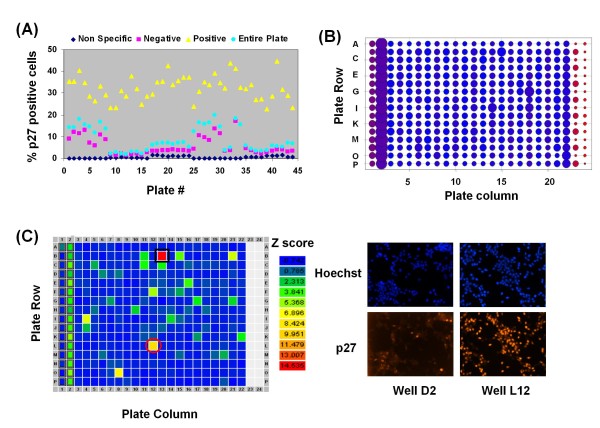
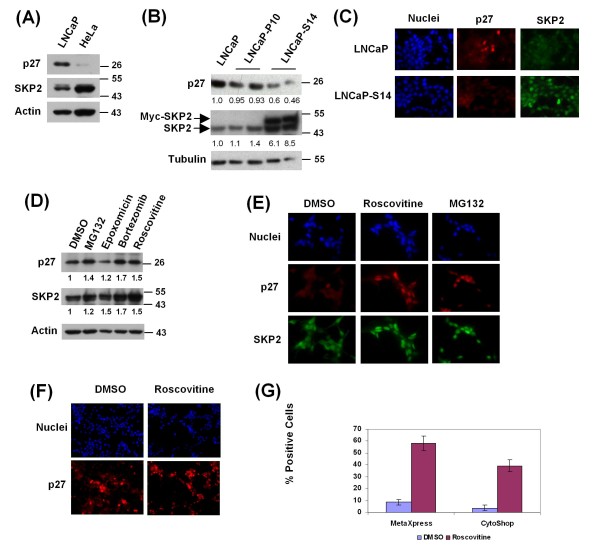
Whereas SMIP012 and 016 were moderately toxic in normal fibroblasts, SMIPs 001 and 004 showed substantial cancer cell specificity being at least five times more potent in LNCaP-S14 than in IMR90 cells , treatment with either MG132 or SMIP004 increased p27 half-life to > 6 h. SMIP004 also decreased the quantities of cyclins E and A obtained using CDK2. Cyclins E and A significantly decreased after receiving SMIP004 treatment, which was paralleled by this. Positive cell cycle regulators were downregulated by SMIP004, cyclin-dependent kinase inhibitors were upregulated, G1 arrest, soft agar colony formation was inhibited, and cell death occurred.
1. Breast cancer cell viability and clonogenic survival assay (reference [1]): MCF-7/MDA-MB-231 cells were seeded in 96-well plates (for MTT) or 6-well plates (for clonogenic assay). Cells were pretreated with SMIP004 (40 μM) for 24 h, then exposed to 6 Gy radiation. For MTT assay: MTT reagent was added 24 h post-radiation, formazan crystals were dissolved, and absorbance was measured at 490 nm (n=3). For clonogenic assay: Cells were cultured for 10-14 days, colonies were fixed/stained, and colonies with >50 cells were counted (n=3). Apoptosis assay: Cells were harvested 24 h post-radiation, stained with Annexin V-FITC/PI, and analyzed by FACS to quantify Annexin V-positive cells. Immunoblotting: Cells were lysed, proteins were separated by SDS-PAGE, transferred to membranes, and probed with anti-SKP2/PDCD4/caspase-3 antibodies; band density was quantified [1] 2. Prostate cancer cell UPR/cell cycle/AR assay (reference [2]): LNCaP-S14 cells were seeded in culture plates and treated with SMIP004 (1-40 μM) for 0-24 h. UPR analysis: Total RNA was extracted for RT-PCR (XBP1 splicing) and qPCR (HMOX1); cell lysates were analyzed by immunoblotting for UPR markers. Mitochondrial function assay: Cells were seeded in XF24 plates, SMIP004 (40 μM) was added, and OCR was measured in real-time with sequential addition of oligomycin, FCCP, rotenone. Oxidative stress assay: Cells were loaded with MitoSox (mitochondrial superoxide indicator) or GSH/GSSG assay kit, and fluorescence was measured by flow cytometry or spectrophotometry. Cell cycle assay: Cells were transfected with siRNA (p21/p27/PERK/IRE1/CHOP) or expression plasmids (cyclin D1/CDK4/AR-Luc), treated with SMIP004, fixed with ethanol, stained with PI, and analyzed by flow cytometry. AR activity assay: LNCaP-S14 cells were transfected with AR-Luc and β-gal plasmids, treated with SMIP004 + R1881, and luciferase activity was measured (normalized to β-gal, n=3). Immunoblotting: Cells were pretreated with MG132 (20 μM) or MLN4924 (1 μM) before SMIP004 treatment, lysed, and probed with anti-cyclin D1/AR/UPR markers antibodies [2] |
| Animal Protocol |
Mice with prostate and breast cancer xenografts
1. Breast cancer xenograft model (reference [1]): MCF-7/MDA-MB-231 cells were subcutaneously injected into nude mice (n=5 per group). When tumors reached a measurable size (week 4), mice were randomized into three groups: vehicle control, radiation alone (0.1 Gy/min for 10 min twice a week), radiation + SMIP004 (50 mg/kg twice a week, administration route not specified). Tumor volume was measured weekly with calipers (volume = length × width² / 2) for 6 weeks. At the end of the experiment, mice were euthanized, tumors were excised, weighed, and fixed for IHC staining (Caspase-3). Statistical analysis was performed with Student’s t-test (P<0.05, P<0.01) [1] 2. Prostate cancer xenograft model (reference [2]): LNCaP-S14 cells were subcutaneously injected into SCID mice. When tumors were established, mice were divided into two groups (6 mice per group): vehicle control (i.p.) and SMIP004 analog SMIP004-7 (50 mg/kg i.p. once daily for 10 days). Tumor volume was measured every 2-3 days with calipers (volume = length × width² / 2), and body weight was recorded to assess toxicity. At the end of treatment, mice were euthanized, tumors were excised and weighed. Statistical analysis was performed with Student’s t-test [2] |
| References | |
| Additional Infomation |
SMIP004 belongs to the N-benzylacetamide class of compounds, with its benzene ring substituted at positions 1, 2, and 4 by acetylnitroso, methyl, and butyl, respectively. It is an SKP2 E3 ligase inhibitor and a selective apoptosis inducer for human prostate cancer cells. SMIP004 has multiple activities, including antitumor, apoptosis induction, antidepressant, EC 6.3.2.19 (ubiquitin-protein ligase) inhibitor, autophagy induction, and anticoronavirus activity. It belongs to the toluene class, N-benzylacetamide class, and alkylbenzene class of compounds.
1. As an SKP2 inhibitor, SMIP004 enhances the antitumor effect of radiotherapy in breast cancer by upregulating PDCD4 (tumor suppressor) and inhibiting SKP2-mediated PDCD4 ubiquitination/degradation[1]. 2. SMIP004 is a novel small molecule that induces selective apoptosis of cancer cells by disrupting mitochondrial respiration, triggering oxidative stress, activating the UPR/MAPK signaling pathway, and inhibiting cell cycle progression signals in prostate cancer cells. Its antitumor effect depends on oxidative stress (which can be reversed by antioxidants). The SMIP004 analog SMIP004-7 retains the antitumor activity of SMIP004 and is effective in a prostate cancer xenograft model [2]. |
| Molecular Formula |
C13H19NO
|
|
|---|---|---|
| Molecular Weight |
205.3
|
|
| Exact Mass |
205.147
|
|
| Elemental Analysis |
C, 76.06; H, 9.33; N, 6.82; O, 7.79
|
|
| CAS # |
143360-00-3
|
|
| Related CAS # |
|
|
| PubChem CID |
2747581
|
|
| Appearance |
White to off-white solid powder
|
|
| Density |
1.003g/cm3
|
|
| Boiling Point |
343ºC at 760mmHg
|
|
| Flash Point |
206.1ºC
|
|
| Vapour Pressure |
7.24E-05mmHg at 25°C
|
|
| Index of Refraction |
1.539
|
|
| LogP |
3.369
|
|
| Hydrogen Bond Donor Count |
1
|
|
| Hydrogen Bond Acceptor Count |
1
|
|
| Rotatable Bond Count |
4
|
|
| Heavy Atom Count |
15
|
|
| Complexity |
203
|
|
| Defined Atom Stereocenter Count |
0
|
|
| SMILES |
CC1=C(NC(C)=O)C=CC(CCCC)=C1
|
|
| InChi Key |
ZFVMECVBUGMWIX-UHFFFAOYSA-N
|
|
| InChi Code |
InChI=1S/C13H19NO/c1-4-5-6-12-7-8-13(10(2)9-12)14-11(3)15/h7-9H,4-6H2,1-3H3,(H,14,15)
|
|
| Chemical Name |
N-(4-butyl-2-methylphenyl)acetamide
|
|
| Synonyms |
|
|
| HS Tariff Code |
2934.99.9001
|
|
| Storage |
Powder -20°C 3 years 4°C 2 years In solvent -80°C 6 months -20°C 1 month |
|
| Shipping Condition |
Room temperature (This product is stable at ambient temperature for a few days during ordinary shipping and time spent in Customs)
|
| Solubility (In Vitro) |
DMSO: ~10 mM in DMSO
Water: 1 mg/mL (Insoluble) Ethanol: 1 mg/mL |
|---|---|
| Solubility (In Vivo) |
Solubility in Formulation 1: ≥ 2.5 mg/mL (12.18 mM) (saturation unknown) in 10% DMSO + 90% (20% SBE-β-CD in Saline) (add these co-solvents sequentially from left to right, and one by one), clear solution.
For example, if 1 mL of working solution is to be prepared, you can add 100 μL of 25.0 mg/mL clear DMSO stock solution to 900 μL of 20% SBE-β-CD physiological saline solution and mix evenly. Preparation of 20% SBE-β-CD in Saline (4°C,1 week): Dissolve 2 g SBE-β-CD in 10 mL saline to obtain a clear solution. Solubility in Formulation 2: ≥ 2.5 mg/mL (12.18 mM) (saturation unknown) in 10% DMSO + 90% Corn Oil (add these co-solvents sequentially from left to right, and one by one), clear solution. For example, if 1 mL of working solution is to be prepared, you can add 100 μL of 25.0 mg/mL clear DMSO stock solution to 900 μL of corn oil and mix evenly. (Please use freshly prepared in vivo formulations for optimal results.) |
| Preparing Stock Solutions | 1 mg | 5 mg | 10 mg | |
| 1 mM | 4.8709 mL | 24.3546 mL | 48.7092 mL | |
| 5 mM | 0.9742 mL | 4.8709 mL | 9.7418 mL | |
| 10 mM | 0.4871 mL | 2.4355 mL | 4.8709 mL |
*Note: Please select an appropriate solvent for the preparation of stock solution based on your experiment needs. For most products, DMSO can be used for preparing stock solutions (e.g. 5 mM, 10 mM, or 20 mM concentration); some products with high aqueous solubility may be dissolved in water directly. Solubility information is available at the above Solubility Data section. Once the stock solution is prepared, aliquot it to routine usage volumes and store at -20°C or -80°C. Avoid repeated freeze and thaw cycles.
Calculation results
Working concentration: mg/mL;
Method for preparing DMSO stock solution: mg drug pre-dissolved in μL DMSO (stock solution concentration mg/mL). Please contact us first if the concentration exceeds the DMSO solubility of the batch of drug.
Method for preparing in vivo formulation::Take μL DMSO stock solution, next add μL PEG300, mix and clarify, next addμL Tween 80, mix and clarify, next add μL ddH2O,mix and clarify.
(1) Please be sure that the solution is clear before the addition of next solvent. Dissolution methods like vortex, ultrasound or warming and heat may be used to aid dissolving.
(2) Be sure to add the solvent(s) in order.
|
|---|
|
|
Products are for research use only; We do not sell to patients
Copyright 2020 InvivoChem LLC | All Rights Reserved


 COA
COA