| Size | Price | Stock | Qty |
|---|---|---|---|
| 250mg |
|
||
| 500mg |
|
||
| 1g |
|
||
| 2g | |||
| 5g | |||
| Other Sizes |


Purity: ≥98%
| Targets |
DPP-4 (IC50 = 19 nM)
Sitagliptin phosphate monohydrate is a potent, selective inhibitor of dipeptidyl peptidase-4 (DPP-4), with an IC50 of 18 nM for human recombinant DPP-4 in cell-free enzyme assays and a Ki of 3.1 nM (competitive inhibition) [5] - It shows no significant inhibition of other dipeptidyl peptidases (DPP-8, DPP-9) at concentrations up to 10 μM, confirming DPP-4 selectivity [5] |
|---|---|
| ln Vitro |
Sitagliptin phosphate shows a strong inhibitory action on DPP-4 from extracts of Caco-2 cells, with an IC50 of 19 nM[1]. Via a mechanism involving cAMP/PKA/Rac1 activation, sitagliptin decreases the in vitro migration of isolated splenic CD4 T-cells[2]. A recent study shows that sitagliptin stimulates intestinal L cell GLP-1 secretion through a novel, direct action that is dependent on MEK-ERK1/2 and protein kinase A, but not on DPP-4. As a result, it lessens the impact of autoimmunity on graft survival[3].
In isolated rat pancreatic islets: 10 μM Sitagliptin for 24 hours increased glucagon-like peptide-1 (GLP-1) secretion by 2.5-fold vs. vehicle (ELISA); it also enhanced glucose-stimulated insulin secretion (GSIS) by ~60% (radioimmunoassay) [3] - In human peripheral blood mononuclear cells (PBMCs) from diabetic patients: 5 μM Sitagliptin for 48 hours reduced CD4⁺ T-cell proliferation by ~45% (BrdU assay) and decreased interferon-γ (IFN-γ) secretion by ~50% (ELISA); no effect on CD8⁺ T-cell viability (>90%, trypan blue staining) [2] - In mouse islet β-cells (MIN6 cells): 20 μM Sitagliptin for 72 hours upregulated GLP-1 receptor (GLP-1R) mRNA by ~1.8-fold (qRT-PCR) and reduced apoptotic β-cells by ~35% (Annexin V-FITC staining) [3] |
| ln Vivo |
For sitagliptin phosphate to inhibit plasma DPP-4 activity in vivo, the ED50 value in freely fed Han-Wistar rats is estimated to be 2.3 mg/kg seven hours postdose and 30 mg/kg twenty-four hours postdose[1]. Elevated DPP-4 levels in the plasma are seen in the streptozotocin-induced type 1 diabetes mouse model, but these levels can be significantly reduced in mice fed Sitagliptin phosphate. This is accomplished by possibly prolonging islet graft survival through a beneficial effect on the regulation of hyperglycemia[4]. Sitagliptin phosphate's plasma clearance and volume of distribution are higher in rats (40–48 mL/min/kg, 7-9 L/kg) than in dogs (9 mL/min/kg, 3 L/kg); additionally, rats' half-lives are shorter—two hours versus four hours in dogs[5].
In female NOD mice (spontaneous type 1 diabetes model) with islet transplantation: oral Sitagliptin (10 mg/kg once daily) starting 3 days pre-transplant prolonged islet graft survival to 28 days vs. 14 days in vehicle group; immunohistochemistry showed ~65% reduction in CD4⁺ T-cell infiltration in grafts [2] - In male C57BL/6 mice with streptozotocin (STZ)-induced diabetes (150 mg/kg STZ ip): oral Sitagliptin (10 mg/kg qd for 21 days) reduced fasting blood glucose by ~40% and increased plasma GLP-1 levels by ~2.2-fold vs. vehicle; glucose tolerance test (GTT) showed improved glucose clearance (AUC₀₋₁₂₀ min reduced by ~35%) [4] - In STZ-induced diabetic mice with islet transplantation: oral Sitagliptin (5 mg/kg qd) increased graft insulin content by ~70% and reduced β-cell apoptosis in grafts by ~50% at day 21 post-transplant [4] - In male Wistar rats: oral Sitagliptin (3 mg/kg) increased postprandial GLP-1 levels by ~1.9-fold at 1 hour post-dose, with no significant effect on fasting insulin [5] |
| Enzyme Assay |
Confluent Caco-2 cells are used to extract DPP-4. Following a 5-minute room temperature incubation period with lysis buffer (10 mM Tris-HCl, 150 mM NaCl, 0.04 U/mL aprotinin, 0.5% Nonidet P40, pH 8.0), the cells are centrifuged at 35,000 g for 30 minutes at 4 °C, and the supernatant is kept at -80°C afterwards. Twenty microliters of suitable compound dilutions are combined with fifty microliters of H-Ala-Pro-7-amido-4-trifluoromethylcoumarin (final concentration in the assay: 100 microliters) as the substrate for the DPP-4 enzyme, and thirty microliters of the Caco-2 cell extract (diluted 1000 times with 100 mM Tris-HCl, 100 mM NaCl, pH 7.8). Fluorescence is measured using a SpectraMax GeminiXS at excitation/emission wavelengths of 405/535 nm after plates are incubated for one hour at room temperature. After exposing Caco-2 cell extracts to high inhibitor concentrations (30 nM for BI 1356 and 3 μM for vildagliptin) for one hour, the dissociation kinetics of the inhibitors from the DPP-4 enzyme are ascertained. Once the preincubation mixture has been diluted 3000-fold with assay buffer, the enzymatic reaction is initiated by adding the substrate, H-Ala-Pro-7-amido-4-trifluoromethylcoumarini. The amount of an inhibitor that is still bound to the DPP-4 enzyme is indicated by the difference in DPP-4 activity at a given time in the presence or absence of the inhibitor. Using the SoftMax software of the SpectraMax, maximum reaction rates (fluorescence units/seconds × 1000) are calculated at 10-minute intervals and corrected for the rate of an uninhibited reaction [(vcontrol-vinhibitor)/vcontrol].
DPP-4 enzyme activity inhibition assay (from [5]): Recombinant human DPP-4 was dissolved in assay buffer (50 mM Tris-HCl pH 7.4, 100 mM NaCl, 0.1% BSA). The enzyme was mixed with the chromogenic substrate Gly-Pro-p-nitroanilide (Gly-Pro-pNA) and Sitagliptin (0.1–100 nM) in a 96-well plate. The mixture was incubated at 37°C for 1 hour, and absorbance was measured at 405 nm (to detect p-nitroaniline release). Inhibition rate was calculated relative to vehicle, and IC50 was determined via 4-parameter logistic regression. Competitive inhibition was confirmed by Lineweaver-Burk plot analysis, yielding a Ki of 3.1 nM [5] - DPP-8/DPP-9 selectivity assay (from [5]): Recombinant human DPP-8 and DPP-9 were prepared in the same assay buffer as DPP-4. Each enzyme was mixed with their specific substrate (Ala-Pro-pNA for DPP-8/9) and Sitagliptin (1–10 μM). Absorbance at 405 nm was measured after 1 hour at 37°C; no significant inhibition (<5%) was observed for DPP-8/9 [5] |
| Cell Assay |
Membrane inserts containing CD4T-cells are plated in serum-free RPMI 1640. Cell migration is measured using Corning Transwell chambers, either with or without DPP-4 inhibitor (100 μM) and purified porcine kidney DPP-4 (32.1 units/mg; final concentration of 100 mU/mL). Following an hour, cells that have moved into the lower compartment are counted and those on the upper surface are mechanically removed. The expression for the amount of migration is in relation to the control sample.
Glucagon-like peptide-1 (GLP-1) is an incretin hormone secreted into the circulation by the intestinal L cell. The dipeptidylpeptidase-IV (DPP-IV) inhibitor, sitagliptin, prevents GLP-1 degradation and is used in the clinic to treat patients with type 2 diabetes mellitus, leading to improved glycated hemoglobin levels. When the effect of sitagliptin on GLP-1 levels was examined in neonatal streptozotocin rats, a model of type 2 diabetes mellitus, a 4.9 ± 0.9-fold increase in basal and 3.6 ± 0.4-fold increase in oral glucose-stimulated plasma levels of active GLP-1 was observed (P < 0.001), in association with a 1.5 ± 0.1-fold increase in the total number of intestinal L cells (P < 0.01). The direct effects of sitagliptin on GLP-1 secretion and L cell signaling were therefore examined in murine GLUTag (mGLUTag) and human hNCI-H716 intestinal L cells in vitro. Sitagliptin (0.1-2 μM) increased total GLP-1 secretion by mGLUTag and hNCI-H716 cells (P < 0.01-0.001). However, MK0626 (1-50 μM), a structurally unrelated inhibitor of DPP-IV, did not affect GLP-1 secretion in either model. Treatment of mGLUTag cells with the GLP-1 receptor agonist, exendin-4, did not modulate GLP-1 release, indicating the absence of feedback effects of GLP-1 on the L cell. Sitagliptin increased cAMP levels (P < 0.01) and ERK1/2 phosphorylation (P < 0.05) in both mGLUTag and hNCI-H716 cells but did not alter either intracellular calcium or phospho-Akt levels. Pretreatment of mGLUTag cells with protein kinase A (H89 and protein kinase inhibitor) or MAPK kinase-ERK1/2 (PD98059 and U0126) inhibitors prevented sitagliptin-induced GLP-1 secretion (P < 0.05-0.01). These studies demonstrate, for the first time, that sitagliptin exerts direct, DPP-IV-independent effects on intestinal L cells, activating cAMP and ERK1/2 signaling and stimulating total GLP-1 secretion[3]. Rat pancreatic islet GLP-1 secretion assay (from [3]): Pancreatic islets were isolated from male Wistar rats via collagenase digestion and cultured in RPMI 1640 medium + 10% FBS for 24 hours. Islets were treated with Sitagliptin (1–50 μM) in glucose-containing medium (16.7 mM glucose) for 4 hours. Culture supernatants were collected, and GLP-1 levels were quantified via ELISA. Glucose-stimulated insulin secretion was measured by radioimmunoassay using ³H-labeled insulin as standard [3] - Human PBMC T-cell proliferation assay (from [2]): PBMCs were isolated from diabetic patients via Ficoll-Hypaque density gradient centrifugation and cultured in RPMI 1640 + 10% FBS. Cells were stimulated with anti-CD3/CD28 antibodies (1 μg/mL each) and treated with Sitagliptin (0.1–20 μM) for 48 hours. BrdU (10 μM) was added for the final 18 hours, and BrdU incorporation was measured via ELISA to assess T-cell proliferation. IFN-γ levels in supernatants were detected via sandwich ELISA [2] |
| Animal Protocol |
Mice: C57BL/6J mice that have been fasted overnight are challenged with an oral glucose load (2 g/kg) 45 minutes after the compound is administered. Tail bleed predose and successive time points following the glucose load are used to draw blood samples for glucose measurement. DPP-4 inhibitors or a vehicle are given 16 hours prior to the glucose challenge in order to assess how long the effect lasts on glucose tolerance.
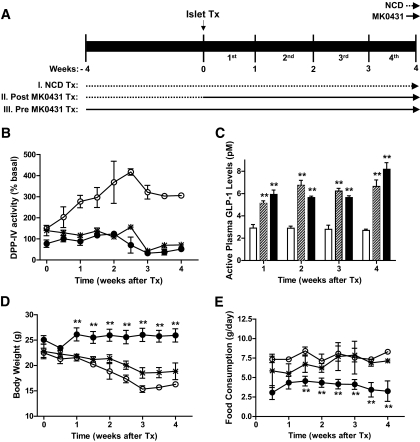
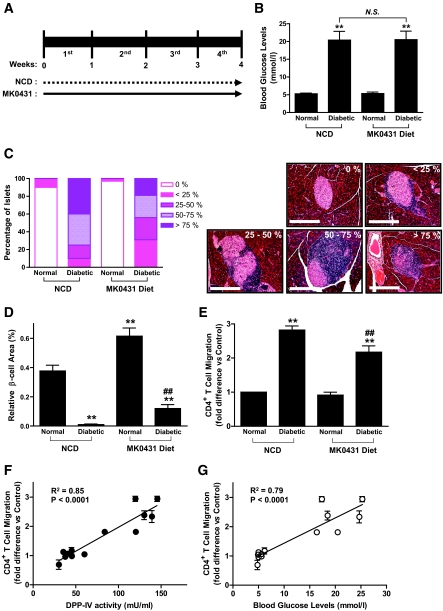
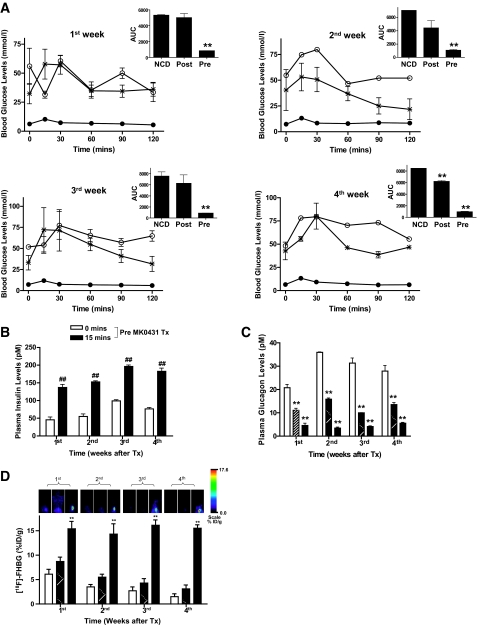
Effects of MK0431 on islet graft survival in diabetic NOD mice were determined with metabolic studies and micropositron emission tomography imaging, and its underlying molecular mechanisms were assessed. Results: Treatment of NOD mice with MK0431 before and after islet transplantation resulted in prolongation of islet graft survival, whereas treatment after transplantation alone resulted in small beneficial effects compared with nontreated controls. Subsequent studies demonstrated that MK0431 pretreatment resulted in decreased insulitis in diabetic NOD mice and reduced in vitro migration of isolated splenic CD4+ T-cells. Furthermore, in vitro treatment of splenic CD4+ T-cells with DPP-IV resulted in increased migration and activation of protein kinase A (PKA) and Rac1. Conclusions: Treatment with MK0431 therefore reduced the effect of autoimmunity on graft survival partially by decreasing the homing of CD4+ T-cells into pancreatic beta-cells through a pathway involving cAMP/PKA/Rac1 activation.[2] Effects of the DPP-IV inhibitor MK0431 (sitagliptin) on glycemic control and functional islet mass in a streptozotocin (STZ)-induced type 1 diabetes mouse model were determined with metabolic studies and microPET imaging. Results: The type 1 diabetes mouse model exhibited elevated plasma DPP-IV levels that were substantially inhibited in mice on an MK0431 diet. Residual beta-cell mass was extremely low in STZ-induced diabetic mice, and although active GLP-1 levels were increased by the MK0431 diet, there were no significant effects on glycemic control. After islet transplantation, mice fed normal diet rapidly lost their ability to regulate blood glucose, reflecting the suboptimal islet transplant. By contrast, the MK0431 group fully regulated blood glucose throughout the study, and PET imaging demonstrated a profound protective effect of MK0431 on islet graft size. Conclusions: Treatment with a DPP-IV inhibitor can prolong islet graft retention in an animal model of type 1 diabetes.[4] The pharmacokinetics, metabolism, and excretion of sitagliptin [MK-0431; (2R)-4-oxo-4-[3-(trifluoromethyl)-5,6-dihydro[1,2,4]triazolo[4,3-a]pyrazin-7(8H)-yl]-1-(2,4,5-trifluorophenyl)butan-2-amine], a potent dipeptidyl peptidase 4 inhibitor, were evaluated in male Sprague-Dawley rats and beagle dogs. The plasma clearance and volume of distribution of sitagliptin were higher in rats (40-48 ml/min/kg, 7-9 l/kg) than in dogs ( approximately 9 ml/min/kg, approximately 3 l/kg), and its half-life was shorter in rats, approximately 2 h compared with approximately 4 h in dogs. Sitagliptin was absorbed rapidly after oral administration of a solution of the phosphate salt. The absolute oral bioavailability was high, and the pharmacokinetics were fairly dose-proportional. After administration of [(14)C]sitagliptin, parent drug was the major radioactive component in rat and dog plasma, urine, bile, and feces. Sitagliptin was eliminated primarily by renal excretion of parent drug; biliary excretion was an important pathway in rats, whereas metabolism was minimal in both species in vitro and in vivo. Approximately 10 to 16% of the radiolabeled dose was recovered in the rat and dog excreta as phase I and II metabolites, which were formed by N-sulfation, N-carbamoyl glucuronidation, hydroxylation of the triazolopiperazine ring, and oxidative desaturation of the piperazine ring followed by cyclization via the primary amine. The renal clearance of unbound drug in rats, 32 to 39 ml/min/kg, far exceeded the glomerular filtration rate, indicative of active renal elimination of parent drug.[5] NOD mouse islet transplant model (from [2]): Female NOD mice (8–10 weeks old, pre-diabetic) received islet transplants (500 islets/mouse) via renal subcapsular injection. Sitagliptin was dissolved in 0.5% methylcellulose and administered via oral gavage at 10 mg/kg once daily, starting 3 days before transplantation and continuing for 28 days. Vehicle controls received 0.5% methylcellulose. Graft survival was monitored by measuring blood glucose (graft failure defined as blood glucose >250 mg/dL for 2 consecutive days). At euthanasia, grafts were collected for immunohistochemistry with anti-CD4 antibody [2] - STZ-induced diabetic mouse model (from [4]): Male C57BL/6 mice (6–8 weeks old) were rendered diabetic by a single ip injection of STZ (150 mg/kg dissolved in citrate buffer pH 4.5). Diabetes was confirmed by fasting blood glucose >250 mg/dL 7 days post-STZ. Mice were divided into two groups: (1) Sitagliptin group: 10 mg/kg Sitagliptin (0.5% methylcellulose, oral gavage qd); (2) Vehicle group: 0.5% methylcellulose. Fasting blood glucose was measured weekly; plasma GLP-1 was quantified via ELISA at day 21. For glucose tolerance test, mice received ip glucose (2 g/kg), and blood glucose was measured at 0, 30, 60, 120 minutes [4] - Rat/dog pharmacokinetic model (from [5]): Male Wistar rats (250–300 g) and beagle dogs (10–12 kg) were fasted overnight. Sitagliptin was administered as a single oral dose (rats: 3 mg/kg; dogs: 1 mg/kg) dissolved in 0.5% methylcellulose, or as an iv dose (rats: 1 mg/kg; dogs: 0.3 mg/kg) dissolved in physiological saline. Blood samples were collected at 0–24 hours post-dose. Plasma Sitagliptin concentrations were measured via HPLC-MS/MS to calculate pharmacokinetic parameters (bioavailability, t₁/₂, Cmax) [5] |
| ADME/Pharmacokinetics |
Absorption
The oral bioavailability of sitagliptin is 87%, and its pharmacokinetics are not affected by administration on an empty stomach or with food. Sitagliptin reaches peak plasma concentration within 2 hours. Elimination Route Approximately 79% of sitagliptin is excreted unchanged in the urine. 87% of the dose is excreted in the urine and 13% in the feces. Volume of Distribution 198 L. Clearance 350 mL/min. Sitagliptin is secreted in the milk of lactating rats at a milk-to-plasma ratio of 4:1. It is unknown whether sitagliptin is secreted into human milk. In pregnant rats, the placental translocation rate of sitagliptin is approximately 45% at 2 hours and approximately 80% at 24 hours after administration. In pregnant rabbits, the placental translocation rate is approximately 66% at 2 hours and approximately 30% at 24 hours after administration of sitagliptin. Approximately 79% of sitagliptin is excreted unchanged in the urine, with metabolism being the secondary clearance pathway. Sitagliptin is primarily excreted through the kidneys, with active tubular secretion also involved. Sitagliptin is a substrate of human organic anion transporter-3 (hOAT-3), which may be involved in its renal clearance. The clinical significance of hOAT-3 in sitagliptin transport remains unclear. Sitagliptin is also a substrate of P-glycoprotein, which may also be involved in its renal clearance. However, the P-glycoprotein inhibitor cyclosporine did not reduce the renal clearance of sitagliptin. Metabolism/Metabolites Sitagliptin is not primarily metabolized; 79% of the dose is excreted in the urine as the unchanged parent compound. Secondary metabolic pathways are primarily mediated by cytochrome P450 (CYP)3A4, with less mediated by CYP2C8. After 18 hours, 81% of the dose remained unchanged; 2% was N-sulfated to the M1 metabolite; 6% was oxidized, desaturated, and cyclized to the M2 metabolite; <1% was glucuronized at an unknown site to the M3 metabolite; <1% was carbamylated and glucuronized to the M4 metabolite; 6% was oxidized, saturated, and cyclized to the M5 metabolite; and 2% was hydroxylated at an unknown site to the M6 metabolite. The M2 metabolite is the cis isomer of the M5 metabolite, while the M5 metabolite is the trans isomer. Metabolism and excretion were investigated after a single oral administration of 83 mg/193 μCi sitagliptin in humans. Urine, fecal, and plasma samples were collected periodically over a period of up to 7 days. The primary route of radioactive excretion was the kidneys, with an average of 87% of the administered dose recovered in urine. The average amount excreted in feces was 13% of the administered dose. The parent drug is the major radioactive component in plasma, urine, and feces, with only 16% of the dose excreted as metabolites (13% in urine and 3% in feces), indicating that sitagliptin is primarily excreted via the kidneys. The parent drug accounts for approximately 74% of the total radioactive AUC in plasma. Six trace metabolites were detected, each with a radioactivity level in plasma ranging from less than 1% to 7%. These metabolites include N-sulfate and N-carbamoyl glucuronide conjugates of the parent drug, a mixture of hydroxylated derivatives, an ether glucuronide of a hydroxylated metabolite, and two metabolites formed by the cyclization of piperazine after epoxidation and desaturation. These metabolites were also detected in urine, but at low levels. The metabolite profile in feces was similar to that in urine and plasma, except that glucuronide was not detected in feces. CYP3A4 is the major cytochrome P450 isoenzyme for the limited oxidative metabolism of sitagliptin, with CYP2C8 also contributing slightly. PMID: 17220239 After oral administration of 14C-labeled sitagliptin, approximately 16% of the radioactivity is excreted as sitagliptin metabolites. Six trace metabolites were detected, which are not expected to affect the plasma DPP-4 inhibitory activity of sitagliptin. In vitro studies have shown that the main enzyme contributing to the limited metabolism of sitagliptin is CYP3A4, with CYP2C8 also contributing. Biological half-life Approximately 12.4 hours. Other studies have reported a half-life of approximately 11 hours. Two double-blind, randomized, placebo-controlled, alternating group studies evaluated the safety, tolerability, pharmacokinetics, and pharmacodynamics of a single oral dose of sitagliptin (1.5–600 mg) in healthy male volunteers. Sitagliptin is well absorbed (approximately 80% is excreted unchanged in the urine), with an apparent terminal half-life of 8 to 14 hours. ... PMID: 16338283 The apparent terminal half-life after oral administration of 100 mg sitagliptin is approximately 12.4 hours In male Wistar rats:The oral bioavailability of sitagliptin is approximately 87% (compared to oral administration of 3 mg/kg and intravenous administration of 1 mg/kg); intravenous administration showed a plasma elimination half-life (t₁/₂) of approximately 1.8 hours, a Cmax of 1.2 μg/mL (oral), and a volume of distribution (Vd) of approximately 0.9 L/kg [5] -In beagle dogs: The oral bioavailability is approximately 95% (compared to oral administration of 1 mg/kg and intravenous administration of 0.3 mg/kg); intravenous administration showed a t₁/₂ of approximately 4.5 hours, an oral Cmax of 0.8 μg/mL, and a Vd of approximately 1.2 L/kg [5] - Metabolism: Sitagliptin is minimally metabolized in rats and dogs (approximately 10% of the dose); the major metabolites are formed via CYP3A4 and CYP2C9-mediated oxidation, and no active metabolites were detected [5]. Excretion: In rats, approximately 70% of the intravenously administered dose is excreted unchanged in the urine and approximately 15% in the feces within 72 hours; in dogs, approximately 65% is excreted unchanged in the urine and approximately 20% in the feces [5]. Plasma protein binding: Sitagliptin is approximately 38% bound to plasma in rats and dogs (ultrafiltration method) [5]. |
| Toxicity/Toxicokinetics |
Effects During Pregnancy and Lactation
◉ Overview of Use During Lactation There is currently no information on the clinical use of sitagliptin during lactation. Sitagliptin has a shorter half-life than most other dipeptidyl peptidase IV inhibitors, therefore it may be a better option among these drugs for breastfeeding women. It is recommended to monitor the blood glucose levels of breastfed infants while the mother is taking sitagliptin. However, especially when breastfeeding newborns or premature infants, other medications may be preferred. ◉ Effects on Breastfed Infants As of the revision date, no relevant published information was found. ◉ Effects on Lactation and Breast Milk As of the revision date, no relevant published information was found. In rats and dogs (28-day repeated-dose study): Oral administration of sitagliptin at doses up to 30 mg/kg/day (rat) and 10 mg/kg/day (dog) did not cause significant weight loss, hepatotoxicity (no change in serum ALT/AST) or nephrotoxicity (normal creatinine/BUN); no histopathological abnormalities were observed in the liver, kidneys or pancreas [5] - In NOD and STZ-induced diabetic mice (treatment dose: 5–10 mg/kg/day, orally, for 28 days): no significant adverse reactions were observed (e.g., gastrointestinal symptoms, immunosuppression); peripheral blood T cell counts remained within the normal range [2,4] - In human peripheral blood mononuclear cells and mouse islet cells: treatment with sitagliptin at concentrations up to 50 μM for 72 hours did not show significant cytotoxicity (cell viability >90% compared to the solvent control group, MTT assay) [2,3] |
| References |
|
| Additional Infomation |
Sitagliptin phosphate is the phosphate form of sitagliptin, an orally potent competitive β-amino acid derivative that inhibits dipeptidyl peptidase-4 (DDP-4) and has hypoglycemic activity. Sitagliptin may increase the risk of pancreatitis. It is a pyrazine derivative dipeptidyl peptidase IV inhibitor and hypoglycemic agent that increases the levels of the incretin hormone glucagon-like peptide-1 (GLP-1) and glucose-dependent insulinotropic peptide (GIP). It is used to treat type 2 diabetes. See also: Sitagliptin phosphate (note moved to).
Drug Indications For patients with type 2 diabetes, Tesavel is indicated for improving glycemic control: Monotherapy: for patients whose glycemic control is inadequate by diet and exercise alone and who are not suitable for metformin due to contraindications or intolerance; Dual oral therapy, in combination with the following drugs: metformin may be used when diet and exercise plus metformin monotherapy cannot adequately control glycemic control; sulfonylureas may be used when diet and exercise plus the maximum tolerated dose of a sulfonylurea monotherapy cannot adequately control glycemic control and who are not suitable for metformin due to contraindications or intolerance. PPARγ agonists (i.e., thiazolidinediones) can be used when appropriate and diet and exercise combined with PPARγ agonists alone cannot provide adequate glycemic control. Triple oral therapy, combining sulfonylureas and metformin, can be used when diet and exercise combined with sulfonylureas and metformin cannot provide adequate glycemic control. Tesavel can also be used as an adjunct to insulin (with or without metformin) when diet and exercise combined with a stable dose of insulin cannot provide adequate glycemic control. For adult patients with type 2 diabetes, Januvia is indicated for improving glycemic control: Monotherapy: for patients whose glycemic control is inadequate with diet and exercise alone and who are unsuitable for metformin due to contraindications or intolerance; Dual oral therapy: for use in combination with the following medications: when diet and exercise plus metformin monotherapy does not provide adequate glycemic control; when diet and exercise plus the maximum tolerated dose of a sulfonylurea monotherapy does not provide adequate glycemic control and who are unsuitable for metformin due to contraindications or intolerance. PPARγ agonists (thiazolidinediones) can be used when peroxisome proliferator-activated receptor gamma (PPARγ) agonists (i.e., thiazolidinediones) are appropriate and diet and exercise alone, plus PPARγ agonists, cannot provide adequate glycemic control. Similarly, when diet and exercise combined with sulfonylureas and metformin do not provide adequate glycemic control, triple oral therapy with PPARγ agonists and metformin can be used. Januvia can also be used as adjunctive therapy to insulin (with or without metformin) when diet and exercise plus a stable dose of insulin cannot provide adequate glycemic control. Treatment of Type II Diabetes Treatment of Type II Diabetes Sitagliptin phosphate monohydrate is an oral dipeptidyl peptidase-4 (DPP-4) inhibitor approved by the FDA in 2006 for the treatment of type 2 diabetes (T2DM) [2,4,5] - Its mechanism of action is to inhibit DPP-4-mediated degradation of incretins (GLP-1 and glucose-dependent insulinotropic peptide/GIP), thereby enhancing glucose-dependent insulin secretion and inhibiting glucagon release [3,4] - It has glucose-dependent efficacy (without hypoglycemic risk in non-diabetic animals) and improves pancreatic β-cell function and GLP-1R expression by reducing apoptosis and upregulating β-cell function [3,4] - In preclinical models, sitagliptin prolonged islet transplant survival in diabetic mice by modulating T-cell-mediated immune responses (reducing pro-inflammatory cytokines such as IFN-γ) [2,4] |
| Molecular Formula |
C16H20F6N5O6P
|
|---|---|
| Molecular Weight |
523.32
|
| Exact Mass |
523.105
|
| Elemental Analysis |
C, 36.72; H, 3.85; F, 21.78; N, 13.38; O, 18.34; P, 5.92
|
| CAS # |
654671-77-9
|
| Related CAS # |
Sitagliptin;486460-32-6;Sitagliptin phosphate;654671-78-0;(S)-Sitagliptin phosphate;823817-58-9;(Rac)-Sitagliptin;823817-56-7
|
| PubChem CID |
11591741
|
| Appearance |
White to off-white solid powder
|
| Boiling Point |
529.9ºC at 760 mmHg
|
| Flash Point |
274.3ºC
|
| LogP |
1.661
|
| Hydrogen Bond Donor Count |
5
|
| Hydrogen Bond Acceptor Count |
15
|
| Rotatable Bond Count |
4
|
| Heavy Atom Count |
34
|
| Complexity |
616
|
| Defined Atom Stereocenter Count |
1
|
| SMILES |
[H]O[H].O=C(N1CC2=NN=C(C(F)(F)F)N2CC1)C[C@H](N)CC3=CC(F)=C(F)C=C3F.O=P(O)(O)O
|
| InChi Key |
GQPYTJVDPQTBQC-KLQYNRQASA-N
|
| InChi Code |
InChI=1S/C16H15F6N5O.H3O4P.H2O/c17-10-6-12(19)11(18)4-8(10)3-9(23)5-14(28)26-1-2-27-13(7-26)24-25-15(27)16(20,21)22;1-5(2,3)4;/h4,6,9H,1-3,5,7,23H2;(H3,1,2,3,4);1H2/t9-;;/m1../s1
|
| Chemical Name |
(3R)-3-amino-1-[3-(trifluoromethyl)-6,8-dihydro-5H-[1,2,4]triazolo[4,3-a]pyrazin-7-yl]-4-(2,4,5-trifluorophenyl)butan-1-one;phosphoric acid;hydrate
|
| Synonyms |
MK 431; Sitagliptin Phosphate; MK-0431; MK0431; MK 0431; Sitagliptin Phosphate Monohydrate; Sitagliptin phosphate monohydrate; 654671-77-9; Januvia; Sitagliptin phosphate hydrate; Glactiv; (R)-3-Amino-1-(3-(trifluoromethyl)-5,6-dihydro-[1,2,4]triazolo[4,3-a]pyrazin-7(8H)-yl)-4-(2,4,5-trifluorophenyl)butan-1-one phosphate hydrate; sitagliptin monophosphate monohydrate; MK-431; MK431; trade name: Januvia Xelevia Janumet
|
| HS Tariff Code |
2934.99.9001
|
| Storage |
Powder -20°C 3 years 4°C 2 years In solvent -80°C 6 months -20°C 1 month Note: Please store this product in a sealed and protected environment, avoid exposure to moisture. |
| Shipping Condition |
Room temperature (This product is stable at ambient temperature for a few days during ordinary shipping and time spent in Customs)
|
| Solubility (In Vitro) |
|
|||
|---|---|---|---|---|
| Solubility (In Vivo) |
Solubility in Formulation 1: 50 mg/mL (95.54 mM) in PBS (add these co-solvents sequentially from left to right, and one by one), clear solution; with sonication.
Solubility in Formulation 2: Saline: 30 mg/mL (Please use freshly prepared in vivo formulations for optimal results.) |
| Preparing Stock Solutions | 1 mg | 5 mg | 10 mg | |
| 1 mM | 1.9109 mL | 9.5544 mL | 19.1088 mL | |
| 5 mM | 0.3822 mL | 1.9109 mL | 3.8218 mL | |
| 10 mM | 0.1911 mL | 0.9554 mL | 1.9109 mL |
*Note: Please select an appropriate solvent for the preparation of stock solution based on your experiment needs. For most products, DMSO can be used for preparing stock solutions (e.g. 5 mM, 10 mM, or 20 mM concentration); some products with high aqueous solubility may be dissolved in water directly. Solubility information is available at the above Solubility Data section. Once the stock solution is prepared, aliquot it to routine usage volumes and store at -20°C or -80°C. Avoid repeated freeze and thaw cycles.
Calculation results
Working concentration: mg/mL;
Method for preparing DMSO stock solution: mg drug pre-dissolved in μL DMSO (stock solution concentration mg/mL). Please contact us first if the concentration exceeds the DMSO solubility of the batch of drug.
Method for preparing in vivo formulation::Take μL DMSO stock solution, next add μL PEG300, mix and clarify, next addμL Tween 80, mix and clarify, next add μL ddH2O,mix and clarify.
(1) Please be sure that the solution is clear before the addition of next solvent. Dissolution methods like vortex, ultrasound or warming and heat may be used to aid dissolving.
(2) Be sure to add the solvent(s) in order.
| NCT Number | Recruitment | interventions | Conditions | Sponsor/Collaborators | Start Date | Phases |
| NCT00944450 | Completed | Drug: Sitagliptin phosphate anhydrous formulation Drug: Comparator: sitagliptin phosphate monohydrate form |
Type 2 Diabetes Mellitus | Merck Sharp & Dohme LLC | August 2004 | Phase 1 |
| NCT01785043 | Completed | Drug: Liraglutide Drug: Sitagliptin |
DIABETES Mellitus Type 2 Not Well Controlled |
Anna Cruceta | March 2013 | Phase 4 |
| NCT01062048 | Completed | Drug: Sitagliptin Drug: Sulfonylurea |
Type 2 Diabetes Mellitus | Merck Sharp & Dohme LLC | October 2008 |
|
|---|
|
|
|
|---|
|
|
Products are for research use only; We do not sell to patients
Copyright 2020 InvivoChem LLC | All Rights Reserved


 COA
COA