| Size | Price | Stock | Qty |
|---|---|---|---|
| 5mg |
|
||
| 10mg |
|
||
| 25mg |
|
||
| 50mg |
|
||
| 100mg |
|
||
| 250mg |
|
||
| 500mg | |||
| Other Sizes |


Purity: ≥98%
| Targets |
PTEN (IC50 = 330 nM); NUDIX1
Oxidized nucleotide pyrophosphatase/phosphodiesterase 1 (MTH1, NUDT1) (IC50=0.8 nM; KD=1.9 nM, detected by SPR) [1] |
|---|---|
| ln Vitro |
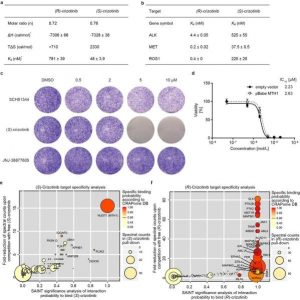
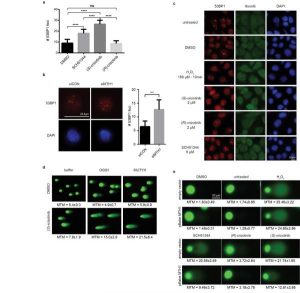
(S)-crizotinib disrupts nucleotide pool homeostasis via MTH1 inhibition, induces an increases DNA single-strand breaks, and turns on DNA repair in human colon carcinoma cells.[1]
(S)-crizotinib potently inhibited the enzymatic activity of recombinant human MTH1, with 50% inhibition at 1 nM concentration. It showed no obvious inhibitory effect on homologous proteins NUDT5 and NUDT16, demonstrating high target selectivity [1] - It exhibited significant proliferation inhibitory effects on various human cancer cell lines (A549, HCT116, HeLa, MDA-MB-231, etc.), with IC50 values ranging from 0.1 to 2.5 μM. The IC50 for non-small cell lung cancer (NSCLC) A549 cells was 0.3 μM [1] - After treating cancer cells, it induced intracellular accumulation of oxidized nucleotides (e.g., 8-oxo-dGTP), leading to DNA strand breaks and oxidative damage (upregulated γ-H2AX protein expression), and ultimately activated the caspase-dependent apoptotic pathway. Annexin V/PI staining showed that the apoptosis rate was 3-5 times higher than that of the control group [1] - In NSCLC cell lines (A549, PC9, H1975), (S)-crizotinib concentration-dependently inhibited cell proliferation with IC50 values of 1.2 μM, 0.9 μM, and 1.5 μM, respectively. It also induced cell apoptosis, as evidenced by upregulated expression of cleaved caspase-3 and PARP, and increased proportion of apoptotic cells [2] - MTH1 knockdown (siRNA transfection) or overexpression experiments showed that the apoptosis and proliferation inhibition induced by (S)-crizotinib in lung cancer cells were independent of MTH1 activity and reactive oxygen species (ROS) production, and its effect was related to regulating the mitochondrial apoptotic pathway [2] |
| ln Vivo |
(S)-Crizotinib (50 mg/kg, orally, daily) impairs tumor growth in an SW480 colon carcinoma xenograft model. [1]
In the nude mouse A549 lung cancer xenograft model, oral administration of (S)-crizotinib at 50 mg/kg once daily for 21 days significantly reduced tumor volume, with a tumor growth inhibition (TGI) rate of 58%. Histological analysis showed increased apoptosis, decreased Ki67 positive rate (suppressed proliferation), and enhanced γ-H2AX protein expression in tumor tissues [1] - In the nude mouse HCT116 colorectal cancer xenograft model, oral administration of (S)-crizotinib (50 mg/kg, once daily) inhibited tumor growth with a TGI rate of 52%. During the experiment, there was no significant weight loss in mice, and no obvious acute toxic reactions were observed [1] |
| Enzyme Assay |
Half-maximal inhibitory concentrations (IC50) are determined using a luminescence-based assay with some minor modifications. Assay buffer, which contains 100 mM Tris-acetate pH 7.5, 40 mM NaCl, 10 mM Mg(OAc)2 containing 0.005% Tween-20, and 2 mM dithiothreitol (DTT), is used to dissolve serial dilutions of compounds. Plates are shaken for 15 minutes at room temperature after being added with MTH1 recombinant protein (final concentration: 2 nM). After addition of the substrate dGTP (final concentration 100 µM), 8-oxo-dGTP (final concentration 13.2 µM), or 2-OH-dATP (final concentration 8.3 µM) the generation of pyrophosphate (PPi) as a result of nucleotide triphosphate hydrolysis by MTH1 is monitored over a time course of 15 min using the PPi Light Inorganic Pyrophosphate Assay kit. By fitting a dose-response curve to the data points using nonlinear regression analysis and the GraphPad Prism program, IC50 values are calculated.
MTH1 enzymatic activity assay: Recombinant human MTH1 protein was incubated with fluorescein-labeled oxidized nucleotide substrate (8-oxo-dGTP) in buffer. Gradient concentrations (0.01-100 nM) of (S)-crizotinib were added, and the reaction was carried out at 37℃ for 60 minutes. The fluorescence intensity of the substrate hydrolysis product was detected by a fluorescence detector to calculate the enzyme activity inhibition rate and IC50 value [1] - Target binding affinity assay (SPR): MTH1 protein was immobilized on the surface of a sensor chip, and (S)-crizotinib solutions of different concentrations (0.1-10 μM) were injected. The binding and dissociation processes between the protein and the drug were monitored in real time, and the equilibrium dissociation constant (KD) was calculated by kinetic curve fitting [1] - Target selectivity assay: Using the same enzymatic activity assay system, NUDT5, NUDT16, and PPase were used as control enzymes. After adding 10 μM (S)-crizotinib, the enzyme activity was detected to verify its specific inhibitory effect on MTH1 [1] |
| Cell Assay |
One day before treatment, cells are seeded per well in six-well plates and incubated for 24 h. The next day DMSO (equal to highest amount of compound dilution, maximum 0.2%) or compounds in increasing concentrations were added and cells incubated at 37 °C, 5% CO2, for 7-10 days. After washing with PBS, cells are fixed with ice-cold methanol, stained with crystal violet solution (0.5% in 25% methanol) and left to dry overnight. For quantification of results, ultraviolet absorbance of crystal violet is determined at 595 nm following solubilisation by 70% ethanol. Data are analysed using nonlinear regression analysis using the GraphPad Prism software.
Cell proliferation inhibition assay: Various cancer cell lines (A549, HCT116, PC9, etc.) were seeded in 96-well plates. After adherence, gradient concentrations (0.01-20 μM) of (S)-crizotinib were added. After culturing for 72 hours, cell proliferation detection reagent was added, and the absorbance value was detected by a microplate reader to calculate cell viability and IC50 [1][2] - Cell apoptosis assay: After cancer cells were treated with (S)-crizotinib for 48 hours, cells were collected and stained with Annexin V-FITC and PI. The proportion of apoptotic cells was detected by flow cytometry; meanwhile, the expression of cleaved caspase-3 and PARP was detected by Western blot to verify the activation of the apoptotic pathway [1][2] - DNA damage assay: After A549 cells were treated with (S)-crizotinib for 24 hours, total cellular protein was extracted, and the protein expression level of γ-H2AX (a marker of DNA double-strand breaks) was detected by Western blot; alternatively, γ-H2AX foci formation was observed by immunofluorescence staining [1] - MTH1-dependent function verification: siRNA transfection was used to knock down MTH1 expression in A549 and PC9 cells, or plasmid transfection was used to overexpress MTH1. Then, cells were treated with (S)-crizotinib, and cell proliferation and apoptosis rates were detected to compare the effect of MTH1 expression level on drug efficacy [2] - ROS detection: After A549 cells were treated with (S)-crizotinib, ROS-specific fluorescent probes were added for incubation, and the fluorescence intensity was detected by flow cytometry to evaluate the effect of the drug on intracellular ROS levels [2] |
| Animal Protocol |
In six-well plates, cells are plated one day prior to treatment and incubated for 24 hours. The cells were then incubated at 37 °C with 5% CO2 for 7–10 days. The following day, DMSO (equivalent to the highest amount of compound dilution, maximum 0.2%) or compounds were added. Crystal violet solution (0.5% in 25% methanol) is used to stain cells after they have been washed with PBS. Cells are then allowed to dry overnight before being fixed with ice-cold methanol. Crystal violet's ultraviolet absorbance is measured at 595 nm for results quantification after being solubilized in 70% ethanol. GraphPad Prism software is used to analyze data using nonlinear regression.
Nude mouse xenograft tumor model: 6-8 week-old nude mice were subcutaneously inoculated with log-phase cancer cells (A549 or HCT116, 5×10^6 cells per mouse) on the right back. Seven days after inoculation, when the tumor volume reached approximately 100 mm³, mice were randomly divided into a control group and a treatment group (6 mice per group) [1] - Administration protocol: (S)-crizotinib was dissolved in normal saline containing 0.5% Tween 80. The treatment group was given oral administration at 50 mg/kg once daily, and the control group was given an equal volume of vehicle for 21 consecutive days [1] - Monitoring and sample collection: During the experiment, tumor volume (length × width²/2) and mouse body weight were measured every 3 days. After the end of administration, mice were sacrificed, tumor tissues were stripped, weighed and fixed for immunohistochemistry (Ki67, γ-H2AX) and TUNEL apoptosis detection [1] |
| ADME/Pharmacokinetics |
Absorption
In patients with pancreatic cancer, colorectal cancer, sarcoma, anaplastic large cell lymphoma, and non-small cell lung cancer (NSCLC) treated with crizotinib, the mean AUC and Cmax increased proportionally to the dose, ranging from 100 mg once daily to 300 mg twice daily. The median time to peak concentration (tmax) after a single dose of crizotinib was 4 to 6 hours. In patients (n=167) receiving crizotinib 250 mg twice daily multiple times, the mean AUC was 2321.00 ng·hr/mL, the mean Cmax was 99.60 ng/mL, and the median tmax was 5.0 hours. The mean absolute bioavailability of crizotinib was 43%, ranging from 32% to 66%. A high-fat diet reduced the AUC0-INF and Cmax of crizotinib by approximately 14%. Age, sex at birth, and race (Asian vs. non-Asian patients) had no clinically significant effect on the pharmacokinetics of crizotinib. In patients under 18 years of age, higher body weight correlated with lower crizotinib exposure. Excretion Route Following a single 250 mg dose of radiolabeled crizotinib in healthy subjects, 63% and 22% of the administered dose were recovered in feces and urine, respectively. Approximately 53% and 2.3% of the administered dose remained unmetabolized in feces and urine, respectively. Volume of Distribution The mean volume of distribution (Vss) of crizotinib after a single intravenous dose was 1772 L. Clearance At steady state (250 mg twice daily), the mean apparent clearance (CL/F) of crizotinib was 60 L/hr. This value is lower than the clearance (100 L/hr) measured after a single 250 mg oral dose, which may be due to CYP3A autoinhibition. Metabolism/Metabolites Crizotinib is primarily metabolized in the liver via CYP3A4 and CYP3A5, undergoing O-dealkylation followed by a phase II binding reaction. Non-metabolic clearance, such as bile excretion, cannot be ruled out. PF-06260182 (composed of two diastereomers, PF-06270079 and PF-06270080) is currently the only identified active metabolite of crizotinib. In vitro studies have shown that PF-06270079 and PF-06270080 exhibit approximately 3- to 8-fold reduced inhibitory activity against anaplastic lymphoma kinase (ALK) and approximately 2.5- to 4-fold reduced inhibitory activity against hepatocyte growth factor receptor (HGFR, c-Met) compared to crizotinib. Biological Half-Life The terminal plasma half-life of crizotinib after a single dose is 42 hours. |
| Toxicity/Toxicokinetics |
Hepatotoxicity
In early large clinical trials, up to 57% of patients receiving standard-dose crizotinib experienced elevated serum transaminase levels, with 6% having transaminase levels exceeding 5 times the upper limit of normal, leading to premature discontinuation of treatment in 2% to 4%. Elevated serum transaminase levels typically appear 4 to 12 weeks after treatment but are usually not accompanied by jaundice or elevated alkaline phosphatase. Crizotinib can be restarted at a reduced dose after transaminase abnormalities return to normal. Most cases of crizotinib-induced liver injury are mild or asymptomatic and resolve within 1 to 2 months after discontinuation (Case 1). However, there have been reports of jaundice and related symptoms during crizotinib treatment, with 0.1% of these patients dying (Case 2). Severe crizotinib-induced liver injury typically occurs within 2 to 6 weeks of treatment initiation, characterized by significantly elevated serum transaminase levels, followed by jaundice, progressive liver dysfunction, coagulation disorders, hepatic encephalopathy, and death. Therefore, routine liver function tests are recommended every 2 to 4 weeks during treatment. Probability score: C (may lead to clinically significant acute liver injury). Use during pregnancy and lactation ◉Overview of use during lactation There is currently no information on the clinical use of crizotinib during lactation. Because crizotinib binds to plasma proteins in a 91% manner, its concentration in breast milk may be low. However, its half-life is approximately 42 hours, and it may accumulate in the infant. The manufacturer recommends discontinuing breastfeeding during crizotinib treatment and for 45 days after the last dose. ◉Effects on breastfed infants No published information found as of the revision date. ◉Effects on lactation and breast milk No published information found as of the revision date. Protein binding rate Crizotinib binds to plasma proteins in a 91% manner. In vitro studies have shown that drug concentration does not affect its protein binding rate. In in vivo experiments, nude mice were orally administered 50 mg/kg (S)-crizotinib for 21 days, which did not cause significant weight loss (weight change rate ≤5%), nor were obvious acute toxic reactions such as diarrhea or hair loss observed[1]. Serum biochemical tests showed no significant differences in ALT, AST, creatinine and blood urea nitrogen levels between the treatment group and the control group, indicating that the drug did not cause significant acute damage to liver and kidney function[1]. |
| References | |
| Additional Infomation |
Ent-crizotinib is a 3-[1-(2,6-dichloro-3-fluorophenyl)ethoxy]-5-[1-(piperidin-4-yl)pyrazol-4-yl]pyridine-2-amine, which is the (S)-enantiomer of crizotinib. It is the enantiomer of crizotinib.
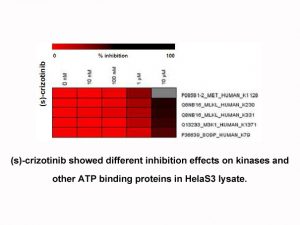
(S)-crizotinib is the S-enantiomer of crizotinib, a clinically approved ALK/ROS1 inhibitor. (S)-crizotinib has a significantly higher affinity for MTH1 than its R-enantiomer (R-crizotinib has an IC50 of 37 nM for MTH1) and does not inhibit ALK/ROS1 kinase activity [1]. One of the antitumor mechanisms of (S)-crizotinib is to inhibit MTH1 clearance of intracellular oxidized nucleotides, thereby reducing the incorporation of incorrect nucleotides into DNA, which in turn induces DNA damage and apoptosis in cancer cells [1]. - In non-small cell lung cancer (NSCLC) cells, the pro-apoptotic effect of (S)-crizotinib is independent of MTH1 and ROS, and its mechanism is related to downregulation of the anti-apoptotic protein Bcl-2, upregulation of the pro-apoptotic protein Bax, and activation of the mitochondrial apoptosis pathway [2]. - (S)-crizotinib has inhibitory activity against both MTH1 and ROS. EGFR mutant (PC9) and wild-type (A549) non-small cell lung cancer cells provide a new potential strategy for lung cancer treatment, especially suitable for ALK/ROS1 negative patients [2]. |
| Molecular Formula |
C21H22CL2FN5O
|
|
|---|---|---|
| Molecular Weight |
450.34
|
|
| Exact Mass |
449.119
|
|
| Elemental Analysis |
C, 56.01; H, 4.92; Cl, 15.74; F, 4.22; N, 15.55; O, 3.55
|
|
| CAS # |
1374356-45-2
|
|
| Related CAS # |
|
|
| PubChem CID |
56671814
|
|
| Appearance |
Light yellow to yellow solid powder
|
|
| LogP |
5.947
|
|
| Hydrogen Bond Donor Count |
2
|
|
| Hydrogen Bond Acceptor Count |
6
|
|
| Rotatable Bond Count |
5
|
|
| Heavy Atom Count |
30
|
|
| Complexity |
558
|
|
| Defined Atom Stereocenter Count |
1
|
|
| SMILES |
ClC1=C(C([H])=C([H])C(=C1[C@]([H])(C([H])([H])[H])OC1=C(N([H])[H])N=C([H])C(=C1[H])C1C([H])=NN(C=1[H])C1([H])C([H])([H])C([H])([H])N([H])C([H])([H])C1([H])[H])Cl)F
|
|
| InChi Key |
KTEIFNKAUNYNJU-LBPRGKRZSA-N
|
|
| InChi Code |
InChI=1S/C21H22Cl2FN5O/c1-12(19-16(22)2-3-17(24)20(19)23)30-18-8-13(9-27-21(18)25)14-10-28-29(11-14)15-4-6-26-7-5-15/h2-3,8-12,15,26H,4-7H2,1H3,(H2,25,27)/t12-/m0/s1
|
|
| Chemical Name |
3-[(1S)-1-(2,6-dichloro-3-fluorophenyl)ethoxy]-5-(1-piperidin-4-ylpyrazol-4-yl)pyridin-2-amine
|
|
| Synonyms |
S-Crizotinib; PF-2341066; PF2341066; PF02341066; PF-02341066; PF 2341066
|
|
| HS Tariff Code |
2934.99.9001
|
|
| Storage |
Powder -20°C 3 years 4°C 2 years In solvent -80°C 6 months -20°C 1 month |
|
| Shipping Condition |
Room temperature (This product is stable at ambient temperature for a few days during ordinary shipping and time spent in Customs)
|
| Solubility (In Vitro) |
DMSO: ~42 mg/mL (~93.3 mM)
Water: <1 mg/mL (Insoluble) Ethanol: ~22 mg/mL (~48.9 mM) |
|---|---|
| Solubility (In Vivo) |
Solubility in Formulation 1: ≥ 1.25 mg/mL (2.78 mM) (saturation unknown) in 10% DMSO + 40% PEG300 + 5% Tween80 + 45% Saline (add these co-solvents sequentially from left to right, and one by one), clear solution.
For example, if 1 mL of working solution is to be prepared, you can add 100 μL of 12.5 mg/mL clear DMSO stock solution to 400 μL PEG300 and mix evenly; then add 50 μL Tween-80 to the above solution and mix evenly; then add 450 μL normal saline to adjust the volume to 1 mL. Preparation of saline: Dissolve 0.9 g of sodium chloride in 100 mL ddH₂ O to obtain a clear solution. Solubility in Formulation 2: ≥ 1.25 mg/mL (2.78 mM) (saturation unknown) in 10% DMSO + 90% (20% SBE-β-CD in Saline) (add these co-solvents sequentially from left to right, and one by one), clear solution. For example, if 1 mL of working solution is to be prepared, you can add 100 μL of 12.5 mg/mL clear DMSO stock solution to 900 μL of 20% SBE-β-CD physiological saline solution and mix evenly. Preparation of 20% SBE-β-CD in Saline (4°C,1 week): Dissolve 2 g SBE-β-CD in 10 mL saline to obtain a clear solution. View More
Solubility in Formulation 3: ≥ 1.25 mg/mL (2.78 mM) (saturation unknown) in 10% DMSO + 90% Corn Oil (add these co-solvents sequentially from left to right, and one by one), clear solution. |
| Preparing Stock Solutions | 1 mg | 5 mg | 10 mg | |
| 1 mM | 2.2205 mL | 11.1027 mL | 22.2054 mL | |
| 5 mM | 0.4441 mL | 2.2205 mL | 4.4411 mL | |
| 10 mM | 0.2221 mL | 1.1103 mL | 2.2205 mL |
*Note: Please select an appropriate solvent for the preparation of stock solution based on your experiment needs. For most products, DMSO can be used for preparing stock solutions (e.g. 5 mM, 10 mM, or 20 mM concentration); some products with high aqueous solubility may be dissolved in water directly. Solubility information is available at the above Solubility Data section. Once the stock solution is prepared, aliquot it to routine usage volumes and store at -20°C or -80°C. Avoid repeated freeze and thaw cycles.
Calculation results
Working concentration: mg/mL;
Method for preparing DMSO stock solution: mg drug pre-dissolved in μL DMSO (stock solution concentration mg/mL). Please contact us first if the concentration exceeds the DMSO solubility of the batch of drug.
Method for preparing in vivo formulation::Take μL DMSO stock solution, next add μL PEG300, mix and clarify, next addμL Tween 80, mix and clarify, next add μL ddH2O,mix and clarify.
(1) Please be sure that the solution is clear before the addition of next solvent. Dissolution methods like vortex, ultrasound or warming and heat may be used to aid dissolving.
(2) Be sure to add the solvent(s) in order.
| NCT Number | Status | Interventions | Conditions | Sponsor/Collaborators | Start Date | Phases |
| NCT02761057 | Active Recruiting |
Drug: Crizotinib Drug: Savolitinib |
Stage III Renal Cell Cancer AJCC v7 Stage IV Renal Cell Cancer AJCC v7 |
National Cancer Institute (NCI) |
April 5, 2016 | Phase 2 |
| NCT04439253 | Active Recruiting |
Drug: Crizotinib | Advanced Lymphoma Refractory Lymphoma |
National Cancer Institute (NCI) |
August 12, 2015 | Phase 2 |
| NCT02767804 | Active Recruiting |
Drug: crizotinib Drug: X-396 (ensartinib) |
Non-small Cell Lung Cancer | Xcovery Holding Company, LLC | June 2016 | Phase 3 |
| NCT03052608 | Active Recruiting |
Drug: Lorlatinib Drug: Crizotinib |
Carcinoma, Non-Small-Cell Lung | Pfizer | April 27, 2017 | Phase 3 |
| NCT02465060 | Active Recruiting |
Drug: Afatinib Drug: Adavosertib |
Bladder Carcinoma Breast Carcinoma |
National Cancer Institute (NCI) |
August 12, 2015 | Phase 2 |
|
|---|
|
|
Products are for research use only; We do not sell to patients
Copyright 2020 InvivoChem LLC | All Rights Reserved


 COA
COA