| Size | Price | Stock | Qty |
|---|---|---|---|
| 5mg |
|
||
| 10mg |
|
||
| 25mg |
|
||
| 50mg |
|
||
| 100mg |
|
||
| 250mg |
|
||
| 500mg |
|
||
| 1g | |||
| Other Sizes |


Purity: ≥98%
| Targets |
MDM-2/p53; HSP70
The primary target of Pifithrin-μ (NSC-303580) is the mitochondrial interaction interface of p53, specifically inhibiting the binding of p53 to anti-apoptotic Bcl-2 family proteins (Bcl-xL, Bcl-2). - Inhibition of p53-Bcl-xL binding: IC50 = 1.2 μM (fluorescence polarization assay, FP) [1]; - Inhibition of p53-Bcl-2 binding: IC50 = 2.5 μM (same FP assay as p53-Bcl-xL) [1]; |
|---|---|
| ln Vitro |
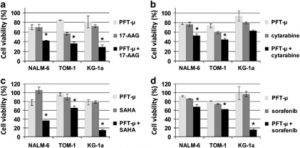
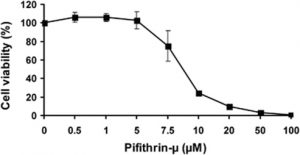
Pifithrin-μ interferes with p53 binding to mitochondria and inhibits rapid p53-dependent apoptosis of primary cell cultures of mouse thymocytes in response to gamma radiation.[1] In acute lymphoblastic leukemia (ALL) and acute myeloid leukemia (AML) cell lines, as well as in primary AML blasts, Pifithrin-μ, an inhibitor of inducible HSP70, significantly reduced cell viability. The IC50 values ranged from 2.5 to 12.7 μM. Apoptosis and cell cycle arrest are induced by Pifithrin-μ in primary AML blasts in a dose-dependent manner, with a median IC50 of 8.9 μM (range 5.7-37.2 μM). Additionally, Pifithrin-μ decreases AKT and ERK1/2 in NALM-6 cells while increasing caspase-3's active form. [2] Pifithrin-μ promotes TRAIL-induced apoptosis and arrests the growth of cancer cells. It also increases Annexin V(+) cells in both caspase-dependent and caspase-independent ways. [3]
Inhibition of p53-mediated mitochondrial apoptosis (literature [1]): 1) p53-wildtype HCT116 cells treated with Pifithrin-μ (1 μM, 2 μM) + etoposide (10 μM, p53 activator) for 24 h: Mitochondrial cytochrome c release reduced by 42% (2 μM) vs. etoposide alone; 2) Apoptotic rate (Annexin V-FITC/PI) decreased from 58% (etoposide) to 22% (2 μM Pifithrin-μ + etoposide); 3) No effect on p53 nuclear targets (p21 mRNA level unchanged, RT-PCR), confirming selective inhibition of mitochondrial p53 function. [1] - Antiproliferative activity in leukemia cells (literature [2]): 1) p53-wildtype K562 (chronic myeloid leukemia) cells: Pifithrin-μ IC50 = 3.8 μM (MTT assay, 72 h); 2) p53-mutant HL-60 cells: IC50 > 20 μM; 3) Western blot showed reduced Cleaved Caspase-9 (mitochondrial apoptosis marker) by 65% (3 μM Pifithrin-μ) vs. control. [2] - Synergy with chemotherapy in colon cancer cells (literature [3]): 1) HT29 (p53-wildtype) cells treated with Pifithrin-μ (1 μM) + 5-fluorouracil (5-FU, 5 μM): Cell viability reduced to 28% (vs. 52% for 5-FU alone, 78% for Pifithrin-μ alone); 2) Colony formation rate decreased by 72% (combination) vs. 35% (5-FU alone); 3) Immunofluorescence showed reduced p53 mitochondrial localization (from 65% to 18% positive cells) in the combination group. [3] |
| ln Vivo |
Pifithrin-μ (40 mg/kg, ip) protects C57B1/6J mice exposed to 8 or 9 Gy of total body gamma radiation from p53-dependent apoptosis. [1] Pifithrin-μ significantly improves TRAIL's ability to inhibit the growth of the MiaPaca-2 tumor in a xenograft mouse model. [3]
Leukemia xenograft model (literature [2]): NOD/SCID mice (6-8 weeks old, male) bearing K562 xenografts were randomized into 3 groups (n=6/group): 1) Vehicle control (5% DMSO + 95% corn oil, oral gavage, once daily); 2) Pifithrin-μ 10 mg/kg (oral gavage, once daily); 3) Pifithrin-μ 20 mg/kg (oral gavage, once daily). After 21 days of dosing: 1) Tumor growth inhibition rate (TGI) = 45% (10 mg/kg) and 68% (20 mg/kg); 2) Peripheral blood leukocyte count reduced by 38% (20 mg/kg) vs. control; 3) Bone marrow immunohistochemistry (IHC) showed reduced Cleaved Caspase-9-positive cells (from 42% to 15% in 20 mg/kg group). [2] - Colon cancer xenograft model (literature [3]): BALB/c nude mice (female, 4-6 weeks old) bearing HT29 xenografts were randomized into 4 groups (n=5/group): 1) Control (vehicle); 2) Pifithrin-μ 15 mg/kg (i.p., once daily); 3) 5-FU 20 mg/kg (i.p., once weekly); 4) Combination (Pifithrin-μ + 5-FU). After 28 days of dosing: 1) TGI = 79% (combination) vs. 32% (Pifithrin-μ alone) and 45% (5-FU alone); 2) Tumor weight: 0.28 g (combination) vs. 0.85 g (control); 3) No significant increase in mouse survival was observed, but tumor recurrence was delayed by 10 days in the combination group. [3] |
| Enzyme Assay |
Fluorescence polarization (FP) assay for p53-Bcl-xL/Bcl-2 binding (literature [1]): 1) Reagent preparation: Fluorescein-labeled p53 peptide (residues 1-25, containing Bcl-xL/Bcl-2 binding motif) was diluted to 20 nM in assay buffer (20 mM Tris-HCl, 150 mM NaCl, pH 7.5); 2) Binding reaction: The labeled p53 peptide was mixed with recombinant Bcl-xL (50 nM) or Bcl-2 (50 nM) and incubated at 25°C for 30 minutes to form a complex; 3) Drug treatment: Pifithrin-μ was serially diluted (0.1 μM to 10 μM) and added to the complex, followed by 60 minutes of incubation; 4) Detection: FP signal (excitation 485 nm, emission 535 nm) was measured using a microplate reader; 5) Data analysis: IC50 was calculated by fitting the FP signal reduction rate to a four-parameter logistic model. [1]
|
| Cell Assay |
By staining with 0.5% methylene blue and calculating optical density with a Multiscan Ascent microplate reader, the number of attached cells is inferred. Using 0.1% trypan blue2 staining or FACScan analysis of annexin- or propidium iodide (PI)-positive cells, cell viability in suspension of short-term culture of primary thymocytes is assessed.
Mitochondrial cytochrome c release assay (literature [1]): 1) HCT116 cells were seeded into 10 cm dishes at 5×10⁶ cells/dish and treated with Pifithrin-μ (1 μM, 2 μM) + etoposide (10 μM) for 24 h; 2) Cells were harvested, washed with cold PBS, and resuspended in mitochondrial isolation buffer; 3) Mitochondrial and cytosolic fractions were separated by centrifugation (12,000×g, 15 min, 4°C); 4) Cytochrome c in cytosolic fraction was detected by Western blot using anti-cytochrome c antibody; gray value was quantified via ImageJ (normalized to β-actin). [1] - Leukocyte viability assay (literature [2]): 1) K562/HL-60 cells were seeded into 96-well plates at 4×10³ cells/well and cultured overnight; 2) Pifithrin-μ (0.5 μM to 40 μM) was added, and cells were cultured for 72 h (37°C, 5% CO₂); 3) 15 μL CCK-8 solution was added per well, incubated for 2 h; 4) Absorbance at 450 nm was measured; cell viability = (treated/control absorbance) × 100%; IC50 was calculated via GraphPad Prism. [2] - Colon cancer colony formation assay (literature [3]): 1) HT29 cells were seeded into 6-well plates at 800 cells/well and treated with Pifithrin-μ (1 μM) + 5-FU (5 μM); 2) Medium was changed every 4 days; culture continued for 14 days; 3) Colonies were fixed with 4% paraformaldehyde for 15 min, stained with 0.1% crystal violet for 30 min; 4) Colonies with >50 cells were counted; colony formation rate = (number of colonies in treated group / control group) × 100%. [3] |
| Animal Protocol |
40 mg/kg DMSO
C57B1/6J mice. K562 leukemia xenograft protocol (literature [2]): 1) Animal preparation: Male NOD/SCID mice (6-8 weeks old) were acclimated for 1 week (22±2°C, 12h light/dark); 2) Tumor inoculation: 2×10⁷ K562 cells suspended in 200 μL PBS were intravenously injected into each mouse (tail vein); 3) Grouping and dosing: When peripheral blood leukocyte count reached 1×10⁹/L (day 7 post-inoculation), mice were randomized into 3 groups (n=6): Control (5% DMSO + 95% corn oil, oral gavage, 0.2 mL/mouse, once daily); Pifithrin-μ 10 mg/kg (dissolved in control vehicle, oral gavage, once daily); Pifithrin-μ 20 mg/kg (same vehicle/route); 4) Monitoring: Peripheral blood was collected every 3 days to count leukocytes; after 21 days, mice were euthanized, bone marrow was collected for IHC, and spleen/liver were weighed (to assess tumor infiltration). [2] - HT29 colon cancer xenograft protocol (literature [3]): 1) Animal preparation: Female BALB/c nude mice (4-6 weeks old) were acclimated for 1 week; 2) Tumor inoculation: 5×10⁶ HT29 cells suspended in 100 μL Matrigel:PBS (1:1) were subcutaneously injected into the right flank; 3) Grouping and dosing: When tumors reached 100-150 mm³ (day 10 post-inoculation), mice were randomized into 4 groups (n=5): Control (5% DMSO + 10% Cremophor EL + 85% saline, i.p., 0.1 mL/mouse, once daily); Pifithrin-μ 15 mg/kg (dissolved in control vehicle, i.p., once daily); 5-FU 20 mg/kg (dissolved in saline, i.p., once weekly); Combination (Pifithrin-μ daily + 5-FU weekly); 4) Monitoring: Tumor volume (length × width² / 2) and body weight were measured every 3 days; after 28 days, mice were euthanized, tumors were harvested/weighed, and fixed in 4% paraformaldehyde for IHC. [3] |
| Toxicity/Toxicokinetics |
In vivo safety in xenograft models (references [2][3]): 1) NOD/SCID mice (reference [2]): Pifithrin-μ 20 mg/kg (oral, day 21) resulted in 6% weight loss (recovered by day 18), and no abnormalities were observed in serum ALT/AST/BUN/Cr (compared to the control group); 2) BALB/c nude mice (reference [3]): Pifithrin-μ 15 mg/kg (intraperitoneal, day 28) + 5-FU 20 mg/kg (intraperitoneal, once a week) resulted in 9% weight loss (12% compared to 5-FU alone), and no histopathological damage was observed in the liver/kidney/spleen. [2][3] - In vitro cytotoxicity to normal cells (Reference [1]): Pifithrin-μ showed low cytotoxicity to normal human colonic epithelial cells (NCM460): IC50 = 22.5 μM (3.8 μM for K562 cells), indicating its selectivity for cancer cells. [1]
|
| References | |
| Additional Infomation |
2-Benzethynylsulfonamide belongs to the benzene family of compounds. Unique mechanism of action (Reference [1]): Unlike other p53 inhibitors (e.g., Pifithrin-α, which inhibits p53 transcriptional activity), Pifithrin-μ selectively blocks the mitochondrial pro-apoptotic function of p53 by disrupting the p53-Bcl-2/Bcl-xL interaction. This avoids interference with the nuclear tumor suppressor activity of p53 (e.g., DNA repair), thereby reducing the potential carcinogenic risk. [1] - Therapeutic potential (Reference [2][3]): Pifithrin-μ holds promise for treating p53 wild-type hematologic malignancies (e.g., chronic myeloid leukemia) and solid tumors (e.g., colon cancer), particularly when used in combination with chemotherapeutic agents (e.g., 5-fluorouracil) to reduce chemotherapy-induced apoptosis in normal cells. [2][3]
|
| Molecular Formula |
C8H7NO2S
|
|
|---|---|---|
| Molecular Weight |
181.21
|
|
| Exact Mass |
181.019
|
|
| Elemental Analysis |
C, 53.03; H, 3.89; N, 7.73; O, 17.66; S, 17.69
|
|
| CAS # |
64984-31-2
|
|
| Related CAS # |
|
|
| PubChem CID |
327653
|
|
| Appearance |
White to light brown solid powder
|
|
| Density |
1.4±0.1 g/cm3
|
|
| Boiling Point |
351.7±25.0 °C at 760 mmHg
|
|
| Melting Point |
135.0 to 139.0 °C
|
|
| Flash Point |
166.5±23.2 °C
|
|
| Vapour Pressure |
0.0±0.8 mmHg at 25°C
|
|
| Index of Refraction |
1.634
|
|
| LogP |
2
|
|
| Hydrogen Bond Donor Count |
1
|
|
| Hydrogen Bond Acceptor Count |
3
|
|
| Rotatable Bond Count |
1
|
|
| Heavy Atom Count |
12
|
|
| Complexity |
295
|
|
| Defined Atom Stereocenter Count |
0
|
|
| SMILES |
S(C#CC1C([H])=C([H])C([H])=C([H])C=1[H])(N([H])[H])(=O)=O
|
|
| InChi Key |
ZZUZYEMRHCMVTB-UHFFFAOYSA-N
|
|
| InChi Code |
InChI=1S/C8H7NO2S/c9-12(10,11)7-6-8-4-2-1-3-5-8/h1-5H,(H2,9,10,11)
|
|
| Chemical Name |
2-phenylethynesulfonamide
|
|
| Synonyms |
|
|
| HS Tariff Code |
2934.99.03.00
|
|
| Storage |
Powder -20°C 3 years 4°C 2 years In solvent -80°C 6 months -20°C 1 month Note: Please store this product in a sealed and protected environment (e.g. under nitrogen), avoid exposure to moisture. |
|
| Shipping Condition |
Room temperature (This product is stable at ambient temperature for a few days during ordinary shipping and time spent in Customs)
|
| Solubility (In Vitro) |
DMSO: ~36 mg/mL (~198.7 mM)
Water: <1 mg/mL (Insoluble) Ethanol: N/A |
|---|---|
| Solubility (In Vivo) |
Solubility in Formulation 1: ≥ 2.08 mg/mL (11.48 mM) (saturation unknown) in 10% DMSO + 40% PEG300 + 5% Tween80 + 45% Saline (add these co-solvents sequentially from left to right, and one by one), clear solution.
For example, if 1 mL of working solution is to be prepared, you can add 100 μL of 20.8 mg/mL clear DMSO stock solution to 400 μL PEG300 and mix evenly; then add 50 μL Tween-80 to the above solution and mix evenly; then add 450 μL normal saline to adjust the volume to 1 mL. Preparation of saline: Dissolve 0.9 g of sodium chloride in 100 mL ddH₂ O to obtain a clear solution. Solubility in Formulation 2: ≥ 2.08 mg/mL (11.48 mM) (saturation unknown) in 10% DMSO + 90% (20% SBE-β-CD in Saline) (add these co-solvents sequentially from left to right, and one by one), clear solution. For example, if 1 mL of working solution is to be prepared, you can add 100 μL of 20.8 mg/mL clear DMSO stock solution to 900 μL of 20% SBE-β-CD physiological saline solution and mix evenly. Preparation of 20% SBE-β-CD in Saline (4°C,1 week): Dissolve 2 g SBE-β-CD in 10 mL saline to obtain a clear solution. View More
Solubility in Formulation 3: ≥ 2.08 mg/mL (11.48 mM) (saturation unknown) in 10% DMSO + 90% Corn Oil (add these co-solvents sequentially from left to right, and one by one), clear solution. Solubility in Formulation 4: 1% DMSO +30% polyethylene glycol+1% Tween 80 : 10 mg/mL |
| Preparing Stock Solutions | 1 mg | 5 mg | 10 mg | |
| 1 mM | 5.5185 mL | 27.5923 mL | 55.1846 mL | |
| 5 mM | 1.1037 mL | 5.5185 mL | 11.0369 mL | |
| 10 mM | 0.5518 mL | 2.7592 mL | 5.5185 mL |
*Note: Please select an appropriate solvent for the preparation of stock solution based on your experiment needs. For most products, DMSO can be used for preparing stock solutions (e.g. 5 mM, 10 mM, or 20 mM concentration); some products with high aqueous solubility may be dissolved in water directly. Solubility information is available at the above Solubility Data section. Once the stock solution is prepared, aliquot it to routine usage volumes and store at -20°C or -80°C. Avoid repeated freeze and thaw cycles.
Calculation results
Working concentration: mg/mL;
Method for preparing DMSO stock solution: mg drug pre-dissolved in μL DMSO (stock solution concentration mg/mL). Please contact us first if the concentration exceeds the DMSO solubility of the batch of drug.
Method for preparing in vivo formulation::Take μL DMSO stock solution, next add μL PEG300, mix and clarify, next addμL Tween 80, mix and clarify, next add μL ddH2O,mix and clarify.
(1) Please be sure that the solution is clear before the addition of next solvent. Dissolution methods like vortex, ultrasound or warming and heat may be used to aid dissolving.
(2) Be sure to add the solvent(s) in order.
 |
|---|
|
Products are for research use only; We do not sell to patients
Copyright 2020 InvivoChem LLC | All Rights Reserved


 COA
COA