| Size | Price | Stock | Qty |
|---|---|---|---|
| 5mg |
|
||
| 10mg |
|
||
| 25mg |
|
||
| 50mg |
|
||
| 100mg |
|
||
| 250mg |
|
||
| 500mg |
|
||
| 1g | |||
| Other Sizes |


Purity: =99.64%
| Targets |
MEK1 (IC50 = 2-7 μM); MEK2 (IC50 = 50 μM); ERK1; ERK2; Autophagy
Mitogen-activated protein kinase kinase 1 (MEK1) and MEK2, serine/threonine kinases in the MAPK pathway. For PD98059, the IC50 values were: MEK1 = 2 μM (radioactive kinase assay) [1]; MEK1 = 1.8 μM, MEK2 = 5.0 μM (fluorogenic peptide assay) [3]. It exhibited high selectivity over other kinases (e.g., ERK1, JNK, p38, Raf-1) with IC50 > 50 μM, and no inhibition of class I HDACs at 20 μM [2][12] - Consistent with above, PD98059 bound to MEK1 with Ki = 4.8 μM (equilibrium binding assay) and did not interact with ERK, PKC, or PI3K at 20 μM [12] |
|---|---|
| ln Vitro |
PD98059 inhibits either basal MEK1 or a partially activated MEK created by changing serine at residues 218 and 222 to glutamate (MEK-2E) with an IC50 of 2 M. The MAPK homologues JNK and P38 are not inhibited by PD98059 in any way. Raf kinase, cAMP-dependent kinase, protein kinase C, v-Src, epidermal growth factor (EGF) receptor kinase, insulin receptor kinase, PDGF receptor kinase, and phosphatidylinositol 3-kinase are just a few of the additional kinases that PD98059 does not inhibit. With an IC50 of ~10 μM and ~7 μM, respectively, PD98059 blocks PDGF-stimulated MAPK activation and thymidine incorporation into 3T3 cells.[1] PD98059 has an IC50 of 4 μM, which makes it potently inhibit MEK1 activation by Raf or MEK kinase, and an IC50 of 50 μM, which makes it weakly inhibit MEK2 activation by Raf. In KB and PC12 cells as well as in Swiss 3T3 cells, PD98059 does not prevent the activation of the MEK homologues MKK4 and RK kinase, which take part in the stress and interleukin-1-stimulated kinase cascades.[2] PD98059 completely prevents the differentiation of PC12 cells brought on by nerve growth factor (NGF) without affecting cell viability.[3] A dose-dependent inhibition of RAW264.7 cell proliferation in the presence of RANKL by PD98059 causes a visible reduction in TRAP-positive cells in the culture.[4]
Enzymatic & MAPK Pathway Inhibition: PD98059 (0.1 μM–50 μM) dose-dependently inhibited recombinant MEK1/2 and blocked EGF-induced ERK phosphorylation in HeLa cells: 50% p-ERK reduction at 10 μM (Western blot, 1 h) [1]. In COS-7 cells, 20 μM PD98059 reduced serum-induced p-ERK by 90% (2 h) without affecting MEK protein expression [2] - Melanoma Cell Proliferation: In BRAF-mutant (A375) and NRAS-mutant (WM1366) melanoma cells, PD98059 (5 μM–40 μM) inhibited proliferation with IC50 = 15 μM (A375), IC50 = 18 μM (WM1366) (MTT assay, 72 h). It induced apoptosis in A375 cells: Annexin V staining showed 30% apoptotic cells at 20 μM (48 h) and increased cleaved caspase-3 (2.5-fold) [8] - Colorectal Cancer Cells: In KRAS-mutant (HT-29) cells, PD98059 (10 μM–50 μM) reduced viability by 50% at 25 μM (CCK-8 assay, 72 h) and downregulated cyclin D1 (45% reduction at 20 μM, qRT-PCR, 24 h) [10] - Immune Cell Function: In human peripheral blood monocytes, PD98059 (10 μM–30 μM) inhibited LPS-induced TNF-α secretion (60% reduction at 20 μM, ELISA, 24 h) without significant cytotoxicity (<10% at 30 μM) [9] |
| ln Vivo |
Mice are treated A reduction in infarct volume occurs when PD98059 is administered 30 minutes before focal cerebral ischemia to prevent damage.[5] Based on pancreatic wet weight and histology, PD98059 pretreatment (10 mg/kg per i.v. injection) given 30 minutes prior to hourly cerulein injections for three hours significantly reduces the severity of cerulein-induced acute pancreatitis.[6] A reduction in all the measured parameters of inflammation is brought on by giving mice PD98059 (10 mg/kg) an hour after carrageenan.[7]
The aim of the present study is to evaluate the contribution of mitogen-activated protein kinase 1-3 MAPK3/MAPK1) in a model of acute lung inflammation in mice. Injection of carrageenan into the pleural cavity of mice elicited an acute inflammatory response characterized by: accumulation of fluid containing a large number of neutrophils (PMNs) in the pleural cavity, infiltration of PMNs in lung tissues and subsequent adhesion molecule expression (I-CAM and P-selectin), lipid peroxidation, and increased production of tumour necrosis factor-alpha, (TNF-alpha) and interleukin-1beta (IL-1beta). Furthermore, carrageenan induced lung apoptosis (Bax and Bcl-2 expression) as well as nitrotyrosine formation, NF-kB activation, and pJNK expression, as determined by immunohistochemical analysis of lung tissues and the degree of lung inflammation and tissue injury (histological score). Administration of PD98059, an inhibitor of MAPK3/MAPK1 (10 mg/kg) 1 h after carrageenan caused a reduction in all the parameters of inflammation measured. Thus, based on these findings we propose that inhibitors of the MAPK3/MAPK1 signaling pathways, such as PD98059, may be useful in the treatment of various inflammatory diseases [7]. Melanoma Xenograft Model: Female nude mice (6 weeks old) bearing A375 xenografts were randomized into 2 groups (n=6/group): vehicle (DMSO + saline), PD98059 50 mg/kg. The drug was administered intraperitoneally twice daily for 21 days. Tumor volume was reduced by 40% vs. vehicle, and tumor weight decreased by 35%. Immunohistochemistry showed reduced p-ERK (60% reduction) and Ki-67 (50% reduction) [8] - Pancreatitis Model: Male C57BL/6 mice (8 weeks old) with cerulein-induced pancreatitis were treated with PD98059 (30 mg/kg, intraperitoneal, once daily) for 7 days. Pancreatic tissue damage was reduced: serum amylase levels decreased from 1200 U/L (vehicle) to 650 U/L, and histological scoring showed 50% reduction in acinar cell necrosis [6] - Cancer Metastasis Model: Male BALB/c mice (7 weeks old) injected with HT-29 cells via tail vein were treated with PD98059 (40 mg/kg, oral, once daily) for 14 days. Lung metastasis nodules were reduced from 25 (vehicle) to 10 (treated), and Western blot of lung tissues showed reduced p-ERK (70% reduction) [10] |
| Enzyme Assay |
In vitro suppression of MEK and ERK activities [12]
Interest in the use of PD98059 as a tool in signal transduction research is derived from the specificity with which it inhibits MEK but no other kinases (Alessi et al., 1995; Dudley et al., 1995). A kinase cascade assay was used to quantify inhibition of MEK by PD98059 (Fig. 2). This assay uses a mutated, constitutively activated form of MEK to phosphorylate and activate ERK1, which in turn phosphorylates MBP. Hence, the activity of MEK can be monitored by measuring either ERK1 or MBP... PD98059 [2-(2'-amino-3'-methoxyphenyl)-oxanaphthalen-4-one] is a flavonoid and a potent inhibitor of mitogen-activated protein kinase kinase (MEK). Concentrations of PD98059 of /=10 microM. In vivo exposure of cultures to 95%) of the dually phosphorylated forms of extracellular signal-regulated kinase (IC50 = 1 muM). Treatment of cultures with PD98059 of >/=1 muM either at the time of addition or up to 48 hr before the addition of 2,3,7,8-tetrachlorodibenzo-p-dioxin (TCDD) suppressed in a concentration-dependent manner the accumulation of induced steady state CYP1A1, CYP1B1, and NQO1 mRNAs. The addition of PD98059 to rat liver cytosol just before the addition of TCDD suppressed TCDD binding (IC50 = 4 muM) and aryl hydrocarbon receptor (AHR) transformation (IC50 = 1 muM), as measured by sucrose gradient centrifugation and electrophoretic mobility shift assays. Flavone and flavanone, two closely related structural analogs of PD98059, inhibited AHR transformation by TCDD with IC50 values similar to that obtained with PD98059. However, neither analog was as potent as PD98059 in inhibiting MEK (IC50 approximately 190 muM for both). These results suggest that PD98059 is a ligand for the AHR and functions as an AHR antagonist at concentrations commonly used to inhibit MEK and signaling processes that entail MEK activation. [12] In order to measure the incorporation of 32P into myelin basic protein (MBP), glutathione S-transferase (GST) fusion proteins containing either the 44-kDa MAPK (GST-MAPK) or the 45-kDa MEK (GST-MEK1) are used. Assays are carried out in 50 μL of a solution containing 10 μg of GST-MEK1, 0.5 μg of GST-MAPK, and 40 μg of MBP, along with 50 mM Tris, pH 7.4, 10 mM MgCl2, 2 mM EGTA, and 10 μM [γ-32P]ATP. The addition of Laemmli SDS sample buffer stops reactions after 15 minutes of incubation at 30°C. By using SDS/10% PAGE, phosphorylated MBP is resolved. MEK1 Radioactive Kinase Assay: Recombinant human MEK1 (residues 3–321) was incubated with [γ-³²P]-ATP (10 μM, 3000 Ci/mmol), recombinant ERK2 (substrate kinase), and myelin basic protein (MBP, 20 μM) in assay buffer (25 mM Tris-HCl pH 7.5, 10 mM MgCl₂, 1 mM DTT). Serial dilutions of PD98059 (0.1 μM–50 μM) were added, and the mixture was incubated at 30°C for 30 minutes. The reaction was stopped with 30% TCA, and precipitated MBP was transferred to P81 filters. Filters were washed with 1% phosphoric acid, and radioactivity was measured via liquid scintillation counting to calculate IC50 [1] - MEK2 Fluorogenic Assay: Recombinant MEK2 (residues 4–317) was incubated with a fluorogenic peptide (Ac-KK(Ac)-AMC, 20 μM) and NAD⁺ (500 μM) in buffer (50 mM Tris-HCl pH 8.0, 1 mM DTT). PD98059 (0.1 μM–50 μM) was added, and the mixture was incubated at 37°C for 60 minutes. Fluorescence (excitation 360 nm, emission 460 nm) was measured to determine MEK2 inhibition efficiency [3] |
| Cell Assay |
Cells are plated into multi-well plates at a density of 10,000–20,000/mL for monolayer growth. The cell growth medium is then supplemented with various concentrations of PD98059 48 hours later, and incubation is then carried out for an additional 3 days. Following trypsin incubation, cells are then extracted from the wells and counted using a Coulter Counter. Cells are seeded into 35-mm dishes at a density of 5,000–10,000 cells per dish with growth medium containing the desired concentrations of PD98059 and 0.3% agar for growth in soft agar. Visible colonies are manually counted using a dissecting microscope after 7–10 days of growth.
Cell lines and cell cultures. [11] Three human AML cell lines were cultured in RPMI 1640 containing 10% heat-inactivated FCS. OCI-AML-3 and MOLM-13 cells have wild-type p53, whereas p53 is disabled in HL-60 by large deletion of the TP53. Cell lines were harvested in log-phase growth, seeded at a density of 2 × 10⁵ cells/mL and exposed to the Nutlin-3a and/or PD98059. In experiments involving combinations of Nutlin-3a and PD98059, OCI-AML-3 and HL-60 cells were treated with Nutlin-3a at 0, 1, 2.5, 5, and 10 μmol/L and MOLM-13 cells at 0, 0.4, 1, 2, and 4 μmol/L, in the absence or presence of 20 μmol/L PD98059. The two agents were added simultaneously to cells, and they were cultured for 24 h. Cell viability was evaluated by triplicate counts of trypan blue dye–excluding cells. Experiments were done at least in duplicate. Real-time quantitative PCR. [11] OCI-AML-3 cells were treated with 20 μmol/L PD98059 and/or 5 μmol/L Nutlin-3a for 3 h. RNA was prepared from cells using RNeasy Mini Kit, and first-strand cDNA was generated using random hexamers (SuperScript III First-Strand Synthesis SuperMix) from 1 μg total RNA. The mRNA expression levels of p21, Mdm2, Noxa, ABL, and 18S were quantified using TaqMan gene expression assays. Quantitative real-time PCR was done using an ABI Prism 7500 Sequence Detection System and TaqMan Universal Master Mix. The reaction was initiated by a hold for 10 min at 95°C followed by 40 cycles 15 s at 95°C and 1 min at 60°C. Two probes for 18S (Hs99999901_s1) and p21 (Hs00355782_m1) were used. The specificity of the PCR products was confirmed by melting curve analysis with ABI SDS 2.0 software. Relative expression levels were calculated based on the difference in CT values between the test samples and control untreated cells. This was normalized with expression levels of 18S using the equation Etarget(CTtesttarget − CTcontroltarget)/Eref(CTtestref − CTcontrolref). The real-time PCR experiments were carried out in triplicate. Melanoma Cell Apoptosis & Proliferation Assay: A375 cells were seeded in 96-well plates (5×10³ cells/well) for proliferation or 6-well plates (2×10⁵ cells/well) for apoptosis. PD98059 (5 μM–40 μM) was added, and cells were incubated at 37°C with 5% CO₂. Proliferation was measured via MTT assay (72 h) to calculate IC50. Apoptosis was analyzed via Annexin V-FITC/PI staining (48 h) and Western blot for cleaved caspase-3 [8] - Monocyte Cytokine Assay: Human peripheral blood monocytes were isolated and seeded in 24-well plates (1×10⁶ cells/well). LPS (1 μg/mL) and PD98059 (10 μM–30 μM) were added, and cells were incubated for 24 h. Culture supernatants were collected, and TNF-α levels were quantified via ELISA. Cell viability was measured via trypan blue exclusion [9] - ERK Phosphorylation Assay: HeLa cells were seeded in 6-well plates (3×10⁵ cells/well) and starved for 16 h. EGF (100 ng/mL) and PD98059 (0.1 μM–50 μM) were added, and cells were incubated for 1 h. Cells were lysed in RIPA buffer, and Western blot probed anti-p-ERK and anti-ERK antibodies [1] |
| Animal Protocol |
Male Sprague–Dawley rats with acute pancreatitis
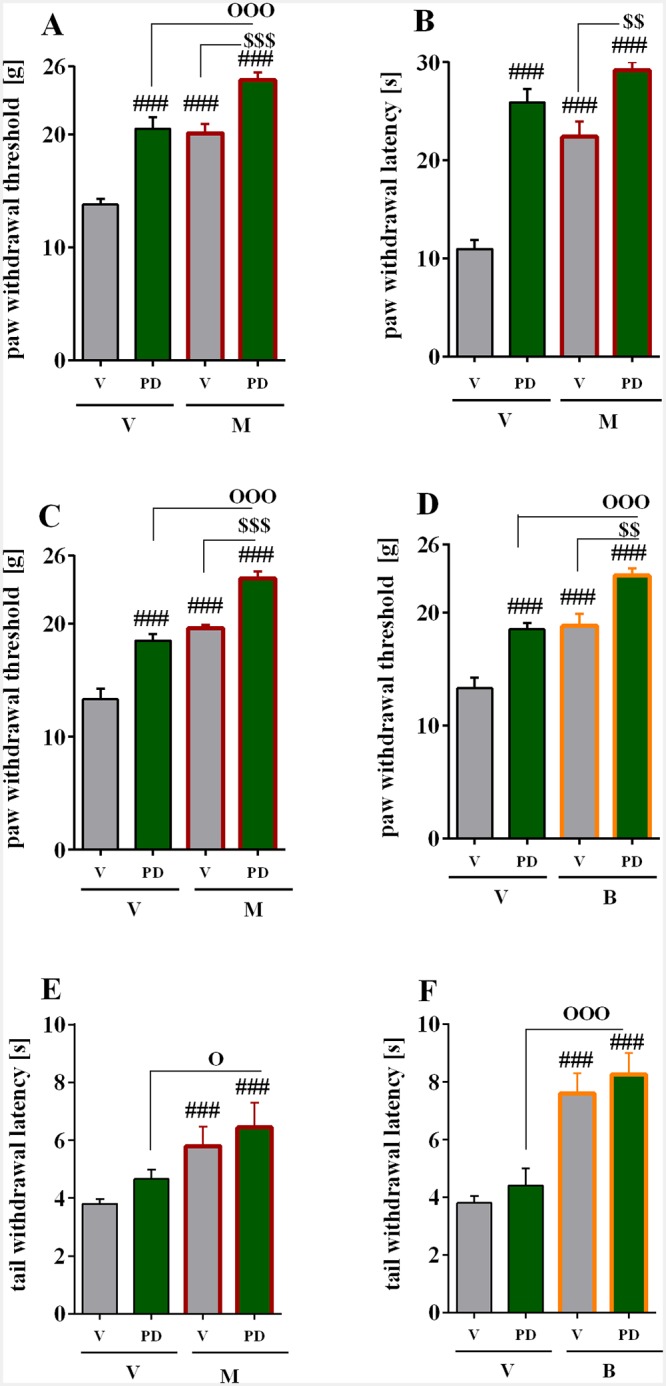
10 mg/kg Injection i.v. PD98059 (MEK1 Inhibitor) has been shown to act in vivo as a highly selective inhibitor of MEK1 activation and the MAP kinase cascade. In the present study, we have investigated the effects of PD98059, on the development of non-septic shock caused by zymosan in mice. Mice received either intraperitoneally zymosan (500mg/kg, administered i.p. as a suspension in saline) or vehicle (0.25ml/mouse saline). PD98059 (10mg/kg) was administered 1 and 6h after zymosan administration i.p. Organ failure and systemic inflammation in mice was assessed 18h after administration of zymosan and/or PD98059. Treatment of mice with PD98059 attenuated the peritoneal exudation and the migration of polymorphonuclear cells caused by zymosan. PD98059 also attenuated the lung, liver and pancreatic injury and renal dysfunction caused by zymosan as well as the increase of TNF-alpha and IL-1beta plasma levels caused by zymosan. Immunohistochemical analysis for inducible nitric oxide synthase (iNOS), nitrotyrosine, poly(ADP-ribose) (PAR), ICAM-1, P-selectin, Bax, Bcl-2 and FAS-ligand revealed positive staining in pancreatic and intestinal tissue obtained from zymosan-injected mice. The degree of staining for nitrotyrosine, iNOS, PAR, ICAM-1, P-selectin, Bax, Bcl-2 and FAS-ligand were markedly reduced in tissue sections obtained from zymosan-injected mice, which had received PD98059. Moreover treatment of mice with PD98059 (10mg/kg) attenuated the NF-kappaB activation and mitogen-activated protein kinases (MAPK) expression induced by zymosan injection. In addition, administration of zymosan caused a severe illness in the mice characterized by a systemic toxicity, significant loss of body weight and a 60% of mortality at the end of observation period. Treatment with PD98059 significantly reduced the development of systemic toxicity, the loss in body weight and the mortality (20%) caused by zymosan. This study provides evidence that PD98059 attenuates the degree of zymosan-induced non-septic shock in mice. Pharmacol Res. 2010 Feb;61(2):175-87. PD98059 (2-(2-Amino-3-methoxyphenyl)-4H-1-benzopyran-4-one) (Sigma-Aldrich, USA) was dissolved in 75% DMSO. The PD98059 (2.5 mcg/5 mcl, i.t.) was single or repeated preemptively administered 16 h and 1 h before CCI and then once daily for 7 days (the administration was according to our previous paper [17], [25]). The Vehicle-treated CCI-exposed rats received 75% DMSO according to the same schedule. There was no significant difference in pain behavior between no-treated and V(DMSO)-treated CCI-exposed rats. This method of PD98059 or vehicle administration was used throughout the study and is referred to in the text as “repeated administration”. At day 7th after CCI 30 min after PD98059 administration tactile allodynia was measured using von Frey test and thermal hyperalgesia was conducted using cold plate test. Additionally, at day 7th after CCI the vehicle-treated and PD98059-treated rats received a single i.t. vehicle, morphine (2.5 mcg/5 mcl) or buprenorphine (2.5 mcg/5 mcl) injection 30 min after PD98059, and then 30 min later the von Frey and/or cold plate tests were repeated. Since the dose of morphine 2.5 mcg/5 mcl in naïve rats produced maximal analgesic effect in tail-flick test. We have used lower dose of morphine for co-administration experiments, so that we would be able to observe the possible enhancement of opioid effectiveness. The vehicle-treated and PD98059-treated naïve rats (uninjured rats) received a single i.t. vehicle, morphine (0.5 mcg/5 mcl) or buprenorphine (2.5 mcg/5 mcl) injection 30 min after PD98059, and then 30 min later the tail flick test was performed (S1 Table and S1 Fig). https://pmc.ncbi.nlm.nih.gov/articles/PMC4591269/#sec002 A375 Melanoma Xenograft Protocol: Female nude mice were subcutaneously implanted with 5×10⁶ A375 cells. When tumors reached ~100 mm³, PD98059 was dissolved in DMSO + saline (1:9 v/v) and administered intraperitoneally (50 mg/kg, twice daily) for 21 days. Vehicle-treated mice received DMSO + saline. Tumor volume (length×width²/2) was measured every 3 days; tumors were excised for weight and immunohistochemistry [8] - Cerulein-Induced Pancreatitis Protocol: Male C57BL/6 mice were injected with cerulein (50 μg/kg, intraperitoneal, 7 times/day) to induce pancreatitis. PD98059 (30 mg/kg) was dissolved in 0.5% methylcellulose and administered intraperitoneally once daily for 7 days. Serum amylase was measured via colorimetric assay, and pancreatic tissues were stained with hematoxylin-eosin for necrosis scoring [6] - HT-29 Metastasis Protocol: Male BALB/c mice were intravenously injected with 1×10⁶ HT-29 cells. PD98059 (40 mg/kg) was dissolved in 0.5% hydroxypropyl methylcellulose and administered orally once daily for 14 days. Lungs were excised, and metastasis nodules were counted; lung tissues were lysed for p-ERK Western blot [10] |
| Toxicity/Toxicokinetics |
In vitro cytotoxicity: In normal human foreskin fibroblasts (NHFF) and peripheral blood mononuclear cells, the cell viability of PD98059 (at a concentration up to 30 μM, treated for 72 hours) was >85%, indicating low nonspecific toxicity [8][9]
- Acute in vivo toxicity: In BALB/c mice, no significant weight loss, lethargy, or liver and kidney damage (histochemistry, serum ALT/AST) was observed after treatment with PD98059 (at a dose up to 60 mg/kg, intraperitoneal injection, treated for 14 days) [10] - Plasma protein binding: The human plasma protein binding rate of PD98059 was 85% (balanced dialysis) [12] |
| References |
[1]. Proc Natl Acad Sci U S A . 1995 Aug 15;92(17):7686-9. [2]. J Biol Chem . 1995 Nov 17;270(46):27489-94. [3]. J Biol Chem . 1995 Jun 9;270(23):13585-8. [4]. J Biol Chem . 2002 Dec 6;277(49):47366-72. [5]. Proc Natl Acad Sci U S A . 1999 Oct 26;96(22):12866-9. [6]. Pancreas . 2002 Oct;25(3):251-9. [7]. Int J Immunopathol Pharmacol . 2009 Oct-Dec;22(4):937-50. [8]. Melanoma Res . 2001 Feb;11(1):11-9. [9]. Int Immunopharmacol . 2007 Jan;7(1):36-45. [10]. Int J Cancer . 2003 Nov 10;107(3):478-85. |
| Additional Infomation |
2-(2-Amino-3-methoxyphenyl)chromen-4-one belongs to the monomethoxyflavonoid class of compounds, meaning an amino substituent is attached to the 2' position of a 3'-methoxyflavonoid. It is an EC 2.7.11.24 (mitogen-activated protein kinase) inhibitor and an anti-aging agent. It is a monomethoxyflavonoid and aromatic amine. PD-98059 is an inhibitor of MAP kinase activation. 2-(2-Amino-3-methoxyphenyl)-4H-1-benzopyran-4-one has been reported in Pestalotiopsis neglecta, and relevant data are available. The MEK inhibitor PD-98059 is a cell-permeable, selective mitogen-activated protein kinase (MAP) inhibitor whose mechanism of action is through the inhibition of MAP kinase phosphorylation and activation. Treatment of cells with various growth factors triggers a phosphorylation cascade, which in turn activates mitogen-activated protein kinase (MAPK, also known as extracellular signal-regulated kinase or ERK). We have identified a synthetic inhibitor of the MAPK pathway. PD 098059 [2-(2'-amino-3'-methoxyphenyl)-oxonaphth-4-one] selectively inhibits the MAPK-activating enzyme MAPK/ERK kinase (MEK), without significant inhibitory activity against MAPK itself. Inhibition of MEK by PD 098059 prevents MAPK activation and subsequent phosphorylation of MAPK substrates, both in vitro and in intact cells. Furthermore, PD 098059 inhibits cell growth stimulation and reverses the phenotype of ras-transformed BALB 3T3 mouse fibroblasts and rat kidney cells. These results indicate that the MAPK pathway is crucial for the growth and maintenance of the ras-transformed phenotype. Moreover, PD 098059 is a valuable tool for elucidating the role of the MAPK cascade in various biological settings. [1]
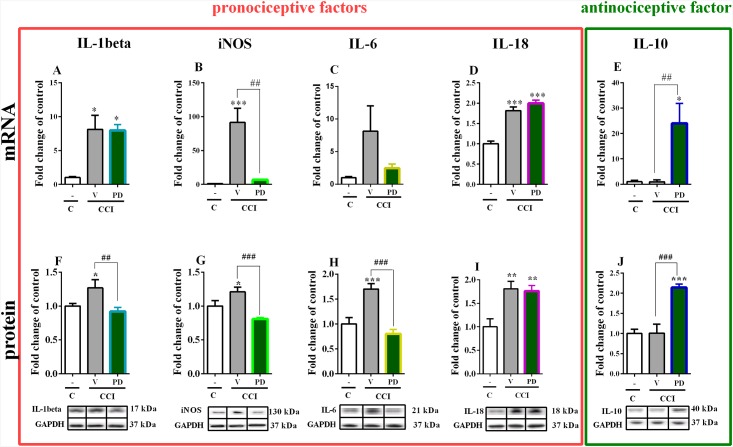
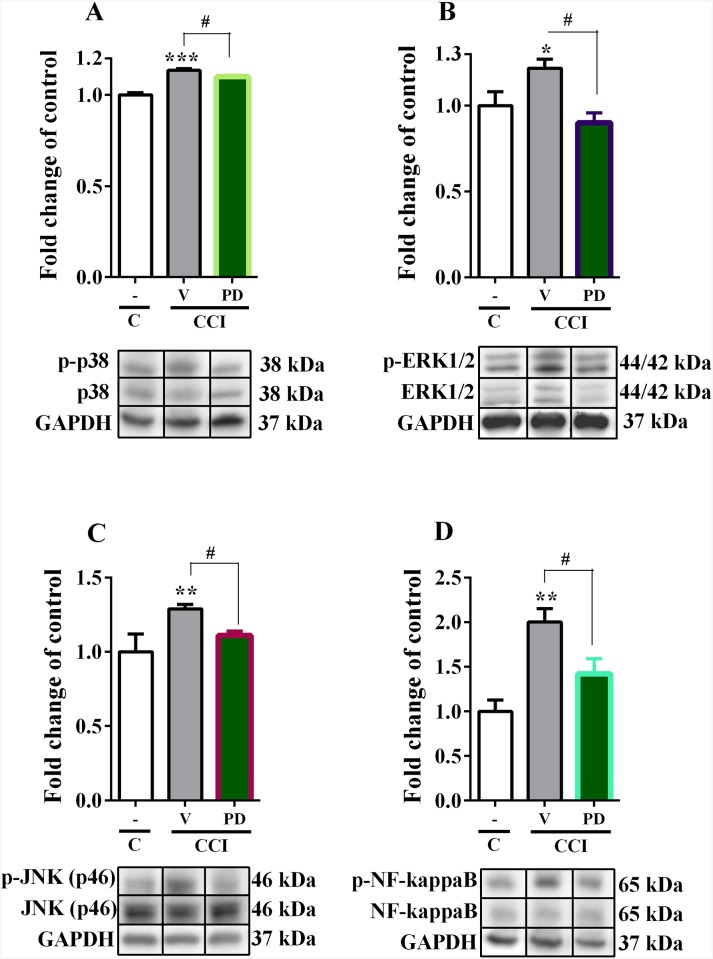
PD 098059 has previously been shown to inhibit the dephosphorylated form of mitogen-activated protein kinase kinase-1 (MAPKK1) and a mutant MAPKK1 (S217E, S221E) with low-level constitutive activity (Dudley, DT, Pang, L., Decker, SJ, Bridges, AJ, and Saltiel, AR (1995) Proc. Natl. Acad. Sci. USA 92, 7686-7689). This paper reports that PD 098059 does not inhibit Raf-activated MAPKK1, but it inhibits Raf or MEK kinase activation of MAPKK1 in vitro at concentrations (IC50 = 2-7 μM) similar to those inhibiting dephosphorylated MAPKK1 or MAPKK1 (S217E, S221E). PD 098059 exhibits a higher IC50 value (50 μM) for Raf-activated MAPKK2 and does not inhibit the phosphorylation of other Raf or MEK kinase substrates, suggesting that its mechanism of action is through binding to the inactive form of MAPKK1. PD 098059 also acts as a specific inhibitor of MAPKK activation in Swiss 3T3 cells, inhibiting MAPKK activation induced by multiple agonists by 80-90%. PD 098059 demonstrates high specificity both in vitro and in vivo, as evidenced by its inability to inhibit 18 serine/threonine protein kinases (including two other MAPKK homologs) in vitro, its in vivo inability to inhibit the activation of MAPKK and MAP kinase homologs involved in stress and interleukin-1 stimulation cascades in KB and PC12 cells, and its inability to inhibit the activation of p70 S6 kinase by insulin or epidermal growth factor in Swiss 3T3 cells. PD 098059 (50 μM) inhibited the activation of p42MAPK and MAP kinase-activated protein kinase-1 isoform in Swiss 3T3 cells, but the degree of inhibition depended on the efficacy of specific agonists in activating c-Raf and MAPKK, suggesting that the kinase cascade has great amplification potential. PD 098059 not only failed to inhibit the activation of Raf by platelet-derived growth factor, serum, insulin and phorbol ester in Swiss 3T3 cells, but also enhanced the activity of Raf. The rate of Raf activation by platelet-derived growth factor was increased by 3-fold and the subsequent inactivation that occurred 10 minutes later was prevented. These results suggest that the activation of Raf is inhibited, while its inactivation is accelerated by one or more components downstream of the MAP kinase pathway. [2] The mitogen-activated protein kinase (MAP kinase) pathway is thought to play an important role in the action of neurotrophic factors. This study investigated the effects of a small-molecule inhibitor of MAP kinase kinase (MEK), an upstream kinase activator of MAP kinase, on the cellular effects of nerve growth factor (NGF) in PC-12 pheochromocytoma cells. PD98059 selectively blocked MEK activity, thereby inhibiting MAP kinase phosphorylation and activation in vitro. Pretreatment of PC-12 cells with this compound completely blocked the four-fold increase in NGF-induced MAP kinase activity. A 50/50 inhibitory concentration of PD98059 at 2 μM was achieved, with maximum inhibitory concentrations ranging from 10 to 100 μM. Immunoprecipitated MAP kinase tyrosine phosphorylation was also completely blocked by this compound. Conversely, the compound had no effect on NGF-dependent tyrosine phosphorylation of the pp140trk receptor or its substrate Shc, nor did it block NGF-dependent phosphatidylinositol 3-kinase activation. However, PD98059 completely blocked NGF-induced neurite formation in these cells without affecting cell viability. These data indicate that the MAP kinase pathway is absolutely essential for NGF-induced neuronal differentiation in PC-12 cells. [3] In acute myeloid leukemia (AML), activation of the Raf/MEK/ERK pathway and inactivation of wild-type p53 due to Mdm2 overexpression are common molecular events. We investigated the interaction between the Raf/MEK/ERK and p53 pathways by simultaneously blocking the Mdm2-selective small molecule antagonist Nutlin-3a and the MEK-specific inhibitor PD98059. We found that PD98059 itself has very low apoptotic activity, but it synergistically induces apoptosis in wild-type p53 AML cell lines OCI-AML-3 and MOLM-13. Interestingly, PD98059 enhanced the nuclear pro-apoptotic function of p53 in these cells. Consistent with the activation of transcription-dependent apoptosis, PD98059 treatment promoted the translocation of p53 from the cytoplasm to the nucleus in OCI-AML-3 cells. In OCI-AML-3 cells, p53 primarily initiates transcription-independent apoptosis when treated with Nutlin-3a alone. The key role of p53 localization in cells with elevated p53 levels is supported by the following experimental results: apoptosis induction is enhanced in cells co-treated with Nutlin-3a and the nuclear export inhibitor leptomycin B. PD98059 inhibits p53-mediated p21 induction at the transcriptional level. The inhibition of the anti-apoptotic protein p21 expression also appears to promote the synergistic effect between PD98059 and Nutlin-3a because: (a) this synergistic pro-apoptotic effect persists in G1 phase cells; (b) p53-mediated p21 induction preferentially occurs in G1 phase cells; (c) PD98059 strongly antagonizes Nutlin-3a-induced p21 expression; and (d) cells with high p21 levels are resistant to apoptosis. This is the first study to report the Raf/MEK/ERK pathway regulating p53 subcellular localization and the relative roles of transcription-dependent and transcription-independent pathways in p53-mediated apoptosis. [10] The anticancer drugs docetaxel and vinorelbine inhibit cell growth by altering microtubule assembly and activating pro-apoptotic signaling pathways. Vinorelbine and docetaxel have been approved for the treatment of a variety of advanced cancers. However, their efficacy in treating advanced hormone-refractory prostate cancer remains to be elucidated. Microtubule damage caused by certain anticancer drugs can activate the ERK survival pathway, thereby reducing the efficacy of chemotherapy. We analyzed the effects of ERK inhibitors PD98059 and U0126 on the growth inhibition of androgen-independent prostate cancer cells induced by vinorelbine and docetaxel. In androgen-independent C-81 LNCaP cells, PD98059 (but not U0126) in combination with docetaxel enhanced the growth inhibition by an additional 20%, which was higher than the sum of the effects of either drug alone (p < 0.02). Docetaxel combined with PD98059 also increased apoptosis, partly because PD98059 inhibited Bcl-2 activity, increasing phosphorylated Bcl-2 levels by more than 6-fold and Bax expression levels by 3-fold (compared to docetaxel or PD98059 alone). At these doses, docetaxel alone caused only a small amount of Bcl-2 phosphorylation (10%). The additional effect of docetaxel combined with U0126 on Bcl-2 phosphorylation was only 20% compared to docetaxel alone. However, both U0126 and PD98059 enhanced the inhibitory effect of docetaxel on PC-3 cell growth. No enhancement was observed with vinorelbine combined with PD98059 or U0126. Therefore, docetaxel combined with PD98059 may represent a novel anticancer strategy requiring lower drug doses compared to docetaxel monotherapy. This may reduce cytotoxicity and enhance tumor suppression in vivo. The discovery of this combined effect may have potential clinical implications for the treatment of hormone-refractory prostate cancer. [9] The treatment of neuropathic pain remains challenging due to poor treatment efficacy and resistance to opioid analgesics. Mitogen-activated protein kinase kinase (MAPKK) has been identified as a key regulator of pronociceptive and antinociceptive factors. We used PD98059, an inhibitor of MEK1/2, a member of the MAPKK family. This study aimed to investigate the effects of single and/or repeated administration of PD98059 on nociceptive and opioid efficacy in neuropathic pain. In addition, we investigated how PD98059 affects specific cellular pathways and cytokines. PD98059 was pre-administered intrathecally at 2.5 mcg before chronic compression injury (CCI) and then once daily for 7 days. In addition, rats in the PD98059 treatment group received a single opioid injection on day 7 after CCI. We analyzed the mRNA and/or protein levels of p38, ERK1/2, JNK, NF-κB, IL-1β, IL-6, iNOS, and IL-10 in the lumbar spinal cord of rats treated with PD98059 using Western blot and qRT-PCR. The results showed that PD98059 has an analgesic effect and can enhance the analgesic effect of morphine and/or buprenorphine. Simultaneously, we observed that PD98059 inhibited the CCI-induced increase in p38, ERK1/2, JNK, and NF-κB protein levels. Furthermore, PD98059 also inhibited the increase in IL-1β, IL-6, and iNOS, and enhanced the expression of the anti-nociceptive factor IL-10. In conclusion, PD98059 can alleviate pain and enhance the efficacy of opioids in neuropathy. Inhibition of MEK may inactivate multiple cell signaling pathways related to nociception. PLoS One. October 1, 2015; 10(10):e0138583. https://www.ncbi.nlm.nih.gov/pmc/articles/PMC4591269/ PD98059 is one of the earliest small molecule MEK1/2 inhibitors and has been widely used as a research tool to study the function of the MAPK pathway in cancer, inflammation, and cell signaling[1][2][3][8][12] - Its mechanism of action is to bind to the allosteric site of MEK1/2 (rather than the ATP-binding pocket), thereby preventing MEK activation and subsequent ERK phosphorylation, which in turn blocks downstream proliferation, cytokine secretion, or tissue damage[1][3][8][10] - Due to its lower potency (IC50 value is higher than that of later MEK inhibitors) and lack of optimized pharmacokinetics, PD98059 has not yet been approved for clinical use, but it has laid the foundation for the development of clinical MEK inhibitors (such as selumetinib)[12] |
| Molecular Formula |
C16H13NO3
|
|---|---|
| Molecular Weight |
267.2793
|
| Exact Mass |
267.089
|
| Elemental Analysis |
C, 71.90; H, 4.90; N, 5.24; O, 17.96
|
| CAS # |
167869-21-8
|
| Related CAS # |
167869-21-8
|
| PubChem CID |
4713
|
| Appearance |
Light yellow to yellow solid powder
|
| Density |
1.3±0.1 g/cm3
|
| Boiling Point |
453.1±45.0 °C at 760 mmHg
|
| Melting Point |
170 °C
|
| Flash Point |
221.9±25.0 °C
|
| Vapour Pressure |
0.0±1.1 mmHg at 25°C
|
| Index of Refraction |
1.652
|
| LogP |
2.43
|
| Hydrogen Bond Donor Count |
1
|
| Hydrogen Bond Acceptor Count |
4
|
| Rotatable Bond Count |
2
|
| Heavy Atom Count |
20
|
| Complexity |
407
|
| Defined Atom Stereocenter Count |
0
|
| SMILES |
O1C2=C([H])C([H])=C([H])C([H])=C2C(C([H])=C1C1C([H])=C([H])C([H])=C(C=1N([H])[H])OC([H])([H])[H])=O
|
| InChi Key |
QFWCYNPOPKQOKV-UHFFFAOYSA-N
|
| InChi Code |
nChI=1S/C16H13NO3/c1-19-14-8-4-6-11(16(14)17)15-9-12(18)10-5-2-3-7-13(10)20-15/h2-9H,17H2,1H3
|
| Chemical Name |
2-(2-amino-3-methoxyphenyl)chromen-4-one
|
| Synonyms |
PD98059; PD 98059; PD098059; 2-(2-amino-3-methoxyphenyl)-4H-chromen-4-one; PD-98059; 2-(2-Amino-3-methoxyphenyl)-4H-1-benzopyran-4-one; PD 98,059; 2-(2-amino-3-methoxyphenyl)chromen-4-one; PD-98059
|
| HS Tariff Code |
2934.99.9001
|
| Storage |
Powder -20°C 3 years 4°C 2 years In solvent -80°C 6 months -20°C 1 month Note: This product requires protection from light (avoid light exposure) during transportation and storage. |
| Shipping Condition |
Room temperature (This product is stable at ambient temperature for a few days during ordinary shipping and time spent in Customs)
|
| Solubility (In Vitro) |
DMSO: 33.3~46 mg/mL (124.7~172.1 mM)
Ethanol: Insoluble (<1 mg/mL) Water: Insoluble (<1 mg/mL) |
|---|---|
| Solubility (In Vivo) |
Solubility in Formulation 1: 2.08 mg/mL (7.78 mM) in 10% DMSO + 90% (20% SBE-β-CD in Saline) (add these co-solvents sequentially from left to right, and one by one), suspension solution; with sonication.
For example, if 1 mL of working solution is to be prepared, you can add 100 μL of 20.8 mg/mL clear DMSO stock solution to 900 μL of 20% SBE-β-CD physiological saline solution and mix evenly. Preparation of 20% SBE-β-CD in Saline (4°C,1 week): Dissolve 2 g SBE-β-CD in 10 mL saline to obtain a clear solution. Solubility in Formulation 2: 4% DMSO+30% PEG 300+5% Tween 80+ddH2O: 1mg/mL View More
Solubility in Formulation 3: 10 mg/mL (37.41 mM) in 50% PEG300 50% Saline (add these co-solvents sequentially from left to right, and one by one), suspension solution; with ultrasonication. |
| Preparing Stock Solutions | 1 mg | 5 mg | 10 mg | |
| 1 mM | 3.7414 mL | 18.7070 mL | 37.4139 mL | |
| 5 mM | 0.7483 mL | 3.7414 mL | 7.4828 mL | |
| 10 mM | 0.3741 mL | 1.8707 mL | 3.7414 mL |
*Note: Please select an appropriate solvent for the preparation of stock solution based on your experiment needs. For most products, DMSO can be used for preparing stock solutions (e.g. 5 mM, 10 mM, or 20 mM concentration); some products with high aqueous solubility may be dissolved in water directly. Solubility information is available at the above Solubility Data section. Once the stock solution is prepared, aliquot it to routine usage volumes and store at -20°C or -80°C. Avoid repeated freeze and thaw cycles.
Calculation results
Working concentration: mg/mL;
Method for preparing DMSO stock solution: mg drug pre-dissolved in μL DMSO (stock solution concentration mg/mL). Please contact us first if the concentration exceeds the DMSO solubility of the batch of drug.
Method for preparing in vivo formulation::Take μL DMSO stock solution, next add μL PEG300, mix and clarify, next addμL Tween 80, mix and clarify, next add μL ddH2O,mix and clarify.
(1) Please be sure that the solution is clear before the addition of next solvent. Dissolution methods like vortex, ultrasound or warming and heat may be used to aid dissolving.
(2) Be sure to add the solvent(s) in order.
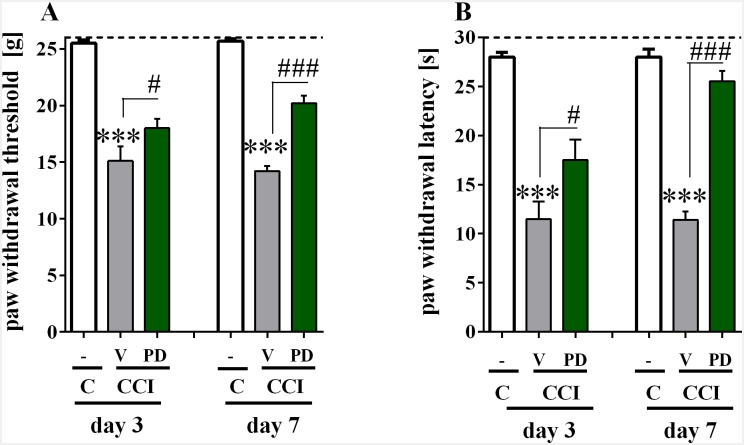
Effect of PD98059 on the development of neuropathic pain symptoms.
Effect of PD98059 on the mRNA and protein level of pro-inflammatory factors (IL-1beta, iNOS, IL-6 and IL-18) and anti-inflammatory factor (IL-10) in neuropathic pain.PLoS One.2015 Oct 1;10(10):e0138583. |
Effect of PD98059 on the p38, ERK1/2, JNK and NF-kappaB protein level in neuropathic pain.PLoS One.2015 Oct 1;10(10):e0138583. |
Effect of PD98059 on opioid analgesia in a naive and neuropathic rats. |
Products are for research use only; We do not sell to patients
Copyright 2020 InvivoChem LLC | All Rights Reserved


 COA
COA