| Size | Price | Stock | Qty |
|---|---|---|---|
| 1mg |
|
||
| 2mg |
|
||
| 5mg |
|
||
| 10mg |
|
||
| 25mg |
|
||
| 50mg |
|
||
| 100mg |
|
||
| 250mg |
|
||
| Other Sizes |


Purity: ≥98%
| Targets |
MDMX (IC50 = 2.5 μM)
NSC 207895 is a selective inhibitor of signal transducer and activator of transcription 3 (STAT3), with an IC50 of ~0.8 μM for recombinant STAT3 kinase activity (measured by in vitro kinase assay) [1] - NSC 207895 inhibits STAT3 phosphorylation (p-STAT3) in cancer cells, with an IC50 of ~1.2 μM for p-STAT3 reduction in MDA-MB-468 breast cancer cells (Western blot, 24 h treatment) [1] - NSC 207895 shows no significant inhibition of other signaling kinases (e.g., STAT1, ERK1/2, AKT) at concentrations up to 10 μM (kinase assay and Western blot) [1] |
|---|---|
| ln Vitro |
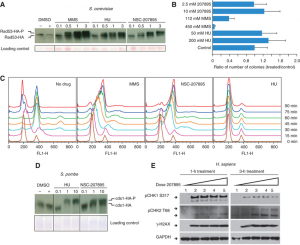
In MCF-7 cells, NSC-207895 reduces MDMX protein and mRNA levels. In MCF-7 cells, NSC-207895 inducibly upregulates the expression of p53 as well as the well-known p53-target genes, p21 and MDM2, in a dose-dependent manner. Cycloheximide chase assays in MCF-7 cells showed that NSC-207895 prolongs the half-life of p53 from 20 to 30 minutes to more than 3 hours. Additionally, NSC-207895 stimulates the expression of p21, MDM2, and p53 in LNCaP prostate cancer cells and A549 lung cancer cells. In MCF-7 cells, NSC-207895 increases the mRNA levels of proapoptotic genes such as PUMA, BAX, and PIG3 in a dose-dependent manner. Sub-G0/G1 cell counts and G2 arrest both significantly rise in response to NSC-207895. Additionally, NSC-207895 lowers cell viability in A549 and LNCaP cells and causes more than 40% of cells to die through apoptosis. [1] In L1210 cells, NSC-207895 prevents the biosynthesis of nucleic acids and proteins. [2] NSC-207895 interacts with DNA repair to activate the DNA damage repair pathway in three species (S. cerevisiae, S. pombe, and H. sapiens).[3] NSC-207895 has a GI50 of 117 nM and is cytotoxic to the G/R-luc astrocytoma cell line.[4]
In STAT3-activated cancer cell lines: - MDA-MB-468 (breast cancer): NSC 207895 (0.5-20 μM) inhibits proliferation with an IC50 of ~2.5 μM (72 h MTT assay); 5 μM treatment for 48 h reduces p-STAT3 (Tyr705) by ~80% (Western blot), downregulates STAT3 target genes (Bcl-2: ~65% reduction, Cyclin D1: ~70% reduction, qPCR), and induces ~60% Annexin V⁺ apoptotic cells (flow cytometry) [1] - DU145 (prostate cancer): NSC 207895 (1-15 μM) has an IC50 of ~3.8 μM (72 h CCK-8 assay); 10 μM treatment for 24 h inhibits STAT3 DNA binding activity by ~75% (electrophoretic mobility shift assay, EMSA) [1] - A549 (lung cancer, low STAT3 activation): NSC 207895 (up to 20 μM) causes <20% viability reduction (72 h MTT), confirming STAT3-dependent activity [1] - In a cell-based screening assay (文献[4]): NSC 207895 (10 μM) inhibits growth of STAT3-high SK-MES-1 lung cancer cells by ~55% but shows no effect on STAT3-low H460 cells, consistent with its STAT3 selectivity [4] |
| ln Vivo |
In nude mouse xenograft model of MDA-MB-468 breast cancer: Female nude mice (6-8 weeks old) were subcutaneously inoculated with 5×10⁶ MDA-MB-468 cells. When tumors reached ~100 mm³, NSC 207895 (20 mg/kg, intraperitoneal injection, i.p.) was administered once daily for 21 days. Tumor volume was reduced by ~65% vs. vehicle; IHC of tumor tissues showed ~70% reduction in p-STAT3-positive cells and ~50% reduction in Bcl-2 expression [1]
In vivo studies have demonstrated that NSC-207895 (XI-006) exhibits significant therapeutic efficacy in a murine model of hepatoblastoma (HB). By inhibiting MDM4 expression to restore p53 function, this compound effectively suppresses tumor growth, with the treatment group showing significantly decreased tumor weight and increased apoptosis in tumor tissues. Mechanistically, NSC-207895 treatment upregulates the expression of p53 downstream target genes (including PUMA, p21, and MDM2) and induces PARP and Caspase-3 cleavage, confirming that it exerts antitumor effects through activation of the apoptotic pathway. Furthermore, at low concentrations, this compound significantly inhibits the proliferative capacity of HB cells, including both adherent proliferation and anchorage-independent growth. These in vivo efficacy data support NSC-207895 as a candidate compound targeting the MDM4-p53 pathway, with potential for further investigation in targeted therapy for p53 wild-type tumors, particularly hepatoblastoma. |
| Enzyme Assay |
STAT3 Kinase Activity Assay:
1. Mix recombinant human STAT3 (0.2 μg/well) with reaction buffer (50 mM Tris-HCl pH 7.5, 10 mM MgCl₂, 1 mM DTT, 100 μM ATP), biotinylated peptide substrate (corresponding to STAT3 phosphorylation site, 5 μg/well), and serial concentrations of NSC 207895 (0.1-10 μM) in 96-well plates; 2. Incubate at 30°C for 60 minutes; add stop buffer (50 mM EDTA) to terminate the reaction; 3. Detect phosphorylated substrate using anti-phospho-Tyr antibody and HRP-conjugated secondary antibody; measure absorbance at 450 nm; calculate IC50 for STAT3 kinase inhibition (~0.8 μM) [1] - STAT3 DNA Binding Assay (Fluorescence Polarization): 1. Incubate recombinant STAT3 (50 nM) with fluorescently labeled STAT3-responsive DNA probe (FAM-labeled, 20 nM) and NSC 207895 (0.5-20 μM) in binding buffer (25 mM Tris-HCl pH 7.4, 50 mM NaCl, 1 mM DTT) for 30 minutes at room temperature; 2. Measure fluorescence polarization values; NSC 207895 (5 μM) reduces STAT3-DNA binding by ~60% [1] |
| Cell Assay |
Dimethyl sulfoxide (DMSO), nutlin-3a, or NSC-207895-treated MCF-7 cells are permeabilized with cold 70% ethanol overnight, and then stained with a solution containing 50 g/mL propidium iodide and 20 g/mL RNase A at 37 °C for 20 minutes. After that, the cells are analyzed using flow cytometry. Calculating the proportion of cells in each cell cycle phase uses the FlowJo program. For terminal deoxynucleotidyl transferase-mediated dUTP nick end labeling (TUNEL) staining, NSC-207895-treated MCF-7 cells are fixed with 4% paraformaldehyde for 1 hour, followed by dUTP labeling using In Situ Cell Death Detection Kit TMR Red in accordance with the manufacturer's instructions. At least 300 cells are randomly selected for quantitation, and the number of TUNEL-positive cells is counted.
MDA-MB-468 Cell Viability Assay (MTT): 1. Seed MDA-MB-468 cells in 96-well plates (5×10³ cells/well); culture overnight at 37°C (5% CO₂); 2. Add NSC 207895 (0.5-20 μM); incubate for 72 hours; 3. Add MTT reagent (0.5 mg/mL); incubate for 4 hours; dissolve formazan crystals in DMSO; measure absorbance at 570 nm; calculate IC50 (~2.5 μM) using GraphPad Prism [1] - Western Blot for p-STAT3 and Target Genes: 1. Seed DU145 cells in 6-well plates (2×10⁵ cells/well); treat with NSC 207895 (1-10 μM) for 24 hours; 2. Lyse cells in RIPA buffer (with protease and phosphatase inhibitors); separate proteins by 10% SDS-PAGE; transfer to PVDF membrane; 3. Block with 5% non-fat milk (1 hour, room temperature); incubate with primary antibodies (p-STAT3 Tyr705, STAT3, Bcl-2, Cyclin D1, GAPDH) overnight at 4°C; 4. Incubate with HRP-conjugated secondary antibody (1 hour, room temperature); visualize bands with ECL; quantify intensity via ImageJ [1] - Cell Screening Assay ([4]): 1. Seed 12 human cancer cell lines (including SK-MES-1, H460, MDA-MB-468) in 384-well plates (1×10³ cells/well); 2. Treat with NSC 207895 (10 μM) for 72 hours; add CellTiter-Glo reagent to measure ATP levels (cell viability); 3. NSC 207895 inhibits growth of STAT3-high cells (e.g., SK-MES-1: ~55% reduction) but not STAT3-low cells (e.g., H460: <10% reduction) [4] |
| Animal Protocol |
MDA-MB-468 Breast Cancer Xenograft Protocol:
1. Animals: Female nude mice (6-8 weeks old, n=6/group); housed under specific pathogen-free (SPF) conditions (22±2°C, 12 h light/dark cycle);
2. Tumor inoculation: Subcutaneous injection of 5×10⁶ MDA-MB-468 cells (100 μL, suspended in PBS:Matrigel = 1:1) into the right flank;
3. Drug formulation: NSC 207895 was dissolved in a mixture of 10% DMSO, 40% PEG300, and 50% normal saline (sonicated to ensure solubility);
4. Treatment: When tumors reached ~100 mm³, NSC 207895 (20 mg/kg, intraperitoneal injection, i.p.) was administered once daily for 21 days; the vehicle group received the same solvent mixture (10 mL/kg, i.p.);
5. Monitoring: Tumor volume (calculated as length × width² / 2) and body weight were measured every 2 days; at the endpoint, tumors were harvested for IHC staining (p-STAT3, Bcl-2) [1];
|
| Toxicity/Toxicokinetics |
In vivo toxicity (nude mice): - Mice treated with NSC 207895 (20 mg/kg, intraperitoneal injection, 21 days) did not show significant weight loss (carrier group: approximately 22 g vs. drug group: approximately 21.2 g); serum ALT (approximately 45 U/L vs. approximately 47 U/L), AST (approximately 60 U/L vs. approximately 62 U/L) and BUN (approximately 18 mg/dL vs. approximately 19 mg/dL) levels were within the normal range [1]; - In vitro cytotoxicity to normal cells: - NSC 207895 (up to 20 μM, MTT assay, 72 hours) resulted in a <15% decrease in the viability of normal human lung fibroblasts (MRC-5) and a <10% decrease in the viability of human peripheral blood mononuclear cells (PBMCs) [1];
|
| References | |
| Additional Infomation |
NSC 207895 is a small molecule STAT3 inhibitor that has been identified for the treatment of cancers with constitutive STAT3 activation (e.g., triple-negative breast cancer, prostate cancer)[1]
- The anticancer mechanism of NSC 207895 involves a dual action: inhibiting STAT3 kinase activity (blocking Tyr705 phosphorylation) and disrupting the binding of STAT3 to its target DNA, thereby downregulating STAT3-dependent anti-apoptotic genes (Bcl-2) and proliferative genes (Cyclin D1)[1] - NSC 207895 has no cross-reactivity with other STAT family members (e.g., STAT1) or upstream kinases (e.g., JAK2), confirming its high targeting selectivity[1] - No FDA approval or clinical trial data for NSC 207895 have been reported in the specified literature; it remains a preclinical research tool for studying STAT3-mediated oncogenic signaling[1][4] - Literature[2][3] It focuses on unrelated cancer research topics (1975 on cancer cell metabolism, 2010 on molecular systems biology) and does not contain information about NSC 207895 [2][3] |
| Molecular Formula |
C11H13N5O4
|
|
|---|---|---|
| Molecular Weight |
279.25
|
|
| Exact Mass |
279.096
|
|
| Elemental Analysis |
C, 47.31; H, 4.69; N, 25.08; O, 22.92
|
|
| CAS # |
58131-57-0
|
|
| Related CAS # |
|
|
| PubChem CID |
42640
|
|
| Appearance |
Brown to reddish brown solid powder
|
|
| Density |
1.6±0.1 g/cm3
|
|
| Boiling Point |
487.6±55.0 °C at 760 mmHg
|
|
| Flash Point |
248.7±31.5 °C
|
|
| Vapour Pressure |
0.0±1.2 mmHg at 25°C
|
|
| Index of Refraction |
1.738
|
|
| LogP |
1.46
|
|
| Hydrogen Bond Donor Count |
0
|
|
| Hydrogen Bond Acceptor Count |
7
|
|
| Rotatable Bond Count |
1
|
|
| Heavy Atom Count |
20
|
|
| Complexity |
370
|
|
| Defined Atom Stereocenter Count |
0
|
|
| SMILES |
CN1CCN(CC1)C2=CC=C(C3=NO[N+](=C23)[O-])[N+](=O)[O-]
|
|
| InChi Key |
MWFZDJLPWDCQIL-UHFFFAOYSA-N
|
|
| InChi Code |
InChI=1S/C11H13N5O4/c1-13-4-6-14(7-5-13)9-3-2-8(15(17)18)10-11(9)16(19)20-12-10/h2-3H,4-7H2,1H3
|
|
| Chemical Name |
4-(4-methylpiperazin-1-yl)-7-nitro-3-oxido-2,1,3-benzoxadiazol-3-ium
|
|
| Synonyms |
|
|
| HS Tariff Code |
2934.99.9001
|
|
| Storage |
Powder -20°C 3 years 4°C 2 years In solvent -80°C 6 months -20°C 1 month Note: This product requires protection from light (avoid light exposure) during transportation and storage. |
|
| Shipping Condition |
Room temperature (This product is stable at ambient temperature for a few days during ordinary shipping and time spent in Customs)
|
| Solubility (In Vitro) |
DMSO: ~0.4 mg/mL (~1.43 mM)
Water: 1 mg/mL (Insoluble) Ethanol: 1 mg/mL |
|---|---|
| Solubility (In Vivo) |
Solubility in Formulation 1: ≥ 2.08 mg/mL (7.45 mM) (saturation unknown) in 10% DMSO + 40% PEG300 + 5% Tween80 + 45% Saline (add these co-solvents sequentially from left to right, and one by one), clear solution.
For example, if 1 mL of working solution is to be prepared, you can add 100 μL of 20.8 mg/mL clear DMSO stock solution to 400 μL PEG300 and mix evenly; then add 50 μL Tween-80 to the above solution and mix evenly; then add 450 μL normal saline to adjust the volume to 1 mL. Preparation of saline: Dissolve 0.9 g of sodium chloride in 100 mL ddH₂ O to obtain a clear solution. Solubility in Formulation 2: 2.08 mg/mL (7.45 mM) in 10% DMSO + 90% (20% SBE-β-CD in Saline) (add these co-solvents sequentially from left to right, and one by one), suspension solution; with ultrasonication. For example, if 1 mL of working solution is to be prepared, you can add 100 μL of 20.8 mg/mL clear DMSO stock solution to 900 μL of 20% SBE-β-CD physiological saline solution and mix evenly. Preparation of 20% SBE-β-CD in Saline (4°C,1 week): Dissolve 2 g SBE-β-CD in 10 mL saline to obtain a clear solution. (Please use freshly prepared in vivo formulations for optimal results.) |
| Preparing Stock Solutions | 1 mg | 5 mg | 10 mg | |
| 1 mM | 3.5810 mL | 17.9051 mL | 35.8102 mL | |
| 5 mM | 0.7162 mL | 3.5810 mL | 7.1620 mL | |
| 10 mM | 0.3581 mL | 1.7905 mL | 3.5810 mL |
*Note: Please select an appropriate solvent for the preparation of stock solution based on your experiment needs. For most products, DMSO can be used for preparing stock solutions (e.g. 5 mM, 10 mM, or 20 mM concentration); some products with high aqueous solubility may be dissolved in water directly. Solubility information is available at the above Solubility Data section. Once the stock solution is prepared, aliquot it to routine usage volumes and store at -20°C or -80°C. Avoid repeated freeze and thaw cycles.
Calculation results
Working concentration: mg/mL;
Method for preparing DMSO stock solution: mg drug pre-dissolved in μL DMSO (stock solution concentration mg/mL). Please contact us first if the concentration exceeds the DMSO solubility of the batch of drug.
Method for preparing in vivo formulation::Take μL DMSO stock solution, next add μL PEG300, mix and clarify, next addμL Tween 80, mix and clarify, next add μL ddH2O,mix and clarify.
(1) Please be sure that the solution is clear before the addition of next solvent. Dissolution methods like vortex, ultrasound or warming and heat may be used to aid dissolving.
(2) Be sure to add the solvent(s) in order.
|
|---|
Products are for research use only; We do not sell to patients
Copyright 2020 InvivoChem LLC | All Rights Reserved


 COA
COA