| Size | Price | Stock | Qty |
|---|---|---|---|
| 5mg |
|
||
| 10mg |
|
||
| 25mg |
|
||
| 50mg |
|
||
| 100mg | |||
| Other Sizes |
Purity: ≥98%
| Targets |
Ladarixin targets the chemokine receptors CXCR1 and CXCR2. It acts as an allosteric, non-competitive dual antagonist. By blocking these receptors, it inhibits the migration of polymorphonuclear leukocytes (PMNs) to the chemokine CXCL8 (IL-8), thereby reducing neutrophilic inflammation.
|
|---|---|
| ln Vitro |
Human polymorphonuclear leukocytes (PMN) are inhibited in their migration to CXCL8 by ladararixin (IC50, 0.7 nM) [2].
In vitro, Ladarixin inhibits human polymorphonuclear leukocyte (PMN) migration to CXCL8 with an IC50 of 0.7 nM. It is a potent and selective dual CXCR1/2 antagonist. It abrogates motility and induces apoptosis in cultured cutaneous and uveal melanoma cells. It prevents inflammation-mediated damage in MLD-STZ models and prevents and reverses diabetes in NOD mice. |
| ln Vivo |
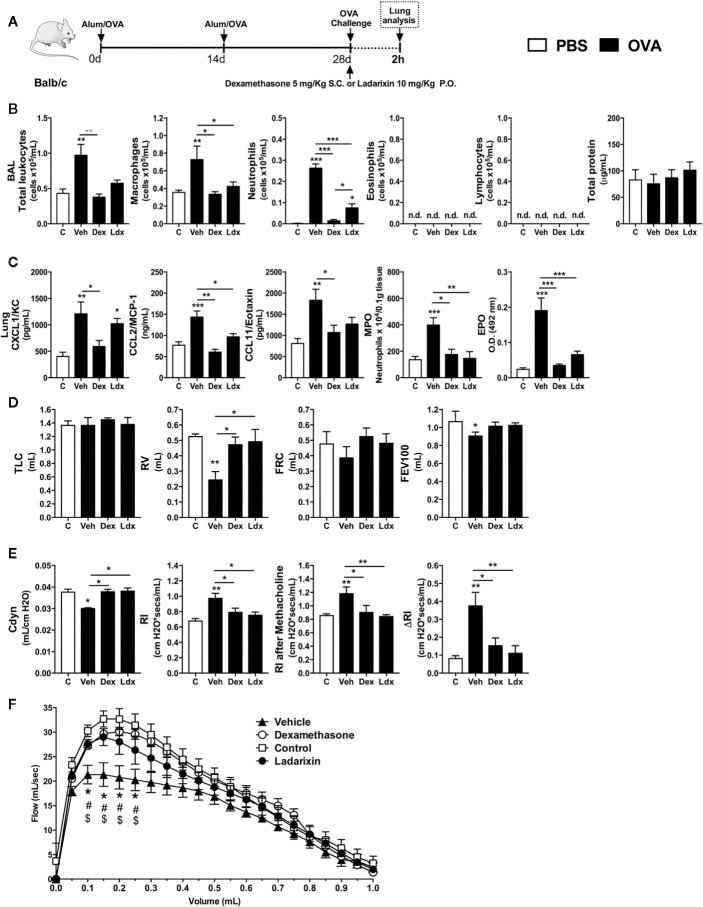
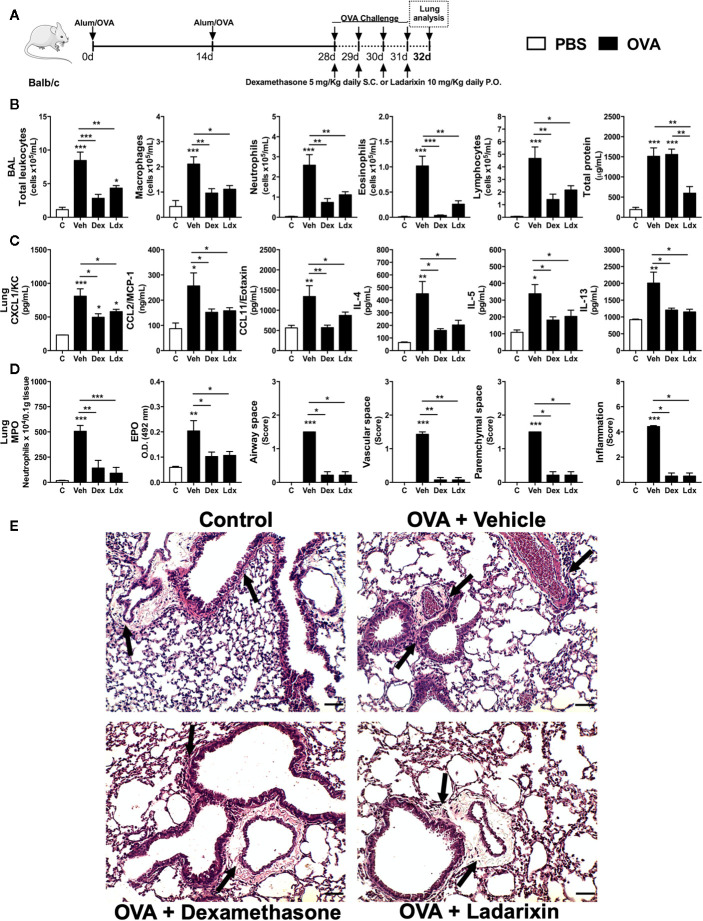
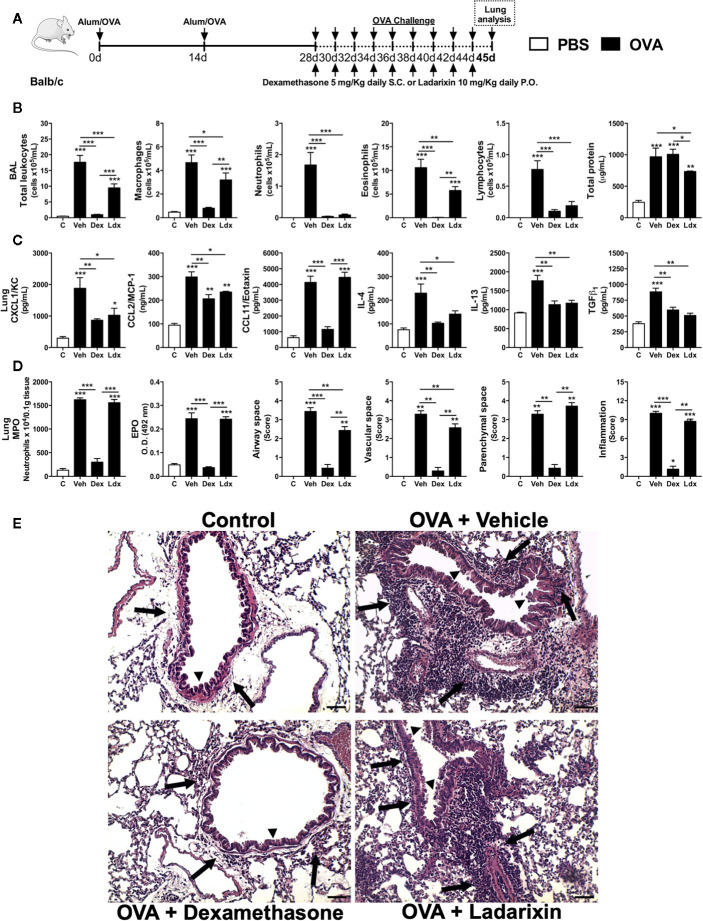
In a single OVA exposure scenario, ladararixin (10 mg/kg; oral once daily) decreases allergic airway variables. Ladararixin (10 mg/kg; face once daily for 8 days) decreases pulmonary bleomycin in mice effects in vivo and fibrosis[1]. Ladararixin attenuates allergic airway factors, cough, and asthmatic hyperresponsiveness in a chronic OVA exposure paradigm. Ladararixin (10 mg/kg); once daily for three days on the face. days) to shield the nails from recurrent harmful infections brought on by cigarette smoking [1]. In several animal models, ladarixin cardiotype dramatically lowers systemic neutrophils without appreciably affecting CXCL8-induced polymorphonuclear leukocyte respiration.
In vivo, Ladarixin prevents PMN infiltration and tissue damage in several models of ischemia-reperfusion injury. It abrogates motility and induces apoptosis in cutaneous and uveal melanoma xenografts. It prevents inflammation-mediated damage and reverses diabetes in NOD mice. It is being investigated for COPD, asthma, idiopathic pulmonary fibrosis, and influenza-A infection. |
| Enzyme Assay |
In vitro binding assays for Ladarixin typically involve evaluating its inhibition of CXCR1 and CXCR2 using calcium flux assays or chemotaxis assays. Cells expressing CXCR1 or CXCR2 are treated with varying concentrations of the compound and stimulated with CXCL8. Calcium mobilization is measured using fluorescent indicators. IC50 values are calculated from dose-response curves.
|
| Cell Assay |
Cell-based assays for Ladarixin involve culturing human polymorphonuclear leukocytes (PMNs) or cells expressing CXCR1/CXCR2. Cells are treated with Ladarixin at concentrations ranging from 0.01 nM to 10 µM. Chemotaxis is assessed using transwell migration assays toward CXCL8. Calcium flux is measured using fluorescent indicators. Apoptosis is evaluated by flow cytometry using Annexin V/PI staining.
|
| Animal Protocol |
Animal/Disease Models: Mouse (cigarette smoke-induced exacerbation of influenza A virus infection model) [ 1]
Doses: 10 mg/kg Route of Administration: Po one time/day on days 2, 3 and 4 after infection. Experimental Results: Cell count [2]. The worsening of lethality and respiratory changes noted in the CSFlu group was Dramatically attenuated. In vivo animal experiments for Ladarixin typically involve administration to rodent models of inflammation via oral gavage or intraperitoneal injection. PMN infiltration is assessed by measuring myeloperoxidase activity or cell counting in tissues. Inflammatory markers are measured. Diabetes reversal is evaluated in NOD mouse models. Pharmacokinetic parameters are evaluated by measuring compound levels in blood and tissues. |
| ADME/Pharmacokinetics |
Ladarixin (molecular weight 375.33, formula C11H12F3NO6S2) is orally active. It is an allosteric, non-competitive antagonist. It is soluble in DMSO at 10 mM. Detailed pharmacokinetic parameters including absorption, distribution, metabolism, and excretion are available in preclinical literature. It has favorable properties for oral administration.
|
| Toxicity/Toxicokinetics |
No detailed toxicology data are specifically available for Ladarixin from the search results. As a CXCR1/2 antagonist, potential toxicity may include effects on immune function. Comprehensive toxicological evaluation including acute, subchronic, and genotoxicity studies has likely been conducted in preclinical development. The compound is for research use only.
|
| References |
|
| Additional Infomation |
Ladarixin is being investigated in the clinical trial NCT04628481 (a study of oral lardarixin for the treatment of new-onset type 1 diabetes and low residual β-cell function). Ladarixin is a small-molecule dual CXC motif chemokine receptor 1 (CXCR1) and 2 (CXCR2) inhibitor with high oral bioavailability and potential anti-inflammatory and anti-tumor activity. After oral administration, lardarixin selectively targets and allosterically binds to CXCR1 and CXCR2, thereby preventing CXCR1 and CXCR2 from being activated by their ligands and the pro-inflammatory chemokine interleukin-8 (IL-8 or CXCL8). This inhibits CXCR1/2-mediated signaling, thereby suppressing the inflammatory process, reducing the recruitment and migration of immunosuppressive myeloid-derived suppressor cells (MDSCs) and neutrophils in the tumor microenvironment (TME), and eliminating the immunosuppressive properties of the TME. This enables effector cells, such as natural killer (NK) cells and cytotoxic T lymphocytes (CTLs), to kill and eliminate cancer cells and inhibit tumor cell migration, metastasis, angiogenesis, and proliferation. CXCR1 and CXCR2 are G protein-coupled receptors located on myeloid cells and certain tumor cells, playing a crucial role in the immunosuppressive properties of TME, tumor metastasis, chemotherapy resistance, and myeloid cell suppression. They also play a key role in inflammation and are elevated in a variety of inflammatory diseases.
Drug Indications Treatment of type 1 diabetes Ladarixin (DF-2156A) (CAS#: 849776-05-2) is an orally active, allosteric, non-competitive dual CXCR1/2 antagonist. It inhibits PMN migration to CXCL8 with an IC50 of 0.7 nM. It is being investigated for COPD, asthma, and other inflammatory diseases. Molecular weight: 375.33, formula: C11H12F3NO6S2. |
| Molecular Formula |
C11H12F3NO6S2
|
|---|---|
| Molecular Weight |
375.3332
|
| Exact Mass |
375.006
|
| CAS # |
849776-05-2
|
| Related CAS # |
Ladarixin sodium;865625-56-5
|
| PubChem CID |
11372270
|
| Appearance |
White to off-white solid powder
|
| LogP |
4.096
|
| Hydrogen Bond Donor Count |
1
|
| Hydrogen Bond Acceptor Count |
9
|
| Rotatable Bond Count |
5
|
| Heavy Atom Count |
23
|
| Complexity |
624
|
| Defined Atom Stereocenter Count |
1
|
| SMILES |
C[C@H](C1=CC=C(C=C1)OS(=O)(=O)C(F)(F)F)C(=O)NS(=O)(=O)C
|
| InChi Key |
DDLPYOCJHQSVSZ-SSDOTTSWSA-N
|
| InChi Code |
InChI=1S/C11H12F3NO6S2/c1-7(10(16)15-22(2,17)18)8-3-5-9(6-4-8)21-23(19,20)11(12,13)14/h3-7H,1-2H3,(H,15,16)/t7-/m1/s1
|
| Chemical Name |
4-((2R)-1-Oxo-1-(methanesulfonamido)propan-2-yl)phenyl trifluoromethanesulfonate
|
| Synonyms |
DF-2156A DF2156A DF 2156A DF-2156 DF2156 DF 2156 Ladarixin
|
| HS Tariff Code |
2934.99.9001
|
| Storage |
Powder -20°C 3 years 4°C 2 years In solvent -80°C 6 months -20°C 1 month |
| Shipping Condition |
Room temperature (This product is stable at ambient temperature for a few days during ordinary shipping and time spent in Customs)
|
| Solubility (In Vitro) |
DMSO : ~100 mg/mL (~266.43 mM)
|
|---|---|
| Solubility (In Vivo) |
Solubility in Formulation 1: ≥ 2.5 mg/mL (6.66 mM) (saturation unknown) in 10% DMSO + 40% PEG300 + 5% Tween80 + 45% Saline (add these co-solvents sequentially from left to right, and one by one), clear solution.
For example, if 1 mL of working solution is to be prepared, you can add 100 μL of 25.0 mg/mL clear DMSO stock solution to 400 μL PEG300 and mix evenly; then add 50 μL Tween-80 to the above solution and mix evenly; then add 450 μL normal saline to adjust the volume to 1 mL. Preparation of saline: Dissolve 0.9 g of sodium chloride in 100 mL ddH₂ O to obtain a clear solution. Solubility in Formulation 2: ≥ 2.5 mg/mL (6.66 mM) (saturation unknown) in 10% DMSO + 90% (20% SBE-β-CD in Saline) (add these co-solvents sequentially from left to right, and one by one), clear solution. For example, if 1 mL of working solution is to be prepared, you can add 100 μL of 25.0 mg/mL clear DMSO stock solution to 900 μL of 20% SBE-β-CD physiological saline solution and mix evenly. Preparation of 20% SBE-β-CD in Saline (4°C,1 week): Dissolve 2 g SBE-β-CD in 10 mL saline to obtain a clear solution. View More
Solubility in Formulation 3: ≥ 2.5 mg/mL (6.66 mM) (saturation unknown) in 10% DMSO + 90% Corn Oil (add these co-solvents sequentially from left to right, and one by one), clear solution. Solubility in Formulation 4: 10 mg/mL (26.64 mM) in 50% PEG300 50% Saline (add these co-solvents sequentially from left to right, and one by one), suspension solution; with ultrasonication. Preparation of saline: Dissolve 0.9 g of sodium chloride in 100 mL ddH₂ O to obtain a clear solution. |
| Preparing Stock Solutions | 1 mg | 5 mg | 10 mg | |
| 1 mM | 2.6643 mL | 13.3216 mL | 26.6432 mL | |
| 5 mM | 0.5329 mL | 2.6643 mL | 5.3286 mL | |
| 10 mM | 0.2664 mL | 1.3322 mL | 2.6643 mL |
*Note: Please select an appropriate solvent for the preparation of stock solution based on your experiment needs. For most products, DMSO can be used for preparing stock solutions (e.g. 5 mM, 10 mM, or 20 mM concentration); some products with high aqueous solubility may be dissolved in water directly. Solubility information is available at the above Solubility Data section. Once the stock solution is prepared, aliquot it to routine usage volumes and store at -20°C or -80°C. Avoid repeated freeze and thaw cycles.
Calculation results
Working concentration: mg/mL;
Method for preparing DMSO stock solution: mg drug pre-dissolved in μL DMSO (stock solution concentration mg/mL). Please contact us first if the concentration exceeds the DMSO solubility of the batch of drug.
Method for preparing in vivo formulation::Take μL DMSO stock solution, next add μL PEG300, mix and clarify, next addμL Tween 80, mix and clarify, next add μL ddH2O,mix and clarify.
(1) Please be sure that the solution is clear before the addition of next solvent. Dissolution methods like vortex, ultrasound or warming and heat may be used to aid dissolving.
(2) Be sure to add the solvent(s) in order.
|
|
|
Products are for research use only; We do not sell to patients
Copyright 2020 InvivoChem LLC | All Rights Reserved


 COA
COA