| Size | Price | Stock | Qty |
|---|---|---|---|
| 10mg |
|
||
| 25mg |
|
||
| 50mg |
|
||
| 100mg |
|
||
| 250mg |
|
||
| 500mg |
|
||
| 1g |
|
||
| Other Sizes | |||
| 10 mM * 1 mL in DMSO |
|


Purity: ≥98%
| Targets |
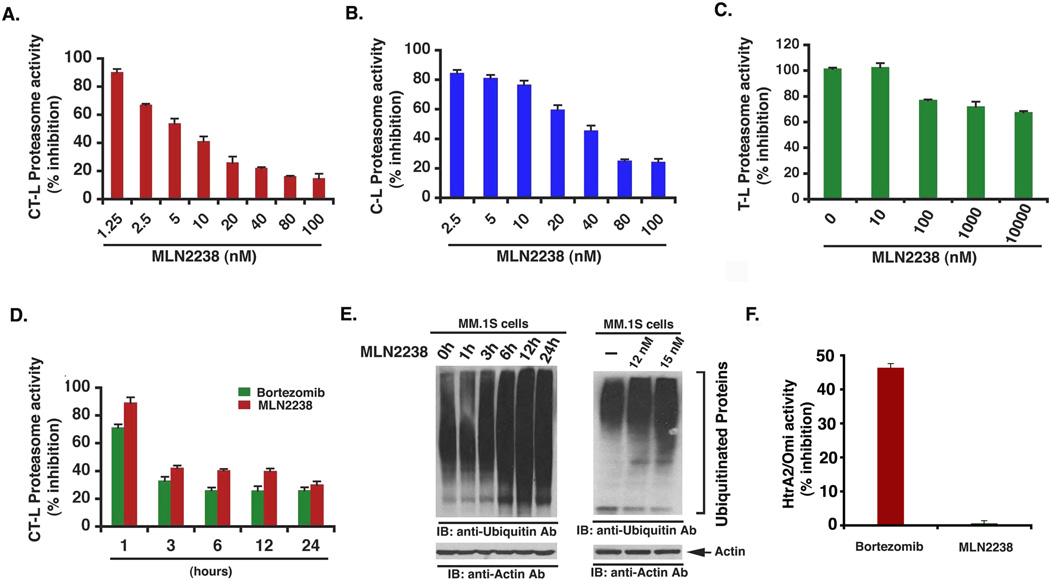
20S proteasome (Ki = 0.93 nM); 20S proteasome (IC50 = 3.4 nM)
26S proteasome (chymotrypsin-like activity, β5 subunit, catalytic subunit): - In vitro inhibition (recombinant human 26S proteasome): IC₅₀ ≈ 3.4 nM (active form MLN2238, Ixazomib citrate is a prodrug converted to MLN2238 in vivo/in vitro) [1] - Selectivity over other proteasome subunits: β1 subunit (caspase-like activity) IC₅₀ ≈ 340 nM, β2 subunit (trypsin-like activity) IC₅₀ ≈ 880 nM, showing >100-fold selectivity for β5 subunit [1] |
|---|---|
| ln Vitro |
MLN9708 is a selective, orally bioavailable, second-generation proteasome inhibitor. We believe that MLN9708's improved tissue distribution is largely due to its shorter proteasome dissociation half-life, as well as its improved pharmacokinetics, pharmacodynamics, and antitumor activity when compared to bortezomib. In addition to having a larger blood volume distribution at steady state than bortezomib, MLN9708 also exhibits greater pharmacodynamic effects in tissues when compared to markers of the unfolded protein response and 20S proteasome inhibition. A second-generation small-molecule proteasome inhibitor called MLN9708 is being developed to treat a variety of cancers in humans. When exposed to plasma or aqueous solutions, MLN9708 hydrolyzes quickly to produce MLN2238, which is biologically active. The biologically active form of MLN9708 is MLN2238.
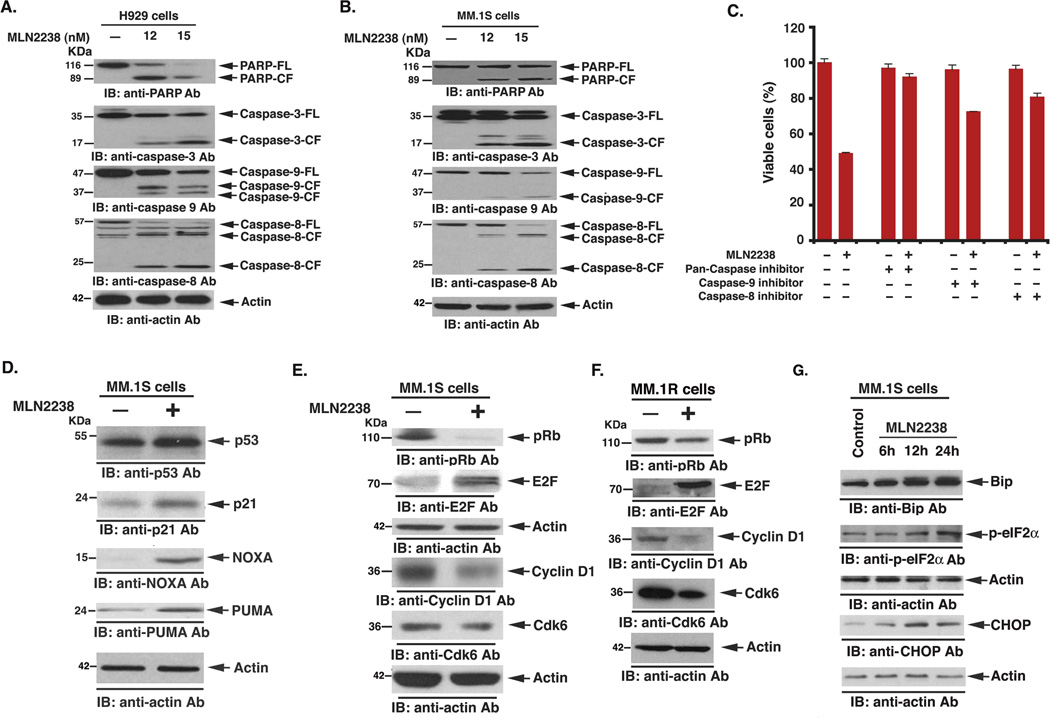
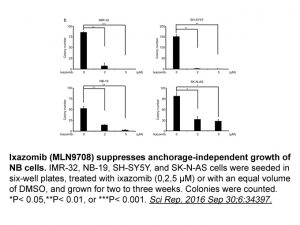
Antiproliferative activity in multiple myeloma (MM) cells (literature [1], [2]): 1. MM cell lines (RPMI 8226, MM.1S, U266, OPM-2): Ixazomib citrate (0.1 nM–100 nM, 72-hour MTT assay) concentration-dependently inhibited proliferation. IC₅₀ values (based on active MLN2238): ~5 nM (RPMI 8226), ~4.2 nM (MM.1S), ~6.5 nM (U266), ~5.8 nM (OPM-2). At 20 nM, cell viability of RPMI 8226 reduced by ~75% vs. solvent control [1] 2. Bortezomib-resistant MM cells (RPMI 8226/BtzR): IC₅₀ ≈ 8.3 nM (72-hour MTT), indicating activity against bortezomib-refractory cells [2] - Apoptosis induction: 1. RPMI 8226 cells: 15 nM Ixazomib citrate treatment for 48 hours increased apoptotic rate from ~4% (control) to ~42% (Annexin V-FITC/PI staining, flow cytometry). Western blot showed cleaved caspase-3 (↑3.2-fold) and cleaved PARP (↑2.8-fold) vs. control [1] - NF-κB pathway inhibition: 1. MM.1S cells: 10 nM Ixazomib citrate (24-hour treatment) blocked TNF-α-induced NF-κB activation. Western blot revealed IκBα protein accumulation (↑4.5-fold) due to reduced proteasomal degradation; nuclear p65 (NF-κB subunit) translocation decreased by ~60% (immunofluorescence staining) [1] - Selectivity for cancer cells: 1. Normal human bone marrow stromal cells (BMSCs): 50 nM Ixazomib citrate (72-hour treatment) reduced viability by <12%, vs. ~65% reduction in MM.1S cells at the same concentration [2] |
| ln Vivo |
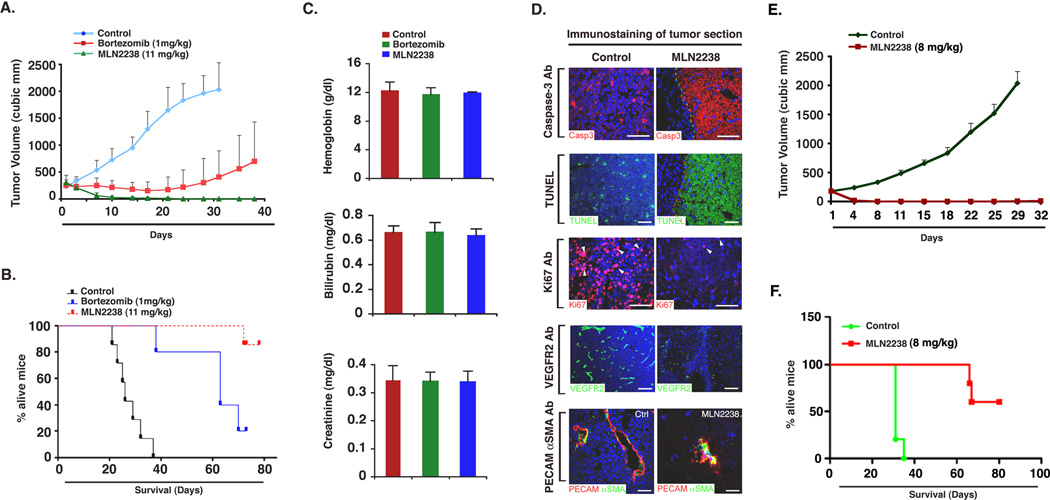
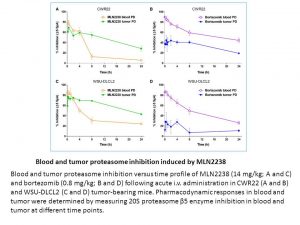
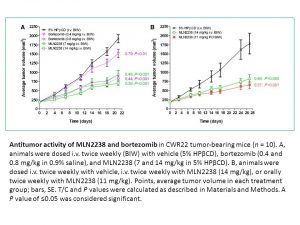
MLN9708 exhibits better antitumor activity when given via various dosage routes and regimens in both solid tumor and hematologic preclinical xenograft models. Preclinical pharmacology studies conducted recently have demonstrated that MLN9708 exhibits better pharmacokinetics, pharmacodynamics, and antitumor activity in xenograft models compared to bortezomib, along with a shorter proteasome dissociation half-life. With a variety of tumor xenografts, MLN9708 has demonstrated antitumor efficacy.
Nude mouse MM xenograft models (literature [1], [2]): 1. RPMI 8226 xenograft: - Grouping: Mice (n=6/group) randomized into 4 groups: (1) Control (oral solvent: 5% DMSO + 10% Cremophor EL + 85% normal saline); (2) Ixazomib citrate 0.3 mg/kg (oral gavage, once daily); (3) Ixazomib citrate 1 mg/kg (oral gavage, once daily); (4) Bortezomib 0.5 mg/kg (intravenous injection, twice weekly) [1] - Treatment: Started when tumors reached ~100 mm³, continued for 21 days [1] - Efficacy: - Tumor volume: Reduced by ~45% (0.3 mg/kg), ~75% (1 mg/kg), and ~65% (bortezomib) vs. control; - Tumor weight: Decreased by ~40% (0.3 mg/kg), ~70% (1 mg/kg), and ~60% (bortezomib) at sacrifice; - Tumor proteasome activity: β5 subunit activity reduced by ~50% (0.3 mg/kg) and ~80% (1 mg/kg) [1] 2. MM.1S xenograft: - Treatment: Ixazomib citrate 0.5 mg/kg (oral gavage, once daily, 28 days) [2] - Efficacy: Tumor growth delay of ~18 days vs. control; tumor apoptotic index (TUNEL staining) increased by ~4-fold [2] - Mouse disseminated MM model: 1. Treatment: Ixazomib citrate 0.75 mg/kg (oral, once daily, 21 days) [2] 2. Efficacy: Reduced bone marrow MM cell infiltration by ~60% (flow cytometry); decreased serum M-protein (MM marker) by ~55% vs. control [2] |
| Enzyme Assay |
Before the experiment begins, Calu-6 cells are plated in a 384-well plate at a density of 1 × 10 4 cells per well, in medium supplemented with 10% fetal bovine serum and 1% penicillin/streptomycin. By employing the Proteasome-Glo assay reagents in accordance with the manufacturer's instructions and monitoring the hydrolysis of the chymotrypsin-like substrate Suc-LLVY-aminoluciferin in the presence of luciferase, proteasome activity is measured. With a LEADseeker device, luminosity is measured.
26S proteasome activity inhibition assay: 1. Protein preparation: Recombinant human 26S proteasome purified via affinity chromatography, resuspended in assay buffer (25 mM Tris-HCl, pH 7.5, 5 mM MgCl₂, 1 mM DTT) [1] 2. Reaction setup: 100 μL reaction mixture contained 26S proteasome (0.2 μg), fluorescent substrate (Suc-LLVY-AMC for β5, Z-nLPnLD-AMC for β1, Z-ARR-AMC for β2), and Ixazomib citrate (0.1 nM–1000 nM, solvent as control; converted to MLN2238 in assay buffer) [1] 3. Incubation and detection: Incubated at 37°C for 90 minutes; fluorescence intensity measured (excitation 380 nm, emission 460 nm). Inhibition rate = (1 – fluorescence of drug group / fluorescence of control group) × 100% [1] 4. Data analysis: IC₅₀ values calculated by fitting inhibition rates to a four-parameter logistic curve using GraphPad Prism [1] |
| Cell Assay |
Before the experiment begins, Calu-6 cells are plated in a 384-well plate at a density of 1 × 10 4 cells per well, in medium supplemented with 10% FBS and 1% penicillin/streptomycin. The IC50 values are obtained by treating cells for one hour at 37 °C with different concentrations of MLN2238 or boratezomib in DMSO (0.5% final, v/v). For reversibility tests, cells are exposed to either MLN2238 or 1 μM Bortezomib for thirty minutes at 37 °C. After that, the cells are three times washed in medium to get rid of the MLN2238 or Bortezomib. The medium is removed and fresh medium is added after the cells are incubated for an additional 4 hours at 37 °C.
MTT antiproliferation assay (literature [1], [2]): 1. Cell seeding: MM cell lines (RPMI 8226/MM.1S/U266) seeded in 96-well plates (5×10³ cells/well) in RPMI 1640 medium (10% FBS, 1% penicillin-streptomycin) [1][2] 2. Drug treatment: Ixazomib citrate (0.1 nM–100 nM, 6 replicates/concentration) added; incubated for 72 hours (37°C, 5% CO₂) [1][2] 3. Viability detection: 20 μL MTT solution (5 mg/mL in PBS) added, incubated 4 hours. Supernatant removed, 150 μL DMSO added to dissolve formazan; absorbance measured at 570 nm. IC₅₀ values calculated based on active MLN2238 concentration [1][2] - Apoptosis assay (Annexin V-FITC/PI, literature [1]): 1. Cell treatment: RPMI 8226 cells (2×10⁵ cells/well, 6-well plates) treated with Ixazomib citrate (0 nM–20 nM) for 48 hours [1] 2. Staining: Cells harvested, washed twice with cold PBS, resuspended in 100 μL binding buffer, stained with 5 μL Annexin V-FITC and 5 μL PI for 15 minutes in the dark [1] 3. Analysis: Apoptotic cells quantified via flow cytometry; early apoptosis (Annexin V+/PI-) and late apoptosis (Annexin V+/PI+) percentages recorded [1] - Western blot for NF-κB pathway: 1. Cell treatment: MM.1S cells serum-starved (0.5% FBS) overnight, treated with Ixazomib citrate (0 nM–15 nM) for 24 hours, then stimulated with TNF-α (10 ng/mL) for 30 minutes [1] 2. Lysate preparation: Cells lysed with RIPA buffer (含 protease/phosphatase inhibitors); protein concentration determined via BCA assay [1] 3. Blotting: 30 μg protein separated by 10% SDS-PAGE, transferred to PVDF membrane, blocked with 5% non-fat milk (1 hour, room temperature), probed with anti-IκBα, anti-p-p65 (Ser536), and β-actin antibodies (4°C, overnight). HRP-conjugated secondary antibody incubated (1 hour, room temperature); signals detected via ECL chemiluminescence [1] |
| Animal Protocol |
Dissolved in 5% 2-hydroxypropyl-β-cyclodextrin; 11 mg/kg; i.v. injection
CB-17 SCID mice are subcutaneously inoculated with MM.1S cells Nude mouse RPMI 8226 xenograft protocol: 1. Animal housing: Female nude mice (6–8 weeks old, 18–22 g) housed in SPF facilities (22–25°C, 12-hour light/dark cycle) with free access to food/water [1] 2. Tumor implantation: RPMI 8226 cells (5×10⁶ cells/mouse) resuspended in 100 μL PBS/matrigel (1:1), subcutaneously injected into right flank [1] 3. Grouping and treatment: Tumors reaching ~100 mm³ (day 0) randomized into 4 groups. Ixazomib citrate dissolved in solvent (5% DMSO + 10% Cremophor EL + 85% normal saline) and administered via oral gavage (10 μL/g body weight) at 0.3 mg/kg or 1 mg/kg, once daily. Bortezomib (0.5 mg/kg) administered via intravenous injection twice weekly. Control received solvent alone. Treatment lasted 21 days [1] 4. Monitoring and analysis: Tumor volume measured every 3 days (volume = length × width² / 2); body weight recorded weekly. Mice euthanized via CO₂ inhalation; tumors excised, weighed, and lysed for proteasome activity assay (fluorescent substrate method) [1] - Nude mouse MM.1S xenograft protocol: 1. Tumor implantation: MM.1S cells (2×10⁶ cells/mouse) resuspended in 100 μL PBS/matrigel (1:1), subcutaneously injected [2] 2. Treatment: Ixazomib citrate 0.5 mg/kg (oral gavage, once daily, 28 days) when tumors reached ~100 mm³ [2] 3. Analysis: Tumor volume measured every 4 days; tumors excised for TUNEL staining to assess apoptosis [2] - Mouse disseminated MM protocol: 1. Model induction: 5TGM1 MM cells (1×10⁶ cells/mouse) intravenously injected into C57BL/KaLwRij mice [2] 2. Treatment: Ixazomib citrate 0.75 mg/kg (oral gavage, once daily, 21 days) starting 7 days post-cell injection [2] 3. Analysis: Bone marrow collected for flow cytometry (MM cell infiltration: CD138+ cells); serum M-protein measured via ELISA [2] |
| ADME/Pharmacokinetics |
Pharmacokinetics of mice after oral administration (references [1], [2]):
1. Oral bioavailability: ~50% (mice, comparison of oral dose of 1 mg/kg with intravenous dose)[1] 2. Pharmacokinetic parameters (1 mg/kg orally, mice): - Cmax (MLN2238, active form): ~12 ng/mL (Tmax = 1 hour); - AUC₀-24h: ~45 ng·h/mL; - Terminal half-life (t₁/₂): ~6.5 hours[1] 3. Tissue distribution: 2 hours after oral administration (1 mg/kg), the concentration of ixazomicitrate (in MLN2238 form) in RPMI 8226 tumors was approximately 35 ng/g, and the tumor/plasma ratio was approximately 3[1] - Metabolism: 1. In human liver microsomes: Ixazomi citrate is mainly metabolized by CYP3A4; apart from MLN2238, no other major active metabolites were detected [2] |
| Toxicity/Toxicokinetics |
In vitro toxicity:
1. Normal human bone marrow mesenchymal stem cells (BMSCs) and peripheral blood mononuclear cells (PBMCs): 50 nM ixazomib citrate (treatment for 72 hours) resulted in a decrease in cell viability of <15%; no significant apoptosis was observed (Annexin V staining) [2] - In vivo toxicity (references [1], [2]): 1. Subacute toxicity (mice, 1 mg/kg orally, once daily for 21 days): - No significant weight loss (<5% compared to baseline) or death was observed; - Serum biochemical indicators (ALT, AST, creatinine, BUN) were all within the normal range; - No histopathological lesions were observed in the liver, kidneys or heart [1] 2. Dose-limiting toxicity (DLT) in mice: No DLT was observed at oral doses up to 2 mg/kg (once daily for 14 days) [2] - Plasma protein binding rate: ~99% (human plasma, balanced dialysis at 37°C) [1] |
| References | |
| Additional Infomation |
See also: Ixazomib Citrate (note moved to).
Mechanism of Action: Ixazomib Citrate (MLN 9708) is an oral prodrug that is rapidly converted in vivo/in vitro to its active form, MLN2238. MLN2238 selectively binds to the β5 subunit of the 26S proteasome, inhibiting chymotrypsin-like activity, blocking the degradation of ubiquitinated proteins (e.g., IκBα, p53), and inducing apoptosis in cancer cells [1][2] - Clinical advantages: As an oral proteasome inhibitor, it overcomes the limitations of intravenous bortezomib administration, enabling convenient daily dosing and improving patient compliance [1][2] - Preclinical efficacy highlights: It is effective against both bortezomib-sensitive and resistant multiple myeloma (MM) cells, and also effective in disseminated MM models (simulating clinical bone marrow infiltration), supporting its potential for treating refractory MM [2] - FDA approval status not mentioned (references published in 2010-2011; ixazomib citrate was approved by the FDA in 2015 for the treatment of relapsed/refractory MM) [1][2] |
| Molecular Formula |
C20H23BCL2N2O9
|
|---|---|
| Molecular Weight |
517.12
|
| Exact Mass |
516.087
|
| Elemental Analysis |
C, 46.45; H, 4.48; B, 2.09; Cl, 13.71; N, 5.42; O, 27.85
|
| CAS # |
1201902-80-8
|
| Related CAS # |
1239908-20-3 (citrate); 2026591-78-4 (i-PrOH); 1072833-77-2 (free); 1201902-80-8 2026591-78-4 (EtOH)
|
| PubChem CID |
49867936
|
| Appearance |
White to off-white solid powder
|
| Density |
1.5±0.1 g/cm3
|
| Index of Refraction |
1.580
|
| LogP |
3.378
|
| Hydrogen Bond Donor Count |
4
|
| Hydrogen Bond Acceptor Count |
9
|
| Rotatable Bond Count |
10
|
| Heavy Atom Count |
34
|
| Complexity |
815
|
| Defined Atom Stereocenter Count |
1
|
| SMILES |
ClC1C([H])=C([H])C(=C([H])C=1C(N([H])C([H])([H])C(N([H])[C@]([H])(B1OC(C([H])([H])C(C(=O)O[H])(C([H])([H])C(=O)O[H])O1)=O)C([H])([H])C([H])(C([H])([H])[H])C([H])([H])[H])=O)=O)Cl
|
| InChi Key |
YTXSYWAKVMZICI-PVCZSOGJSA-N
|
| InChi Code |
InChI=1S/C20H23BCl2N2O9/c1-10(2)5-14(21-33-17(29)8-20(34-21,19(31)32)7-16(27)28)25-15(26)9-24-18(30)12-6-11(22)3-4-13(12)23/h3-4,6,10,14H,5,7-9H2,1-2H3,(H,24,30)(H,25,26)(H,27,28)(H,31,32)/t14-,20?/m0/s1
|
| Chemical Name |
4-(carboxymethyl)-2-[(1R)-1-[[2-[(2,5-dichlorobenzoyl)amino]acetyl]amino]-3-methylbutyl]-6-oxo-1,3,2-dioxaborinane-4-carboxylic acid
|
| Synonyms |
Ninlaro; MLN9708; MLN 9708; MLN-9708; MMLN-2238-prodrug; MMLN 2238-prodrug; Ixazomib-prodrug; MMLN2238-prodrug; ixazomib citrate
|
| HS Tariff Code |
2934.99.9001
|
| Storage |
Powder -20°C 3 years 4°C 2 years In solvent -80°C 6 months -20°C 1 month |
| Shipping Condition |
Room temperature (This product is stable at ambient temperature for a few days during ordinary shipping and time spent in Customs)
|
| Solubility (In Vitro) |
DMSO: ~100 mg/mL (~193.4 mM)
Water: 1 mg/mL (Insoluble) Ethanol: 1 mg/mL |
|
|---|---|---|
| Solubility (In Vivo) |
|
| Preparing Stock Solutions | 1 mg | 5 mg | 10 mg | |
| 1 mM | 1.9338 mL | 9.6689 mL | 19.3379 mL | |
| 5 mM | 0.3868 mL | 1.9338 mL | 3.8676 mL | |
| 10 mM | 0.1934 mL | 0.9669 mL | 1.9338 mL |
*Note: Please select an appropriate solvent for the preparation of stock solution based on your experiment needs. For most products, DMSO can be used for preparing stock solutions (e.g. 5 mM, 10 mM, or 20 mM concentration); some products with high aqueous solubility may be dissolved in water directly. Solubility information is available at the above Solubility Data section. Once the stock solution is prepared, aliquot it to routine usage volumes and store at -20°C or -80°C. Avoid repeated freeze and thaw cycles.
Calculation results
Working concentration: mg/mL;
Method for preparing DMSO stock solution: mg drug pre-dissolved in μL DMSO (stock solution concentration mg/mL). Please contact us first if the concentration exceeds the DMSO solubility of the batch of drug.
Method for preparing in vivo formulation::Take μL DMSO stock solution, next add μL PEG300, mix and clarify, next addμL Tween 80, mix and clarify, next add μL ddH2O,mix and clarify.
(1) Please be sure that the solution is clear before the addition of next solvent. Dissolution methods like vortex, ultrasound or warming and heat may be used to aid dissolving.
(2) Be sure to add the solvent(s) in order.
| NCT Number | Recruitment | interventions | Conditions | Sponsor/Collaborators | Start Date | Phases |
| NCT02924272 | Active Recruiting |
Drug: Ixazomib | Lymphoma Amyloidosis |
Takeda | December 16, 2016 | Phase 2 |
| NCT04028115 | Active Recruiting |
Drug: Ixazomib | Multiple Myeloma | Thomas Lund | October 24, 2019 | Phase 2 |
| NCT04837131 | Recruiting | Drug: Ixazomib | Scleroderma Systemic Sclerosis |
W. Leroy Griffing | April 28, 2021 | Phase 2 |
| NCT02632396 | Active Recruiting |
Drug: Ixazomib Biological: Rituximab |
Mantle Cell Lymphoma | Emory University | March 1, 2016 | Phase 1 Phase 2 |
| NCT03618537 | Recruiting | Drug: Ixazomib Drug: Dexamethasone |
AL Amyloidosis | Memorial Sloan Kettering Cancer Center |
August 2, 2018 | Phase 2 |
|
|---|
|
|
|
|---|
|
|
Products are for research use only; We do not sell to patients
Copyright 2020 InvivoChem LLC | All Rights Reserved


 COA
COA