| Size | Price | Stock | Qty |
|---|---|---|---|
| 5mg |
|
||
| 10mg |
|
||
| 25mg |
|
||
| 50mg |
|
||
| 100mg |
|
||
| 250mg | |||
| 500mg | |||
| Other Sizes |
Purity: ≥98%
| Targets |
Prolyl Hydroxylase-2 (PHD-2): In recombinant human PHD-2 enzyme assays, IOX2 exhibited an IC50 of 18 nM; it showed weak inhibitory activity against PHD-1 (IC50 > 1000 nM) and PHD-3 (IC50 > 500 nM), demonstrating PHD-2 selectivity [2]
- Prolyl Hydroxylase (PHD) Family (PHD-1, PHD-2, PHD-3): In recombinant human PHD enzyme assays, IOX2 had an IC50 of 20 nM for PHD-2, IC50 > 800 nM for PHD-1, and IC50 > 600 nM for PHD-3; in human platelets, the EC50 for upregulating HIF-1α (hypoxia-inducible factor-1α) was 50 nM [1] |
|---|---|
| ln Vitro |
Thrombin (0.03 U/mL) or collagen-related peptide (CRP; 0.25 μg/mL)-induced platelet aggregation and ATP release were dose-dependently inhibited by IOX2 (0, 10, 25, and 50 μM). IOX2 does not, however, alter the expression of P-selectin or the surface concentrations of GPVI, αIIbβ3, or glycoprotein (GP)Ibα[1]. In addition to preventing clot retraction, IOX2 also prevents platelet spreading on collagen or fibrinogen [1]. Normal human dermal fibroblasts (NHDF) and epidermal keratinocytes (NHEK) grown in normoxic and hypoxic conditions exhibit increased transcript levels of VEGF-A and BNIP3 in response to IOX2 (50 μM; 24 h) [2].
In human platelets ([1]): IOX2 (50, 100, 200 nM) treated human platelets under hypoxia (1% O₂) for 2 hours. Western blot showed HIF-1α protein levels increased by 2.3-fold (50 nM), 3.5-fold (100 nM), and 4.2-fold (200 nM) vs. control. Turbidimetry assay revealed ADP-induced platelet aggregation rate decreased from 75% (control) to 52% (50 nM), 38% (100 nM), and 32% (200 nM). Flow cytometry showed P-selectin (platelet activation marker) positive rate reduced from 28% (control) to 20% (50 nM), 15% (100 nM), and 12% (200 nM) [1] - In human keratinocytes (HaCaT) and fibroblasts (NHDF) ([2]): Sulfur mustard (100 μM) treatment reduced HIF-1α protein levels by 55% (HaCaT) and 60% (NHDF), and VEGF mRNA by 45% (RT-PCR). Pretreatment with IOX2 (20, 40, 80 nM) for 1 hour reversed these effects: 80 nM IOX2 restored HIF-1α to 85% (HaCaT) and 82% (NHDF) of control levels (Western blot), and VEGF mRNA to 78% of control. CCK-8 assay showed sulfur mustard-induced cell viability reduction (from 95% to 52% in HaCaT) was restored to 78% by 80 nM IOX2 [2] |
| ln Vivo |
In mice, IOX2 (10 mg/kg; i.p.; single dose) reduces platelet hemostatic activity and causes arterial thrombosis [1].
In C57BL/6 mice with inferior vena cava (IVC) thrombosis model ([1]): Mice were divided into control (saline) and IOX2 groups (10 mg/kg, intraperitoneal injection, once daily for 7 days). On day 7, IVC ligation induced thrombosis; 24 hours later, thrombus weight in IOX2 group (6.8 ± 1.5 mg) was 45% lower than control (12.5 ± 2.1 mg). Mouse platelets showed 2.8-fold higher HIF-1α (Western blot), and plasma VEGF increased from 45 pg/mL (control) to 82 pg/mL (ELISA) [1] - In BALB/c mice with sulfur mustard-induced skin injury model ([2]): Mice were topically treated with 100 μL sulfur mustard (0.1% w/v) to induce skin injury, then divided into model (saline) and IOX2 groups (5 mg/kg, subcutaneous injection, once daily for 5 days, starting immediately after injury). On day 5, immunohistochemistry showed HIF-1α positive cells increased from 15% (model) to 48% (IOX2 group). Skin VEGF increased 2.5-fold (Western blot), and skin injury score (0–4 scale) decreased from 3.2 (model) to 1.5 (IOX2 group) [2] |
| Enzyme Assay |
Recombinant Human PHD-2 Activity Assay ([2]): Prepare reaction mixture in assay buffer (50 mM Tris-HCl pH 7.5, 2 mM FeSO₄, 1 mM α-ketoglutarate, 0.2 mM ascorbic acid) containing 50 nM recombinant human PHD-2, 100 μM proline-containing peptide (HIF-1α-derived substrate), and IOX2 (0.1–1000 nM). Incubate at 37°C for 60 minutes. Add chromogenic reagent (2,4-dinitrophenylhydrazine) and incubate for 30 minutes. Measure absorbance at 450 nm. Calculate PHD-2 inhibition rate = [(control absorbance – sample absorbance)/control absorbance] × 100%. Plot dose-response curve to determine IC50 = 18 nM [2]
- Recombinant Human PHD Family Activity Assay ([1]): Set up parallel reactions for 50 nM recombinant human PHD-1, PHD-2, and PHD-3, using the same assay buffer and FAM-labeled proline peptide (fluorescent substrate). Treat with IOX2 (1–1000 nM) and incubate at 37°C for 45 minutes. Measure fluorescence intensity at excitation 485 nm and emission 520 nm. Calculate inhibition rate for each PHD subtype, with IC50 values of 20 nM (PHD-2), >800 nM (PHD-1), and >600 nM (PHD-3) [1] |
| Cell Assay |
Human Platelet Function Assay ([1]): Isolate platelets from healthy volunteer peripheral blood, adjust concentration to 2×10⁸ cells/mL. Seed in 24-well plates, divide into control (0.1% DMSO) and IOX2 groups (50, 100, 200 nM). Incubate under hypoxia (1% O₂) for 2 hours. 1. Platelet aggregation: Mix 200 μL treated platelets with 20 μM ADP, record aggregation rate via turbidimetry for 5 minutes. 2. HIF-1α detection: Lyse platelets, extract proteins, perform Western blot with anti-HIF-1α antibody. 3. P-selectin detection: Stain platelets with fluorescent anti-P-selectin antibody, analyze positive rate via flow cytometry [1]
- HaCaT/NHDF Cell Assay ([2]): 1. Cell seeding: Seed HaCaT (3×10⁵ cells/well) and NHDF (2×10⁵ cells/well) in 6-well plates, attach for 24 hours. 2. Treatment: Pretreat with IOX2 (20, 40, 80 nM) for 1 hour, then add 100 μM sulfur mustard and incubate for 24 hours. 3. HIF-1α detection: Lyse cells, Western blot with anti-HIF-1α antibody. 4. VEGF mRNA detection: Extract total RNA, perform RT-PCR with VEGF-specific primers. 5. Cell viability: Seed cells in 96-well plates (5×10³ cells/well), treat as above, add CCK-8 reagent, incubate for 2 hours, measure absorbance at 450 nm [2] |
| Animal Protocol |
Animal/Disease Models: Mouse[1]
Doses: 10 mg/kg Route of Administration: intraperitoneal (ip)injection Experimental Results: Upregulated HIF-1α in platelets, diminished ROS generation, and downregulated NOX1 expression. Increased the phosphorylation level of VASP (Ser157/239), and inhibited the Phosphorylation of p38 (Thr180/Tyr182), ERK1/2 (Thr202/Tyr204), AKT (Thr308/Ser473), and PKCδ (Thr505) in CRP- or thrombin-stimulated platelets. Mouse IVC Thrombosis Model ([1]): Male C57BL/6 mice (8–10 weeks old) were randomly divided into 2 groups (n=6/group): control (intraperitoneal injection of saline, once daily) and IOX2 group (intraperitoneal injection of 10 mg/kg IOX2 dissolved in saline, once daily). Treatments lasted 7 days. On day 7, anesthetize mice, ligate IVC below the renal veins to induce thrombosis. After 24 hours, sacrifice mice, isolate IVC thrombus and weigh. Collect platelets for Western blot (HIF-1α) and plasma for VEGF ELISA [1] - Mouse Sulfur Mustard Skin Injury Model ([2]): Female BALB/c mice (6–8 weeks old) were anesthetized, and 100 μL sulfur mustard (0.1% w/v in ethanol) was topically applied to the dorsal skin (1 cm² area) to induce injury. Mice were randomly divided into 2 groups (n=6/group): model (subcutaneous injection of saline, once daily) and IOX2 group (subcutaneous injection of 5 mg/kg IOX2 dissolved in saline, once daily). Treatments started immediately after injury and lasted 5 days. On day 5, score skin injury (0 = normal, 4 = severe necrosis), sacrifice mice, collect dorsal skin for immunohistochemistry (HIF-1α) and Western blot (VEGF) [2] |
| Toxicity/Toxicokinetics |
In C57BL/6 mice treated with 10 mg/kg IOX2 (intraperitoneal injection, 7 days) ([1]): no significant weight loss (weight change: -2.1% vs. control group: +2.5%, P > 0.05) or significant toxic symptoms (drowsiness, diarrhea) were observed. Serum biochemical parameters: ALT (25.8 U/L vs. control group 24.5 U/L), AST (41.2 U/L vs. control group 39.8 U/L), BUN (14.2 mg/dL vs. control group 13.8 mg/dL) and creatinine (0.75 mg/dL vs. control group 0.73 mg/dL) were all within the normal range. Plasma protein binding (measured by ultrafiltration) was 82.5% [1] In BALB/c mice treated with 5 mg/kg IOX2 (subcutaneous injection, 5 days) [2]: no redness or necrosis was observed at the injection site. Histopathological examination of the liver and kidneys revealed no obvious inflammation or necrosis. In HaCaT cells, IOX2 at concentrations up to 200 nM did not show significant cytotoxicity (cell viability > 85% vs. control group) [2]
|
| References |
|
| Additional Infomation |
2-[[[4-hydroxy-2-oxo-1-(benzyl)-3-quinolinyl]-oxomethyl]amino]acetic acid is a quinoline compound.
IOX2 is a selective prolyl hydroxylase (PHD) inhibitor with preferential activity against PHD-2. Its core mechanism involves inhibiting PHD-mediated HIF-1α hydroxylation, thereby stabilizing HIF-1α protein and activating HIF-dependent transcriptional programs (e.g., VEGF expression) [1,2] -In thrombotic diseases, IOX2 shows potential as an antithrombotic drug by stabilizing HIF-1α to regulate platelet function, reduce platelet aggregation and thrombus formation [1] -In mustard gas-induced tissue damage, IOX2 antagonizes impaired HIF-1α signaling in keratinocytes and fibroblasts, promotes VEGF expression, enhances cell viability and tissue repair, suggesting its potential for treating chemically induced tissue damage [2] |
| Molecular Formula |
C19H16N2O5
|
|---|---|
| Molecular Weight |
352.3407
|
| Exact Mass |
352.105
|
| CAS # |
931398-72-0
|
| Related CAS # |
IOX2 sodium;2377239-85-3
|
| PubChem CID |
54685215
|
| Appearance |
White to off-white solid powder
|
| Density |
1.5±0.1 g/cm3
|
| Boiling Point |
642.8±55.0 °C at 760 mmHg
|
| Flash Point |
342.5±31.5 °C
|
| Vapour Pressure |
0.0±2.0 mmHg at 25°C
|
| Index of Refraction |
1.689
|
| LogP |
1.02
|
| Hydrogen Bond Donor Count |
3
|
| Hydrogen Bond Acceptor Count |
5
|
| Rotatable Bond Count |
5
|
| Heavy Atom Count |
26
|
| Complexity |
609
|
| Defined Atom Stereocenter Count |
0
|
| SMILES |
O=C(O)CNC(C1=C(O)C2=C(N(CC3=CC=CC=C3)C1=O)C=CC=C2)=O
|
| InChi Key |
CAOSCCRYLYQBES-UHFFFAOYSA-N
|
| InChi Code |
InChI=1S/C19H16N2O5/c22-15(23)10-20-18(25)16-17(24)13-8-4-5-9-14(13)21(19(16)26)11-12-6-2-1-3-7-12/h1-9,24H,10-11H2,(H,20,25)(H,22,23)
|
| Chemical Name |
2-[(1-benzyl-4-hydroxy-2-oxoquinoline-3-carbonyl)amino]acetic acid
|
| Synonyms |
IOX-2; IOX2; IOX 2
|
| HS Tariff Code |
2934.99.9001
|
| Storage |
Powder -20°C 3 years 4°C 2 years In solvent -80°C 6 months -20°C 1 month |
| Shipping Condition |
Room temperature (This product is stable at ambient temperature for a few days during ordinary shipping and time spent in Customs)
|
| Solubility (In Vitro) |
DMSO: 7 mg/mL (19.9 mM)
Water: <1 mg/mL (Insoluble) Ethanol: <1 mg/mL |
|---|---|
| Solubility (In Vivo) |
Solubility in Formulation 1: ≥ 2.5 mg/mL (7.10 mM) (saturation unknown) in 10% DMSO + 40% PEG300 +5% Tween-80 + 45% Saline (add these co-solvents sequentially from left to right, and one by one), clear solution.
For example, if 1 mL of working solution is to be prepared, you can add 100 μL of 25.0 mg/mL clear DMSO stock solution to 400 μL PEG300 and mix evenly; then add 50 μL Tween-80 + to the above solution and mix evenly; then add 450 μL normal saline to adjust the volume to 1 mL. Preparation of saline: Dissolve 0.9 g of sodium chloride in 100 mL ddH₂ O to obtain a clear solution. (Please use freshly prepared in vivo formulations for optimal results.) |
| Preparing Stock Solutions | 1 mg | 5 mg | 10 mg | |
| 1 mM | 2.8382 mL | 14.1908 mL | 28.3817 mL | |
| 5 mM | 0.5676 mL | 2.8382 mL | 5.6763 mL | |
| 10 mM | 0.2838 mL | 1.4191 mL | 2.8382 mL |
*Note: Please select an appropriate solvent for the preparation of stock solution based on your experiment needs. For most products, DMSO can be used for preparing stock solutions (e.g. 5 mM, 10 mM, or 20 mM concentration); some products with high aqueous solubility may be dissolved in water directly. Solubility information is available at the above Solubility Data section. Once the stock solution is prepared, aliquot it to routine usage volumes and store at -20°C or -80°C. Avoid repeated freeze and thaw cycles.
Calculation results
Working concentration: mg/mL;
Method for preparing DMSO stock solution: mg drug pre-dissolved in μL DMSO (stock solution concentration mg/mL). Please contact us first if the concentration exceeds the DMSO solubility of the batch of drug.
Method for preparing in vivo formulation::Take μL DMSO stock solution, next add μL PEG300, mix and clarify, next addμL Tween 80, mix and clarify, next add μL ddH2O,mix and clarify.
(1) Please be sure that the solution is clear before the addition of next solvent. Dissolution methods like vortex, ultrasound or warming and heat may be used to aid dissolving.
(2) Be sure to add the solvent(s) in order.
J Biol Chem. 2011 Apr 15;286(15):13041-51. |
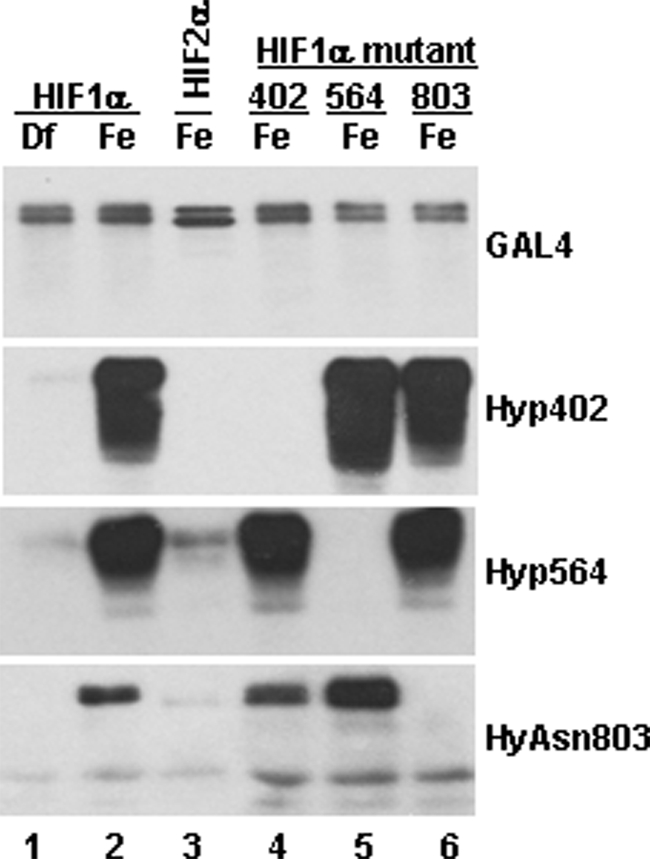
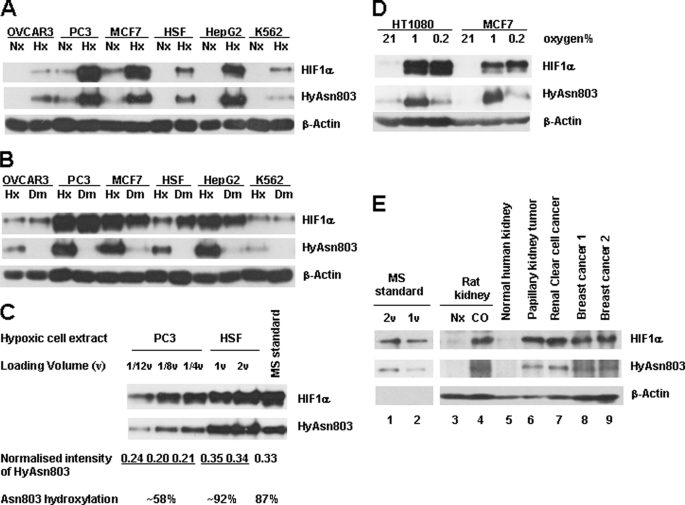
Levels of HIF asparaginyl hydroxylation in hypoxic cells and in rat and human tissues. J Biol Chem. 2011 Apr 15;286(15):13041-51. |
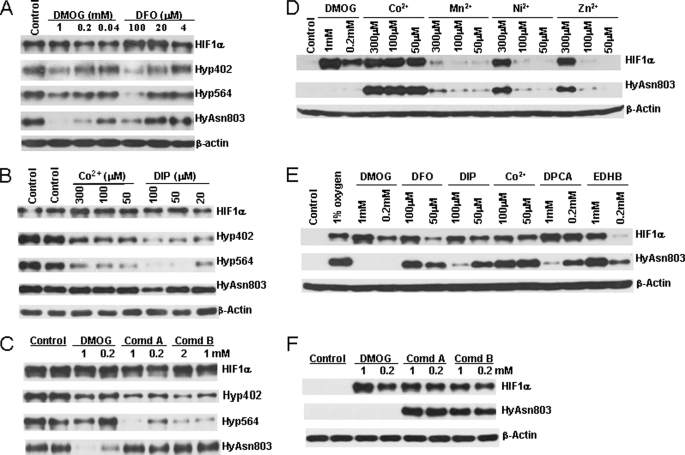
Differential inhibition of HIF prolyl and asparaginyl hydroxylation by HIF hydroxylase inhibitors. J Biol Chem. 2011 Apr 15;286(15):13041-51. |
Products are for research use only; We do not sell to patients
Copyright 2020 InvivoChem LLC | All Rights Reserved


 COA
COA