| Size | Price | Stock | Qty |
|---|---|---|---|
| 10mg |
|
||
| 25mg |
|
||
| 50mg |
|
||
| 100mg |
|
||
| Other Sizes |


| Targets |
PAK4
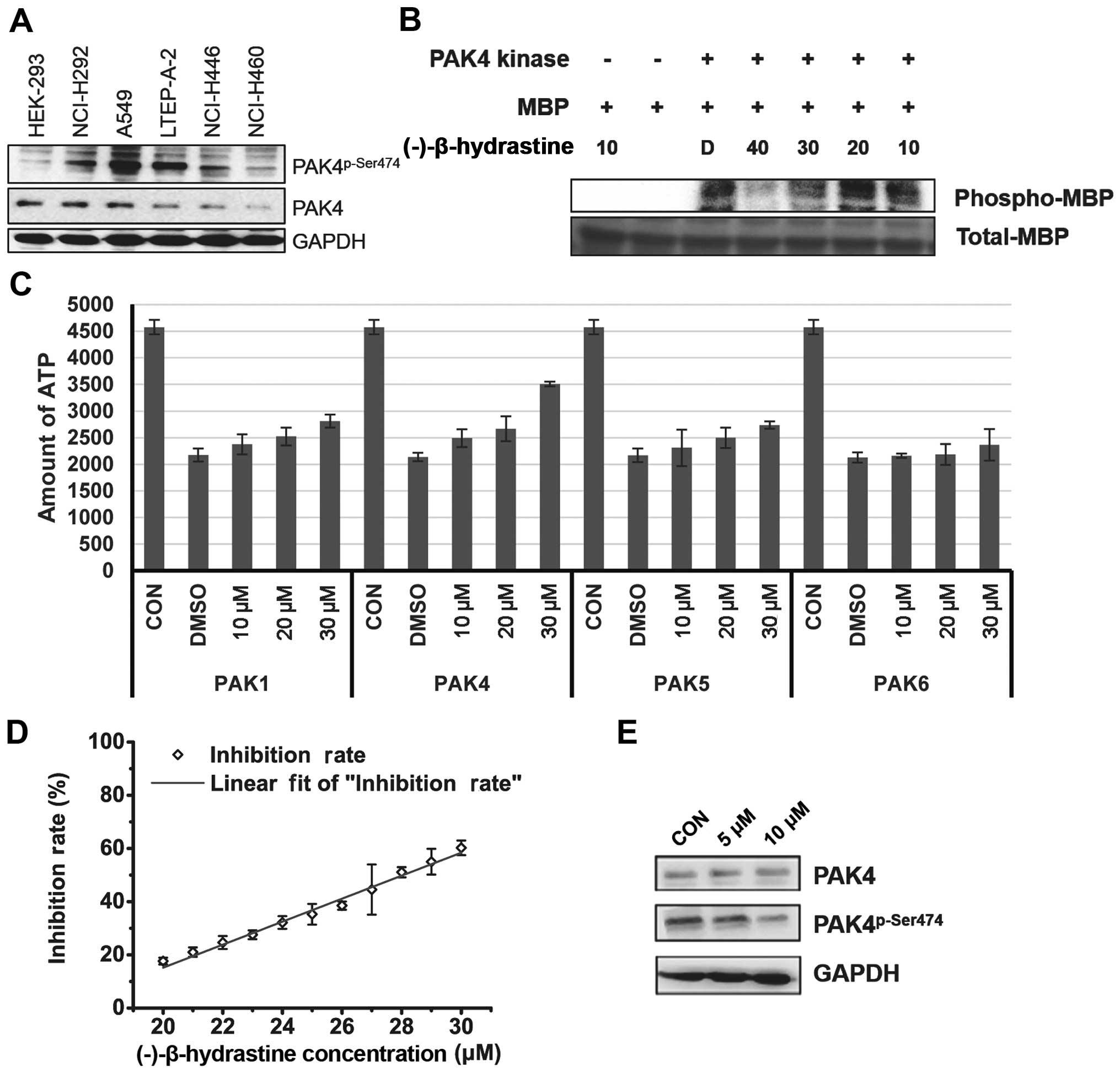
Hydrastine targets multiple targets, including tyrosine hydroxylase (TH), PAK4, and dopamine receptors. It acts as a selective competitive inhibitor of tyrosine hydroxylase, inhibiting dopamine biosynthesis with an IC50 of 20.7 µM in PC12 cells. It also inhibits PAK4 kinase activity, suppressing the proliferation and invasion of cancer cells. Additionally, it has been reported to have antibacterial activity against Gram-positive and Gram-negative bacteria. |
|---|---|
| ln Vitro |
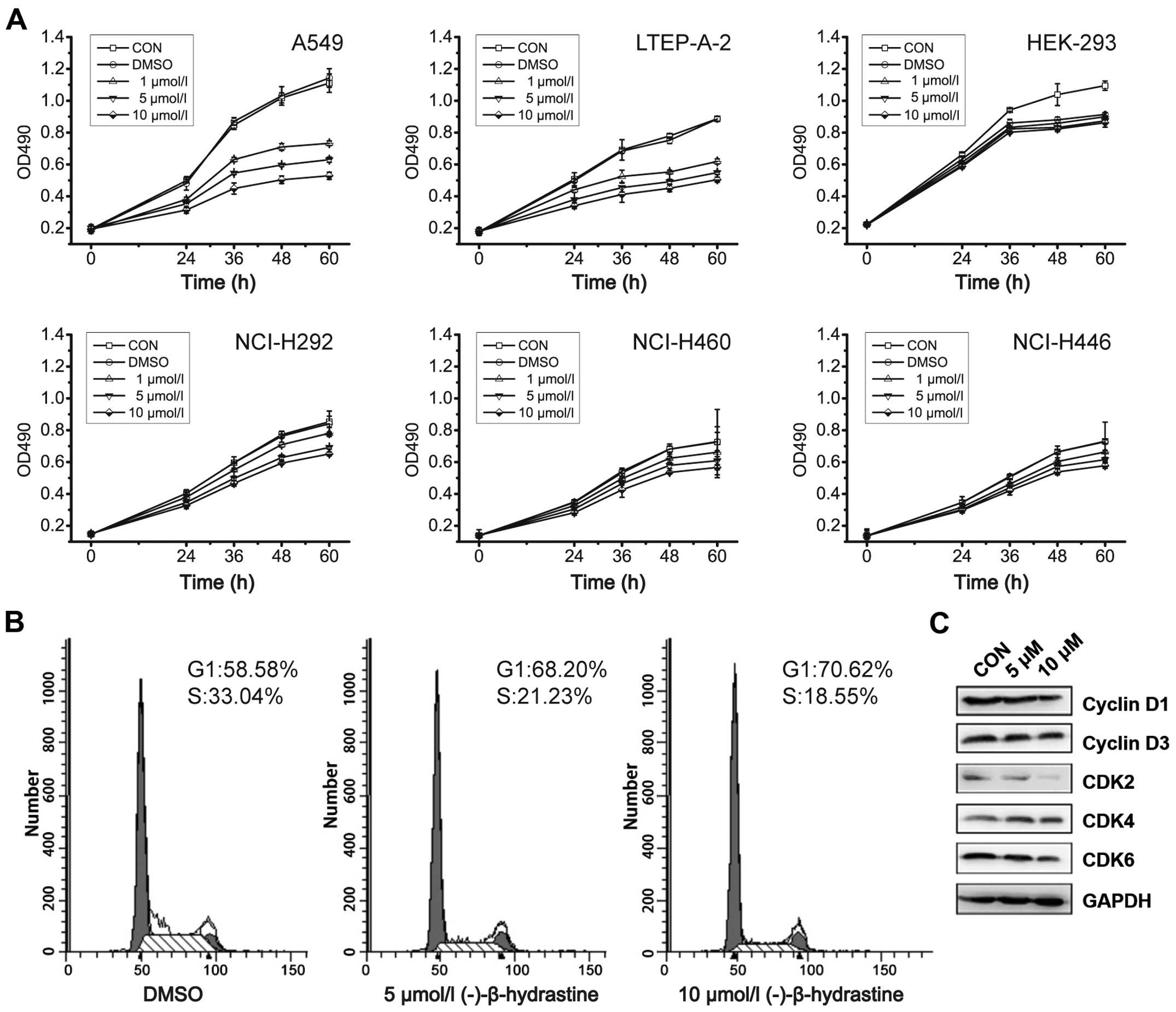
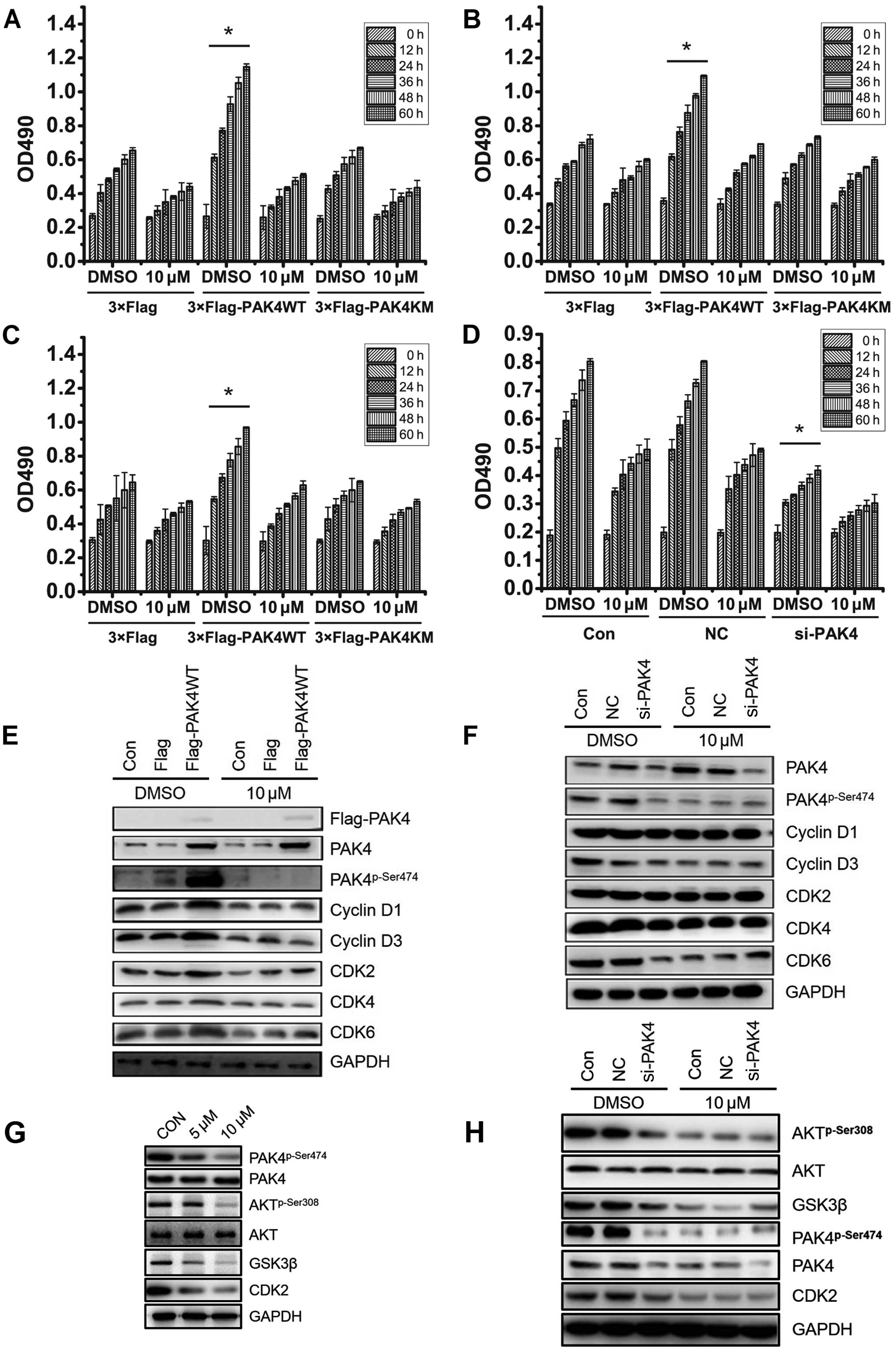
In vitro, hydrastine has been shown to inhibit dopamine biosynthesis in PC12 cells. It also inhibits the proliferation and invasion of human lung adenocarcinoma cells by suppressing PAK4 kinase activity. The compound induces cell cycle arrest at the G1 phase by inhibiting the expression of cyclin D1/D3 and CDK2/4/6. These activities make it a valuable tool for studying cancer and neurodegenerative diseases.
|
| ln Vivo |
In vivo, hydrastine is used to study Parkinson's disease-related dopaminergic neuronal damage. Although specific in vivo efficacy data are less detailed, the compound's ability to inhibit dopamine biosynthesis makes it a useful tool for investigating the role of dopamine in various physiological and pathophysiological processes.
|
| Enzyme Assay |
In vitro enzyme or receptor binding (non-cell) assays for hydrastine involve studying its inhibition of tyrosine hydroxylase. The assay uses a purified tyrosine hydroxylase enzyme and a substrate (L-tyrosine) in the presence of the cofactor tetrahydrobiopterin. The production of L-DOPA is measured spectrophotometrically or by HPLC. The compound's ability to inhibit PAK4 kinase activity can be assessed using a kinase assay with a specific peptide substrate.
|
| Cell Assay |
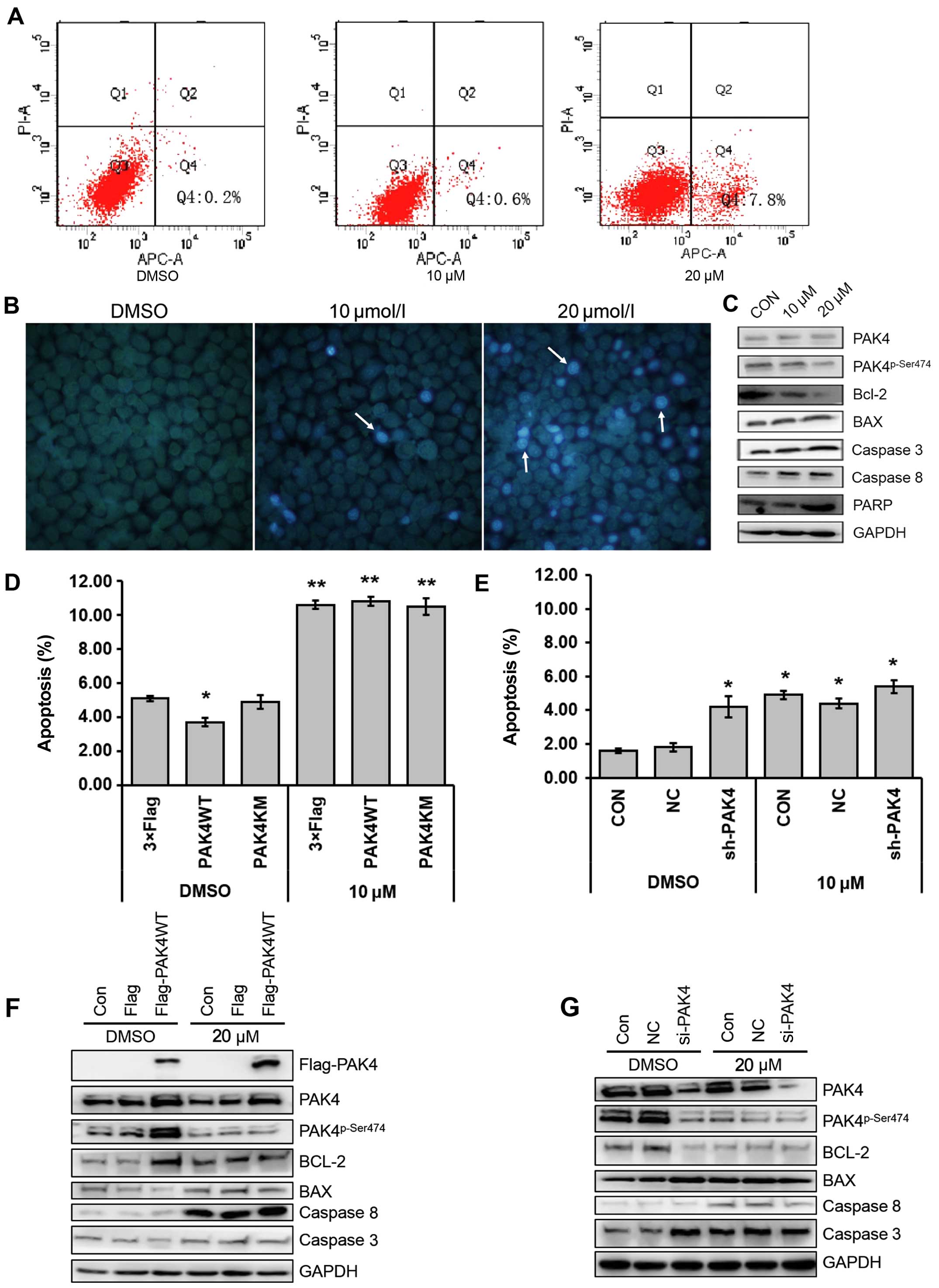
In vitro cell-based assays for hydrastine are performed using PC12 cells or cancer cell lines. Cells are treated with the compound, and dopamine levels are measured by HPLC to assess the inhibition of dopamine biosynthesis. Cell viability, proliferation, and apoptosis are assessed using standard assays. Cell cycle analysis is performed using flow cytometry. The expression of target genes and proteins is analyzed by qPCR and Western blotting.
|
| Animal Protocol |
In vivo animal experiments for hydrastine are conducted using rodent models of Parkinson's disease, such as the 6-hydroxydopamine (6-OHDA) or MPTP models. The compound is administered, and its effects on dopaminergic neuronal survival and motor function are assessed. The compound's effects on cancer are evaluated using mouse xenograft models.
|
| ADME/Pharmacokinetics |
Pharmacokinetic (PK) properties of hydrastine have not been adequately described. As an alkaloid, its absorption, distribution, metabolism, and excretion are not well characterized. It is soluble in DMSO. Its half-life and bioavailability are determined in preclinical studies via LC-MS/MS analysis of plasma samples.
|
| Toxicity/Toxicokinetics |
Toxicology (toxicology) data for hydrastine are limited. As a natural product, it is generally considered safe at moderate doses. However, its effects on dopamine biosynthesis could have significant physiological consequences, and its safety profile requires thorough evaluation.
|
| References | |
| Additional Infomation |
Ranunculinine belongs to the isoquinoline class of compounds and is a metabolite. It has been reported to exist in Hydrastis canadensis, Berberis aquifolium, and other organisms with relevant data. See also: Hydrastis canadensis (partial list).
Other information: Hydrastine is a component of goldenseal, a plant used in traditional medicine. It is a research compound used to study Parkinson's disease and cancer. The compound is available from chemical suppliers for preclinical research purposes. |
| Molecular Formula |
C21H21NO6
|
|---|---|
| Molecular Weight |
383.4
|
| Exact Mass |
383.137
|
| Elemental Analysis |
C, 65.79; H, 5.52; N, 3.65; O, 25.04
|
| CAS # |
118-08-1
|
| Related CAS # |
118-08-1
|
| PubChem CID |
197835
|
| Appearance |
White to light yellow solid powder
|
| Density |
1.339g/cm3
|
| Boiling Point |
548.8ºC at 760mmHg
|
| Melting Point |
132ºC
|
| Flash Point |
285.7ºC
|
| Vapour Pressure |
4.28E-12mmHg at 25°C
|
| Index of Refraction |
1.614
|
| Source |
Originated from plants: Ranunculaceae
|
| LogP |
2.811
|
| Hydrogen Bond Donor Count |
0
|
| Hydrogen Bond Acceptor Count |
7
|
| Rotatable Bond Count |
3
|
| Heavy Atom Count |
28
|
| Complexity |
601
|
| Defined Atom Stereocenter Count |
2
|
| SMILES |
O=C1O[C@H]([C@@H]2N(C)CCC3=C2C=C(OCO4)C4=C3)C5=C1C(OC)=C(OC)C=C5
|
| InChi Key |
JZUTXVTYJDCMDU-MOPGFXCFSA-N
|
| InChi Code |
InChI=1S/C21H21NO6/c1-22-7-6-11-8-15-16(27-10-26-15)9-13(11)18(22)19-12-4-5-14(24-2)20(25-3)17(12)21(23)28-19/h4-5,8-9,18-19H,6-7,10H2,1-3H3/t18-,19+/m1/s1
|
| Chemical Name |
(3S)-6,7-dimethoxy-3-[(5R)-6-methyl-7,8-dihydro-5H-[1,3]dioxolo[4,5-g]isoquinolin-5-yl]-3H-2-benzofuran-1-one
|
| Synonyms |
(-)-beta-Hydrastine; l-Hydrastine; beta-Hydrastine; Hydrastine
|
| HS Tariff Code |
2934.99.03.00
|
| Storage |
Powder -20°C 3 years 4°C 2 years In solvent -80°C 6 months -20°C 1 month |
| Shipping Condition |
Room temperature (This product is stable at ambient temperature for a few days during ordinary shipping and time spent in Customs)
|
| Solubility (In Vitro) |
DMSO: 77~100 mg/mL (200.8~260.8 mM)
|
|---|---|
| Solubility (In Vivo) |
Solubility in Formulation 1: ≥ 2.5 mg/mL (6.52 mM) (saturation unknown) in 10% DMSO + 40% PEG300 + 5% Tween80 + 45% Saline (add these co-solvents sequentially from left to right, and one by one), clear solution.
For example, if 1 mL of working solution is to be prepared, you can add 100 μL of 25.0 mg/mL clear DMSO stock solution to 400 μL PEG300 and mix evenly; then add 50 μL Tween-80 to the above solution and mix evenly; then add 450 μL normal saline to adjust the volume to 1 mL. Preparation of saline: Dissolve 0.9 g of sodium chloride in 100 mL ddH₂ O to obtain a clear solution. Solubility in Formulation 2: ≥ 2.5 mg/mL (6.52 mM) (saturation unknown) in 10% DMSO + 90% (20% SBE-β-CD in Saline) (add these co-solvents sequentially from left to right, and one by one), clear solution. For example, if 1 mL of working solution is to be prepared, you can add 100 μL of 25.0 mg/mL clear DMSO stock solution to 900 μL of 20% SBE-β-CD physiological saline solution and mix evenly. Preparation of 20% SBE-β-CD in Saline (4°C,1 week): Dissolve 2 g SBE-β-CD in 10 mL saline to obtain a clear solution. View More
Solubility in Formulation 3: ≥ 2.5 mg/mL (6.52 mM) (saturation unknown) in 10% DMSO + 90% Corn Oil (add these co-solvents sequentially from left to right, and one by one), clear solution. |
| Preparing Stock Solutions | 1 mg | 5 mg | 10 mg | |
| 1 mM | 2.6082 mL | 13.0412 mL | 26.0824 mL | |
| 5 mM | 0.5216 mL | 2.6082 mL | 5.2165 mL | |
| 10 mM | 0.2608 mL | 1.3041 mL | 2.6082 mL |
*Note: Please select an appropriate solvent for the preparation of stock solution based on your experiment needs. For most products, DMSO can be used for preparing stock solutions (e.g. 5 mM, 10 mM, or 20 mM concentration); some products with high aqueous solubility may be dissolved in water directly. Solubility information is available at the above Solubility Data section. Once the stock solution is prepared, aliquot it to routine usage volumes and store at -20°C or -80°C. Avoid repeated freeze and thaw cycles.
Calculation results
Working concentration: mg/mL;
Method for preparing DMSO stock solution: mg drug pre-dissolved in μL DMSO (stock solution concentration mg/mL). Please contact us first if the concentration exceeds the DMSO solubility of the batch of drug.
Method for preparing in vivo formulation::Take μL DMSO stock solution, next add μL PEG300, mix and clarify, next addμL Tween 80, mix and clarify, next add μL ddH2O,mix and clarify.
(1) Please be sure that the solution is clear before the addition of next solvent. Dissolution methods like vortex, ultrasound or warming and heat may be used to aid dissolving.
(2) Be sure to add the solvent(s) in order.
|
|
|
|
Products are for research use only; We do not sell to patients
Copyright 2020 InvivoChem LLC | All Rights Reserved