

| Size | Price | Stock | Qty |
|---|---|---|---|
| 250mg |
|
||
| 500mg |
|
||
| 1g |
|
||
| 5g | |||
| Other Sizes |


Purity: ≥98%
| Targets |
MMP-9, VEGF, Bcl-2, Bax, caspase-3, caspase-9, cyclin D1, CDK4[1]
- NF-κB, TNF-α, IL-1β, IL-6, iNOS, COX-2 [2] - MMP-13, ADAMTS-5, collagen II, aggrecan, TNF-α, IL-1β [3] |
|---|---|
| ln Vitro |
Hesperidin and linarin are two of the primary components of Valeriana extract that have a strong affinity for the KATP channel and are associated with the regulation of Ca++ concentration and GABA release in synaptic nerve terminals, particularly on cells of the SN.
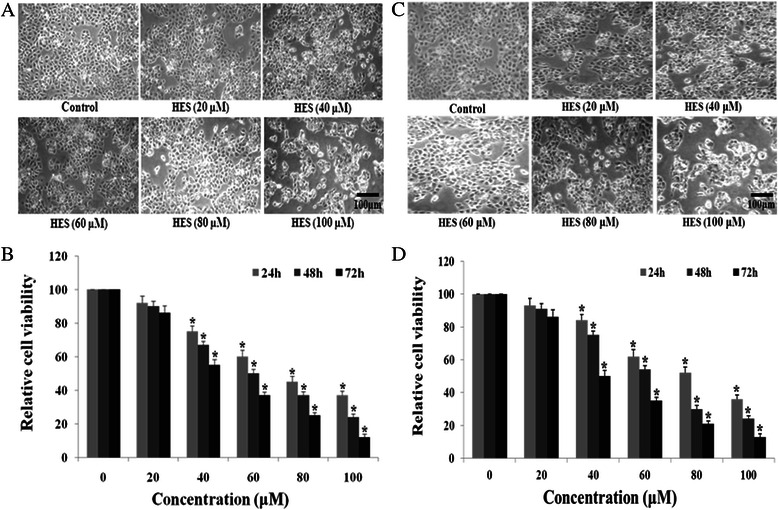
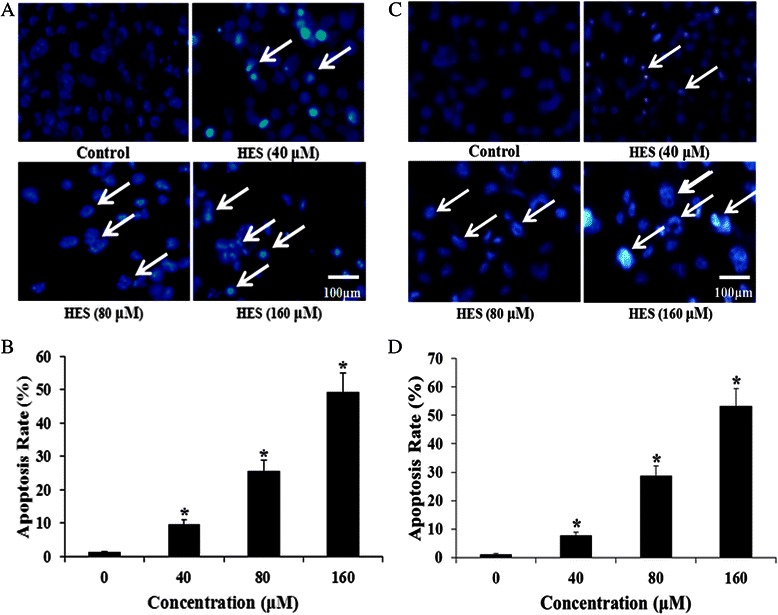
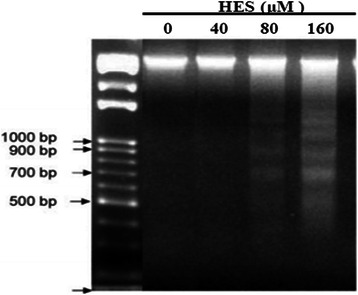
Treatment of human osteosarcoma MG-63 cells with Hesperidin inhibited cell proliferation in a dose-dependent manner. It suppressed cell migration and invasion, induced G0/G1 cell cycle arrest, and triggered mitochondrial-mediated apoptosis by regulating the expression of Bcl-2, Bax, caspase-3, and caspase-9. Additionally, it downregulated the expression of MMP-9 and VEGF, and reduced the levels of cyclin D1 and CDK4 [1] - Hesperidin exhibited potential anti-inflammatory effects by inhibiting the production of pro-inflammatory cytokines including TNF-α, IL-1β, and IL-6. It also suppressed the activation of NF-κB signaling pathway and reduced the expression of iNOS and COX-2 in inflammatory cell models [2] - In H₂O₂-treated chondrocytes, Hesperidin improved cell viability, reduced oxidative stress, and inhibited chondrocyte apoptosis. It downregulated the expression of MMP-13 and ADAMTS-5, and upregulated the levels of collagen II and aggrecan. Moreover, it suppressed the production of TNF-α and IL-1β in chondrocytes [3] |
| ln Vivo |
Hesperidin was given orally at a dose of 50 mg/kg for 10 straight days while being dissolved in 1% carboxymethyl cellulose (CMC). Rats in the control group received treatment using a vehicle containing 1% CMC and corn oil.
In xenograft mice models bearing human osteosarcoma MG-63 cells, intraperitoneal administration of Hesperidin significantly inhibited tumor growth without obvious systemic toxicity. It reduced tumor volume and weight, and regulated the expression of apoptotic-related proteins (Bcl-2, Bax, caspase-3) and cell cycle-related proteins (cyclin D1, CDK4) in tumor tissues [1] - In a rat osteoarthritis model induced by monosodium iodoacetate (MIA), Hesperidin administration alleviated cartilage damage and synovial inflammation. It improved the histological structure of cartilage, reduced the Mankin score, and regulated the expression of MMP-13, ADAMTS-5, collagen II, and aggrecan in cartilage tissues. Additionally, it decreased the levels of TNF-α and IL-1β in synovial fluid [3] |
| Cell Assay |
Cell proliferation assay: MG-63 cells were seeded in 96-well plates and treated with different concentrations of Hesperidin for 24, 48, and 72 hours. Cell viability was detected using a cell counting kit, and the inhibitory effect on proliferation was calculated [1]
- Migration and invasion assays: Transwell chambers were used. For migration assay, MG-63 cells were seeded in the upper chamber with Hesperidin treatment, and the number of migrated cells was counted after 24 hours. For invasion assay, the upper chamber was pre-coated with Matrigel, and the number of invasive cells was counted similarly [1] - Cell cycle and apoptosis assays: MG-63 cells were treated with Hesperidin for 48 hours. Cell cycle distribution was analyzed by flow cytometry after propidium iodide staining. Apoptosis was detected by Annexin V-FITC/PI double staining and flow cytometry [1] - Chondrocyte viability assay: H₂O₂-treated chondrocytes were incubated with Hesperidin for 24 hours. Cell viability was measured using a colorimetric assay, and the protective effect of Hesperidin was evaluated [3] - Western blot and PCR assays: Cells were lysed after Hesperidin treatment, and total protein or RNA was extracted. Western blot was used to detect the expression of target proteins (e.g., Bcl-2, Bax, MMPs), and PCR was performed to measure the mRNA levels of related genes (e.g., TNF-α, IL-1β) [1][2][3] |
| Animal Protocol |
Dissolved in 1% carboxymethyl cellulose (CMC) and administered orally at a dose of 50 mg/kg
Rats Xenograft tumor model: Nude mice were subcutaneously injected with MG-63 cells to establish tumor models. When tumors reached a certain volume, mice were randomly divided into control and Hesperidin treatment groups. Hesperidin was dissolved in physiological saline and administered intraperitoneally at a dose of 50 mg/kg and 100 mg/kg once daily for 21 days. Tumor volume and body weight were measured every 3 days, and mice were sacrificed at the end of treatment to collect tumor tissues for further analysis [1] - Osteoarthritis model: Rats were intra-articularly injected with MIA to induce osteoarthritis. One week after modeling, rats were treated with Hesperidin by gavage at a dose of 50 mg/kg and 100 mg/kg once daily for 4 weeks. Rats were sacrificed after treatment, and knee joint tissues were collected for histological examination and molecular biological analysis [3] |
| Toxicity/Toxicokinetics |
In xenograft mouse models, administration of hesperidin at doses up to 100 mg/kg did not cause significant changes in body weight, organ index, or hematological parameters, indicating low systemic toxicity [1].
|
| References |
|
| Additional Infomation |
Hesperidin is a disaccharide derivative formed by the substitution of hesperidin at the 7-position via a glycosidic bond with a 6-O-(α-L-rhamnosyl)-β-D-glucopyranoside. It acts as a mutagen. Hesperidin is a disaccharide derivative belonging to the classes of 3'-hydroxyflavanones, dihydroxyflavanones, monomethoxyflavanones, flavanone glycosides, 4'-methoxyflavanones, and rutin glycosides. Functionally, it is related to hesperidin. Hesperidin is a flavanone glycoside found in citrus fruits. It has been reported in hops (Humulus lupulus) and banyan trees (Ficus erecta var.), as well as other organisms with relevant data. A flavanone glycoside found in the peel of citrus fruits. See also: Orange peel (partial). Hesperidin is a flavonoid compound primarily found in citrus fruits. Its antitumor effect in osteosarcoma is closely related to the regulation of cell cycle, apoptosis and angiogenesis-related pathways [1]
- The anti-inflammatory activity of hesperidin may be attributed to its inhibition of the NF-κB signaling pathway and reduction of pro-inflammatory cytokine production [2] - Hesperidin has a protective effect on chondrocytes and cartilage tissue in osteoarthritis, which may provide a potential treatment strategy for osteoarthritis [3] |
| Molecular Formula |
C28H34O15
|
|
|---|---|---|
| Molecular Weight |
610.56
|
|
| Exact Mass |
610.189
|
|
| Elemental Analysis |
C, 55.08; H, 5.61; O, 39.31
|
|
| CAS # |
520-26-3
|
|
| Related CAS # |
|
|
| PubChem CID |
10621
|
|
| Appearance |
Light yellow to khaki solid powder
|
|
| Density |
1.7±0.1 g/cm3
|
|
| Boiling Point |
930.1±65.0 °C at 760 mmHg
|
|
| Melting Point |
250-255 °C (dec.)(lit.)
|
|
| Flash Point |
305.5±27.8 °C
|
|
| Vapour Pressure |
0.0±0.3 mmHg at 25°C
|
|
| Index of Refraction |
1.695
|
|
| Source |
Originated from plants: Rutaceae Citrus
Endogenously produced metabolite |
|
| LogP |
1.78
|
|
| Hydrogen Bond Donor Count |
8
|
|
| Hydrogen Bond Acceptor Count |
15
|
|
| Rotatable Bond Count |
7
|
|
| Heavy Atom Count |
43
|
|
| Complexity |
940
|
|
| Defined Atom Stereocenter Count |
11
|
|
| SMILES |
OC1=C(OC)C=CC([C@@H]2CC(C3=C(C=C(O[C@@H]4O[C@H](CO[C@@H]5O[C@@H](C)[C@H](O)[C@@H](O)[C@H]5O)[C@@H](O)[C@H](O)[C@H]4O)C=C3O)O2)=O)=C1
|
|
| InChi Key |
QUQPHWDTPGMPEX-QJBIFVCTSA-N
|
|
| InChi Code |
InChI=1S/C28H34O15/c1-10-21(32)23(34)25(36)27(40-10)39-9-19-22(33)24(35)26(37)28(43-19)41-12-6-14(30)20-15(31)8-17(42-18(20)7-12)11-3-4-16(38-2)13(29)5-11/h3-7,10,17,19,21-30,32-37H,8-9H2,1-2H3/t10-,17-,19+,21-,22+,23+,24-,25+,26+,27+,28+/m0/s1
|
|
| Chemical Name |
(2S)-5-hydroxy-2-(3-hydroxy-4-methoxyphenyl)-7-[(2S,3R,4S,5S,6R)-3,4,5-trihydroxy-6-[[(2R,3R,4R,5R,6S)-3,4,5-trihydroxy-6-methyloxan-2-yl]oxymethyl]oxan-2-yl]oxy-2,3-dihydrochromen-4-one
|
|
| Synonyms |
|
|
| HS Tariff Code |
2934.99.9001
|
|
| Storage |
Powder -20°C 3 years 4°C 2 years In solvent -80°C 6 months -20°C 1 month |
|
| Shipping Condition |
Room temperature (This product is stable at ambient temperature for a few days during ordinary shipping and time spent in Customs)
|
| Solubility (In Vitro) |
DMSO: ~122 mg/mL (~199.8 mM)
Water: 1 mg/mL (Insoluble) Ethanol: 1 mg/mL |
|---|---|
| Solubility (In Vivo) |
Solubility in Formulation 1: ≥ 2.5 mg/mL (4.09 mM) (saturation unknown) in 10% DMSO + 40% PEG300 + 5% Tween80 + 45% Saline (add these co-solvents sequentially from left to right, and one by one), clear solution.
For example, if 1 mL of working solution is to be prepared, you can add 100 μL of 25.0 mg/mL clear DMSO stock solution to 400 μL PEG300 and mix evenly; then add 50 μL Tween-80 to the above solution and mix evenly; then add 450 μL normal saline to adjust the volume to 1 mL. Preparation of saline: Dissolve 0.9 g of sodium chloride in 100 mL ddH₂ O to obtain a clear solution. Solubility in Formulation 2: ≥ 2.5 mg/mL (4.09 mM) (saturation unknown) in 10% DMSO + 90% (20% SBE-β-CD in Saline) (add these co-solvents sequentially from left to right, and one by one), clear solution. For example, if 1 mL of working solution is to be prepared, you can add 100 μL of 25.0 mg/mL clear DMSO stock solution to 900 μL of 20% SBE-β-CD physiological saline solution and mix evenly. Preparation of 20% SBE-β-CD in Saline (4°C,1 week): Dissolve 2 g SBE-β-CD in 10 mL saline to obtain a clear solution. (Please use freshly prepared in vivo formulations for optimal results.) |
| Preparing Stock Solutions | 1 mg | 5 mg | 10 mg | |
| 1 mM | 1.6378 mL | 8.1892 mL | 16.3784 mL | |
| 5 mM | 0.3276 mL | 1.6378 mL | 3.2757 mL | |
| 10 mM | 0.1638 mL | 0.8189 mL | 1.6378 mL |
*Note: Please select an appropriate solvent for the preparation of stock solution based on your experiment needs. For most products, DMSO can be used for preparing stock solutions (e.g. 5 mM, 10 mM, or 20 mM concentration); some products with high aqueous solubility may be dissolved in water directly. Solubility information is available at the above Solubility Data section. Once the stock solution is prepared, aliquot it to routine usage volumes and store at -20°C or -80°C. Avoid repeated freeze and thaw cycles.
Calculation results
Working concentration: mg/mL;
Method for preparing DMSO stock solution: mg drug pre-dissolved in μL DMSO (stock solution concentration mg/mL). Please contact us first if the concentration exceeds the DMSO solubility of the batch of drug.
Method for preparing in vivo formulation::Take μL DMSO stock solution, next add μL PEG300, mix and clarify, next addμL Tween 80, mix and clarify, next add μL ddH2O,mix and clarify.
(1) Please be sure that the solution is clear before the addition of next solvent. Dissolution methods like vortex, ultrasound or warming and heat may be used to aid dissolving.
(2) Be sure to add the solvent(s) in order.
| NCT Number | Recruitment | interventions | Conditions | Sponsor/Collaborators | Start Date | Phases |
| NCT04731987 | Active Recruiting |
Behavioral: Beverage consumption | Metabolic Syndrome Vascular Compliance |
University Hospital, Clermont- Ferrand |
February 24, 2021 | |
| NCT04715932 | Completed | Drug: Placebo Drug: Hesperidin |
Covid19 Anosmia Fever |
Montreal Heart Institute | February 18, 2021 | Phase 2 |
| NCT03471910 | Completed | Drug: Diosmin Drug: Diosmin / Hesperidin |
Venous Insufficiency | Fundação Educacional Serra dos Órgãos |
June 20, 2017 | Phase 4 |
| NCT00545116 | Completed | Other: Hesperidin | Osteopenia Osteoporosis |
Société des Produits Nestlé (SPN) |
October 2007 | Phase 2 |
| NCT00330096 | Completed | Drug: Hesperidin Other: Placebo |
Osteoporosis, Osteopenia | Société des Produits Nestlé (SPN) |
March 2006 | Phase 3 |
 |
|---|
 |
 |
Products are for research use only; We do not sell to patients
Copyright 2020 InvivoChem LLC | All Rights Reserved


 COA
COA