| Size | Price | Stock | Qty |
|---|---|---|---|
| 25mg |
|
||
| 50mg |
|
||
| 100mg |
|
||
| 250mg |
|
||
| 500mg | |||
| Other Sizes |


Purity: ≥98%
| Targets |
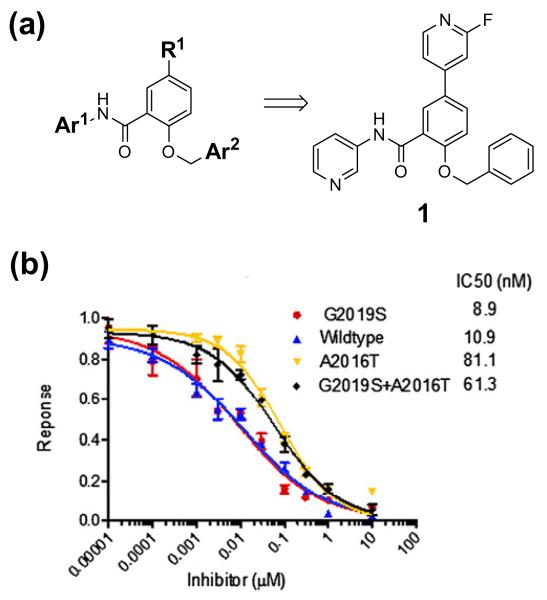
Leucine-Rich Repeat Kinase 2 (LRRK2): GSK2578215A is a potent, selective LRRK2 inhibitor. For recombinant human LRRK2 G2019S mutation (Parkinson’s disease-associated), it has an IC50 of 1.6 ± 0.2 nM and a Ki of 0.9 ± 0.1 nM (kinase activity assay); for wild-type LRRK2, IC50 = 2.4 ± 0.3 nM [1]
- LRRK2 Selectivity: It shows minimal inhibition of 290+ human kinases (screened at 1 μM), with inhibition rates <15% for LRRK1 (IC50 = 890 ± 60 nM) and off-target kinases (e.g., JAK1, PI3Kδ), confirming high LRRK2 specificity [1] |
|---|---|
| ln Vitro |
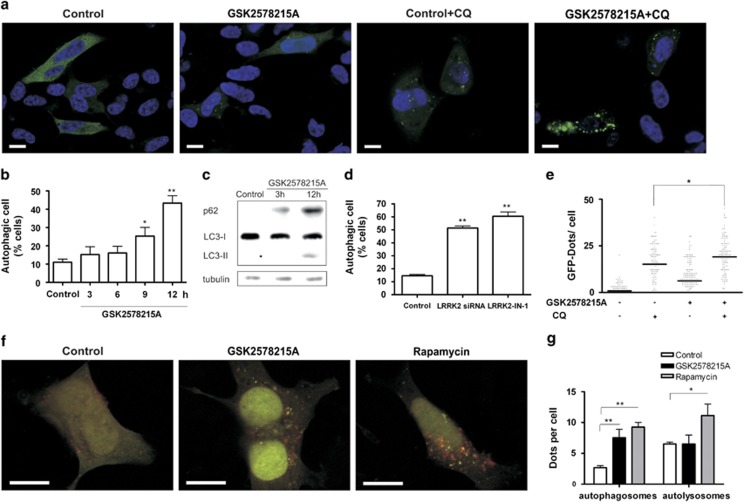
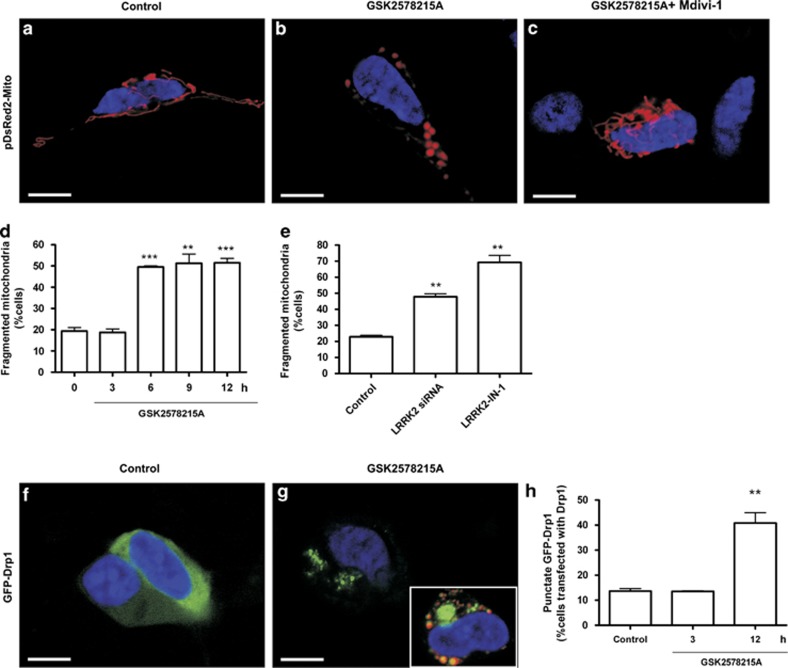
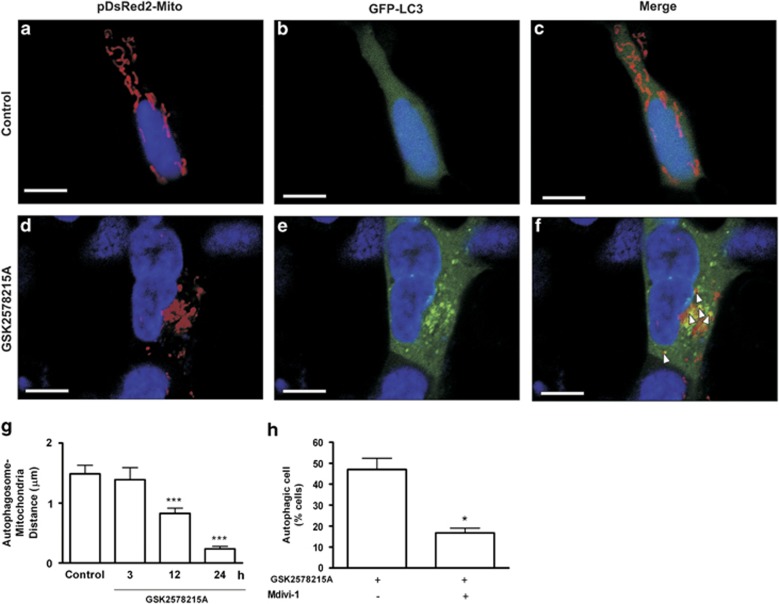
GSK2578215A (0-1 μM, 90 minutes) inhibits the phosphorylation of Ser910 and Ser935 in mouse Swiss 3T3 cells [1] and HEK293 cells that have been stably transfected with wild-type LRRK2 and LRRK2[G2019S]. In SH-SY5Y cells, GSK2578215A (1 nM, 12 hours) induces autophagy (increased levels of LC3 and p62 protein) [2]. In SH-SY5Y cells, GSK2578215A (1 nM, 12 hours) causes Drp1-mediated mitochondrial fission as well as mitophagy (12 and 24 hours) [2]. In SH-SY5Y cells, GSK2578215A (1 nM, 24 hours) causes oxidative stress, which is reflected in the accumulation of 4-HNE, and causes apoptosis [2]. In OVCAR8 cells, GSK2578215A (1 μM, 24 hours) inhibits homologous recombination [3].
LRRK2 Kinase Activity & Selectivity (Literature 1): Recombinant human LRRK2 (G2019S/wild-type) was incubated with GSK2578215A (0.1 nM–50 nM). For G2019S LRRK2: 0.8 nM inhibited ~50% activity, 2 nM inhibited ~85%, 10 nM inhibited >95%; for wild-type LRRK2: 1.2 nM inhibited ~45%, 5 nM inhibited ~80%, 20 nM inhibited >95%. It had no significant inhibition (<10%) of 98% tested kinases (e.g., MAPK, AKT) at 1 μM [1] - Protective Autophagy Induction in SH-SY5Y Cells (Literature 2): Human neuroblastoma SH-SY5Y cells (endogenously express LRRK2) were treated with GSK2578215A (0.5–10 μM) for 24 hours. Western blot showed dose-dependent increase in autophagy markers: LC3-II/LC3-I ratio (2.8-fold at 5 μM), Beclin-1 (2.1-fold at 5 μM), and decrease in p62 (0.4-fold at 5 μM). Mitochondrial fission marker Drp-1 (Ser616 phosphorylation) increased 3.5-fold at 5 μM; DCFH-DA assay showed mitochondrial ROS (mtROS) production increased 2.7-fold at 5 μM. Autophagy inhibition (3-MA pretreatment) reversed GSK2578215A-mediated cell protection against 6-OHDA toxicity (viability reduced from 75% to 40%) [2] - Synergy with PARP Inhibitor in Cancer Cells (Literature 3): Human ovarian cancer SKOV3 cells (BRCA-proficient) were treated with GSK2578215A (0.1–2 μM) + olaparib (PARP inhibitor, 1 μM) for 72 hours. MTT assay showed: GSK2578215A alone (2 μM) inhibited proliferation by 25%; olaparib alone inhibited by 30%; combination inhibited by 75% (synergistic index = 0.6). Clone formation assay: Combination reduced colony number by 80% vs. olaparib alone. Western blot showed decreased homologous recombination (HR) repair proteins: BRCA1 (0.3-fold), RAD51 (0.25-fold) at 2 μM GSK2578215A; γ-H2AX (DNA damage marker) increased 4.0-fold in combination [3] |
| ln Vivo |
In mice with OVCAR8 xenografts, GSK2578215A (5 mg/kg, i.p.) and olaparib (50 mg/kg, i.p., TIW for 3 weeks) can both efficiently reduce tumor growth [3]. With a brain exposure (brain/plasma exposure ratio) of 1.4 (IV) and 2.4 (PO) and a low oral bioavailability (IV, 12.2%), half-life of 1.14 hours (IV), and plasma exposure (PO, 635.3 h·ng/mL, AUClast), GSK2578215A (IV, 1 mg/kg or PO, 10 mg/kg) exhibits these characteristics [1].
|
| Enzyme Assay |
Recombinant LRRK2 Kinase Activity Assay (Literature 1): The assay was performed in 384-well plates with a 20 μL reaction volume. The mixture contained 50 mM Tris-HCl (pH 7.5), 10 mM MgCl₂, 2 mM DTT, 5 μM ATP (including 0.05 μCi [γ-³³P]ATP), 1 μg recombinant human LRRK2 (G2019S/wild-type), 2 μg GST-IκBα (LRRK2 substrate), and serial dilutions of GSK2578215A (0.1 nM–50 nM). Incubated at 30°C for 60 minutes, then stopped with 5 μL 250 mM EDTA. Phosphorylated GST-IκBα was captured on P81 phosphocellulose filters, washed with 0.75% phosphoric acid, and radioactivity was measured via scintillation counting. Inhibition rates were calculated relative to vehicle, and IC50 was determined via nonlinear regression. Ki was calculated using the Cheng-Prusoff equation [1]
|
| Cell Assay |
LRRK2 Phosphorylation Assay in HEK293 Cells (Literature 1): HEK293 cells stably transfected with G2019S LRRK2 were seeded in 6-well plates (2×10⁵ cells/well) and cultured in DMEM+10% FBS overnight. GSK2578215A (0.2–10 nM) was added, and cells were incubated at 37°C/5% CO₂ for 24 hours. Cells were lysed in RIPA buffer (with protease/phosphatase inhibitors), 30 μg protein was separated by 8% SDS-PAGE, transferred to PVDF membranes, and probed with anti-pSer935 LRRK2 (1:1000), anti-total LRRK2 (1:1000), and anti-β-actin (1:5000) antibodies. ECL reagent visualized bands; ImageJ quantified pSer935/total LRRK2 ratio to confirm LRRK2 inhibition [1]
- Autophagy & Mitochondrial Assays in SH-SY5Y Cells (Literature 2): 1. Autophagy Detection: SH-SY5Y cells (3×10⁵ cells/well, 6-well plate) were treated with GSK2578215A (0.5–10 μM) for 24 hours. Cells were lysed, and Western blot detected LC3-I/II, Beclin-1, p62 (autophagy markers). For fluorescence imaging, cells were transfected with GFP-LC3 plasmid 24 hours before drug treatment, then visualized via confocal microscopy (autophagosome count: 5.2-fold increase at 5 μM) [2] 2. Mitochondrial Fission Detection: Cells were treated with GSK2578215A (2–5 μM) for 16 hours, fixed with 4% paraformaldehyde, stained with anti-Drp-1 antibody (1:500) and MitoTracker Red. Confocal microscopy showed Drp-1 mitochondrial translocation (3.0-fold increase at 5 μM); Western blot detected p-Drp-1 (Ser616) upregulation [2] 3. mtROS Detection: Cells were loaded with MitoSOX Red (5 μM) for 30 minutes after GSK2578215A (2–5 μM) treatment, and fluorescence intensity (510 nm excitation, 580 nm emission) was measured via flow cytometry [2] - PARP Inhibitor Synergy Assays in SKOV3 Cells (Literature 3): 1. Proliferation Assay: SKOV3 cells (5×10³ cells/well, 96-well plate) were treated with GSK2578215A (0.1–2 μM) ± olaparib (1 μM) for 72 hours. MTT (5 mg/mL) was added for 4 hours, DMSO dissolved formazan, and absorbance was measured at 570 nm [3] 2. Clone Formation Assay: Cells (200 cells/well, 6-well plate) were treated with drugs for 14 days, stained with crystal violet, and colonies (>50 cells) were counted [3] 3. DNA Repair Protein Detection: Cells were treated with drugs for 48 hours, lysed, and Western blot detected BRCA1, RAD51 (HR markers), and γ-H2AX (DNA damage marker) [3] |
| Animal Protocol |
Animal/Disease Models: mice bearing OVCAR8 xenografts[3]
Doses: 5 mg/kg, with Olaparib (50 mg/kg) Route of Administration: ip, for 3 weeks Experimental Results: Inhibited the tumor growth and increased DNA damage in tumors more potently than Olaparib or GSK2578215A alone. |
| Toxicity/Toxicokinetics |
In vitro cytotoxicity to normal cells (Reference 2): Normal human astrocytes (NHA) were treated with GSK2578215A (0.5–10 μM) for 72 hours. MTT assays showed that cell viability was >85% at all concentrations, indicating no significant neurotoxicity [2]
- Kinase selectivity (reduced indirect toxicity, reference 1): GSK2578215A (1 μM) inhibited <15% of the activity of more than 290 human kinases (e.g., JAK1, PI3Kδ, MAPK1), thereby reducing the risk of off-target toxicity associated with non-selective kinase inhibitors [1] - Combined toxicity in cancer cells (reference 3): Treatment of SKOV3 cells with GSK2578215A (2 μM) + olaparib (1 μM) did not show increased toxicity to normal human ovarian epithelial cells (HOSEpiC): the cell viability in the combined treatment group was 88%, while that in the control group was 92%, indicating a cancer cell-specific synergistic effect [3] |
| References |
|
| Additional Infomation |
Mechanism of action:
1. LRRK2 inhibition (Reference 1): GSK2578215A competitively binds to the ATP-binding pocket of LRRK2, blocking its kinase activity and reducing downstream pSer935 LRRK2 phosphorylation[1] 2. Protective autophagy (Reference 2): In SH-SY5Y cells, GSK2578215A activates Drp-1-mediated mitochondrial division, increasing the production of mtROS. Increased mitochondrial reactive oxygen species (mtROS) can trigger autophagy (LC3-II upregulation, p62 downregulation), thereby protecting neurons from oxidative stress (e.g., 6-OHDA toxicity)[2] 3. DNA repair inhibition (Reference 3): GSK2578215A inhibits LRRK2-mediated HR repair (reducing BRCA1/RAD51 expression), thereby impairing DNA double-strand break (DSB) repair. This enhances the synthetic lethality induced by PARP inhibitors in BRCA-functional cancer cells[3] - Therapeutic potential: 1. Parkinson's disease (Reference 2): Its ability to induce neuronal protective autophagy suggests its potential for treating LRRK2-related neurodegenerative diseases (e.g., Parkinson's disease)[2] 2. Cancer (Reference 3): As an HR repair inhibitor, it enhances the efficacy of PARP inhibitors in BRCA-functional cancers (e.g., ovarian cancer) and overcomes PARP inhibitor resistance[3] - Structural characteristics (Reference 1): GSK2578215A belongs to the 2-arylmethoxy-5-substituted-N-arylbenzamide class of compounds, and its skeleton is optimized for LRRK2 selectivity and potency[1] |
| Molecular Formula |
C24H18FN3O2
|
|
|---|---|---|
| Molecular Weight |
399.42
|
|
| Exact Mass |
399.138
|
|
| CAS # |
1285515-21-0
|
|
| Related CAS # |
|
|
| PubChem CID |
68107965
|
|
| Appearance |
Light yellow to yellow solid powder
|
|
| Density |
1.3±0.1 g/cm3
|
|
| Boiling Point |
556.1±50.0 °C at 760 mmHg
|
|
| Flash Point |
290.1±30.1 °C
|
|
| Vapour Pressure |
0.0±1.5 mmHg at 25°C
|
|
| Index of Refraction |
1.651
|
|
| LogP |
3.4
|
|
| Hydrogen Bond Donor Count |
1
|
|
| Hydrogen Bond Acceptor Count |
5
|
|
| Rotatable Bond Count |
6
|
|
| Heavy Atom Count |
30
|
|
| Complexity |
543
|
|
| Defined Atom Stereocenter Count |
0
|
|
| SMILES |
FC1=NC=CC(C2=CC(C(NC3=CC=CN=C3)=O)=C(OCC4=CC=CC=C4)C=C2)=C1
|
|
| InChi Key |
WCIGMFCFPXZRMQ-UHFFFAOYSA-N
|
|
| InChi Code |
InChI=1S/C24H18FN3O2/c25-23-14-19(10-12-27-23)18-8-9-22(30-16-17-5-2-1-3-6-17)21(13-18)24(29)28-20-7-4-11-26-15-20/h1-15H,16H2,(H,28,29)
|
|
| Chemical Name |
5-(2-fluoropyridin-4-yl)-2-phenylmethoxy-N-pyridin-3-ylbenzamide
|
|
| Synonyms |
GSK-2578215A; GSK 2578215A; GSK2578215A; 2-(benzyloxy)-5-(2-fluoropyridin-4-yl)-N-(pyridin-3-yl)benzamide
|
|
| HS Tariff Code |
2934.99.9001
|
|
| Storage |
Powder -20°C 3 years 4°C 2 years In solvent -80°C 6 months -20°C 1 month |
|
| Shipping Condition |
Room temperature (This product is stable at ambient temperature for a few days during ordinary shipping and time spent in Customs)
|
| Solubility (In Vitro) |
DMSO: 79 mg/mL (197.8 mM)
Water: 1 mg/mL (Insoluble) Ethanol: 1 mg/mL |
|---|---|
| Solubility (In Vivo) |
Solubility in Formulation 1: ≥ 2.5 mg/mL (6.26 mM) (saturation unknown) in 10% DMSO + 90% Corn Oil (add these co-solvents sequentially from left to right, and one by one), clear solution.
For example, if 1 mL of working solution is to be prepared, you can add 100 μL of 25.0 mg/mL clear DMSO stock solution to 900 μL of corn oil and mix evenly. (Please use freshly prepared in vivo formulations for optimal results.) |
| Preparing Stock Solutions | 1 mg | 5 mg | 10 mg | |
| 1 mM | 2.5036 mL | 12.5182 mL | 25.0363 mL | |
| 5 mM | 0.5007 mL | 2.5036 mL | 5.0073 mL | |
| 10 mM | 0.2504 mL | 1.2518 mL | 2.5036 mL |
*Note: Please select an appropriate solvent for the preparation of stock solution based on your experiment needs. For most products, DMSO can be used for preparing stock solutions (e.g. 5 mM, 10 mM, or 20 mM concentration); some products with high aqueous solubility may be dissolved in water directly. Solubility information is available at the above Solubility Data section. Once the stock solution is prepared, aliquot it to routine usage volumes and store at -20°C or -80°C. Avoid repeated freeze and thaw cycles.
Calculation results
Working concentration: mg/mL;
Method for preparing DMSO stock solution: mg drug pre-dissolved in μL DMSO (stock solution concentration mg/mL). Please contact us first if the concentration exceeds the DMSO solubility of the batch of drug.
Method for preparing in vivo formulation::Take μL DMSO stock solution, next add μL PEG300, mix and clarify, next addμL Tween 80, mix and clarify, next add μL ddH2O,mix and clarify.
(1) Please be sure that the solution is clear before the addition of next solvent. Dissolution methods like vortex, ultrasound or warming and heat may be used to aid dissolving.
(2) Be sure to add the solvent(s) in order.
|
|---|
|
|
|
|---|
|
|
Products are for research use only; We do not sell to patients
Copyright 2020 InvivoChem LLC | All Rights Reserved


 COA
COA